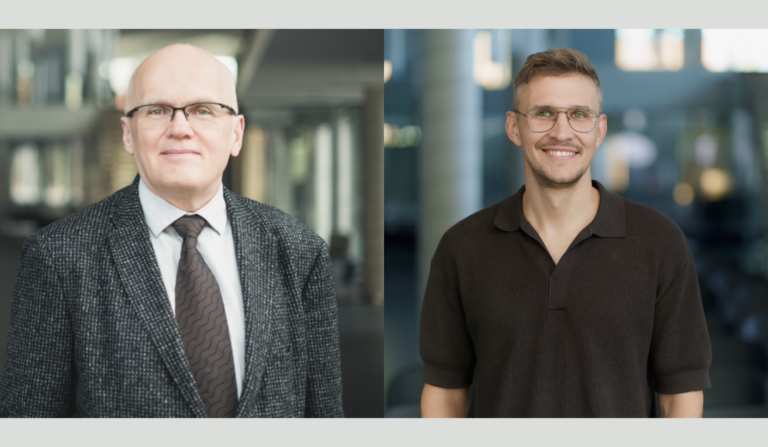
On 8 September 2026, the Erasmus+ project UPLIFT held its final conference, “Unlocking the Future of Immersive Literary and Film Tourism”, in Maribor, Slovenia, and online. The hybrid event brought together project partners, educators, tourism professionals and researchers from across Europe. VILNIUS TECH, which leads the project’s work package on immersive workshops, took part in person.
Two keynote lectures opened the programme. Dr Noëlle O’Connor of the Technological University of the Shannon (Ireland) spoke on the future of film and literary tourism and the growing role of VR, AR and AI in personalised, location-based storytelling. Prof. Dr Jasna Potočnik Topler of the University of Maribor presented the Slovene Writers’ Route as an example of how literary heritage can become a tourism experience.
In the session “From Visitors to Heroes”, partners shared the results of the four UPLIFT workshops. VILNIUS TECH presented the Lithuanian workshop, built on the principle “story first, technology later”: participants first defined their brand, audience and goals, and only then stepped into the Faux Real virtual production studio. Examples from Ireland (360° VR experiences), Iceland (creative use of QR codes) and Slovenia (transferring workshop ideas into destination development) completed the picture.
The conference closed with an expert panel on the future of immersive tourism in Europe towards 2030, in which Monika Grinevičiūtė of VILNIUS TECH LinkMenų fabrikas took part alongside Dr Noëlle O’Connor, Vera Vilhjálmsdóttir (Icelandic Tourism Research Centre) and Laura Magan (Feltech, Ireland), moderated by Tanja Abarca Kokol (VSGT Maribor). The shared conclusion was clear: technology alone does not create a good visitor experience; its value lies in supporting a story and turning visitors into participants.
UPLIFT concludes at the end of September 2026. All project materials remain freely available at www.uplifttourism.eu.
Funded by the European Union. Views and opinions expressed are however those of the author(s) only and do not necessarily reflect those of the European Union or the European Education and Culture Executive Agency (EACEA). Neither the European Union nor EACEA can be held responsible for them.