
- University
- University Structure
University Structure
VILNIUS TECH Council
The VILNIUS TECH Council is the highest body of strategic governance at the University. It is responsible for shaping and overseeing the University’s vision, mission and strategic direction. The Council approves key decisions related to the University’s activities, development, structure, finances and asset management. It elects and appoints the Rector, determines tuition fees and sets the number of study places. The Council also ensures accountability by approving the University’s annual activity and financial reports and by preparing its own annual report.
Council Members
-
Aldas RusevičiusChairman of the CouncilChief Executive Officer of AB “Kauno tiltai”
-
Prof. Dr. Juozas ValivonisDeputy Chairman of the CouncilProfessor at the Department of Reinforced Concrete Structures and Geotechnics, Faculty of Civil Engineering, VILNIUS TECH
-
Prof. Dr. Darius BazarasProfessor at the Department of Logistics and Transport Management, Faculty of Transport Engineering, VILNIUS TECH
-
Prof. Dr. Vytautas BučinskasProfessor at the Department of Mechatronics, Robotics and Digital Manufacturing, Faculty of Mechanical Engineering, VILNIUS TECH
-
Prof. Dr. Marija BurinskienėProfessor at the Department of Roads, Faculty of Environmental Engineering, VILNIUS TECH
-
Giedrius DzekunskasDirector of the Danske Group Information Technology Centre, Danske Bank A/S Lithuanian Branch
-
Dalius GedvilasDirector of the Lithuanian Construction Association
-
Prof. Dr. Tomas KačerauskasProfessor at the Department of Philosophy and Cultural Studies, Faculty of Creative Industries, VILNIUS TECH
-
Almantas DanilevičiusChief Executive Officer of the Vilnius Chamber of Commerce, Industry and Crafts
-
Dionis MartsinkevichusHead of the CIS Countries Department at UAB “Transekpedicija”
-
Ervin BorkovskiPresident of the VILNIUS TECH Students’ Union
Council Functions
Strategic Governance
- Approves the University’s vision and mission.
- Approves the University’s strategic activity (development) plan submitted by the Rector.
- Evaluates the University’s performance in relation to the strategic activity (development) plan, the results achieved and their impact on the University’s operations.
- Considers and approves structural reform plans submitted by the Rector.
- After hearing the opinion of the Senate, approves plans for the reorganisation or liquidation of the University and submits them to the Seimas (Parliament of the Republic of Lithuania).
Legal and Financial Oversight
- After hearing the opinion of the Senate, submits amendments to the University Statute to the Seimas (Parliament of the Republic of Lithuania) for approval.
- Establishes the procedures for the management, use and disposal of the University’s funds (including funds allocated for the remuneration of managers and staff) and assets.
- Approves the annual activity report, the income and expenditure budget, and the budget implementation report submitted by the Rector.
- Initiates an audit of the University’s economic and financial activities when necessary.
- Initiates an audit of the University’s economic and financial activities when necessary;
Leadership and Personnel Policy
- Establishes the procedure for organising a public competition for the position of Rector.
- Elects, appoints and dismisses the Rector.
- Approves the principles for the selection and evaluation of University staff.
Study Policy
- Upon the proposal of the Rector, determines tuition fees and the amounts of charges not directly related to the implementation of study programmes.
- Determines the overall number of study places, taking into account the University’s capacity to ensure the quality of studies and research activities.
- Ensures the University’s accountability and its relationship with society and the founder by publicly announcing, by 2 April each year, information on the implementation of the strategic activity (development) plan.
- Prepares its annual activity report by 2 April each year and submits it to the Seimas (Parliament of the Republic of Lithuania).
- Performs other functions established in the University Statute and other legal acts.
-
Organisation of the Activities of Council Members
Upon taking office, a Council member signs a commitment at the first meeting of the Council to act in the interests of the University and society and to perform the functions established in the Law on Higher Education and Research and in the University Statute with integrity. Members of the Senate and other representatives of the University’s academic community are invited to attend the first meeting of the Council. The form of the commitment is prepared in accordance with the procedure established by the Senate.
The Council elects and may dismiss the Chair of the Council from among its members by a majority vote of all Council members. A member of the University staff or a student may not serve as Chair of the Council.
The Council operates in accordance with its approved Rules of Procedure. Council meetings are valid if attended by at least two thirds of its members. Decisions are adopted by a majority vote of the members present at the meeting.
The Rector may attend Council meetings in an advisory capacity.
If a Council member fails to perform the duties established by the University Statute, the Council’s Rules of Procedure or the Law on Higher Education and Research, or does not sign the commitment referred to in Article 22 of the University Statute, the Chair of the Council has the right to request the appointing body (institution) to revoke the appointment of that Council member.
If the mandate of a Council member terminates before the end of the term of office, a new member is appointed in accordance with the procedure established by the Law on Higher Education and Research and the University Statute by the same appointing body (institution). The newly appointed member takes office once the Minister of Education, Science and Sport has announced the appointment and the member has signed the required commitment. The term of office of the new member continues until the end of the original member’s term.
Council members may be remunerated for their activities from University funds. Remuneration is calculated by order of the Rector on the basis of the annually published national average monthly salary and the actual time worked.
VILNIUS TECH Senate
The VILNIUS TECH Senate is a collegial body responsible for the governance of the University’s academic affairs. It is composed of University researchers, academic staff, students and representatives of other research and higher education institutions.
-
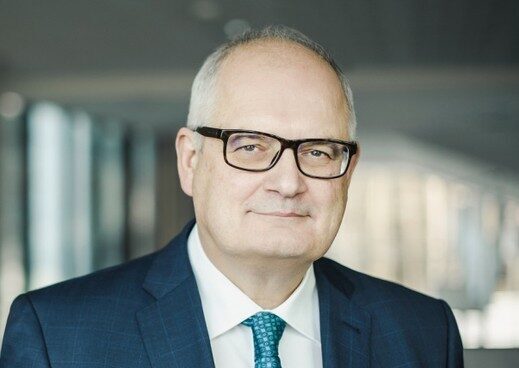 Prof. Dr. Alfonsas DaniūnasChairman of the Senate
 -
 Prof. Dr. Donatas ČygasDeputy Chairman of the Senate
 -
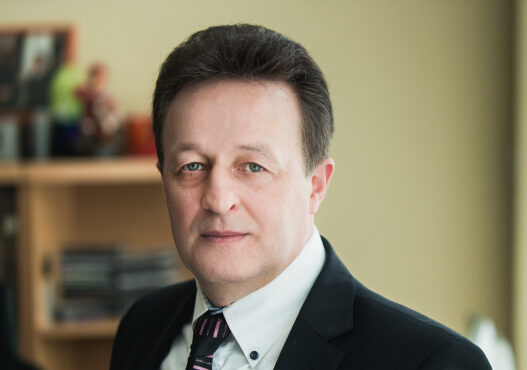
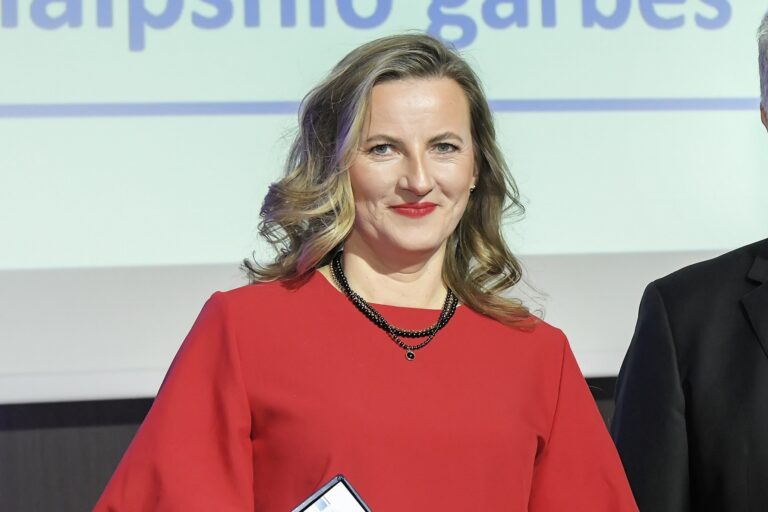
-
Composition and Organisation of the Senate
Members of the Senate may include members of the University’s academic community, members of the University administration who are members of the Senate by virtue of their position, as well as researchers, academic staff and recognised artists from other research and higher education institutions.
Student representatives must constitute at least 20 per cent of the Senate members. Student representatives are appointed by the Students’ Representation; if it does not exist, they are appointed by the general conference of student representatives.
Professors and chief research fellows must constitute at least 20 per cent of the Senate members. Associate professors and senior research fellows must also constitute at least 20 per cent of the Senate members. No more than 10 per cent of Senate members may be members by virtue of their position; this group may include staff of other research and higher education institutions. The Rector is a member of the Senate ex officio.
The proportions of Senate members by position, in compliance with the Law on Higher Education and Research and the University Statute, are defined in the Senate Rules of Procedure approved by the Senate.
Every researcher, Doctor of Arts and recognised artist who has obtained a teaching or research position at the University through an open competition has the right to vote in Senate elections and to stand for election.
Appointed student members of the Senate must represent all cycles of study and all University faculties or equivalent academic units.
The Senate is chaired by the Chair of the Senate, who has a Deputy Chair. The Chair and the Deputy Chair (proposed by the Chair) are elected by secret ballot by a simple majority of the Senate members. The election of the Deputy Chair takes place after the election of the Chair. A Senate member is elected to chair the meeting at which the Senate leadership is elected. The Rector, Vice-Rectors and the Chancellor may not be elected as Chair or Deputy Chair of the Senate.
By secret ballot and by a majority of at least two thirds of its members, the Senate may express no confidence in the Chair or Deputy Chair and call new elections.
To organise its work, the Senate forms a Senate Board consisting of the Chair, the Deputy Chair, the chairs of the standing committees and one student member of the Senate. The activities of the Senate, the Board and the standing committees are governed by the Senate Rules of Procedure.
For the implementation of its functions, the Senate establishes the following standing committees:
-
Research Committee;
-
Studies and Student Affairs Committee;
-
Development and Quality Committee;
-
Academic Ethics Commission.
The Senate is elected for a term of five years.
-
Senate Functions
Organisation and Regulation of Studies
- Establishes the procedures governing studies.
- Approves tuition fees and determines the overall number of study places, taking into account the capacity to ensure the quality of studies and research and artistic activities.
- Determines the duration of the assessment period during which module (subject) results are consolidated and the level of academic achievement is established.
- Establishes the procedures for awarding and revoking higher education qualifications.
- Taking into account proposals from the Students’ Representation, or, where it does not exist, from the general conference of student representatives, determines the procedure for retaking examinations or other final assessments free of charge for students who have failed them.
Admission and Management of Study Places
- Having assessed the requirements set out in professional standards and study field descriptions, establishes the criteria for admission by competition to the University’s short-cycle study programmes.
- Establishes the procedure for admission to second-cycle (Master’s) study programmes.
- Defines additional requirements regarding special abilities and competences for applicants placed on ranking lists who are applying for state-funded study places and study scholarships.
- In accordance with the principles set out in the Law on Higher Education and Research, establishes the procedure for transferring students from non-state-funded study places to vacant state-funded study places.
Management of the Content and Quality of Studies, Research and Artistic Activities
- Approves study, research and experimental development, and art programmes, and submits proposals to the Rector regarding the financing of these programmes and the restructuring of the University required for their implementation. It evaluates the results of research and experimental development, as well as the quality and level of the University’s research, experimental development and artistic activities.
- Approves the internal quality assurance system for studies and monitors its implementation.
Strategic Planning and Development of the University Structure
- Considers the University’s strategic activity plan submitted by the Rector and provides its opinion to the Council.
- Considers structural reform plans submitted by the Rector that are necessary for the implementation of the strategic activity plan and provides its opinion to the Council.
Governance of the Academic Community and Staff
- stablishes qualification requirements for academic and research staff positions and determines the procedures for staff appraisal and for organising competitions for academic and research posts.
- Defines the positions of teaching practitioners and the procedures for appointment to these positions.
- Confers honorary and other titles in accordance with procedures established by the Senate.
- Conven es meetings of the University’s academic community to discuss important matters related to the University’s activities.
Institutional Governance and Representation
- Considers and submits proposals to the Council regarding the procedures for the management, use and disposal of the University’s funds (including funds allocated for the remuneration of administrative and other staff) and assets owned by the University.
- Considers and submits proposals to the Council regarding the suitability of candidates for the position of Rector.
- Establishes the procedure for organising the general conference of student representatives.
- Performs other functions defined in the Law on Higher Education and Research and the University Statute.
Board Members
-
Prof. Dr. Alfonsas DaniūnasChairman of the Senate
-
Prof. Dr. Donatas ČygasDeputy Chairman of the Senate
-
Prof. Dr. Olegas PrentkovskisChair of the Research Committee
-
Prof. Dr. Rima TamošiūnienėChair of the Development and Quality Committee
-
Assoc Prof. Dr. Dainius JasaitisChair of the Studies and Students Committee
-
Assoc. Prof. Gintautas BlažiūnasChair of the Academic Ethics Committee
-
Student Agna PetkevičiūtėRepresentative of the VILNIUS TECH Students’ Union
Senate Members
The Senate of Vilnius Gediminas Technical University for the 2022–2027 term of office commenced its activities on 4 February 2022. The Senate currently consists of 51 members.
- Senate Members by Virtue of Position
- Representatives of Academic Units
- Student Representatives
-
Prof. Dr. Romualdas KliukasRectorCentral Administration
-
Assoc Prof. Dr. Adas MeškėnasVice-rector for strategic partnershipCentral Administration
-
Prof. Dr. Dalius NavakauskasVice-rector for research and innovationCentral Administration
-
Prof. Dr. Živilė Sederevičiūtė-PačiauskienėVice-rector for StudiesCentral Administration
-
Assoc Prof. Dr. Vaidotas TrinkūnasChancellorCentral Administration
-
Prof. Dr. Vaida AsakavičiūtėDeanFaculty of Creative Industries
-
Prof. Dr. Darius BačinskasProfessorDepartment of Reinforced Concrete Structures and Geotechnics
-
Prof. Dr. Edita Baltrėnaitė-GedienėChief Research FellowInstitute of Environmental Protection
-
Assoc Prof. Gintautas BlažiūnasProfessorDepartment of Architecture
-
Prof. Dr. Olegas ČernašėjusProfessorDepartment of Mechanical and Material Engineering
-
Prof. Dr. Donatas ČygasDeanFaculty of Environmental Engineering
-
Assoc Prof. Dr. Kristina ČižiūnienėAssociate professorLogistics and Transport Management Department
-
Prof. Dr. Alfonsas DaniūnasHeadDepartment of Steel and Composite Structures
-
Prof. Dr. Vida DavidavičienėDeanFaculty of Business Management
-
Prof. Dr. Dalia DijokienėDeanFaculty of Architecture
-
Assoc Prof. Dr. Giedrius GarbinčiusAssociate professorDepartment of Automobile Engineering
-
Assoc Prof. Dr. Justinas GargasasDeanFaculty of Mechanics
-
Prof. Dr. Raimondas GrubliauskasProfessorDepartment of Environment Protection and Water Engineering
-
Assoc Prof. Dr. Dainius JasaitisProfessorDepartment of Aviation Technologies
-
Assoc Prof. Dr. Vilma JasiūnienėHeadDepartment of Roads
-
Assoc Prof. Dr. Linas JuknevičiusDeanAntanas Gustaitis' Aviation Institute
-
Dr. Elena KocaiHeadDepartment of Creative Communication
-
Assoc Prof. Dr. Daiva MakutėnienėHeadDepartment of Engineering Graphics
-
Assoc Prof. Dr. Jonas MatijošiusChief Research FellowLaboratory of Experimental Mechanics
-
Prof. Dr. Dalius MažeikaDeanFaculty of Fundamental Sciences
-
Assoc Prof. Dr. Algita MiečinskienėHeadDepartment of Financial Engineering
-
Assoc Prof. Dr. Vida NavickienėAssociate professorDepartment of Philosophy and Cultural Studies
-
Assoc Prof. Dr. Liutauras NekrošiusAssociate professorDepartment of Architectural Fundamentals, Theory and Arts
-
Prof. Dr. Olegas PrentkovskisDeanFaculty of Transport Engineering
-
Assoc Prof. Dr. Vytautas RimšaHeadDepartment of Aviation Technologies
-
Assoc Prof. Dr. Darius RudinskasHeadDepartment of Aeronautical Engineering
-
Prof. Dr. Artūras SerackisHeadDepartment of Electronic Systems
-
Dr. Rimvydas StonysChief Research FellowLaboratory of Composite Materials
-
Assoc Prof. Dr. Remigijus ŠalnaDeanFaculty of Civil Engineering
-
Prof. Dr. Rima TamošiūnienėProfessorDepartment of Financial Engineering
-
Prof. Dr. Sonata TolvaišienėHeadDepartment of Electrical Engineering
-
Assoc Prof. Dr. Dainius UdrisProfessorDepartment of Electrical Engineering
-
Prof. Dr. Audrius VaitkusProfessorDepartment of Roads
-
Dr. Saulius VaitkusChief Research FellowDepartment of Reinforced Concrete Structures and Geotechnics
-
Prof. Dr. Darius ViržonisProfessorDepartment of Mechatronics, Robotics and Digital Manufacturing
-
Žeimantė GailiūtėBachelor’s studentFaculty of Creative Industries
-
Laura GavėnienėDoctoral studentFaculty of Evironmental Engineering
-
Vytautas JasulionisBachelor’s studentFaculty of Business Management
-
Ainaras JonutisBachelor’s studentFaculty of Fundamental Sciences
-
Ugnė KerulytėBachelor’s studentFaculty of Evironmental Engineering
-
Saulius PaukštėBachelor’s studentFaculty of Electronics
-
Agna PetkevičiūtėMaster’s studentFaculty of Architecture
-
Simonas RiškaMaster’s studentFaculty of Fundamental Sciences
-
Patricija SamulytėBachelor’s studentAntanas Gustaitis’ aviation institute
-
Lukas Jonas StanulionisBachelor’s studentFaculty of Mechanics
-
Viltė ŠtakaitėBachelor’s studentFaculty of Civil Engineering
Senate Committees and Commission
- Studies and Student Affairs Committee
- Academic Ethics Commission
- Development and Quality Committee
- Research Committee
-
Assoc Prof. Dr. Dainius Jasaitis
-
Assoc Prof. Dr. Kristina Čižiūnienė
-
Assoc Prof. Dr. Justinas Gargasas
-
Assoc Prof. Dr. Vilma Jasiūnienė
-
Assoc Prof. Dr. Algita Miečinskienė
-
Assoc Prof. Dr. Vida Navickienė
-
Simonas Riška
-
Prof. Dr. Živilė Sederevičiūtė-Pačiauskienė
-
Lukas Jonas Stanulionis
-
Saulius Paukštė
-
Assoc Prof. Dr. Remigijus Šalna
-
Prof. Dr. Sonata Tolvaišienė
-
Assoc. Prof. Gintautas Blažiūnas
-
Prof. Dr. Olegas Černašėjus
-
Prof. Dr. Dalia Dijokienė
-
Vytautas Jasulionis
-
Ugnė Kerulytė
-
Assoc Prof. Dr. Adas Meškėnas
-
Agna Petkevičiūtė
-
Prof. Dr. Audrius Vaitkus
-
Ričardas Varno
-
Prof. Dr. Rima Tamošiūnienė
-
Prof. Dr. Vaida Asakavičiūtė
-
Prof. Dr. Olegas Černašėjus
-
Prof. Dr. Donatas Čygas
-
Žeimantė Gailiūtė
-
Assoc Prof. Dr. Giedrius Garbinčius
-
Prof. Dr. Raimondas Grubliauskas
-
Ainaras Jonutis
-
Assoc Prof. Dr. Linas Juknevičius
-
Assoc Prof. Dr. Daiva Makutėnienė
-
Dr. Rimvydas Stonys
-
Viltė Štakaitė
-
Assoc Prof. Dr. Vaidotas Trinkūnas
-
Assoc Prof. Dr. Dainius Udris
-
Prof. Dr. Olegas Prentkovskis
-
Prof. Dr. Darius Bačinskas
-
Prof. Dr. Edita Baltrėnaitė-Gedienė
-
Dr. Laura Gavėnienė
-
Prof. Dr. Vida Davidavičienė
-
Dr. Elena Kocai
-
Assoc Prof. Dr. Jonas Matijošius
-
Prof. Dr. Dalius Mažeika
-
Prof. Dr. Dalius Navakauskas
-
Assoc Prof. Dr. Liutauras Nekrošius
-
Assoc Prof. Dr. Vytautas Rimša
-
Assoc Prof. Dr. Darius Rudinskas
-
Patricija Samulytė
-
Prof. Dr. Artūras Serackis
-
Prof. Dr. Audrius Vaitkus
-
Dr. Saulius Vaitkus
-
Prof. Dr. Darius Viržonis
Rector’s Message
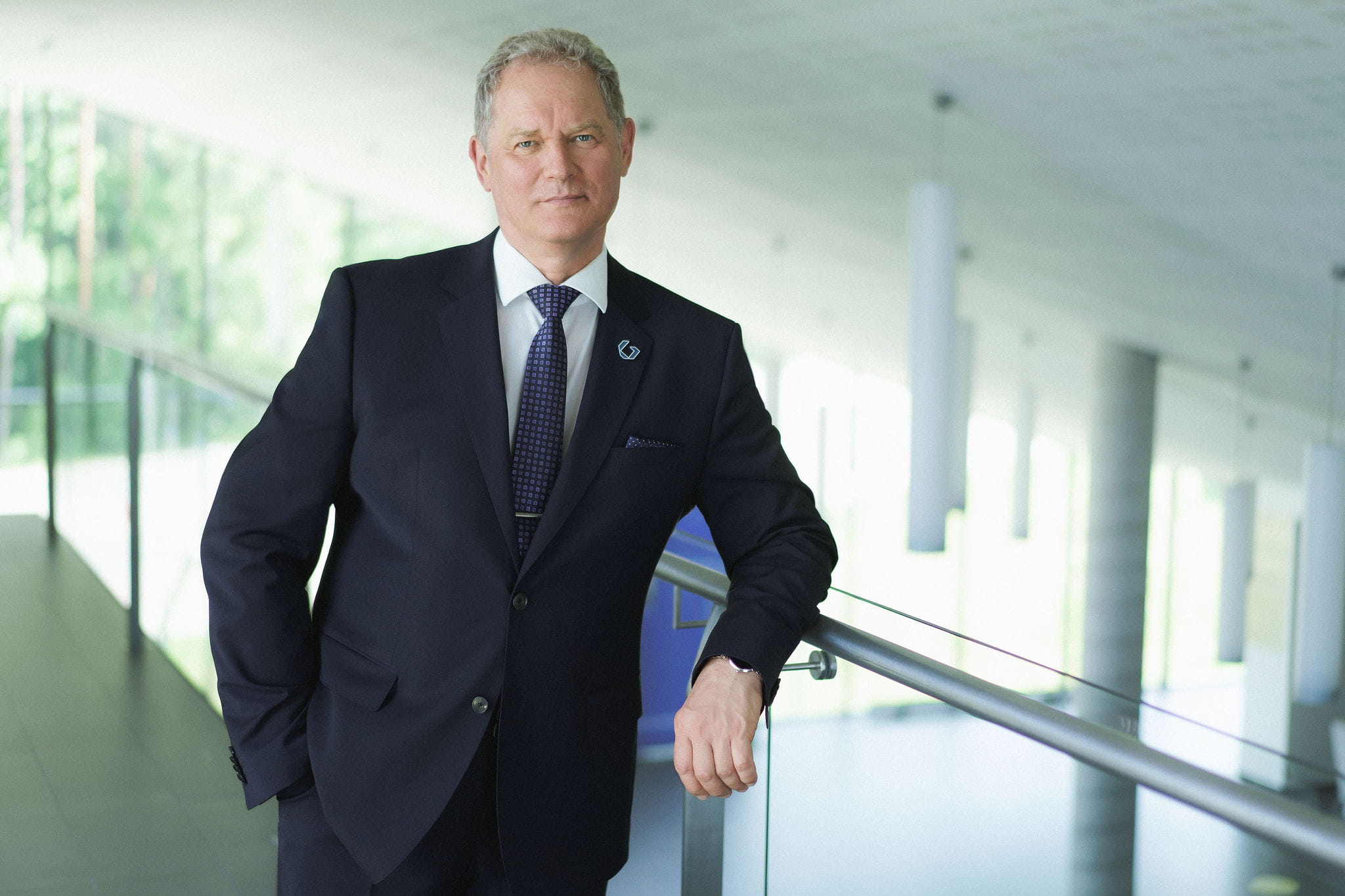 Discover VILNIUS TECH
What kind of engineering do we create for a world that is constantly reinventing itself? How do we prepare for the unknown unknowns of the future?
We don’t wait for inspiration – we create algorithms, narratives, and models that solve tomorrow’s challenges. In our laboratories, competence centres, auditoriums, and through imagination, we engage in responsible, impactful engineering every day – from aviation, space robotics, transport, construction, and energy to AI and maritime technologies.
We educate system architects – globally minded specialists, inventors, and problem-solvers. We attract curious, ambitious scientists, social partners, and innovative businesses who choose VILNIUS TECH for its worldview and TECH CULTURE.
One of our greatest assets is intellectual power, innovation, and creativity. Our core values are sustainability, openness, and connectivity. We welcome humble inventors, ambitious startups, and dreamers who believe they will one day change the world.
A suitable environment and modern equipment are essential for creativity. This is why we have focused our talents on ten competence centres – from SmartEco Tech to Digi-Defense – as well as advanced science centres, applied science institutes, and laboratories. Together with business partners and public institutions, we model problems, design systems, and create solutions that can be implemented in reality. This is engineering that begins with an idea and ends with the ethics of action.
Technology has become an essential tool for creating tomorrow’s world, helping us to overcome boundaries. We play a vital role in Lithuania’s progress and development as the country’s most prestigious and international technical university – a leader in R&D, focusing on breakthrough areas such as digital transformation, sustainable development, defence and security, crisis resilience, AI, climate change, and the built environment. These are the directions that guide our search for solutions and define our expertise and leadership.
What does it mean to create technology for such a complex world? We don’t have all the answers, but one idea at a time, we are bringing the future closer. We invite you to find solutions together – because this is a choice about how deeply you want to understand the world, and how you want to change it.
Let the success stories of our alumni and scientists around the world speak for us – their journeys are the continuation of our story.
A warm welcome to VILNIUS TECH!
Professor Dr Romualdas Kliukas
Rector of VILNIUS TECH
VILNIUS TECH Chancellor and Vice-Rectors
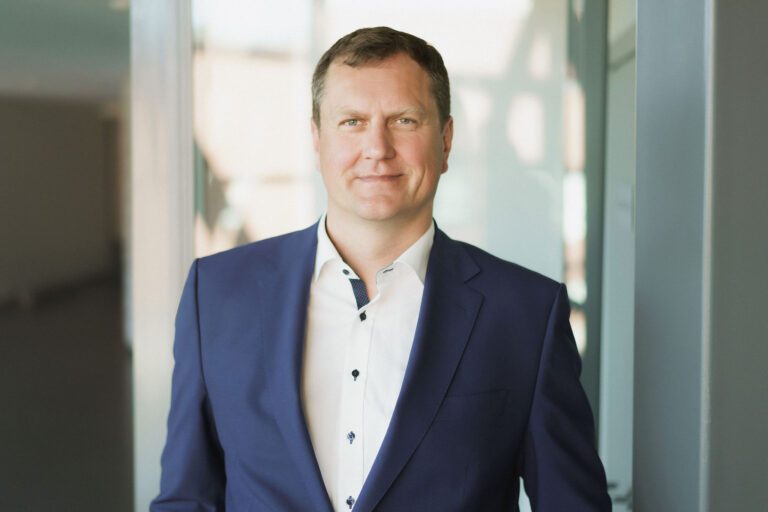
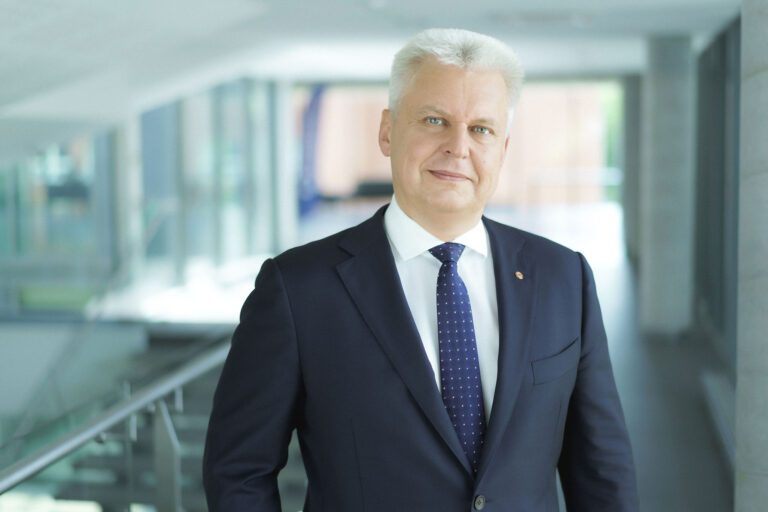
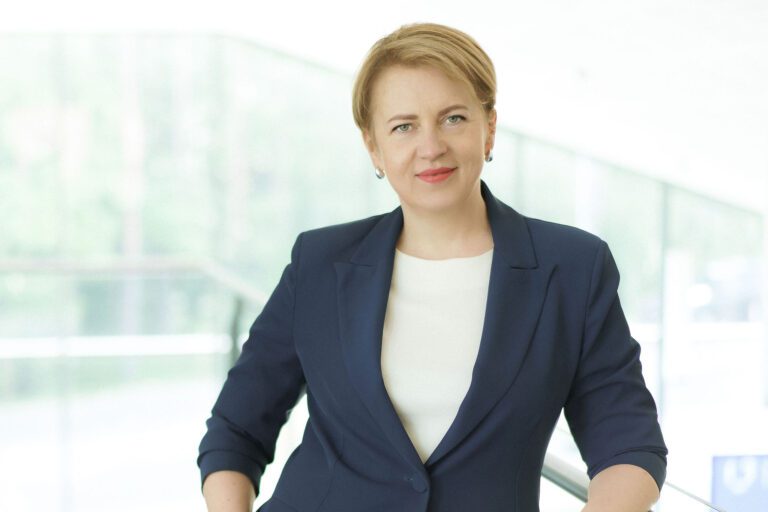
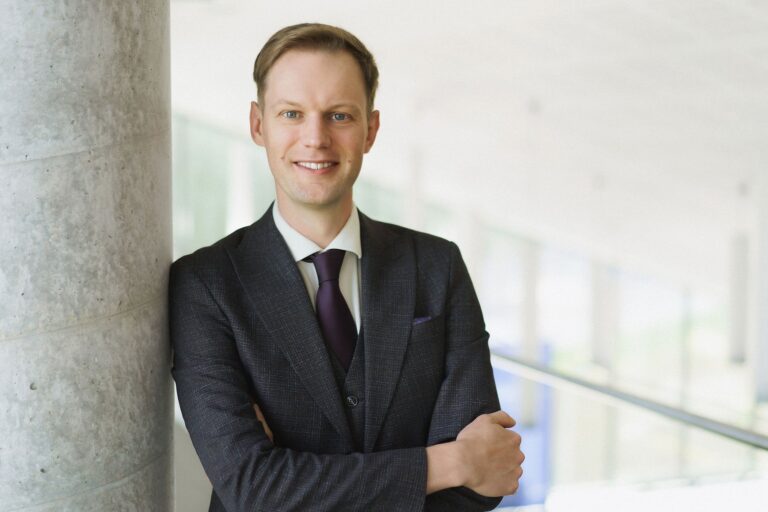
VILNIUS TECH Rectorate
The Rectorate is a collegial advisory body chaired by the Rector. It consists of the Rector, Vice-Rectors, the Chancellor, faculty deans, directors of institutes and a representative delegated by the Students’ Representation. The Rector may also appoint additional members to the Rectorate.
The Rectorate considers organisational, academic, research, financial and operational matters, as well as the activities of University units. It assists the Rector in implementing the decisions adopted by the Council and the Senate.
Rectorate Members
-
Prof. Dr. Romualdas KliukasRectorCentral Administration
-
Assoc Prof. Dr. Adas MeškėnasVice-rector for strategic partnershipCentral Administration
-
Prof. Dr. Dalius NavakauskasVice-rector for research and innovationCentral Administration
-
Prof. Dr. Živilė Sederevičiūtė-PačiauskienėVice-rector for StudiesCentral Administration
-
Assoc Prof. Dr. Vaidotas TrinkūnasChancellorCentral Administration
-
Prof. Dr. Vaida AsakavičiūtėDeanFaculty of Creative Industries
-
Prof. Dr. Dalius MažeikaDeanFaculty of Fundamental Sciences
-
Prof. Dr. Donatas ČygasDeanFaculty of Environmental Engineering
-
Assoc Prof. Dr. Justinas GargasasDeanFaculty of Mechanics
-
Prof. Dr. Dalia DijokienėDeanFaculty of Architecture
-
Assoc Prof. Dr. Linas JuknevičiusDeanAntanas Gustaitis' Aviation Institute
-
Prof. Dr. Olegas PrentkovskisDeanFaculty of Transport Engineering
-
Assoc Prof. Dr. Remigijus ŠalnaDeanFaculty of Civil Engineering
-
Assoc Prof. Dr. Artūras MedeišisDeanFaculty of Electronics
-
Prof. Dr. Vida DavidavičienėDeanFaculty of Business Management
-
Romualdas ČesnavičiusDirectorFinance Office
-
Dovilė JuršytėDirectorPublic Communication Office
-
Ervin BorkovskiPresidentVILNIUS TECH Students’ Union
VILNIUS TECH Organisational Units
VILNIUS TECH units are the University’s structural entities responsible for ensuring the quality of studies, research, innovation, administration and student welfare.
-
Rector
Human Resources OfficeAddressSaulėtekio al. 11, 10223 VilniusPhoneLocal phoneOfficeS1(SRC) 701MuseumAddressSaulėtekio al. 11, 10223 VilniusEmailPhoneLocal phoneOfficeS2(SRA-I) A01Legal Affairs OfficeAddressSaulėtekio al. 11, 10223 VilniusPhoneLocal phoneOfficeS1(SRC) 1004Internal Audit DivisionAddressSaulėtekio al. 11, 10223 VilniusPhoneLocal phoneOfficeS1(SRC) 703
-
Rectorate
-
Vice-Rector for Research and Innovation
Administrative UnitsScience and Research OfficeAddressSaulėtekio al. 11, 10223 VilniusEmailPhoneLocal phoneOfficeS1(SRC) 802Knowledge and Technology Transfer CentreAddressSaulėtekio al. 11, 10223 VilniusPhoneLocal phoneOfficeS1(SRC) 802LibraryAddressSaulėtekio al. 14, 10223 VilniusPhoneLocal phoneOfficeS14 205Projects DivisionAddressSaulėtekio al. 11, 10223 VilniusEmailPhoneLocal phoneOfficeS1(SRC) 1003University Research UnitsCivil Engineering Research CentreAddressSaulėtekio al. 11, 10223 VilniusEmailPhoneLocal phoneOfficeS3(SRK-I) 408Technology Centre for Building Information and Digital ModelingAddressSaulėtekio al. 11, 10223 VilniusPhoneOfficeS1(SRC) 208Digital Defense Competence CentreAddressSaulėtekio al. 11, 10223 VilniusOfficeS1(SRC) 1003Smart and Climate-Neutral Production Processes, Materials and Technologies Competence CentreAddressSaulėtekio al. 11, 10223 VilniusOfficeS1(SRC) 1003Accredited LaboratoriesLaboratory of Calibration (accredited)AddressSaulėtekio al. 11, 10223 VilniusEmailPhoneLocal phoneOfficeS4(SRA-II) 210Laboratory of Strength MechanicsAddressSaulėtekio al. 11, 10223 VilniusEmailPhoneLocal phoneOfficeS6(SRL-I) 216Laboratory of Environment Protection and Labour SafetyAddressSaulėtekio al. 11, 10223 VilniusEmailPhoneLocal phoneOfficeS4(SRA-II) 211Road Research LaboratoryAddressSaulėtekio al. 11, 10223 VilniusEmailPhoneLocal phoneOfficeS7(SRL-II) 22Laboratory of Buildings, Constructions and MaterialsAddressSaulėtekio al. 11, 10223 VilniusPhoneLocal phoneOfficeS7(SRL-II) 18
-
Vice-Rector for Studies
Administrative UnitsAcademic Affairs OfficeAddressSaulėtekio al. 11, 10223 VilniusEmailPhoneLocal phoneOfficeS1(SRC) 902Admission and Information CentreAddressSaulėtekio al. 11, 10223 VilniusEmailPhoneLocal phoneOfficeS3(SRK-I) 205Academic support centreAddressSaulėtekio al. 11, 10223 VilniusEmailPhoneLocal phoneOfficeS6(SRL-I) 525International Studies CentreAddressSaulėtekio al. 11, 10223 VilniusEmailPhoneLocal phoneOfficeS1(SRC) 208Public Communication OfficeAddressSaulėtekio al. 11, 10223 VilniusEmailPhoneLocal phoneOfficeS1(SRC) 306
-
Chancellor
Administrative UnitsHeavy Construction OfficeAddressSaulėtekio al. 11, 10223 VilniusPhoneLocal phoneOfficeS3(SRK-I) 105Estates and Economy OfficeAddressSaulėtekio al. 11, 10223 VilniusPhoneLocal phoneOfficeS3(SRK-I) 211Document Management OfficeAddressSaulėtekio al. 11, 10223 VilniusPhoneLocal phoneOfficeS1(SRC) 702SecretariatAddressSaulėtekio al. 11, 10223 VilniusPhoneLocal phoneOfficeS1(SRC) 1101Labour Safety and Health-Care DivisionAddressSaulėtekio al. 11, 10223 VilniusEmailPhoneLocal phoneOfficeS1(SRC) 115Public Procurement OfficeAddressSaulėtekio al. 11, 10223 VilniusEmailPhoneLocal phoneOfficeS3(SRK-I) 104The Centre of Information Technology and SystemsAddressSaulėtekio al. 11, 10223 VilniusEmailPhoneLocal phoneOfficeS6(SRL-I) 322
-
Vice-Rector for Strategic Partnerships
Administrative UnitsInternational Relations OfficeAddressSaulėtekio al. 11, 10223 VilniusEmailPhoneLocal phoneOfficeS1(SRC) 805Strategic Planning, Quality Management and Analysis CentreAddressSaulėtekio al. 11, 10223 VilniusEmailPhoneLocal phoneOfficeS1(SRC) 1006Creativity and Innovation Centre “Linkmenų fabrikas”AddressLinkmenų g. 28, 08217 VilniusPhoneLocal phoneOfficeL5(LF) 2/01Center for Strategic PartnershipAddressSaulėtekio al. 11, 10223 VilniusPhoneLocal phoneOfficeS1(SRC) 507Sustainability HUBAddressSaulėtekio al. 11, 10223 VilniusPhoneLocal phoneOfficeS4(SRA-II) 110
-
Faculties
-
Antanas Gustaitis Aviation Institute
DepartmentsDepartment of Aeronautical EngineeringAddressLinkmenų g. 28, Vilnius, 08217 LietuvaEmailPhoneLocal phoneOfficeL6(AGAI) 206Department of Aviation TechnologiesAddressLinkmenų g. 28, Vilnius, 08217 LietuvaEmailPhoneLocal phoneOfficeL6(AGAI) 206Teaching UnitsFlight Training UnitAddressLinkmenų g. 28, 08217 VilniusEmailPhoneLocal phoneOfficeLR-VI 39Air Traffic Control Training UnitAddressLinkmenų g. 28, Vilnius, 08217 LietuvaEmailPhoneLocal phoneOfficeL6(AGAI) 204Research UnitsAerospace Data CenterAddressLinkmenų g. 28, Vilnius, 08217 LietuvaEmailPhoneLocal phoneOfficeL6(AGAI) 310
-
Faculty of Environmental Engineering
DepartmentsDepartment of Geodesy and CadastreAddressSaulėtekio al. 11, 10223 VilniusEmailPhoneLocal phoneOfficeS5(SRK-II) 711Department of RoadsAddressSaulėtekio al. 11, 10223 VilniusEmailPhoneLocal phoneOfficeS5(SRK-II) 515Department of Building EnergeticsAddressSaulėtekio al. 11, 10223 VilniusEmailPhoneLocal phoneOfficeS5(SRK-II) 407Department of Environment Protection and Water EngineeringAddressSaulėtekio al. 11, 10223 VilniusEmailPhoneOfficeS5(SRK-II) 509Research UnitsInstitute of Environmental ProtectionAddressSaulėtekio al. 11, 10223 VilniusEmailPhoneLocal phoneOfficeS5(SRK-II) 309Institute of GeodesyAddressSaulėtekio al. 11, 10223 VilniusEmailPhoneLocal phoneOfficeS4(SRA-II) 210Road Research InstituteAddressLinkmenų g.28, IV korpusas, 5 aukštasEmailPhoneLocal phoneInstitute of Territorial PlanningAddressSaulėtekio al. 11, 10223 VilniusEmailPhoneLocal phoneOfficeS5(SRK-II) 505Laboratory of Building Energy and Microclimate SystemsAddressSaulėtekio al. 11, 10223 VilniusOfficeS5(SRK-II) 801Teaching UnitsLaboratory of RoadsAddressSaulėtekio al. 11, 10223 VilniusEmailPhoneLocal phoneOfficeS5(SRK-II) 208Laboratory of Roads Construction MaterialsAddressSaulėtekio al. 11, 10223 VilniusPhoneLocal phoneOfficeS5(SRK-II) 104Laboratory of Urban Transport and TrafficAddressSaulėtekio al. 11, 10223 VilniusPhoneLocal phoneOfficeS5(SRK-II) 508Laboratory of Geodesy and CadastreAddressSaulėtekio al. 11, 10223 VilniusEmailPhoneLocal phoneOfficeS5(SRK-II) 704Academician Algirdas Žukauskas Laboratory of Heat TransferAddressSaulėtekio al. 11, 10223 VilniusPhoneLocal phoneOfficeS5(SRK-II) 414Laboratory of Environmental ChemistryAddressSaulėtekio al. 11, 10223 VilniusPhoneLocal phoneOfficeS5(SRK-II) 311Laboratory of Water EngineeringAddressSaulėtekio al. 11, 10223 VilniusPhoneLocal phoneOfficeS5(SRK-II) 404Laboratory of HydraulicsAddressSaulėtekio al. 11, 10223 VilniusPhoneLocal phoneOfficeS4(SRA-II) 101
-
Faculty of Architecture
DepartmentsDepartment of ArchitectureAddressTrakų g. 1, 01132 VilniusEmailPhoneLocal phoneOfficeT1(SNR-I) 3.5Department of Urban DesignAddressTrakų g. 1, 01132 VilniusEmailPhoneLocal phoneOfficeT1(SNR-I) 2.11Department of DesignAddressTrakų g. 1, 01132 VilniusPhoneLocal phoneOfficeT1(SNR-I) 1.2Department of Architectural Fundamentals, Theory and ArtsAddressTrakų g. 1, 01132 VilniusEmailPhoneOfficeT1(SNR-I) 4.9Research UnitsInstitute of ArchitectureAddressTrakų g. 1, 01132 VilniusEmailPhoneLocal phoneOfficeT1(SNR-I) 1.5Teaching UnitsSchool of Young Architects and DesignersAddressTrakų g. 1, 01132 VilniusPhoneLocal phoneOfficeT1(SNR-I) 4.2Architectural Modelling WorkshopAddressTrakų g. 1, 01132 VilniusEmailPhoneLocal phoneOfficeT1(SNR-I) 3.8
-
Faculty of Electronics
DepartmentsDepartment of Electronic SystemsAddressPlytinės g. 25, 10105 VilniusEmailPhoneLocal phoneOfficeP2 235Department of Computer Science and Communications TechnologiesAddressPlytinės g. 25, 10105 VilniusEmailPhoneLocal phoneOfficeP2 326Department of Electrical EngineeringAddressPlytinės g. 25, 10105 VilniusEmailPhoneLocal phoneOfficeP2 225Research UnitsInstitute of High Magnetic FieldsAddressPlytinės g. 25, 10105 VilniusEmailPhoneLocal phoneOfficeP1 424Institute of TelecommunicationAddressPlytinės g. 25, 10105 VilniusPhoneLocal phoneOfficeP2 209Teaching UnitsLaboratory of ElectronicsAddressPlytinės g. 25, 10105 VilniusPhoneLocal phoneOfficeP2 317Laboratory of Electronic SystemsAddressPlytinės g. 25, 10105 VilniusPhoneLocal phoneOfficeP2 213Laboratory of Automatic SystemsAddressNaugarduko g. 41, 03227 VilniusPhoneLocal phoneOfficeER-I 329Laboratory of Electrical EngineeringAddressSaulėtekio al. 11, 10223 VilniusEmailPhoneLocal phoneOfficeS6(SRL-I) 427Laboratory of Computer EngineeringAddressPlytinės g. 25, 10105 VilniusEmailPhoneLocal phoneOfficeP2 325
-
Faculty of Fundamental Sciences
DepartmentsDepartment of Chemistry and BioengineeringAddressSaulėtekio al. 11, 10223 VilniusEmailPhoneLocal phoneOfficeS6(SRL-I) 203Department of PhysicsAddressSaulėtekio al. 11, 10223 VilniusEmailPhoneLocal phoneOfficeS6(SRL-I) 334Department of Information SystemsAddressSaulėtekio al. 11, 10223 VilniusEmailPhoneLocal phoneOfficeS6(SRL-I) 413Department of Information TechnologiesAddressSaulėtekio al. 11, 10223 VilniusEmailPhoneLocal phoneOfficeS6(SRL-I) 511Department of Engineering GraphicsAddressSaulėtekio al. 11, 10223 VilniusEmailPhoneLocal phoneOfficeS6(SRL-I) 611Department of Graphical SystemsAddressSaulėtekio al. 11, 10223 VilniusEmailPhoneLocal phoneOfficeS5(SRK-II) 608Department of Mathematical ModellingAddressSaulėtekio al. 11, 10223 VilniusEmailPhoneLocal phoneOfficeS6(SRL-I) 403Department of Mathematical StatisticsAddressSaulėtekio al. 11, 10223 VilniusEmailPhoneLocal phoneOfficeS6(SRL-I) 425Research UnitsInstitute of Applied Computer ScienceAddressSaulėtekio al. 11, 10223 VilniusEmailPhoneLocal phoneOfficeS6(SRL-I) 607Laboratory of Photovoltaic TechnologiesAddressSaulėtekio al. 11, 10223 VilniusPhoneLocal phoneOfficeS6(SRL-I) 330Laboratory of Molecular BiotechnologyAddressSaulėtekio al. 11, 10223 VilniusPhoneLocal phoneOfficeS6(SRL-I) 223Laboratory of Parallel ComputingAddressSaulėtekio al. 11, 10223 VilniusEmailPhoneLocal phoneOfficeS6(SRL-I) 320Teaching UnitsLaboratory of PhysicsAddressSaulėtekio al. 11, 10223 VilniusPhoneLocal phoneOfficeS6(SRL-I) 328Laboratory of Multimedia and Computer DesignAddressSaulėtekio al. 11, 10223 VilniusPhoneLocal phoneOfficeS5(SRK-II) 605
-
Faculty of Creative Industries
DepartmentsDepartment of Entertainment industriesAddressTrakų g. 1, 01132 VilniusEmailPhoneLocal phoneOfficeT2(SNR-II) 107Department of Creative CommunicationAddressTrakų g. 1, 01132 VilniusEmailPhoneLocal phoneOfficeT2(SNR-II) 203Department of Philosophy and Cultural StudiesAddressTrakų g. 1, 01132 VilniusEmailPhoneLocal phoneOfficeT2(SNR-II) 102
-
Lithuanian Maritime Academy
DepartmentsResearch Units
-
Faculty of Mechanics
DepartmentsDepartment of Mechanical and Material EngineeringAddressPlytinės g. 25, 10105 VilniusEmailPhoneLocal phoneOfficeP2 146Department of Mechatronics, Robotics and Digital ManufacturingAddressPlytinės g. 25, 10105 VilniusPhoneLocal phoneOfficeP2 164Department of Biomechanical EngineeringAddressPlytinės g. 25, 10105 VilniusEmailPhoneLocal phoneOfficeP1 324Research UnitsInstitute of Mechanical ScienceAddressPlytinės g. 25, 10105 VilniusEmailPhoneLocal phoneOfficeP1 246Laboratory of Numerical SimulationAddressJ. Basanavičiaus g. 28, 03224PhoneLocal phoneLaboratory of Materials ResearchAddressPlytinės g. 25, 10105 VilniusPhoneLocal phoneOfficeP1 134Laboratory of Experimental MechanicsAddressJ. Basanavičiaus g. 28, 03224PhoneLocal phoneTeaching UnitsTechnical Creativity and Innovation CentreAddressPlytinės g. 25, 10105 VilniusEmailPhoneLocal phoneOfficeP1 218Laboratory of Machinery and TechnologiesAddressPlytinės g. 25, 10105 VilniusEmailPhoneOfficeP1 227Laboratory of Materials Science and WeldingAddressPlytinės g. 25, 10105 VilniusEmailPhoneLocal phoneOfficeP1 227Laboratory of Mechatronics and RoboticsAddressPlytinės g. 25, 10105 VilniusEmailPhoneLocal phoneOfficeP1 128Laboratory of 3D Technologies and PrintingAddressPlytinės g. 25, 10105 VilniusEmailPhoneOfficeP1 233Laboratory of Medical and Rehabilitation equipmentAddressJ. Basanavičiaus g. 28, 03224 VilniusEmailPhoneLocal phoneOfficeMR-II 2-110
-
Faculty of Civil Engineering
DepartmentsDepartment of Building Materials and Fire SafetyAddressSaulėtekio al. 11, 10223 VilniusEmailPhoneLocal phoneOfficeS3(SRK-I) 413Department of Reinforced Concrete Structures and GeotechnicsAddressSaulėtekio al. 11, 10223 VilniusEmailPhoneLocal phoneOfficeS7(SRL-II) 21Department of Steel and Composite StructuresAddressSaulėtekio al. 11, 10223 VilniusEmailPhoneLocal phoneOfficeS1(SRC) 408Department of Applied MechanicsAddressSaulėtekio al. 11, 10223 VilniusEmailPhoneOfficeS3(SRK-I) 401Department of Construction Management and Real EstateAddressSaulėtekio al. 11, 10223 VilniusEmailPhoneLocal phoneOfficeS1(SRC) 509Research UnitsInstitute of Building MaterialsAddressLinkmenų g. 28, 08217 VilniusEmailPhoneLocal phoneOfficeLR-VI 318Institute of Building and Bridge StructuresAddressSaulėtekio al. 11, 10223 VilniusPhoneLocal phoneOfficeS7(SRL-II) 28Institute of Sustainable ConstructionAddressSaulėtekio al. 11, 10223 VilniusPhoneLocal phoneOfficeS1(SRC) 508/4Laboratory of Concrete TechnologiesAddressSaulėtekio al. 11, 10223 VilniusPhoneOfficeS6(SRL-I) 106Laboratory of Innovative Building StructuresAddressSaulėtekio al. 11PhoneLocal phoneLaboratory of GeotechnicsAddressSaulėtekio al. 11, 10223 VilniusPhoneLocal phoneOfficeS6(SRL-I) 511Teaching UnitsLaboratory of Building MaterialsAddressSaulėtekio al. 11, 10223 VilniusLocal phoneOfficeS6(SRL-I) 115aLaboratory of Labour and Fire SafetyAddressSaulėtekio al. 11, 10223 VilniusPhoneLocal phoneOfficeS6(SRL-I) 620Laboratory of Material MechanicsAddressSaulėtekio al. 11, 10223 VilniusPhoneLocal phoneOfficeS6(SRL-I) 215Laboratory of Structural ModelsAddressSaulėtekio al. 11, 10223 VilniusEmailPhoneLocal phoneOfficeS7(SRL-II) 17
-
Faculty of Transport Engineering
DepartmentsLogistics and Transport Management DepartmentAddressPlytinės g. 25, 10105 VilniusEmailPhoneLocal phoneOfficeP2 258Department of Automobile EngineeringAddressPlytinės g. 25, 10105 VilniusEmailPhoneLocal phoneOfficeP2 432Department of Mobile Machinery and Railway TransportAddressPlytinės g. 25, 10105 VilniusEmailPhoneLocal phoneOfficeP2 242Research UnitsTransport and Logistics Competence CentreAddressPlytinės g. 25, 10105 VilniusEmailPhoneLocal phoneOfficeP1 302Teaching Units
-
Faculty of Business Management
DepartmentsDepartment of Financial EngineeringAddressSaulėtekio al. 11, 10223 VilniusEmailPhoneLocal phoneOfficeS3(SRK-I) 606Department of LawAddressSaulėtekio al. 11, 10223 VilniusEmailPhoneLocal phoneOfficeS3(SRK-I) 715Department of Economics EngineeringAddressSaulėtekio al. 11, 10223 VilniusEmailPhoneLocal phoneOfficeS3(SRK-I) 612Department of Business Technologies and EntrepreneurshipAddressSaulėtekio al. 11, 10223 VilniusEmailPhoneLocal phoneOfficeS3(SRK-I) 706Department of ManagementAddressSaulėtekio al. 11, 10223 VilniusEmailPhoneLocal phoneOfficeS3(SRK-I) 601Research Units