- University
- News and events
- World Water Day: Science and Microbes Combat a Dangerous but Little-Known Threat to Lithuania’s Water
World Water Day: Science and Microbes Combat a Dangerous but Little-Known Threat to Lithuania’s Water
March 22nd marks World Water Day, an annual reminder of one of humanity’s most vital resources – fresh water. However, today the conversation is increasingly not just about water scarcity, but also its quality. One of the less visible, yet extremely dangerous threats is landfill leachate.
The World Bank estimates that around 2.1 billion tonnes of municipal solid waste are generated globally each year, a figure that could exceed 3 billion tonnes by 2050. In Lithuania, about 1.3 million tonnes of municipal waste are generated annually. This scale has a direct impact on human health and the environment: the soil, the air, and especially the water.
Landfill Leachate – A Threat to Fresh Water and Human Health
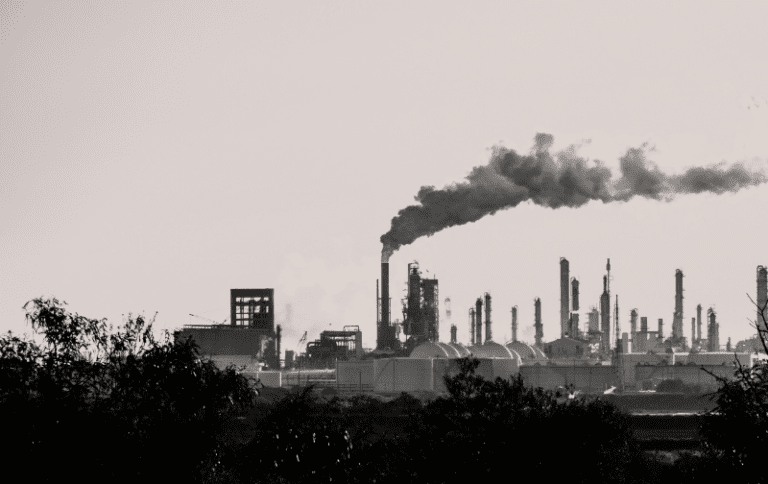
Leachate is the wastewater produced as water percolates through the waste in landfills. It accumulates various hazardous organic and inorganic pollutants that can enter the groundwater, posing a danger not only to nature but also to human health.
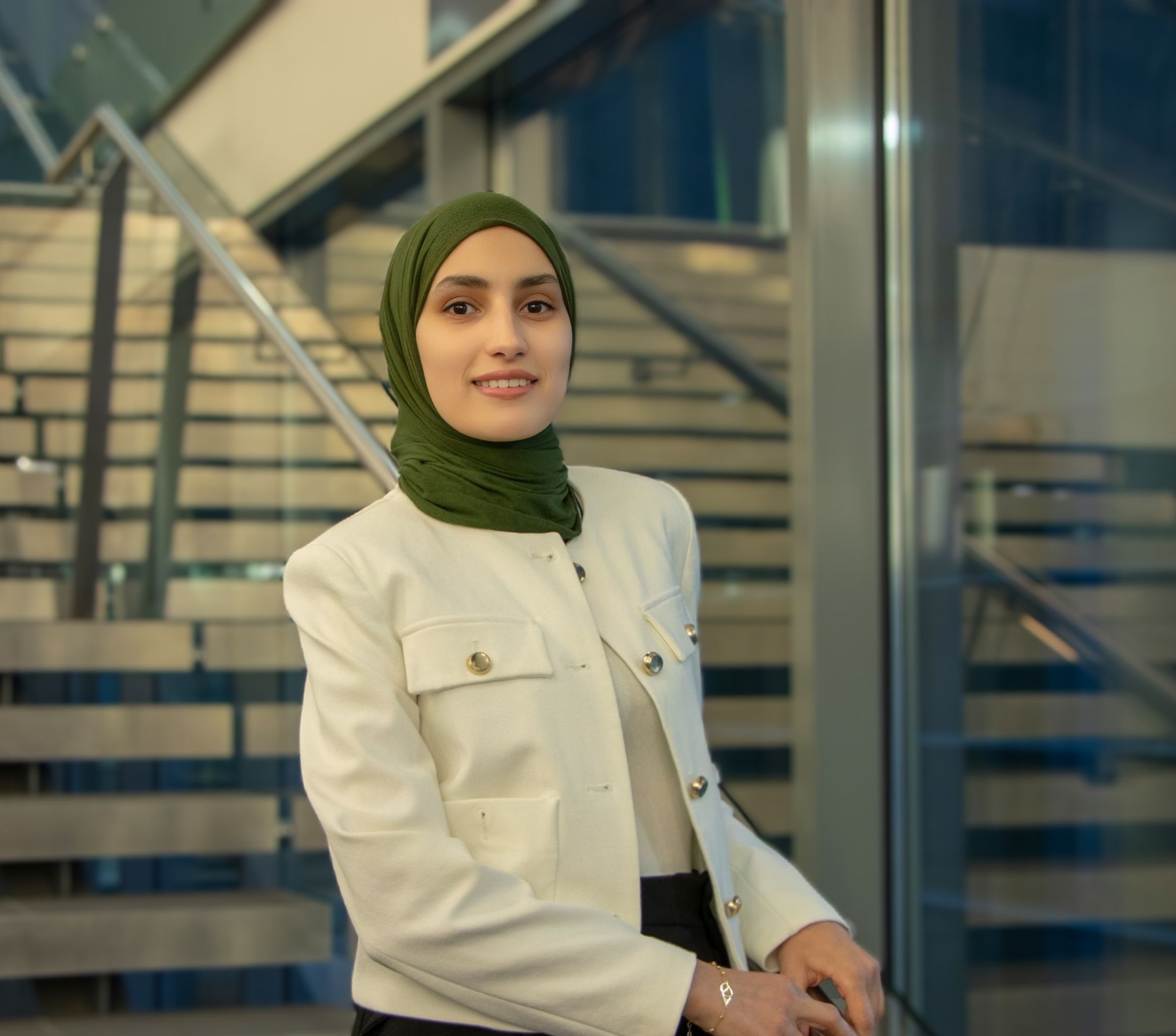
According to Dr. Saloua Biyada, a scientist at the VILNIUS TECH Civil Engineering Research Centre and the Department of Chemistry and Bioengineering, this problem has long been underestimated. Only in recent years has the understanding grown that untreated leachate can have long-term consequences for both aquatic and terrestrial ecosystems.
“Leachate is one of the most complex and dangerous problems of landfills. Its pollutant composition is constantly changing, which is why traditional treatment methods often become ineffective. Water should sustain life, not threaten it, so leachate treatment must become one of the top environmental priorities today,” emphasizes the scientist.
Why Don’t Conventional Solutions Work?
The leachate treatment methods used to date face serious challenges. Chemical methods are not sufficiently effective and can cause additional pollution, while advanced technological solutions like reverse osmosis often require a lot of energy and are expensive.
“The biggest problem is that most of the treatment methods applied in Lithuania have more disadvantages than advantages, as they are focused on only one parameter. For this reason, such methods are relatively unreliable – the leachate itself is unstable and complex, so comprehensive solutions are needed,” says Dr. S. Biyada.
VILNIUS TECH Scientists Are Developing a Prototype
Landfill leachate is characterized by particularly high concentrations of chemical oxygen demand (COD), nitrogen, and chlorides. The leachate treatment methods currently used in Lithuanian landfills have their shortcomings. These methods are designed to remove a specific pollutant indicator, making them ineffective – especially given the unstable composition of leachate. For this reason, VILNIUS TECH scientists began to search for a solution that would allow them to affect several pollution indicators at once.
“In search of more effective solutions, the university’s scientists have united and, using the infrastructure of the newly established Competence Centre for Smart and Climate-Neutral Manufacturing Processes, Materials and Technologies, have committed to solving the challenges of leachate in Lithuanian landfills in a consolidated manner,” says Simonas Barsteiga, the director of the competence centre.
Currently, scientists from the VILNIUS TECH Department of Chemistry and Bioengineering, together with the startup “Clean4Planet, MB,” are developing an innovative leachate treatment method based on biological processes.
“Microorganisms have an exceptional ability to break down even the most complex organic substances. They adapt to changing conditions, making them a very promising, ecological, and cost-effective solution for leachate treatment,” explains scientist Dr. S. Biyada.
The use of a microbial consortium in biological treatment systems allows for the simultaneous treatment of several pollution parameters in a single system without chemical additives. “The world of microorganisms is a very promising area of research where, upon achieving significant results, it would be possible to solve not only the problem of leachate but also many other challenges related to water and environmental pollution,” adds the scientist.
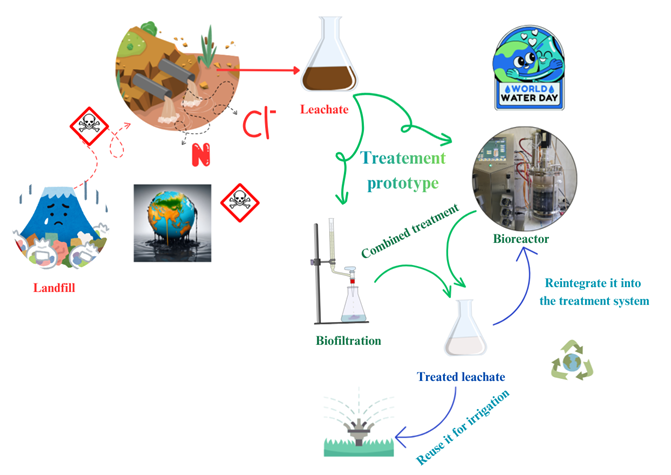
‘Figure illustrates the prototype combined biological and physical treatment developed to overcome the challenge associated with leachate in Lithuania’
Combined Treatment Methods Are Needed for Landfill Leachate
In developing a combined treatment prototype, not only is the ability of microorganisms to break down persistent substances being utilized. The project also uses biofilters made from recycled mineral materials that act as adsorbents (due to the silicon aluminum in their composition) and absorbents (due to the biofilm formed during treatment).
These adsorbents are being developed together with the VILNIUS TECH Institute of Building Materials and the Faculty of Environmental Engineering. The adsorbent created by three female scientists – Dr. Ina Pundienė, Dr. Jolanta Prackevičienė, and Prof. Dr. Aušra Mažeikienė – will help ensure that the treated leachate complies with Lithuanian wastewater discharge regulations.
The combined technology is currently being tested in laboratories, but it will soon be possible to test it under real conditions at Lithuanian landfills. The new prototype will sustainably address the challenges associated with leachate pollution, especially the removal of nitrogen and chlorides, and the treated leachate will be reusable for various other purposes.
“This is a real circular economy model that aligns with the long-term 2050 vision of the European Union and Lithuania, and the approach of promoting a global circular and well-being economy where nothing is thrown away, and all by-products serve as raw material for new production. This will undoubtedly help to restore our environment and protect nature and people from pollution,” states Dr. S. Biyada.
On World Water Day, VILNIUS TECH scientists emphasize that awareness alone is not enough.
“If we want to preserve our freshwater resources, we must move from words to actions – to develop technologies and implement sustainable solutions, and this can only be achieved by working together,” says Dr. S. Biyada.
Galerija