• University
  • News and events

Blended Intensive Programme on "Reverse Logistics and Environmental Protection" at VILNIUS TECH Faculty of Transport Engineering

April 8, 2025

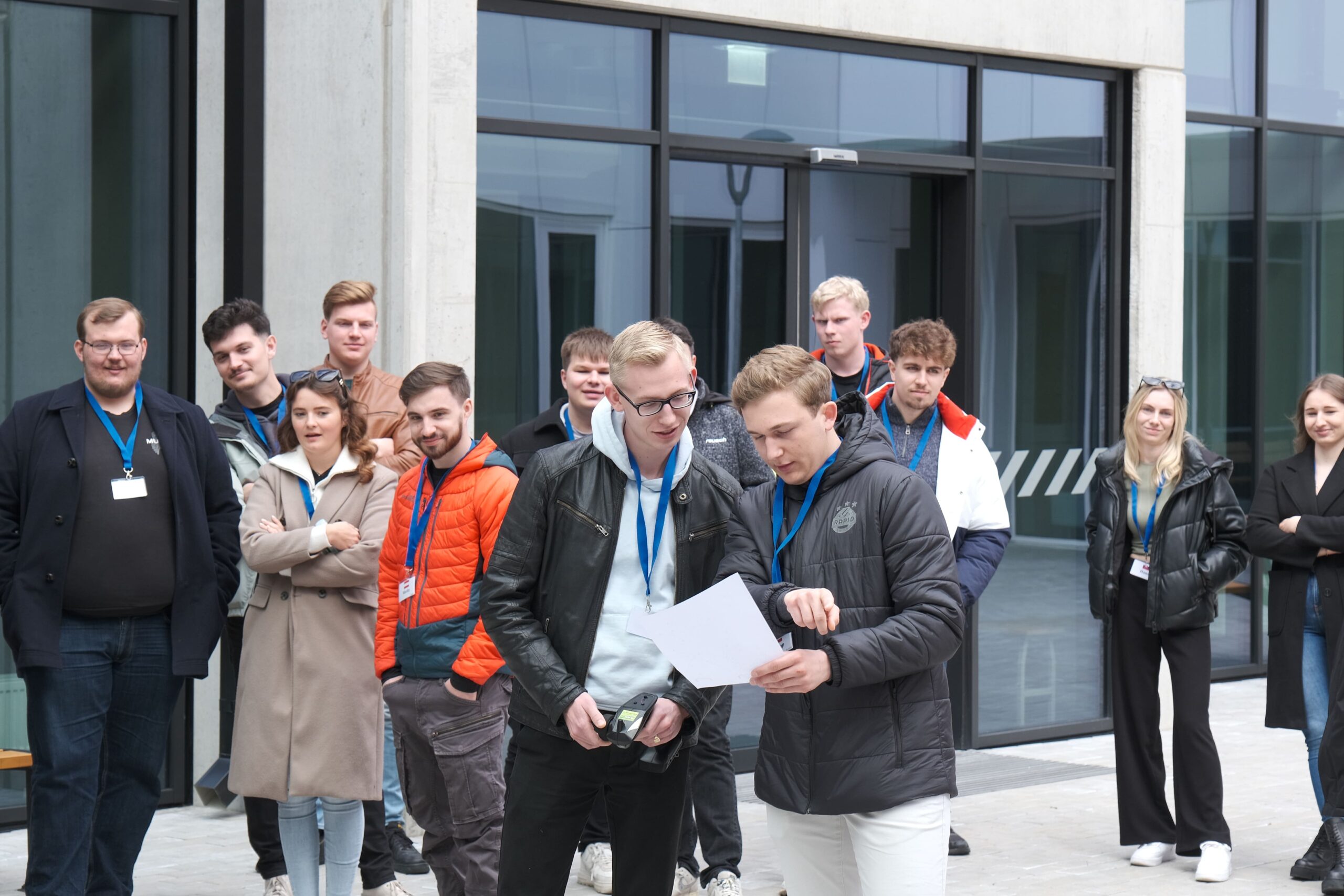
From March 31 to April 4, the Department of Logistics and Transport Management at the Faculty of Transport Engineering, VILNIUS TECH, organized a blended intensive course for students under the Erasmus+ program, titled "Reverse Logistics and Environmental Protection".

The event was attended by 32 students from five countries: Austria, the Netherlands, France, Slovakia, and Lithuania. The faculty community is pleased to welcome students from these prestigious institutions and provide them with a valuable opportunity to deepen their knowledge of reverse logistics and environmental protection.

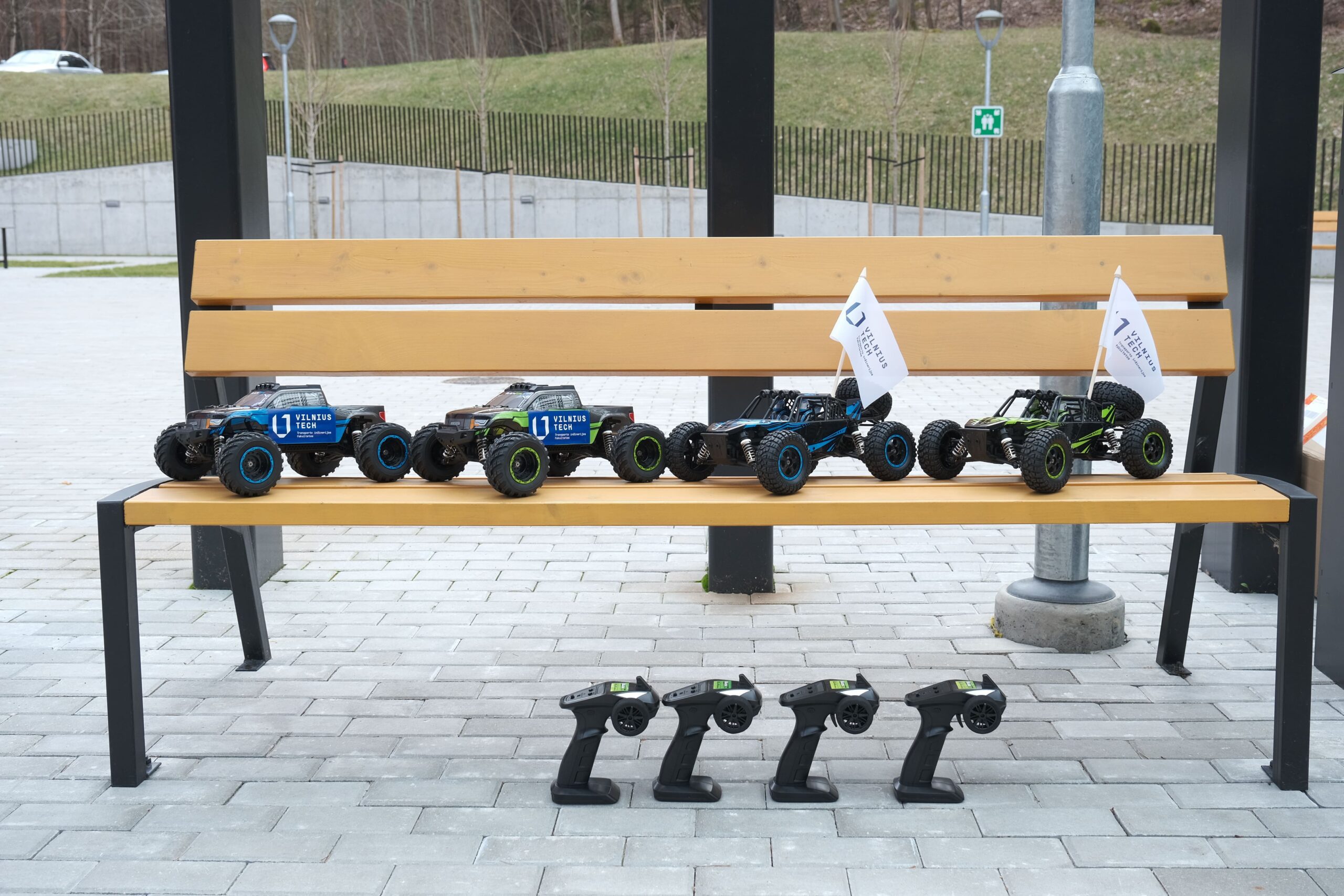
Throughout the week, students participated in various academic and practical activities both at the university and by visiting the faculty's social partners. The students’ project work focused on reverse logistics, and there were many practical tasks related to organizing logistics processes using radio-controlled vehicles.

In addition to the practical tasks, the program also featured interesting presentations on the following topics:

  • "How the principles of circular economy work" – a representative from "COMMUNE DIY" company
  • "Sustainable international manufacturing and logistics networks," presented by Assoc. Prof. Dr. Andrius Jaržemskis
  • "Electric vehicles: technologies, market trends, and true sustainability," presented by Prof. Dr. Vidas Žuraulis
  • "Girteka and sustainability" – a representative from "Girteka Group" company

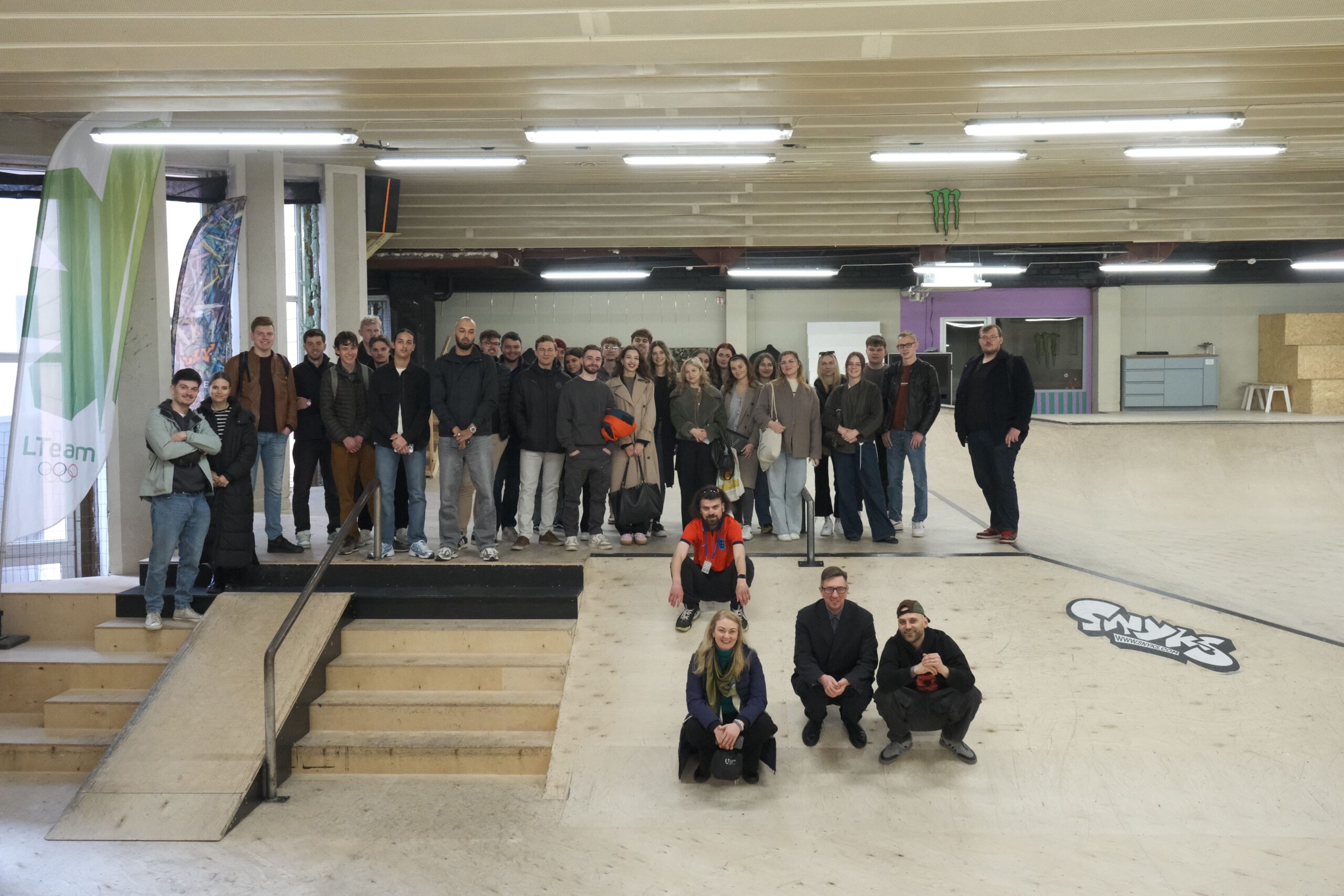
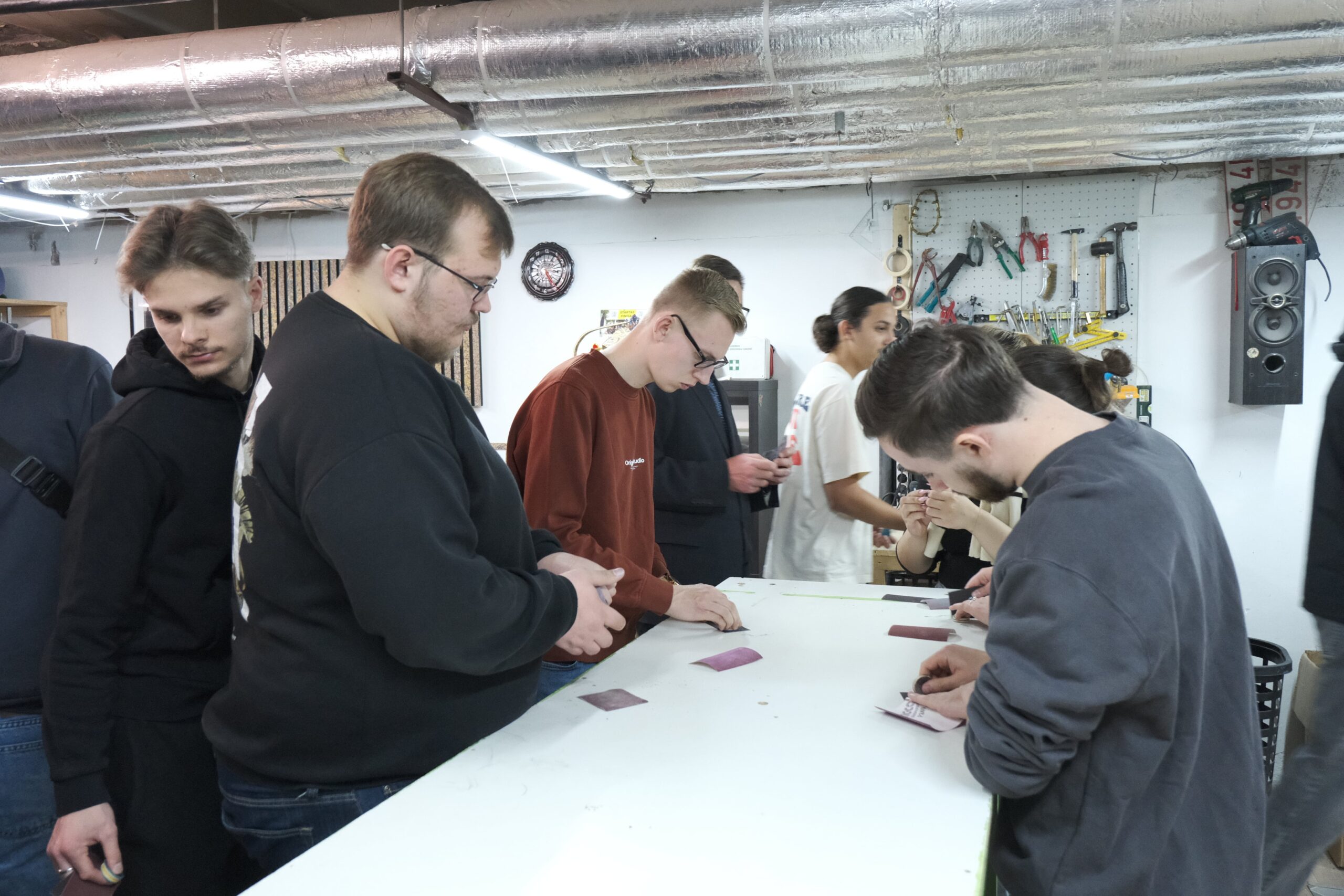
The students also visited two companies: "Skate Hub Vilnius" and "Girteka Park," where they took part in tours and performed practical tasks. Additionally, all participants visited the Transport Technology Museum with an educational program on "Sustainable transport and logistics," where they had the opportunity to learn more about the evolution of transportation.

“We are pleased to welcome all the participants. The week was very interesting, filled with new knowledge, learning, cooperation, and cultural exchange. We hope that this experience was beneficial to everyone and contributed to shaping a sustainable future in the fields of logistics and transport,” said the dean of the faculty, Prof. Dr. Olegas Prentkovskis.

Special thanks to Assoc. Prof. Dr. Kristina Čižiūnienė from the Department of Logistics and Transport Management for organizing the event!
 

Galerija
Related news

New doctoral dissertation
VILNIUS TECH Library invites you to follow the published new dissertations. The dissertation „Twin transition impact assessment model for agricultural performance in the context of sustainability“ prepared at VILNIUS TECH by Kristina Šermukšnytė-Alešiūnienė. The dissertation was prepared in 2020–2026. Scientific consultant – Dr Rasa Melnikienė. The dissertation was defended at the public meeting of the Dissertation Defence Council of the Scientific Field of Economics in the Aula Doctoralis Meeting Hall of Vilnius Gediminas Technical University at 10 a. m. on 22 September 2026. The twin transition in agriculture, combining the digital and green transitions, is one of the key directions of the European Union’s strategy for developing a more sustainable, resilient, and competitive agricultural sector. This dissertation addresses the problem of how to assess the impact of digital and green transitions on agricultural performance in the context of sustainability. The dissertation aims to develop and empirically substantiate the Twin Transition Impact Assessment Model. The model integrates three assessment levels: farm-level adoption and economic performance; the bioeconomy and value-chain level; and the national and regional context level. Structural asymmetries and enabling mechanisms are included as cross-cutting components. A mixed-methods research design was applied, combining scientific literature analysis, conceptual synthesis, case-study analysis, structured survey analysis, comparative assessment, correlation and regression analysis, sensitivity analysis, semi-structured interviews, document review, and the synthesis of empirical findings. The empirical basis consists of five interconnected studies covering small-farm digitalisation, digital technology adoption in sustainable agriculture and the bioeconomy, the twin transition in Lithuania and Romania, food supply-chain digitalisation, and structural asymmetries in Lithuania’s bioeconomy transition. The empirical results show that the twin transition improves agricultural performance when digital and green solutions are integrated across the farm, value chain, and regional and national levels. Digitalisation supports labour efficiency, planning, customer relations, investment decisions, loss reduction, traceability, product quality, and supply-chain visibility, while also contributing to resource efficiency, renewable energy use, water-use efficiency, emissions reduction, carbon sequestration, and climate resilience. The empirical evidence indicates that the effects of digital and green transitions depend on infrastructure, investment capacity, policy support, digital skills and institutional conditions. The results also show structural differences in transition outcomes: higher investment intensity does not automatically produce stronger economic results, and digital adoption may occur separately from ecological production orientation. On this basis, the dissertation concludes that digital and green transitions can strengthen agricultural performance and sustainability when they are integrated, context-specific and supported by enabling mechanisms. The proposed model provides a scientific and practical framework for assessing agricultural performance under the twin transition across farm-level, bioeconomy and agri-food value-chain, regional-national and structural dimensions. Doctoral dissertation readers can search via VILNIUS TECH Virtual Library.
More