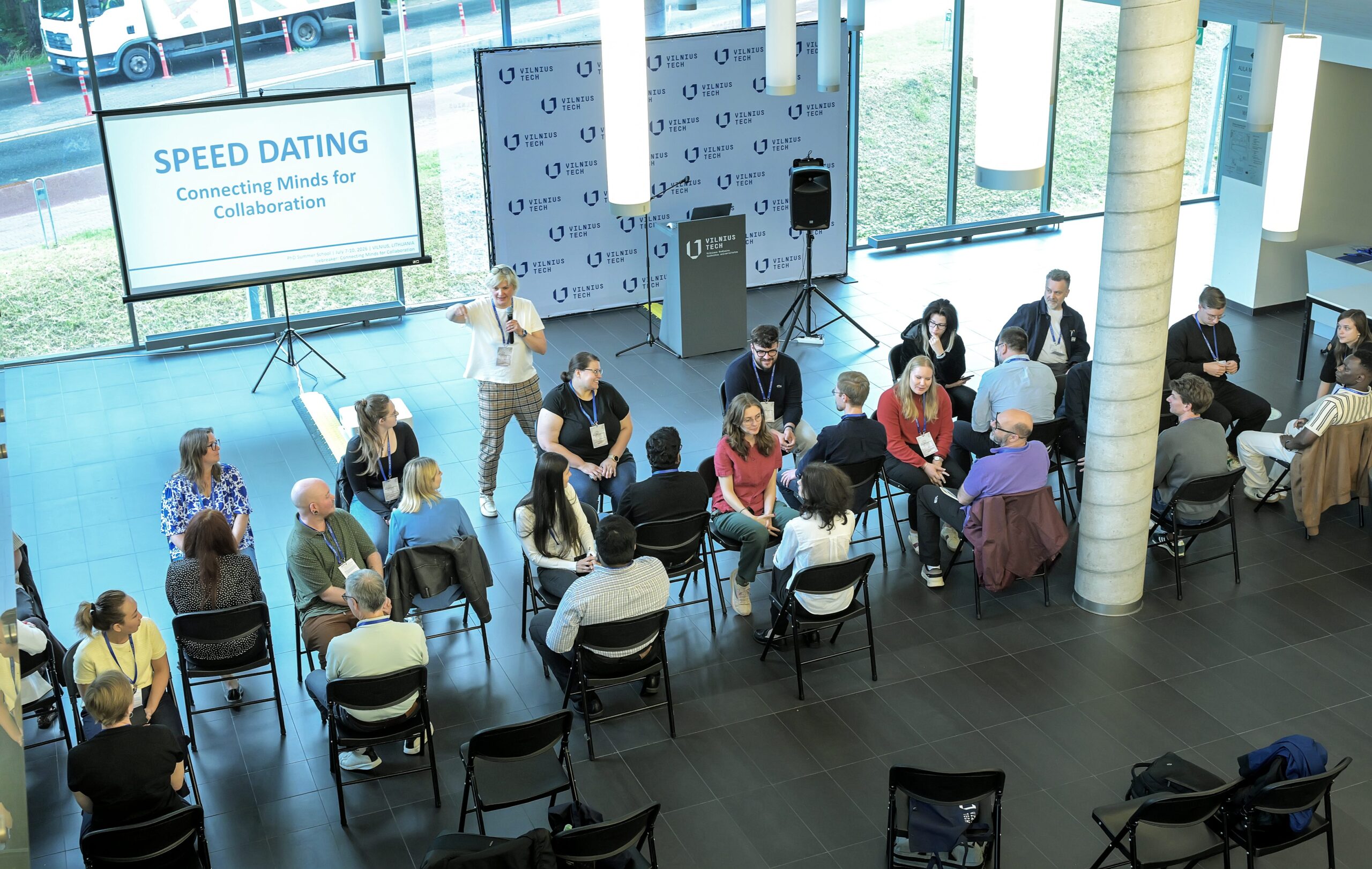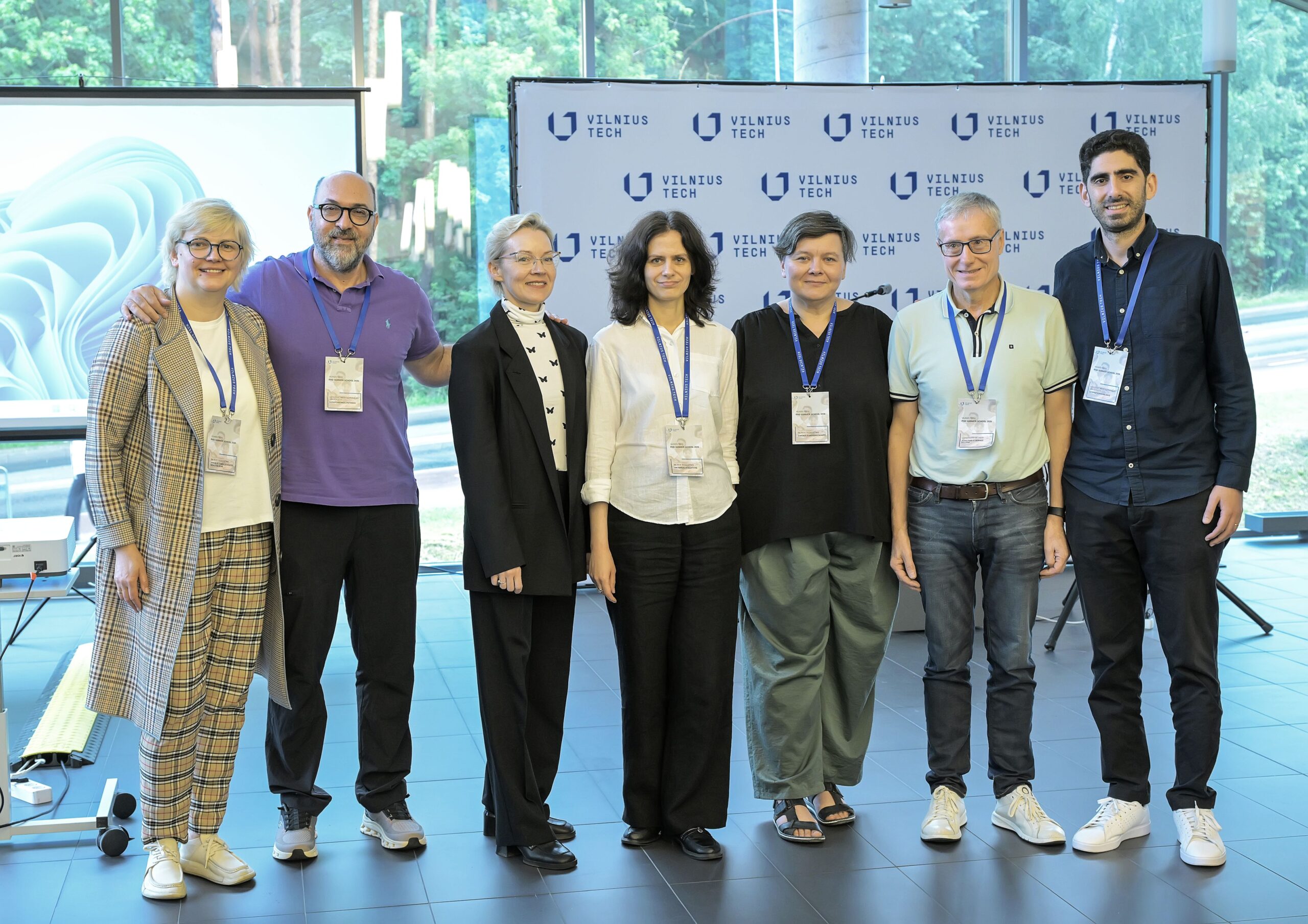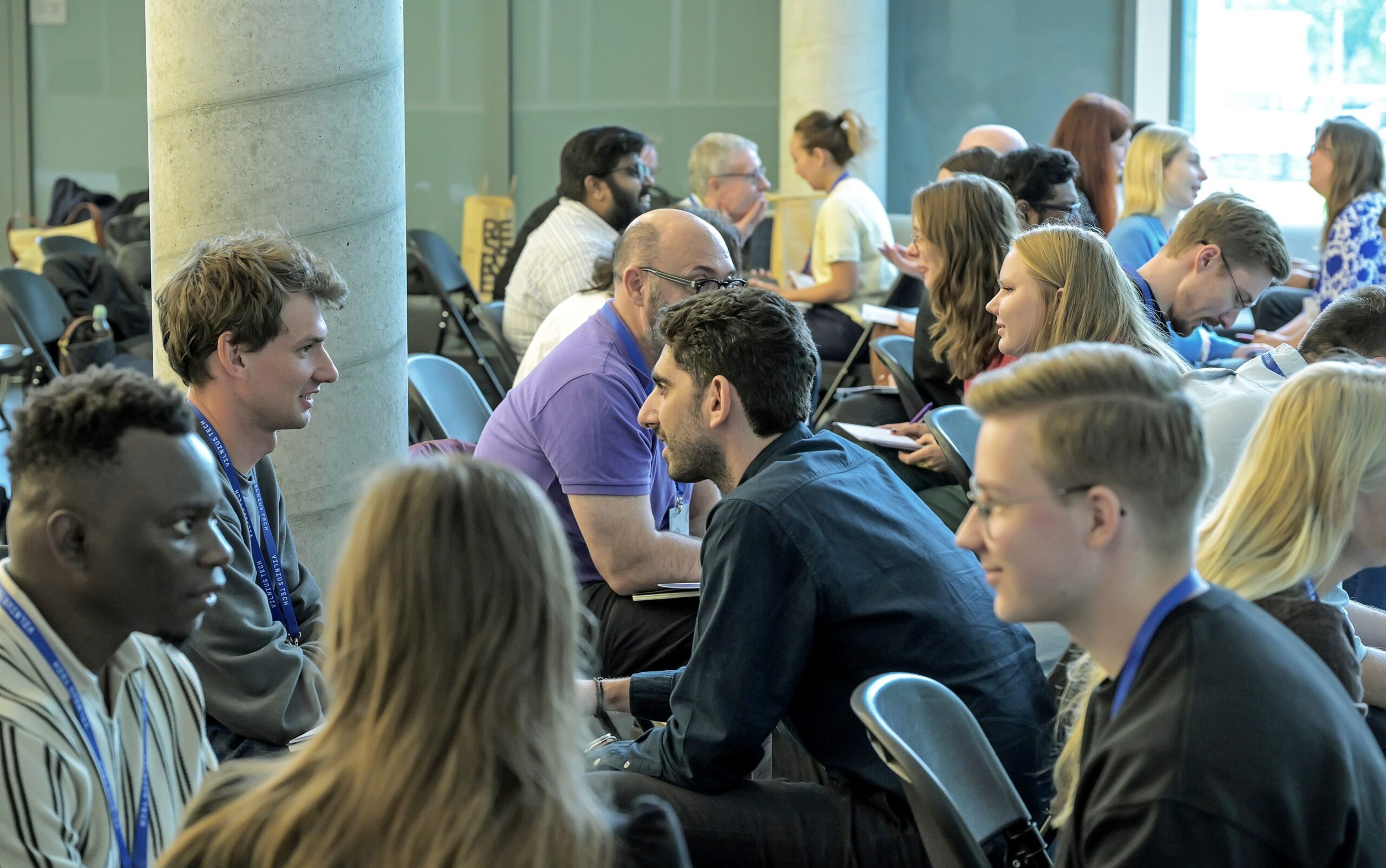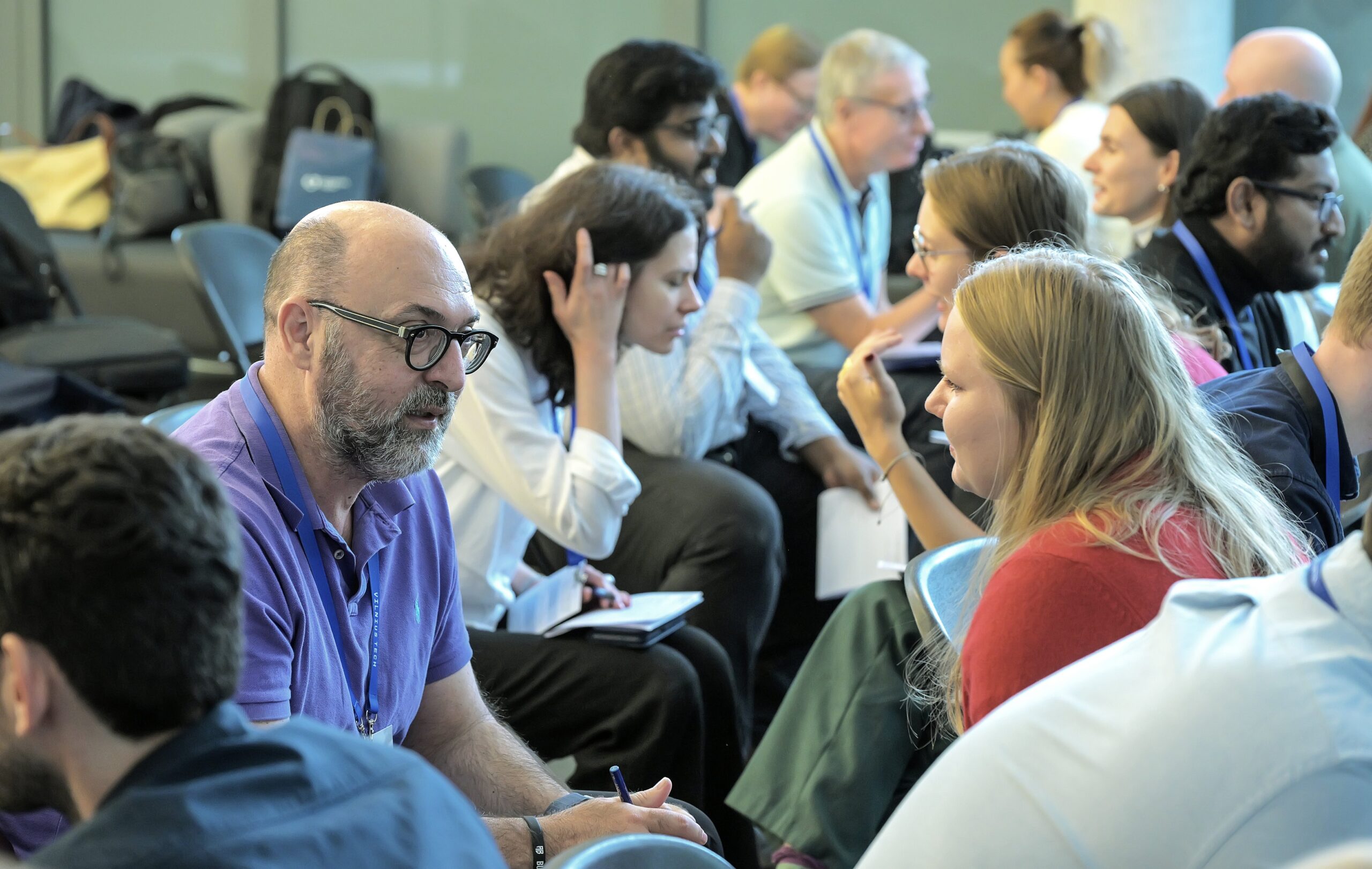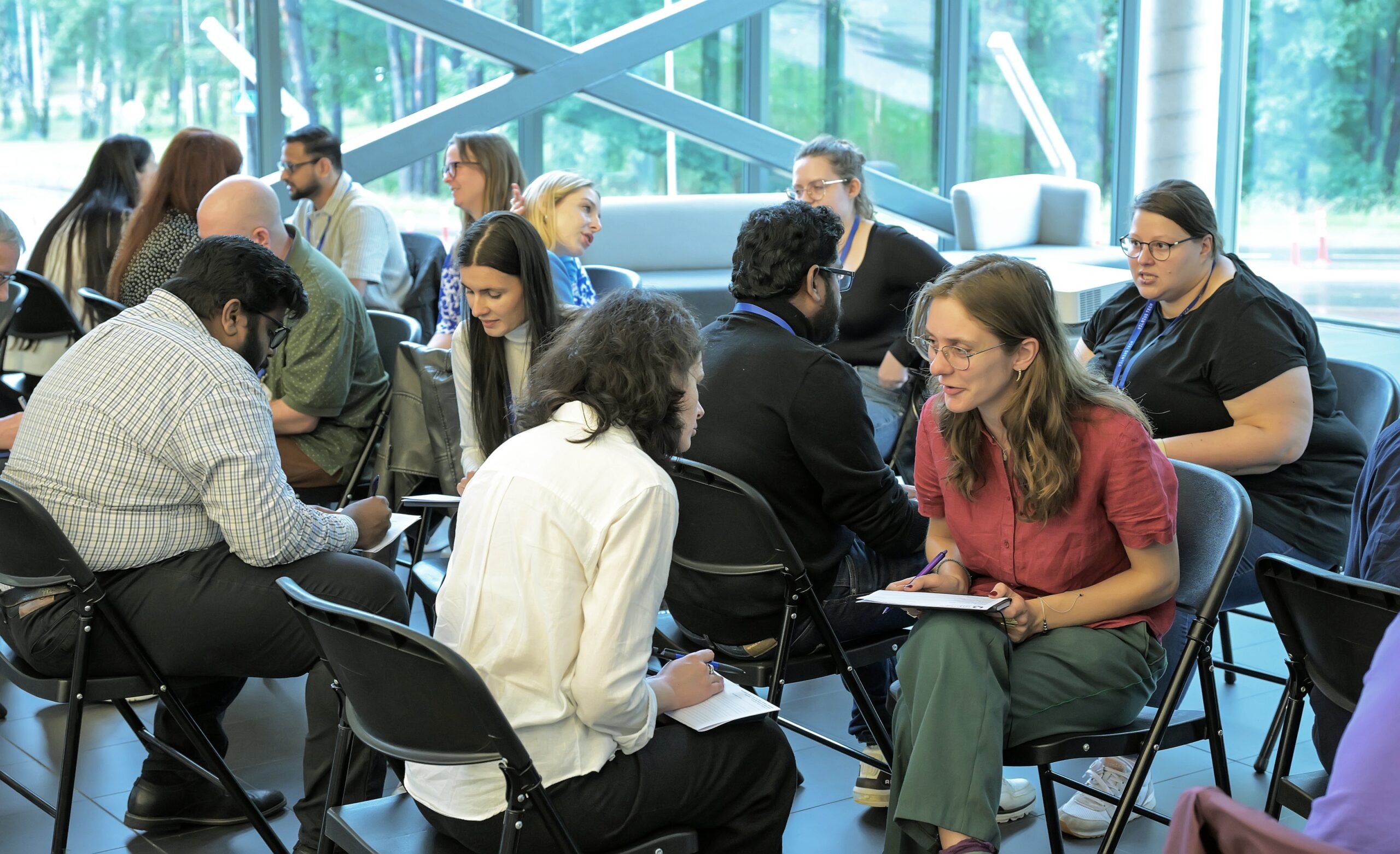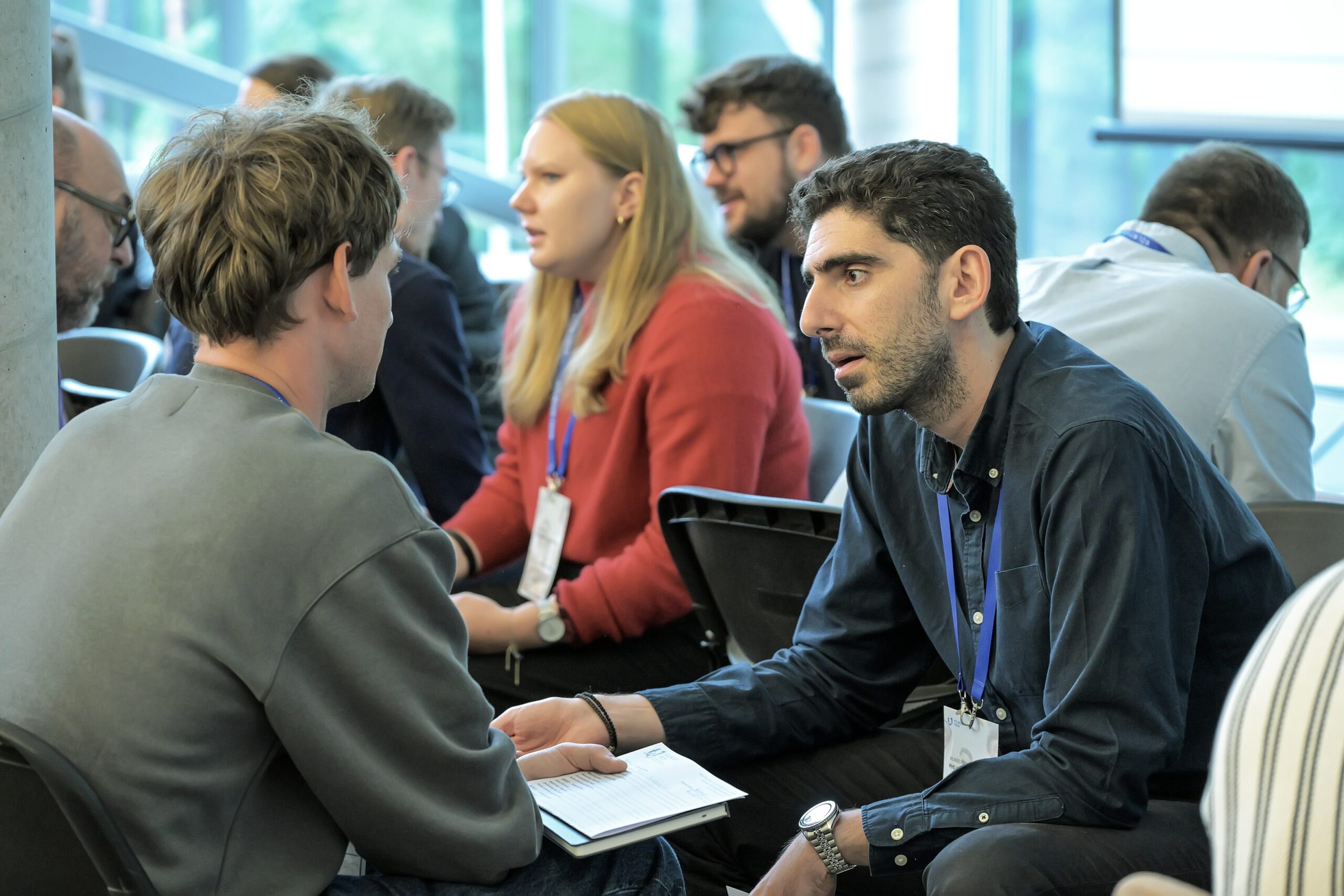
This year marked the fourth VILNIUS TECH PhD Summer School (PhD School), bringing together 30 students from ten countries around the world. During the week-long school, experienced experts in their fields delivered presentations teaching the principles of academic writing, communication, research ethics, and many other topics highly relevant to young scientists during their doctoral studies.
However, academic knowledge alone is not enough. Having worked with PhD students for many years, VILNIUS TECH Professor Dr. Simona Ramanauskaitė, Lecturer Angelė Tamulevičiūtė-Šekštelienė, and Professor Dr. Konstantinos Petridis from the Hellenic Mediterranean University (Greece) emphasize that the ability to overcome challenges, collaborate, and build international connections is highly valuable for a successful research career.

Moments of the event
What challenges do PhD students face today?
During doctoral studies, conducting research, drafting articles, and writing a dissertation are not the only challenges encountered. Based on his experience, Prof. Dr. K. Petridis highlights three common problems faced by PhD students.
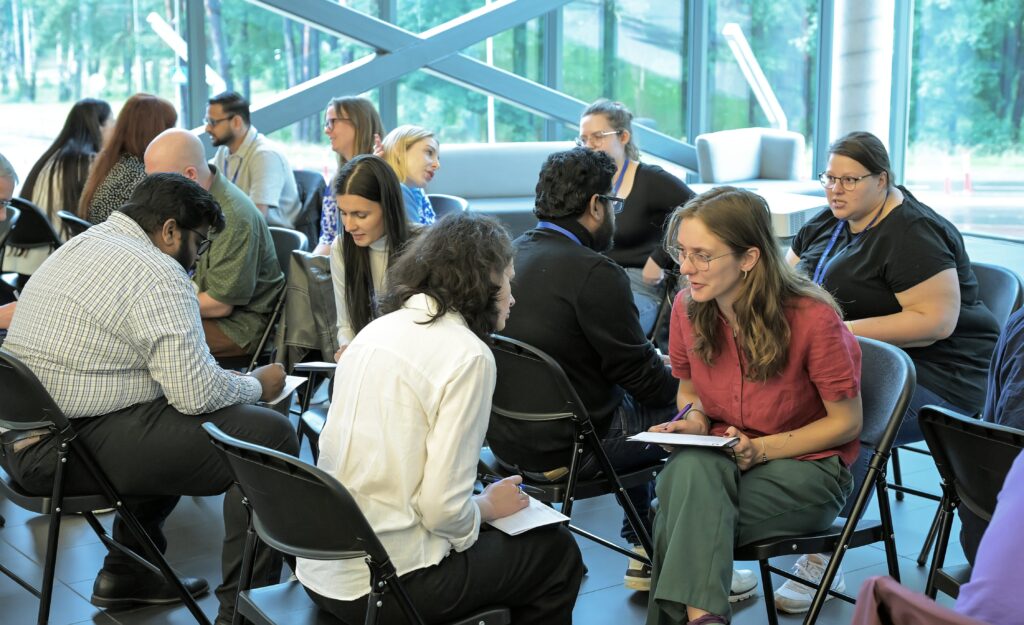
The first is time management, particularly when trying to balance research demands with other academic and personal responsibilities. Lecturer A. Tamulevičiūtė-Šekštelienė from the Faculty of Creative Industries agrees with this notion. According to her, during such summer schools, it often becomes evident that PhD students are challenged not only by theoretical questions but also by how to balance dissertation writing with a job, family, and other commitments.
“The community and the surrounding academic environment help overcome this. When a PhD student has someone to talk to, discuss a doubt with, hear a question from, or receive honest feedback, the problem often becomes clearer and easier to solve. Sometimes a colleague, even if not an expert in your topic, can become the best ‘mirror’ and show which part of the research sounds clear and which needs to be rephrased more simply. So let’s talk, ask, communicate, share, and build connections,” advises the lecturer.
Moments of the event
The second problem noted by the event’s guest is the PhD student’s self-confidence when presenting their work to both the academic community and the general public. Prof. Dr. S. Ramanauskaitė, Dean of the Faculty of Fundamental Sciences, echoes this sentiment:
“Confidence is built not only by existing knowledge and skills but also by the experience of communicating within a team of different disciplines, experiences, and cultures, as well as the courage to express one’s thoughts and openly accept the opinions of others. That is why PhD Summer School events are essential for every doctoral student to develop international and collaborative competencies and expand their network of contacts among other researchers,” says the scientist.
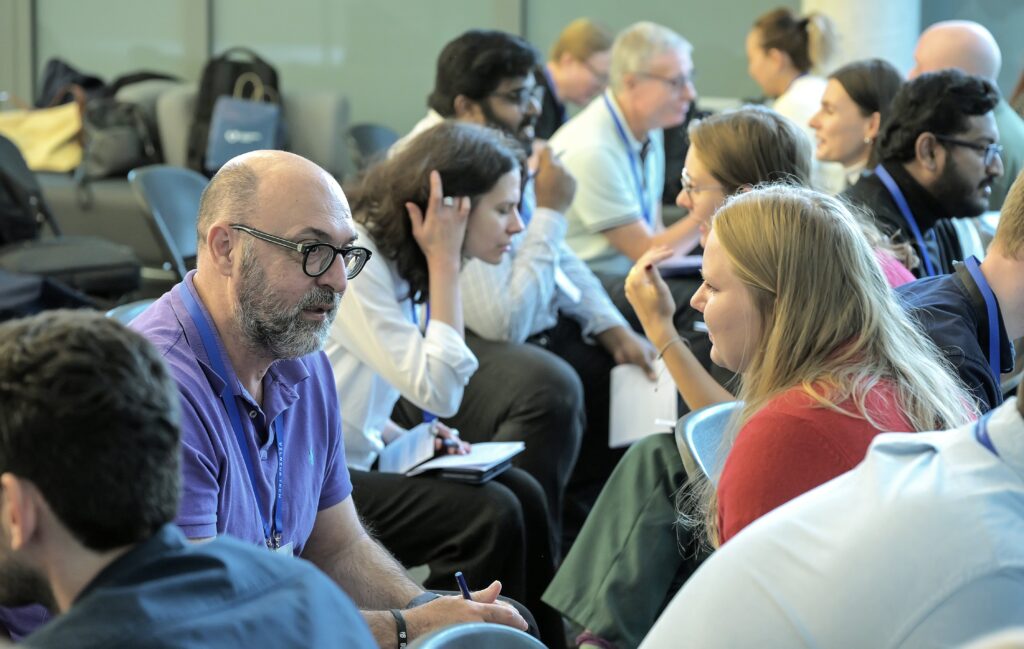
The third challenge, according to Dr. K. Petridis, involves developing competencies to use artificial intelligence (AI) tools responsibly and effectively in scientific communication. “Ultimately, many students face uncertainty regarding their professional prospects outside academia. Overcoming these challenges requires structured support, such as targeted training in research and communication skills, developing AI literacy in an academic context, and closer engagement in career planning opportunities both within and outside the academic environment,” explains the professor.
Prof. Dr K. Petridis
Meanwhile, Dr. S. Ramanauskaitė highlights the challenges arising during the research process as the most prominent: “PhD students and scientists conduct research and seek new knowledge. They are always on the borderline between the known and the new. Therefore, research planning, data privacy, and ethical issues are usually specific, unique, and require additional in-depth study. And what worked in a previous study will not necessarily apply in this one,” says the professor. “Another important point is that researchers always face the need for continuous improvement and deeper understanding. Therefore, new researchers and PhD students must be creative and rely on collaboration with other researchers who can share their experience and help find the most suitable solution together.”
From new acquaintances to significant discoveries
Today, it is difficult to imagine a scientist’s work without international collaboration. International connections open up opportunities to participate in conferences, co-author publications, initiate projects, exchange methods, and look at one’s research from a different academic or cultural perspective, lists A. Tamulevičiūtė-Šekštelienė.
“It is equally useful to sometimes simply change your environment—travel to another country, participate in an internship, or work at another university or research center. Interacting with people of different cultures, experiences, and viewpoints broadens your thinking, nurtures ideas, and allows you to see even what previously seemed completely clear in a new light. In a new environment, our knowledge, experiences, and creativity can flourish—and these are exactly what is highly needed throughout the dissertation drafting journey. And, to say it humorously, sometimes for the research and work to move forward, it is highly beneficial to get moving yourself,” smiles the lecturer.
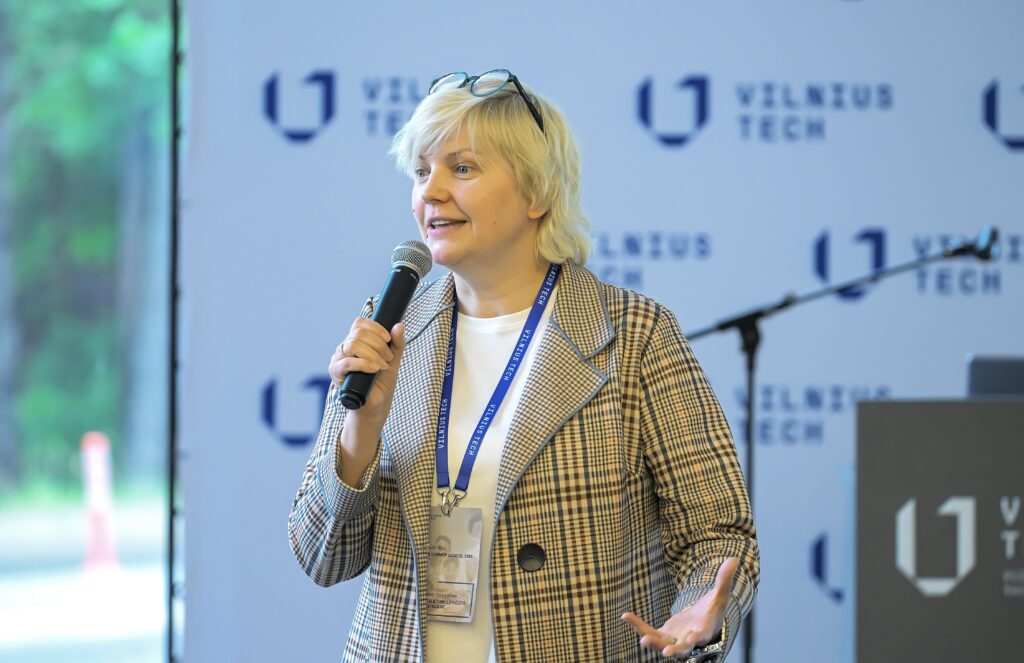
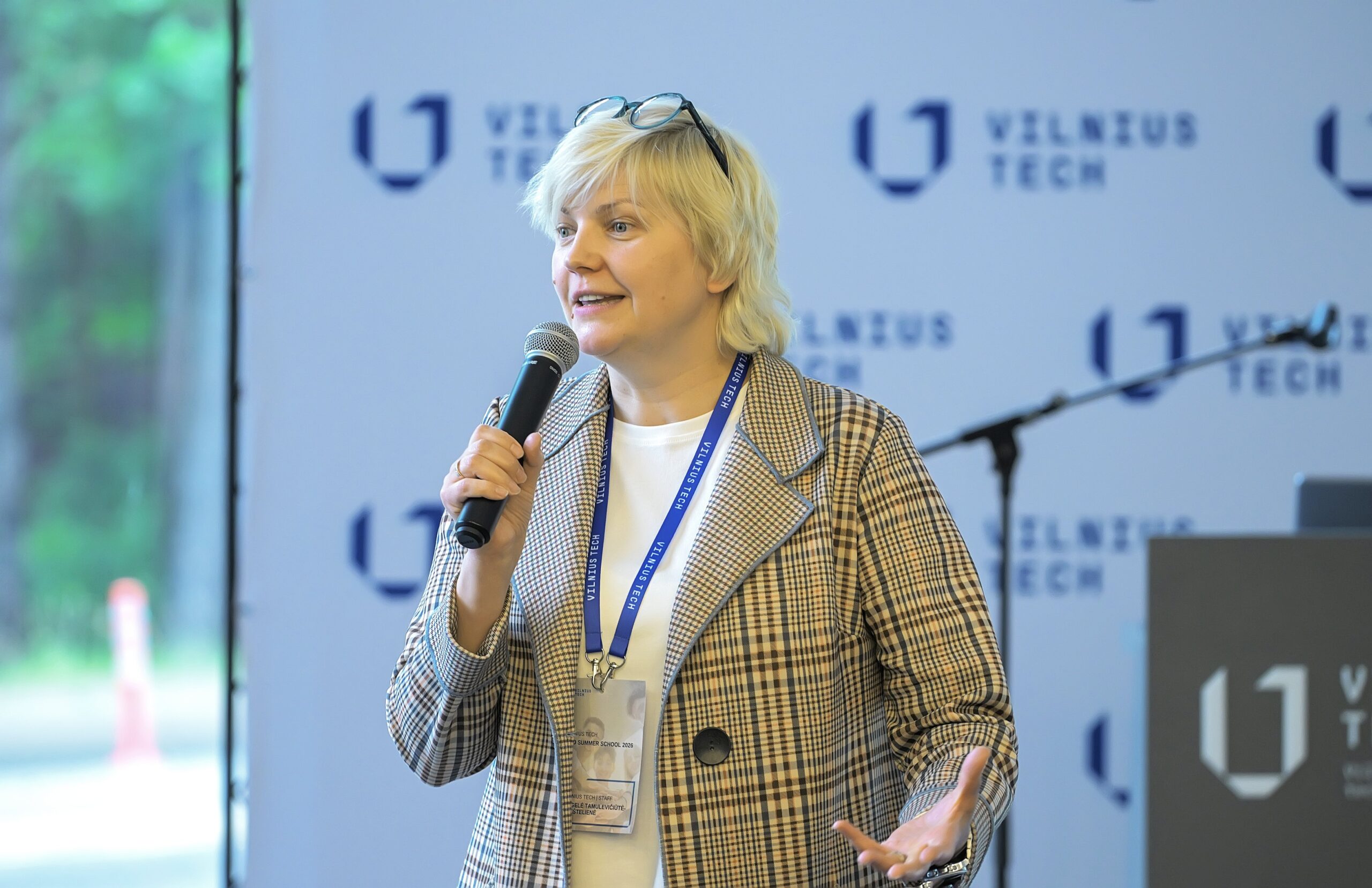
A. Tamulevičiūtė-Šekštelienė
Meanwhile, Prof. Dr. K. Petridis sees two highly practical reasons why international collaboration is so essential: “First, it allows researchers to establish meaningful professional connections with colleagues and other PhD students from different academic and cultural backgrounds, thereby fostering long-term collaborative relationships. Second, it broadens researchers’ awareness of the professional opportunities available to them when planning their next career steps—introducing them to diverse research environments, institutional practices, and career paths.”
Scientist S. Ramanauskaitė, when speaking about international collaboration, emphasizes its importance for the research being conducted. According to her, research results are not limited to one institution or country. Their goal is to acquire new knowledge in a global context, so collaborating with the international community helps to more clearly understand what has already been researched and what new ideas can be tested.
Also, sooner or later, results reach society and businesses, so it is necessary to evaluate their impact on different cultures and communities already during the research phase. Furthermore, when conducting scientific research, personal international experience and an understanding of diversity can increase the applicability of research results across various societies, explains the professor.
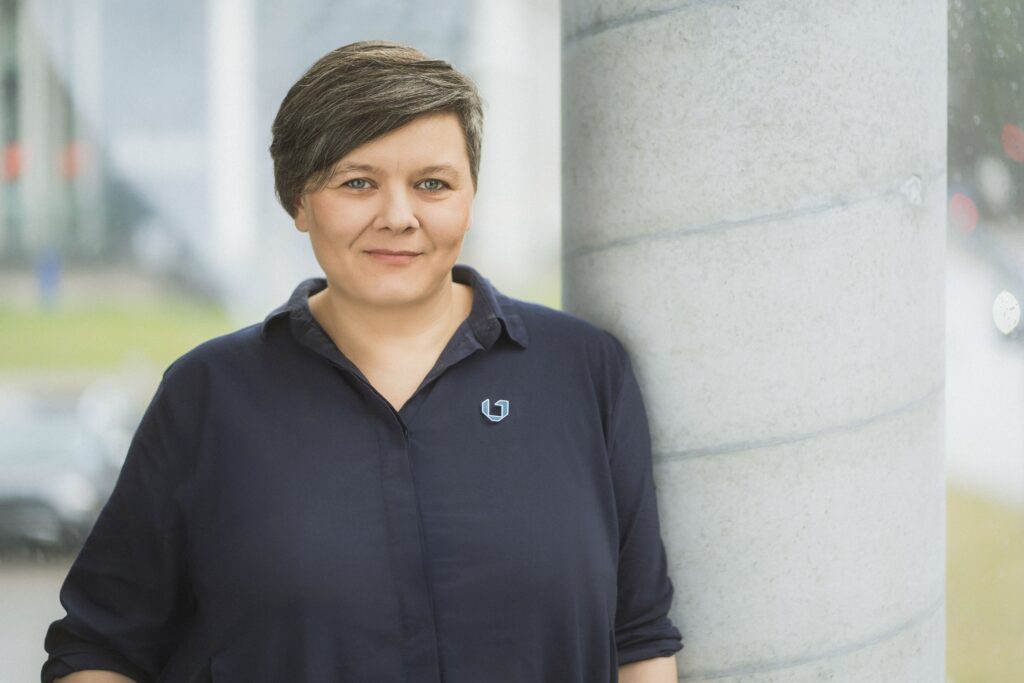
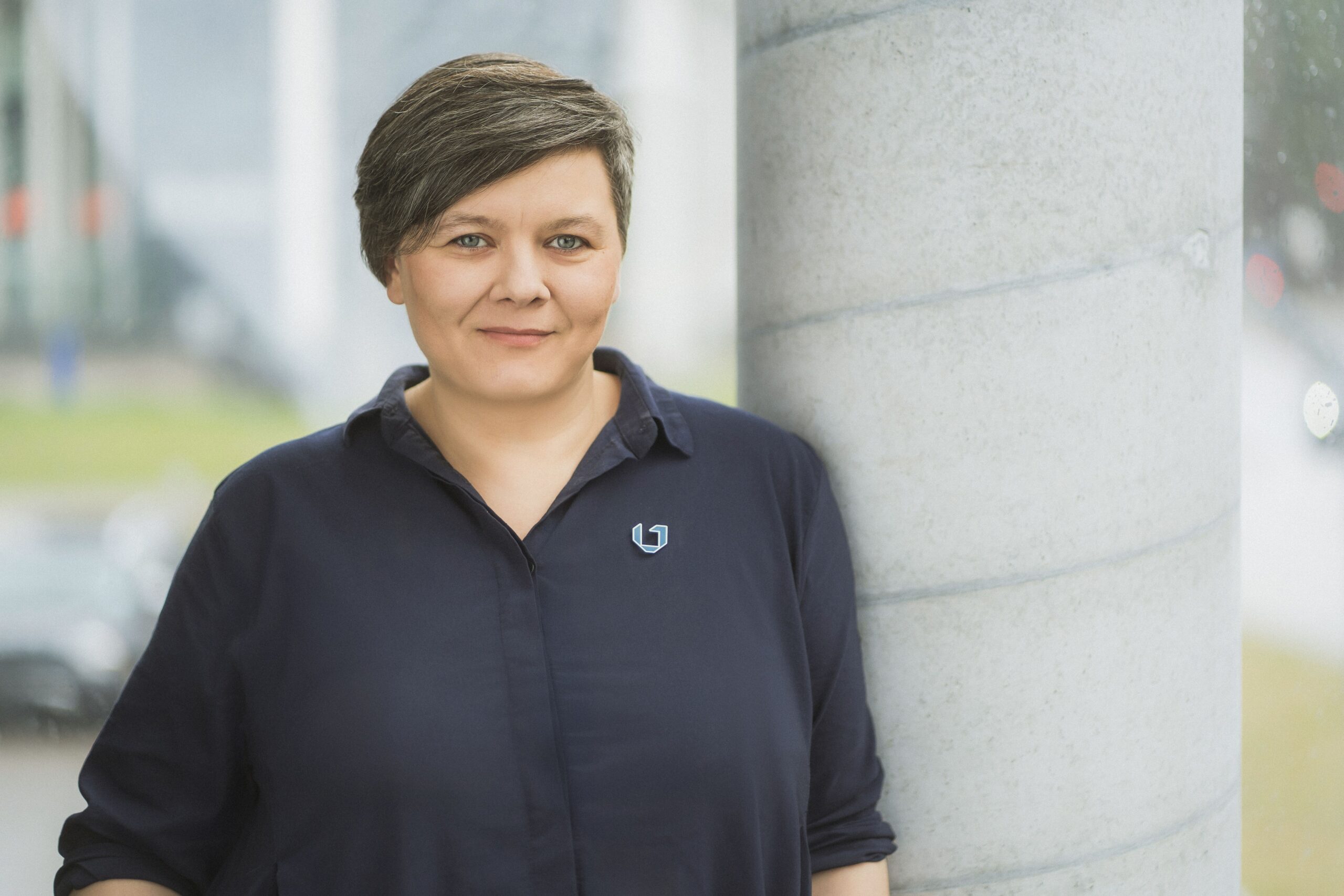
Prof. Dr S. Ramanauskaitė
Why is it important to participate in PhD schools?
By participating in the VILNIUS TECH PhD Summer School, attendees had the opportunity to acquire new knowledge, learn how to solve discussed challenges, and meet researchers from other countries in similar fields. However, this is not the only benefit participants gain. According to the speakers, the value of such schools lies in what the PhD student themselves accomplishes during them.
“I believe that the greatest value of international events like the PhD School is that they provide a platform for students to share their research experiences, discuss common challenges, and collectively seek solutions with colleagues from various academic disciplines. In addition, such events offer valuable opportunities to practice English as the primary language of scientific communication (lingua franca), thereby strengthening students’ ability to operate effectively in international research contexts,” says the professor from Greece.
Meanwhile, VILNIUS TECH Lecturer A. Tamulevičiūtė-Šekštelienė states that the long-term result of such events is precisely the people met and the new connections made. A single conversation can spark a new research idea, help discover a necessary method, a future co-author for a publication, or a colleague to turn to for advice later, she says.
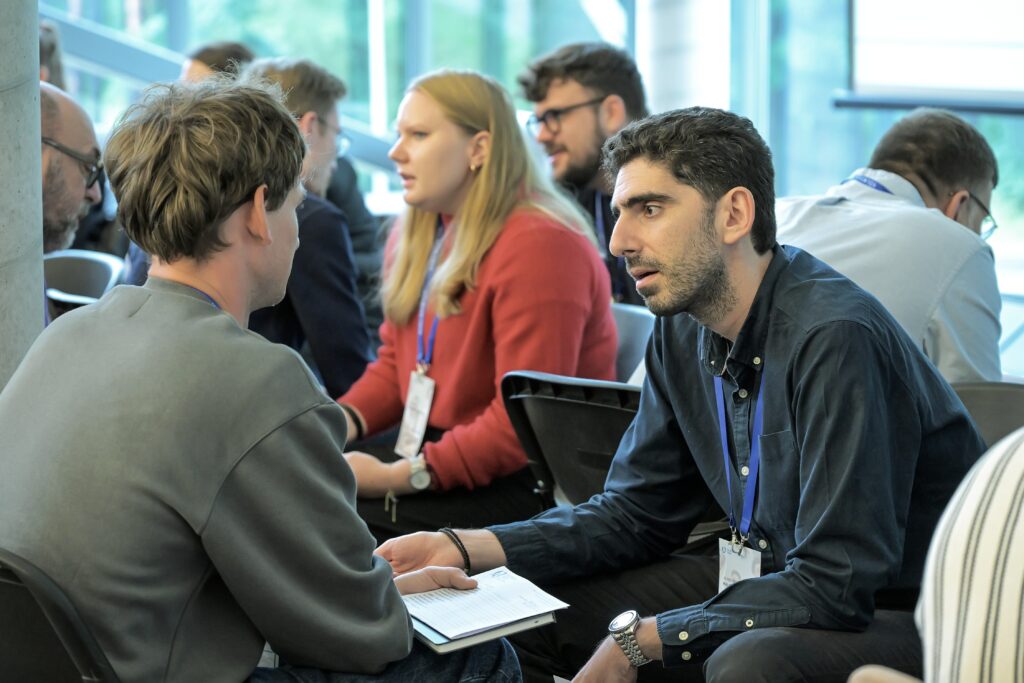
Moments of the event
“PhD schools create a special space where you can not only learn but also safely talk about your research, challenges, and ideas that are not yet fully refined. Here, PhD students see that many of them face similar issues, regardless of their country, university, or field of science. This sense of community provides more confidence,” the lecturer points out.
The professor from the Faculty of Fundamental Sciences notices another benefit—during PhD schools, young researchers actively share their experiences on social media, which helps them become more visible not only in the scientific space but also in society.
“Science shouldn’t be intended solely for the scientist themselves; it must be as public as possible and encourage new discoveries or research. Therefore, seeing that PhD students are shifting the traditional way of reaching the scientific community from purely conference- and personal-interaction-based methods to the use of social networks gives hope that science, its results, and the scientists conducting it will become more visible not only to other scientists but also to the general public,” says Dr. S. Ramanauskaitė.
Three tips for future researchers
Prof. Dr. S. Ramanauskaitė: You are already on the right track because you have chosen to conduct scientific research and gain experience at international events. Do not stop on this path and believe in yourself, because the path of scientific research is often bumpy; however, every experience and every additional member of your community makes the upcoming “bumps” less noticeable and less burdensome for you.
Prof. Dr. K. Petridis: “Stay hungry, stay foolish.”
A. Tamulevičiūtė-Šekštelienė: Let’s build connections, communicate, and never stop talking about our research. Let’s present it at a conference, to a colleague, a friend, someone from another scientific field, or even at a bar—sometimes it is exactly in an informal setting that we receive the most unexpected and useful question.
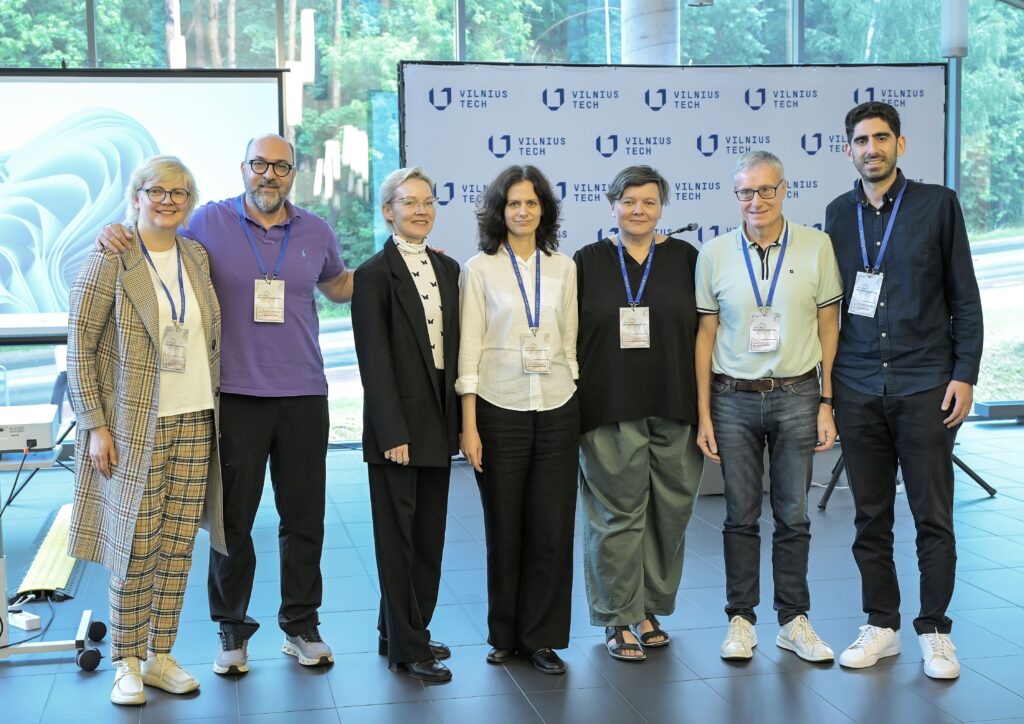
Team of VILNIUS TECH PhD Summer School
Galerija