Engineering opened the door to a successful career

July 3, 2026

From not knowing which path to choose to delivering some of the largest real estate development projects in Lithuania, the professional journey of Rasa Jakutavičiūtė-Pečiulaitė demonstrates how the right study programme can open the door to a successful career. After graduating from the Building Energy Systems Engineering programme at VILNIUS TECH, she has built a successful career at some of Lithuania’s leading real estate companies, managing complex and high-profile projects. According to Rasa, engineering graduates are becoming increasingly valued in today’s labour market.

Like many high school graduates, Rasa Jakutavičiūtė-Pečiulaitė spent her final year at school wondering what to study. She considered pursuing medicine or pharmacy but did not want to move to Kaunas.
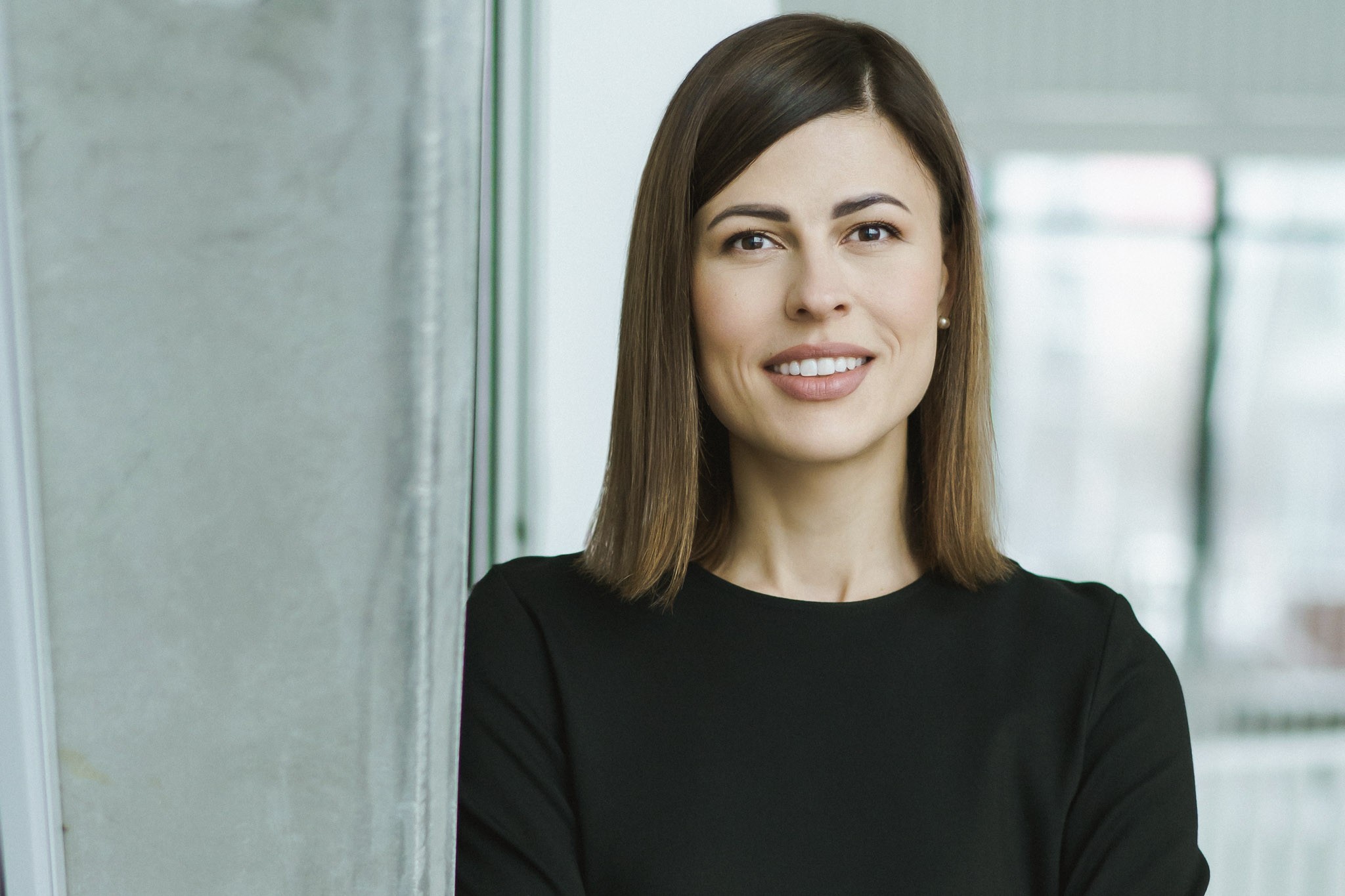
Rasa Jakutavičiūtė-Pečiulaitė

Rasa Jakutavičiūtė-Pečiulaitė

“At school, I was very active in organising events, including school celebrations and graduation ceremonies. At one point, I even considered studying event management. But then I realised I already had strong organisational and management skills, so I wanted to gain solid professional expertise and a qualification that would provide long-term career opportunities. That was when engineering caught my attention—it offered a strong foundation and a wide range of future possibilities.

I chose to study Building Energy Systems Engineering at the Faculty of Environmental Engineering at what was then Vilnius Gediminas Technical University. Although my exam results would have allowed me to choose almost any programme, I enrolled in a state-funded place and successfully completed my studies. Many people warned me that engineering would be extremely difficult, but I actually did very well,” Rasa recalls.

The Most Valuable Lesson University Taught Her

During her studies, Rasa gained a comprehensive understanding of the energy sector, including renewable and non-renewable energy sources, energy supply networks, and building climate control systems.

“The most important thing university taught me was how to learn. It is impossible to know everything, but it is essential to know how to find information, evaluate it critically, and apply it in practice,” she says.

As part of an international student exchange programme, Rasa spent a semester studying in Italy, where she became familiar with advanced energy and sustainability solutions, renewable energy technologies, and energy-efficient systems. The experience inspired her to continue with a Master’s degree in Building Energy Engineering at VILNIUS TECH.

An Engineering Degree Opened the Door to Business

While still completing her Master’s studies, Rasa began working at the real estate company Eika.

“I was hired because I had an engineering background. Employers were looking for people who could understand the bigger picture, grasp technical processes, and make well-founded decisions. In Lithuania, the demand for engineering professionals significantly exceeds supply, so engineers rarely struggle to find meaningful and well-paid jobs,” she explains.

Starting as a Development Project Coordinator, Rasa spent eleven years within the Eika group of companies, steadily progressing through the organisation. During this time, she contributed to numerous residential and commercial real estate developments, taking projects from land acquisition and design through construction, sales, and final completion.
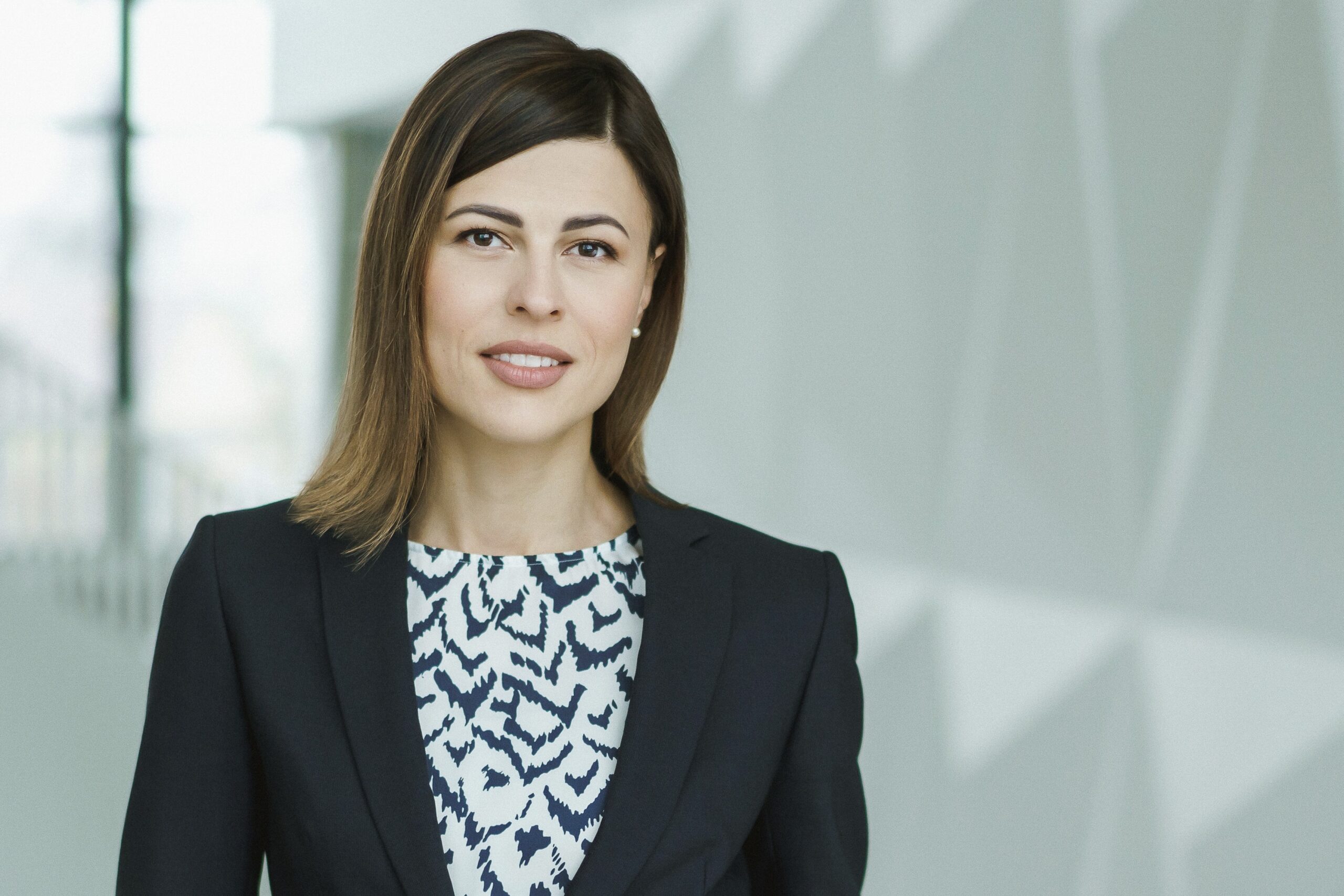
Rasa Jakutavičiūtė-Pečiulaitė

Rasa Jakutavičiūtė-Pečiulaitė

She later joined the development team at SBA Urban, where she worked on two of Lithuania’s largest business campus projects—Urban Hub Kaunas and Urban Hub Vilnius. She subsequently expanded her expertise by working on building conversion projects, transforming older properties for new purposes. Today, Rasa continues her career within the Infes Group, where she holds a senior management position at one of the group’s real estate development companies.

Why Engineering Education Is Increasingly Important for Executives

According to Rasa, engineering qualifications have become highly valued in today’s business environment.

“In the past, executive job advertisements typically required candidates to have a background in law, economics, or management. Today, I increasingly see companies specifically looking for professionals with engineering education. This reflects the growing appreciation for strategic thinking, systems understanding, and the ability to manage complex projects,” says Rasa.

She notes that many leadership positions in the real estate and construction sectors are now held by professionals with engineering backgrounds.

Demand for Engineers in Lithuania Continues to Grow

According to Rasa, the labour market has changed dramatically since she chose her studies. Today, women hold an increasing number of leadership positions in the real estate sector. They lead teams, manage complex developments, and drive company growth.

“When I entered university nearly 20 years ago, engineering was not among the most popular study choices, especially for women. Based on my own experience, I would encourage young people not to choose a programme simply because it is fashionable or attracts hundreds of applicants. Instead, choose one that may be less popular but offers broad knowledge and opens many career opportunities. In the long run, graduating from a less crowded field can actually make it easier to find employment because there is less competition.
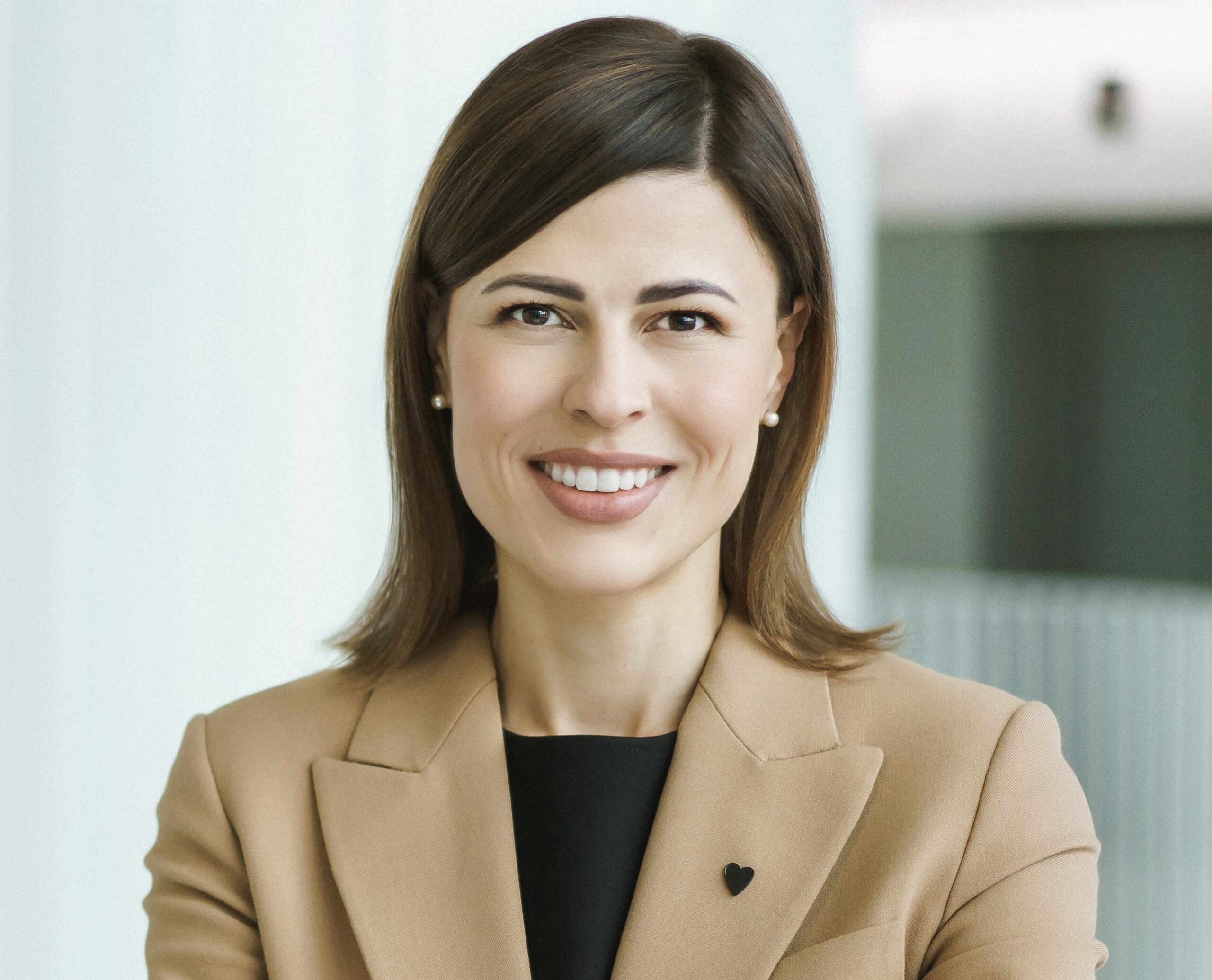
Rasa Jakutavičiūtė-Pečiulaitė

Rasa Jakutavičiūtė-Pečiulaitė

A career lasts for decades, so it is important to choose a field that you genuinely enjoy. A strong professional foundation allows you to explore different roles and specialisations throughout your career.”

Engineering Is About Much More Than Formulas and Technical Drawings

Asked what she enjoys most about engineering, Rasa says the profession offers tremendous opportunities for creativity and personal fulfilment.

“I enjoy creating something from nothing—from an initial idea, an empty plot of land, or even a swamp to a modern building or an entire complex where people live and work. When you see the finished result, you realise you have created something meaningful.

Engineering is not just about formulas or technical drawings. It is about solving problems creatively, seeing opportunities that others may not notice, and creating lasting value. Those are exactly the qualities that today’s professionals and leaders need most.”


Related news

The Research Council of Lithuania (LMT) Invites You to the Science Week "(re)SEARCH 2026"
Over the past few years, technological competition, research security, and science diplomacy have shifted from the academic agenda to the foreign, economic, and security policies of nations. The international science week "(re)SEARCH 2026," taking place in Vilnius on October 19–23, will explore these issues across five different events, bringing together Lithuanian and international scientific, political, diplomatic, and innovation communities. The context of this year's science week is highly specific. Lithuania is preparing for its Presidency of the Council of the European Union in 2027, while Europe is simultaneously seeking answers on how to maintain scientific openness amidst growing geopolitical tensions, strengthen technological competitiveness, and protect strategically important knowledge and research infrastructures. The Five Days of "(re)SEARCH 2026": October 19 – An event dedicated to the 10th anniversary of the Lithuanian-Japanese scientific cooperation program. October 20 – Lithuanian Science Forum "When Science Builds Bridges". October 21 – Lithuania-US Science and Innovation Forum. October 22 – Conference "An Interdisciplinary Approach to Research Security for Managing Geopolitical Risks and Building a Resilient Society". October 23 – Lecture by Prof. Vytautas Nekrošius titled "The Constitution as a Value". Detailed information about the "(re)SEARCH 2026" events can be found here. Themes and Discussions: "(re)SEARCH 2026" will begin on October 19 with an event dedicated to the 10th anniversary of the Lithuanian-Japanese scientific cooperation program. This collaboration provides a long-term perspective on international scientific partnerships. Their value is measured not merely by the number of joint projects, but by whether enduring connections between researchers, new shared research topics, and the capacity to sustain collaboration beyond a single funding phase are established over the years. At the Lithuanian Science Forum on October 20, science diplomacy will be examined as a practical tool of the state—one that helps forge international partnerships, strengthens Lithuania's position in the European Research Area, and grants researchers access to international networks and infrastructures. The forum will also address Lithuania's role in the evolving European science policy landscape. The upcoming Presidency of the EU Council provides Lithuania with an opportunity not only to administer the European agenda but also to raise issues vital to its own scientific system—ranging from international cooperation to research security and competitiveness. During the Lithuania-US Science and Innovation Forum on October 21, the focus will shift to how scientific knowledge translates into technology, and how international cooperation lays the groundwork for new technological partnerships and joint innovation projects. The forum will discuss the ties between Lithuania and the US in biotechnology, lasers, space, and other high-tech sectors. It will also explore the conditions required to harness scientific potential for developing competitive technologies and strengthening the scientific and technological capacities of both nations. The Lithuania-US Science and Innovation Forum is organized by the Ministry of Foreign Affairs of the Republic of Lithuania, in partnership with the Center for Physical Sciences and Technology (FTMC). At the international conference on October 22, the focus will be on research security and geopolitical risk management. Openness, data sharing, and international collaboration are essential conditions for modern science. However, certain knowledge, technologies, or research infrastructures can possess economic and strategic value alongside their academic worth. Consequently, universities, research centers, and state institutions are increasingly faced with the challenge of maintaining open science while responsibly managing the associated risks. The conference will explore this issue through specific topics: institutional responsibility, the risks of international partnerships, the protection of sensitive data and technologies, and resilience to geopolitical pressure. The week will conclude on October 23 with a lecture by Prof. Vytautas Nekrošius titled "The Constitution as a Value," which will enrich the "(re)SEARCH 2026" program from the perspective of law, the state, and values. The international science week "(re)SEARCH 2026" is organized by the Research Council of Lithuania (LMT). Organizing partners: Ministry of Education, Science and Sport of the Republic of Lithuania, Ministry of Foreign Affairs of the Republic of Lithuania, FTMC, Mykolas Romeris University, and the Lithuanian Academy of Sciences. Media partner: LRT.
More
We invite you to participate in the “Creator Fund” Student Investor Programme 2026
VILNIUS TECH students and early-career researchers are invited to apply for the Creator Fund Student Investor Programme 2026, designed for students and researchers in technical and scientific fields who are interested in startups, deep tech and venture capital. Creator Fund is a pre-seed deep tech venture capital fund investing in companies founded by scientists and researchers across Europe. Its Student Investor Programme gives participants an opportunity to learn the fundamentals of venture capital and explore how scientific research and technological ideas can be transformed into businesses. Who is the programme for? The programme is aimed at PhD candidates, Master's students, other postgraduate students and researchers who: study technical, engineering, natural sciences or related subjects, or conduct research with commercial potential; are interested in startups, deep tech or venture capital; want to learn more about research commercialisation and building technology-driven companies. What does the programme offer? Selected participants will join an international community of students and researchers from across Europe. The programme includes an 18-part training programme focused on deep tech startup building and venture capital, practical exposure to the investment process, and mentorship from investors, founders and technical experts. The programme may be particularly relevant to members of the VILNIUS TECH community who are considering commercialising their research or technological solutions, launching a startup, or exploring a career in venture capital. Applications for the 2026 programme are now open. Learn more about the programme Apply
More