From Earth to Space: Meet Turkish Astronaut Tuva Cihangir Atasever

May 29, 2026

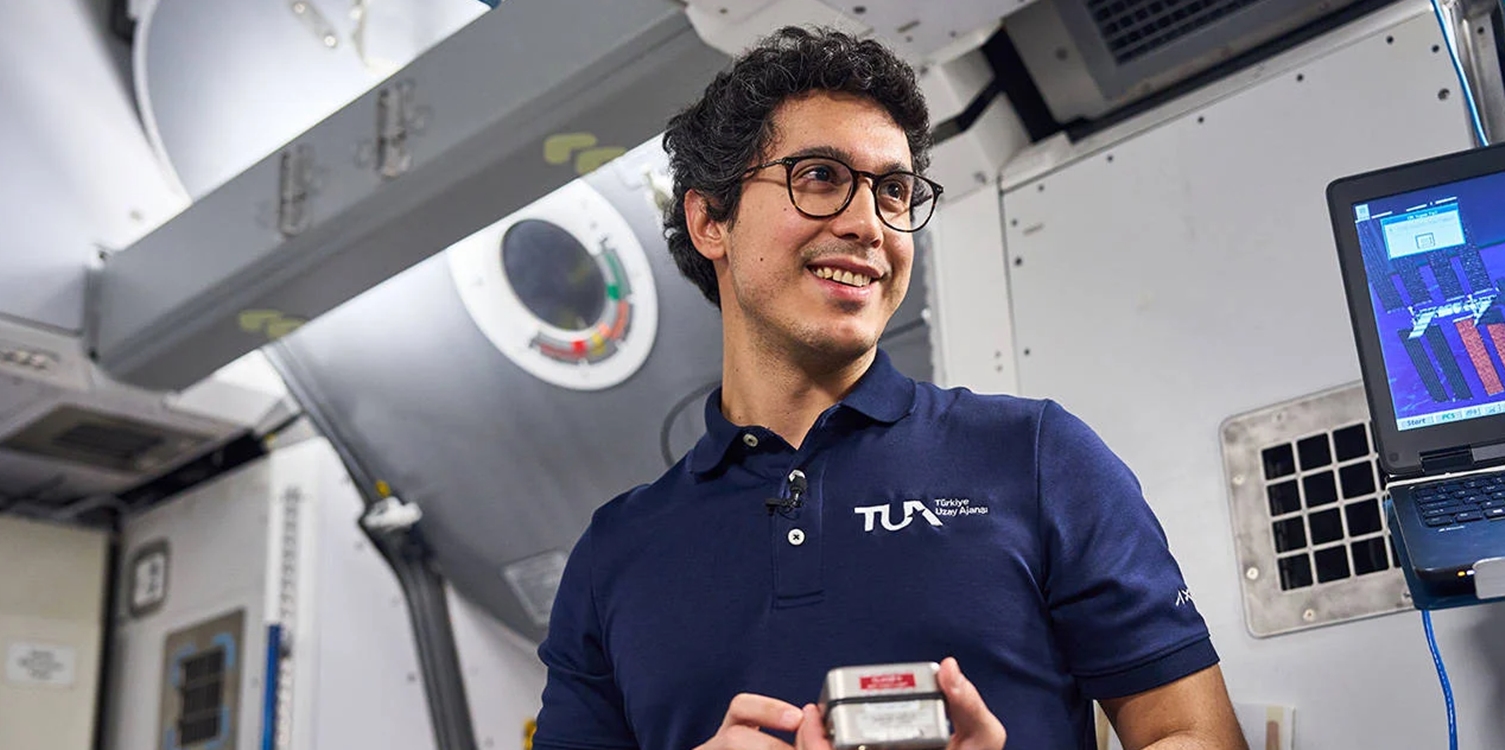
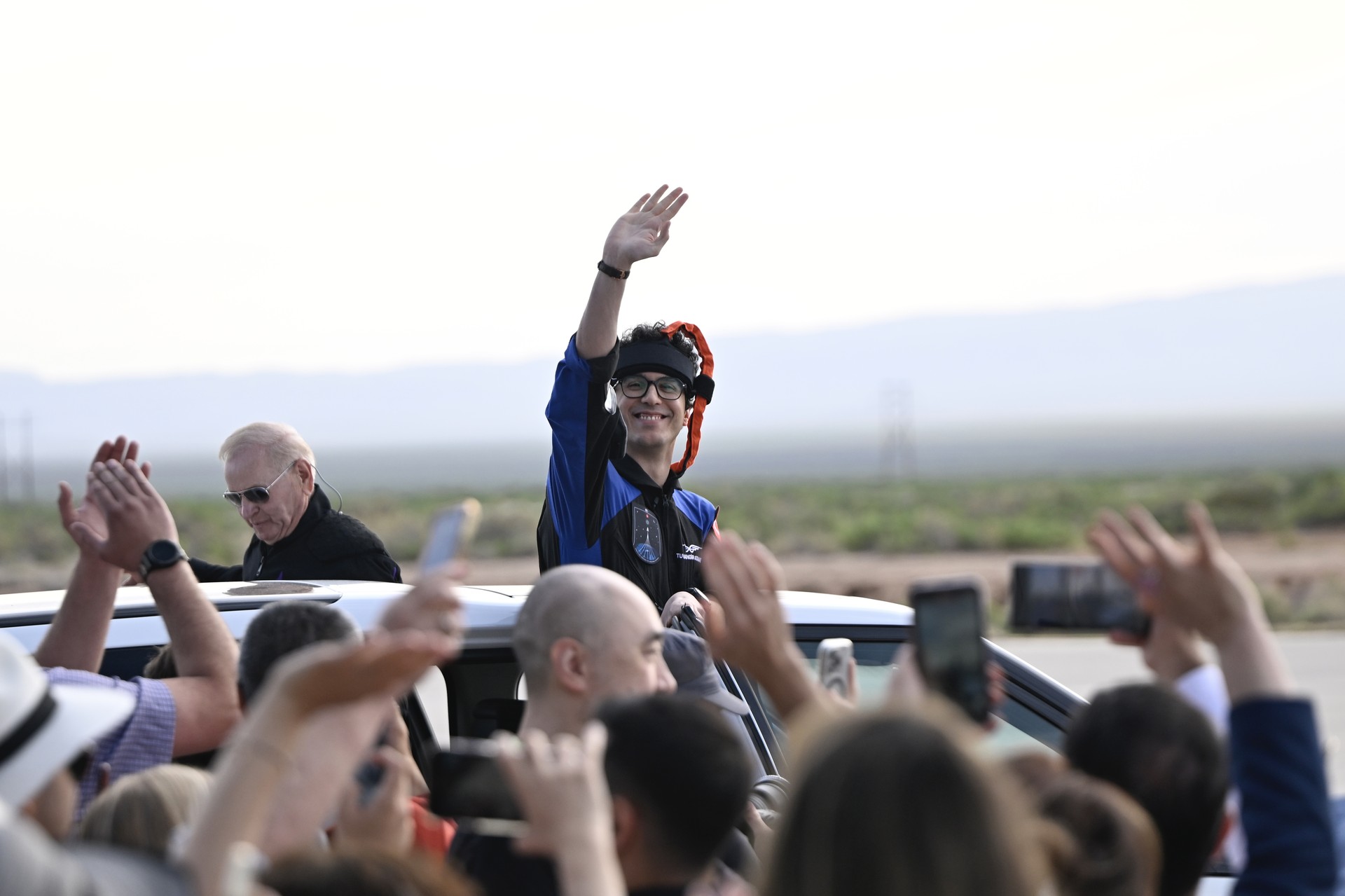
The VILNIUS TECH community and everyone who loves Space is invited to attend a meeting on June 3  (Wednesday), 10.30 AM with Tuva Cihangir Atasever, the second astronaut of the Turkish Space Agency and an avionics engineer.
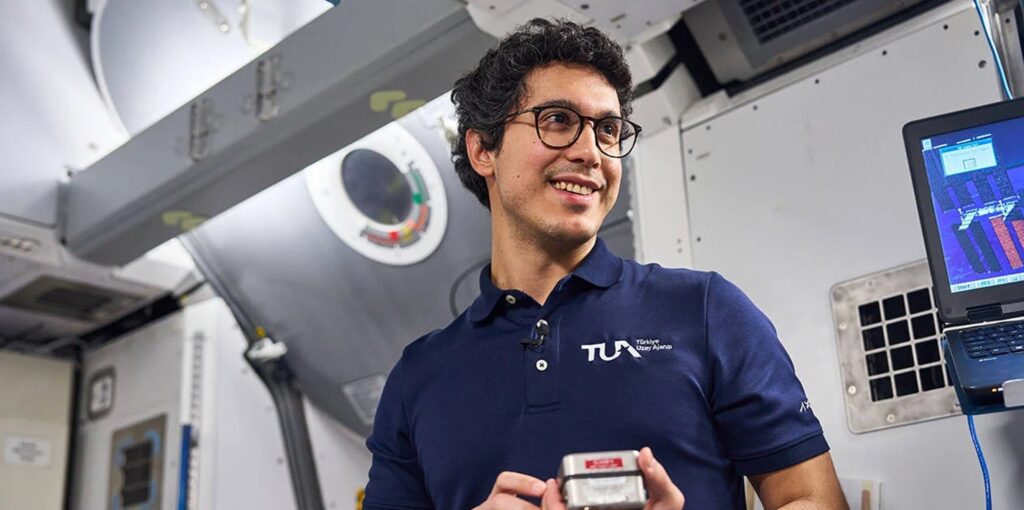
Astronaut Tuva Cihangir Atasever

During the meeting, the guest will share his experience from space missions, talk about the scientific research he has carried out, and discuss the challenges of working in the space sector. The event will cover a variety of research fields, including:

  • astroparticle physics,
  • genetics,
  • brain hemodynamics,
  • biomedical devices,
  • cellular and molecular biology.

This is a unique opportunity to hear international insights from a professional working in the space sector, learn more about cutting-edge scientific research, and ask questions about the future of astronautics and space technologies.

Event information:

📅 June 3 (Wednesday)
🕥 10:30 a.m.
📍 6th Floor Lobby, Central Building, Saulėtekio Ave. 11, Vilnius
⏱ Duration: 1 hour

Tuva Cihangir Atasever Bio

Born in August 1992 in Ankara, Türkiye, Tuva Atasever attended the Bilkent University, where he received a Bachelor of Science in Electrical and Electronics Engineering. After completing his undergraduate studies in 2014, Atasever moved to the United States and received a Master’s degree in photonics from the University of California, Irvine. In addition, in 2018 Atasever completed the Space Studies Program (SSP) organized by Delft University of Technology, European Space Research and Technology Centre (ESA ESTEC), and International Space University (ISU).

After receiving his master’s degree in 2016, Atasever co-founded and acted as the CEO of Blue Dot VR where he worked on creating compelling experiences in virtual reality to induce pro-social, pro-environmental, and empathetic behaviors in users. In 2017, Atasever co-founded another startup called HyperSight, Inc., which focused on augmented reality.

After working on those ventures and gaining life-changing experiences, Atasever started working for ROKETSAN, Inc as an avionics systems engineer responsible from the avionic subsystems in the Micro Satellite Launch Vehicle (MSLV) and Space Sounding Rocket (SSR) development projects. As the payload integration manager for SSR, Atasever’s latest responsibility at ROKETSAN included selecting scientific and commercial payloads that were going to be launched on the SSR, creating technical requirements for those payloads, and successfully integrating them on the launch vehicle following the design verification process.

In May of 2022, Atasever enthusiastically applied for the first-ever astronaut selection campaign of the Turkish Space Agency (TUA). After passing all the phases successfully, he was selected as one of the first two astronauts of Türkiye.

Atasever enjoys swimming, outdoor running, camping, and backpacking, previously journeying across several national parks in Northern and Southern California and along the Mediterranean coast.

Atasever served as the backup mission specialist for Axiom Mission 3, the first all-European commercial astronaut mission to the International Space Station. In June 2024, he flew to space on Galactic 07 mission as a research astronaut and carried out seven different scientific investigations as part of the mission.

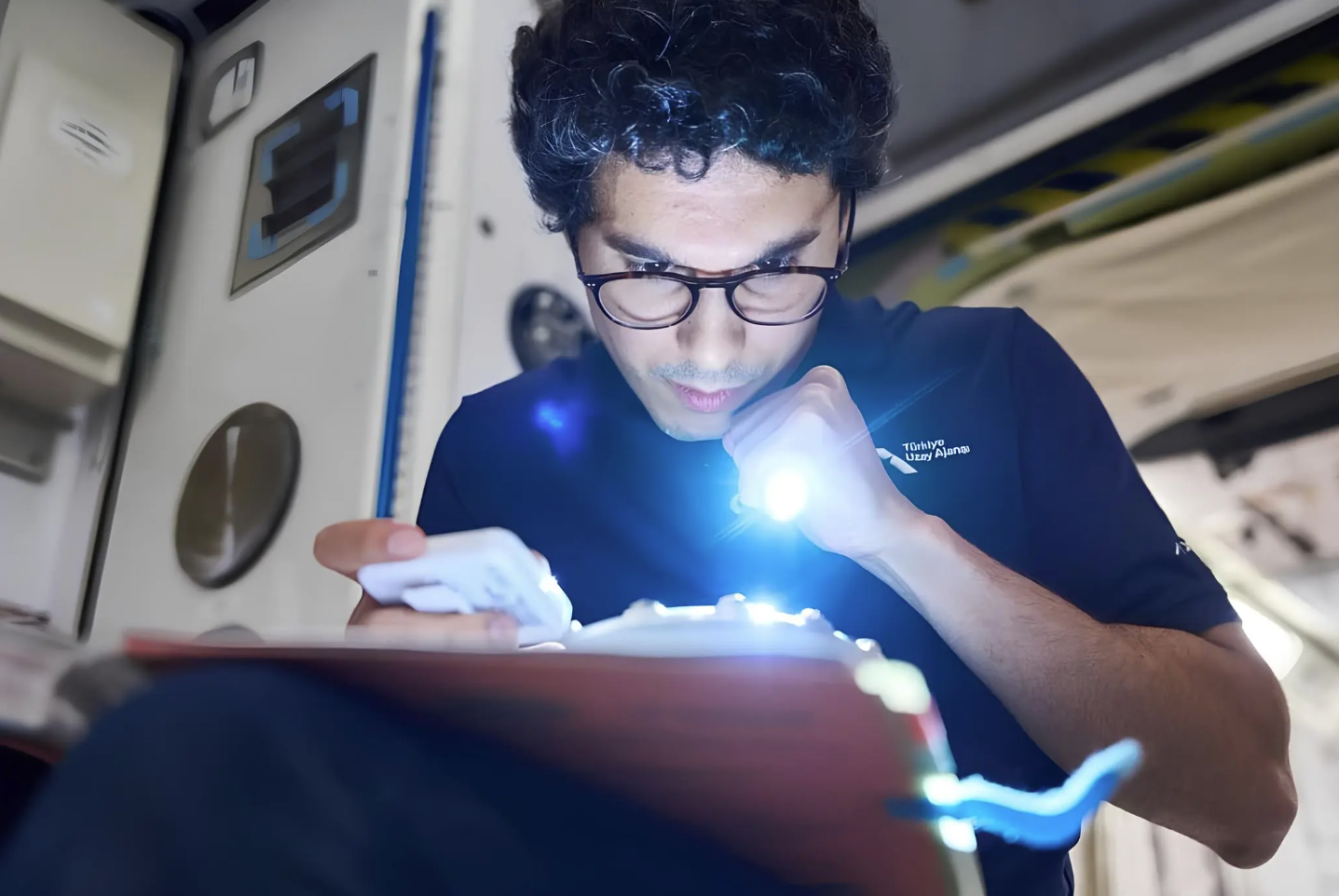
Galerija
Related news

TRANSPORT Journal Achieves Significant Improvement in International Bibliometric Indicators
The international bibliometric indicators released in 2026, based on 2025 publication data, confirm the remarkable growth of the scientific journal TRANSPORT, published by VILNIUS TECH, and its strengthening position within the global scholarly publishing landscape. Published since 1986, the journal disseminates original research in transportation science and technologies. The journal is indexed in the prestigious international databases Scopus and Web of Science, which are among the world's leading sources for the evaluation and analysis of scholarly publications. The journal’s visibility, scientific impact, and citation performance are reflected in bibliometric indicators that are updated annually by the international information and analytics companies Elsevier and Clarivate Analytics. The latest results demonstrate particularly strong progress for the journal. Advancement to a Higher Quartile in the Web of Science Ranking   According to the latest 2026 Journal Citation Reports data published by Clarivate Analytics, the journal TRANSPORT advanced from the fourth quartile (Q4) to the third quartile (Q3) in the Transportation Science & Technology category and currently ranks 42nd among 80 journals. In 2025, the journal was ranked 58th among 77 journals in the category. One of the most important indicators of journal quality, the Journal Impact Factor (JIF), more than doubled over the year, increasing from 1.3 to 3.1. The five-year Impact Factor also showed substantial growth, rising from 1.4 to 2.1. This positive trend is further confirmed by the Journal Citation Indicator (JCI), which increased from 0.20 to 0.36. Based on this metric, the journal also moved from Q4 to Q3. Growing Visibility in Scopus Significant improvements were also recorded in the Scopus database. The journal’s CiteScore increased from 2.9 to 4.0, while SNIP (Source Normalized Impact per Paper), one of the key indicators of normalized citation impact, rose from 0.598 to 0.878. Although the SJR (SCImago Journal Rank) indicator remained at a similar level (0.445 compared to 0.456 in the previous year), the journal maintained its strong standing and retained its second-quartile (Q2) position in both evaluated subject categories. In the Automotive Engineering category, the journal TRANSPORT improved its ranking from 50th to 42nd place among 143 journals. In Mechanical Engineering, the journal advanced from 341st to 290th place among 740 journals. A Result of Consistent Effort According to Editor-in-Chief Prof Dr Olegas Prentkovskis, the improved bibliometric indicators demonstrate the growing international visibility of the journal TRANSPORT, its increasing scientific impact, and the relevance of its published research to the global scholarly community. These achievements reflect the dedicated efforts of the editorial board, authors, reviewers, and publishers in maintaining the highest standards of scientific publishing. The results further strengthen journal’s position as one of the leading journals in the field of transportation science in the region and contribute to enhancing the international scientific visibility and academic reputation of VILNIUS TECH.
More