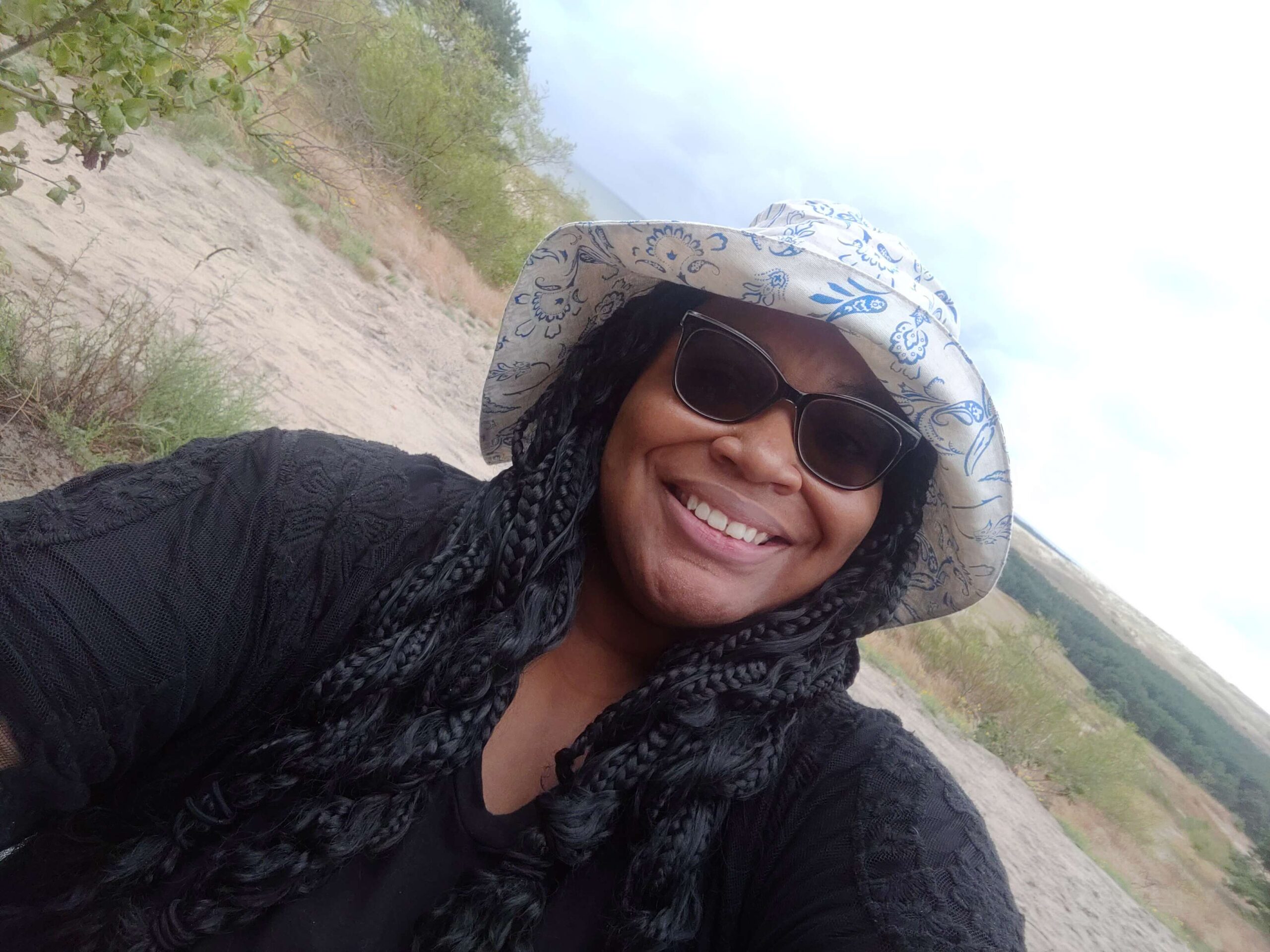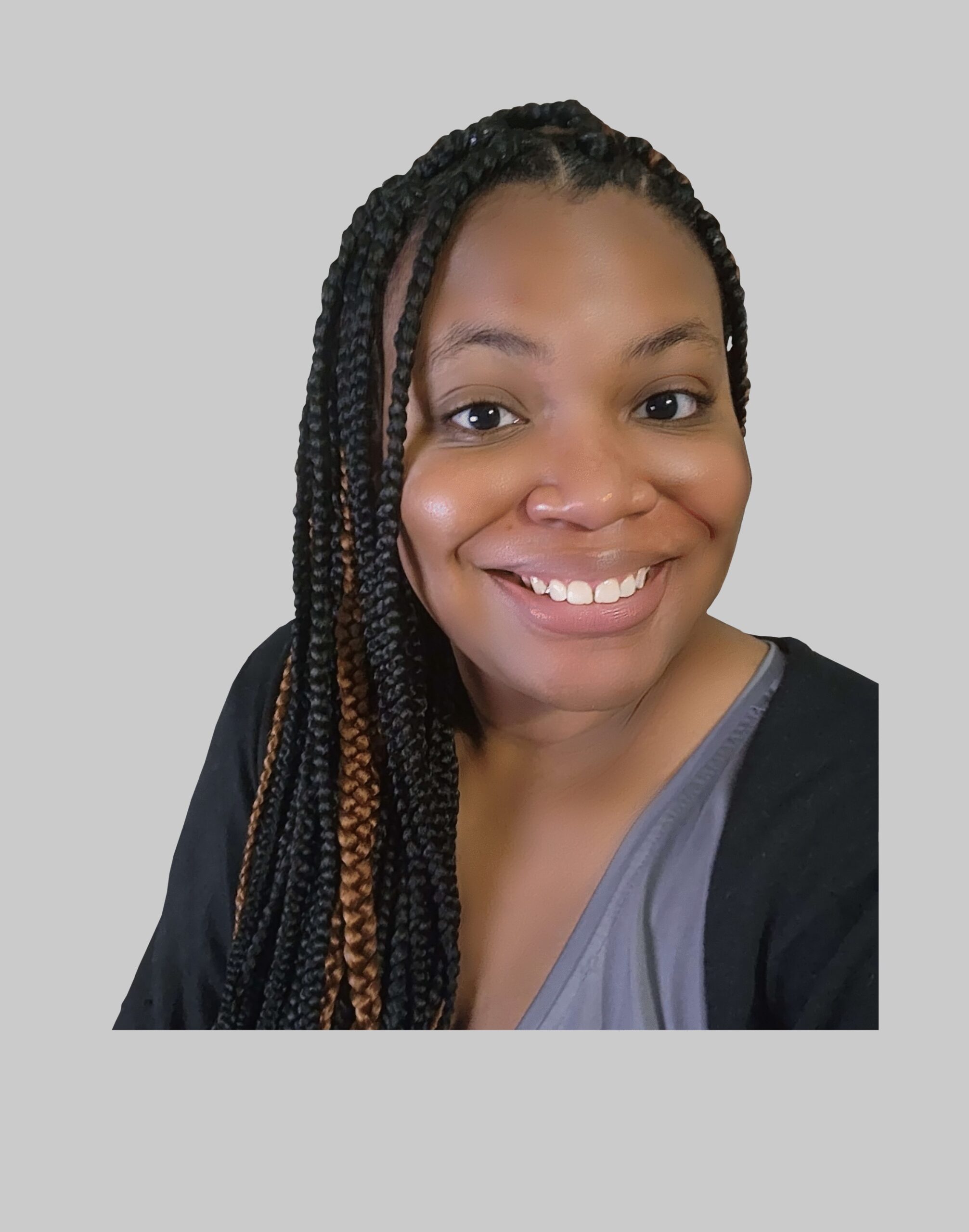
A Purdue University Northwest graduate, Davina Jackson, moved from the American Midwest to Lithuania — and found not only a Master’s degree but also a career, a community, and a more relaxed way of life. Although the decision was a big surprise to her family and moving across the world required determination and planning, she never regretted it. Instead, this big adventure reminded her of her long-held dream of giving back through teaching. Given Davina’s determination, this dream sounds quite real.
Breaking the news to the family
Most American students do not tell their families every day that they are moving to Lithuania. When Davina prepared to share the news, she made a strategic choice: “The first person I told was my mother, knowing she would take it more calmly than the rest of my family,” the student recalls. “She helped introduce the idea to the rest of my family.”
Davina’s close friends, already familiar with her long-standing curiosity about the country, were far easier to convince. They were excited and supportive. Davina’s curiosity had a very specific origin: a Lithuanian exchange student she had befriended while they were visiting in the US. That friendship sparked an interest, a visit confirmed it, and soon she was researching universities.
VILNIUS TECH stood out quickly. “The Information Systems Software Engineering programme’s curriculum matched both my experience and my strengths,” she explains. “It felt like the right fit, both academically and professionally.”

The differences in learning and personal life
Davina had visited Lithuania twice before making the move, so culture shock was minimal. What she had expected most — the abundance of nature — proved entirely accurate. However, the academic environment held a few surprises.
“In the US, my Bachelor’s programme did not include a thesis or defence; assessments were primarily through exams and projects,” she says. “Adjusting to the idea of writing a thesis and publicly defending it was the biggest shift for me.” The second surprise was more welcome: the richness of student life. The Erasmus Student Network — something with no real American equivalent — opened doors to a truly international community.
The most enduring lesson from her studies was deeply personal. “The most important lesson has been learning to take care of myself,” she says. “I tend to overwork and occasionally neglect basic needs, such as meals and rest. I’ve learned that maintaining balance and well-being is essential to long-term success.”
Balancing studies and an early career
Managing a Master’s programme alongside full-time employment is no easy choice. Davina has done exactly that, working as an IT engineer in Voice and Real Time Services at SEB Bank — a role she actively sought on LinkedIn after gaining experience at Western Union. Before taking the job, she ensured she could handle the combined workload.
“When I joined SEB, the team was aware of my academic commitments and adjusted my role to part-time,” Davina explains. Her schedule was relentless: work every weekday morning, then an hour’s gap before lectures starting at 16:20 or 18:10, then homework until sleep, then repeat. “It sometimes means missing out on social activities, but I remind myself that this is temporary and will pay off once my studies are complete.”
Davina’s day-to-day work centres on managing SEB’s telephony systems — extensions, desk phones, soft phones, and group call queues — while also handling Microsoft-related tasks and broader IT support within an Agile team. The field is evolving quickly. “Cloud solutions, automation, and AI are shaping the future of telephony,” she says. “These areas have become essential for me to understand to stay aligned with the industry’s direction.” She keeps pace through continuous training, technical documentation, and guidance from senior colleagues.

What Lithuania gets right
Now that Davina has worked in both countries, she sees a striking contrast in workplace culture. “The key difference is work-life balance,” she says. “In the US, maintaining a healthy balance often feels impossible. In Lithuania, mandatory holiday blocks, generous annual leave, and encouraged lunch and break times create a much healthier environment.”
She also notes that diversity and equal opportunities stand out. “I’ve held two roles since moving to Lithuania and have never experienced inequality or prejudice,” Davina says. Technology remains a male-dominated field globally, yet she has observed strong representation of women and professionals from diverse backgrounds.
If Davina could give her past self one piece of advice, it would be linguistic: “If I could change one thing, I would have started learning Lithuanian earlier, rather than only beginning after moving.”
With her thesis in its final chapter, Davina is already thinking about what comes next. The options she is weighing reflect both ambition and a desire to give back. “I’m interested either in becoming a programmer or advancing within my current field towards an L3 role,” she says. But there is a third path that has never quite left her mind: “I also still have an interest in teaching. As a child, I wanted to become a teacher, but I didn’t pursue it due to concerns about financial stability. If the opportunity arose to teach or assist in a technology-related academic setting, I believe it would be deeply fulfilling.”
For any American student tempted to follow her path, Davina’s advice is both clear and encouraging. “I would encourage them to research their decision thoroughly and be certain it’s what they truly want,” Davina says. “Moving across the world requires determination and planning.” If commitment is there, she is happy to discuss public transport, social life, and cultural differences with fellow foreigners navigating life in Lithuania.
Galerija