Global Challenges, Shared Solutions: VILNIUS TECH and Partners Shared Unique University Experiences

June 25, 2025
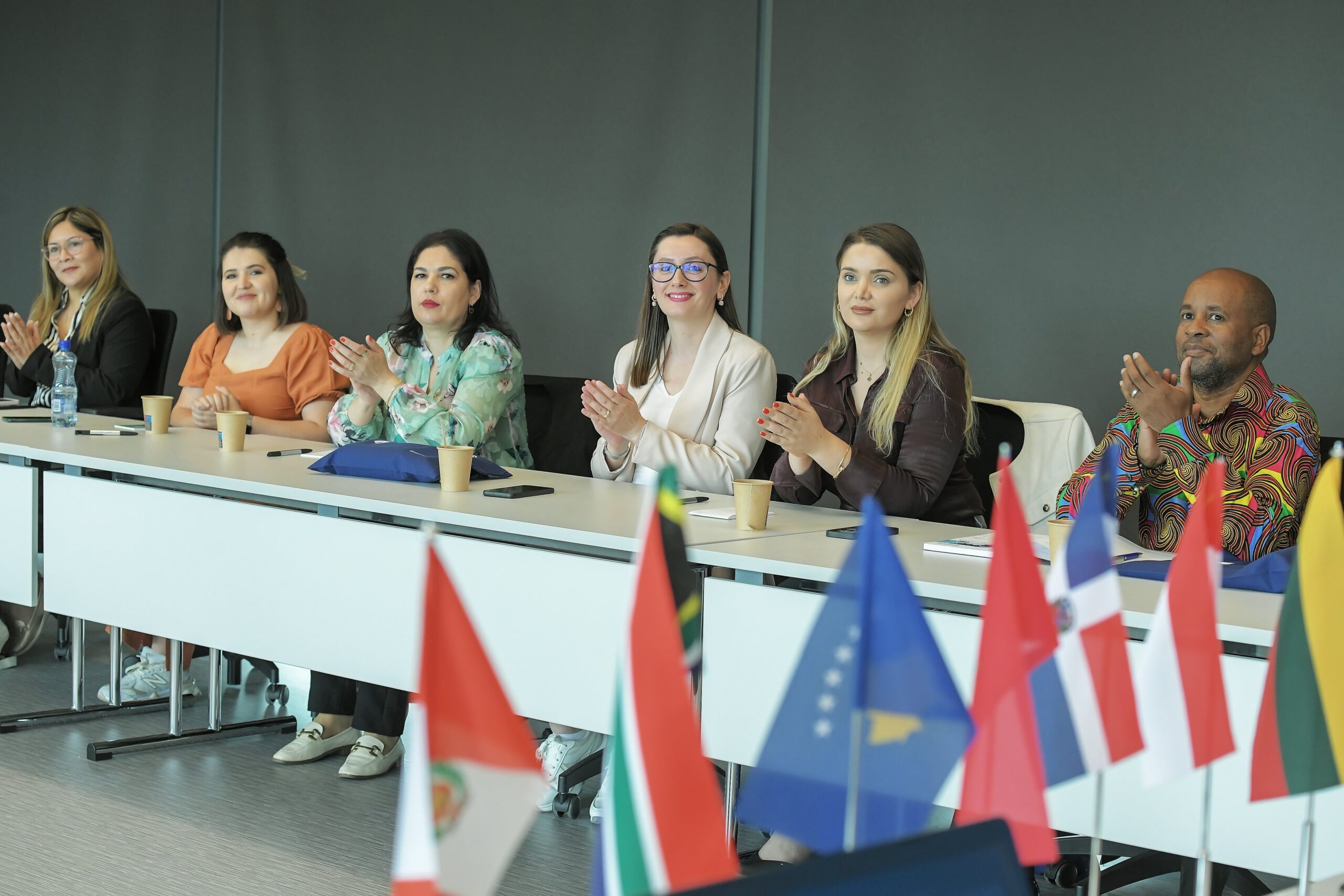
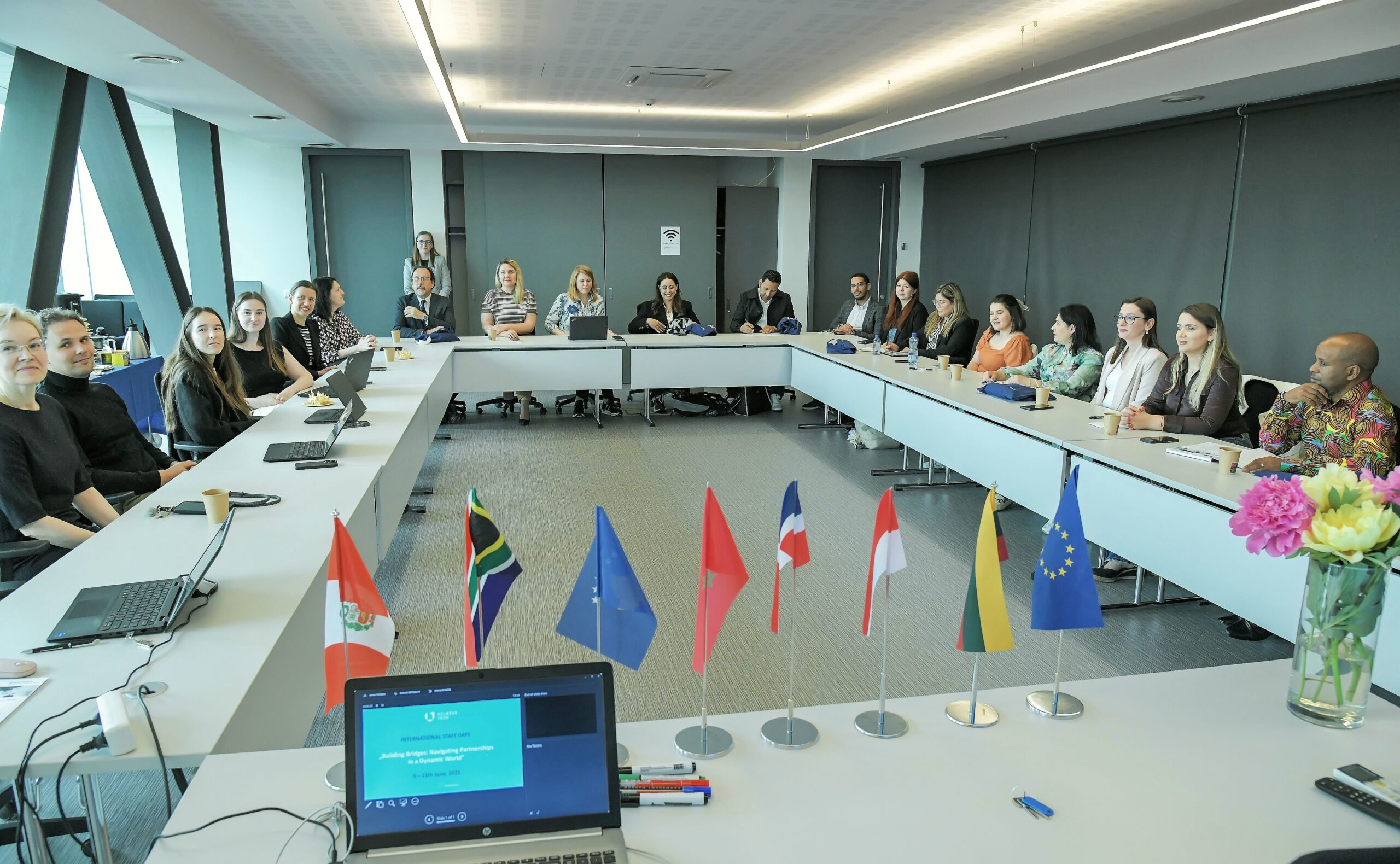
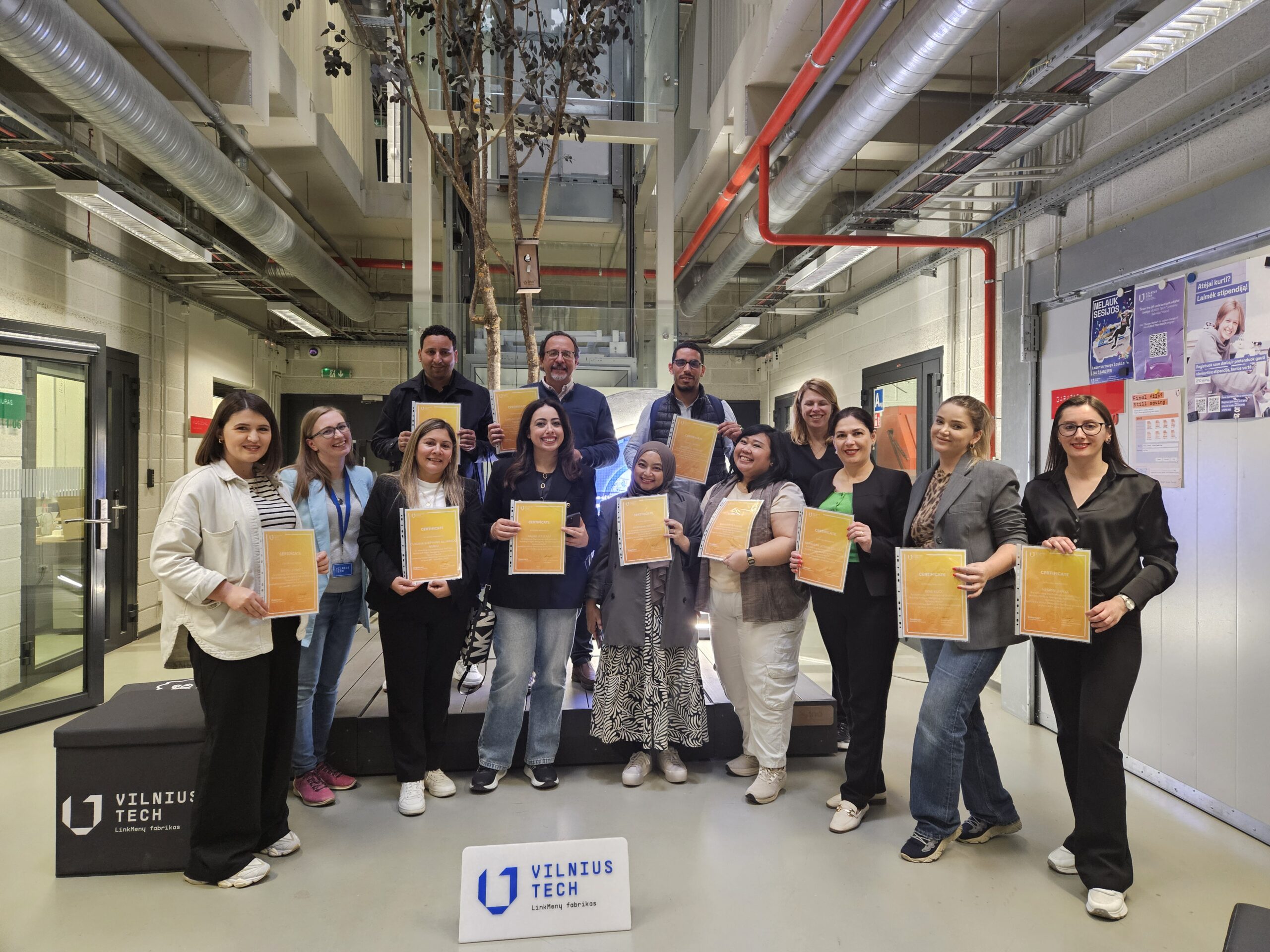
The International Staff Days, organized by the VILNIUS TECH International Relations Office (IRO), took place at the university. This year’s theme was “Building Bridges: Navigating Partnerships in a Dynamic World.” The event was attended by representatives from Morocco, Peru, Kosovo, South Africa, the Dominican Republic, and Indonesia.
 
The goal of these international days is to maintain connections with partners from other countries, discuss opportunities for further cooperation or the initiation of joint projects under Erasmus+ and other programs, share best practices, and promote internationalization within the university.
 
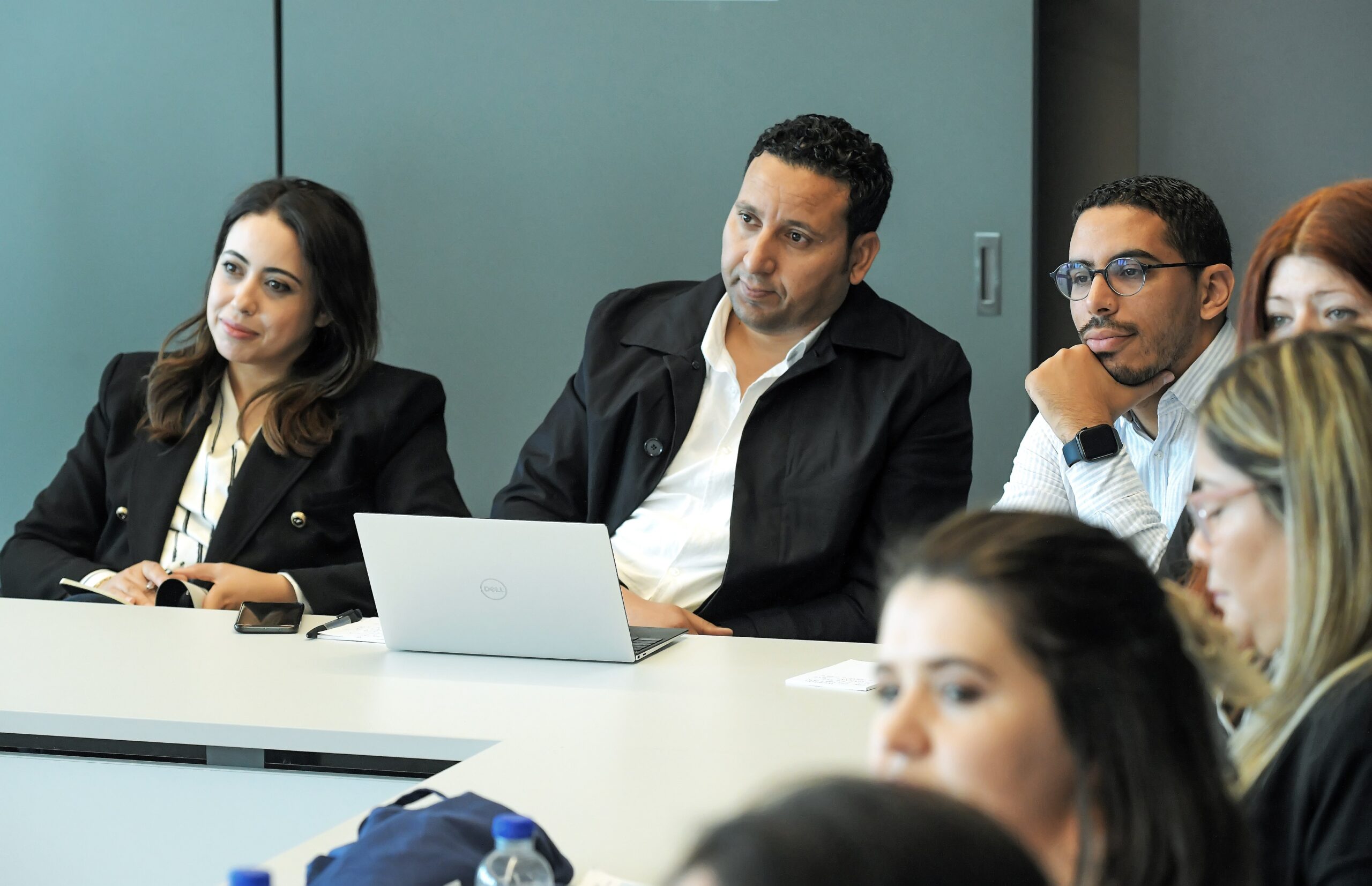
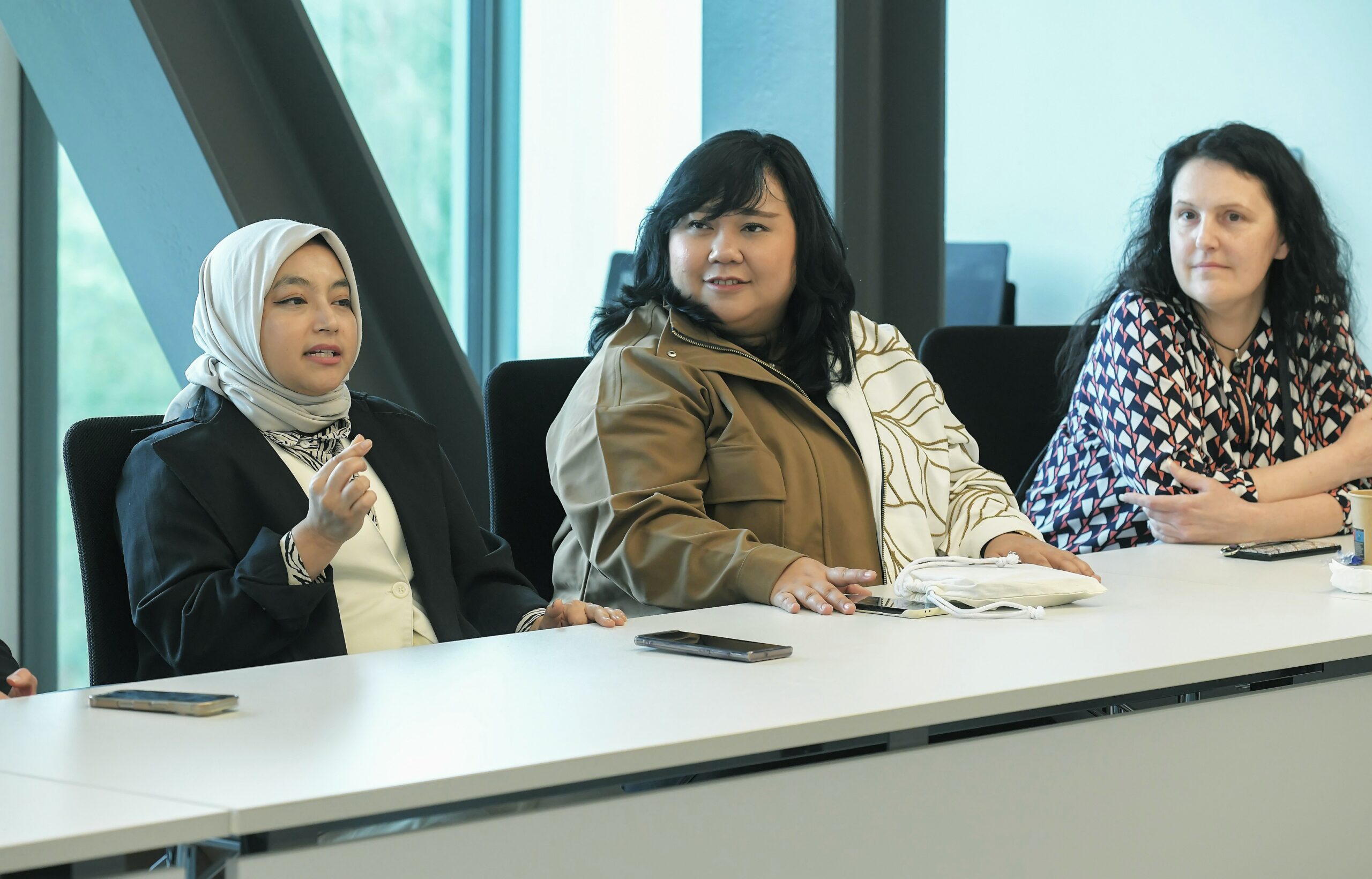
The event brought together lecturers, researchers, and staff from international relations departments from universities around the world who have extensive professional and academic experience. Therefore, one of the main goals of this international week was to create a space for meaningful discussion, to share knowledge and experiences, to get to know each other, and to build bridges for future cooperation projects.
 
During the opening, participants were welcomed by the Vice-Rector for Strategic Partnership Assoc. Prof. Dr. Adas Meškėnas. IRO Director Aleksandra Sokolova presented the university and its internationalization strategy, while Deputy Director Erika Danienė introduced the guests to Lithuania and the peculiarities of the Lithuanian language.
 
After a brief intercultural introduction phase, participants focused on the most pressing contemporary challenges and issues faced by universities worldwide. They discussed the solutions applied by higher education institutions in different countries, which models work most effectively, and what can be learned from one another. Although the universities operate in different regions, it was noted that many face similar challenges: actively developing international student and staff exchange programs, seeking ways to encourage student engagement and motivation, and looking for ethical and responsible ways to integrate artificial intelligence into the study process. Considerable attention was also given to collaboration in scientific research. All these topics were discussed through interactive activities, working groups, and discussions, during which participants not only shared their experiences but also collectively created a vision for future actions to achieve sustainable, innovative, and international cooperation in the field of higher education.
 
The event program also included tours of the university's departments and laboratories, as well as two creative workshops. At the Eco-design Laboratory of the Sustainability Center, the center’s activities were presented and sustainability principles in our daily lives were discussed. A workshop was held where participants created stamps on VILNIUS TECH tote bags – carving images into linoleum scraps, painting them, and placing them in their desired spots. The second workshop took place at the Creativity and Innovation Center “LinkMenų fabrikas,” where participants were introduced to the main rapid prototyping tools and learned how a CO₂ laser works. Each participant made a wooden keychain with their own design – the drawings were vectorized and cut with the laser.
 
Staff from partner foreign universities also had the opportunity to participate in the 53rd NORDTEK Conference organized by VILNIUS TECH, with the theme “Sustainable and Digital University Transformation.” During the plenary session, participants listened to presentations analyzing the roles of policy, science, and higher education institutions in the digital and green transformation. The parallel sessions addressed mobility policy, challenges of digitalizing education, the role of artificial intelligence, interdisciplinary approaches to sustainability, smart city solutions, and the impact of universities on climate change mitigation.

Galerija
Related news

New doctoral dissertation
VILNIUS TECH Library invites you to follow the published new dissertations. The dissertation „Interaction between currency market evolution with monetary policy instruments in the age of digitisation“ („Valiutų rinkos evoliucijos sąveika su monetarinės politikos instrumentais skaitmenizacijos amžiuje“) prepared at VILNIUS TECH by Tomas Pečiuli. The dissertation was prepared in 2020–2026. Scientific consultant – Assoc. Prof. Dr Asta Vasiliauskaitė. The dissertation was defended at the public meeting of the Dissertation Defence Council of the Scientific Field of Economics in the Aula Doctoralis Meeting Hall of Vilnius Gediminas Technical University at 10 a.m. on 10 June 2026. The emergence of decentralised cryptocurrencies has created fundamental challenges for traditional monetary policy systems. Although these digital assets have the potential to increase financial inclusion and efficiency, their volatility and the lack of centralised oversight create systemic risks that cannot be properly managed using classical models. This dissertation presents an integrated hybrid analytical framework designed to quantitatively assess the impact of cryptocurrencies on monetary policy transmission mechanisms, providing policymakers with empirically grounded tools to analyse this evolving financial domain more effectively. The dissertation is divided into three main parts. The First Chapter summarises the theoretical role of cryptocurrencies in modern monetary theory. The Second Chapter presents and substantiates a new methodology that combines machine-learning techniques with advanced econometric modelling, specifically using an Elastic Net machine learning model with ARIMA residuals and MSGARCH specifications to capture regime-dependent behaviour. The Third Chapter empirically validates the framework using data from cryptocurrency markets and central bank policy operations. The empirical results show a significant asymmetric policy transmission effect, with the price of Bitcoin reacting by USD -15,348 to a 1% change in the Federal Reserve interest rate. The analysis also identifies critical volatility thresholds (σ>80%) at which cryptocurrency fluctuations increase inflation risk. These results indicate the growing systemic importance of cryptocurrencies in monetary policy dynamics. The study contributes to the emerging field of digital asset economics. The integrated modelling approach helps overcome the long-standing limitations of analysing nonlinear financial phenomena. Practical applications include real-time financial stability risk monitoring systems and evidence-based guidelines for regulatory interventions. The modular structure of the framework allows for future expansion by incorporating evolving market structures and new digital assets. The dissertation’s results have been presented to the scientific community in eight peer-reviewed publications in scientific journals and conference proceedings. This work provides central banks with essential analytical tools to maintain monetary stability and to promote responsible financial innovation in the digital era. Doctoral dissertation readers can search via VILNIUS TECH Virtual Library.
More
New doctoral dissertation
VILNIUS TECH Library invites you to follow the published new dissertations. The dissertation „Research and application of machine learning methods for migraine attack prediction“ prepared at VILNIUS TECH by Viroslava Kapustynska. The dissertation was prepared in 2021–2026. Scientific consultant – Prof. Dr Šarūnas Paulikas. The dissertation was defended at the public meeting of the Dissertation Defense Council of the Scientific Field of Electrical and Electronic Engineering in the Aula Doctoralis Meeting Hall of Vilnius Gediminas Technical University at 2 p.m. on 9 June 2026. Migraine is a complex neurological disorder characterized by strong inter- and intra-individual variability, which makes early forecasting difficult using only clinical observations. Wearable biosensors combined with machine learning offer new opportunities to detect subtle physiological changes that may precede migraine attacks and to develop individualized prediction models. This dissertation investigates migraine analysis and next-day prediction using physiological recordings collected under real-life monitoring conditions. Data were obtained with the Empatica Embrace Plus wearable device and include electrodermal activity, pulse rate, skin temperature, and movement-related signals. The analysis focuses on nocturnal recordings, since the night period provides a more stable physiological context with fewer external disturbances. Nights were standardized using sleep-based contextual selection and consistent night-level rules. The experimental framework is organized in two stages. In the first stage, a window-level binary classification task is used as an exploratory methodological analysis to examine how design choices influence model performance. Night recordings are segmented into analysis frames ranging from 5 to 120 minutes, statistical features are extracted, and the influence of signal preprocessing and feature representation is evaluated across several classifier families, including Random Forest, XGBoost, histogram-based gradient boosting, support vector machines, and k-nearest neighbors. In the second stage, the research evaluates next-day migraine prediction based on whole-night recordings. This stage refines the experimental methodology to obtain more reliable estimates of predictive performance under a stricter validation framework. The analysis focuses on the effect of temporal aggregation while comparing the same classifier families under consistent evaluation conditions. The results demonstrate considerable variability across participants in achievable prediction performance and optimal modeling configurations. Shorter analysis frames generally preserve informative short-term physiological changes, whereas longer windows tend to smooth these variations. Signal preprocessing shows a window-dependent effect and does not consistently improve performance. Overall, the results highlight the importance of temporal resolution, rigorous validation, and individualized modeling for wearable-based migraine prediction systems. Doctoral dissertation readers can search via VILNIUS TECH Virtual Library.
More