Latest AI Technologies: VILNIUS TECH Expands Knowledge and Collaboration at Ai4 Event in Las Vegas

September 2, 2024
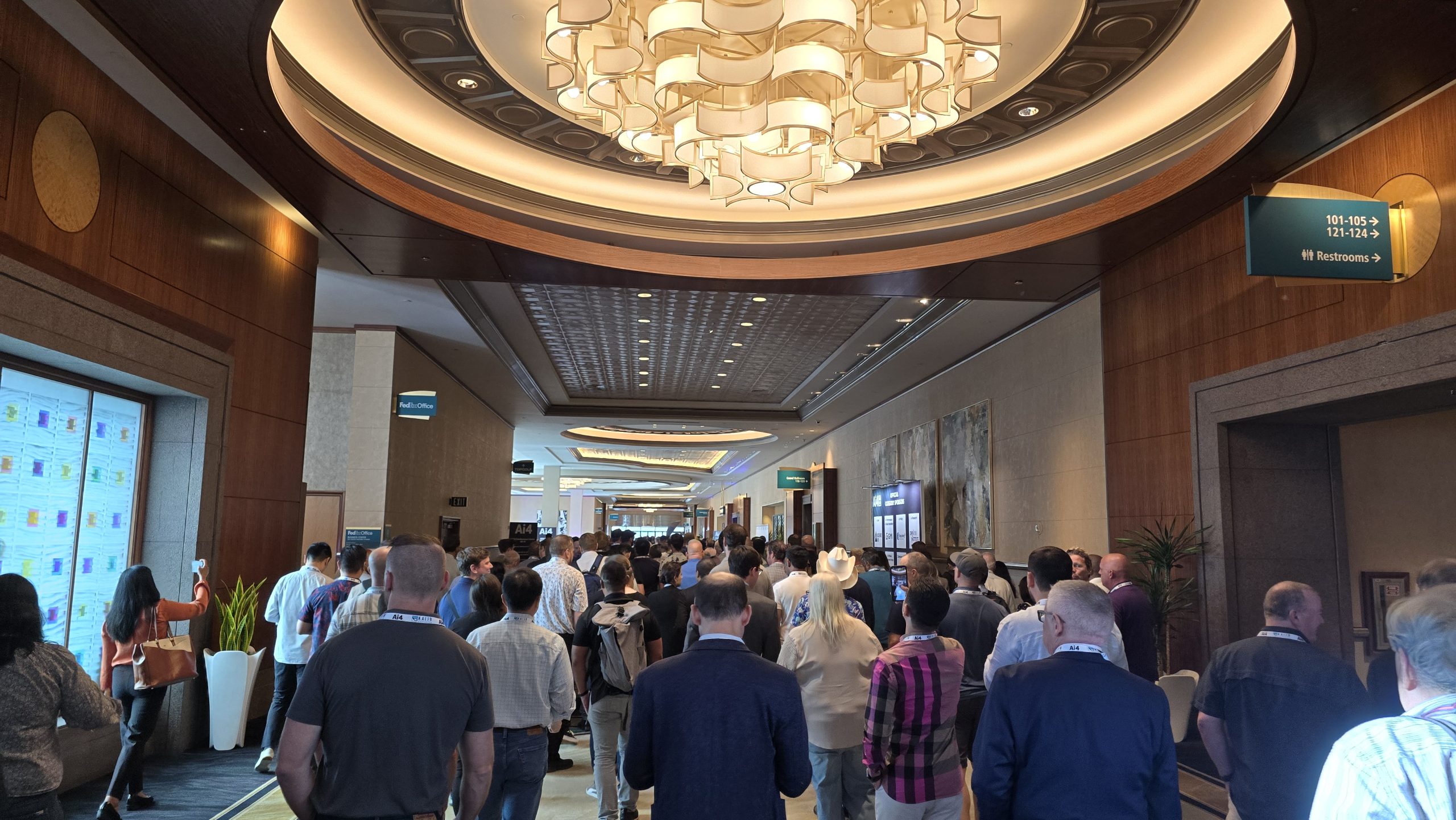
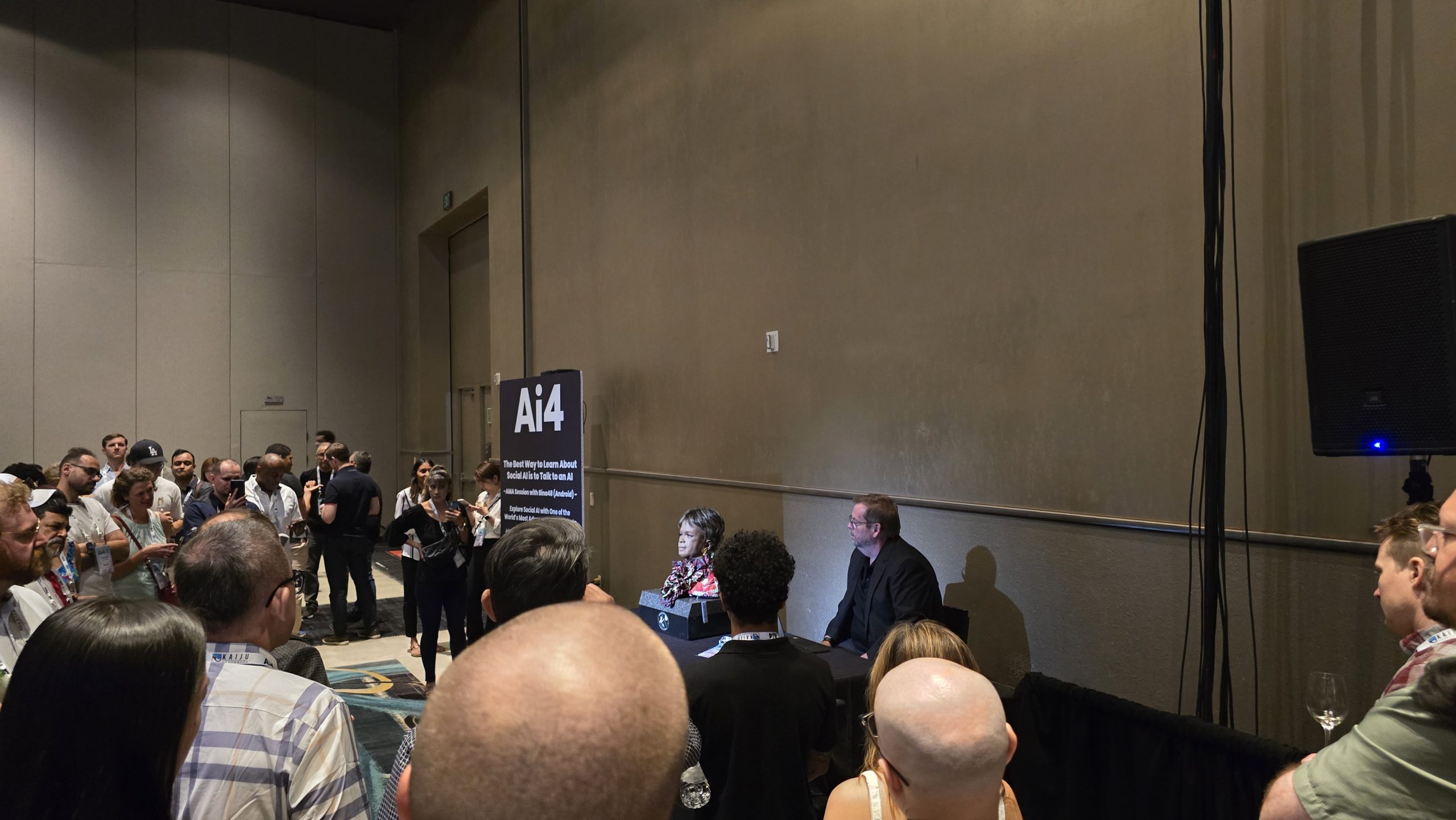
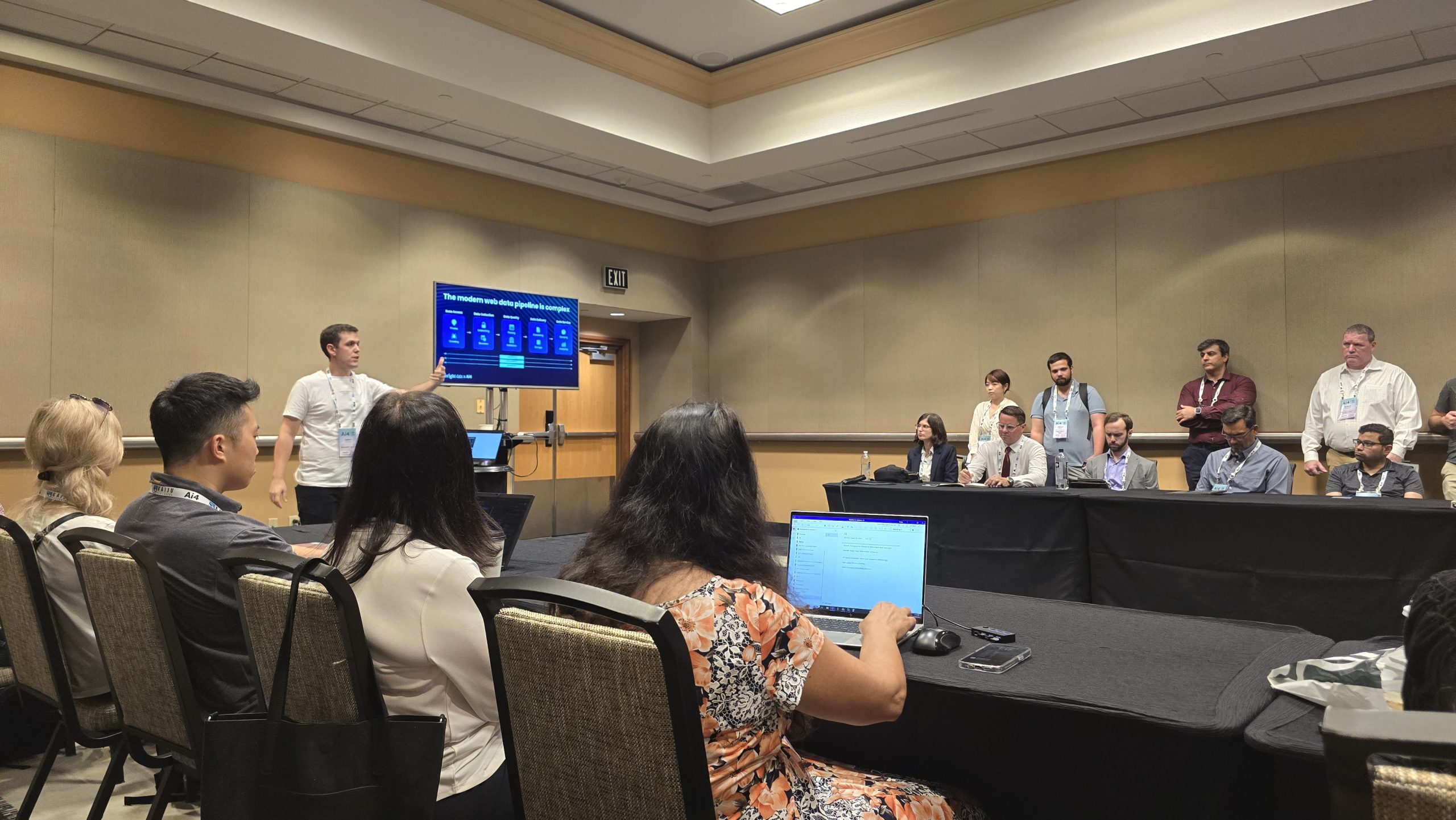
From August 12–14, the international Ai4 conference took place in Las Vegas, USA, showcasing the latest AI technologies and solutions. This event attracted a wide range of participants, from business giants to higher education institutions and tech innovators. Among them were representatives from VILNIUS TECH, who actively participated to deepen their understanding of the latest AI trends and establish new connections for future collaboration.
 
Ai4 Conference Goals and Innovations
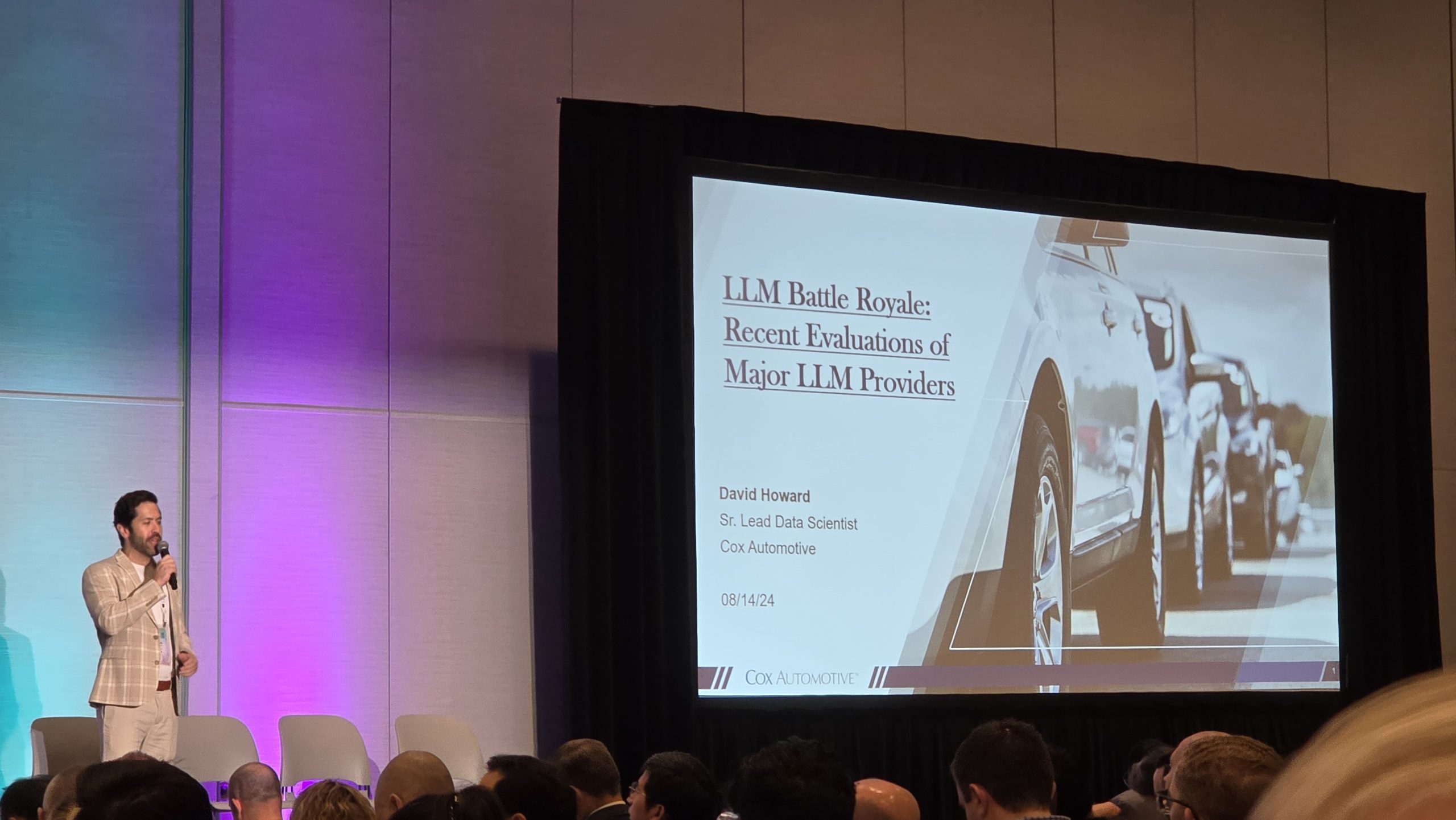
The Ai4 event is known as a hub of innovation where leaders share their experiences in applying AI solutions across various sectors, from healthcare to fintech. Participants had the opportunity to hear presentations on the latest AI research and technologies with the potential to not only accelerate technological progress but also transform different industries.
One of the most visible AI development trends continues to be large language models (LLMs) and their specific applications in contexts like Retrieval Augmented Generation (RAG). A significant portion of companies developing AI solutions are actively shifting towards systems based on these technologies, which enable users to more easily apply AI. As a result, there is a growing number of companies offering services such as data labeling, data quality improvement, and Human-in-the-Loop (HITL) feedback. Additionally, services related to cloud computing and high-performance computing (HPC) resources are expanding, which are essential for effectively leveraging large language models and big data capabilities. The increasing computing power available through cloud services facilitates easier access. Meanwhile, scientific research efforts focus on optimizing existing AI solutions to ensure resource-efficient usage, which not only reduces the costs of AI model development but also contributes to more sustainable AI solutions.
 
Collaboration for Future Solutions
The event emphasized networking among participants. VILNIUS TECH representatives seized this opportunity to establish connections with other higher education institutions and companies actively engaged in AI solution development and application.
These connections are planned to be actively utilized in the ongoing SustAInLivWork project, which aims to create a new AI competency center and offer various AI services to ensure the sustainable and reliable development and implementation of smart services and solutions.
Collaboration also extended to improving studies. Representatives from various U.S. and European universities expressed their commitment to offering VILNIUS TECH students internationally collaborative lectures (Collaborative Online International Learning, COIL), and companies pledged to provide students with access to various cloud computing and AI services, as well as guidance on their coursework and final projects.
 
An AI-Powered Future
The event inspired new ideas and solutions that can help VILNIUS TECH maintain its position as one of Lithuania’s leading universities in the field of AI. It was an excellent opportunity to deepen knowledge, expand networks, and prepare for future challenges by developing innovative AI solutions, integrating AI into the university’s daily activities, and enhancing students' experiences and readiness for the job market.
We encourage everyone to actively explore AI possibilities and solutions that can enrich personal experiences and open new professional opportunities!

Galerija
Related news

New doctoral dissertation
VILNIUS TECH Library invites you to follow the published new dissertations. The dissertation „Research and application of biofiltration materials in the purification of biogas from hydrogen sulfide“ prepared at VILNIUS TECH by Kamyab Mohammadi. The dissertation was prepared in 2022–2026. Scientific consultant – Assoc. Prof. Dr Rasa Vaiškūnaitė. The dissertation was defended at the public meeting of the Dissertation Defense Council of the Scientific Field of Environmental Engineering in the Aula Doctoralis Meeting Hall of Vilnius Gediminas Technical University at 10 a.m. on 15 June 2026. This dissertation analyzes the removal of hydrogen sulfide (H₂S) from biogas via biofiltration. The study addresses one of the major challenges in biogas utilization, effective H₂S removal, since this compound is toxic and corrosive, and significantly reduces the operational efficiency and service life of biogas energy systems. The main object of the research is biofiltration materials intended for hydrogen sulfide removal from biogas: biochar produced from sewage sludge, cellular lightweight concrete (CLC) waste, and polyurethane foam (PUF). The doctoral dissertation aims to increase the efficiency of hydrogen sulfide removal from biogas and to enhance the operational stability of the biofilter by applying physically and chemically modified as well as unmodified waste-derived materials within the biofiltration process. The dissertation consists of an introduction, a literature review, chapters on methodology and results, general conclusions and recommendations, and lists of references and the author’s publications related to the dissertation topic. The Introduction presents the research problem and its relevance, describes the research object, formulates the aim and objectives, outlines the research methodology, scientific novelty, and practical significance of the results, and states the defended propositions. The First Chapter reviews biotechnologies for hydrogen sulfide removal from biogas, with particular emphasis on biofiltration mechanisms, the properties of biofilter packing materials, and the key factors determining process efficiency. The Second Chapter describes the experimental methodologies used to select biofiltration materials, determine their physicochemical and adsorption properties, inoculate and cultivate microorganisms, evaluate hydrogen sulfide removal efficiency, and the mathematically model the biofiltration process. The Third Chapter presents the results of theoretical and experimental investigations of innovative filtration materials, revealing the relationship between their properties and modification with microbial establishment, biofilm formation, and filter performance in hydrogen sulfide removal, and compares experimental results with mathematical modeling outcomes. Eight scientific papers related to the dissertation topic have been published: two in Web of Science-indexed journals with an impact factor, one in a Web of Science-indexed journal without an impact factor, four in other internationally indexed journals, and one in a conference proceedings volume indexed in the Scopus database. Seven presentations on the dissertation topic were given at national and international scientific conferences. Doctoral dissertation readers can search via VILNIUS TECH Virtual Library.  
More
€75,000 Funding Opportunity for Women-Led Deep Tech Startups
Women-led deep tech startups are invited to apply for the European Union-funded "Women TechEU 2" program. This initiative aims to strengthen women's entrepreneurship in the technology sector, foster innovation, and help promising startups prepare for further growth and attract additional funding. Selected participants will receive a €75,000 grant and the opportunity to take part in a six-month tailored business development program. During this period, startups will be provided with mentoring, consulting, and training services designed to accelerate business growth and enhance competitiveness in the international market. The total budget for the "Women TechEU 2" program is €12 million. The plan is to fund 160 women-led startups from across Europe. Application Process The application process for the new call consists of two stages. First, applicants must submit an application for the Eligibility Strand to verify whether the startup meets the program's requirements. Applicants deemed eligible will then be invited to submit a Full Proposal. The eligibility assessment stage began on June 1, 2026. Applications are accepted on a rolling basis, with evaluations conducted weekly – the weekly submission deadline is every Tuesday by 18:00 (17:00 CEST). The first deadline is June 30, 2026, and the final deadline is July 13, 2027. Applicants will receive their eligibility assessment results no later than one week after the respective submission deadline. Who Can Apply? The program is designed for women-led, early-stage deep tech startups. To be eligible for funding, the following conditions must be met: At least one founder or co-founder of the startup is a woman; A woman holds a top-level executive position (CEO, CTO, or equivalent); Women hold at least 25% of the company's shares. Program Objectives The "Women TechEU 2" program aims to: Promote women's entrepreneurship in the deep tech sector; Help innovative startups scale up and attract additional European Union funding; Strengthen European innovation ecosystems; Support the development and commercialization of new technologies. Potential applicants are encouraged to review the application guidelines in advance and avoid waiting until the final deadline to submit their proposals. More information can be found here: https://womentecheurope.eu/active-calls/
More