From June 11 to 13, VILNIUS TECH brought together sustainability experts from 28 universities across the Nordic and Baltic countries for the NORDTEK Conference in Vilnius. Representatives from technical universities, municipalities, business, and politics gathered to discuss the “Green and Digital University Transformation.” For the academic community, this event held particular significance—it became a space where ideas are born that will eventually turn into real solutions.
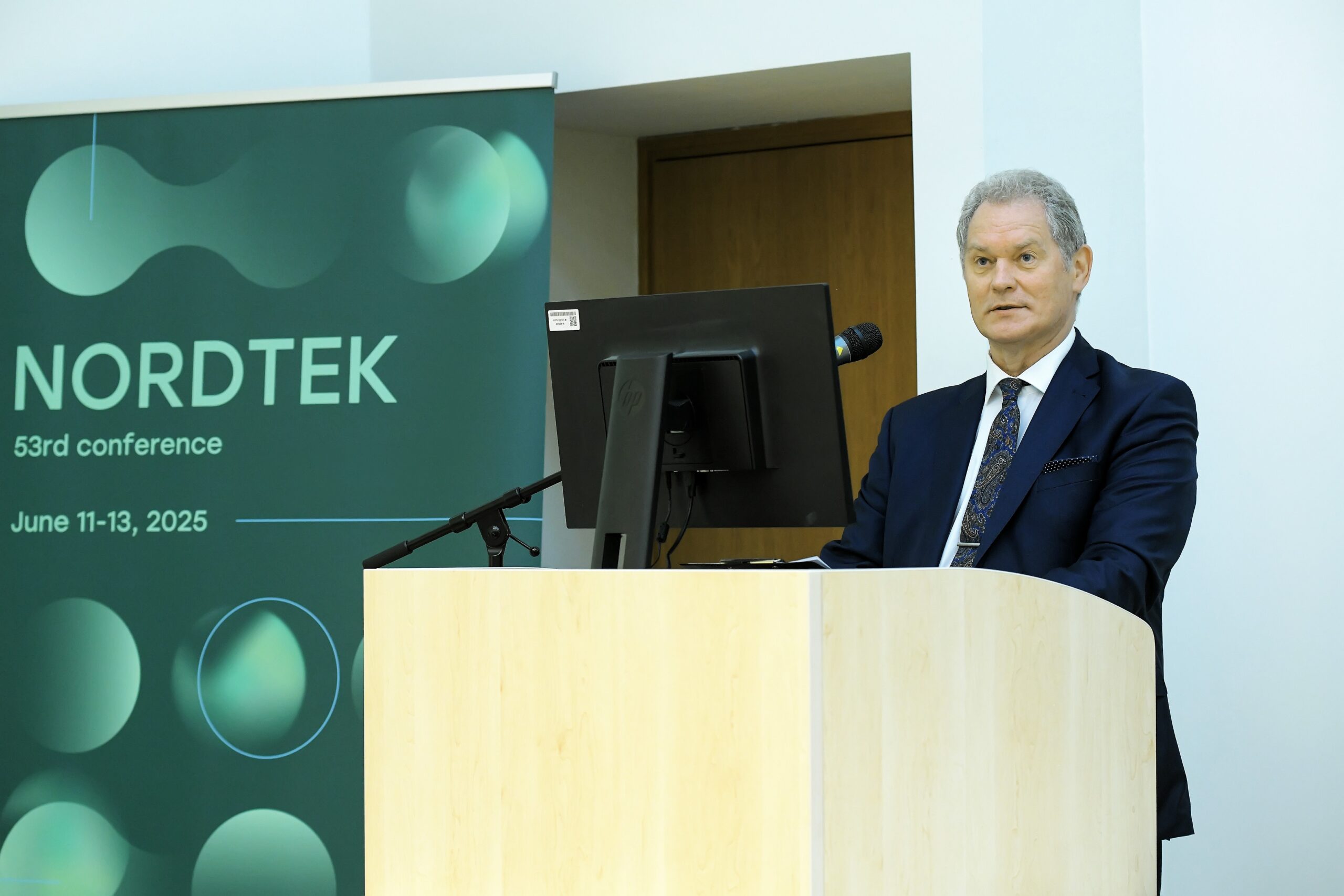
“A sustainable world is a long-term goal that requires continuity. Yet, due to the accelerating pace and scale of technological development and climate change, universities must strengthen their capacity not only to respond to change but to lead it. That’s why science has a crucial role to play—we must rapidly develop innovative and sustainable solutions and create conditions for business to test them safely and responsibly within the university setting,” said VILNIUS TECH Rector Romualdas Kliukas as he opened the 53rd NORDTEK Conference in Vilnius.
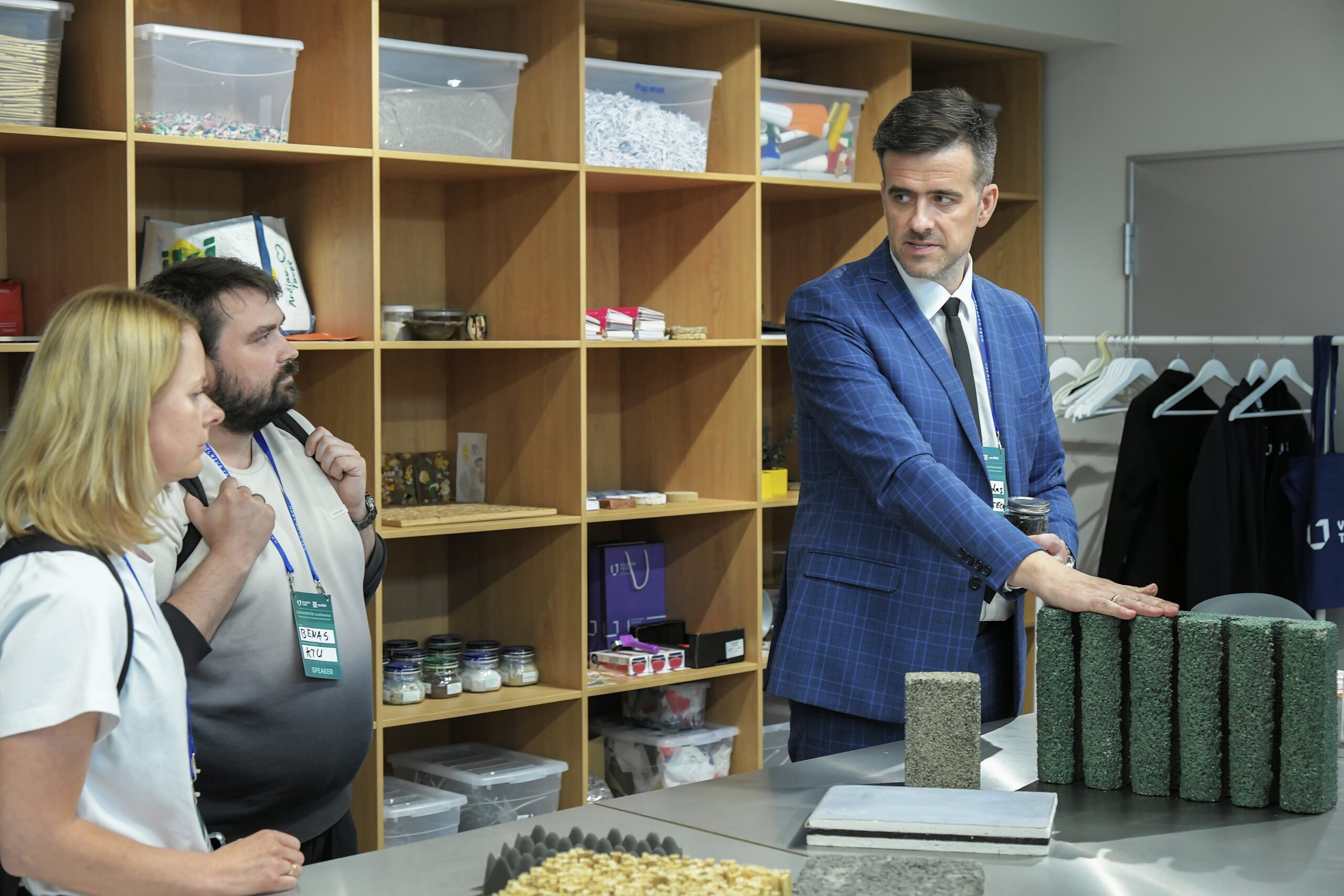
The first day of the conference was devoted to internal NORDTEK group meetings and preparations for the upcoming discussions. Participants visited the VILNIUS TECH Innovation and Creativity Center “LinkMenų fabrikas” and the laboratories of the Antanas Gustaitis Aviation Institute.
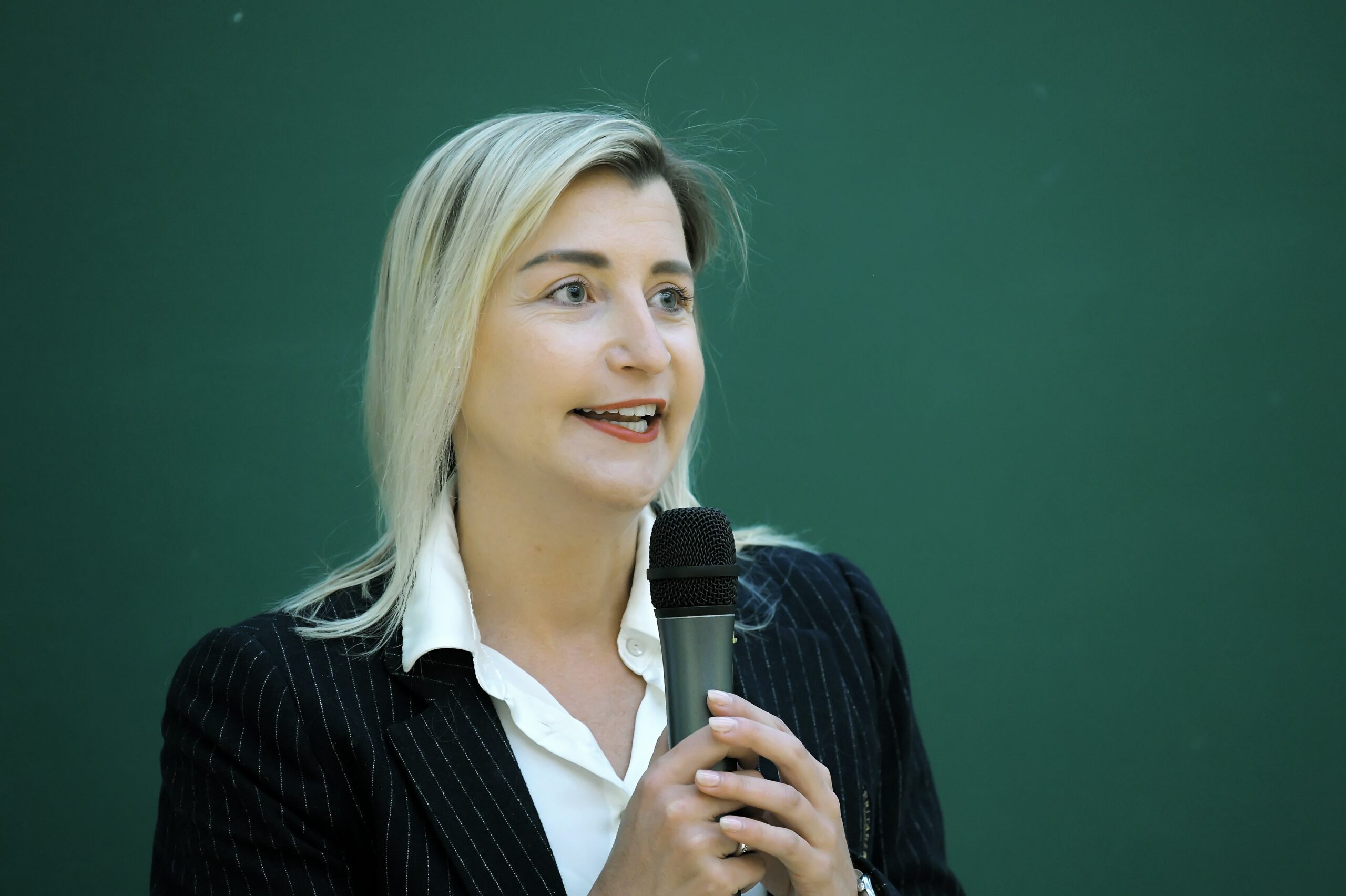
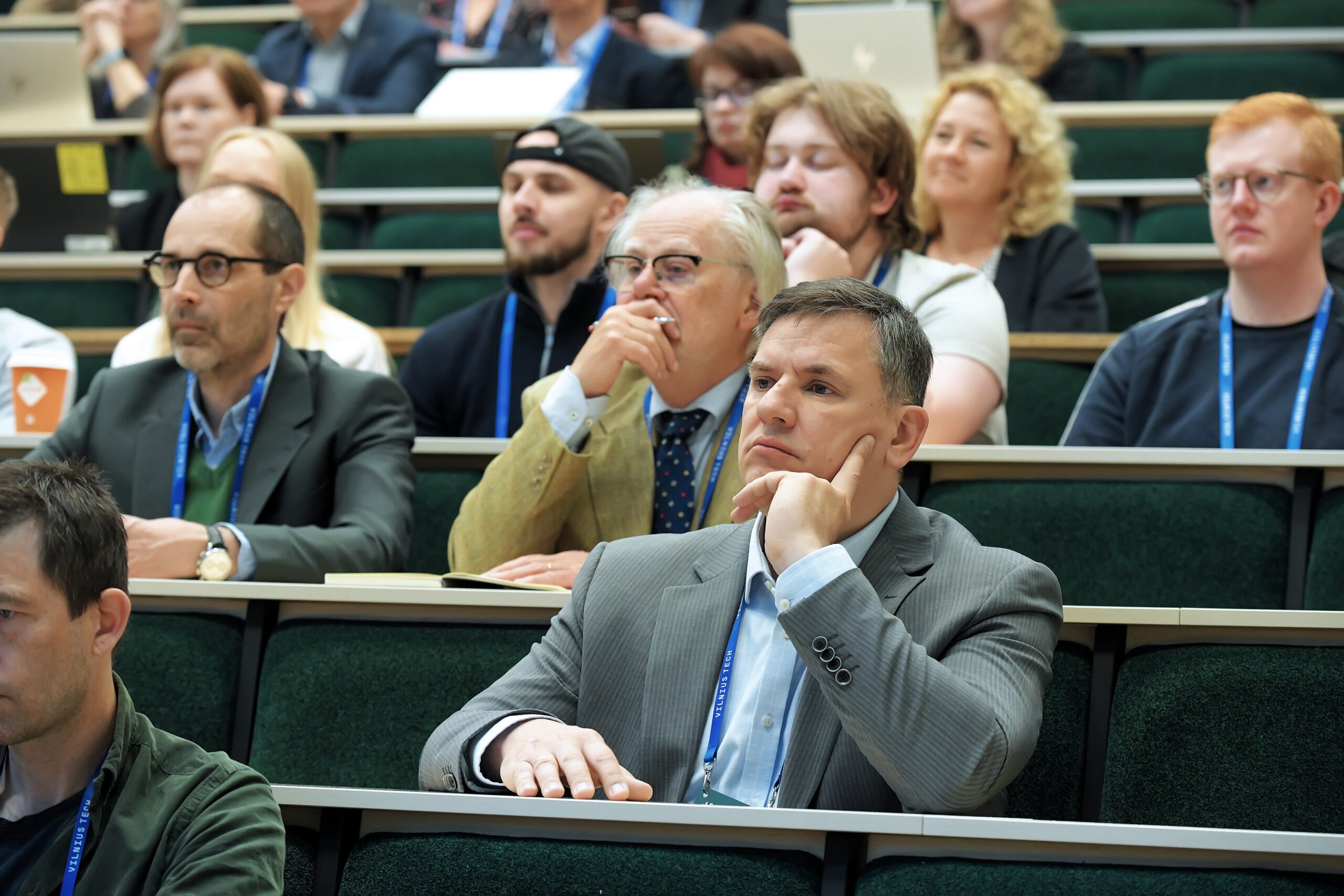
During the second day’s plenary session, participants attended keynote presentations that examined the roles of policymakers, researchers, and higher education institutions in driving digital and green transformation. The opening keynote was delivered by VILNIUS TECH alumna, former Vice-Minister of Transport, and current Vilnius City Council member Dr. Agnė Vaiciukevičiūtė. She emphasized that universities today should not be passive observers but active initiators of change.
“Success comes when all parties work together—universities, the public sector, and business. Universities play a central role in such partnerships by providing science-based solutions,” said Dr. Vaiciukevičiūtė. According to her, universities today are not only preparing professionals but are also actively creating new practices grounded in sustainability, digital tools, and research. For these practices to have long-term impact, it is essential to ensure that goals are strategically aligned with policy priorities and funding decisions.
Prof. Helen Sooväli-Sepping, advisor for Sustainability and Green Transitiona at TalTech University in Estonia, pointed out that sustainability in academic life often remains a project-level ambition, and she encouraged universities to reassess their leadership role in society. In her view, technical universities can become beacons—leading not only by advocating for transformation but by demonstrating it in practice. She highlighted the importance of engaging the entire university community, especially university leadership. When asked what her first decision would be if she were a rector, Prof. Helen Sooväli-Sepping replied: “I would build a cycling path from the city center to TalTech University in Tallinn. Sustainability begins with the choices we make every day.”
Parallel sessions addressed topics such as mobility policy, challenges in digitalizing education, the role of artificial intelligence, interdisciplinary approaches to sustainability, smart city solutions, and the influence of universities in mitigating climate change. Presentations for the international community were also delivered by representatives of VILNIUS TECH. Associate Prof. Dr. Skirmantė Mozūriūnaitė presented recommendations for integrating sustainability into study programs and discussed how artificial intelligence tools are transforming learning processes. Dr. Monika Mačiulienė spoke about participatory science communication—the interaction between science and society where solutions to sustainability challenges are sought together with citizens. Associate Prof. Dr. Liutauras Nekrošius shared how democratic principles can be applied in architecture by involving communities in decision-making. Associate Prof. Dr. Raimondas Grubliauskas introduced the activities of the VILNIUS TECH Sustainability Center, highlighting the importance of experimental spaces for developing and testing sustainable solutions. Associate Prof. Dr. Gediminas Blaževičius from the Department of Applied Mechanics discussed the strengthening of mobility among students, faculty, and researchers, as well as the challenges involved—from changing attitudes to securing funding opportunities.
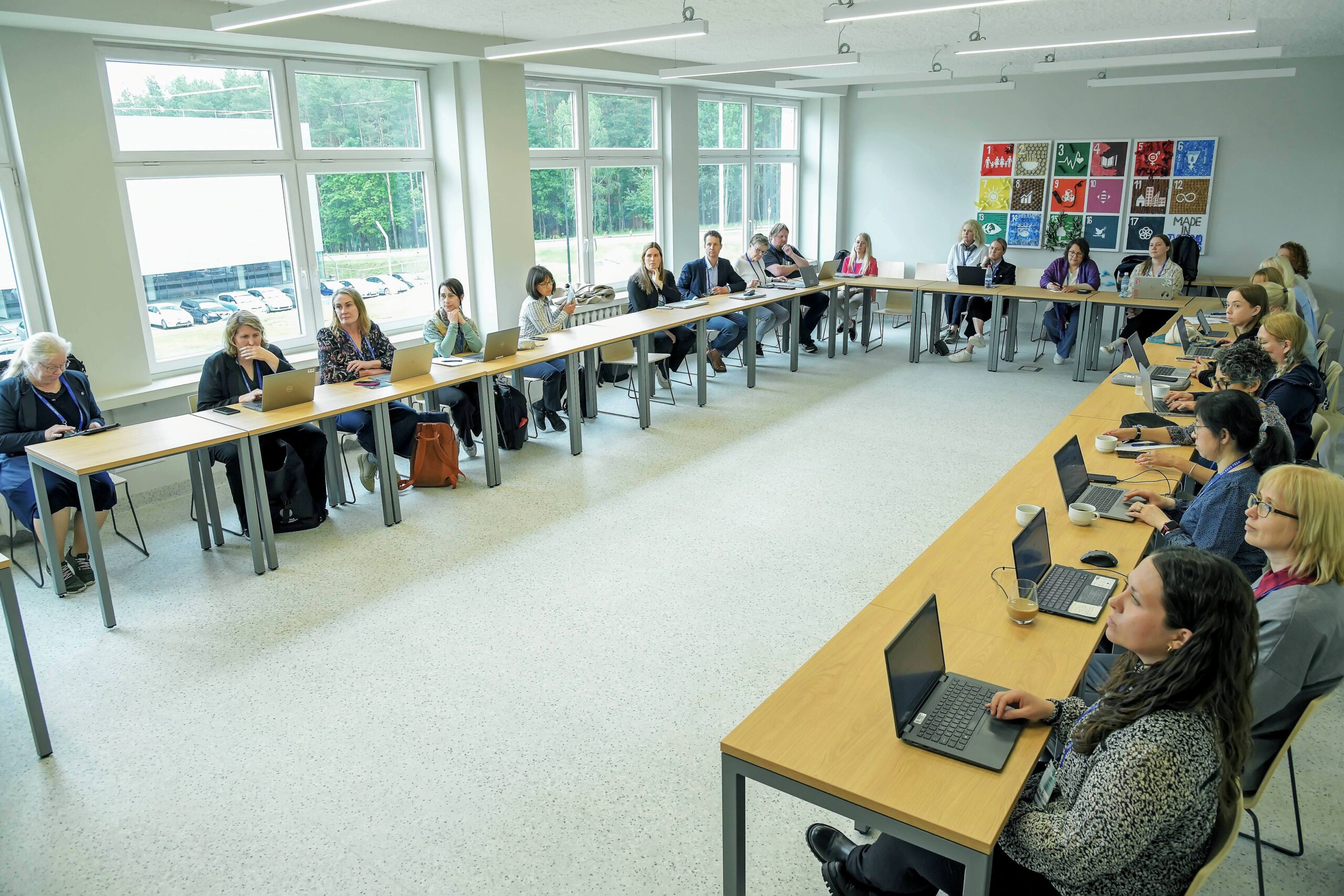
On the final day of the conference, participants joined working groups focusing on engineering education, artificial intelligence, sustainability, student representation, mobility coordination, and rector-level cooperation. Some groups explored how AI could be integrated into engineering education—from automated assessment of tests and assignments to personalized learning models tailored to student abilities. Others discussed ways to embed global sustainable development goals into engineering curricula, shared experiences from university alliances, and examined tools for strengthening academic mobility. The discussions revealed a strong need for even closer regional partnerships and a clearer, actionable roadmap for the future.
The NORDTEK Conference reaffirmed that technical universities are no longer merely institutions for transferring knowledge. They are evolving into spaces where new values are shaped, solutions are created, experimentation is encouraged, and transformative change is implemented. The presentations by Dr. Agnė Vaiciukevičiūtė, Prof. Helen Sooväli-Sepping, and others called on universities to take the lead—not just by proclaiming sustainability principles, but by embedding them into everyday practice.
VILNIUS TECH has been a member of the NORDTEK organization since 2019. NORDTEK universities collaborate closely in education, research, and innovation, promote joint European projects, and contribute to sustainable, long-term partnerships that enhance the global competitiveness of the Nordic and Baltic countries in science and research.
You can find photos from the NORDTEK Conference here.
Galerija