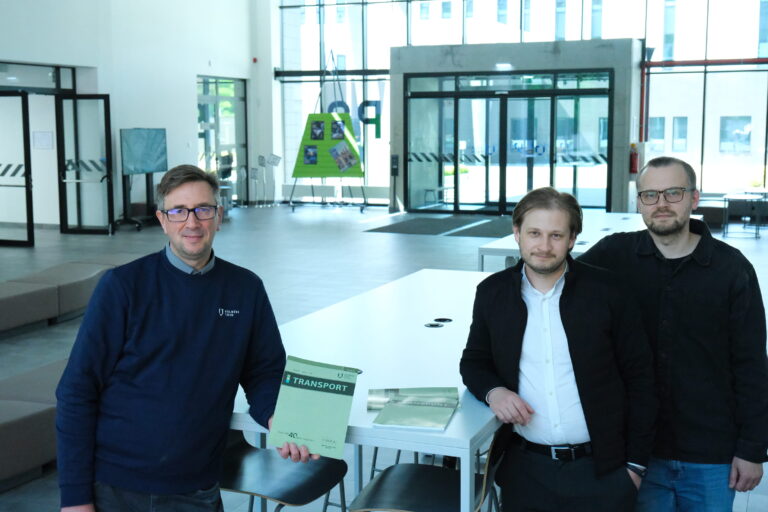
A prototype of quantum communication, used to encrypt data channels with cryptographic keys, was tested between Vilnius and Kaunas universities. The trial utilized "Clavis XG" technology from leading quantum encryption company ID Quantique (IDQ), provided by PSNC.
Why Is This Technology Important for Lithuania?
Quantum communication creates a unique encryption algorithm where encryption and decryption keys are exchanged with absolute security. Successful tests like this strengthen Lithuania’s involvement in the European Quantum Communication Infrastructure (EuroQCI) strategy and enhance the country’s visibility and significance on the international stage.
"Developing quantum networks is a strategic step for Lithuania’s scientific and technological progress. It ensures our ability to compete globally and harness the security potential of quantum communication in the digital economy of the future," said KTU Rector Eugenijus Valatka.
By establishing a quantum connection, the sender and receiver generate encryption keys and exchange them via a quantum communication channel. Using specialized encryption devices or even traditional equipment with advanced encryption algorithms, data transmission between the sender and receiver becomes virtually impenetrable.
This secure data transfer relies on quantum mechanics principles, using sensitive quantum particles—photons—that react to any external interference. This makes it impossible for malicious actors to intercept the encryption key, which is essential for decrypting data traffic.
"Quantum communication and its underlying principles are crucial for the security of data transmission networks, especially in an era of growing cyber threats. Quantum networking ensures the detection of any interference and prevents unauthorized interception," explained Arūnas Stašionis, Chairman of the LITNET Council and Director of the VU Information Technology Service Center.
What Does This Mean for Lithuanian Universities?
"Currently, Lithuania faces challenges in recognizing the necessity of quantum communication technologies and integrating them into practice. However, this test demonstrated our academic and scientific progress and Lithuania’s ability to keep pace with leading European countries. In the future, we aim for even closer university cooperation so that quantum technologies—both communication and simulation-based computing—become an integral part of academic life," said Arvydas Žiliukas, representative of LITNET’s managing institution and Director of KTU’s Information Technology Department.
Professor Šarūnas Grigaliūnas, head of KTU’s Cybersecurity Competence Center, highlighted the inclusion of the post-quantum resilience project QUARTIC in Lithuania’s Research Infrastructure Roadmap as of December 20, 2024. This recognition underscores the university’s commitment to strengthening national resilience against post-quantum threats and fostering innovative cybersecurity solutions.
"We are excited to see quantum initiatives gaining momentum in Lithuania. This marks a new chapter in the long-term partnership between PIONIER (Poland’s national research and education network) and LITNET. We look forward to joining forces and exploring the world of quantum technologies together," said Robert Pękalis, Director of PSNC.
VU Information Technology Service Center Director A. Stašionis also noted that such initiatives would directly benefit both scientific research and educational programs. He emphasized the opportunity to introduce new study programs where students could deepen their knowledge in this field through collaborations with other European Union universities.
The Role of LITNET in Secure Data Transmission
LITNET, the Lithuanian academic and research computer network, connects the IT infrastructure of educational and research institutions across the country. It provides high-speed data transmission, wireless access, electronic identity services, cloud computing, and IT security solutions. LITNET is part of GÉANT, the Gigabit European Academic Network, one of the key players in implementing and promoting quantum technologies. Once fully integrated with quantum encryption, LITNET will ensure the highest level of data security within its network.
The European Quantum Communication Infrastructure (EuroQCI)
The European Quantum Communication Infrastructure (EuroQCI) is a strategic initiative aimed at creating a secure quantum communication network covering the entire European Union, including its overseas territories. The project integrates quantum systems into existing communication infrastructures, adding an extra layer of security based on quantum physics principles. Launched in 2019 with the signing of the EuroQCI Declaration by seven member states, the initiative has since expanded to include all EU countries, including Lithuania.