Reconstruction Project of the AGAI Kyviškės Runway Awarded the Gold Medal

December 21, 2016
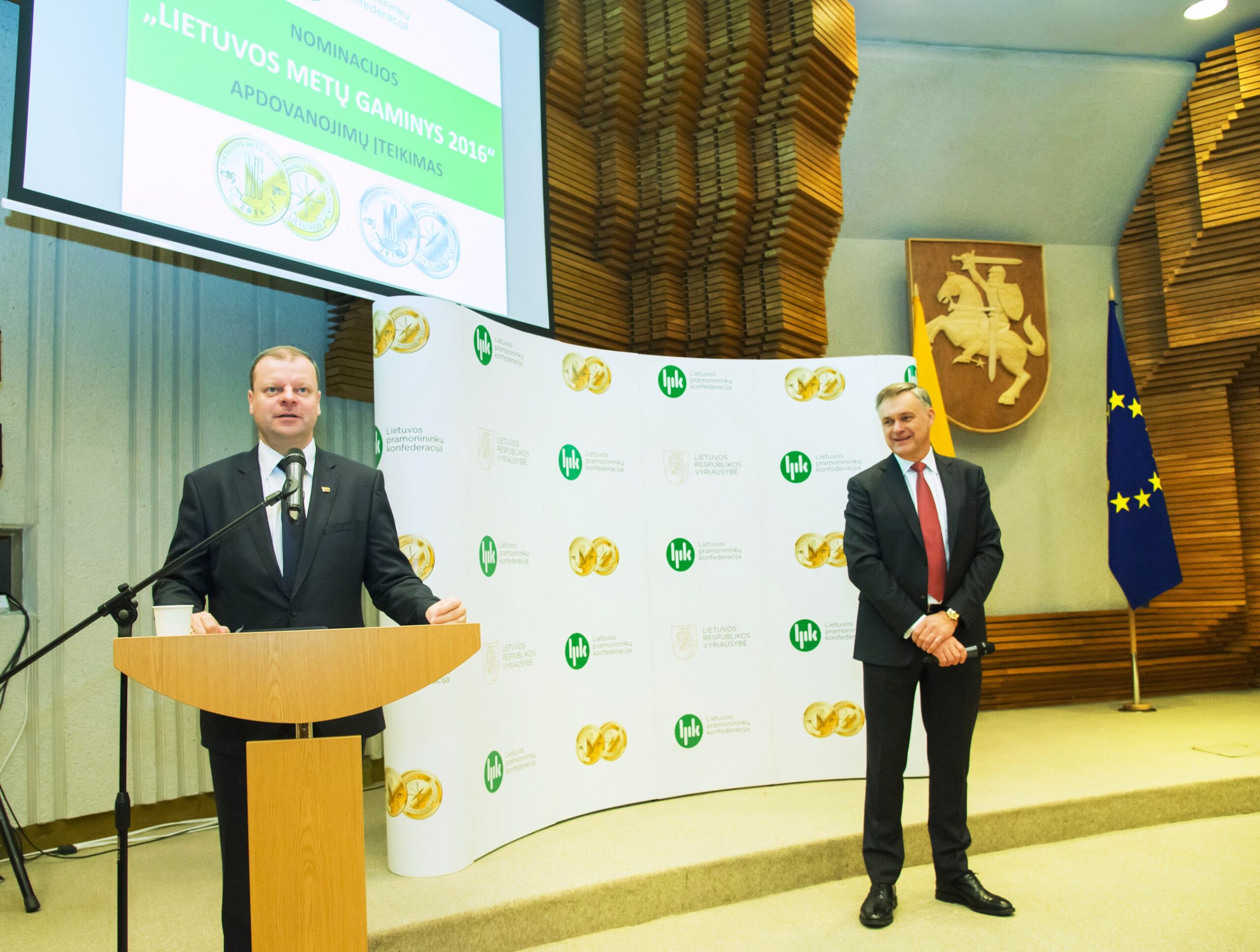
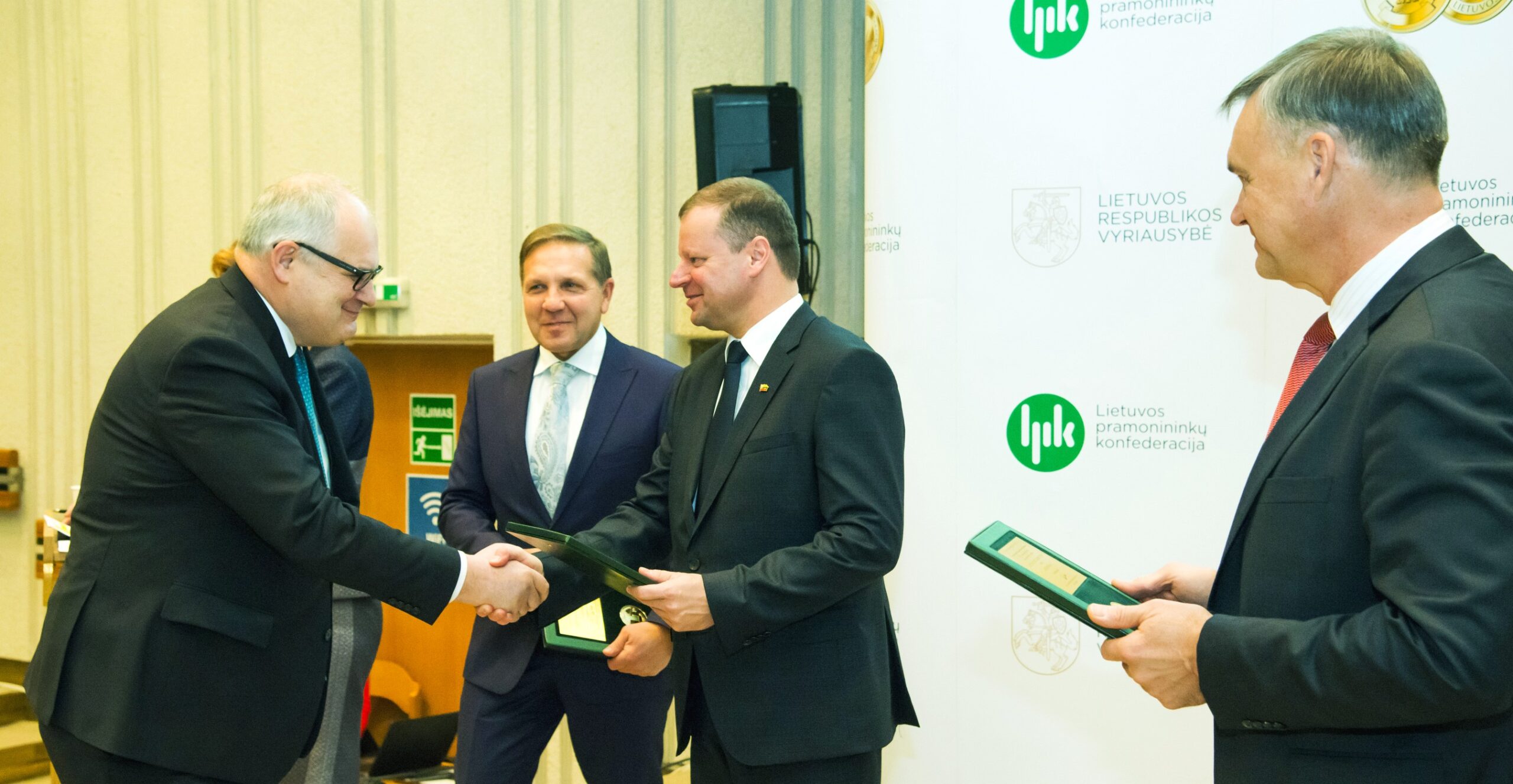
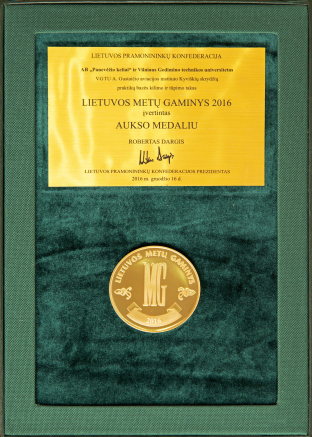
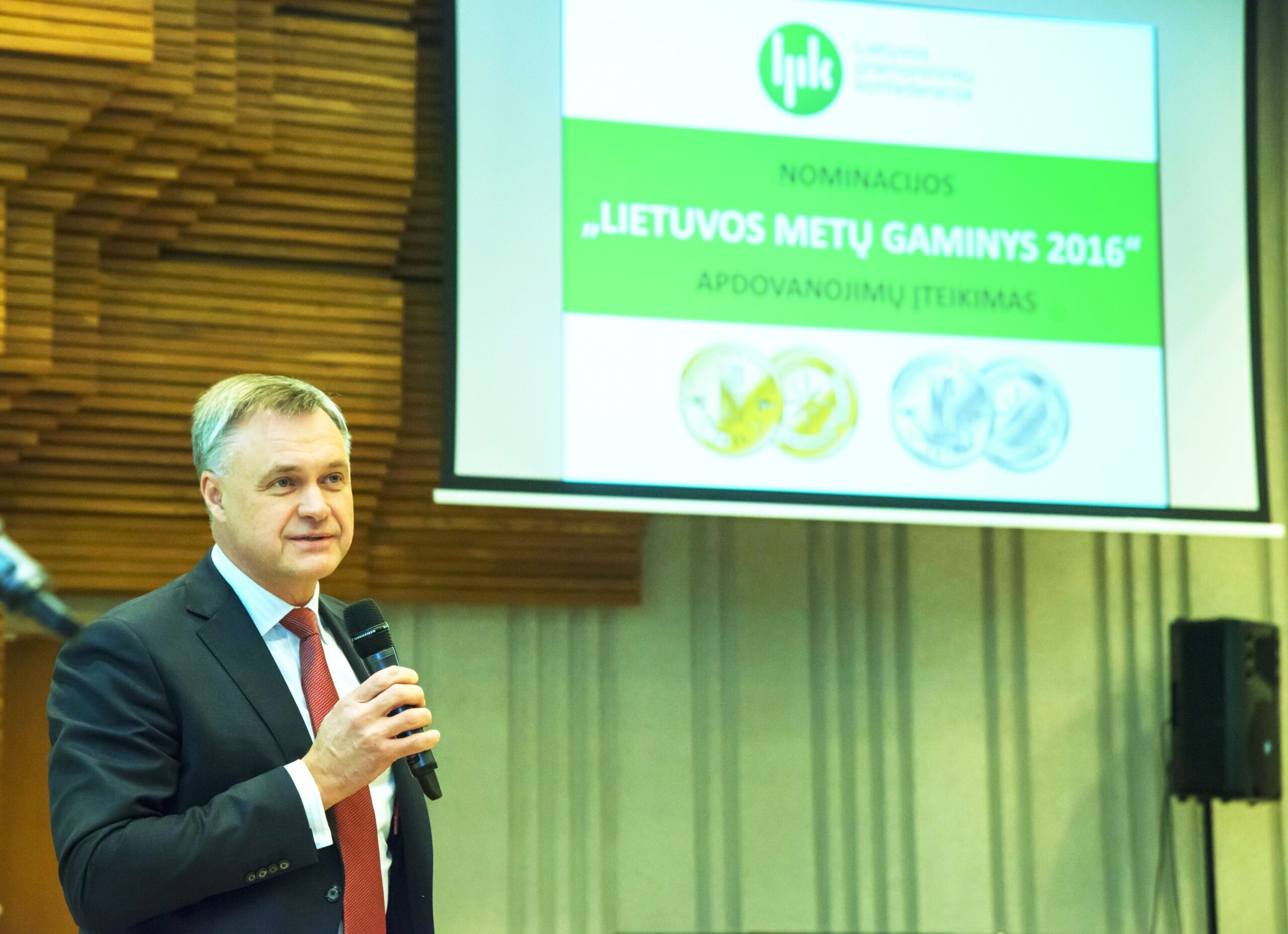
A project commissioned by Vilnius Gediminas Technical University (VGTU) was awarded a gold medal on the Lithuanian Product of the Year 2016 Awards. The goal of the project was a major reconstruction of Kyviškės aerodrome's runway pavement at the Flight Training Unit of Antanas Gustaitis Aviation Institute (AGAI). The reconstruction was carried out by AB Panevėžio keliai.
 
One of the biggest road and railway design and construction companies in the Baltic States – AB Panevėžio keliai – was acknowledged for unconventional, cost-effective and environmentally-friendly solution. During the implementation of the project, the Lithuanian capital company applied Building Information Modelling (BIM) methodology and automated equipment management systems.
 
"In pilot training, it is very important to have an infrastructure which corresponds to the requirements stipulated in the international civil aviation safety legislation. The reconstructed runway significantly improved the quality of students' flight training and also it contributes to more efficient use of the aircraft fleet. During the period of May-August flight training is exceptionally intensive on this runway. Approximately 2-3 hundred flight arrivals and departures are carried out every day. From now on students and flight instructors can be more confident using the new and safe runway," says Director of VGTU AGAI institute Jonas Vytautas Jusionis.
 
The renovated Kyviškės runway will ensure the high quality of practical pilot training. AGAI is the only higher education aviation school in Lithuania that educates and trains specialists in four main areas of aviation: aviation mechanics, avionics, aircraft pilots and flight control. In terms of competences that are developed here, it is the leading school for aeronautics studies in the region.
 
For the first time in the history of country's aviation the reconstruction works on Kyviškės runway were carried out according to the Yellow Book requirements published by the International Federation of Consulting Engineers (FIDIC). These requirements cover contracts when the design and execution of building or engineering works is carried out by contractors themselves. This enabled the use of unconventional modern solutions in the project, and it was implemented in much shorter time: the scheduled 4-month works were carried out in just over 2 months. During this period the runway's base was reinforced, required slopes were formed, surface of asphalt concrete was changed, safety zones renewed, and pavement was marked.
 
Until the reconstruction, the asphalt cement surface pavement of Kyviškės aerodrome's runway, which is 540 m long and 23 m wide, was used for more than 35 years. It did not comply with the aviation safety requirements anymore. The surface was damaged, deformed, with some 7-9 cm wide gaps.
 
The main goal of this national competition – "The Lithuanian Product of the Year 2016" – is to increase the competitiveness of Lithuanian products, to encourage the choice of Lithuanian products and develop Lithuanian businesses. The awards are given to the most progressive projects and the ability to compete with the best international examples, also for the use of innovations, environmentally-friendly production, solutions to ecological and environmental problems, functionality and significance to society, efficiency and many other criteria.  

Galerija
Related news

New doctoral dissertation
VILNIUS TECH Library invites you to follow the published new dissertations. The dissertation „Resistance of technological waste-modified concrete to freeze–thaw cycles and alkaline corrosion“  („Technologinėmis atliekomis modifikuoto betono atsparumas užšaldymo ir atšildymo ciklams bei šarminei korozijai“) prepared at VILNIUS TECH by Edvinas Pocius. The dissertation was prepared in 2021–2026. Scientific consultant – Prof. Dr Džigita Nagrockienė. The dissertation was defended at the public meeting of the Dissertation Defence Council of the Scientific Field of Materials Engineering in the Aula Doctoralis Meeting Hall of Vilnius Gediminas Technical University at 10 a.m. on 8 June 2026. The dissertation investigates concrete modified with glass processing waste, concrete sludge, and a crystallizing additive. The goal is to develop concrete that is resistant to freeze–thaw cycles and alkali–silica reaction (ASR) by replacing part of the cement with glass waste and sand with concrete sludge. By selecting the optimal amount of technological waste, the aim is to improve the basic properties of concrete while maintaining its resistance to freeze–thaw cycles and alkali–silica reaction. The tasks addressed in the work include the analysis of glass processing waste and concrete sludge, evaluating their impact on the properties of the cement paste. After determining the recommended waste content, the physical and mechanical properties of the modified concrete are investigated, focusing on resistance to freeze–thaw cycles and alkali–silica reaction. This research sequence aims to substantiate the basic properties and resistance to freeze–thaw cycles and alkali–silica reaction of the newly developed material. The dissertation consists of an introduction, three chapters, general conclusions, a list of references, a list of the author‘s scientific publications, and a summary in English. The Introduction discusses the research problem and relevance, describes the object of research, formulates the aim and tasks, and outlines the research methodology, scientific novelty, practical significance, and statements for defence. The First Chapter discusses active mineral substances, their formation and use in concrete production. It discusses the generation of concrete sludge and glass waste, as well as the impact of their use on the physical and mechanical properties and durability of concrete. The durability of waste-modified concrete and the assessment of carbon dioxide emissions are also described. Conclusions are formulated, and the objectives of the dissertation are refined at the end of the chapter. The Second Chapter presents the materials used, their properties, and their formation. It describes the research methods and equipment chosen to investigate the structure and properties of the concrete and to calculate its CO2 emissions. The Third Chapter substantiates recommended dosages of glass waste and concrete sludge and their effects on cementitious systems. Glass waste was found suitable for cement replacement, and dry sludge for fine aggregate. An environmental impact assessment was also performed. Five scientific articles were published on the dissertation topic in the Web of Science database, Science Citation Index Expanded, peer-reviewed publications with a citation index. Doctoral dissertation readers can search via VILNIUS TECH Virtual Library.
More