Vast oceans, a world record, tremendous responsibility leading a ship’s crew, and the creation of an international business. These are just a few pieces of the colorful life story of Artur Truš, who says he is most grateful to the VILNIUS TECH Lithuanian Maritime Academy for helping shape his journey.
“First, the academy, and then the sea itself, taught me discipline, responsibility, and leadership. I admit that I wasn’t a particularly good student in school, but when I started studying at the academy, my attitude changed. I became an excellent student, and I am grateful to all my lecturers for that. Seafaring is a wonderful profession that opens the door to the world and teaches leadership and responsibility. All of this is extremely valuable in business today,” says the captain.
Family traditions and a desire for self-realization led him to the sea
Artur recalls that his decision to study Navigation was influenced not only by economic considerations but also by family tradition.
“My entire family was connected to the maritime industry. In addition, seafaring was one of the few professions that, while very demanding, offered the opportunity to earn a good living,” recalls Truš.
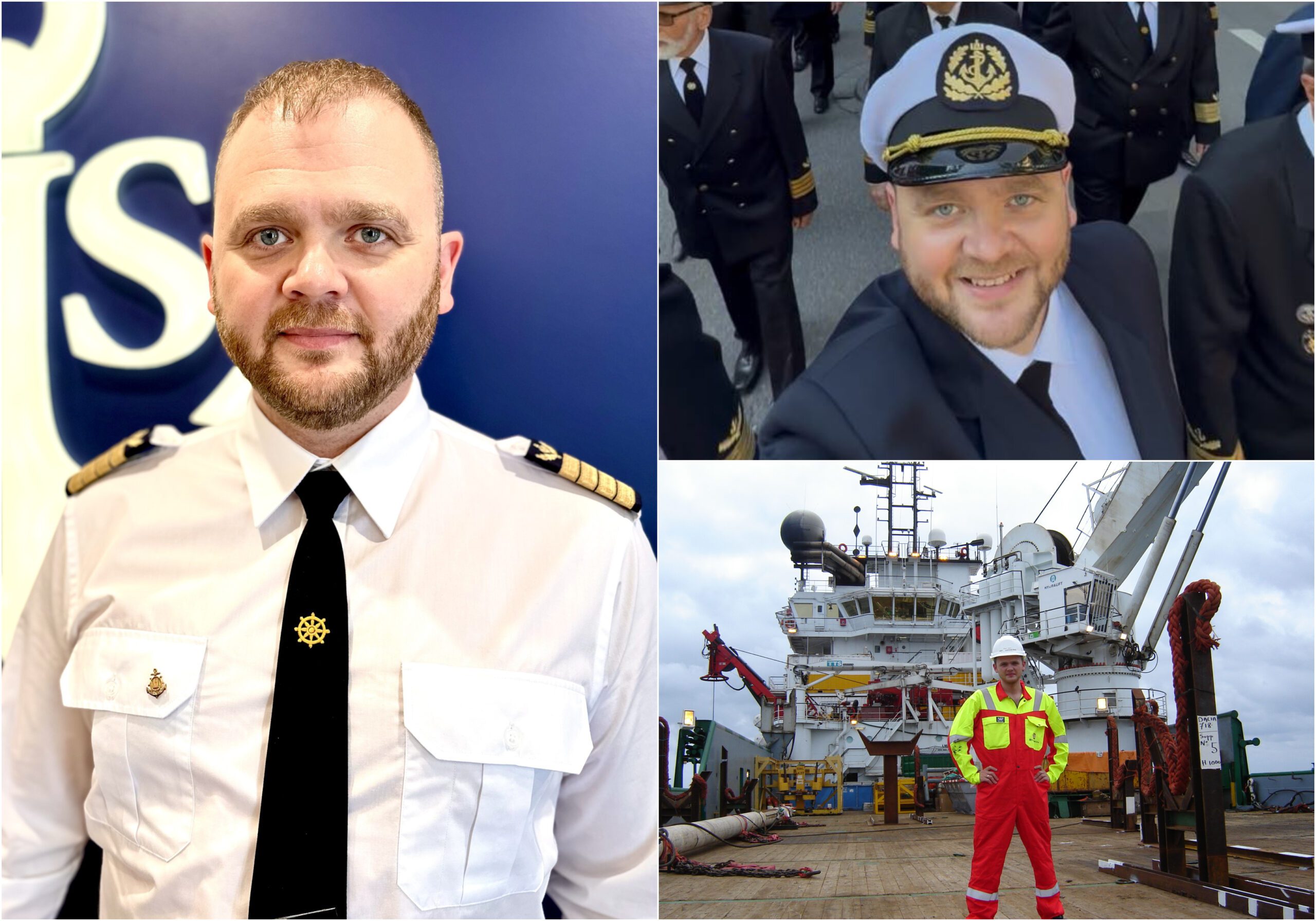
Artur Truš
The most memorable experience of his student years was his first sea-going internship.
“That’s when you truly find out whether you’re meant for this kind of life,” he says.
Studying at the Lithuanian Maritime Academy surprised Artur not only because of the diversity of subjects but also because of the rapidly evolving technologies.
“From the outside, it may seem that life at sea is just about ships and water, but in reality, it requires a vast range of knowledge. Navigation, engineering systems, technology, safety—everything was constantly changing and improving, so it was never boring,” he explains.
Working on massive and highly advanced vessels
After graduating in Navigation, Truš immediately began working as a Second Officer. Within just a few years, he advanced rapidly through the ranks. At the age of 24, he obtained his Chief Officer certification, assumed the role a couple of years later, and earned his Master Mariner qualification at just 26.
He began his career on cargo vessels before moving to specialized ships servicing offshore oil and gas exploration operations.
“These were enormous, highly advanced oil exploration vessels equipped with cutting-edge technology and staffed by up to 250 people, ranging from scientists and geologists to drilling specialists,” says the Klaipėda native.
A world record at a depth of 3,400 meters
One of the highlights of Truš’s career was setting a world record while serving aboard the vessel Maersk Venturer.
“In 2016, our team carried out drilling operations in the deepest water depth ever achieved at the time—approximately 3,400 meters. This record was only broken quite recently,” he says.
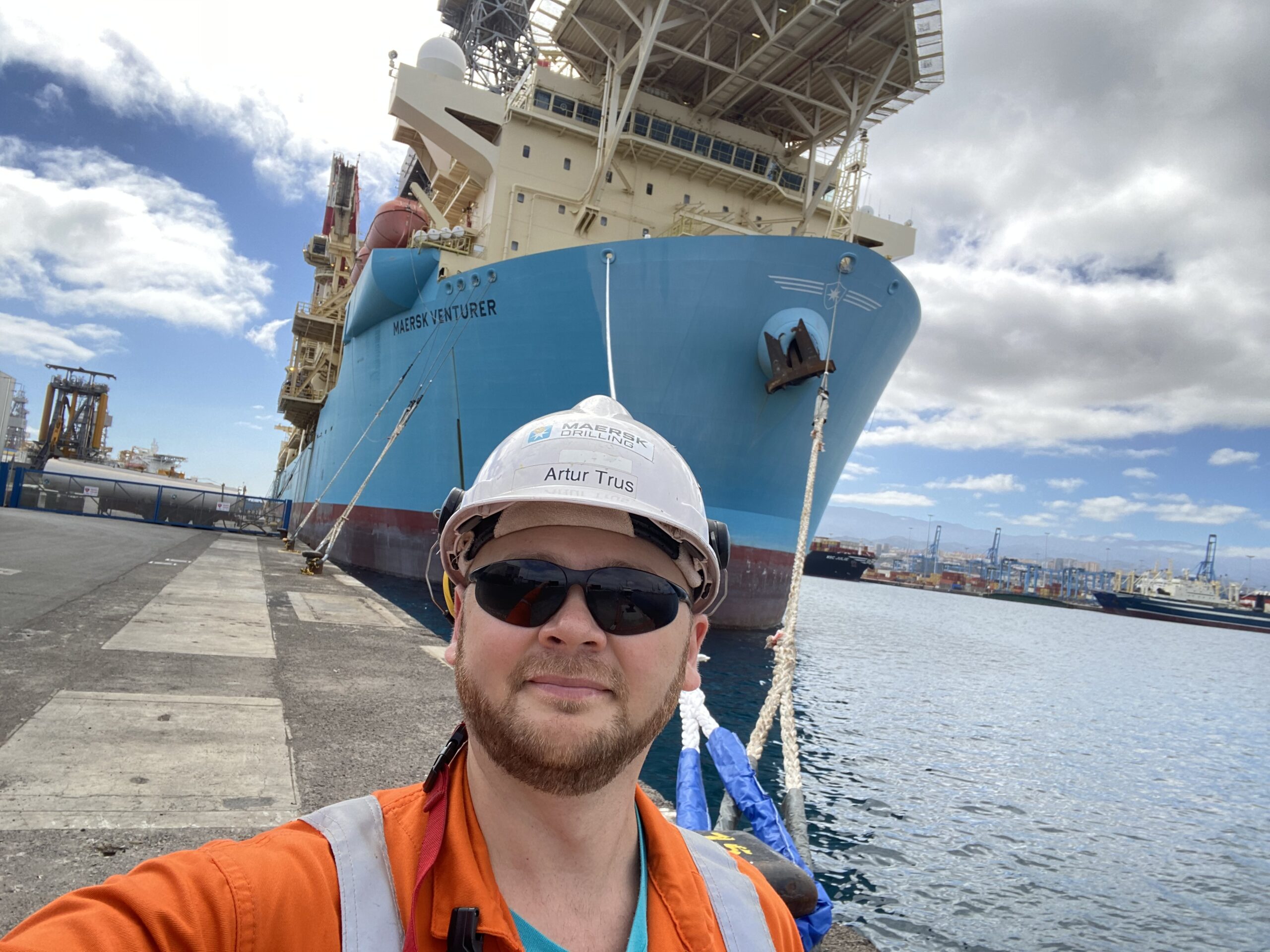
Artur Truš
Although the public often romanticizes the captain’s profession, the reality involves immense responsibility.
“When everything is running smoothly, a captain’s job is to lead the crew, oversee daily operations, and maintain communication with shore. But the moment an accident occurs, all responsibility falls on the captain’s shoulders,” Artur explains.
No shortage of critical moments
During his many years at sea, Truš encountered fires, emergency situations, and even fatalities. On one occasion, he himself suffered serious injuries when struck by a heavy object. Fortunately, he was wearing a safety helmet, which ultimately saved his life.
One incident that remains particularly vivid in his memory was a fire aboard an oil and gas exploration vessel.
“If we hadn’t extinguished the fire in time, it could have caused a massive explosion. I had to coordinate firefighting efforts while simultaneously initiating crew evacuation procedures. In situations like that, team preparedness and mutual trust are absolutely critical,” Artur shares.
Life on board is like a world of its own
According to Truš, life at sea differs greatly from life ashore and largely depends on the type of vessel.
On cargo ships, work assignments typically last two to three months, followed by an equivalent period of leave at home. On specialized oil, gas, or offshore wind energy vessels, schedules are more intensive and the work more hazardous, so rotations are shorter—usually two to four weeks at sea followed by the same amount of time at home.
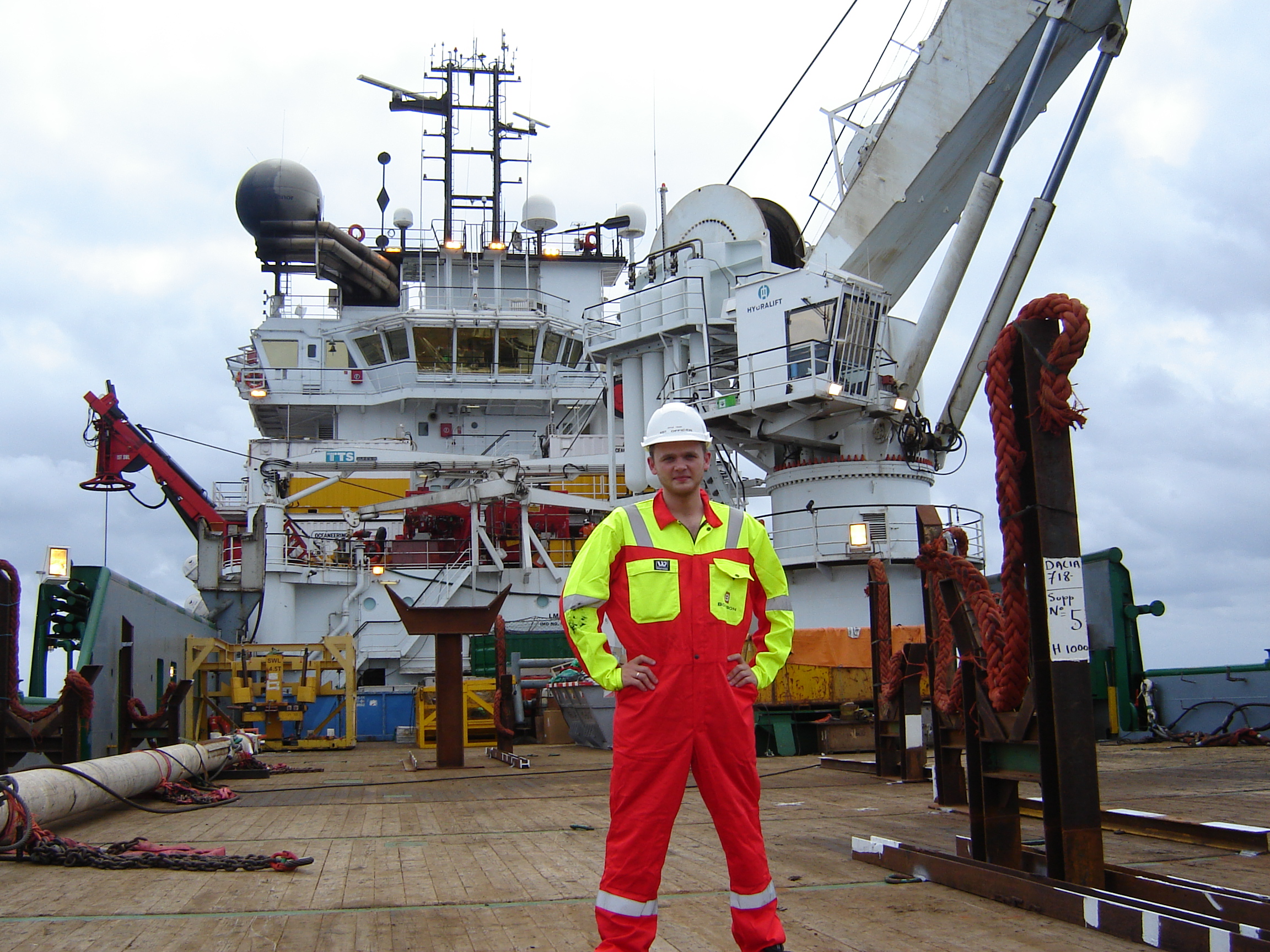
Artur Truš
At times, Truš had to travel to work by helicopter, as specialized vessels operating in the oil and gas exploration sector often work in two- or four-week cycles, requiring regular crew changes by air.
“A ship is like a small company at sea, except people not only work together—they also live together in the same confined environment. As a result, the bonds within the team become incredibly strong. After several months of working together, crew members become like family,” he says.
More women are choosing careers at sea
Although seafaring was traditionally considered a male profession, the situation is changing rapidly.
“There were quite a few women working on oil exploration vessels. If a person is physically capable and can do the job, gender is irrelevant. Mixed crews often contribute to a better atmosphere on board. When women work on a vessel, communication culture tends to improve, and there is often greater order and discipline,” the captain observes.
Trading a maritime career for entrepreneurship
At the age of 33, Truš began building his own business, and a few years later he transitioned completely to shore-based work.
“I wanted to use the experience and network I had built over the years to help Lithuanian seafarers gain access to better employment opportunities and working conditions,” he says.
He founded OJ Crew, an international maritime recruitment company specializing in seafarer recruitment, crew management, logistics, and cooperation with shipping companies.
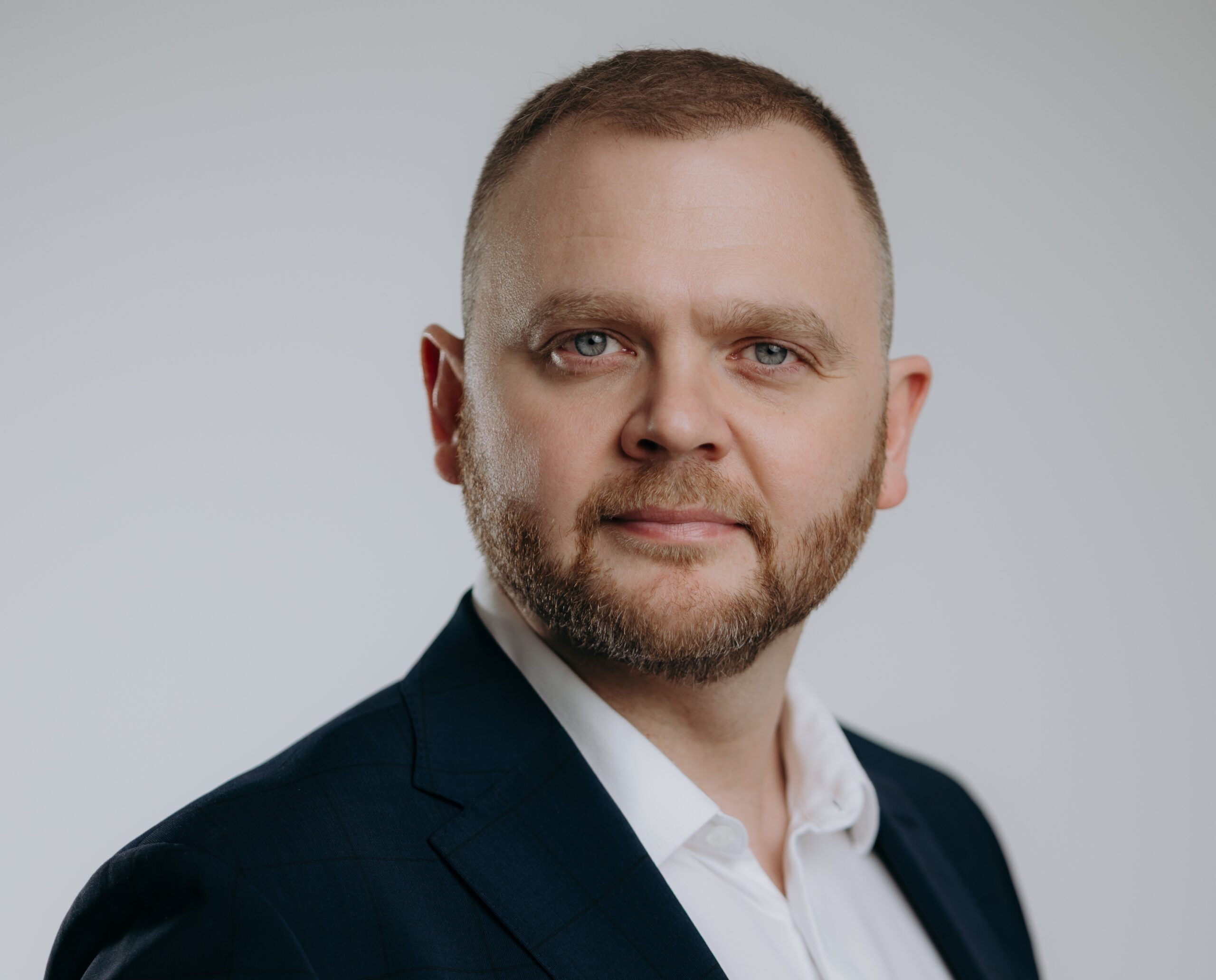
Artur Truš
“Our goal was not only to employ people but also to bring new shipowners to Lithuania and create more career opportunities for our maritime professionals,” he explains.
Supporting the academy’s students
Over more than a decade, the business founded by Artur has expanded far beyond Lithuania’s borders.
“We started in Klaipėda, and today we have offices in Latvia, Poland, Croatia, the United Kingdom, and Indonesia. In the near future, we will also expand into Bulgaria,” the entrepreneur says.
Today, the group of companies employs around 2,000 seafarers, and the business continues to grow rapidly. Truš remains actively involved with the VILNIUS TECH Lithuanian Maritime Academy, providing internship opportunities for students and sharing his experience through guest lectures.
“The academy gave me so much, and now I want to give back and contribute to its development in any way I can,” says Artur Truš.