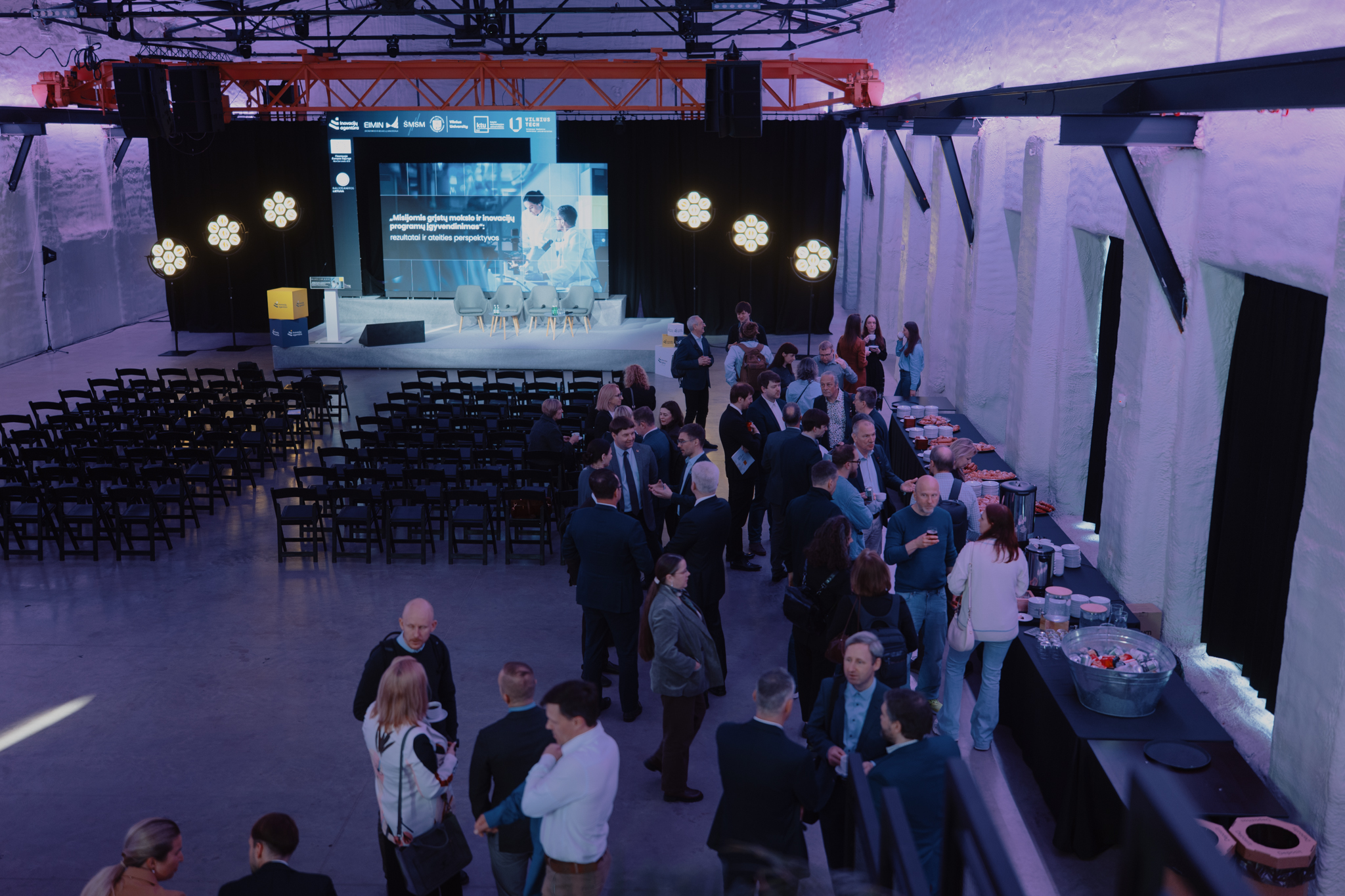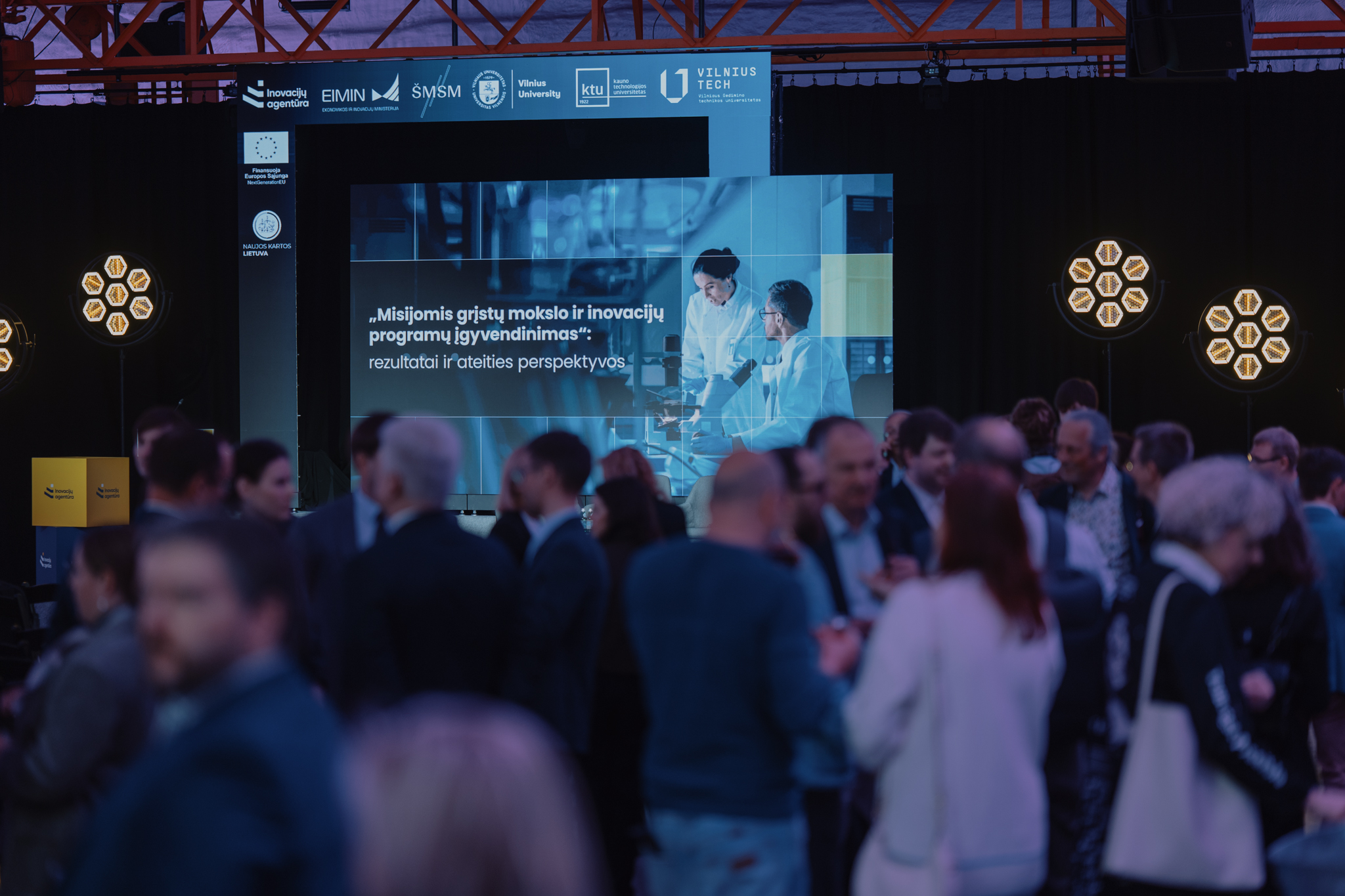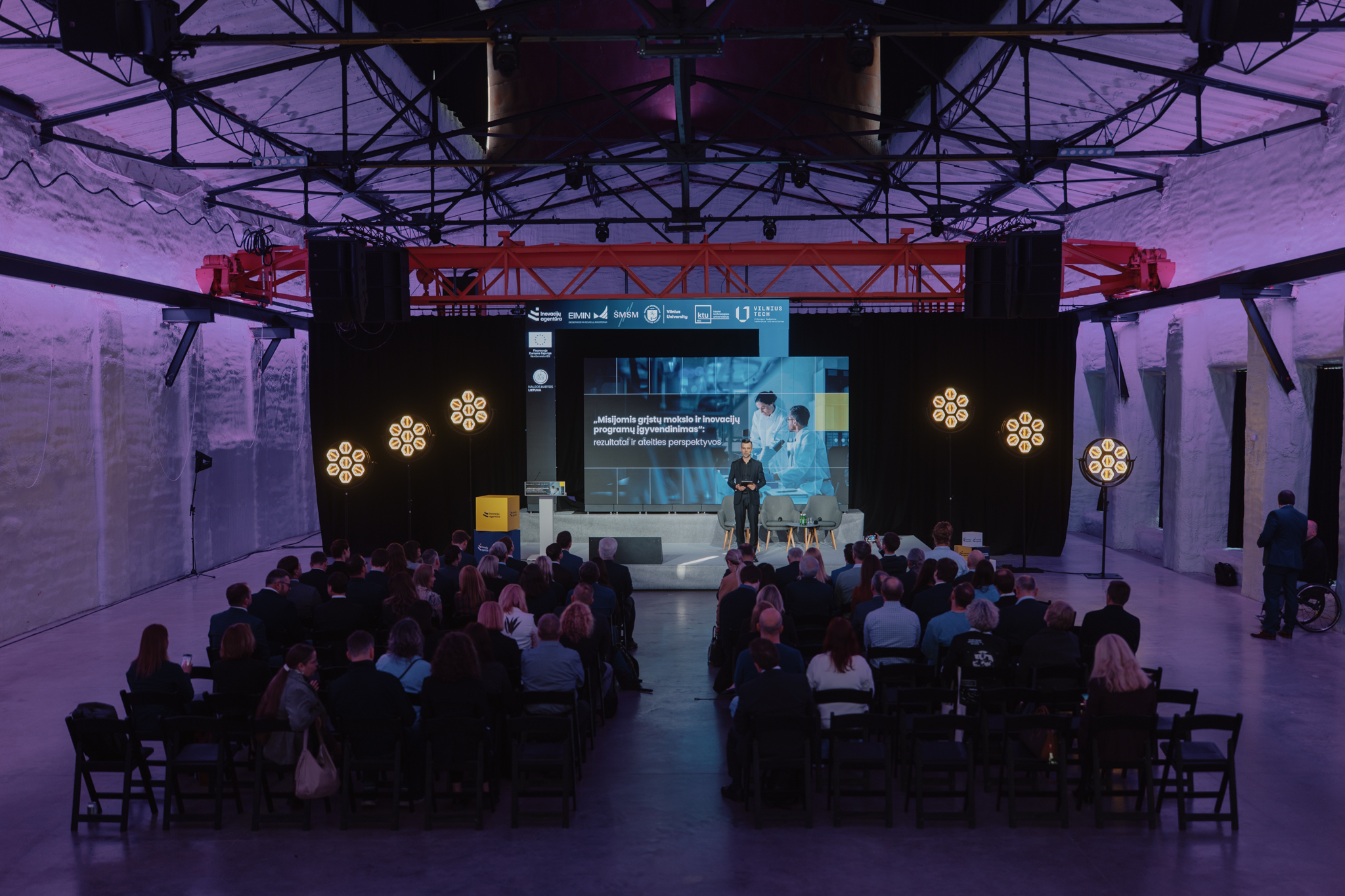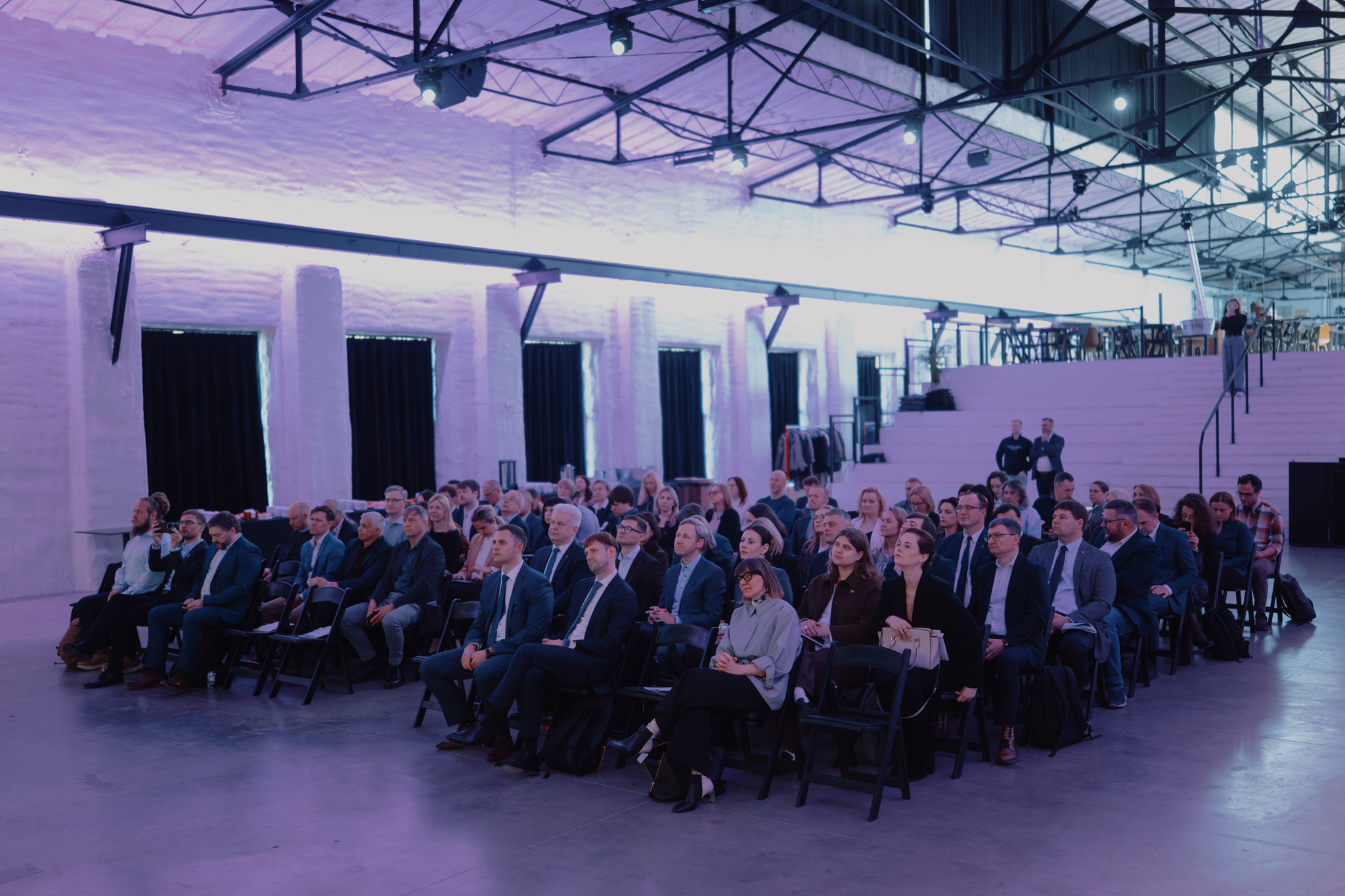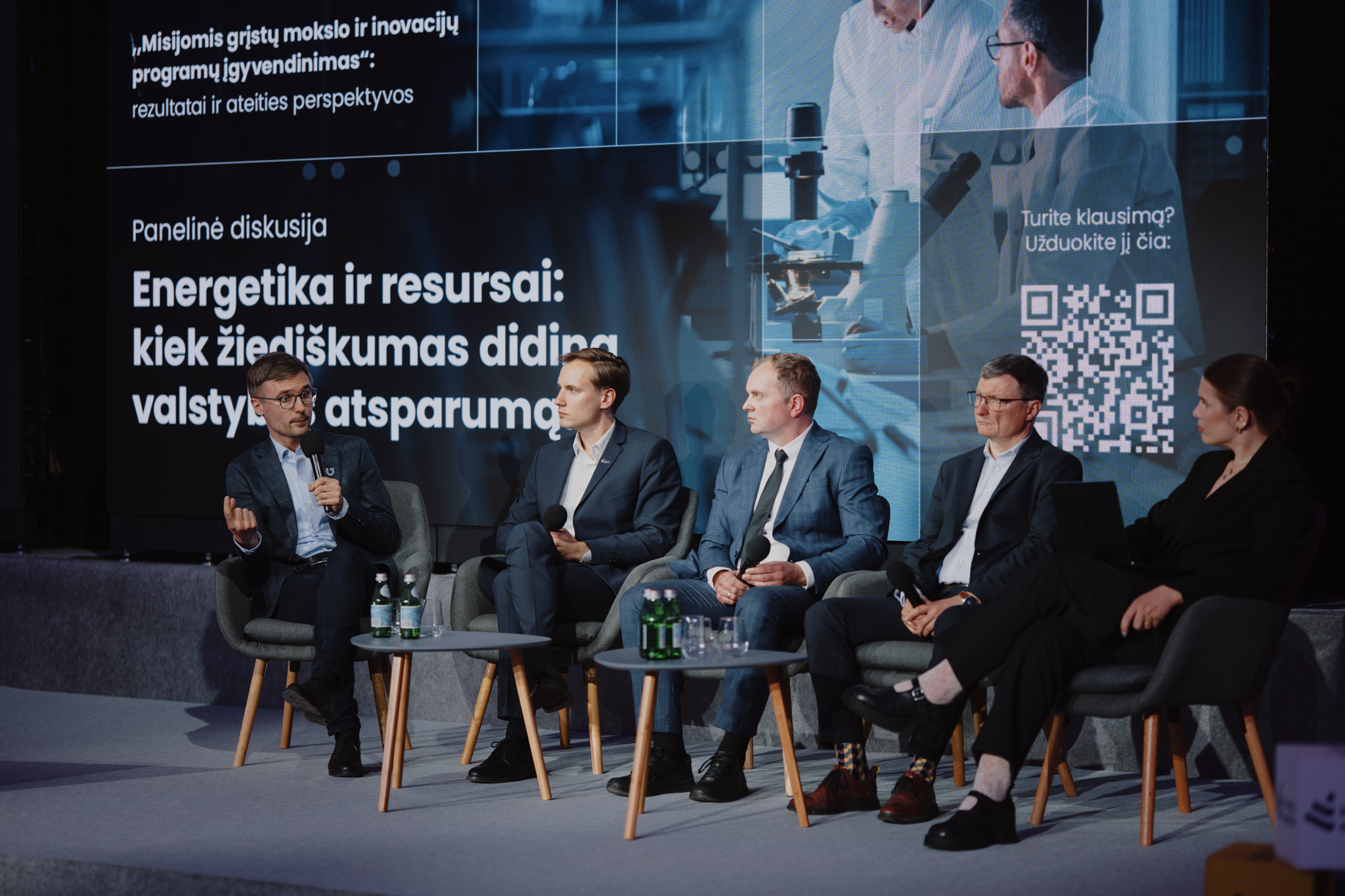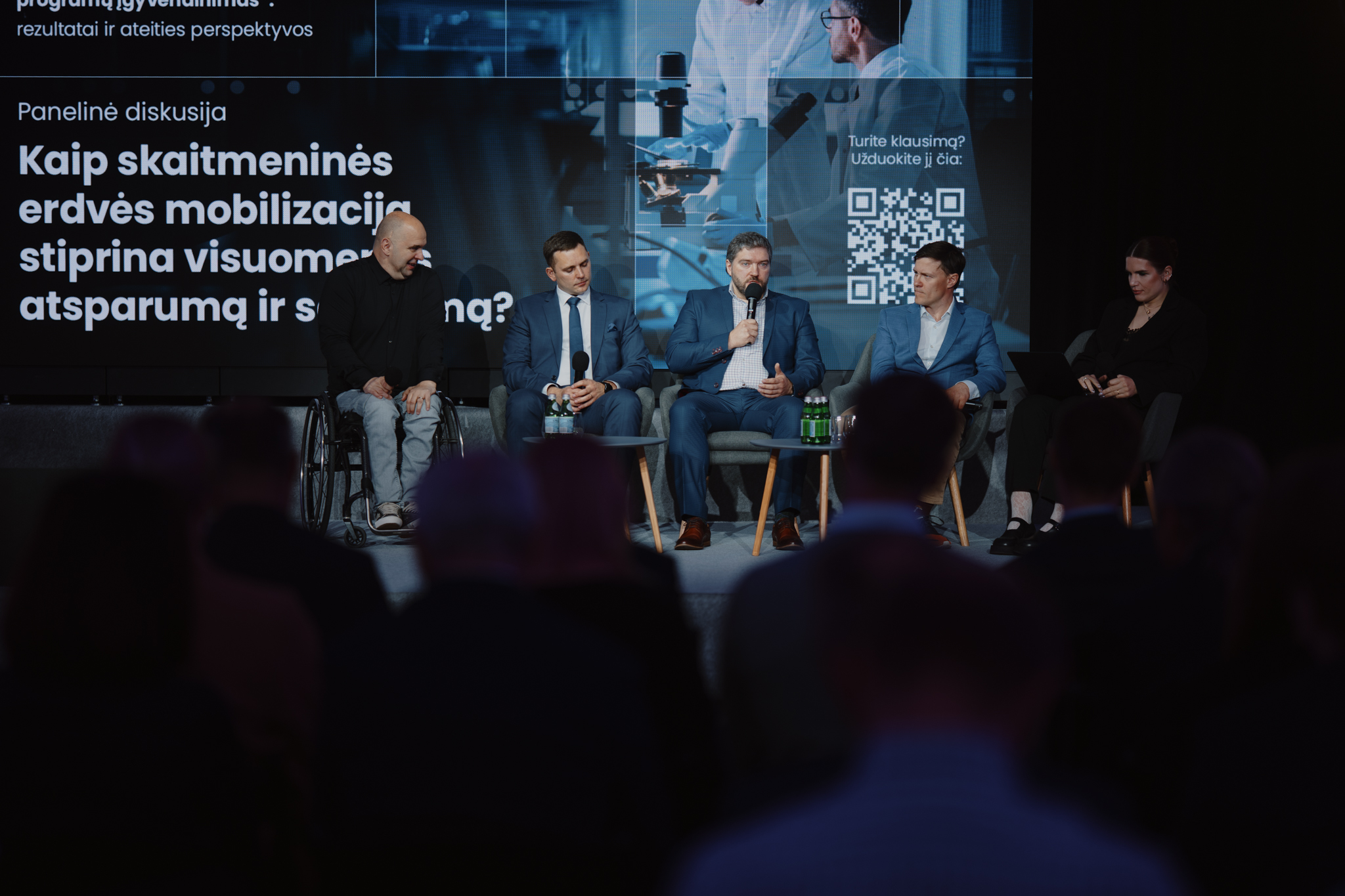
In Lithuania, the ambitious project “Implementation of Mission-Based Science and Innovation Programs” is reaching its final stage. Over the past three years, this initiative has significantly strengthened the country’s strategic innovation directions. Coordinated by the Innovation Agency and backed by over €88 million in funding, the programs have united science and business leaders with a common goal: to create real-world solutions for society’s most pressing challenges.
Three main missions implemented by VILNIUS TECH and partner universities involve established consortia covering vital sectors.
The “Innovations for Health” mission focuses on early disease diagnostics and genetic engineering, with a new Gene Technology Center set to accelerate the accessibility of advanced treatment methods in Lithuania.
The “Smart and Climate-Neutral Lithuania” mission, coordinated by VILNIUS TECH, is developing practical technologies for construction and innovative materials that reduce CO2 emissions, as well as next-generation road surfaces designed to preserve the environment and save resources.
VILNIUS TECH also contributes to the “Safe and Inclusive E-Society” mission, strengthening national cyber resilience. To this end, the Digital Defense Competence Center was established, led by Vitalijus Gurčinas.
The aim is for Lithuania’s science-business partnership to evolve into a sustainable, innovation-driven ecosystem capable of turning ambitious strategies into tangible solutions.
The “SmartEcoTech” Project: Through Sustainability to Resilience
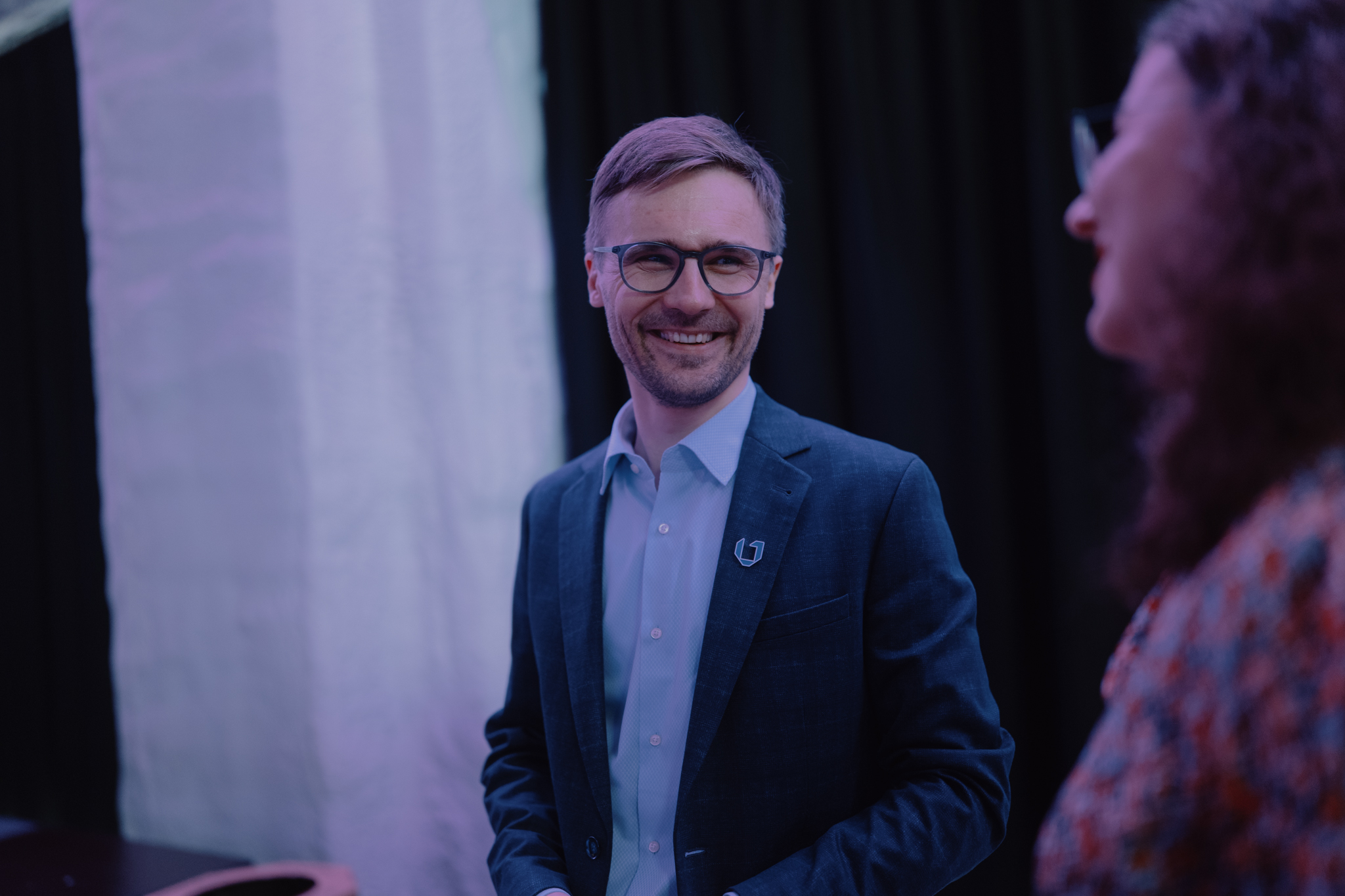
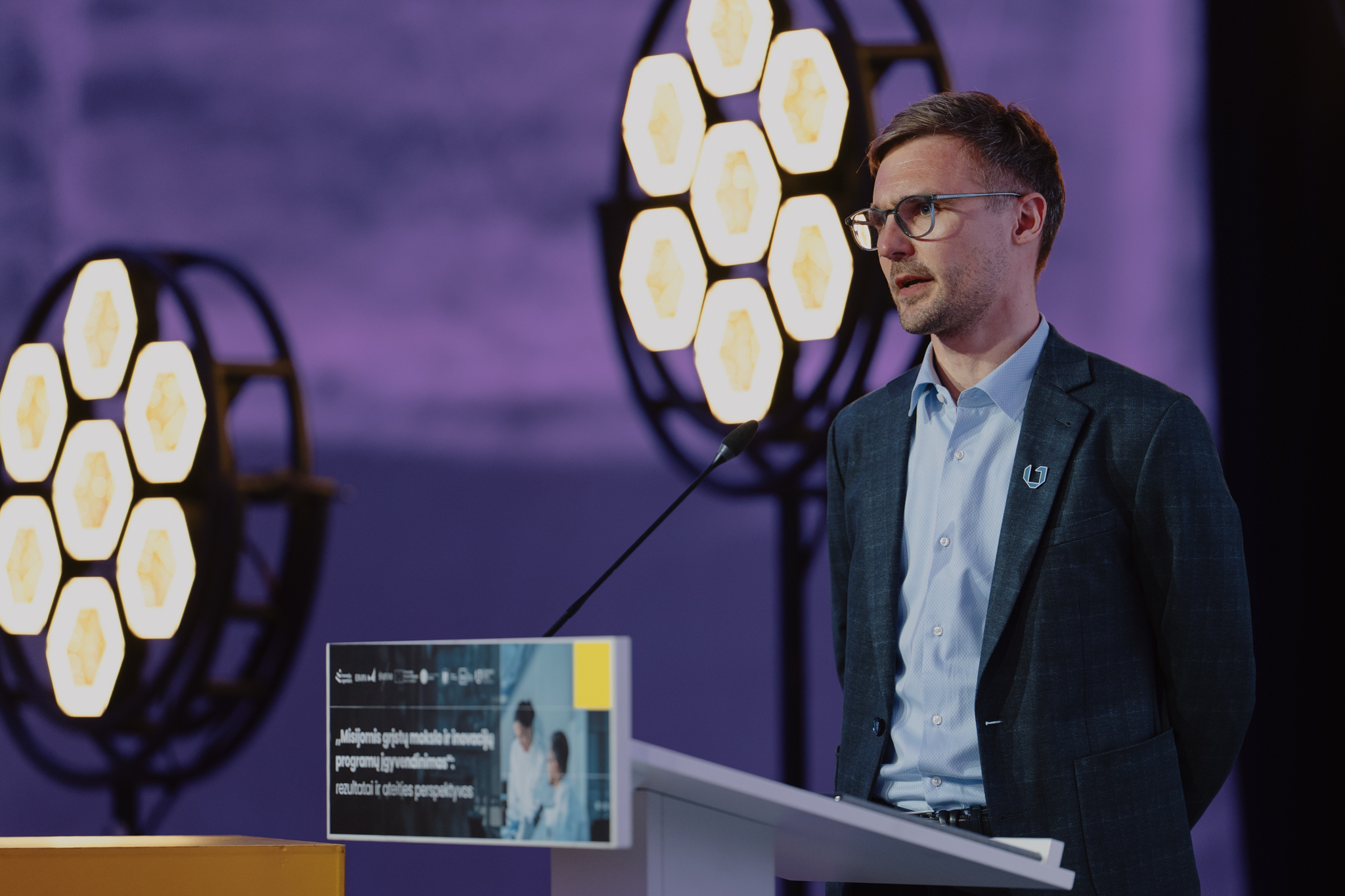
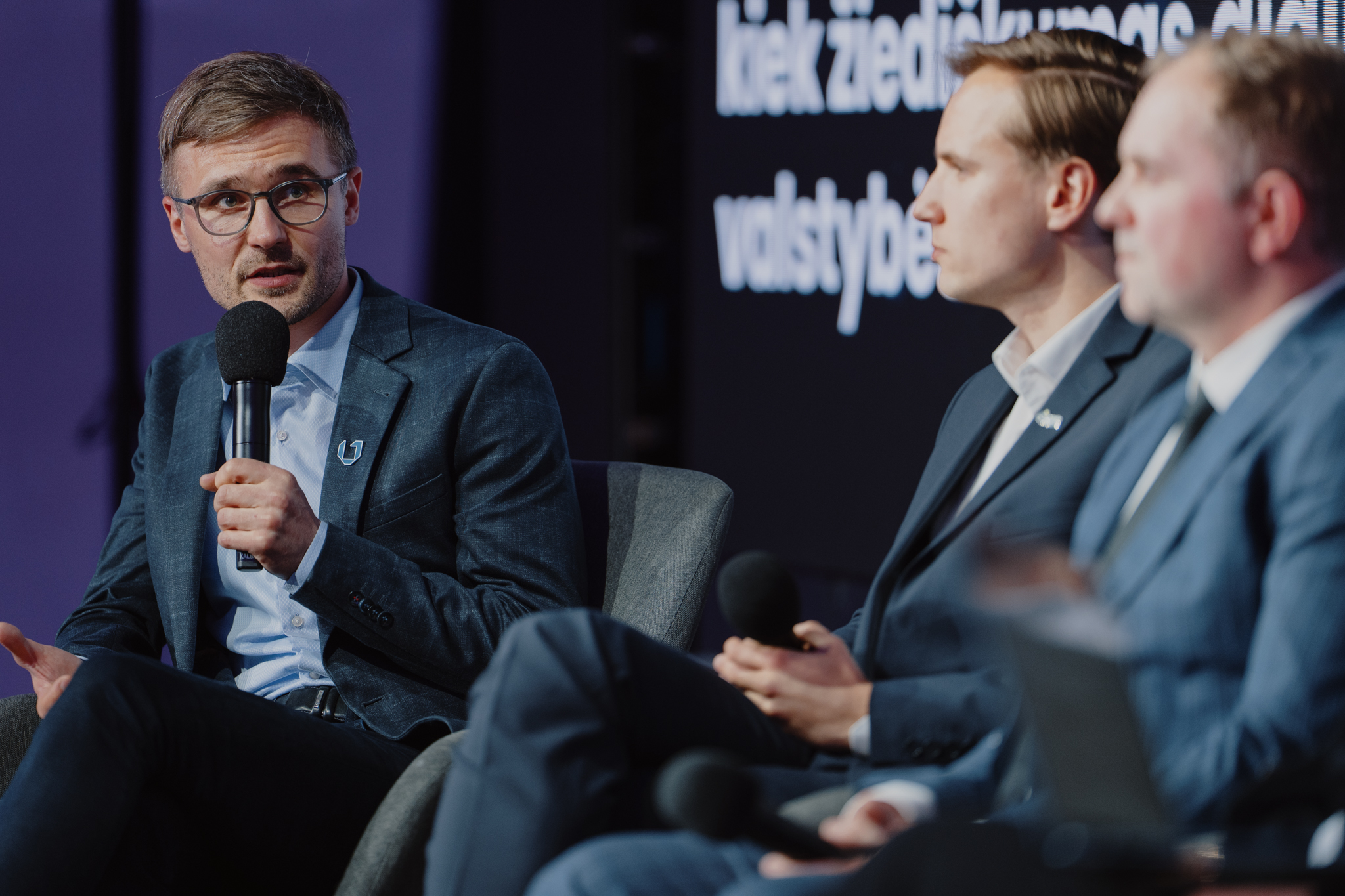
At the closing event, Simonas Barsteiga, Director of the VILNIUS TECH Competence Center for Smart and Climate-Neutral Manufacturing Processes, Materials, and Technologies, presented the results of the “SmartEcoTech” project under the “Smart and Climate-Neutral Lithuania” mission.
The project’s goals included improving environmental quality, reducing air pollution, contributing to the reduction of Lithuania’s greenhouse gas emissions, promoting sustainable solutions in the construction sector, and accelerating the construction market’s transition toward sustainability and zero-waste practices.
During the event, S. Barsteiga noted that the most important work lies ahead: “It is not about what we have already done, but about what we will do in the future to increase Lithuania’s resilience through innovation.”

Simonas Barsteiga
“Infrastructure without a systematic connection to business is just decoration. We have new laboratories, equipment, and scientists with the necessary expertise, but innovation is impossible without business. In Lithuania, businesses rarely have dedicated R&D (Research and Development) departments. And why should they? We often invest in innovation, but we still rarely create the demand for it.
In my opinion, this is why few businesses feel the need—or know how—to work with universities. Meanwhile, university incentive systems measure researchers by their publications rather than the technologies they develop. Businesses rarely want their results to be made public and used for articles; therefore, a major systemic change is needed, starting with the creation of an appropriate regulatory framework,” says S. Barsteiga.
This is a systemic issue. “From 2028, the new EU funding period will fundamentally rethink the promotion of innovation. This is an opportunity—but only if we are prepared.”
According to the head of the competence center, three changes are needed that do not require new millions, only the determination to implement them:
1.Rethink university incentive systems. A researcher who has created or contributed to the development of a technology with a business must receive benefits and recognition. The principles of knowledge sharing, infrastructure usage, and cooperation between different university departments must be as strong as the personal competition between researchers is today. “We are a small country; if we don’t collaborate, we will simply be outcompeted by artificial intelligence.”
2. Rethink business incentive systems. Businesses should not just be invited to participate in projects; they must have a high demand to do so. “If a business does not create innovation but only implements it, why should the university create it? The university’s purpose is to find a solution to a business problem, not to create a finished product. It’s like a relay race: we run together in the same direction and pass the baton. The relay is won only when the baton is passed at every stage—from problem identification to the market. A business R&D department must be an integrated part of this relay.”
3. Attracting talent or slow death. “High-level infrastructure requires data storage, management, digital competencies, and young people who use tools differently than is common today. We must rethink how we integrate young people into science, because the principles where a young scientist could patiently work for 10 years or more waiting for their moment of success are a thing of the past.”
“The ‘SmartEcoTech’ project has given us a lot of potential—we must change quickly to take advantage of it,” the head of the competence center concludes.
In total, during this period, 9 R&D projects were implemented, 6 patent applications were submitted, 21 prototypes and 17 unique products were created, 8 spin-off companies were established, 35 scientific articles were published, and €20 million worth of R&D infrastructure was created.
During the project, VILNIUS TECH researchers, together with business partners, created:
- A hydrogen supply system for internal combustion engine vehicles (Prof. Dr. Saugirdas Pukalskas and UAB “SG dujos Auto”).
- Concrete with recycled plastic granules replacing conventional aggregates (Dr. Jurgita Malaiškienė and UAB “Tilsta”).
- Alkali-activated composite (Dr. Ina Pundienė and UAB “Tilsta”).
- A universal mat made from recycled tire textile (Dr. Giedrius Balčiūnas and UAB “Tilsta”).
- Lower rolling resistance asphalt mixtures (Dr. Judita Škulteckė and “Kelių priežiūra”).
- Noise barriers (Doc. Dr. Tomas Januševičius and “Provectus redivivus”).
- Biotechnological solutions for increasing biogas yield and cleaning biogas (Doc. Dr. Tomas Januševičius and UAB “Arginta”).
- Research on reinforced concrete elements with formed voids (Prof. Dr. Darius Bačinskas and UAB “Tilsta”).
The programs were initiated by the Ministry of Economy and Innovation and the Ministry of Education, Science and Sport, with implementation coordinated by the Innovation Agency.
The project received €88.34 million in funding: €76.69 million from the European Recovery and Resilience Plan and €11.65 million from the Republic of Lithuania budget.
Source: Innovation Agency and S. Barsteiga’s “SmartEcoTech” project presentation.


Galerija