• University
  • News and events

Student creativity for Lithuanian music artists: international media winter school returns to VILNIUS TECH "LinkMenų fabrikas"

December 10, 2025

For the fourth time, the Creativity and Innovation Centre of Vilnius Gediminas Technical University (VILNIUS TECH), VILNIUS TECH “LinkMenų fabrikas”, has transformed into an open creative laboratory, bringing together students from across Europe and emerging performers from Lithuania’s music scene to work side by side.

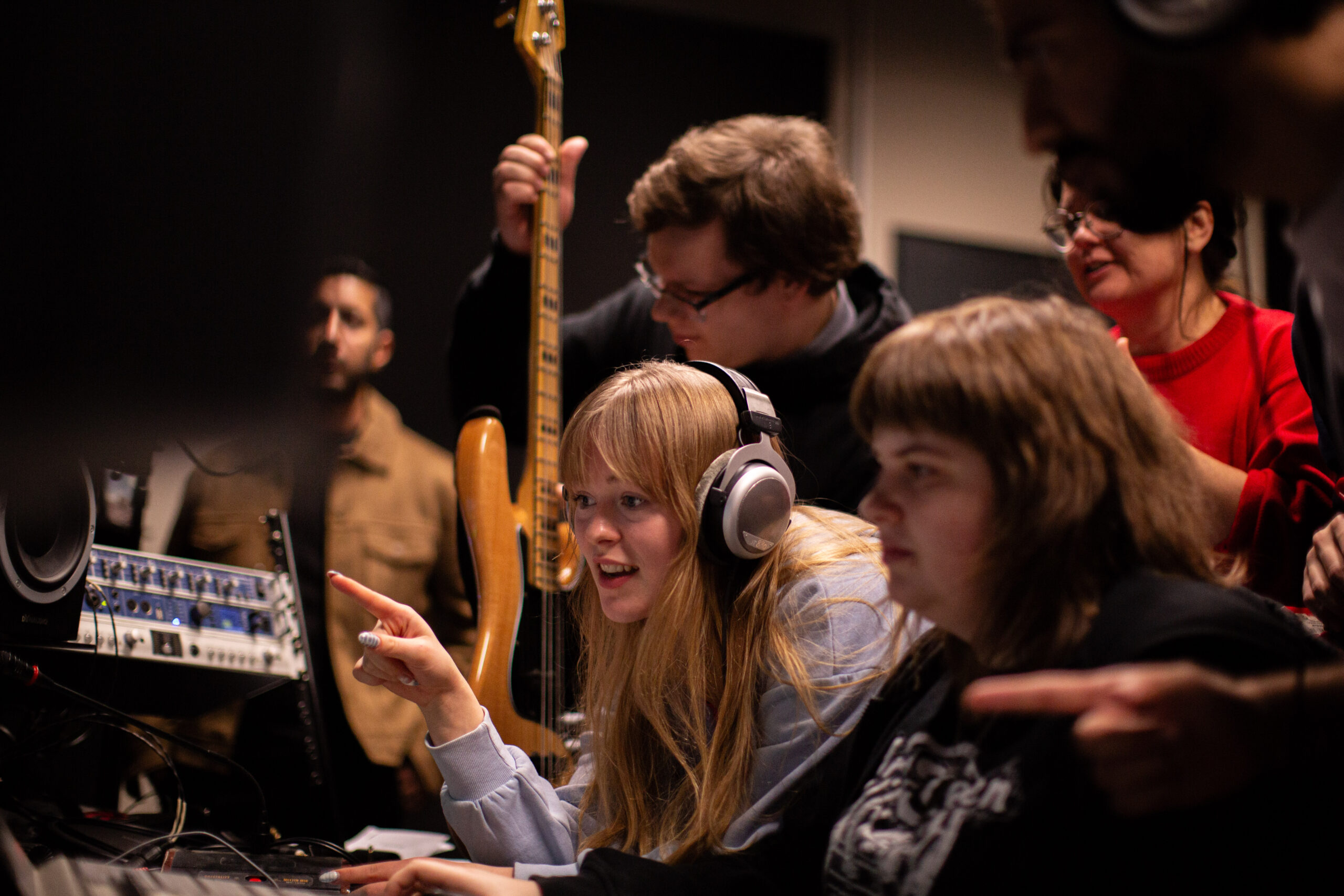
The centre hosted the international winter school “Sound and Vision: Mastering Music Video Creation”, an Erasmus+ Blended Intensive Programme (BIP). The initiative invited participants to explore the principles of visual storytelling and sound recording by producing live performance music videos for young Lithuanian artists.

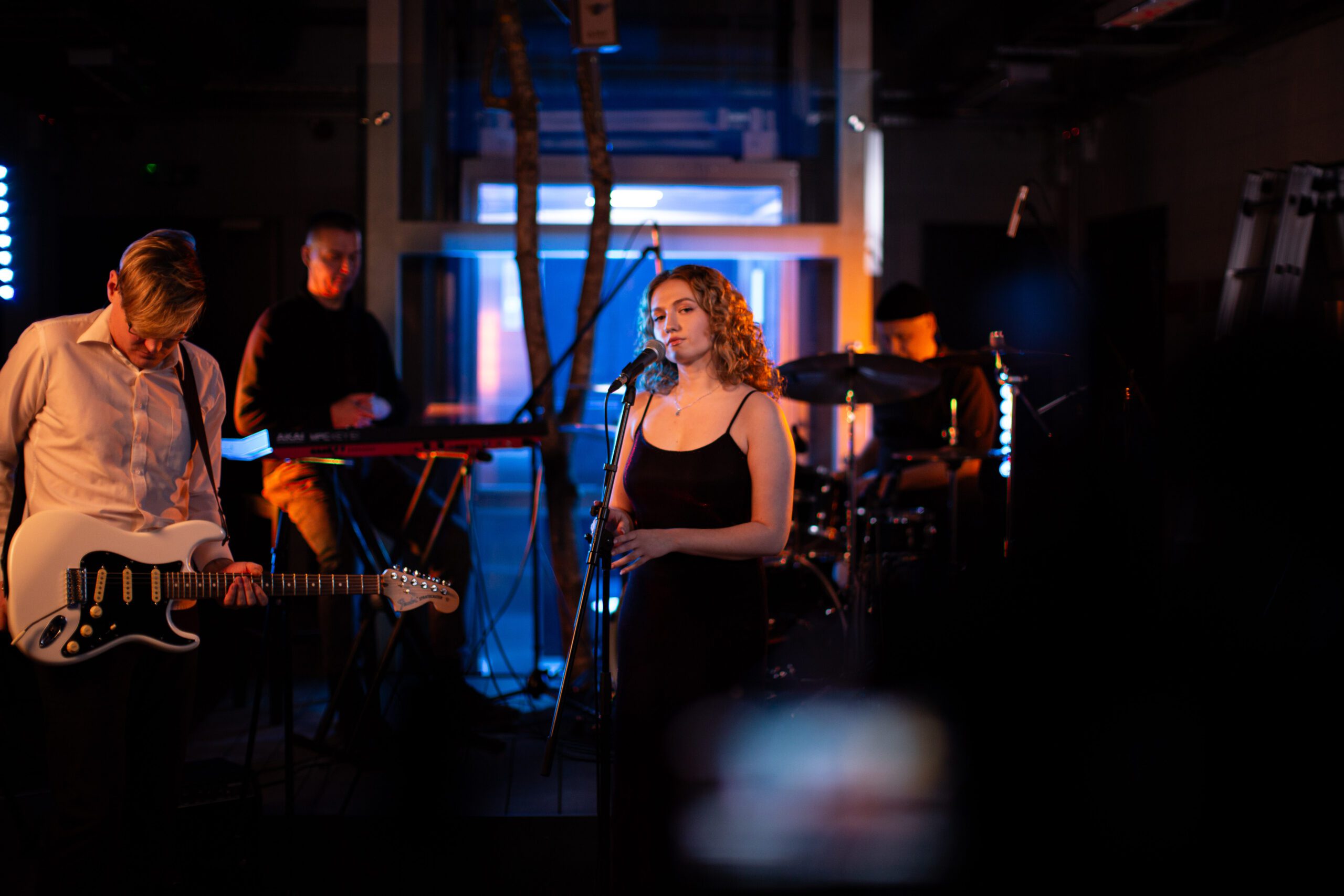
This year, the programme featured Lithuanian music groups Gyva, Dievaži, Mylėti’s and performer Justas Petryla with the band.

Creative workshops with live music

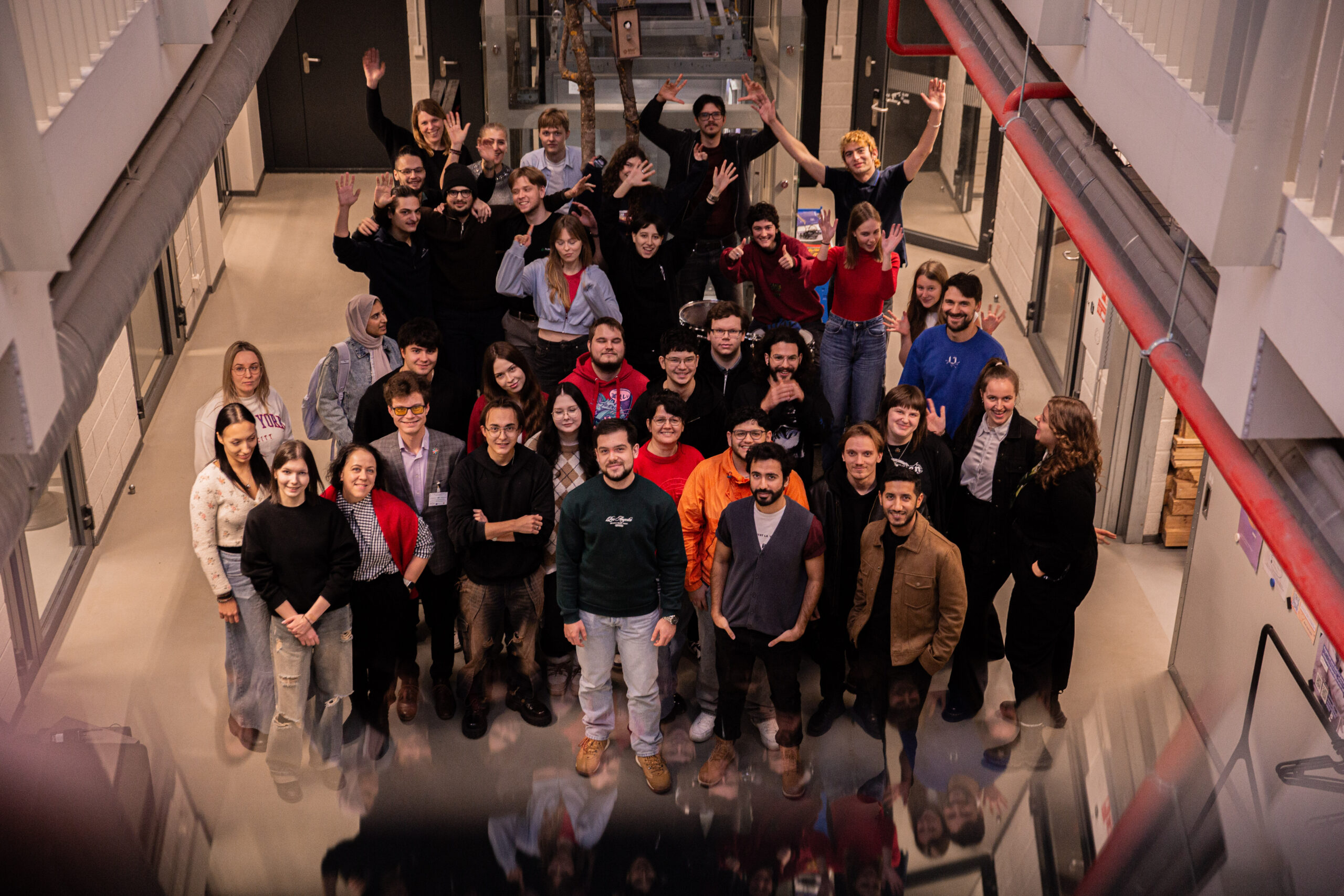
The winter school brought together students from a range of European higher education institutions. Among the participants were students from ATHENA European University Alliance partners – the Hellenic Mediterranean University in Greece, the University of Siegen in Germany and the University of Maribor in Slovenia. They were joined by students from Daugavpils University, RTU Liepaja Academy (Latvia), the Latvia University of Life Sciences and Technologies, the University of Ruse “Angel Kanchev”, and Tallinn University of Applied Sciences.

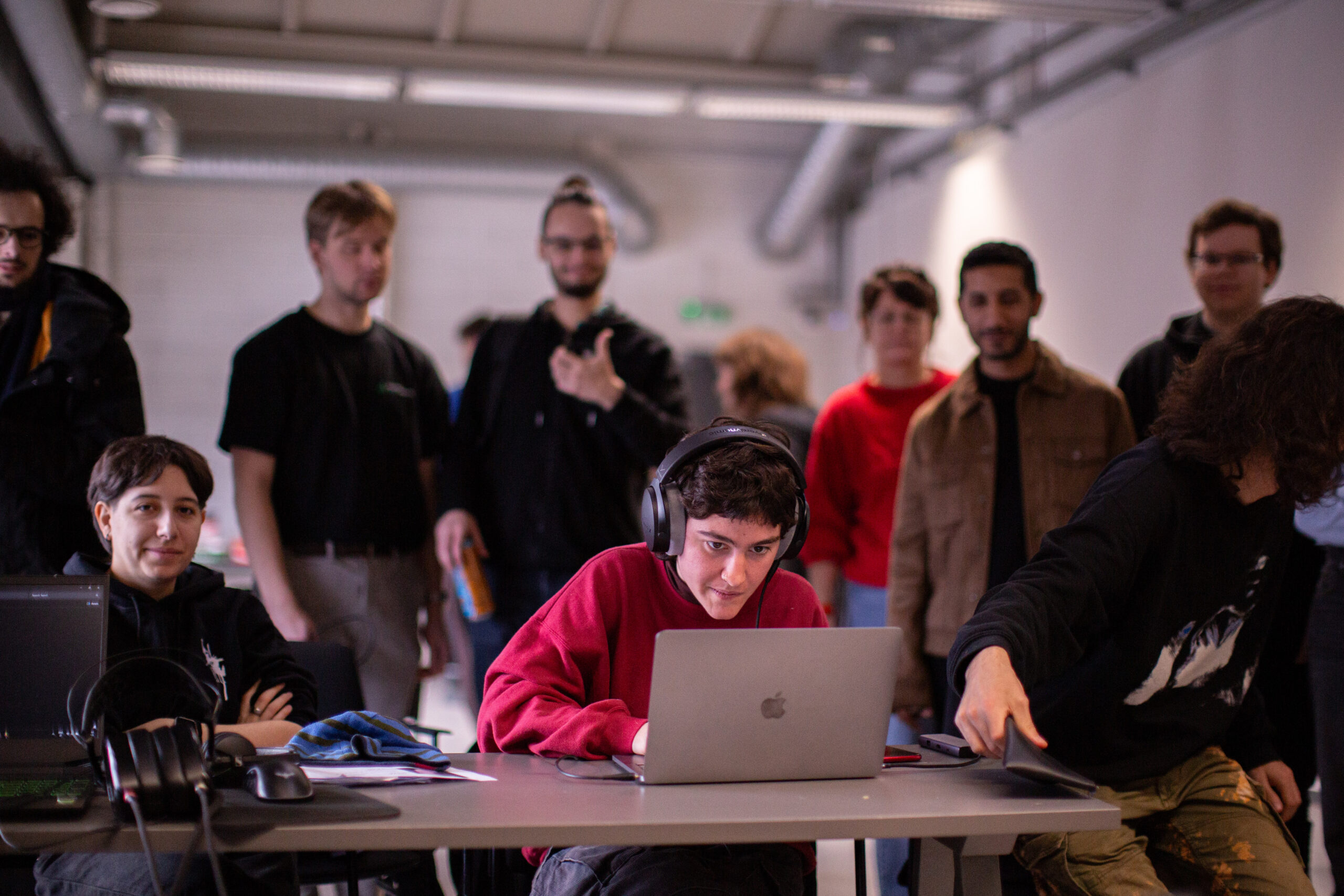
“This winter school offers participants a rare opportunity to work directly with music artists,” says Greta Markūnaitė, Head of the Creativity Lab at VILNIUS TECH “LinkMenų fabrikas”. “Students not only strengthen their technical skills, but also learn teamwork and creative communication – they analyse songs, develop visual concepts, record sound, film, and edit the final videos.”

According to her, the creative process closely mirrors real working practices in the creative industries, where artistic ideas must be aligned with technical constraints. Collaboration with music groups helps students to develop not only their technical expertise, but also their communication and negotiation skills. “As in the professional sector, students have to find a balance between the artist’s vision and a high-quality audiovisual result,” adds G. Markūnaitė.

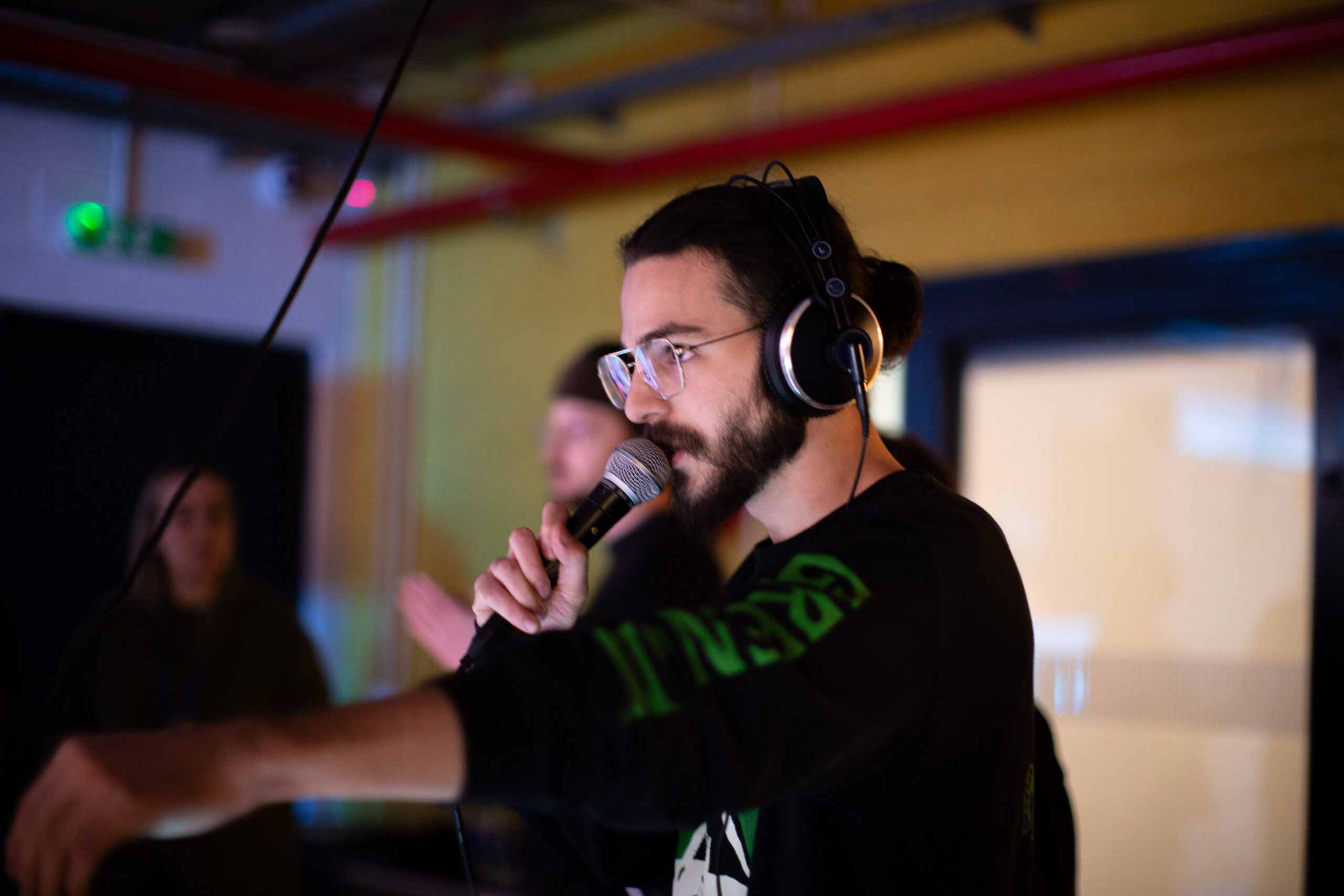
During the theoretical week, students took part in interactive lectures and hands-on workshops, focusing on lighting, sound engineering, filming and editing. During the contact week, filming sessions were held in the facilities of VILNIUS TECH “LinkMenų fabrikas”.

The winter school resulted not only in professionally produced live performance video and audio recordings, but also in highly valuable practical experience for both students and artists. The performers gained high-quality content to support their future creative activities, while students acquired skills directly applicable to real-world production environments.

We invite you to watch the live performance recordings created during the winter school:
„Gyva“ – „Užpildyki savimi“, „Dievaži“ – „Noriu“, „Mylėti’s“ – „Sugrįžk“, Justas Petryla su grupe –  „Gedimino Aveniu“.

Galerija
Related news

New doctoral dissertation
VILNIUS TECH Library invites you to follow the published new dissertations. The dissertation „Development and Property Studies of Structures with Acoustic Metamaterial Made from Recycled Plastic“ („Konstrukcijų su akustine metamedžiaga iš perdirbto plastiko kūrimas ir savybių tyrimai“) prepared at VILNIUS TECH by Andrej Naimušin. The dissertation was prepared in 2021–2026. Scientific consultant – Assoc. Prof. Dr Tomas Januševičius. The dissertation was defended at the public meeting of the Dissertation Defence Council of the Scientific Field of Environmental Engineering in the Aula Doctoralis Meeting Hall of Vilnius Gediminas Technical University at 9 a.m. on 15 May 2026. The dissertation examines plastic constructions and an acoustic metamaterial that is based on the Helmholtz resonator’s operating principle. The main object of the research is a structure made of a metamaterial from recyclable plastic, which has good sound insulation and sound absorption properties. The dissertation aims to create a structure made of metamaterial from recycled plastic to improve sound insulation for indoor partitions and room sound absorption. The following tasks are solved in the work: the first task concerns the development of metamaterials and the study of their non-acoustic and acoustic properties; the second task is related to theoretical calculations for individual metamaterial resonators using the transfer matrix method; the third and fourth tasks characterise acoustic properties using an interferometer and a sound transmission chamber, and the design of sound-absorbing panels made of recycled plastic metamaterial and sound-insulating systems with recycled plastic metamaterial; and the fifth task is the prediction of the sound insulation and sound absorption of the final engineering solution using modelling programmes. The dissertation consists of an introduction, three chapters, general conclusions, a list of used literature, and a list of the author’s publications on the topic of the dissertation. The introductory chapter describes the research problem and the work’s relevance, describes the object of the research, formulates the aim and tasks of the work, indicates the research methodologies, the scientific novelty of the work and the practical significance of the work results, and presents defended statements. The introduction closes by listing the author’s publications and conference presentations on the dissertation topic and by providing the dissertation’s structure. The First Chapter examines the possibilities of recycling plastic waste to improve indoor acoustics and analyses scientific research on sound insulation and sound absorption. The Second Chapter presents methodologies for sample calculation and preparation, determination of acoustic and non-acoustic properties, and modelling of sound insulation and absorption. The Third Chapter presents the results of theoretical, sound insulation, sound absorption, and static air resistance research and their analysis. Five scientific articles have been published on the dissertation topic: three in scientific journals included in the Web of Science database; one in the Scopus-referenced conference proceedings; and one in a conference proceedings publication referenced in other international databases. Five presentations on the dissertation topic were given at conferences in Lithuania and abroad. Doctoral dissertation readers can search via VILNIUS TECH Virtual Library.
More