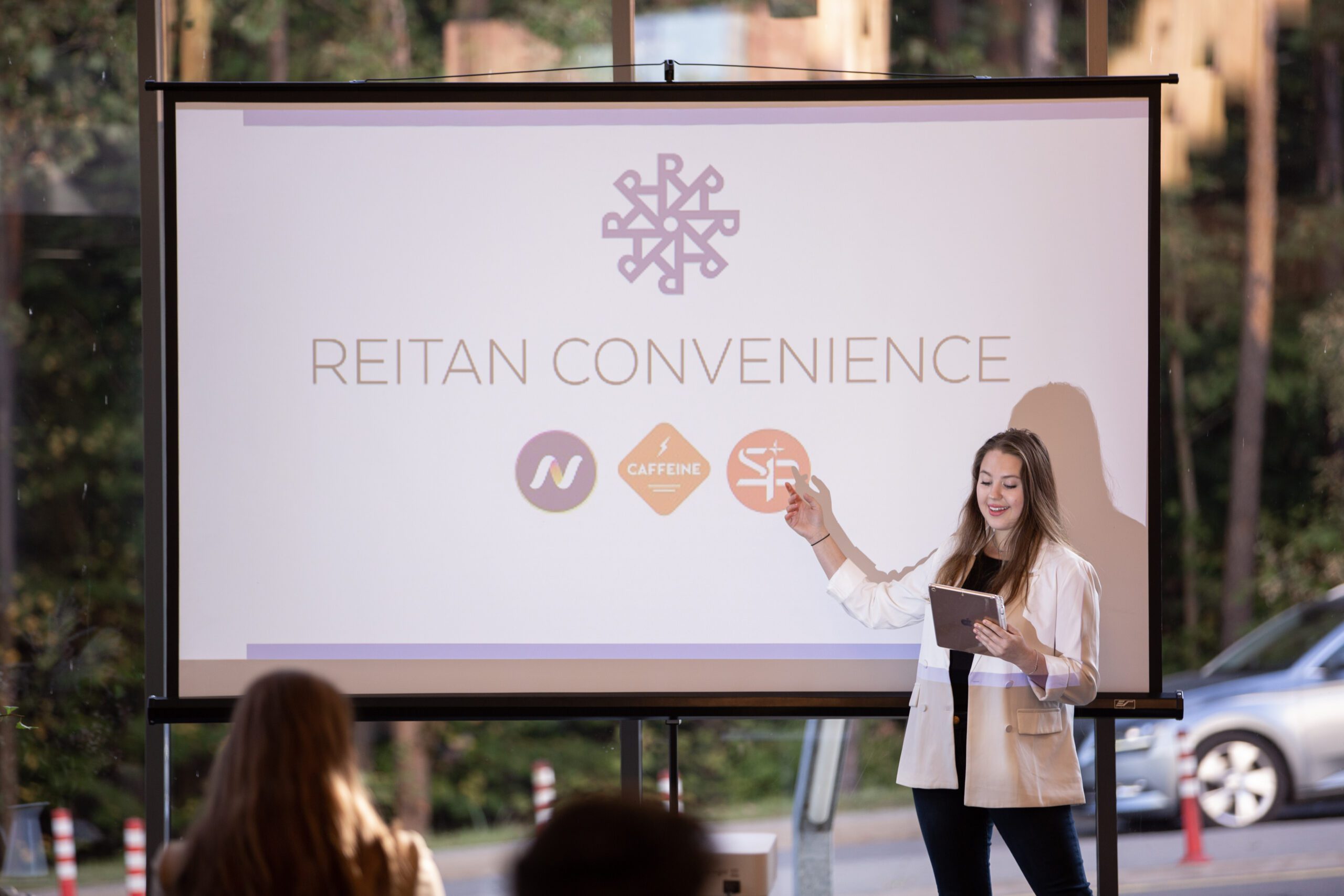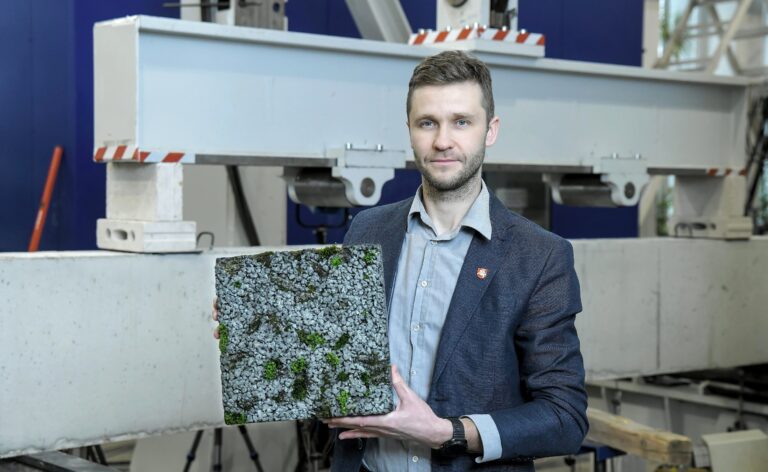
For two weeks, the VILNIUS TECH Sustainability School brought together numerous students from universities in Lithuania and across Europe to try and solve challenges related to ecology and sustainability. The finale of the Sustainability School showcased innovative ideas aimed at addressing pressing ecological issues affecting both businesses and society.
According to organisers of the Sustainability School, students from both host university and abroad, collaborating within mixed teams, developed unique solutions which are relevant both for prospective businesses and society.
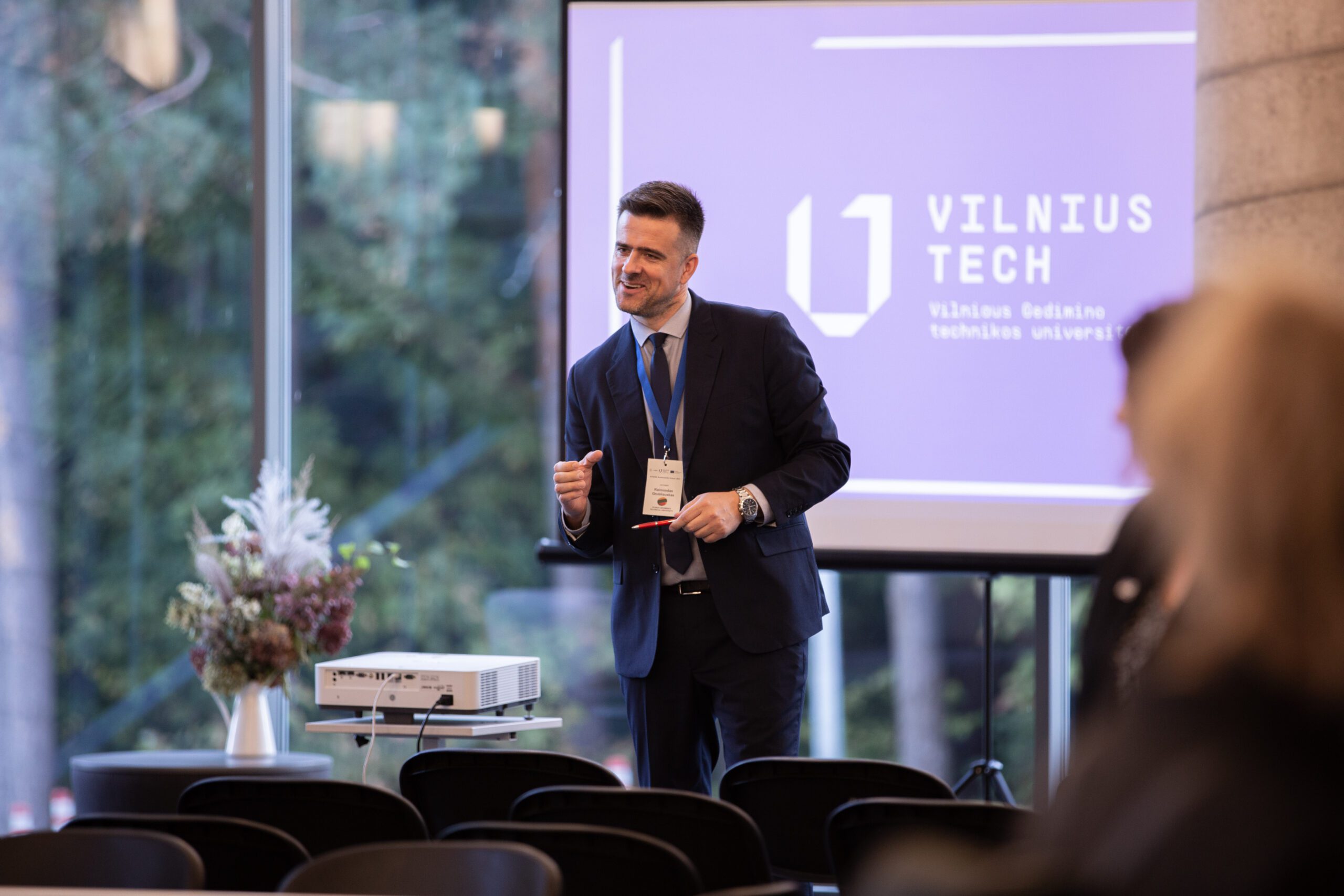
"Sustainability is a topic that is frequently and broadly discussed, but until now, there has been a lack of broader cooperation among different institutions and societies. The VILNIUS TECH Sustainability School represents the ATHENA Alliance's contribution to Europe's green transformation, bringing together all stakeholders: young, energetic professionals with original ideas, as well as businesses and public organisations facing sustainability challenges on a daily basis. VILNIUS TECH serves as a catalyst, driving solutions towards those who seek them" says the head of the VILNIUS TECH Sustainability Hub, Assoc. Dr. Raimondas Grubliauskas.
The initiators of the Sustainability School, the VILNIUS TECH Sustainability Center, aim to initiate and develop a sustainability theme cluster in the ATHENA European University Alliance, of which VILNIUS TECH is a member. ATHENA alliance partners – universities in nine EU countries – aim to develop digitally transformative, technology-based, internationally competitive higher education that reflects the needs of society.
Sustainability – an integral part of higher education
VILNIUS TECH also prepared a separate challenge for the students of the Sustainability School. Following this, the students sought solutions to strengthen the university's role in achieving positive behavioural changes in society.
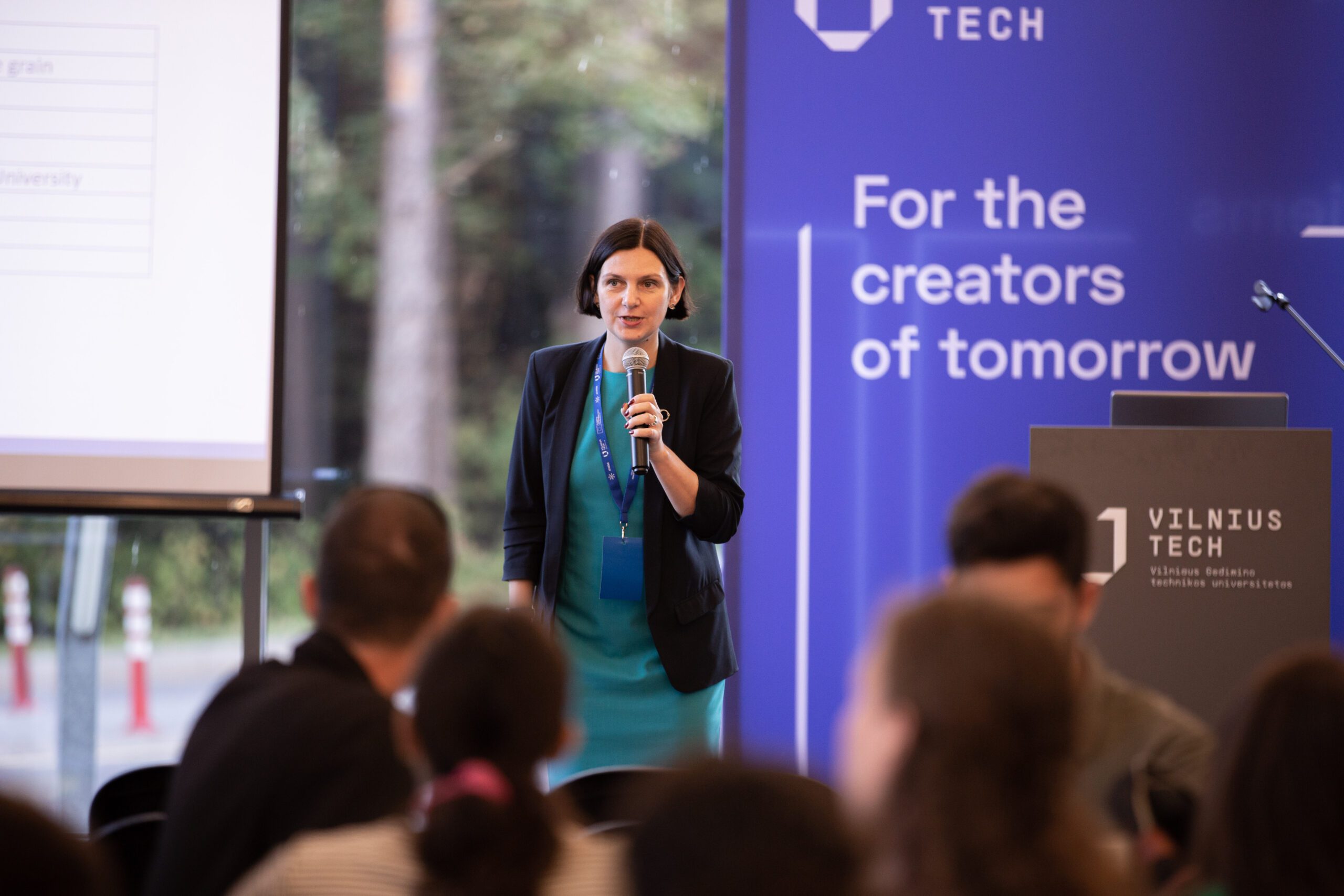
"The team that worked on our challenge identified clear problems: a lack of broad and comprehensive sustainability education initiatives, a perceived gap between knowledge about sustainability and action to implement its initiatives. The influence of education on sustainability should be the main direction in achieving a more sustainable society", says the activity coordinator of the Sustainability School Assoc. Dr. Rūta Mikučionienė.
The solution proposed by VILNIUS TECH is: to strengthen inter-institutional cooperation and create a culture of cooperation between European universities based on sustainability. It is also indicated that such alliances as ATHENA and other European University Initiatives become guides for sustainable cooperation.
Students' ideas for Vilnius sustainability goals
Five businesses and organisations set challenges for numerous students from VILNIUS TECH and ATHENA universities representing Spain, Portugal, Germany, Slovenia, and several other European countries to delve into. Ranging from innovative concepts such as edible coffee cups to ambitious large-scale urban transformations, students from the Sustainability School showcased their innovative ideas to the panel of judges.
By using urban environmental metrics Sustainability School students evaluated the added value of electric transport. In order to fully contribute to reducing environmental pollution and improving the general condition of life, it is necessary to expand the network of charging stations and supply electricity using cleaner energy. According to the team that conducted this challenge, the development of this electric transport would be encouraged by higher subsidies for residents and changing their perception.
Another ambition of Vilnius is to become a carbon-neutral city by 2030, and the students of Sustainability School propose to achieve this goal by developing three directions: transport, education and energy.
It is proposed to initiate a transformation in the transportation sector by strengthening public transport alternatives, enhancing pedestrian-friendly infrastructure, and expanding bicycle-sharing networks. Educational initiatives would touch upon topics such as increasing awareness of climate change and involving both the public and businesses in climate change-related activities. Meanwhile, for the energy sector, it is recommended to reform the energy sector by implementing energy efficiency criteria in all buildings and promoting the adoption of exclusively energy-efficient devices and technologies.
Green spaces and the infrastructure surrounding them are relevant topics for residents of both Vilnius and other big cities. The student team that solved this challenge presented a complex solution to the city representatives, which included the development of green infrastructure and wider involvement of residents in the decision-making on topics that are important to them. It was advised to pay a lot of attention to the streets as well, assessing their condition and taking certain decisions, such as reducing parking spaces or narrowing the streets.
Sustainable ideas for the coffee cup and the cups themselves
The manager of one of the largest takeaway coffee chains in Lithuania presented the participants of the Sustainability School with the challenge of creating a sustainable packaging use system that would meet the needs of modern customers and the latest sustainability requirements.
The international team of students who studied the challenge proposed three possible solutions – each of them was evaluated taking into account hygiene and environmental requirements and the goals of sustainable development.
First, it is proposed to create an edible coffee cup. It would be made from just seven products, the main ones being oat bran and wheat flour. In addition, the cups are suitable for a vegan diet, and this solution is already used by world-famous coffee brands such as Lavazza and others. The second alternative is a foldable coffee cup, whose impact on the environment during the entire period of use is much lower than that of a regular disposable one.
Finally, a deposit-based system is proposed for disposable coffee cups, as is done with beverage containers. A customer who purchased takeaway coffee would pay a certain deposit fee, which they would get back by bringing an empty coffee cup to the cafe.
The proposition is for the coffee grounds to be used in the creation of beauty products – the oils contained in the grounds would be used to make them. It would also be possible to create coffee grounds candles or cups for drinking coffee. Fats can also be used in the food industry, in the production of natural fertilisers or cooking oil.
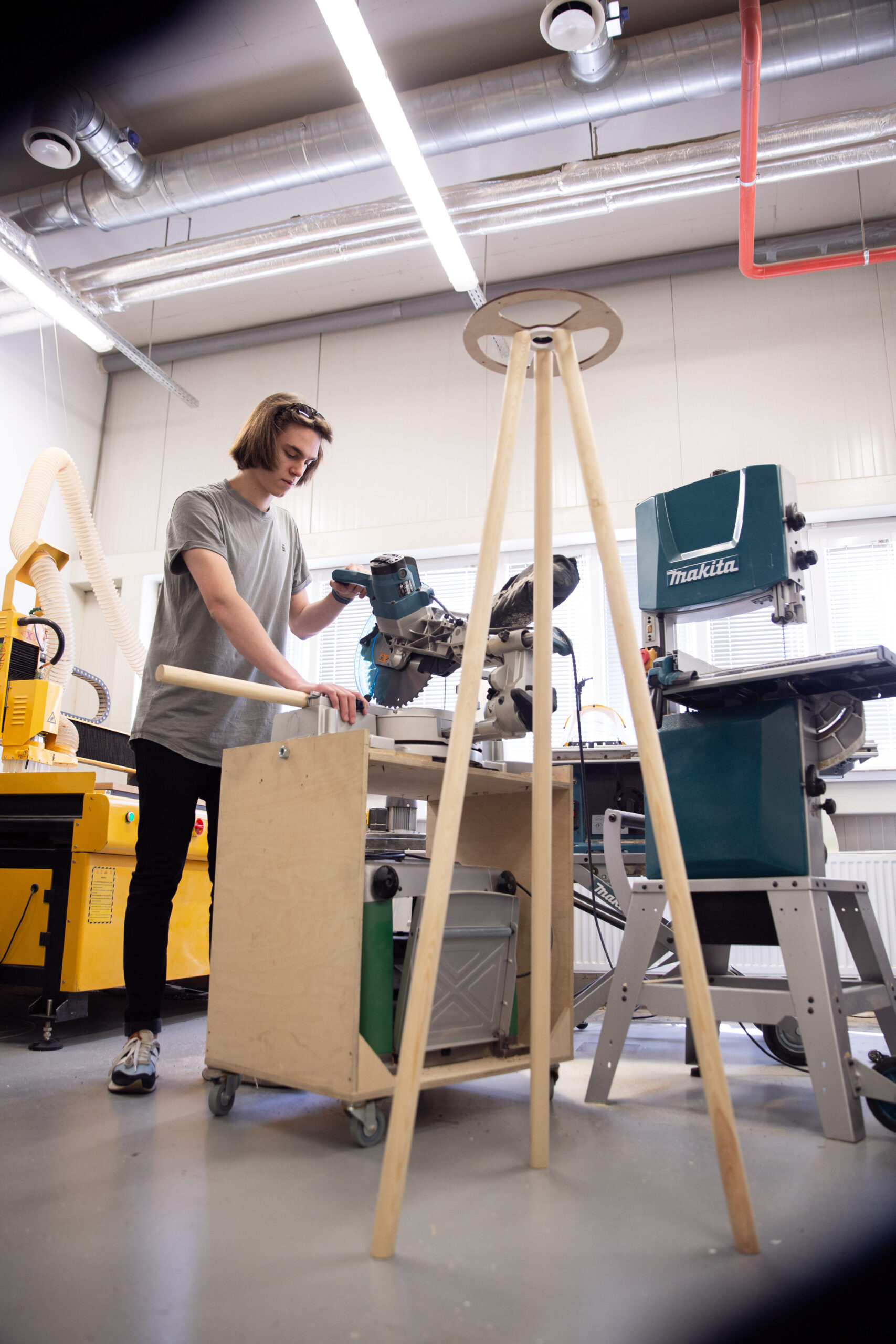
The establishment of the Integrated Sustainability Technologies Laboratory at VILNIUS TECH is funded by the Economic Revival and Resilience Plan "New Generation Lithuania" and the state budget of the Republic of Lithuania.

Galerija