VGTU lyceum pupils create underwater virtual city

December 16, 2019

Cooperation on science projects is ongoing between Vilnius Gediminas Technical University (VGTU) and the Faculty of Fundamental Sciences through VGTU’s engineering lyceum.
 
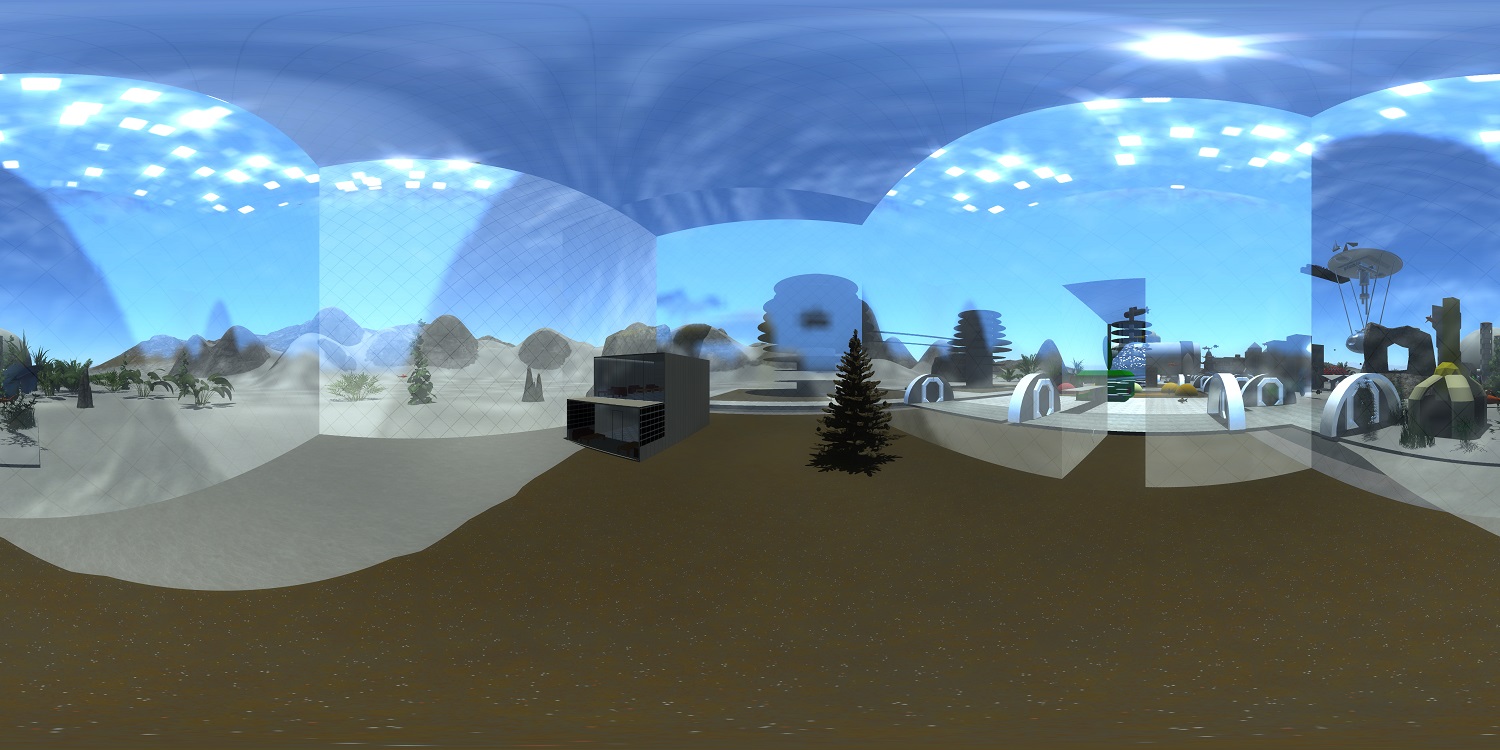
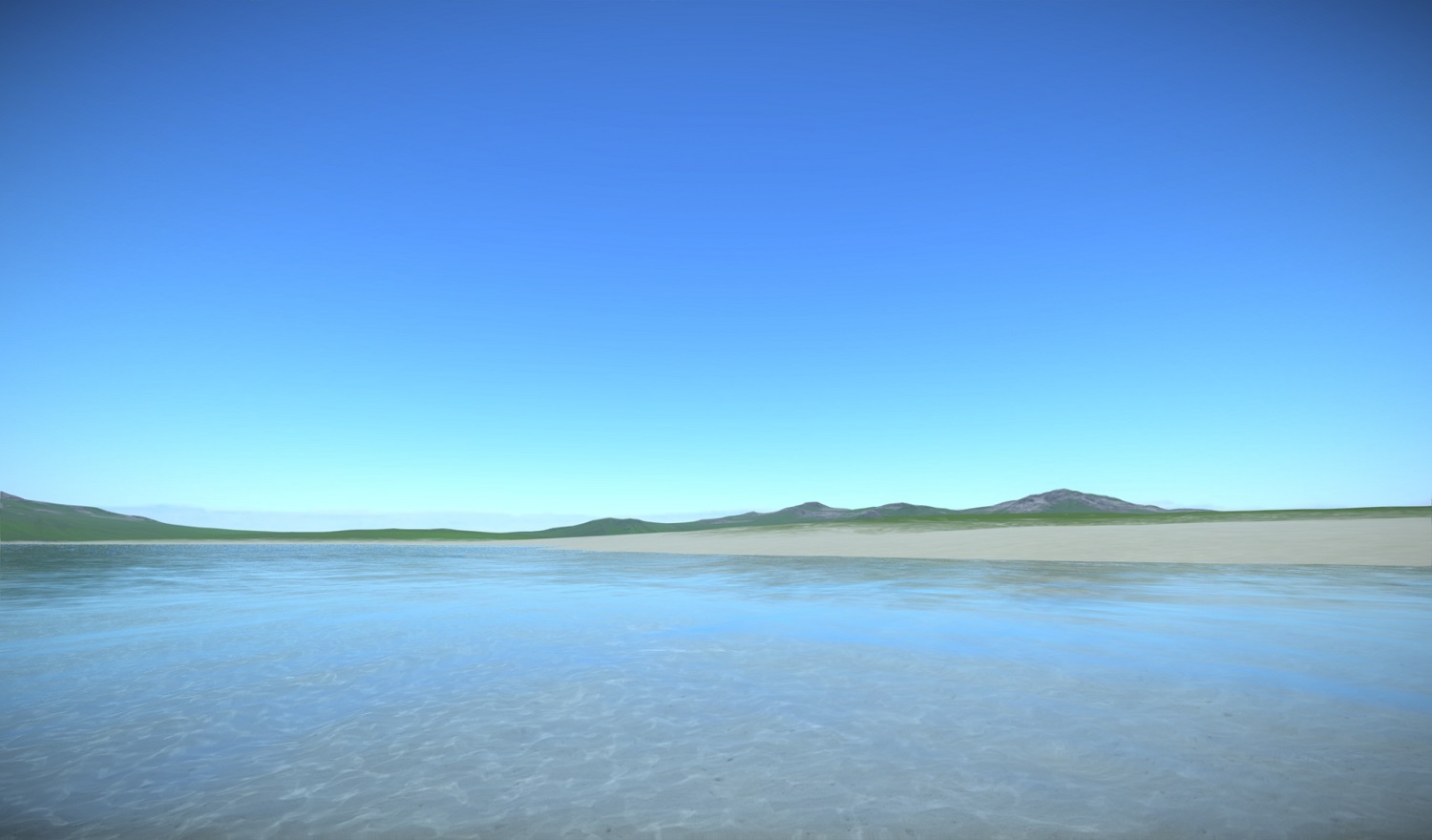
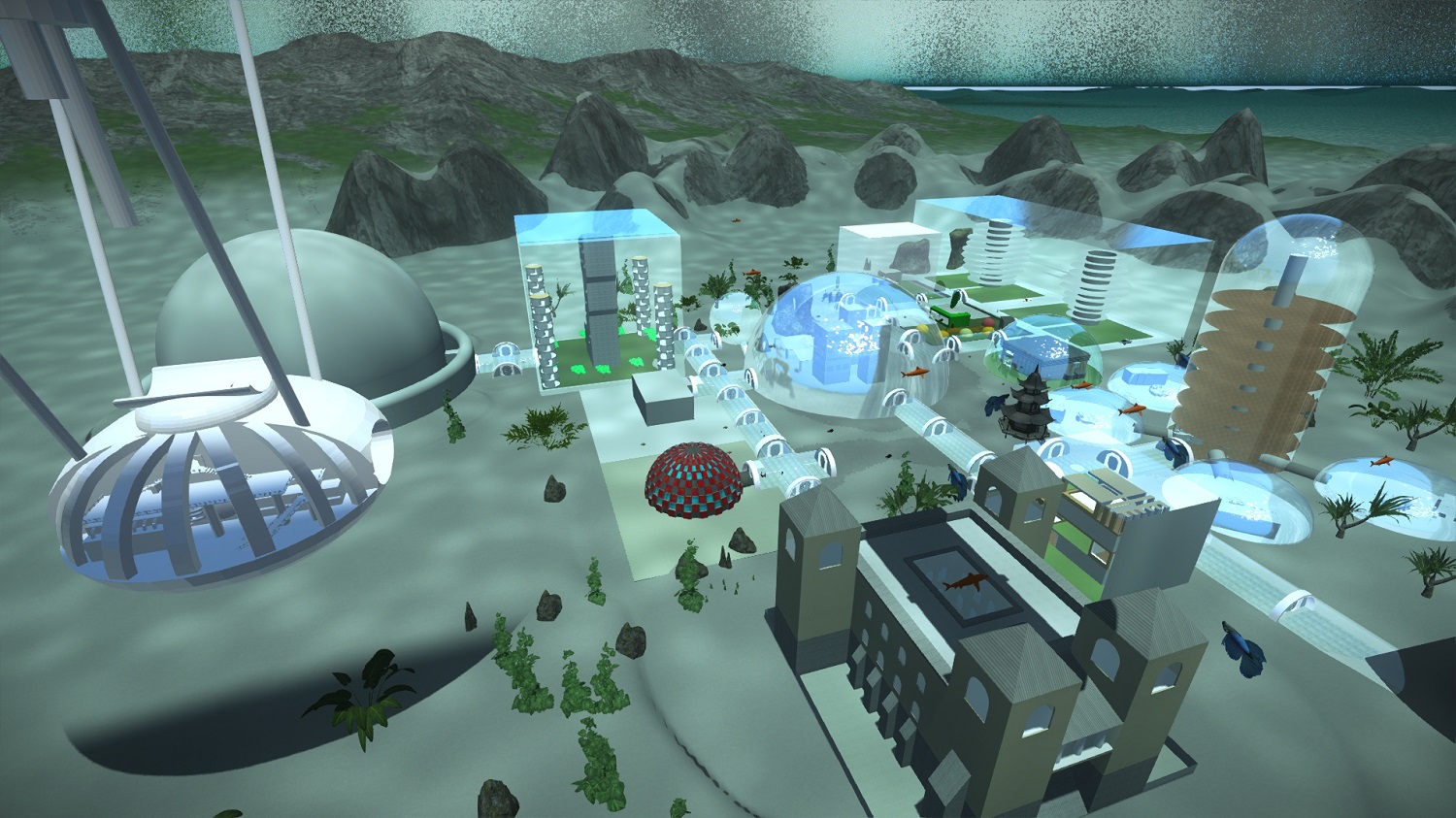
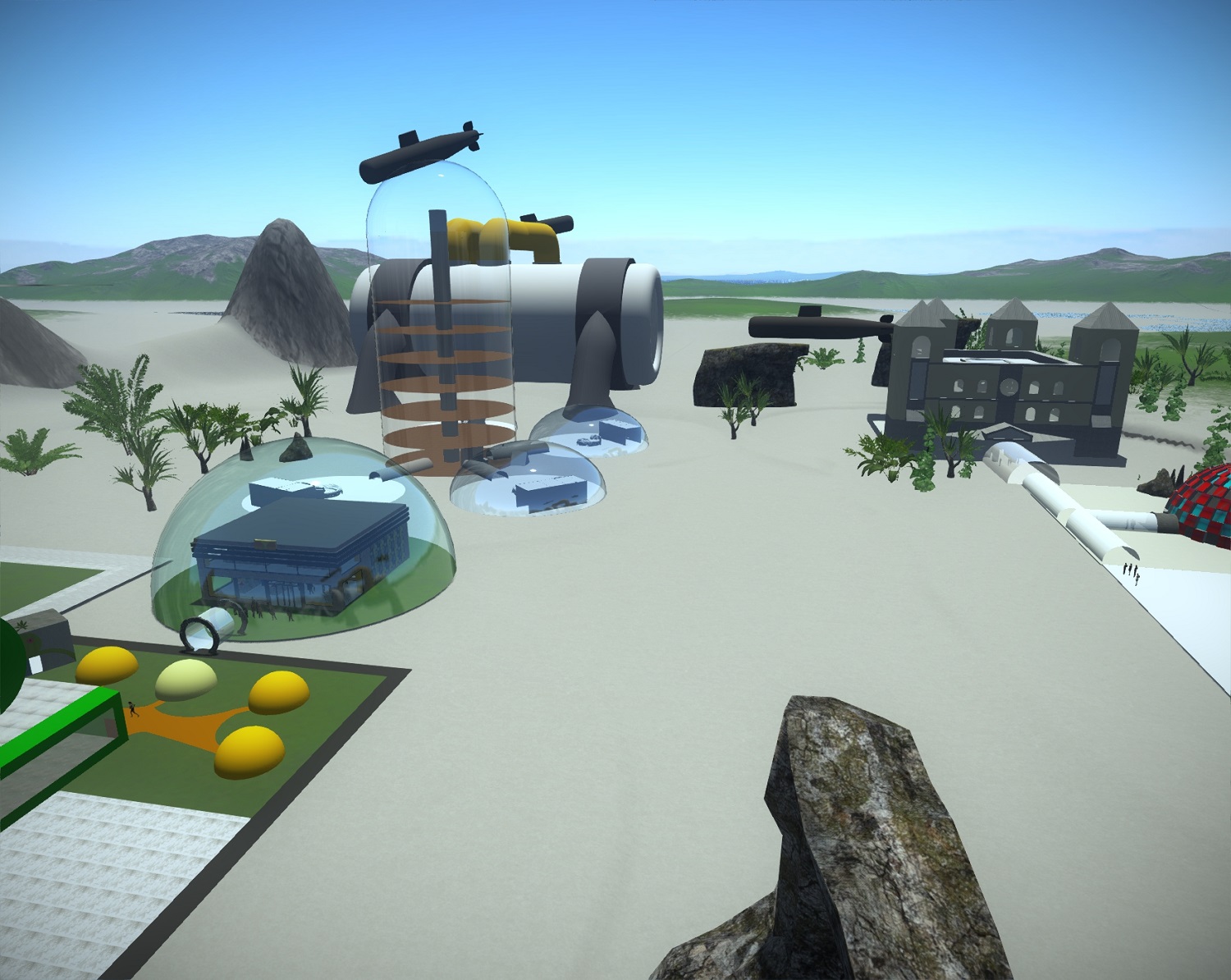
VGTU lecturer, Edgaras Timinskas, and Class 12 pupils, have succesfully designed a virtual city, this time an imaginary city on the seabed. It’s the third time we have worked on projects such as this, the aim being to encourage schoolchildren to develop their design skills and explore practical possibilities. 

Working in teams, the first step was to decide what buildings would be needed. Each team selected one building, and then worked with their concept during the semester. The task included describing in detail the purpose of the building, its form, and finding similar buildings at home and abroad from which they could draw inspiration. From here, each team created a digital model of the building, drew up sketches and designed their 3-D model, keeping in mind that the structure would need to be absolutely watertight and able to withstand water pressures experienced on the sea floor. On this occasion they chose the following buildings: a submarine repair garage, a hostel, a club, Parliament, a hotel, SPA Centre, a supermarket, Plantation, Café, Central Park, stadium, office building with garages, plant shop, cinema, underwater power plant and a customer contact center. 

Creating their city required them to use new types of materials that don’t actually exist right now. The idea was that the new materials could be used to construct unusual forms of underwater structures.

During the semester, pupils identified the tools for building information modeling (BIM) projects, using a simplified model of the chosen building. All of the modeling tools used are available online via the Internet browser Autodesk Formi, which meant that pupils could continue to work on their project at VGTU facilities, at school, and at home. The knowledge and skills gained from previous lectures helped many pupils to further enrich their projects. 

For design,Tinkercad, Solidworks, Blender program packages were used to great effect. Teamwork was vital in the design of the structures because every member made an equal contribution to every part of the project – in modelling, preparing the explanatory notes, and presentation.
 
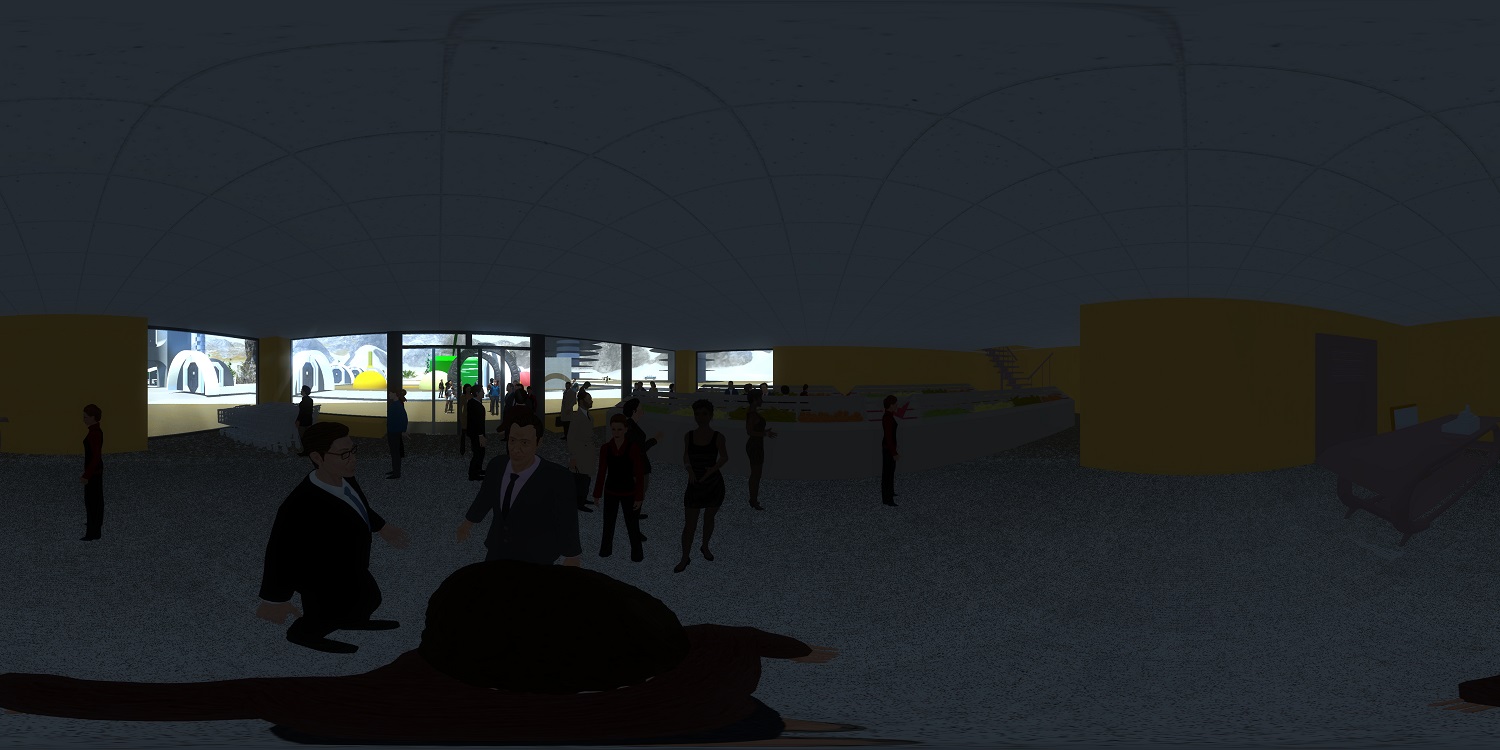
At the end of the semester, every building project across the different teams was connected in one model using Bentely Systems LumenRT. The city was created and prepared for virtual reality (VR). It was during the final class that pupils visited VGTU’s "LinkMenų fabrikas" virtual reality lab where each team presented their project and explained how they went about the task. During the presentation, pupils and teachers were able to walk inside the virtual city. You can view the images and presentation memories in Photo Gallery. You can also view a video of virtual city.

https://www.facebook.com/watch/?v=600222954060319

Galerija

Related news

New VILNIUS TECH eBook
Nauja VILNIUS TECH elektroninė knyga: Kristina Stankevičiūtė, Jūratė Černevičiūtė, Stasys Mostauskis, Liutauras Labanauskas, Marius Salynas Reflecting Popular Culture: Theories and Research (Reflektuojant popkultūrą: teorijos ir tyrimai)Collected Monograph The book is written in Lithuanian This book is the first volume of the planned five-volume monograph series Popular Culture in Lithuania. Its principal aim is to examine the understanding of the phenomenon of popular culture and the nature of its perception as they are relevant in the Lithuanian context, thereby establishing a theoretical foundation for the further analysis of the field of popular culture, which is intended to be presented in the subsequent volumes of the series. The overall objective of the monograph series is to chart the field of popular culture in Lithuania and to survey its current situation, assessing both its historical development and possible prospects for future research. The first volume presents theoretical discussions outlining the concept of popular culture as a phenomenon, its philosophical, aesthetic, and industrial characteristics, and its history of emergence. These discussions are grounded in the traditional conception of popular culture as standing in opposition to serious or high culture. Taken together, the contributions may be broadly described as belonging to a field of academic research oriented toward the theoretical reflection on popular culture. The volume is intended for researchers and students in the field of cultural studies, as well as for all those interested in processes within the cultural sphere. eBook edition >>> * VILNIUS TECH extends complimentary access to its entire library of e-books to members within the university community. Institutional users are granted cost-free access to the e-books by logging onto the University's computer network, whether on-site or remotely through a Virtual Private Network (VPN). To facilitate offline reading without an internet connection, it is requisite to install the IPC Reader offline application. Users can subsequently download the desired e-books while connected to the institutional network and read them offline at their convenience. For additional details concerning e-books, please refer to the provided link >>>
More
New doctoral dissertation
VILNIUS TECH Library invites you to follow the published new dissertations. The dissertation „A framework for assessing food loss and waste along the food supply chain: the case of Lithuania“ prepared at VILNIUS TECH by Ovidija Eičaitė. The dissertation was prepared in 2025–2026. Scientific consultant – Dr Tomas Baležentis. The dissertation was defended at the public meeting of the Dissertation Defence Council of the Scientific Field of Economics in the Aula Doctoralis Meeting Hall of Vilnius Gediminas Technical University at 10 a.m. on 11 June 2026. Food loss and waste (FLW) represents a global challenge with serious environmental, economic, and social implications. It contributes to inefficient use of resources, increased greenhouse gas emissions, and financial losses across the food supply chain (FSC), while also undermining efforts to achieve food security. To address this issue, the United Nations (UN) set Sustainable Development Goal 12.3, which aims to halve food waste at the retail and consumer level by 2030 and reduce food loss in production and supply chains. Achieving this goal requires a comprehensive assessment of FLW and systematic data collection across all stages of the FSC. This dissertation develops and applies a framework for assessing FLW across the key stages of the Lithuanian FSC. The framework clearly defines FLW, determines the scope of the assessment, and establishes a methodological approach for measuring and analysing FLW based on primary data collection using questionnaire-based surveys in primary production, the food industry, and retail trade, as well as food waste diaries in households. The application of the developed framework delivers the first comprehensive FLW estimates for primary production, the food industry, and households in Lithuania, while also providing more precise food waste estimates for retail trade than previously available. The results show that estimates of food loss in primary production vary substantially across products, ranging from 0.1% for milk to 20.1% for beets. Environmental factors and stringent consumer or buyer standards are the main contributors to crop losses, while diseases represent the main cause of livestock losses. The food industry generates an estimated 10.9 thousand tonnes of edible food loss annually, corresponding to approximately 4 kg per capita, mainly due to inefficiencies in processing operations and product non-compliance with commercial standards. Retail trade generates 36.4 thousand tonnes of food waste each year, equivalent to about 13 kg per capita, largely driven by product expiration and spoilage. Household food waste averages 74.5 kg of edible food per capita per year, with common causes including spoilage, over-preparation, and over-serving. The estimates generated in this research establish a baseline for FLW across the key stages of the Lithuanian FSC, enabling monitoring of changes and supporting more refined and comparable assessments over time. They also provide an empirical basis for formulating and evaluating measures aimed at reducing FLW. Doctoral dissertation readers can search via VILNIUS TECH Virtual Library.
More