• University
  • News and events

VILNIUS TECH and the prestigious University of London offer an exclusive study program: graduates will receive two diplomas

December 9, 2024
What to study? This is a question that thousands of high school graduates face daily. Choosing a study program is a challenging task, as the opportunities to pursue higher education have long since extended beyond the borders of Lithuania. Every year, many Lithuanians leave to study in other EU countries or around the world, seeking better-quality education and career prospects. This is quite an expensive investment, which not all families can afford. A great alternative is the new dual-degree program in Multimedia Design offered by VILNIUS TECH and Goldsmiths, University of London. This program allows students to gain international experience at a prestigious university and receive diplomas from both institutions in just four years.

Dual degree – double the opportunities

The dual-degree program in Multimedia Design (Interactive Digital Media and Networked Arts) offered by Vilnius Gediminas Technical University (VILNIUS TECH) and Goldsmiths, University of London, is an excellent choice for creative individuals interested in computer science and multimedia technologies.

In the first two years, students will study at VILNIUS TECH, where they will build a solid foundation of knowledge and skills required for successful further studies at Goldsmiths, University of London. While living and studying in the UK, they will deepen their understanding of contemporary digital art, learn how to apply multimedia technologies for creative tasks, and work on final projects. Upon returning to Vilnius for their fourth year and successfully completing their studies, they will receive diplomas from both universities.

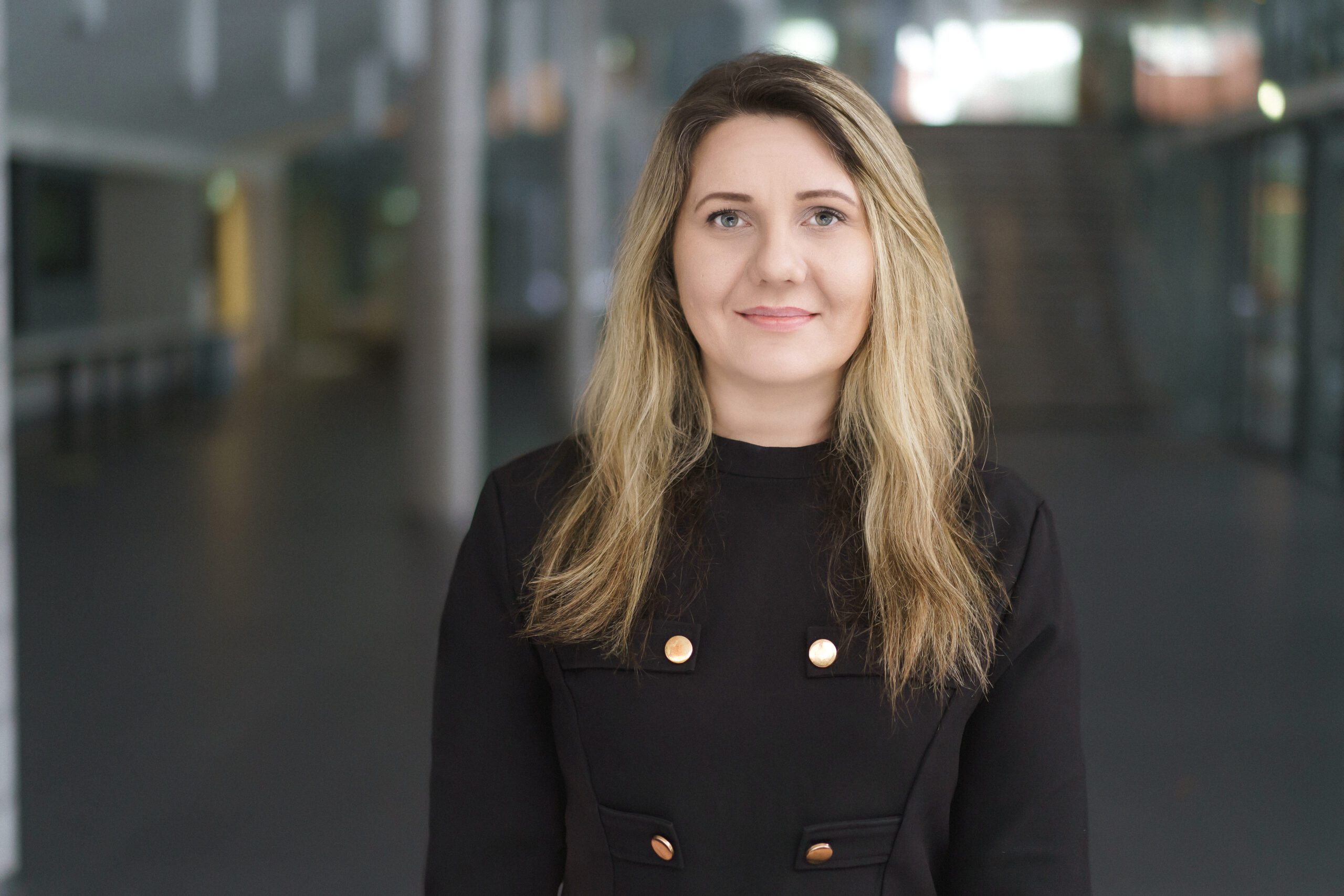
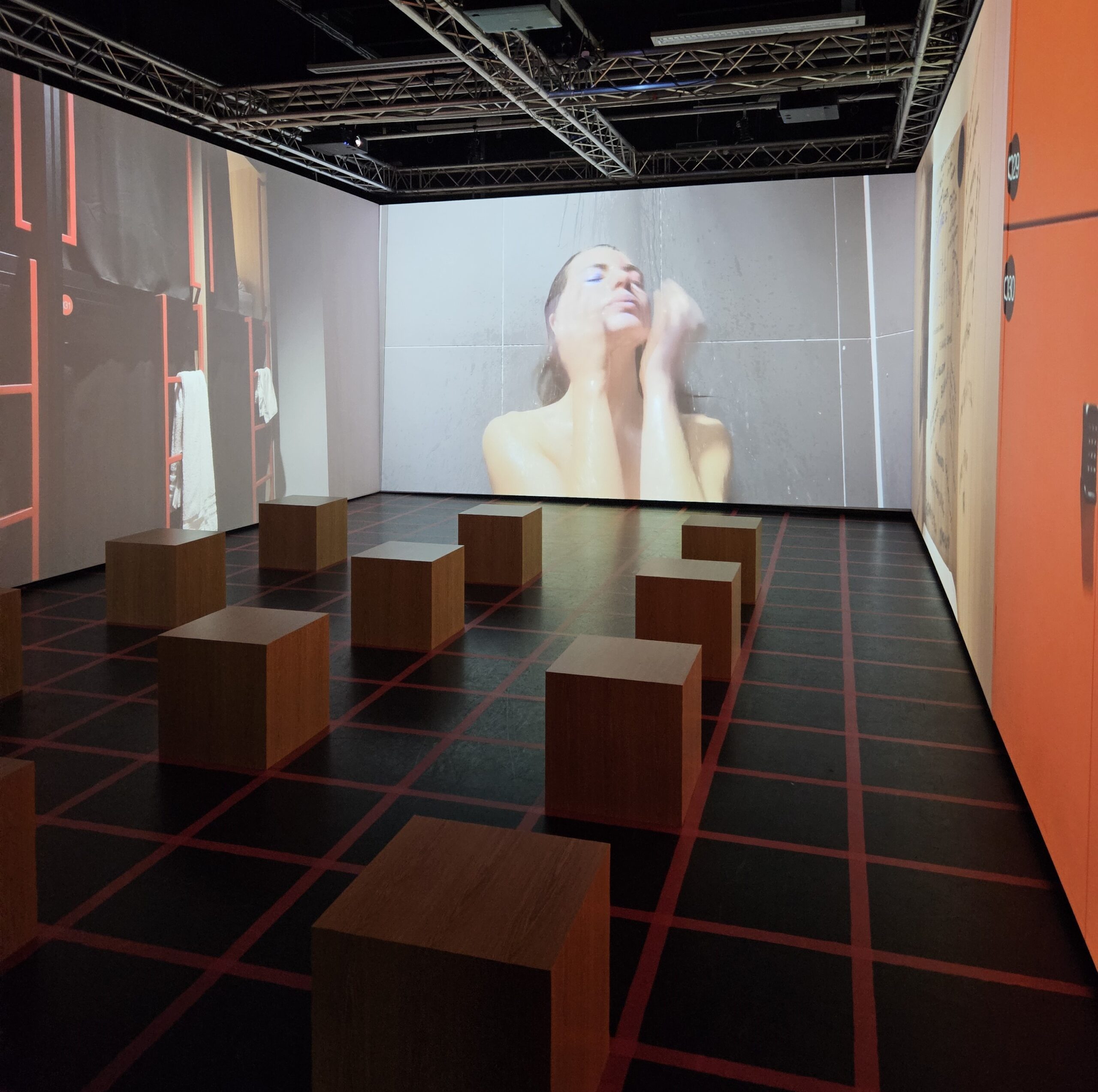
"The ability to combine theoretical and practical knowledge of multimedia, technology, and art is particularly important in the rapidly developing fields of information technology, creative industries, and game development. This can be seen in the final exhibitions of the 'Digital Art Computing' program at Goldsmiths, where students from the Multimedia Design dual-degree program will also present their projects. These works demonstrate their creative potential and are evaluated both technologically and artistically," says Dr. Ingrida Lescauskiene, Associate Professor at the Department of Graphic Systems at VILNIUS TECH.

Competitive advantage in the international market

This study program, however, is aimed at students who want much more than just creating interesting multimedia projects. Compared to regular Multimedia and Computer Design studies, students in the dual-degree program will focus more on the impact of contemporary multimedia products on society, the technological and cultural value of digital art, and the ability to present their ideas to an international audience, says Dr. Lescauskiene.

"They will study more than just 3D virtual environments, physical multimedia solutions, game design, and the integration of audio and video signals into contemporary art installations. Special attention will be paid to the interactivity of these projects," adds the VILNIUS TECH researcher. "Studying at two universities will not only allow students to improve their skills as multimedia specialists and gain knowledge, abilities in high demand in today's job market but also offer international experience that will undoubtedly strengthen graduates' competitive advantage."

Graduates of the Multimedia Design bachelor's program will be able to work in fields such as virtual and augmented reality solutions, video game development, interactive digital products and mobile apps creation, UI/UX design, front-end and back-end programming, web page design, and the application of digital art.

An investment in an international career

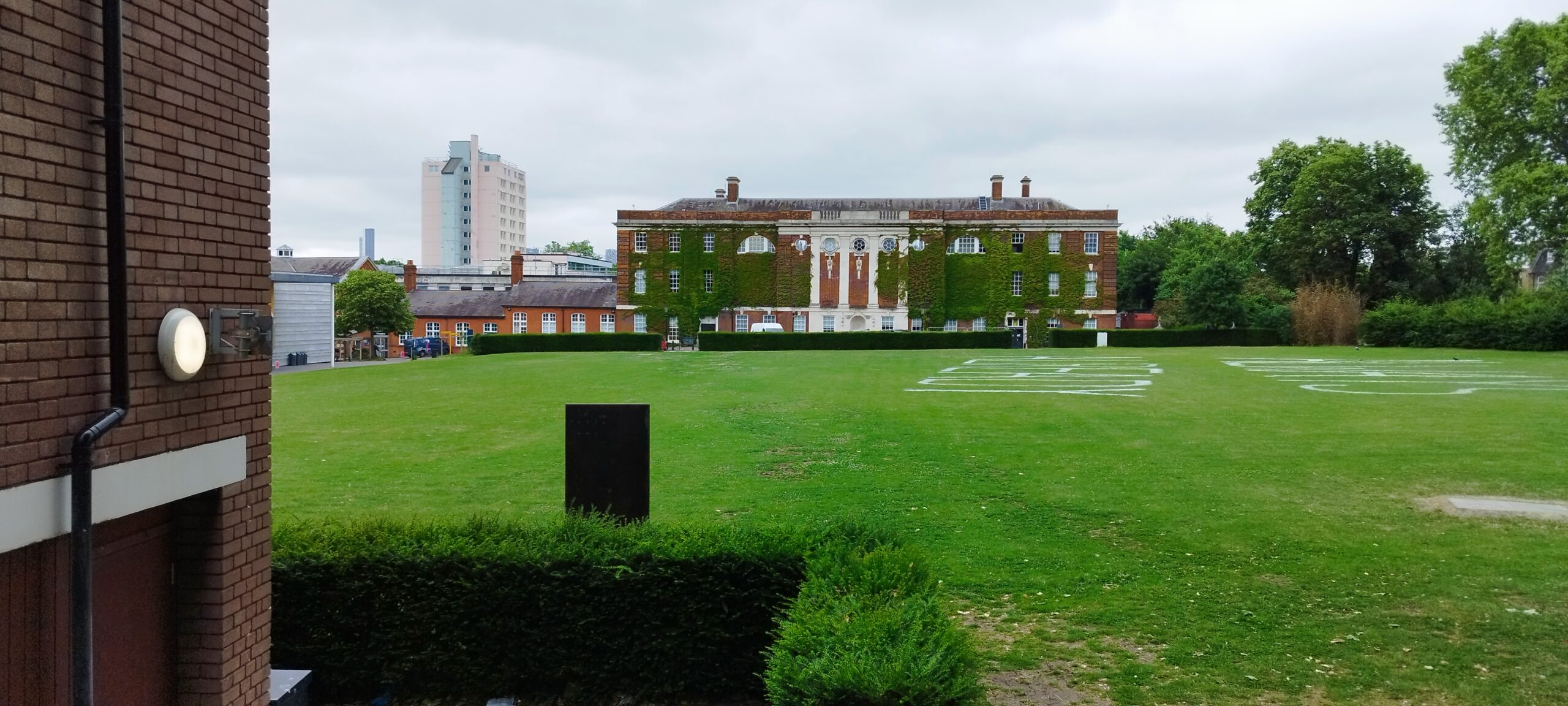
The UK is renowned for having one of the highest standards of higher education worldwide. The dual-degree program is a great alternative for graduates who may not have the financial means to study in the UK but still wish to gain experience at one of the best academic institutions: according to QS rankings, Goldsmiths University is ranked 16th in the world in multimedia studies. As the program is taught in English, it is suitable for Lithuanian and international students.

For Lithuanian students accepted into state-funded places, the first two years and the final year of studies in Vilnius will be covered by the state, so they will only need to pay for the third year spent in London. One year of study will cost £15,000, but the final price will depend on the amount that exceeds the study funding limit. For international students, the payment conditions will remain the same, and they will pay an equal share annually for the dual-degree program.

"Although this may seem like a large sum, it is much lower than the cost of studying the Digital Art Computing program for three years. Moreover, this investment pays off handsomely. After completing the dual-degree program, graduates will not only receive diplomas from both VILNIUS TECH and Goldsmiths University in Interactive Digital Media and Networked Arts but also invaluable experience and important connections that can serve as a springboard to success on the international stage," says Dr. Lescauskiene.

More information about the dual-degree study program can be found here and here.

Galerija
Related news

The lecture “Leading a team using KPI-based management” will take place at the Faculty of Business Management
This year, on May 27 at 6:10 PM, at the invitation of the lecturer of the Department of Management, Dr. Liudmila Lobanova, the Cognizant Lithuania team Lech Jaroš (Team Lead) and Eglė Butkienė (Team Lead) will give a lecture “Leading a team using KPI based management”. The lecture will be held in Lithuanian in S3(SRK-I) 108 auditorium. In this interactive session, guest speakers from Cognizant will introduce the core principles of KPI-based management and explain how the right metrics can transform the way teams operate. You’ll learn which KPIs matter most, such as productivity, utilization, and service-level agreements, and how to measure them effectively to improve efficiency and simplify operational planning. You’ll also explore best practices in capacity management and walk through real-life examples of capacity-planning calculations. The session will also cover employee performance management using KPIs, including setting meaningful KPI targets, clarifying their value for managers and employees, introducing company tools for tracking and reviewing KPI results, and leading constructive performance conversations. You’ll gain hands-on guidance for leading 1:1 conversations, including common dos and don’ts, and hear real-life examples and lessons learned from experience leading teams with KPI-based management. Don’t miss out on this valuable and engaging session! Lecture moderator: Dr. Liudmila Lobanova
More
New doctoral dissertation
VILNIUS TECH Library invites you to follow the published new dissertations. The dissertation „Research on the impact of human factors on software development processes“ prepared at VILNIUS TECH by Šarūnė Sielskaitė. The dissertation was prepared in 2020–2026. Scientific consultant – Prof. Dr Diana Kalibatienė. The dissertation was defended at the public meeting of the Dissertation Defense Council of the Scientific Field of Informatics Engineering in the Aula Doctoralis Meeting Hall of Vilnius Gediminas Technical University at 2 p.m. on 21 May 2026. The software development process (SDP) is a complex and multifaceted system of interrelated activities influenced by numerous variables, including the development methodologies and the human factor (HF), which play a central role. While methodologies, such as AGILE and WATERFALL, define structured approaches to software development, the actual trajectory, duration, and outcomes of the SDP are often significantly shaped by human-related factors. As a knowledge-intensive and dynamic process, SDP depends heavily on human expertise, collaboration, and decision-making. The human factor encompasses a wide range of behavioral, cognitive, and social dimensions, including individual skills, motivation, and team interactions, which introduce variability and uncertainty into the process. Due to its abstract nature and the difficulty of quantification, HF remains a subject of ongoing academic and practical research aimed at identifying the key human-centric determinants that influence the success of software development. Consequently, a deeper understanding and effective management of these factors are essential for achieving favorable project outcomes and advancing the maturity of software engineering practices. This research introduces a novel approach to examining the influence of HF on the SDP, offering a comprehensive perspective through the lens of distinct software development methodologies. The proposed approach incorporates several innovative elements, including the application of fuzzification techniques to model HF uncertainties within SDP activities. By capturing the variability and unpredictability of human behavior, this approach allows for a more nuanced representation of HF impact. Additionally, the proposed approach uses a case-handling paradigm to model and simulate different SDP instances from real-world SDP scenarios, further enabling their dynamic and case-based analysis. To ensure the robustness and relevance of the findings, real HF-related data were collected from multiple IT organizations, providing a solid empirical foundation for the study. The findings of this research reveal notable differences in how HF influences SDP performance across the WATERFALL and AGILE methodologies. These contrasting approaches result in varying degrees of HF impact on project timelines, quality, and risk levels. The dissertation’s results not only contribute to a deeper understanding of HF’s role in SDP but also provide valuable insights for researchers and practitioners involved in software development projects. By elucidating the relationship between HF and different SDP methodologies, this research equips stakeholders with the knowledge needed to assess and mitigate software development risks. Doctoral dissertation readers can search via VILNIUS TECH Virtual Library.
More