VILNIUS TECH and TU Graz Meeting Focuses on Sustainability and Digital Defence

November 10, 2025

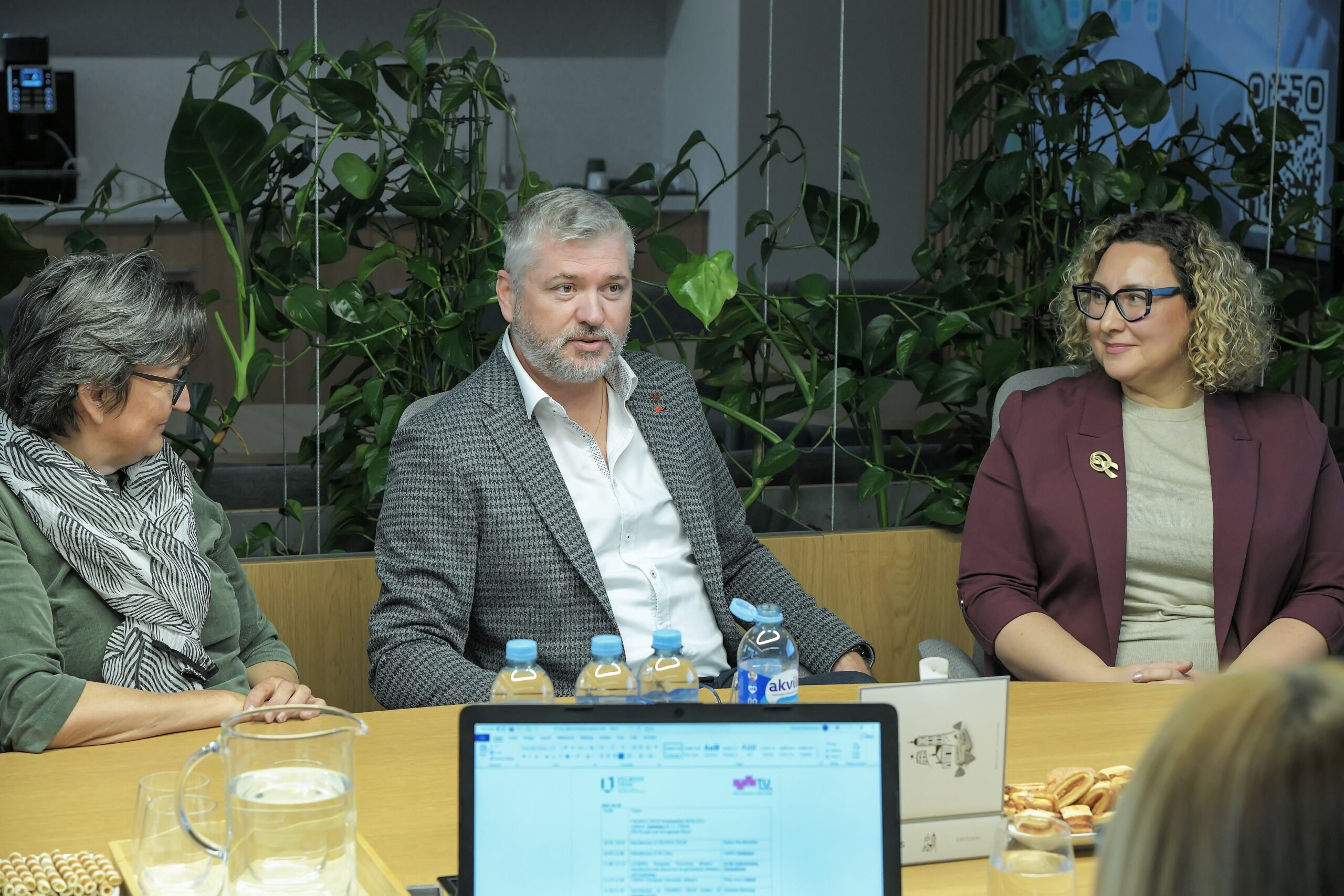
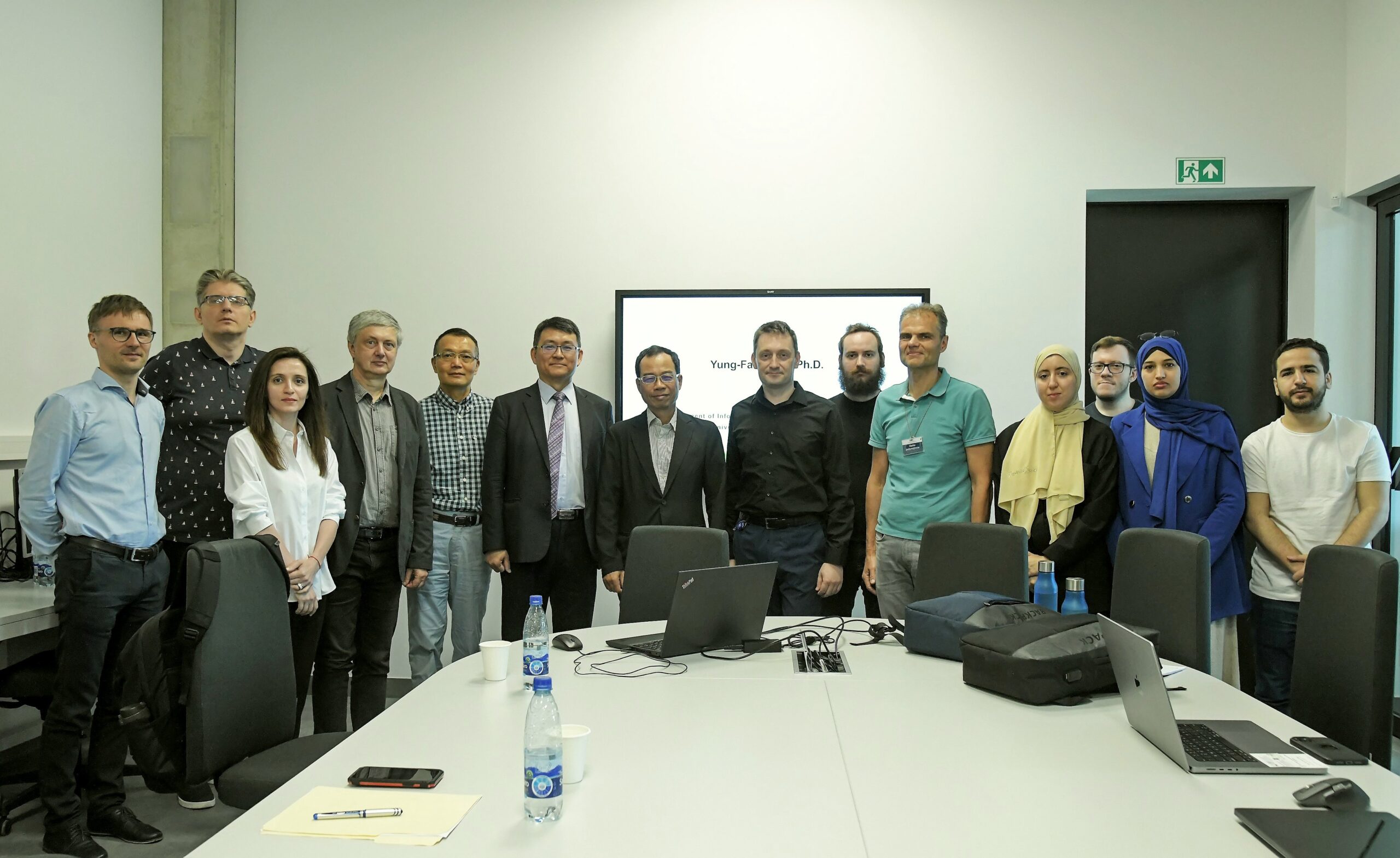
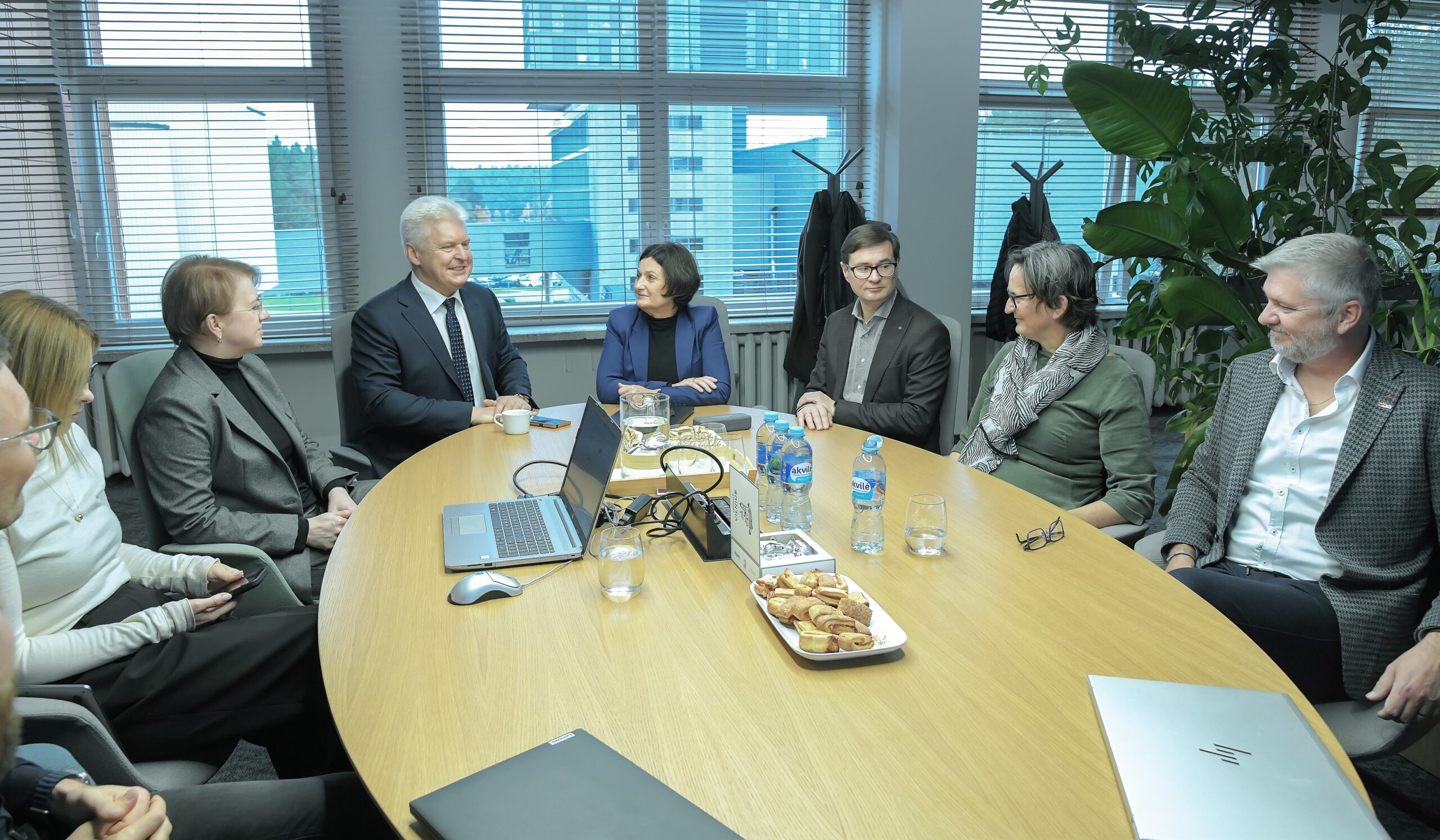
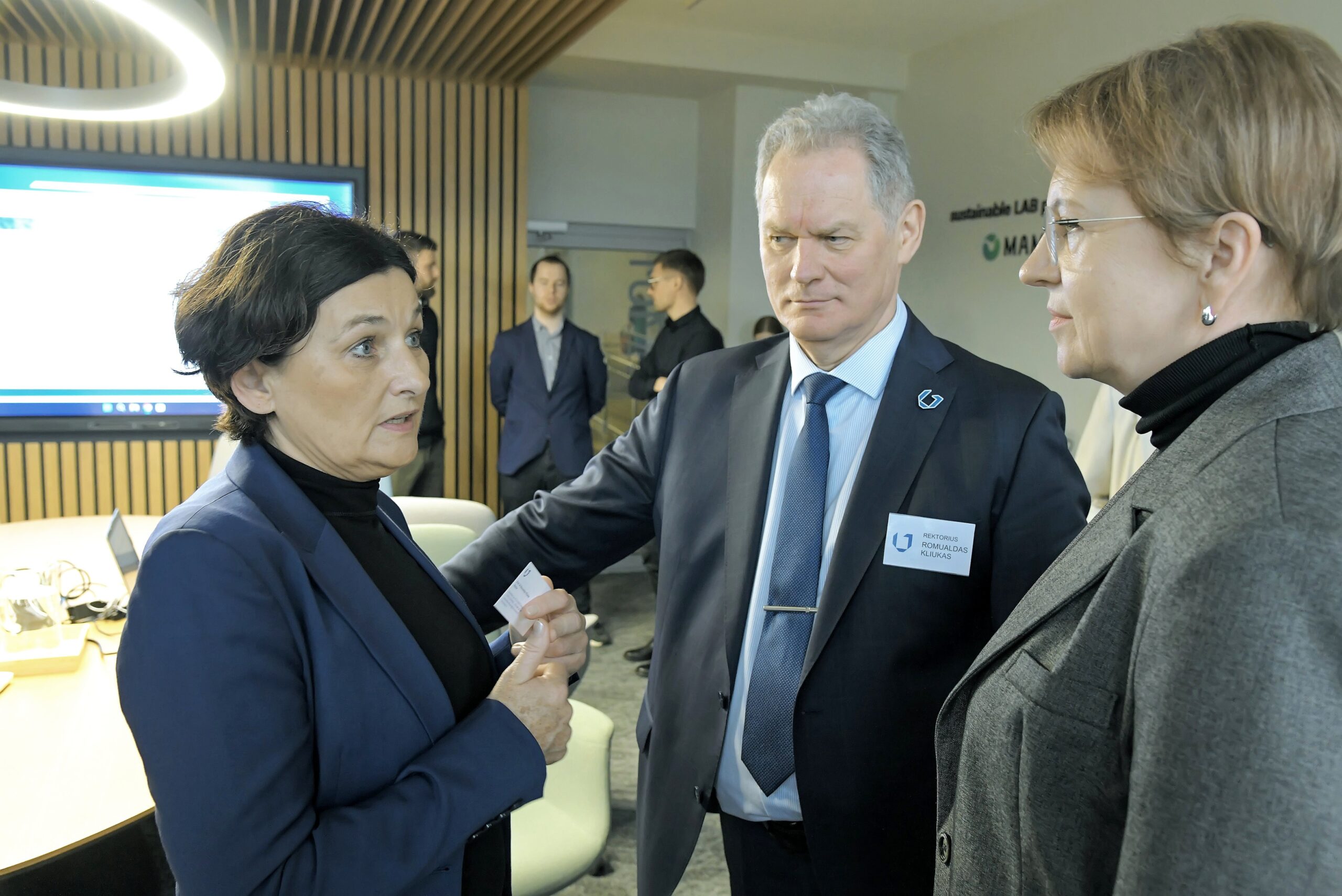
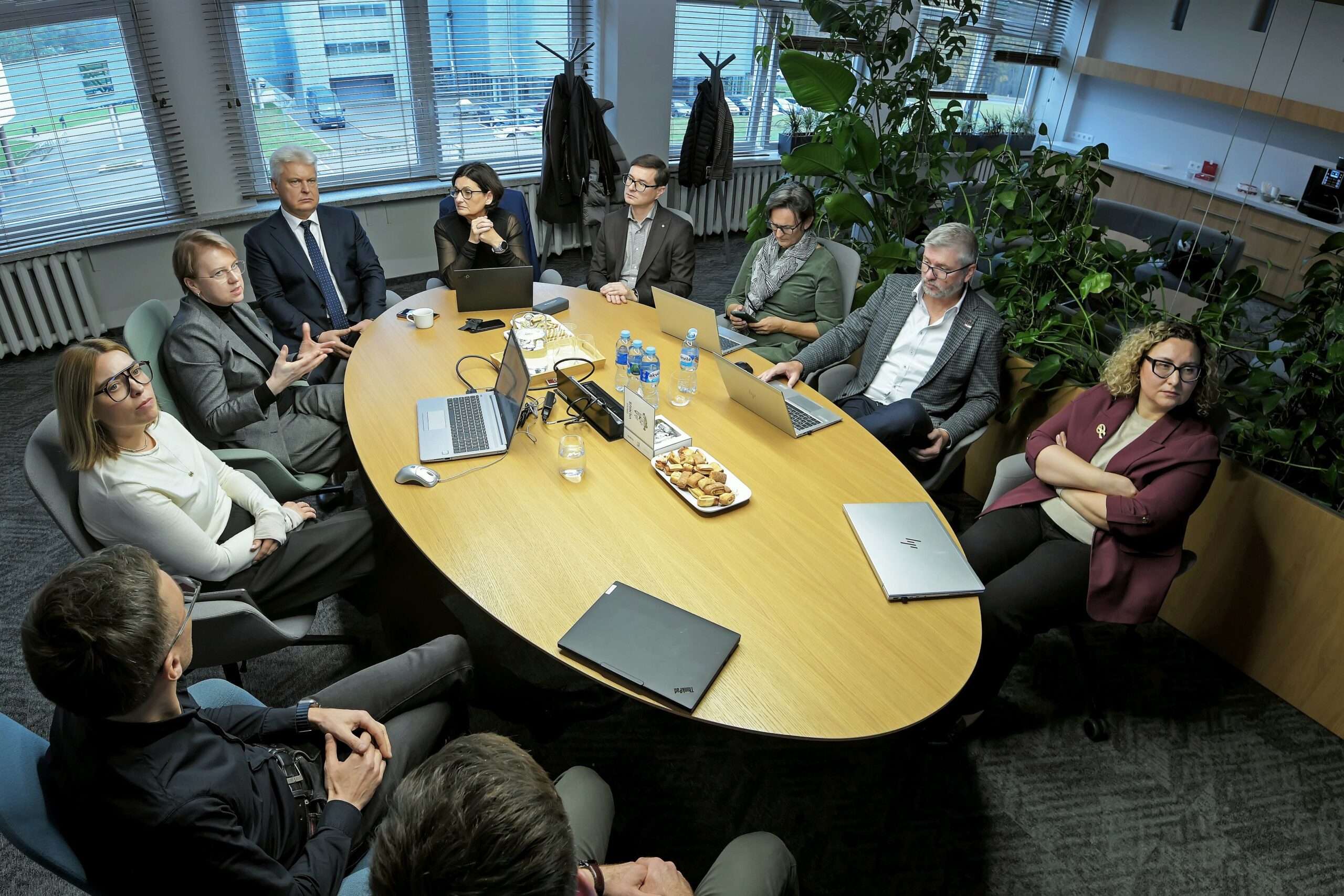
The partnership between two leading technology universities is being strengthened – VILNIUS TECH met with a delegation from Graz University of Technology (TU Graz), Austria. The meeting paved the way for closer cooperation in research projects, doctoral studies, and student and researcher exchange programs.

European University Alliances: Success Stories and Challenges

Discussions paid significant attention to the experience of European University Alliances. This served as the primary platform for sharing insights on the advantages and challenges of strategic partnerships.

VILNIUS TECH Vice-Rector for Studies, Assoc. Prof. Dr. Živilė Sederavičiūtė-Pačiauskienė, presented the example of the “Athena” alliance, which currently operates and successfully continues its activities, holding the status of a “Seal of Competence.”

TU Graz representatives shared the successful experience of the “Unite!” alliance. This alliance, uniting nine partners, helped nearly double the number of joint “Horizon Europe” project applications.

Both sides agreed that alliances provide a huge advantage in finding reliable partners and ensuring higher-quality project applications due to increased mutual trust. However, challenges were also discussed—such as overly ambitious expectations in applications, the need to ensure the involvement of all administrative levels, and the complex coordination of financial contributions among partners.

Sustainability – A Research Priority for Both Sides

Specific VILNIUS TECH initiatives were also presented at the meeting. Simonas Barsteiga, Head of the Competence Centre for Smart and Climate-Neutral Production Processes, Materials and Technologies, presented the center’s mission: uniting different faculties and laboratories for common goals. VILNIUS TECH scientist Assoc. Prof. Dr. Arvydas Rimkus presented the experimental research conducted by the Laboratory for Innovative Building Structures, the Civil Engineering Research Centre, and Materials Engineering.

Representatives of Graz University of Technology presented research directions in Civil Engineering and Chemical and Bioengineering, similar to those of the VILNIUS TECH Sustainability Centre. The main focus was on solutions that reduce CO2 emissions and improve building efficiency—such as biological and recycled materials, additive manufacturing, and lightweight constructions.

The discussions identified shared research and innovation development interests, such as biologically receptive concrete and green facade technologies, composites from waste (tires, wood, agricultural residues), lightweight hybrid constructions and 3D printing in construction, and New European Bauhaus (NEB)-themed projects focused on sustainable, aesthetic, and climate-neutral infrastructure.

“The lightweight hybrid structures and biologically active facade solutions developed in our laboratory demonstrate that sustainability does not necessarily mean a compromise between efficiency and aesthetic results. Collaboration with TU Graz will strengthen our ability to implement these ideas in real urban and industrial environments,” said Dr. Arvydas Rimkus, Head of the Laboratory for Innovative Building Structures at VILNIUS TECH.

Both universities are interested in joining existing consortia working under the New European Bauhaus initiative calls—especially in the creation of innovative materials and construction solutions. It was emphasized that such partnerships would allow for greater synergy and research efficiency.

New Challenges in Digital Defence

Significant attention was paid to research related to digital defence and cybersecurity. The potential of projects funded by the European Defence Fund (EDF) and the European Innovation Council (EIC) was particularly emphasized in this area.

During the discussion, TU Graz presented its work streams, covering defence, Artificial Intelligence (AI)-based cybersecurity, protection of autonomous systems, and Industrial Internet of Things (IoT) security. Austrian researchers are conducting studies related to digital forensics tools, threat intelligence sharing, and the implementation of zero-trust architectures.

VILNIUS TECH presented the competencies of its leading ComARC Competence Centre, which develops solutions for UAV/UGV/USV swarm control, teleoperation, digital twins, and “cloud-enabled autonomy,” along with projects from the Transport and Logistics Research Centre related to smart mobility models and autonomous transport control algorithms, and the DigiDefense Digital Defence Centre, which creates AI-based solutions for cyber defence, digital forensics, and critical infrastructure protection.

Both sides agree that autonomous systems and their cybersecurity constitute a priority direction for future cooperation, opening opportunities for EDF, EIC Pathfinder, Horizon Cluster 3, and Dual-use themed consortia.

“The meeting revealed clear directions where our scientific competencies overlap—from circular materials and sustainable construction to autonomous systems and digital defence. Together, we can create solutions that transform industry and contribute to strengthening European resilience,” stated Dalius Navakauskas, VILNIUS TECH Vice-Rector for Research and Innovation.

Galerija
Related news

New VILNIUS TECH eBook
Nauja VILNIUS TECH elektroninė knyga: Kristina Stankevičiūtė, Jūratė Černevičiūtė, Stasys Mostauskis, Liutauras Labanauskas, Marius Salynas Reflecting Popular Culture: Theories and Research (Reflektuojant popkultūrą: teorijos ir tyrimai)Collected Monograph The book is written in Lithuanian This book is the first volume of the planned five-volume monograph series Popular Culture in Lithuania. Its principal aim is to examine the understanding of the phenomenon of popular culture and the nature of its perception as they are relevant in the Lithuanian context, thereby establishing a theoretical foundation for the further analysis of the field of popular culture, which is intended to be presented in the subsequent volumes of the series. The overall objective of the monograph series is to chart the field of popular culture in Lithuania and to survey its current situation, assessing both its historical development and possible prospects for future research. The first volume presents theoretical discussions outlining the concept of popular culture as a phenomenon, its philosophical, aesthetic, and industrial characteristics, and its history of emergence. These discussions are grounded in the traditional conception of popular culture as standing in opposition to serious or high culture. Taken together, the contributions may be broadly described as belonging to a field of academic research oriented toward the theoretical reflection on popular culture. The volume is intended for researchers and students in the field of cultural studies, as well as for all those interested in processes within the cultural sphere. eBook edition >>> * VILNIUS TECH extends complimentary access to its entire library of e-books to members within the university community. Institutional users are granted cost-free access to the e-books by logging onto the University's computer network, whether on-site or remotely through a Virtual Private Network (VPN). To facilitate offline reading without an internet connection, it is requisite to install the IPC Reader offline application. Users can subsequently download the desired e-books while connected to the institutional network and read them offline at their convenience. For additional details concerning e-books, please refer to the provided link >>>
More
New doctoral dissertation
VILNIUS TECH Library invites you to follow the published new dissertations. The dissertation „A framework for assessing food loss and waste along the food supply chain: the case of Lithuania“ prepared at VILNIUS TECH by Ovidija Eičaitė. The dissertation was prepared in 2025–2026. Scientific consultant – Dr Tomas Baležentis. The dissertation was defended at the public meeting of the Dissertation Defence Council of the Scientific Field of Economics in the Aula Doctoralis Meeting Hall of Vilnius Gediminas Technical University at 10 a.m. on 11 June 2026. Food loss and waste (FLW) represents a global challenge with serious environmental, economic, and social implications. It contributes to inefficient use of resources, increased greenhouse gas emissions, and financial losses across the food supply chain (FSC), while also undermining efforts to achieve food security. To address this issue, the United Nations (UN) set Sustainable Development Goal 12.3, which aims to halve food waste at the retail and consumer level by 2030 and reduce food loss in production and supply chains. Achieving this goal requires a comprehensive assessment of FLW and systematic data collection across all stages of the FSC. This dissertation develops and applies a framework for assessing FLW across the key stages of the Lithuanian FSC. The framework clearly defines FLW, determines the scope of the assessment, and establishes a methodological approach for measuring and analysing FLW based on primary data collection using questionnaire-based surveys in primary production, the food industry, and retail trade, as well as food waste diaries in households. The application of the developed framework delivers the first comprehensive FLW estimates for primary production, the food industry, and households in Lithuania, while also providing more precise food waste estimates for retail trade than previously available. The results show that estimates of food loss in primary production vary substantially across products, ranging from 0.1% for milk to 20.1% for beets. Environmental factors and stringent consumer or buyer standards are the main contributors to crop losses, while diseases represent the main cause of livestock losses. The food industry generates an estimated 10.9 thousand tonnes of edible food loss annually, corresponding to approximately 4 kg per capita, mainly due to inefficiencies in processing operations and product non-compliance with commercial standards. Retail trade generates 36.4 thousand tonnes of food waste each year, equivalent to about 13 kg per capita, largely driven by product expiration and spoilage. Household food waste averages 74.5 kg of edible food per capita per year, with common causes including spoilage, over-preparation, and over-serving. The estimates generated in this research establish a baseline for FLW across the key stages of the Lithuanian FSC, enabling monitoring of changes and supporting more refined and comparable assessments over time. They also provide an empirical basis for formulating and evaluating measures aimed at reducing FLW. Doctoral dissertation readers can search via VILNIUS TECH Virtual Library.
More