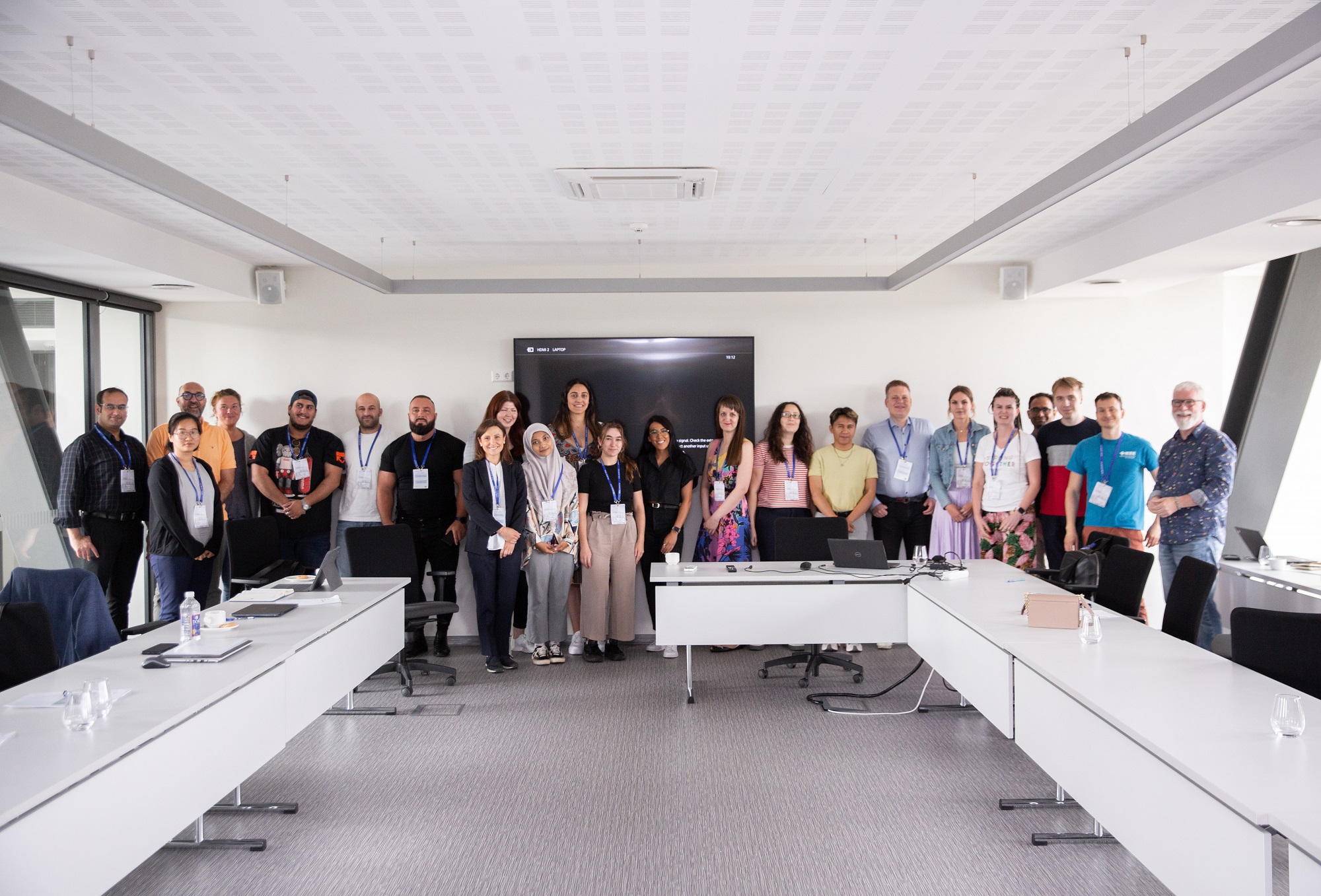
From July 17th to 21st, young research talents from all over the world gathered at the Doctoral Summer School in Vilnius to develop leadership skills, discuss the latest scientific achievements, share knowledge and ideas, and build connections that are highly beneficial for their scientific careers. The Summer School, organized by the Doctoral School of Vilnius Gediminas Technical University (VILNIUS TECH) in collaboration with the ATHENA European University Alliance, brought together approximately 40 young researchers, including doctoral students from Iceland, Spain, Greece, Malaysia, Italy, and other countries. Alongside doctoral students from Lithuania, these young scientists delved into soft skills, participating in workshops on creativity, networking, academic writing, and scientific communication, led by professors from renowned European universities.
"Science and scientific research are the driving forces of innovation and progress in our society, so preparing scientists to communicate their research results, find their audience, and sell their ideas is a crucial aspect in popularizing science and the achievements of scientists. We aimed to empower the doctoral students to creatively present not only the issues explored in their research but also to reveal the significance of these problems to society in a language that is easily understandable," says Assoc. Prof. Skirmantė Mozūriūnaitė, the coordinator of the international PhD Summer School for doctoral students.
During the opening ceremony, the participants were greeted by the Vice-Rector for Science and Innovation, Prof. Dr. Dalius Navakauskas from VILNIUS TECH. He wished the young researchers to establish numerous beneficial connections, strengthen collaborations with colleagues from foreign countries, and actively engage in the sessions and fruitful discussions of the summer school.
Is creativity in science undervalued?
The school kicked off with an "icebreaker" session led by VILNIUS TECH lecturer David Reid Anderson. During the first session, young researchers from various fields discovered that science is a universal language and how crucial creativity is in both science and innovation development.
"Without creative thinking, there can be no innovation", says David Reid Anderson.
"From my perspective, achieving a balance between creativity and critical thinking is crucial. In education, there is often an assumption that students possess creative skills, but this isn't always the case. As someone with a strong creative background, I believe we must engage students to utilize creative thinking in addressing problems," states D. R. Anderson.
As PhD summer school lecturer states, that critical thinking, embodies a scientific and pure approach, but it requires a willingness to accept the possibility of being wrong. "Through exploration and making mistakes, we can discover new insights and ultimately progress in our understanding. Creativity should be an integral part of the academic process. Students need to actively engage with criticality to better foster their creative abilities."
Scientists' voice in society – how to be heard?
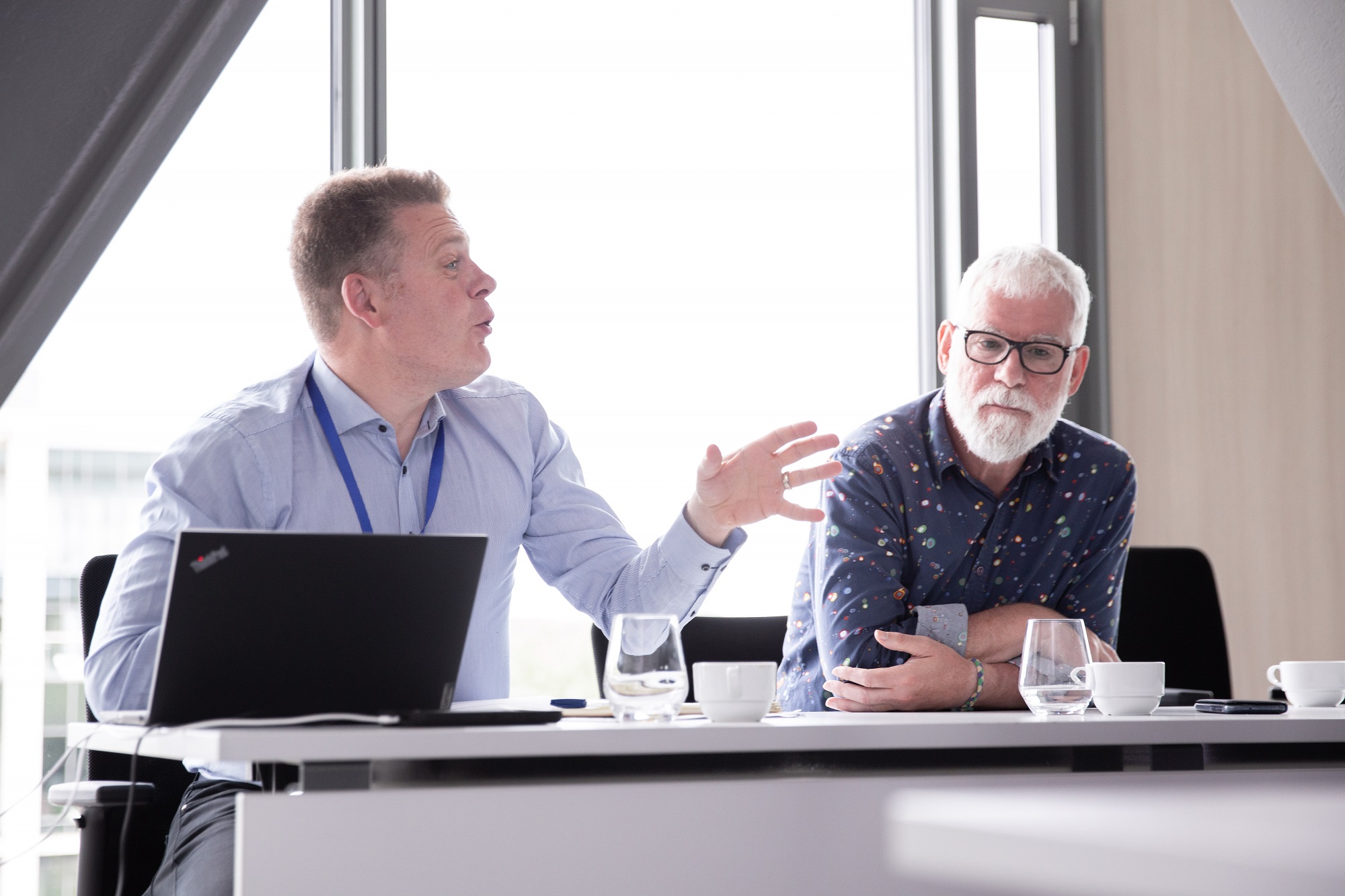
"Scientists are an integral part of society, adding a deeper dimension to their work that goes beyond mere research communication," Professor Dr. Anssi Juotsiniemi from Aalto University in Finland says. The professor taught doctoral students the intricacies of academic writing at the summer school.
"Understanding the relevance of our research to society allows us to find the right narrative for our audience. By employing diverse writing styles and argumentation techniques, we can address crucial issues effectively. If we merely report our findings, communication becomes challenging, limiting our reach to a smaller audience," says Professor.
Networking – the path to success in a scientist's career
According to the organizers of VILNIUS TECH PhD Summer School, the international and diverse audience of students contributed to the success of the school. Students had the opportunity to learn from each other and discuss their research projects with doctoral students from various fields.
Professor Dr. Toby Erik Wikström, who came to Vilnius from the University of Iceland, is also convinced that communication with diverse audiences is highly beneficial for researchers.
"Networking with diverse audiences is highly beneficial, as it compels you to communicate even more clearly than usual. Captivating the audience's attention becomes crucial, especially in the face of numerous challenges like science denial, climate change denial, and historical denial. It is incumbent upon us, across all disciplines, to step up and engage with the general public," Professor Dr. Toby Erik Wikström says.
The Importance of Soft Skills in Science
"The significance of soft skills is elevated since they can be developed, even if initially lacking", emphasizes Prof. Dr. Konstantinos Petridis, the Secretary-General of the ATHENA European University Alliance. Professor spoke about the importance of soft skills in education during the summer school.
According to Prof. Dr. Konstantinos Petridis, the ATHENA European university alliance has taken a proactive approach to enhancing soft skills by establishing the ATHENA Soft Skills Academy. This academy offers a series of online courses and lectures, providing students with valuable opportunities to develop essential soft skills. Every week, lectures are conducted in collaboration with industrial partners, focusing on the most sought-after skills in the job market.
"We aim to encourage students, especially those who may feel shy or lack presentation skills, to persevere and practice. This advice applies to all soft skills, as they are interconnected. A proficient presenter often possesses excellent observation skills, sharp critical thinking, and sound decision-making abilities. Developing one skill leads to the improvement of others, creating a comprehensive skill set," says Prof. Dr. K. Petridis.
"Looking ahead, the ATHENA alliance envisions further collaboration among all doctoral schools, with the continued development and expansion of the Soft Skills Academy being one of the main activities," he adds.
Galerija