VILNIUS TECH contributes to Baltic Climate Action capacity-building project BALCA

February 3, 2026

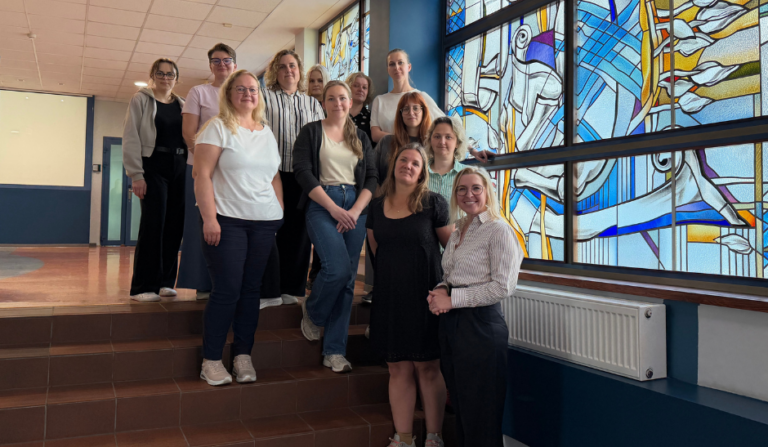
VILNIUS TECH is a partner in the EU-funded project BALCA – Building Capacity for Baltic Climate Action, implemented within the South Baltic region. The project aims to strengthen the capacity of local actors to cooperate on climate action, both within local communities and across borders, with a strong focus on reducing emissions related to transport and consumption.

Coordinated by Alvesta Municipality (Sweden), the BALCA consortium brings together municipalities, universities and civil society organisations from Sweden, Poland and Lithuania. Project partners include Vilnius Gediminas Technical University (VILNIUS TECH), Tczew Municipality, Linnaeus University, Gryfino Municipality, Administration of Tauragė District Municipality, and Jedwabno Municipality.

BALCA focuses on mutual learning and knowledge exchange to better engage and motivate citizens to reduce their climate footprint. While awareness of climate issues is increasing, many people still struggle to turn knowledge into concrete action. The project addresses this gap by involving citizens directly in decision-making processes and empowering them to take practical, locally relevant climate action.

A key element of BALCA is the creation of citizen-led action groups, bringing together working-age residents who develop and implement local solutions that promote sustainable behaviour. Through this participatory and cross-border approach, the project contributes to the objectives of the European Green Deal and the EU Strategy for the Baltic Sea Region (EUSBSR).

Within the project, VILNIUS TECH contributes academic expertise and research-based insights to support knowledge exchange, citizen engagement methodologies and the development of effective approaches to climate action at the local level. The university plays an active role in strengthening cooperation between municipalities, researchers and communities across the Baltic region.

The project runs from 1 September 2025 to 28 February 2027 and is supported by the Interreg South Baltic Programme 2021–2027, with a total EU co-financing of €160,000 from the European Regional Development Fund (ERDF).

Related news

TRANSPORT Journal Achieves Significant Improvement in International Bibliometric Indicators
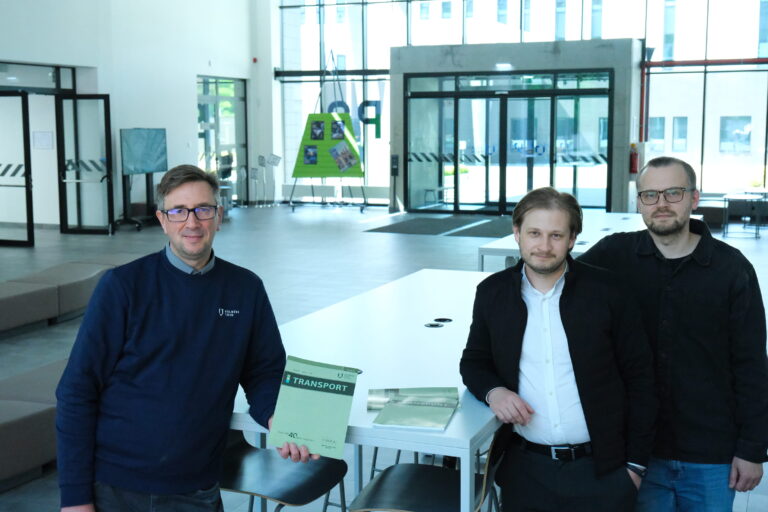
The international bibliometric indicators released in 2026, based on 2025 publication data, confirm the remarkable growth of the scientific journal TRANSPORT, published by VILNIUS TECH, and its strengthening position within the global scholarly publishing landscape. Published since 1986, the journal disseminates original research in transportation science and technologies. The journal is indexed in the prestigious international databases Scopus and Web of Science, which are among the world's leading sources for the evaluation and analysis of scholarly publications. The journal’s visibility, scientific impact, and citation performance are reflected in bibliometric indicators that are updated annually by the international information and analytics companies Elsevier and Clarivate Analytics. The latest results demonstrate particularly strong progress for the journal. Advancement to a Higher Quartile in the Web of Science Ranking   According to the latest 2026 Journal Citation Reports data published by Clarivate Analytics, the journal TRANSPORT advanced from the fourth quartile (Q4) to the third quartile (Q3) in the Transportation Science & Technology category and currently ranks 42nd among 80 journals. In 2025, the journal was ranked 58th among 77 journals in the category. One of the most important indicators of journal quality, the Journal Impact Factor (JIF), more than doubled over the year, increasing from 1.3 to 3.1. The five-year Impact Factor also showed substantial growth, rising from 1.4 to 2.1. This positive trend is further confirmed by the Journal Citation Indicator (JCI), which increased from 0.20 to 0.36. Based on this metric, the journal also moved from Q4 to Q3. Growing Visibility in Scopus Significant improvements were also recorded in the Scopus database. The journal’s CiteScore increased from 2.9 to 4.0, while SNIP (Source Normalized Impact per Paper), one of the key indicators of normalized citation impact, rose from 0.598 to 0.878. Although the SJR (SCImago Journal Rank) indicator remained at a similar level (0.445 compared to 0.456 in the previous year), the journal maintained its strong standing and retained its second-quartile (Q2) position in both evaluated subject categories. In the Automotive Engineering category, the journal TRANSPORT improved its ranking from 50th to 42nd place among 143 journals. In Mechanical Engineering, the journal advanced from 341st to 290th place among 740 journals. A Result of Consistent Effort According to Editor-in-Chief Prof Dr Olegas Prentkovskis, the improved bibliometric indicators demonstrate the growing international visibility of the journal TRANSPORT, its increasing scientific impact, and the relevance of its published research to the global scholarly community. These achievements reflect the dedicated efforts of the editorial board, authors, reviewers, and publishers in maintaining the highest standards of scientific publishing. The results further strengthen journal’s position as one of the leading journals in the field of transportation science in the region and contribute to enhancing the international scientific visibility and academic reputation of VILNIUS TECH.
More