Stereotypes motivated, not made her scared
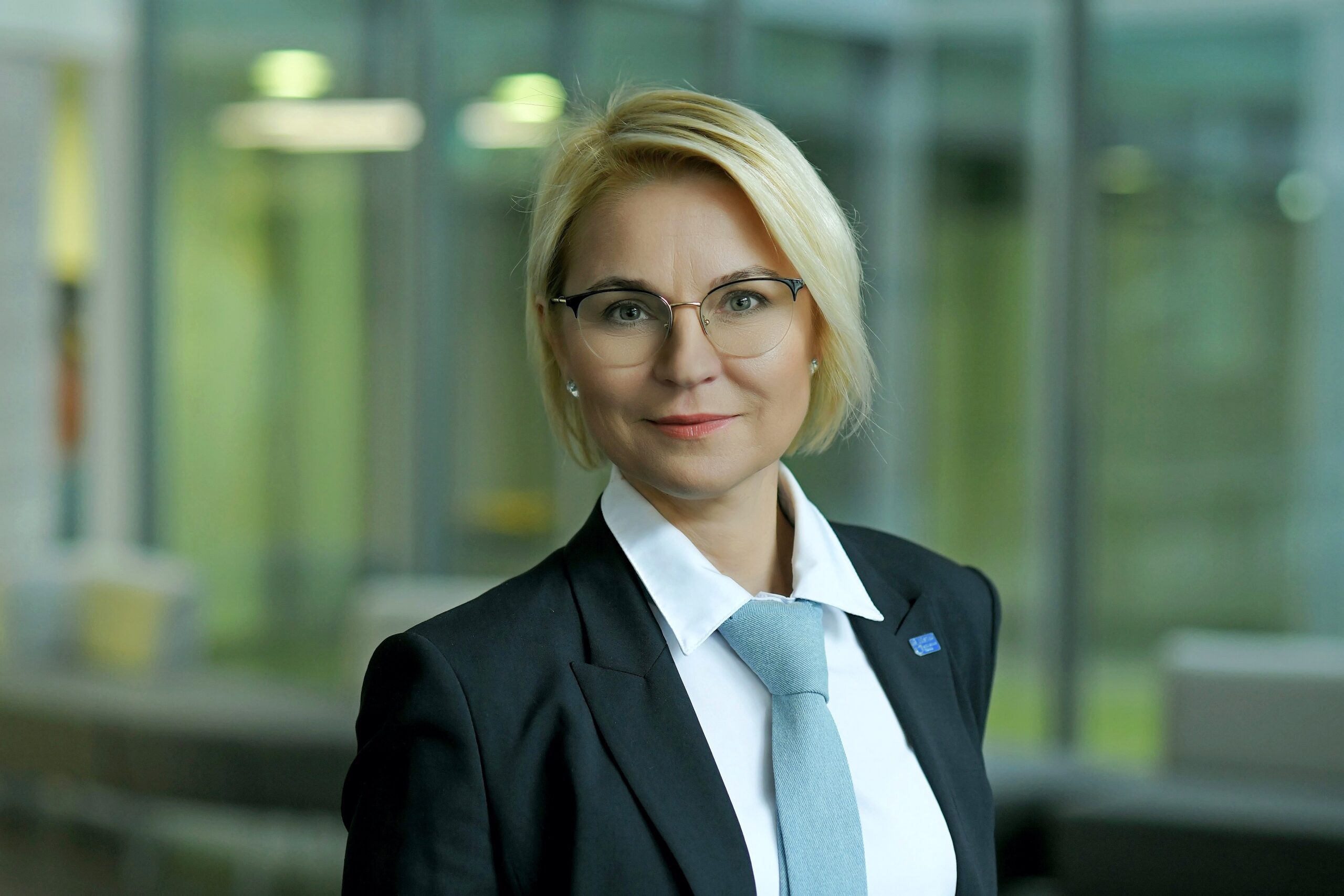
Professor Dr. Sonata Tolvaisiene began her professional journey at Vilnius Pedagogical University, where she earned a bachelor's and master's degree in physics, astronomy, and astrophysics. Although her family reacted with silence to her choice of study, her mother knew that her daughter was stubborn and would achieve her goals, no matter the cost. Eventually, she earned the unconditional support of her family, but she still faced unpleasant stereotypes at university.
"Unfortunately, I often heard things like, 'What are you doing? This isn't a place for girls.' How does a strong, self-confident girl respond? She just proves that she can, and in doing so, stops further interpretation. I am happy that these were isolated cases, and now there are no longer any stereotypes about women in engineering, or I no longer encounter them," smiles Professor Tolvaisiene.
While pursuing her master's degree, Dr. Tolvaisiene took a job at a school in Vilnius, where she earned the qualification of a senior teacher. Over time, she realized she wanted more – to pursue a Ph.D.
"At that time, Vilnius Gediminas Technical University had opened admissions for doctoral studies, and they offered me a position there. That's how my engineering journey began. I was lucky to write my dissertation in an amazing group of scientists who taught me a few rules I still apply today. For example, if you take on a job, finish it, or don't start it at all," recalls Dr. Tolvaisiene.
She believes she found herself in electrical engineering. This field is not monotonous because the constant search for solutions keeps her from staying in one place, which she thoroughly enjoys at work. Even more fulfilling is her ability to teach and contribute to the development of young people, with whom she feels a natural connection.
"Education is a meaningful field that allows me to pass on my knowledge and experience, inspire students to grow, and help them find their calling. This job requires dedication, so I consider it not just a profession, but a kind of vocation. I feel I am in the right place," smiles the professor.
Collaboration is more important than personal success
Professor Dr. Sonata Tolvaisiene, who teaches first- and second-year students and supervises final projects, says that as generations change along do their attitudes toward the environment, so teachers must be willing and able to adapt to these changes and the needs of young people.
"Sometimes it's better to hop on the last train going in the right direction than to spend your whole life going the wrong way," she says with a smile.
However, a teacher must be honest with themselves and ask whether they feel good giving a lecture. Only then will the lecture meet the expectations of the students.
"When you're a teacher, you can't not believe in what you're doing, because the younger generation will quickly notice your insincerity or indifference. If you don't believe in your work, maybe it's better not to do it. Additionally, you need to find common ground with different people. Sometimes that can be a challenge! However, there's an incomparable feeling when, at the end of the semester, after the last lecture, you say: 'Thank you for being with me this semester,' and the students start clapping! It's for moments like that that we work, because they make all the struggles worthwhile," says the educator.
Dr. Tolvaisiene builds a strong relationship with her students, based on mutual respect, trust, common goals, and by following the principles of community. This has not gone unnoticed by the university community – she was awarded the title "Teacher Who Builds Community" at VILNIUS TECH’s Best Teacher Awards.
The professor believes that to establish such relationships, openness, sincerity, empathy, and the ability to listen are essential. A teacher must understand the students' needs and challenges, show that their opinions matter, as they all share the common goal of improvement and growth.
"I believe a teacher should be not only a source of knowledge but also a source of support – a person who doesn't just teach but inspires and encourages students not to fear to make mistakes. Such relationships create a learning environment where everyone feels safe and valued. It's also important to be honest, clearly communicate expectations, and keep promises," she firmly believes.
Fostering collaboration
Dr. Tolvaisiene fosters collaboration not only with students but also with colleagues, gladly sharing her knowledge, experience, advice, and help. Selfless behaviour is increasingly rare these days, as competition and the pursuit of self-interest often take precedence. However, the professor is convinced that collegiality and community are key elements in the quality of education.
"When we share experiences and help each other, we create a stronger academic community where everyone can grow. Competition has its place, but collaboration is more important to me, because only through collaboration can we grow as specialists and help our students achieve the best results. Additionally, I believe that this way we can achieve more than by only seeking personal gain," says the VILNIUS TECH educator.
She adds that she is motivated to foster collegiality and collaboration in her daily work by the understanding that success is a long-term process, during which it is important to have a strong, supportive community.
"Collaboration, help, and respect for each other are more important than personal success," believes Professor Dr. Sonata Tolvaisiene.
Galerija