Professors Luigi Di Sarno and Alessandro Tarantino who work at University of Strathclyde and are known all over the world for their scientific achievements will give lectures for the students of Faculty of Civil Engineering, VILNIUS TECH.
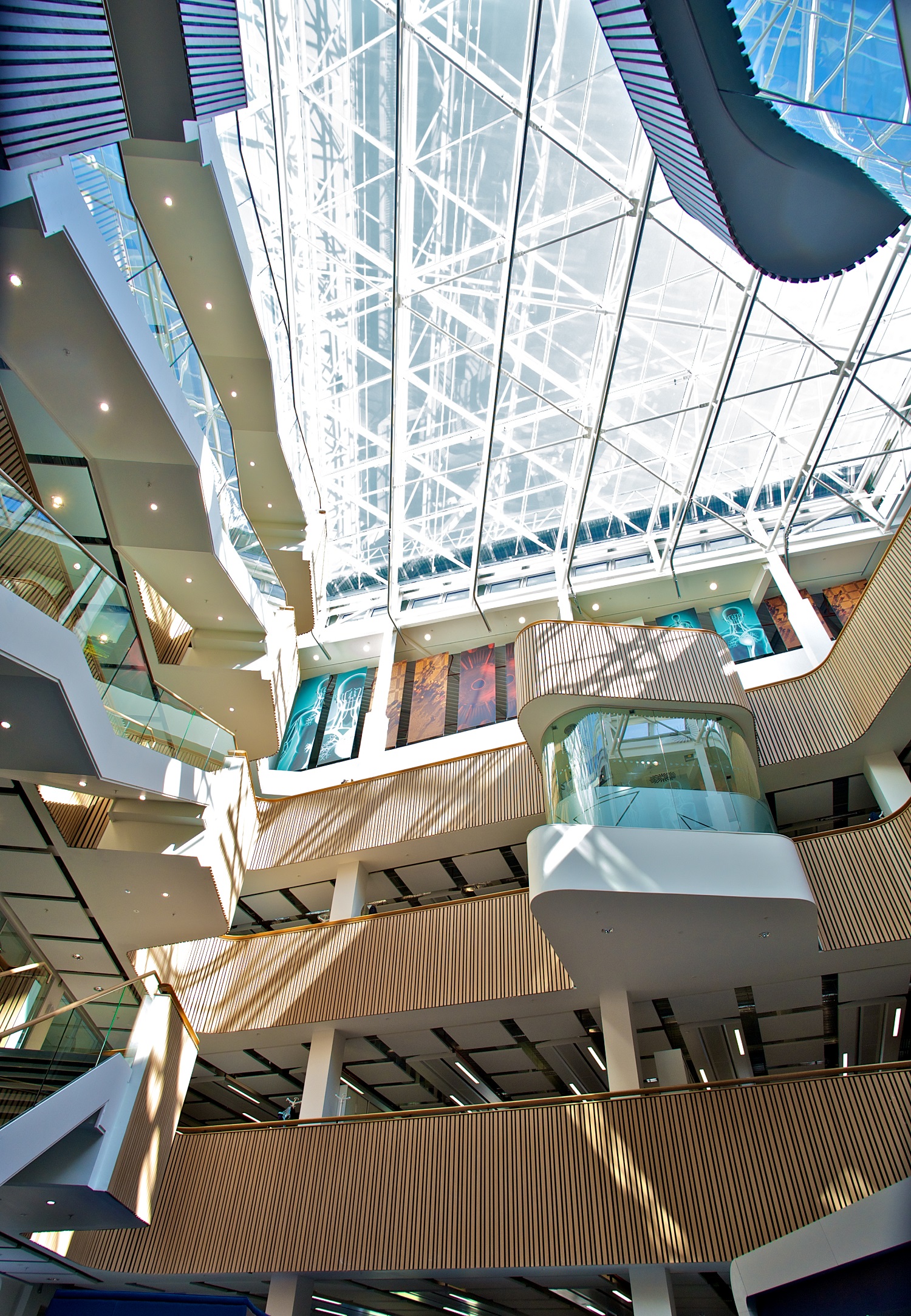
The University of Strathclyde is a leading international technological university located in Glasgow, Scotland. Founded in 1796 as the ‘place of useful learning’, Strathclyde counts the inventor of television, John Logie Baird, and one of the pioneers of wind power, James Blyth, among our alumni. Today, our dynamic city-centre campus is home to 23,000 students from more than 100 different countries. VILNIUS TECH students will have an exceptional opportunity to study in a double degree master's program with the University of Strathclyde – Structural Engineering and Civil Engineering.
Strathclyde is a multi-award winning institution – the University has recently held the titles of both UK University of the Year 2019-20 (THE Awards), and Scottish University of the Year 2019-20 (Times and Sunday Times Good University Guide). Strathclyde is ranked in the Top 15 UK Universities overall (Guardian University Rankings 2021), and in the most recent national research assessment exercise (REF 2014) the University was judged to be one of the UK’s top 20 most research-intensive institutions. In 2019 the University was also awarded a Queen’s Anniversary Prize, the UK’s highest national honour for higher and further education, for excellence in the field of energy innovation.
The Faculty of Engineering at Strathclyde is one of the largest, best-equipped, and most prestigious Engineering faculties in the UK. At Strathclyde, students have unparalleled access to state-of-the-art laboratory and teaching facilities, business connections and real-world experiences that prepare them for a wide range of careers in established and emerging industries.
The Faculty of Engineering is comprised of eight academic departments, seven of which are currently ranked in the UK Top 10 for both teaching (Complete University Guide 2021) and research (REF 2014). Engineering at Strathclyde is a truly international Faculty, with more than 6,000 students studying on over 100 degree courses. All of our undergraduate and many postgraduate degrees are professionally accredited (many by more than one body), offering a pathway to Chartered Engineer status and the development of specialist technical and professional skills. The Faculty has successful research and teaching partnerships all over the globe, and our programme of collaborative undergraduate and postgraduate degrees with international partners have graduated in excess of 600 students in the last five years.
The Department of Civil and Environmental Engineering has a history dating back over 130 years, and is currently ranked 9th in the UK (Complete University Guide Subject Rankings 2021). The Department offers a unique combination of expertise, including civil, environmental, chemical, mechanical and electrical engineering, as well as geosciences, material science, physics, chemistry and microbiology. It is also one of the only civil engineering departments in the UK to hold an Athena SWAN Silver Award for its work in supporting women in science and engineering.
The lectures introducing the DDP and the University of Strathclyde itself begin on March 29th. Professor Luigi Di Sarno will present the topic “Resilient and Sustainable Infrastructure – Opportunities and Challenges”.

Consequences of climate change are diverse and are affecting numerous urban and rural communities worldwide. Extreme weather events result in high material damage primarily to critical infrastructure, with special emphasis to existing ones. Climate change is unavoidable, but actions can be taken to avoid some of the extreme impacts that could occur. Further temperature increase is inevitable.
In a modern society facing daily climate change challenges, resilience of the built environment is vital for a sustainable growth. The latter target is aligned with the Climate Action of the 2030 Agenda for Sustainable Development and the 2015 Sendai Framework for Disaster Risk Reduction.
The presentation will focus on ageing infrastructure that are under the threats of climate change effects. It will also present cost-effective intervention schemes to enhance the structural performance and, in turn, extend the design life of built assets. Systemic approaches that can be used to reliably assess existing critical infrastructure are presented with respect to case studies which were investigated experimentally with advanced testing facilities.
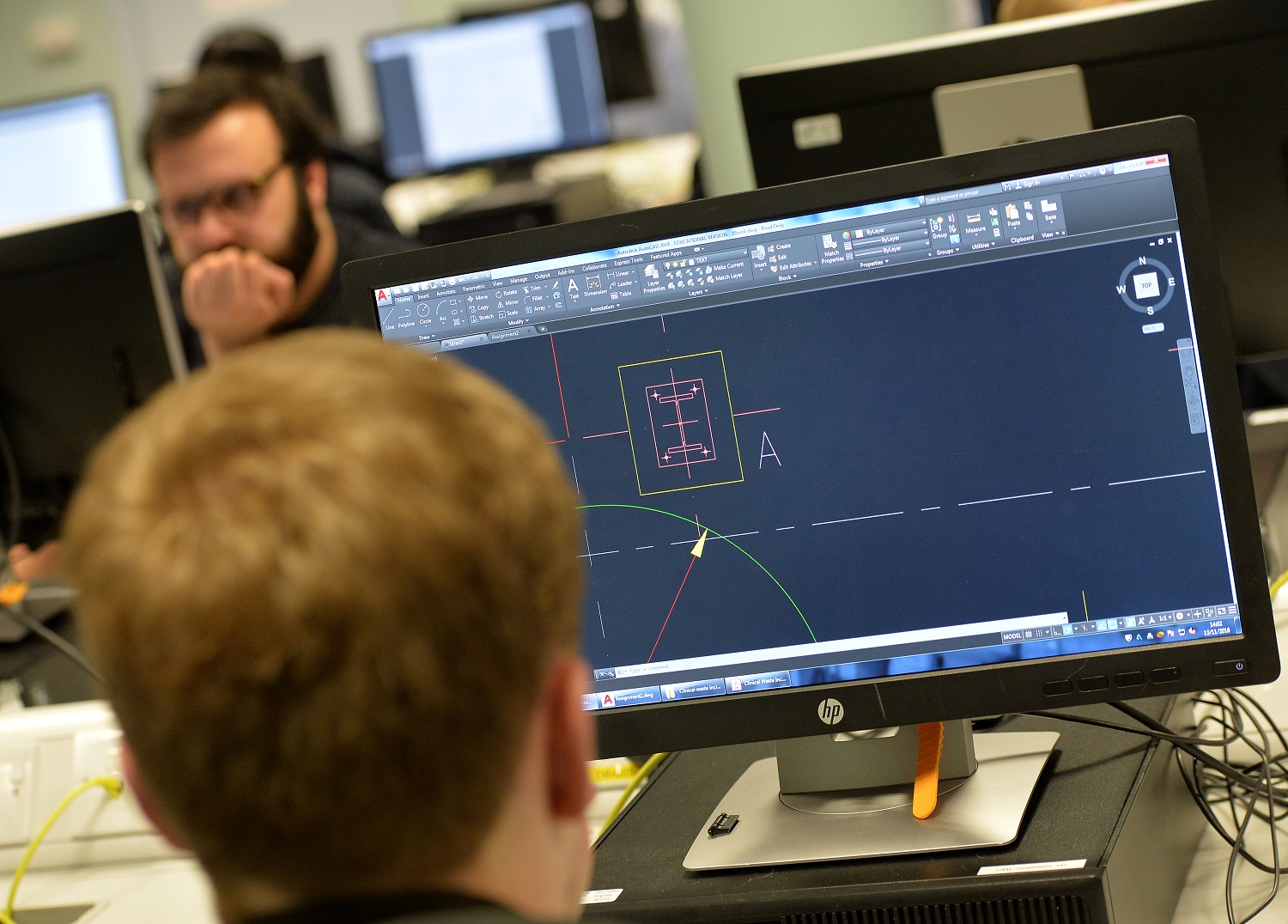
Use of novel low-carbon materials and innovative resilient metals will be discussed to explore their viability for efficient and sustainable retrofitting of infrastructure exposed to multi-hazards. Implementation of low-cost sensors for robust structural health monitoring will also be presented along with research challenges that can be developed through multidisciplinary approaches with other colleagues in the Department.
Luigi Di Sarno, Professor of Resilient and Sustainable Infrastructure, has recently moved to the Department of Civil and Environmental Engineering at University of Strathclyde. Luigi has global reputation in earthquake engineering and structural dynamics (in 2020, he was listed in the top 1% of the most influential researchers world-wide) and has experience in advanced experimental testing on structural and non-structural components under different loading scenarios. He has developed innovative experimental investigation methodologies for testing critical infrastructure under extreme environmental loadings, in collaboration with European and American research facilities.
Luigi is actively involved in the development of low-carbon, nature-based solutions for newly built sustainable and resilient infrastructure as well as retrofitting of ageing systems.
Luigi has authored more than 250 technical papers and two textbooks on earthquake engineering. He is currently member, as invited expert, of the Committees on “Performance-Based Design of Structures” and “Seismic Effects on Structures” by American Society of Civil Engineers (ASCE). He also serves as Secretary of the Working Group 11 of the European Association of Earthquake Engineering (EAEE) on “Seismic Design, Assessment and Retrofitting of Bridges”.
The second lecture " Building damage due to drought-induced foundation subsidence – a hidden risk of climate change" will take place on 12 April. It will be read by Professor Alessandr Tarantin, a lecturer at the University of Strathclyde.

Droughts cause widespread subsidence in clay deposits that lead to cracks in low-rise buildings. Eight surge events in the past 42 years in UK have generated repair costs with an average of £333m per year. In France, subsidence has first been reported after the 1976 drought, when severe building structure failures occurred. In 1989, tens of thousands of buildings were affected. Since then, this phenomenon has caused damage for an average of €340m per year.
Building damage generated by drought-induced foundation subsidence generally involve masonry walls (either infill or load bearing) in low-rise buildings supported by shallow foundations. The problem is not easily understood in engineering practice due to lack of knowledge of unsaturated soil mechanics and the soil-masonry wall interaction.
This lecture presents the geotechnical perspective of the problem, introducing basic concepts of unsaturated soil mechanics to unveil the mechanisms leading to differential settlements of shallow foundations upon prolonged periods of drought. It then makes the case for a closer collaboration between geotechnical and structural engineers to assess climate hazard and to design mitigation measures.
Professor Alessandro Tarantino is leading researcher in the field of unsaturated soil mechanics and the response of earth structures subjected to climate loading. He was keynote lecturer at the 3rd, 4th, and 5th International Conferences on Unsaturated Soils (2002, Brasil / 2006, USA / 2010 Barcelona), the 2nd and 3rd European Conferences on Unsaturated Soils (2012, Italy / 2016, Paris), the 3rd International Conference on ‘Soil Bio- and Eco-Engineering: The Use of Vegetation to Improve Slope Stability’ (Canada, 2012). He is keynote lecturer at the forthcoming 16th International Conference of IACMAG ‘International Association for Computer Methods and Advances in Geomechanics (2022, Italy).
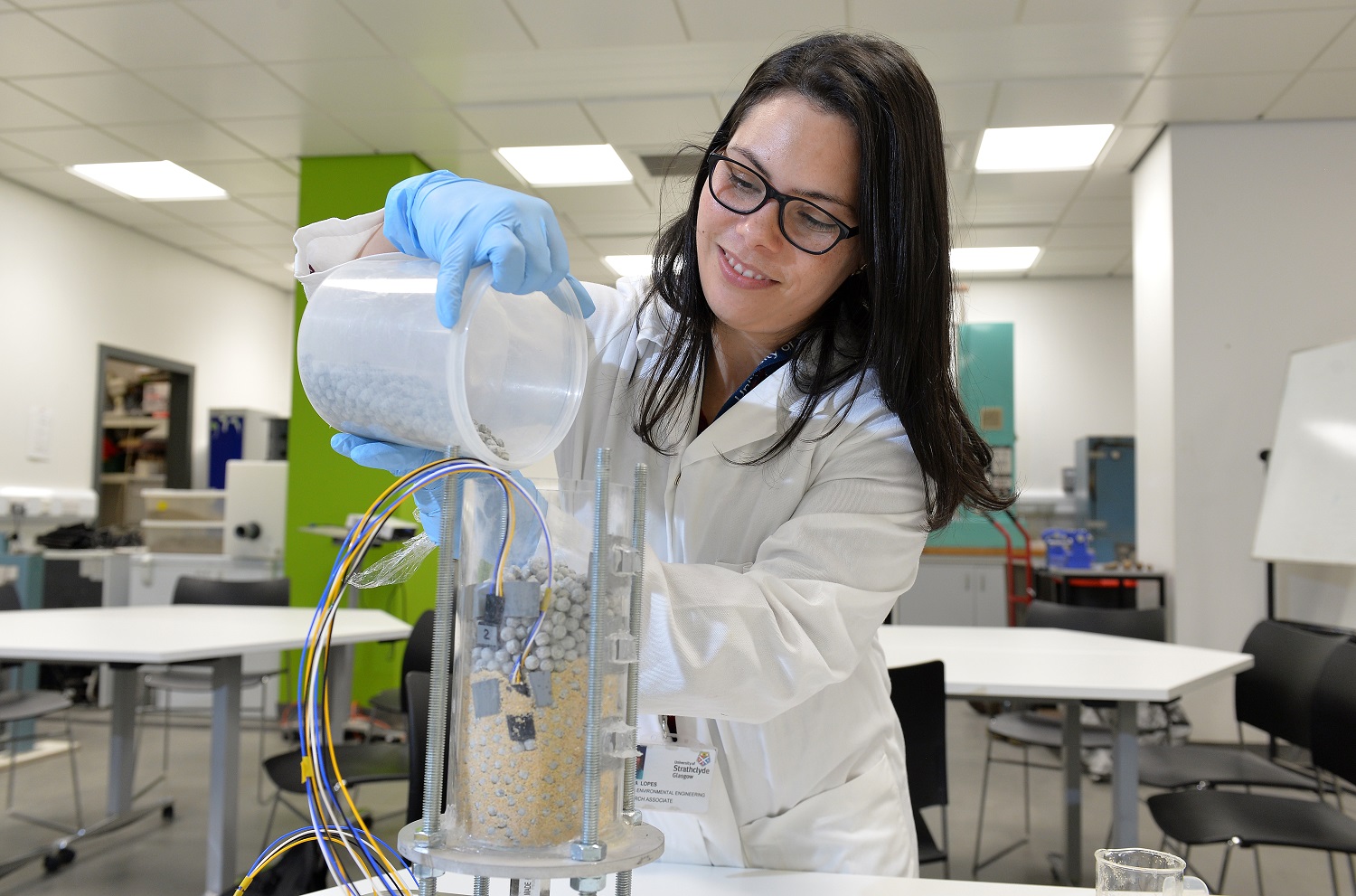
His research has concerned the behaviour of geomaterials both at the laboratory and field scale. At the laboratory scale, research has mainly focused on three-phase geomaterials, in particular the behaviour of compacted soils (double-porosity geomaterials), the hydro-mechanical coupling in unsaturated deformable porous media, and the hydraulic response of fast-draining geomaterials.
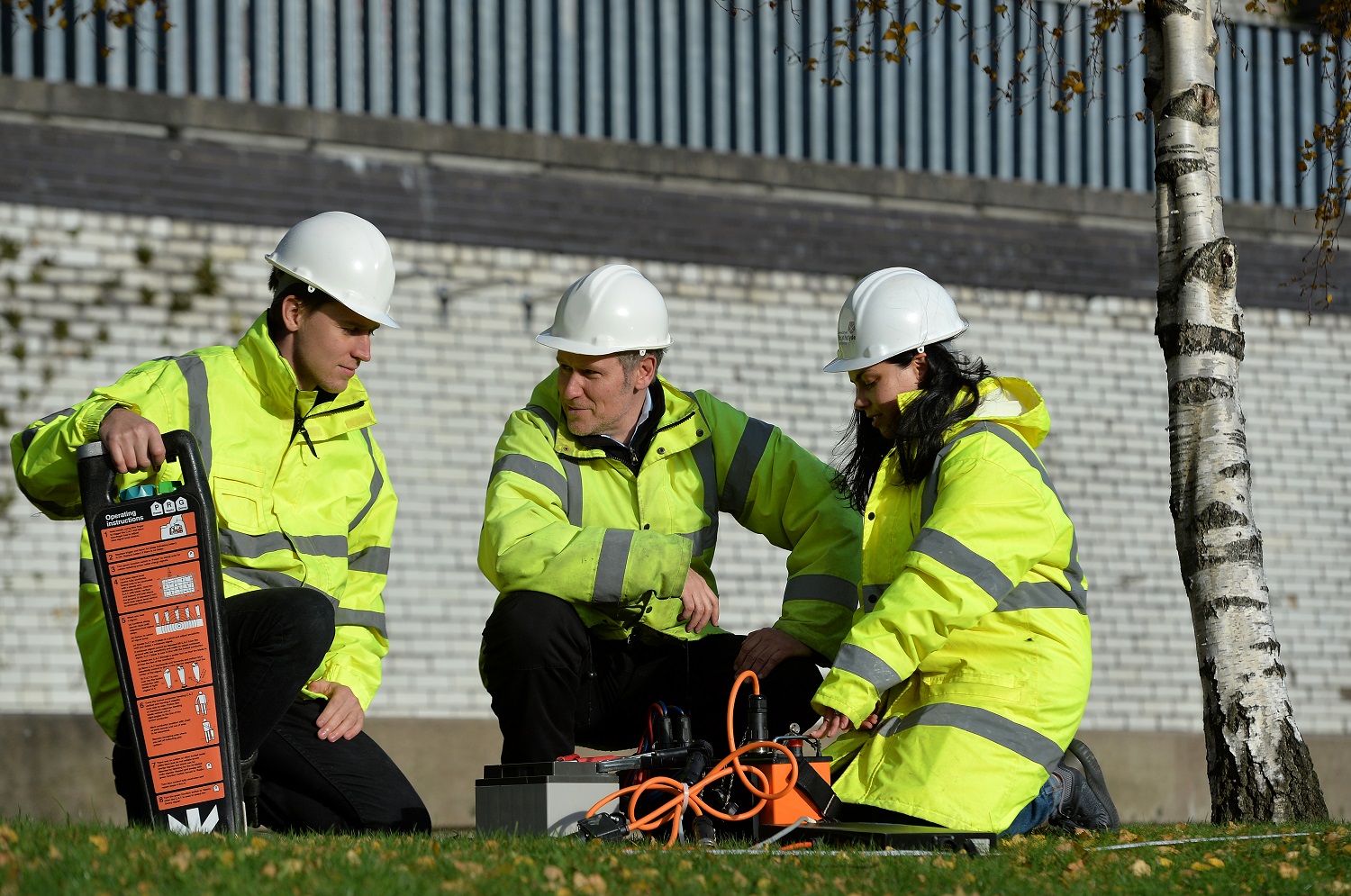
At the field scale, his focus has been on geostructures and geosystems interacting with the environment with special interest on stability of flood embankments, effects of rainfall on stability of shallow slopes, subsurface flow in hillslopes, and monitoring of the Engineered Barrier Systems.
Jennifer Gazzard, Head of International Development, Faculty of Engineering will present the University of Strathclyde, the Faculty of Engineering, the student campus, the city of Glasgow itself and study-related information on 29 April.

Jennifer is an International Development Manager in the Faculty of Engineering at the University of Strathclyde. Her role covers the development and management of international initiatives across the Faculty, including partnerships with universities and other HEIs, student recruitment, engagement with government/industry funding bodies and transnational education.
Jenny is a graduate of the University of Nottingham and the University of Glasgow, and has been working in international higher education since 2012.
Galerija