
Faculty of Mechanics
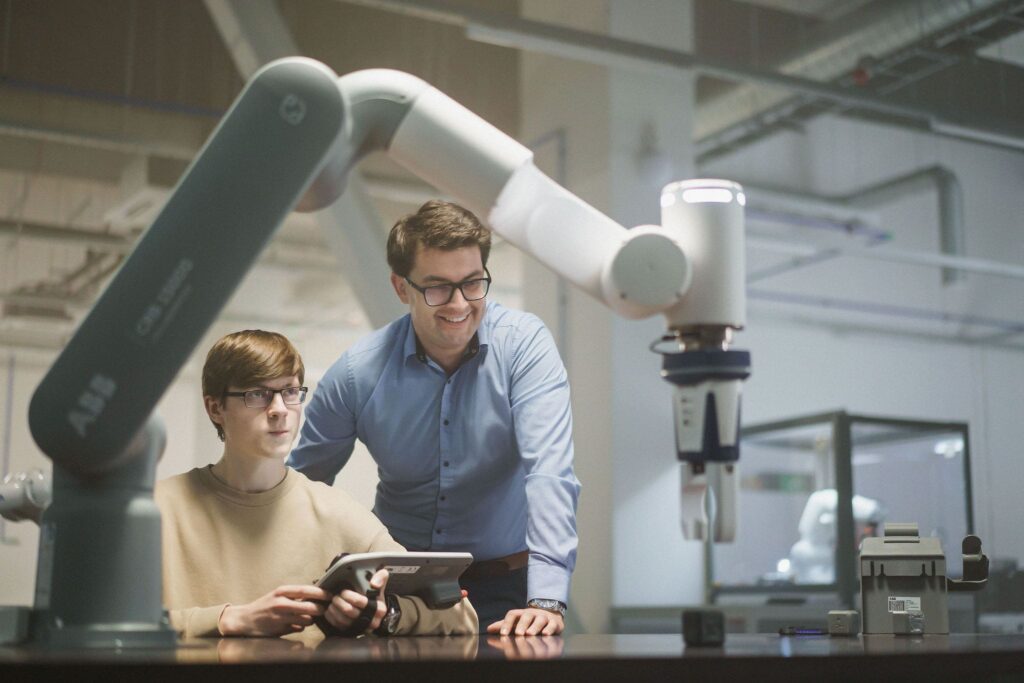
The Faculty of Mechanics educates specialists in energy, medical technologies and new mobility, preparing them for engineering and management roles in a wide range of industries.
-
650+Students
-
12Study Programmes
-
75+International Partner Universities
-
220+International Students
-
9 out of 10Graduates work in their field of study.
Why Faculty of Mechanics?
-
Study Programmes

Study Programmes
Study programmes that combine engineering precision, a sustainable future and innovative technological solutions. -
International Opportunities
International Opportunities
A wide range of study and internship opportunities abroad. -
Professional Internships
Professional Internships
Several professional practice stages are carried out throughout the studies. -
Various Types of Scholarships
Various Types of Scholarships
Scholarships awarded for academic, artistic and sport achievements and community activities.



Faculty departments
The Faculty of Mechanics includes three academic departments responsible for study development, research and innovation, together with one institute and one centre that foster interdisciplinary engineering creativity.
Departments
News

Reviews
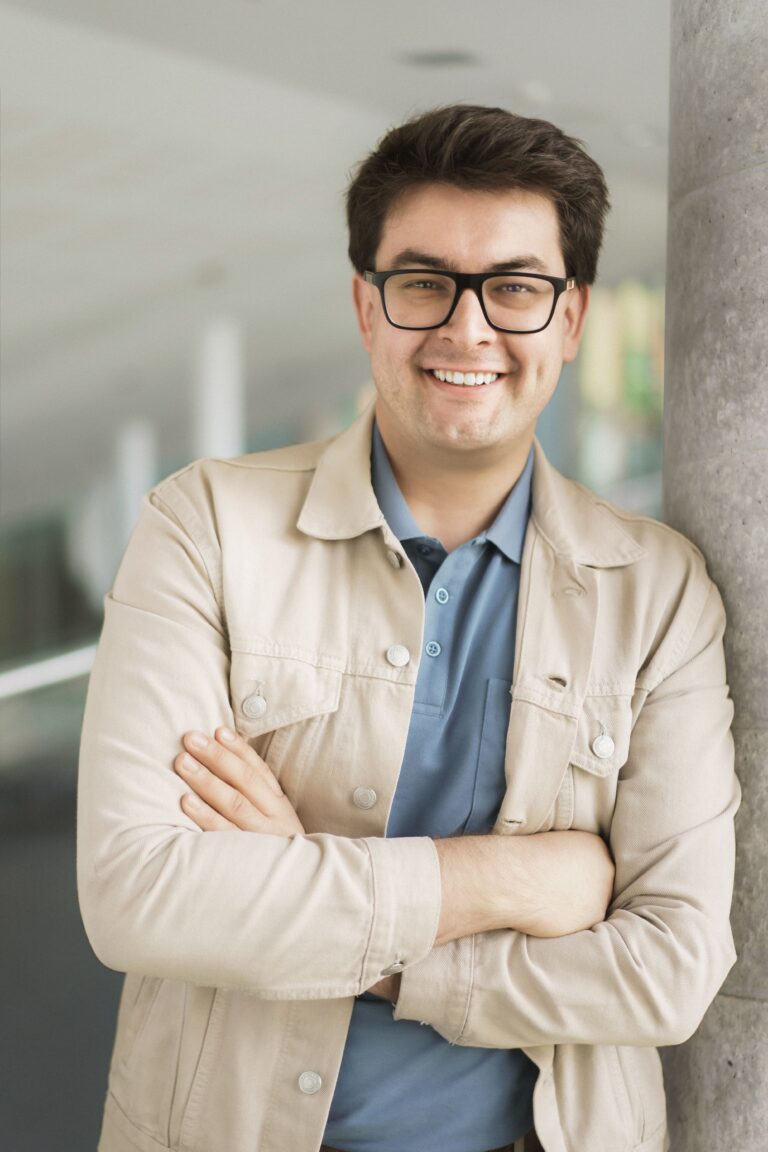
Mantas Makulavičius
Bachelor’s Graduate in Mechatronics and Robotics
The program provided in-depth knowledge of mechatronic system development, including 3D printers, automation systems, and robotics. The curriculum is well-balanced, combining theory with practice, and modern laboratories and equipment allow hands-on work with robots, CNC machines, 3D printers, and various control systems. All of this provides a solid foundation for a career in mechanics, industrial automation, and programming.
Mantas Makulavičius
Bachelor’s Graduate in Mechatronics and Robotics
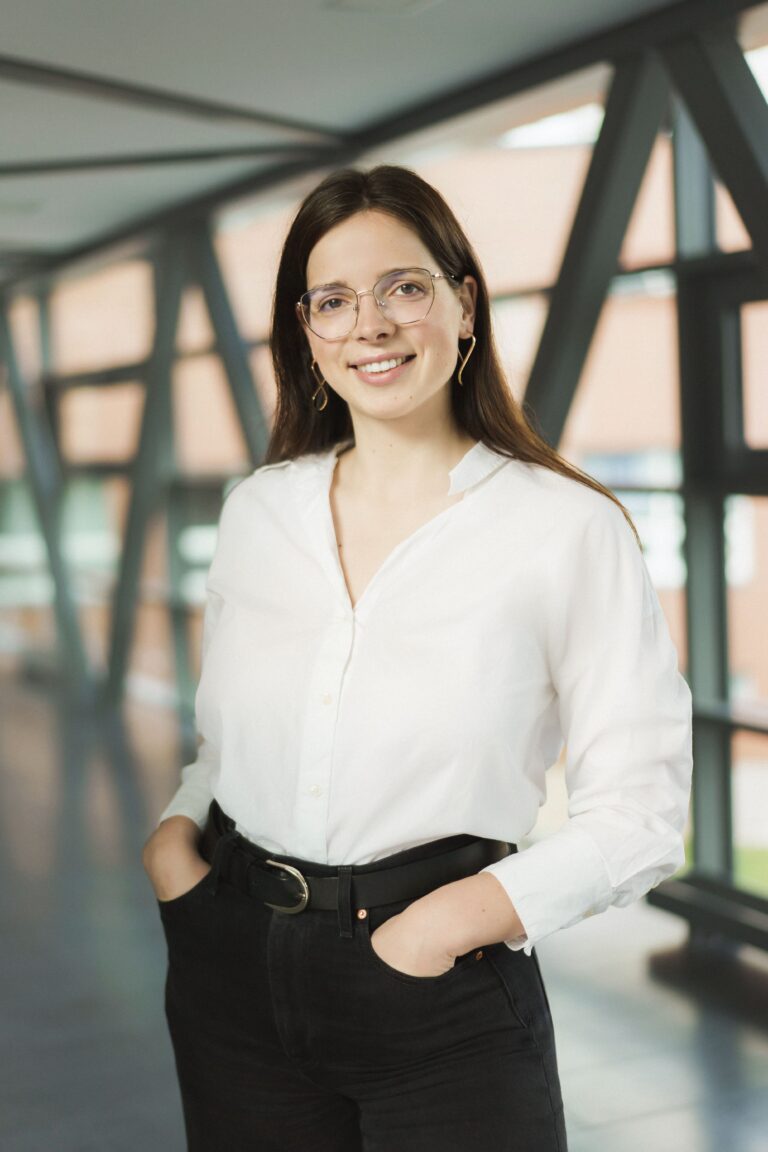
Kotryna Šileikytė
Master’s Graduate in Biomedical Engineering
I chose this program because I liked that engineering is combined with medicine. These studies allowed me to integrate different areas of knowledge and provided the opportunity to help people. The program offered various valuable experiences—from engaging lectures with partners to practical sessions directly related to my specialty. I especially appreciate that the university balanced theory with practice very well—we had many activities where we could apply theoretical knowledge in real situations.
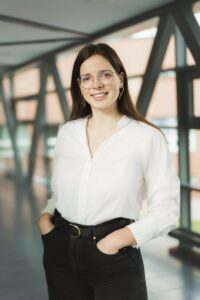
Kotryna Šileikytė
Master’s Graduate in Biomedical Engineering