
- Faculty of Mechanics
- Faculty Departments
- Department of Mechanical and Materials Engineering
Department of Mechanical and Materials Engineering
The Department prepares specialists who are able to develop innovative solutions for industry needs. It conducts research in mechanical, manufacturing and materials engineering, and collaborates with industry partners.
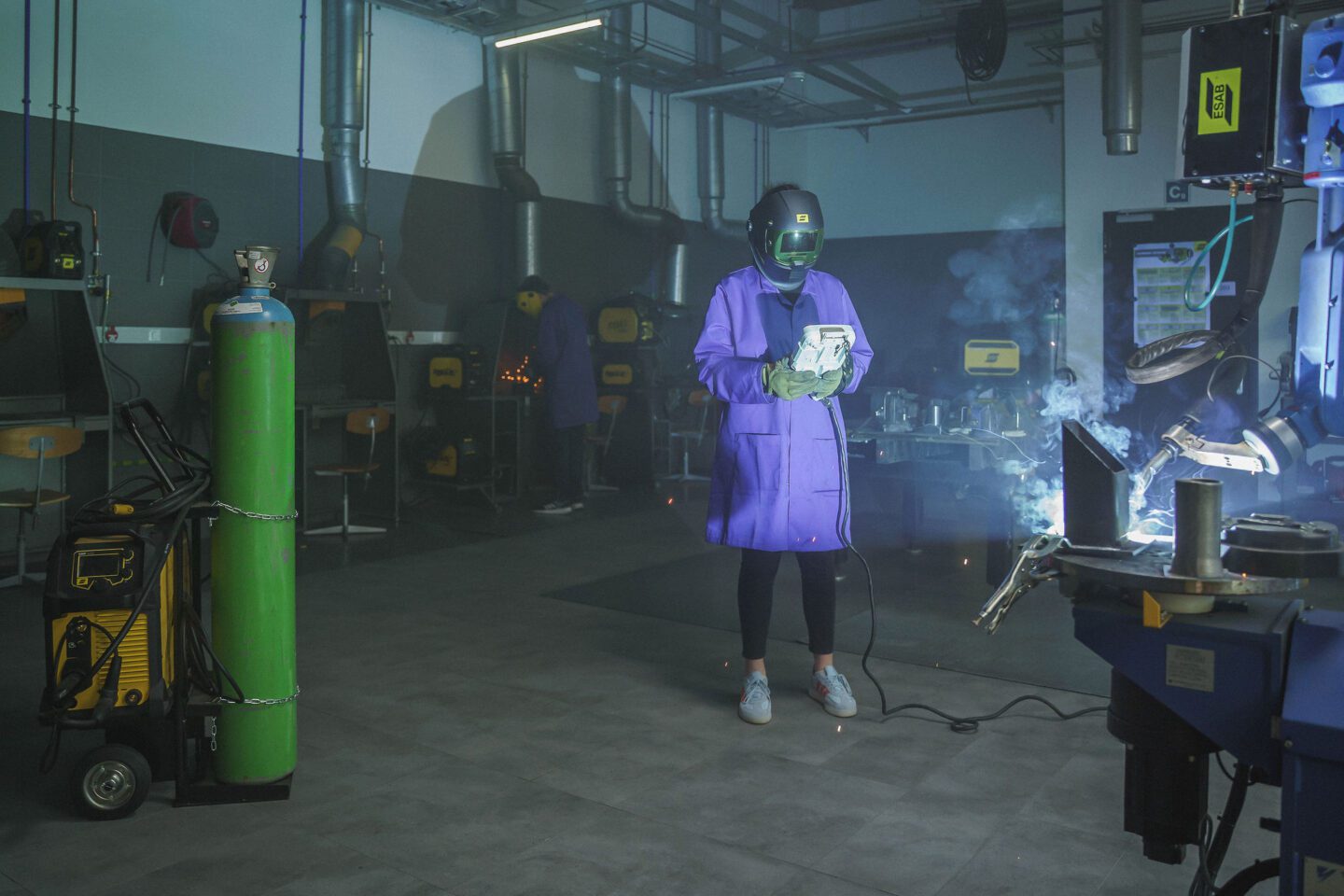
About the Department
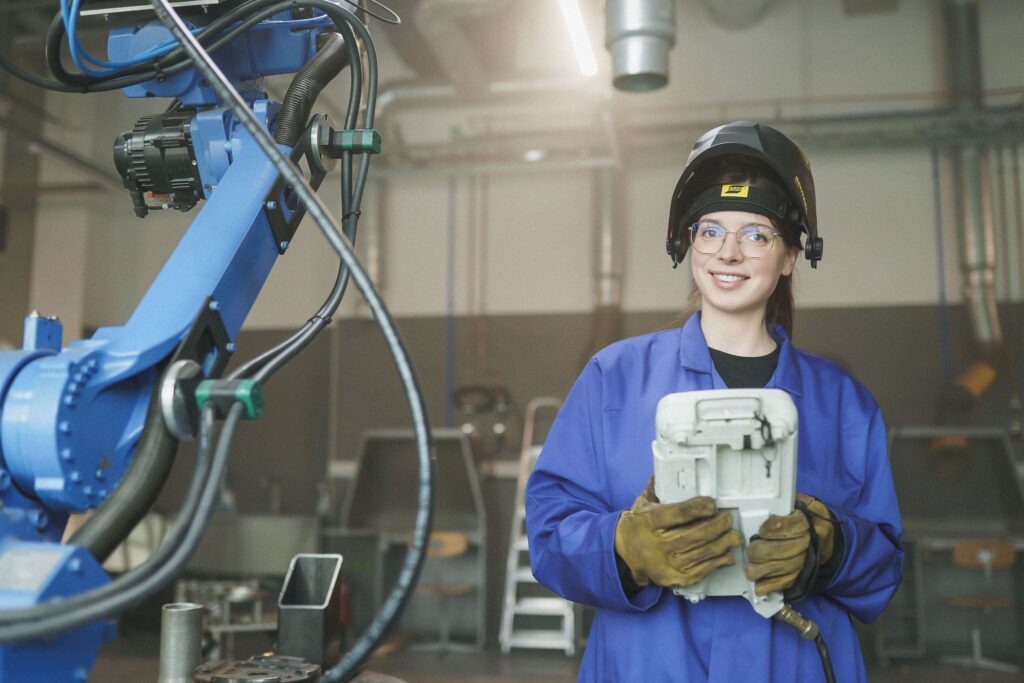
Research Areas
Research on Mechanical and (Bio)Mechatronic Systems
- Mechanical and Mechatronic Devices and Processes
- Research, Design and Improvement of Mechanical, Mechatronic and Biomechatronic Systems, Materials and Technological Processes
- Dynamics, Metrology and Diagnostics of Mechatronic Systems
- Vibroacoustic Research and Diagnostics
Inovacijų vadyba ir organizaciniai sprendimai
- Innovation Management and Organisational Solutions
- LEAN Management System and Innovation Development
- Development of Creativity Promotion Tools
- Research on the Impact of Organisational Behaviour on Innovation Activities
Department Units
The Department of Mechanical and Materials Engineering consists of specialised laboratories and workshops focused on advancing research, developing technological solutions, and strengthening students’ practical skills.
Partners
The Department of Mechanical and Materials Engineering maintains active collaboration with industry and community partners.



Department Staff
The staff of the Department of Mechanical and Materials Engineering are experts in their field. They prepare specialists who are able to apply engineering knowledge in the design, modernisation and maintenance of mechanical equipment.
Administration
- Administration
- Professors
- Associate Professors
- Lecturers
- Assistant Lecturers
-
Assoc Prof. Dr. Gintas ViselgaHead
-
Kotryna ŠileikytėHead of Laboratory(ies)
-
Vita JurienėAdministrator
Show more
Thesis abstracts
Years
Qualification
Clear selections
Adelija Mažylytė
— Assoc Prof Dr Gintas Viselga
Individual Company for the Production of Modular Upholstered Furniture
The final thesis examines the production and demand of modular upholstered furniture. The required types and quantities of equipment as well as operating speeds are selected. A literature...
Individual Company for the Production of Modular Upholstered Furniture
Student:
Adelija Mažylytė
Supervisor:
Assoc Prof Dr Gintas Viselga
Department:
Department of Mechanical and Material Engineering
Thesis abstract (LT)
Baigiamajame darbe nagrinėjama minkštų modulinių baldų gamyba ir paklausa. Parenkami reikalingi įrangos tipai ir kiekiai, darbo greičiai. Atliekama literatūros analizė apie minkštųjų baldų rūšis, jų konstrukcijas bei rinkos paklausą. Apžvelgiami patentai ir bendrai naudojamos technologijos, įranga. Atliekamas baldo projektavimas ir gamybos bei surinkimo technologinių procesų skaičiavimai. Projektuojamas specialaus įrankis, įmonė ir jos patalpos. Ekonominiais skaičiavimais paremiamas lūžio taško sudarymas.
Darbą sudaro: įvadas, literatūros analizė, gamybos ir surinkimo technologinių procesų projektavimas, projektuojamas specialus įrankis, gamybos organizavimo klausimai, darbo sauga, ekonominiai skaičiavimai.
Darbo apimtis – 69 psl., be priedų, 25 paveikslai, 25 lentelės, 37 bibliografiniai šaltiniai. Atskirai pridedami reikalingi priedai.
Thesis abstract (EN)
The final thesis examines the production and demand of modular upholstered furniture. The required types and quantities of equipment as well as operating speeds are selected. A literature review is conducted on the types of upholstered furniture, their constructions, and market demand. Patents and commonly used technologies and equipment are reviewed. Furniture design is carried out along with calculations of the manufacturing and assembly technological processes. A special tool, the company, and its premises are designed. A break-even analysis is supported by economic calculations.
The thesis consists of: an introduction, literature review, design of manufacturing and assembly technological processes, design of a special tool, production organisation matters, occupational safety, and economic calculations.
The scope of the work is – 69 pages, excluding additional resources, 25 figures, 25 tables, and 37 bibliographic sources. Additional resources are attached separately.
Adrijus Sabaliauskas
— Andrius Gedvila
Design of a Four-Wheel Platform Chassis
In this bachelor's degree final work, a four-wheeled remotely controlled mobile platform chassis is designed, intended to transport loads weighing no more than 300 kg under mixed operating...
Design of a Four-Wheel Platform Chassis
Student:
Adrijus Sabaliauskas
Supervisor:
Andrius Gedvila
Department:
Department of Mechanical and Material Engineering
Thesis abstract (LT)
Bakalauro baigiamajame darbe projektuojama keturratės nuotoliniu būdu valdomos mobiliosios platformos važiuoklė, skirta transportuoti krovinius sveriančius ne daugiau kaip 300 kg, mišriomis eksploatavimo sąlygomis. Analitinėje dalyje atliekama analogiškų transportavimo platformų analizė, nagrinėjami valdymo principai, pavaros sistemos ir konstrukciniai sprendimai. Projektinėje dalyje suprojektuota platforma su diferencialiniu valdymu, pagrįstu dviem elektriniais varikliais ir grandinine pavaros sistema. Atlikti pagrindiniai konstrukciniai skaičiavimai: variklių galios poreikio, pavaros perdavimo santykio, velenų stipruminis įvertinimas, guolių ilgaamžiškumo bei rėmo stiprumo analizė. Technologinėje dalyje parengtas detalės gamybos technologinis kelias, ekonominėje dalyje atlikti savikainos ir atsiperkamumo skaičiavimai. Aptarti darbų saugos ir aplinkosaugos reikalavimai, taikomi projektuojamos platformos gamybos ir eksploatacijos metu.
Darbą sudaro: įvadas, analogų analizė, konstrukciniai skaičiavimai, technologinė dalis, ekonominiai skaičiavimai, darbų saugos aplinkosaugos reikalavimai, išvados, literatūros sąrašas ir priedai. Darbo apimtis 63p. teksto be priedų, 22 pav., 11 lent., 36 bibliografiniai šaltiniai.
Thesis abstract (EN)
In this bachelor's degree final work, a four-wheeled remotely controlled mobile platform chassis is designed, intended to transport loads weighing no more than 300 kg under mixed operating conditions. In the analytical part, an analysis of analogous transportation platforms is performed, examining control principles, drive systems and structural solutions. In the design part, a platform with differential control based on two electric motors and a chain drive system was designed. The main structural calculations were performed: motor power requirement, drive transmission ratio, shaft strength evaluation, bearing service life and frame strength analysis. In the technological part, a manufacturing process route for the selected part was prepared, and in the economic part, cost and payback calculations were performed. The safety and environmental requirements applicable to the manufacturing and operation of the designed platform are discussed.
The work consists of: introduction, analysis of analogues, structural calculations, technological part, economic calculations, occupational safety and environmental requirements, conclusions, list of literature and appendices. Size of job – 63 pages of text without appendices, 22 figures, 11 tables, 36 literature sources.
Aistė Baranauskienė
— Prof Dr Rolandas Strazdas
Improvement of Production Processes in Automotive Industry Companies: Sustainability Aspects
The master's thesis examines the improvement of manufacturing process sustainability in automotive industry companies. The first part of the thesis analyzes the concept of sustainability and its relevance,...
Improvement of Production Processes in Automotive Industry Companies: Sustainability Aspects
Student:
Aistė Baranauskienė
Supervisor:
Prof Dr Rolandas Strazdas
Department:
Department of Mechanical and Material Engineering
Thesis abstract (LT)
Baigiamajame magistro darbe yra nagrinėjamas gamybos procesų tvarumo tobulinimas automobilių pramonės įmonėse. Pirmojoje darbo dalyje analizuojama tvarumo samprata, jos aktualumas, apžvelgiami specifiniai automobilių ramonės komponentų gamybos bruožai, analizuojami teisės aktai ir galima jų įtaka Lietuvos ir Europos Sąjungos automobilių komponentų gamybos įmonių tobulinimo procesams. Nagrinėjami esami tvarumo diegimo modeliai, skirti automobilių pramonės įmonėms. Antrojoje (empirinėje) darbo dalyje pristatoma taikyta tyrimų metodologija, bei išsamiai aprašomi atlikti tyrimai: vienas kokybinis tyrimas automobilių pramonės komponentų gamybos įmonėje, trys kokybiniai tyrimai automobilių pramonės komponentų gamybos įmonėse bei du kokybiniai tyrimai su išorės ekspertais, dirbančiais konsultacinėse įmonėse. Trečiojoje darbo dalyje, remiantis išnagrinėta teorine informacija bei empirinių tyrimų metu gautais rezultatais, pateiktas autorės sudarytas gamybos procesų tvarumo tobulinimo modelis, skirtas automobilių komponentų gamybos įmonėms, bei suformuluotos išvados ir pasiūlymai.
Darbą sudaro 6 dalys: įvadas; teorinių aspektų analizė; empirinių tyrimų aprašymas ir analizė; sukurto modelio pateikimas ir paaiškinimas; išvados ir rekomendacijos; literatūros sąrašas.
Darbo apimtis – 77 p. teksto, be priedų, 15 paveikslų, 11 lentelių, 49 bibliografinių šaltinių. Atskirai pridedami darbo priedai.
Thesis abstract (EN)
The master's thesis examines the improvement of manufacturing process sustainability in automotive industry companies. The first part of the thesis analyzes the concept of sustainability and its relevance, reviews the specific features of automotive component manufacturing, and analyzes legal acts along with their potential impact on the improvement processes of automotive component manufacturing companies in Lithuania and the European Union. Existing sustainability implementation models designed for automotive industry companies are also examined. The second (empirical) part of the thesis presents the applied research methodology and details the conducted studies: one qualitative study in an automotive component manufacturing company, three qualitative studies in automotive component manufacturing companies, and two qualitative studies with external experts working in consulting firms. Based on the analyzed theoretical information and the results obtained during the empirical research, the third part of the thesis presents a manufacturing process sustainability improvement model developed by the author for automotive component manufacturing companies, alongside conclusions and proposals.
The thesis consists of 6 parts: introduction; analysis of theoretical aspects; description and analysis of empirical studies; presentation and explanation of the developed model; conclusions and recommendations; list of references.
Thesis consists: 77 p. Text without appendices, 15 pictures, 11 tables, 49 bibliographical sources. Appendices are attached separately.
Albert Šugalski
— Prof Dr Olegas Černašėjus
Investigation of Laser Hardening of Titanium Alloys
In the final masters thesis, a method for adressing one of the inherent drawbacks of titanium alloys – poor tribological properties – using laser hardening is being investigated....
Investigation of Laser Hardening of Titanium Alloys
Student:
Albert Šugalski
Supervisor:
Prof Dr Olegas Černašėjus
Department:
Department of Mechanical and Material Engineering
Thesis abstract (LT)
Baigiamajame magistro darbe nagrinėjama vieno iš titano lydiniams būdingų trūkumų – blogų tribologinių savybių sprendimo metodas taikant lazerinį sukietinimą. Darbe apžvelgtos titano lydinių savybės, jiems taikomi apdorojimo metodai bei lazerinės technologijos. Daug dėmesio skiriama nitridais prisotintos dangos kūrimui perlydant titano lydinius azoto atmosferoje. Eksperimentinėje dalyje aprašyti bandymai susiję su technologijos režimų parinkimu bei pačios dangos kūrimas. Danga sukurta ant bandinių iš Ti2 nelegiruotojo titano ir Ti-6Al-4V titano lydinio, jos efektyvumas patikrintas naudojant mechaninių savybių ir tribologinius bandymus. Remiantis gautais duomenimis, suformuluotos išvados apie lazeriu apdoroto paviršiaus efektyvumą bei metodo taikymo galimybes.
Darbą sudaro: įvadas, titano lydinių bei jų termocheminio apdorojimo apžvalga, lazerinių technologijų apžvalga, bandymų metodologija, lydinių bei sukurtos dangos tyrimų rezultatai, išvados.
Darbo apimtis – 67 p. teksto be priedų, 49 paveikslai, 16 lentelių, 19 bibliografinių šaltinių.
Atskirai pridedami darbo priedai.
Thesis abstract (EN)
In the final masters thesis, a method for adressing one of the inherent drawbacks of titanium alloys – poor tribological properties – using laser hardening is being investigated. This paper reviews the properties of titanium alloys, their applicable processing methods and laser technologies. Special attention is devoted to the creation of a nitride-rich coating by remelting titanium alloys in a nitrogen atmosphere. Experimental section describes tests related to the selection of processing parameters and creation of the coating itself. The coating was created on specimens made of Ti2 pure titanium and Ti-6Al-4V titanium alloy, and it’s effectiveness was verified using mechanical properties and tribological tests. Based on the data obtained, conclusions were drawn regarding the coating effectiveness and the potential applications of the method.
The paper consists of: an introduction, an overview of titanium alloys and their thermochemical treatment, an overview of laser technologies, the testing methodology, the results of alloy and coating analyses, conclusions.
The thesis consists of – 67 pages of text excluding appendices, 49 illustrations, 16 tables and 19 bibliographic references.
The appendices are included separately.
Aleksandras Pniauskas
— Assoc Prof Dr Kristina Bazienė
Design of a Reactor for the Recycling of Biodegradable Waste
The final bachelor's thesis examines the implementation of design improvement methods in the field of bioenergy. Different stages of design in the bioenergy fields and their impact on...
Design of a Reactor for the Recycling of Biodegradable Waste
Student:
Aleksandras Pniauskas
Supervisor:
Assoc Prof Dr Kristina Bazienė
Department:
Department of Mechanical and Material Engineering
Thesis abstract (LT)
Baigiamajame bakalauro darbe yra nagrinėjamas projektavimo tobulinimo metodų diegimas bioenergetikos srityje. Analizuojami skirtingi bioenergetikos sričių projektavimo etapai ir jų įtaka Lietuvos bei Europos Sąjungos ekonomikai. Nagrinėjami esami bioenergetikos projektavimo metodų modeliai ir jų pritaikymas energetikos srityje. Darbe yra pateikiami bioreaktoriaus efektyvumo skaičiavimai. Atlikta įvairių bioreaktorių ir kitų bioatliekų apdirbimo metodų analizė, ištirtas efektyvumo priklausymas nuo projektuojamo bioreaktoriaus tipo. Nustatyti pagrindiniai veiksniai, turintys įtakos bioreaktoriaus efektyvumui. Remiantis gautais rezultatais, pateiktas patobulinto bioreaktoriaus modelis bei suformuluotos išvados ir pasiūlymai.
Darbą sudaro: įvadas, bioreaktorių schemų ir gamybos procesų tobulinimo aspektai, bioreaktorių efektyvumo teoriniai ir realūs skaičiavimai, bioreaktoriaus komponentų tobulinimo modelis, išvados ir pasiūlymai.
Darbo apimtis – 45p. teksto, 5 priedai, 16 paveikslų, 3 lentelės, 20 bibliografinių šaltinių.
Atskirai pridedami darbo brėžiniai.
Thesis abstract (EN)
The final bachelor's thesis examines the implementation of design improvement methods in the field of bioenergy. Different stages of design in the bioenergy fields and their impact on the Lithuanian and European Union economies are analyzed. Existing models of bioenergy design methods and their application in the energy sector are examined. The work presents calculations of bioreactor efficiency. An analysis of various bioreactors and other biowaste processing methods has been performed, the dependence of efficiency on the type of designed bioreactor has been studied. The main factors affecting bioreactor efficiency have been identified. Based on the results obtained, a model of an improved bioreactor is presented and conclusions and proposals are formulated.
The work consists of: introduction, aspects of improving bioreactor schemes and production processes, theoretical and real calculations of bioreactor efficiency, a model for improving bioreactor components, conclusions and proposals.
The scope of the work – 45 p. of text, 5 appendices, 16 figures, 3 tables, 20 bibliographical sources.
Working drawings are attached separately.
Antanas Virketis
— Assoc Prof Dr Eligijus Toločka
Restructuring of Supply Chains Towards the European Green Deal
This master’s thesis examines the restructuring of supply chains in the context of the European Green Deal (EGD) and geopolitical uncertainty, placing concern on environmental protection, decarbonization, and...
Restructuring of Supply Chains Towards the European Green Deal
Student:
Antanas Virketis
Supervisor:
Assoc Prof Dr Eligijus Toločka
Department:
Department of Mechanical and Material Engineering
Thesis abstract (LT)
Šiame magistro darbe tiriamas tiekimo grandinių pertvarkymas Europos Žaliojo kurso (EŽK) ir geopolitinio neapibrėžtumo kontekste, akcentuojant aplinkosaugą, dekarbonizaciją ir skaitmenizaciją. Analizuojama, kaip tradiciškai sąnaudų efektyvumui optimizuotos tiekimo grandinės gali išlaikyti globalų konkurencingumą, prisitaikydamos prie griežtėjančių Europos Sąjungos teisinių reglamentų ir naujų anglies dvideginio apmokestinimo mechanizmų. Tyrime gilinamasi į EŽK iniciatyvų poveikį ir vaidmenį pereinant prie tvarios žiedinės ekonomikos modelio.
Darbe naudojama metodika yra pagrįsta mokslinės literatūros bei ES teisės aktų analize, pusiau struktūruotais Lietuvos įmonių interviu ir pasaulinių rinkos lyderių („IKEA“, „Volvo Trucks“, „Maersk“) gerosios praktikos analize. Metodika skirta įvertinti veiksnius, skatinančius arba stabdančius tiekimo grandinių žaliąją transformaciją ir sudaryti struktūrizuotą darnios tiekimo grandinės valdymo modelį EŽK kontekste. Tyrimo rezultatai atskleidžia, kas labiausiai skatina tiekimo grandinių trumpėjimą, bei išryškina pagrindinius dekarbonizacijos iššūkius.
Thesis abstract (EN)
This master’s thesis examines the restructuring of supply chains in the context of the European Green Deal (EGD) and geopolitical uncertainty, placing concern on environmental protection, decarbonization, and digitalization. It analyzes how supply chains, traditionally optimized for cost efficiency, can maintain global competitiveness while adapting to increasingly stricter European Union legal regulations and new carbon pricing mechanisms. The study delves into the impact and role of EGD initiatives in transitioning toward a sustainable circular economy model.
The methodology applied in this work is based on an analysis of scientific literature and EU legislation, semi-structured interviews with Lithuanian companies, and a best practice analysis of global market leaders (IKEA, Volvo Trucks, Maersk). The methodology is designed to evaluate the drivers and barriers influencing the green transformation of supply chains and to develop a structured sustainable supply chain management model under the EGD framework. The research findings reveal what drives the shortening of supply chains most significantly and highlight key decarbonization challenges.
Arnas Rutė
— Ieva Švagždytė
Designing an Ultra-Fast Desktop 3D Printer
This bachelor thesis presents the design of an ultra-fast desktop FDM 3D printer intended for high-performance additive manufacturing while maintaining sufficient dimensional accuracy and operational reliability. The main...
Designing an Ultra-Fast Desktop 3D Printer
Student:
Arnas Rutė
Supervisor:
Ieva Švagždytė
Department:
Department of Mechanical and Material Engineering
Thesis abstract (LT)
Šiame bakalauro baigiamajame darbe suprojektuotas ypač greitas stalinis FDM tipo 3D spausdintuvas, skirtas didelio našumo ir pakankamo tikslumo detalių gamybai. Darbo tikslas – sukurti 3D spausdintuvo konstrukciją, galinčią užtikrinti ne mažesnį kaip 470 mm/s efektyvųjį spausdinimo greitį ir ne mažesnį kaip 23 000 mm/s² pagreitį, išlaikant konstrukcijos standumą, stabilumą ir eksploatacinį patikimumą. Darbe atlikta analogiškų komercinių bei atviro kodo sprendimų analizė, palygintos skirtingos kinematinės schemos ir pagrįstas CoreXY+ kinematikos pasirinkimas. Atlikti pagrindinių mechaninių mazgų skaičiavimai: judančių masių, jėgų, sukimo momentų, pavarų parametrų, medžiagos srauto bei aušinimo sistemos analizė. Taip pat atlikta CPAP tipo detalių aušinimo sistemos CFD analizė, leidusi įvertinti oro srauto trajektorijas ir greičio pasiskirstymą prie spausdinimo galvutės. Suprojektuota uždara aliuminio profilių konstrukcija su lengvu tiesioginio padavimo ekstruderiu ir didelio našumo kaitinimo galvute. Darbe taip pat atliktas technologinis detalės gamybos proceso projektavimas, darbų saugos ir aplinkosaugos analizė bei ekonominis projekto vertinimas. Nustatyta projektuojamo įrenginio savikaina, pardavimo kaina, lūžio taškas ir atsiperkamumo rodikliai.
Thesis abstract (EN)
This bachelor thesis presents the design of an ultra-fast desktop FDM 3D printer intended for high-performance additive manufacturing while maintaining sufficient dimensional accuracy and operational reliability. The main objective of the project was to design a 3D printer capable of achieving an effective printing speed of at least 470 mm/s and acceleration of at least 23,000 mm/s² while ensuring structural rigidity, stability, and process reliability. The thesis includes an analysis of analogous commercial and open-source 3D printer solutions, comparison of different kinematic systems, and justification for selecting the CoreXY+ motion system. Mechanical calculations were performed for moving masses, forces, torque requirements, drive parameters, material flow, and cooling system performance. A CFD analysis of the CPAP-type part cooling system was conducted to evaluate airflow trajectories and velocity distribution near the print head. The proposed design features an enclosed aluminum frame structure, lightweight direct-drive extruder, and high-flow hotend configuration. The thesis also includes manufacturing process planning for a selected component, occupational safety and environmental assessment, and an economic evaluation of the project. Production cost, selling price, break-even point, and payback indicators were determined.
Arslan Khaliq
— Assoc Prof Dr Romualdas Juknelevičius
Optimization and Analysis of Geometrical Parameters of Wind Turbine Blade
The focus of this study is to observe the effects of friction over the wind turbine blades and how the output of the wind turbine can be improved....
Optimization and Analysis of Geometrical Parameters of Wind Turbine Blade
Student:
Arslan Khaliq
Supervisor:
Assoc Prof Dr Romualdas Juknelevičius
Department:
Department of Mechanical and Material Engineering
Thesis abstract (LT)
Šio tyrimo tikslas – stebėti trinties poveikį vėjo turbinos mentėms ir kaip galima pagerinti vėjo turbinos našumą. Šiame tyrime naudojamas trinties jėgų, veikiančių vėjo turbinos mentę, koeficientas, siekiant gauti teisingas stygos ir sukimo vertes, siekiant padidinti bendrą vėjo turbinos našumą. Preliminari mentė, sudaryta iš 4 skirtingų NACA aerodinaminio profilio profilių, suprojektuota naudojant Glauerto metodą ir imituota, siekiant gauti pradinius duomenis. Gauti stygų ilgiai ir sukimo kampai nustatomi kaip įvesties parametrai, o trinties jėgos nustatomos kaip objektyvūs optimizavimo rezultato parametrai, naudojant vieno tikslo optimizavimo metodą. Išsklaidymo diagramos ir Pareto frontai naudojami optimaliai stygai ir sukimui nustatyti optimizuotai mentės geometrijai. Domeno konstrukcija dažniausiai yra sumažinta, ir dėl skaičiavimo apribojimų išilgai mentės stygos parenkami tik 05 taškai, siekiant rasti globalius optimalius rezultatus. Preliminaraus ir optimizuoto mentės modelio rezultatams palyginti bei srauto ir slėgio vizualizacijai pateikti naudojami 0,8 m/s, 10 m/s, 12 m/s, 14 m/s ir 16 m/s vėjo greičiai. Modeliavimui naudojama plačiai pripažinta ir komerciškai prieinama ANSYS programa.
Struktūra: įvadas, literatūros apžvalga, metodologija, rezultatai ir aptarimas, išvados ir rekomendacijos, literatūros sąrašas.
Thesis abstract (EN)
The focus of this study is to observe the effects of friction over the wind turbine blades and how the output of the wind turbine can be improved. In this study, the factor of frictional forces exerted over a wind turbine blade is used to obtain the correct values of chord and twist to enhance the overall output of the wind turbine. A preliminary blade consisting of 4 different NACA airfoils is designed using the Glauert method and simulated to obtain the baseline data. The obtained chord lengths and twist angles are set as input parameters, whereas frictional forces acting are set as objective outcome parameters for the optimization using the single objective optimization method. Scatter plots and Pareto fronts are being used to determine the optimum candidate chord and twist for the optimized blade geometry. The design of the domain is mostly reduced, and only 05 points along the blade chord are selected to find global optimum results due to computational limitations. The wind velocities of 08 m/s, 10 m/s, 12 m/s, 14 m/s, and 16 m/s are used to compare the results of both the preliminary blade model and the optimized blade model and also to present the flow and pressure visualization. The widely recognized and commercially available ANSYS is used for the simulation purposes
Structure: introduction, literature review, methodology, results and discussion, conclusion and recommendations, references
Arūnas Šličius
— Andrius Gedvila
Design of a Remote Controlled Multispectral Mechanical-Optical System for Short-Range Shooting Weapons
This bachelor’s thesis presents the design of a remote-controlled mechanical and optical system for short-range shooting weapons, intended for remote weapon positioning and observation. The aim of the...
Design of a Remote Controlled Multispectral Mechanical-Optical System for Short-Range Shooting Weapons
Student:
Arūnas Šličius
Supervisor:
Andrius Gedvila
Department:
Department of Mechanical and Material Engineering
Thesis abstract (LT)
Baigiamajame bakalauro darbe projektuojama trumpo nuotolio šaudymo ginklų mechaninio ir optinio valdymo sistema, skirta nuotoliniam ginklo pozicionavimui bei stebėjimui. Darbo tikslas – suprojektuoti pusiau autonominę dviejų ašių mechaninio pozicionavimo sistemą, užtikrinančią operatoriaus saugumą, konstrukcijos standumą ir pakankamą taikymo tikslumą.
Darbe atlikta analogiškų ginklo valdymo sistemų analizė, palyginti žmogaus operuojami, pilnai autonominiai ir pusiau autonominiai sprendimai. Remiantis atlikta analize pasirinktas pusiau autonominis nuotolinis valdymo principas. Nustatyti pagrindiniai projektiniai reikalavimai ir sudarytas projektuojamos sistemos veikimo principas.
Projektavimo metu sudarytas supaprastintas ginklo geometrinis modelis, atlikti masių, masės centro bei apkrovų skaičiavimai. Suprojektuotas mechaninis laikiklis, parinktos ašys, guoliai, pavaros ir žingsniniai varikliai. Konstrukcijos stiprumas įvertintas naudojant „SolidWorks Simulation“ programą. Taip pat atliktas surinkimo proceso projektavimas, surinkimo laiko skaičiavimas ir gamybos balansavimas taikant skirtingus metodus. Darbe pateikta ekonominė analizė, apskaičiuotos konstrukcijos gamybos išlaidos bei nustatytas projekto lūžio taškas.
Atlikti skaičiavimai ir modeliavimas parodė, kad projektuojama sistema atitinka darbo užduotyje numatytus reikalavimus ir gali būti naudojama kaip pagrindas tolimesniam mechaninio–optinio valdymo sistemos vystymui.
Thesis abstract (EN)
This bachelor’s thesis presents the design of a remote-controlled mechanical and optical system for short-range shooting weapons, intended for remote weapon positioning and observation. The aim of the work is to design a semi-autonomous two-axis mechanical positioning system that ensures operator safety, structural rigidity, and sufficient aiming accuracy.
The thesis includes an analysis of analogous weapon control systems, comparing manually operated, fully autonomous, and semi-autonomous solutions. Based on the performed analysis, a semi-autonomous remote-control principle was selected. The main design requirements were determined, and the operating principle of the designed system was established.
During the design process, a simplified geometric model of the weapon was created, and calculations of mass, center of mass, and mechanical loads were performed. A mechanical mounting structure was designed, and the shafts, bearings, drives, and stepper motors were selected. The structural strength of the system was evaluated using “SolidWorks Simulation” software. In addition, assembly process planning, assembly time calculations, and production line balancing using different methods were carried out. The thesis also includes an economic analysis, manufacturing cost calculations, and break-even point determination.
The performed calculations and simulations demonstrated that the designed system satisfies the requirements specified in the thesis objectives and can serve as a basis for further development of a mechanical-optical control system.
Aurimas Trumbačikas
— Assoc Prof Dr Gintas Viselga
Design of an Individual Company for the Production of Modular Shelves
In the Bachelor's thesis a modular shelf with compartments was designed. The structural variants of possible modular shelves were analyzed, the design and production analysis of existing modular...
Design of an Individual Company for the Production of Modular Shelves
Student:
Aurimas Trumbačikas
Supervisor:
Assoc Prof Dr Gintas Viselga
Department:
Department of Mechanical and Material Engineering
Thesis abstract (LT)
Bakalauriniame darbe buvo projektuojama modulinė lentyna su skyreliais. Buvo analizuojama galimų modulinių lentynų konstrukciniai variantai, atlikta esamų modulinių lentynų konstrukcijos ir gamybos analizė, atlikta skyrelių analizė. Buvo atlikta pasirinkto gaminio ir jo medžiagų analizė, aprašyta gamybos eiga, aprašytas operacijų nuoseklumas, parinkti technologiniai procesai ir apskaičiuoti jų laikai. Taip pat buvo parinkti, aprašyti ir apskaičiuoti gamybos įrenginiai bei jų apkrovimas, apskaičiuoti gamybinio baro darbo režimai ir gamybos pajėgumas. Buvo atliktas gamybinių plotų skaičiavimas. Suprojektuotas specialus įtaisas, kuris padėtų gamybai, apskaičiuoti jo konstrukciniai ir tvirtinimo skaičiavimai. Aprašyta darbų ir aplinkos sauga. Atlikti ekonominių rodiklių skaičiavimai, parašytos išvados ir sukurtas literatūros sąrašas.
Darbo apimtis - 75 puslapiai, 22 paveiksliukai, 24 lentelės ir 34 šaltiniai.
Thesis abstract (EN)
In the Bachelor's thesis a modular shelf with compartments was designed. The structural variants of possible modular shelves were analyzed, the design and production analysis of existing modular shelves was performed, and the analysis of compartments was done. The analysis of the selected product and its materials was performed, the production process was described, the sequence of operations was done, technological processes were selected and their times were calculated. Production equipment and their loading were also selected, described and calculated, the operating modes and production capacity of the production bar were calculated. The calculation of production areas was performed. A special device was designed to help production, its structural and fastening calculations were calculated. Work place and environmental safety was described. Calculations of economic indicators were performed, conclusions were written and a list of literature was created.
The scope of the work - 75 pages, 22 figures, 24 tables and 34 sources.