
- Faculty of Mechanics
- Faculty Departments
- Department of Biomechanical Engineering
Department of Biomechanical Engineering
The Department prepares specialists who develop smart assistive devices for people with mobility impairments. It conducts research and develops solutions that improve quality of life.
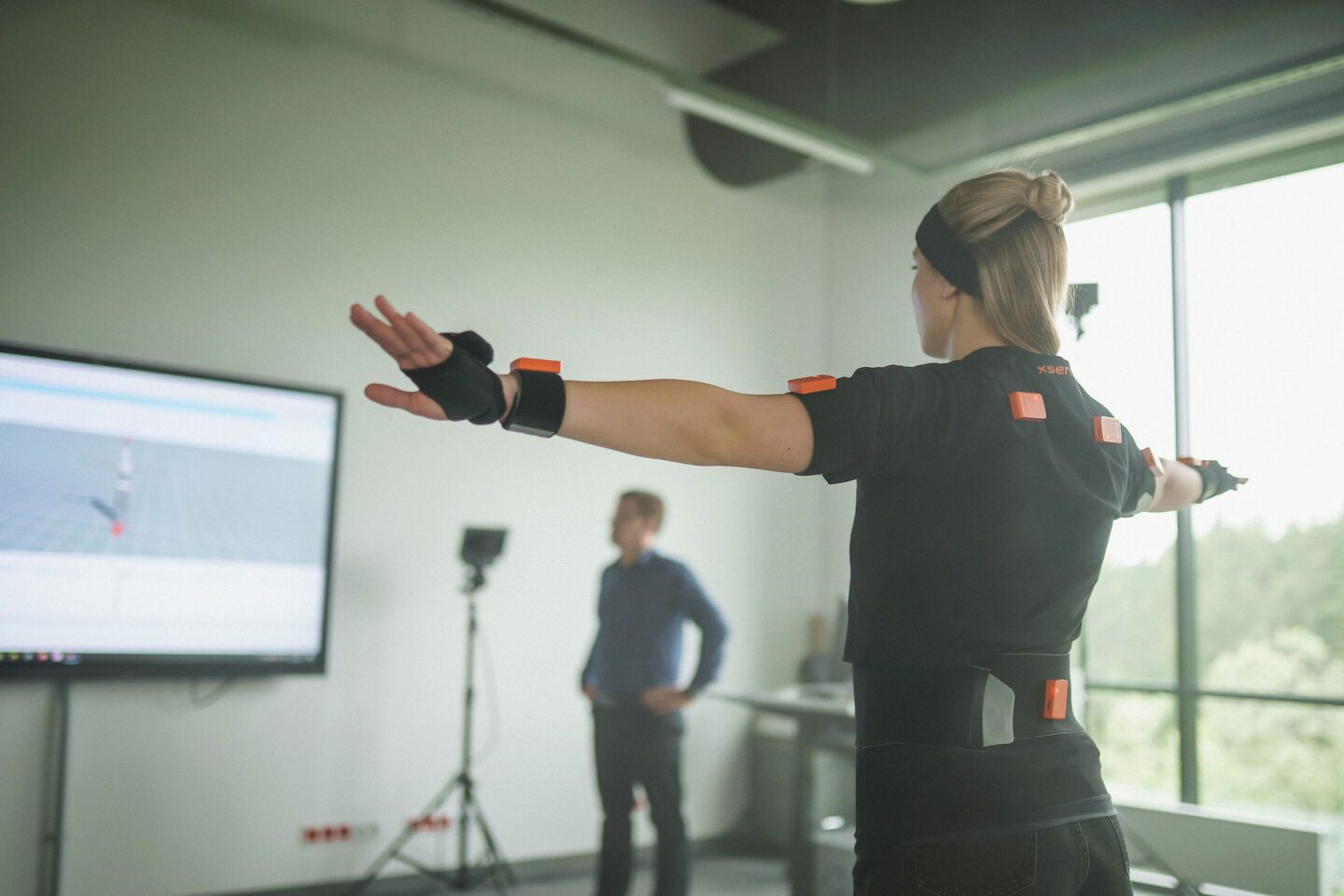
About the Department
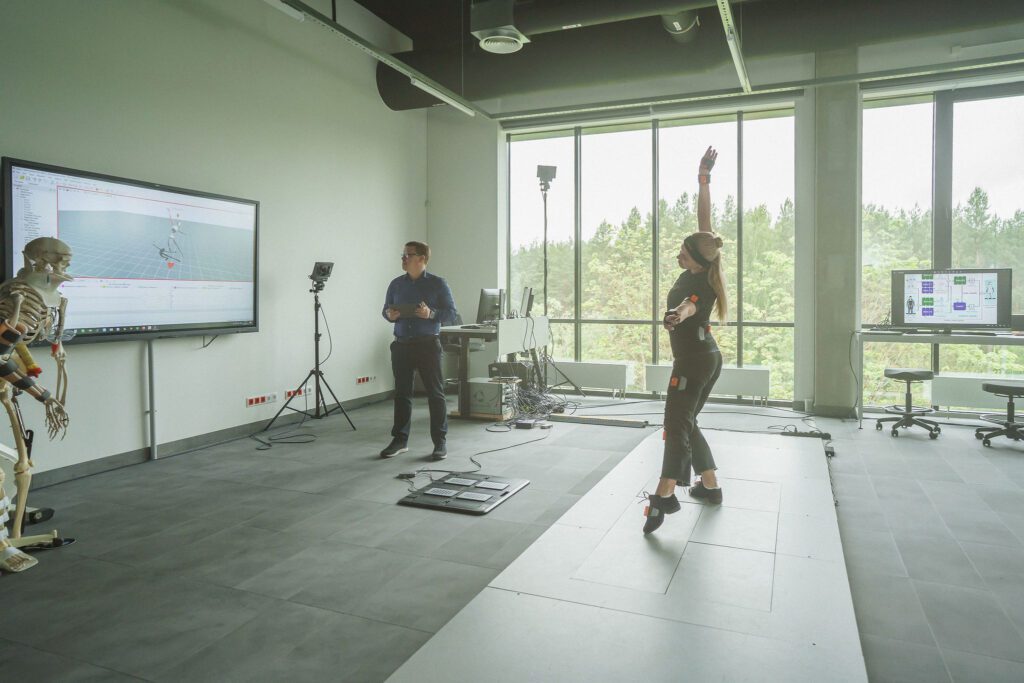
Research Areas
Research on Human Movement and Physiological Processes
- Measurement and Quantitative Assessment of Human Movement
- Research, Development and Enhancement of Measurement and Diagnostic Methods for Human Movement and Physiological Parameters
- Development of Diagnostic and Therapeutic Methods for Motor Disorders
- Quantitative Assessment of Treatment and Rehabilitation Effectiveness
- Quantitative Assessment of Athletic Performance
Biomedical Engineering and Biomechatronics Solutions
- Design and Research of Biomechatronic Devices (Smart Wearable Technologies, Exoskeletons, Rehabilitation Robotics, Active Limb Prostheses)
- Research and Development of Assistive Technologies for Individuals with Disabilities
- Environmental Adaptation for People with Physical, Visual and Hearing Impairments
Analysis of Biosignals and Biological Systems
- Measurement, Analysis and Processing of Biosignals
- Investigation of Cardiovascular System Dynamics for Surgical Planning Using Numerical Methods
Numerical Analysis of Cardiovascular System Dynamics for Surgical Planning
- Mechanical Property Analysis and Modelling of Biocompatible Materials
- Design and Modelling of Individualised Implants
Department Units
The Department of Biomechanical Engineering consists of specialised laboratories focused on advancing research, developing technological solutions, and strengthening students’ practical skills.
Laboratories
Partners
The Department collaborates with Lithuanian energy companies as well as international universities and research institutions.



Department Staff
The staff of the Department of Biomechanical Engineering are experts in their field. They educate specialists who are able to apply engineering knowledge in the design, modernisation and maintenance of medical and rehabilitation equipment.
Administration
- Administration
- Research Staff
- Associate Professors
- Lecturers
- Assistant Lecturers
-
Prof. Dr. Julius GriškevičiusHead
-
Dr. Donatas LukšysHead of Laboratory(ies)
Show more
Thesis abstracts
Years
Qualification
Clear selections
Abderrazak El Aamrani
— Prof Dr Kristina Daunoravičienė
Design and Development of Intelligent Tools for Posture Analysis and Correction
This bachelor thesis presents the design and development of intelligent tools for posture analysis and correction. It consists of 5 parts. The theoretical part reviews existing posture analysis...
Design and Development of Intelligent Tools for Posture Analysis and Correction
Student:
Abderrazak El Aamrani
Supervisor:
Prof Dr Kristina Daunoravičienė
Department:
Department of Biomechanical Engineering
Thesis abstract (LT)
Šiame bakalauro darbe pristatomas išmaniųjų laikysenos analizės ir korekcijos įrankių projektavimas ir kūrimas. Darbą sudaro 5 dalys. Teorinėje dalyje apžvelgiamos esamos laikysenos analizės sistemos, judesių sekimo technologijos ir korekcinio grįžtamojo ryšio metodai, naudojami reabilitacijoje ir sporte. Analizuotos esamos video ir jutiklinės kūno padėties atpažinimo sistemos, siekiant pagrįsti kuriamą inžinerinį sprendimą. Projektavimo dalyje pristatomas išmaniosios laikysenos analizės ir korekcijos sistemos pagrindinės funkcinės dalys „Orbbec Gemini 2 RGB-D“ kamera, „MediaPipe“ pozos orientyrų aptikimo ir Savitzky-Golay filtravimo metodai sąnarių kampo vertinimui realiuoju laiku. Sukurtas kūno padėties korekcijos prototipas apima PLA rankos atramą, skirtą alkūnės padėčiai valdyti atliekant krepšinio baudų metimus ir teikti korekcinį grįžtamąjį ryšį. Sukurtos bendrosios sistemos ir jos konstrukcinių komponentų techninės charakteristikos. Tyrimo dalyje sukurtas kūno padėties analizės prototipas įvertinamas naudojant biomechaninę analizę ir judesio fiksavimo matavimus, atliktus naudojant inercinių jutiklių „Xsens MVN Awinda“ sistemą. Gauti rezultatai patvirtino, kad sukurta sistema tinka laikysenos atpažinimui ir korekciniam grįžtamajam ryšiui krepšinio baudų metimų metu. Technologinėje dalyje apibrėžiamas PLA rankos atramos gamybos maršrutas, įskaitant 3D modeliavimą, adityvinę gamybą ir papildomo apdorojimo operacijas. Darbo saugos dalyje parengiami elektros, mechanikos ir programinės įrangos saugos reikalavimai pagal taikomus ES standartus. Taip pat pateikiami ekonominiai skaičiavimai ir išvados.
Baigiamasis bakalauro darbas susideda iš 46 puslapių teksto be priedų, 23 paveikslų, 20 lentelių ir 30 bibliografinių šaltinių. Grafinę dalį, atliktą naudojant „SOLIDWORKS“ (25 versija), sudaro sistemos bendro vaizdo brėžinys (A1), funkcinė blokinė schema ir grįžtamojo ryšio sistemos integravimo schema (A1), rezultatų įvertinimo ir ekonominės analizės pristatymas (A1) bei technologinis maršrutas (A1). Pridedami priedai.
Thesis abstract (EN)
This bachelor thesis presents the design and development of intelligent tools for posture analysis and correction. It consists of 5 parts. The theoretical part reviews existing posture analysis systems, motion tracking technologies, and corrective feedback methods used in rehabilitation and sports applications. Existing camera-based and sensor-based systems are analyzed to justify the proposed engineering solution. The design part presents the development of an intelligent posture analysis and correction system integrating an Orbbec Gemini 2 RGB-D camera, MediaPipe pose landmark detection, and a Savitzky-Golay filtering method for real-time joint angle evaluation. The developed posture correction prototype includes a PLA arm support designed to guide elbow positioning during basketball free-throw execution and provide corrective feedback. General technical characteristics of the system and its structural components are developed. The research section evaluates the developed prototype using biomechanical analysis and motion capture measurements performed with the IMU Xsens MVN Awinda system. The obtained results confirmed that the developed system is suitable for posture recognition and corrective feedback during basketball free-throw movements. The technological part defines the manufacturing route for the PLA arm support, including 3D modelling, additive manufacturing, and post-processing operations. The work safety part prepares electrical, mechanical, and software safety requirements in accordance with applicable EU standards. Economic calculations and conclusions are also presented.
The final bachelor’s project consists of 46 pages of text without appendices, 23 figures, 20 tables, and 30 bibliographical sources. The graphical part made with SOLIDWORKS (version 25) consists of a system general view drawing (A1), functional block diagram and feedback system integration scheme (A1), result evaluation and economic analysis presentation (A1), and technological route with detailed component drawings (A1). Appendices are included.
Abhishek Patil
— Prof Dr Julius Griškevičius
Development of an Assistive Sit-to-Stand System with Biomechanical Feedback Control
This thesis focuses on the development of an assistive sit-to-stand system with biomechanical feedback control. The main objective of the work is to design a powered support device...
Development of an Assistive Sit-to-Stand System with Biomechanical Feedback Control
Student:
Abhishek Patil
Supervisor:
Prof Dr Julius Griškevičius
Department:
Department of Biomechanical Engineering
Thesis abstract (LT)
Šiame baigiamajame darbe nagrinėjamas pagalbinės atsistojimo iš sėdimos padėties sistemos su biomechaniniu grįžtamuoju valdymu kūrimas. Pagrindinis darbo tikslas – suprojektuoti varikliais valdomą atraminį įrenginį, kuris padėtų naudotojui pereiti iš sėdimos į stovimą padėtį, kartu išlaikant aktyvų naudotojo dalyvavimą judesyje. Literatūros apžvalgoje analizuojama atsistojimo iš sėdimos padėties biomechanika, esami patentai, komerciniai analogai ir pagrindinės inžinerinės spragos dabartiniuose pagalbiniuose įrenginiuose. Projektinėje dalyje pateikiama mechaninė konstrukcija, pavarų parinkimas, jutiklių išdėstymas, valdymo sistema, stiprumo skaičiavimai, stabilumo vertinimas ir energijos sąnaudų įvertinimas. Technologinėje dalyje aprašomas pasirinktos kojos pagrindo detalės gamybos maršrutas ir apdirbimo parametrai. Ekonominėje dalyje įvertinamos medžiagų, gamybos, pridėtinės, pastoviosios ir bendrosios gamybos sąnaudos, taip pat mažos serijos gamyba ir lūžio taško analizė. Darbo saugos dalyje nustatomos pagrindinės mechaninės, elektrinės, valdymo ir techninės priežiūros rizikos, susijusios su įrenginio naudojimu. Galutiniame projekte naudojamos keturios linijinės pavaros, rankenose integruoti jėgos jutikliai, Holo efekto pavarų grįžtamasis ryšys, fiksuojami ratukai ir įkraunama baterijų sistema, leidžianti užtikrinti pasyvų, dalinį ir adaptyvų palaikymą atsistojimo iš sėdimos padėties metu.
Thesis abstract (EN)
This thesis focuses on the development of an assistive sit-to-stand system with biomechanical feedback control. The main objective of the work is to design a powered support device that helps users move from a seated to a standing position while keeping the user actively involved in the movement. The literature review analyses sit-to-stand biomechanics, existing patents, commercial analogues, and the main engineering gaps in current assistive devices. The design part presents the mechanical structure, actuator selection, sensor placement, control system, strength calculations, stability evaluation, and energy consumption estimation. The technological part describes the manufacturing route and machining parameters for the selected leg base component. The economic part estimates the material, manufacturing, overhead, fixed, and total production costs, including small-batch production and break-even analysis. The work safety section identifies the main mechanical, electrical, control, and maintenance risks related to the device. The final design uses four linear actuators, force sensors in the handles, Hall-effect actuator feedback, lockable castors, and a rechargeable battery system to provide passive, partial, and adaptive assistance during sit-to-stand movement.
Aina Simonavičiūtė
— Dr Oleg Ardatov
Design of an Ankle Joint Mobility Rehabilitation System
In the final bachelor’s thesis, a passive ankle joint mobility rehabilitation device was designed. After conducting an analysis of existing analogs and patents, the device structure was designed,...
Design of an Ankle Joint Mobility Rehabilitation System
Student:
Aina Simonavičiūtė
Supervisor:
Dr Oleg Ardatov
Department:
Department of Biomechanical Engineering
Thesis abstract (LT)
Baigiamajame bakalauro darbe projektuojama pasyvi čiurnos sąnario mobilumo reabilitacijos sistema. Atlikus analogų ir patentų analizę, suprojektuota įrenginio konstrukcija bei parinkti pagrindiniai mechaniniai komponentai ir medžiagos. Naudojant ,,SolidWorks“ programinį paketą sukurtas įrenginio trimatis modelis ir atlikta pasirinkto mazgo stiprumo analizė baigtinių elementų metodu. Taip pat atlikti konstrukciniai ir technologiniai skaičiavimai, sudarytas veleno stebulės gamybos technologinis maršrutas. Darbe nurodyti įreginio saugos reikalavimai, atlikta ekonominė analizė ir pateiktos išvados. Taip pat sudaryti 4 A1 formato brėžiniai: čiurnos reabilitacijos įrenginio bendro vaizdo brėžinys, surinkimo brėžinys, technologinio maršruto brėžinys, detaliruotė. Baigiamąjį darbą sudaro 8 dalys: įvadas, teorinė dalis, konstrukcinė dalis, technologinė dalis, saugos reikalavimai, ekonominė dalis, išvados ir literatūros sąrašas. Darbo apimtis – 58 puslapiai teksto be priedų, 18 iliustracijų, 16 lentelių, 25 bibliografiniai šaltiniai.
Thesis abstract (EN)
In the final bachelor’s thesis, a passive ankle joint mobility rehabilitation device was designed. After conducting an analysis of existing analogs and patents, the device structure was designed, and the main mechanical components and materials were selected. Using the “SolidWorks” software package, a three-dimensional model of the device was created, and a strength analysis of the selected assembly was performed using the finite element method (FEM). Structural and technological calculations were also carried out, and a technological manufacturing route for the shaft hub was developed. The thesis specifies the safety requirements of the device, presents an economic analysis, and provides conclusions. In addition, 4 A1 format drawings were prepared: a general view drawing of the ankle rehabilitation device, an assembly drawing, a technological route drawing, and a detail drawing. Thesis consists of 8 chapters: introduction, theoretical part, constructional part, technological part, safety requirements, economic part, conclusions, and references. The total length of the thesis is 58 pages of text without appendices, 18 figures, 16 tables, and 25 bibliographical references.
Akhil Suresh Babu Karathatt
— Assoc Prof Dr Andžela Šešok
Development and Study of PLA/PGA Scaffolds for Skin Reconstruction
The aim of this master’s thesis is to develop and characterize electrospun poly(lactic acid)/poly(glycolic acid) (PLA/PGA) scaffolds for skin reconstruction applications. Scientific literature related to tissue engineering scaffolds,...
Development and Study of PLA/PGA Scaffolds for Skin Reconstruction
Student:
Akhil Suresh Babu Karathatt
Supervisor:
Assoc Prof Dr Andžela Šešok
Department:
Department of Biomechanical Engineering
Thesis abstract (LT)
Šio magistro darbo tikslas – sukurti ir charakterizuoti elektroverpimo būdu pagamintus poli(pieno rūgšties)/poli(glikolio rūgšties) (PLA/PGA) karkasus, skirtus odos rekonstrukcijos taikymams. Buvo atlikta mokslinės literatūros, susijusios su audinių inžinerijos karkasais, biologiškai skaidžiais polimerais ir elektroverpimo technologijomis, analizė. Eksperimentinio tyrimo metu buvo gaminami nanoplaušiniai karkasai naudojant elektroverpimo metodą bei vertinamos jų fizikinės, mechaninės ir degradacijos savybės.
PLA/PGA karkasai buvo gaminami naudojant „Spinbox“ elektroverpimo sistemą. Karkasų morfologija buvo tiriama skenuojančiu elektroniniu mikroskopu (SEM), storis matuotas indikaciniu storamačiu. Poringumas nustatytas skysčio išstūmimo metodu, o paviršiaus drėkinamumas vertintas pagal vandens kontakto kampo matavimus. Mechaninės savybės buvo nustatytos tempimo bandymais. Biodegradacijos elgsena tirta 14 dienų laikotarpiu stebint pH pokyčius ir masės sumažėjimą distiliuotame vandenyje.
Tyrimo rezultatai parodė, kad elektroverpimo būdu pagaminti PLA/PGA karkasai pasižymi tarpusavyje sujungta porėta struktūra, vidutiniu hidrofiliskumu, tinkamomis tempimo savybėmis ir palaipsne biodegradacija. Šios savybės rodo PLA/PGA karkasų potencialą odos audinių inžinerijos taikymuose.
Darba sudaro įvadas, literatūros apžvalga, tyrimo metodika, tyrimo rezultatai, diskusija, išvados ir literatūros sąrašas.
Thesis abstract (EN)
The aim of this master’s thesis is to develop and characterize electrospun poly(lactic acid)/poly(glycolic acid) (PLA/PGA) scaffolds for skin reconstruction applications. Scientific literature related to tissue engineering scaffolds, biodegradable polymers, and electrospinning techniques was reviewed. An experimental study was conducted to fabricate nanofibrous scaffolds using the electrospinning method and to evaluate their physical, mechanical, and degradation properties.
PLA/PGA scaffolds were fabricated using the Spinbox electrospinning system. The scaffolds were characterized by scanning electron microscopy (SEM) to analyze morphology, and their thickness was measured using a dial thickness gauge. Porosity was determined by the liquid displacement method, and wettability was evaluated by water contact angle measurements. Mechanical properties were assessed by tensile testing. Biodegradation behavior was investigated over a 14-day period by monitoring pH changes and mass loss in distilled water.
The results showed that the electrospun PLA/PGA scaffolds had interconnected porous structures, moderate hydrophilicity, suitable tensile properties, and gradual biodegradation. These properties indicate the potential of PLA/PGA scaffolds for skin tissue engineering applications.
The thesis consists of introduction, literature review, research methodology, research results, discussion, conclusions, and references.
Amanda Puškytė
— Prof Dr Julius Griškevičius
Development And Study Of The System Of Gamification Of Physical Exercises
This master’s thesis investigates the development and biomechanical evaluation of a gamification system for physical exercises based on inertial measurement unit (IMU) data. The study analyzes physical activity...
Development And Study Of The System Of Gamification Of Physical Exercises
Student:
Amanda Puškytė
Supervisor:
Prof Dr Julius Griškevičius
Department:
Department of Biomechanical Engineering
Thesis abstract (LT)
Baigiamajame magistro darbe nagrinėjama fizinių pratimų geimifikacijos sistemos, pagrįstos inercinių matavimo jutiklių (IMU) duomenimis, kūrimo ir biomechaninio vertinimo problema. Darbe analizuojami fizinio aktyvumo vertinimo metodai, geimifikacijos sprendimai, žmogaus veiklų atpažinimo metodai bei judesio sekimo technologijos. Nustatyta, kad dauguma esamų sistemų orientuojasi į veiklos atpažinimą arba kiekybinių aktyvumo rodiklių registravimą, tačiau ribotai vertina judesių atlikimo kokybę biomechaniniu požiūriu.
Tyrimo metu sukurta realaus laiko fizinių pratimų geimifikacijos sistema, integruojanti IMU pagrindu veikiančią judesio sekimo sistemą, biomechaninių parametrų analizę ir interaktyvų grįžtamąjį ryšį. Sistemoje taikomi signalų glodinimo, slenkstinio filtravimo, būsenų sekimo ir laiko stabilizavimo metodai, skirti sumažinti matavimo triukšmo, jutiklių dreifo ir klaidingų aktyvacijų įtaką. Judesių analizė realizuota „Unity“ aplinkoje naudojant virtualų skeleto modelį ir realiuoju laiku apskaičiuojamus kinematinius parametrus.
Eksperimentinio pilotinio tyrimo metu buvo vertinamas sistemos gebėjimas aptikti pasirinktus judesių įvykius ir diferencijuoti judesius pagal jų amplitudę bei atlikimo kokybę. Tyrime dalyvavo penki tiriamieji. Nustatyta, kad biomechaniškai pakankami judesiai buvo registruojami nuosekliai, o mažos amplitudės judesiai dažniausiai neaktyvavo sistemos. Taip pat stebėta tendencija, kad kartojant bandymus mažėjo klaidų skaičius, didėjo sėkmingų bandymų dalis ir gerėjo biomechaniniai rodikliai. Gauti rezultatai parodė, kad sistema gali būti taikoma kaip pilotinis realaus laiko judesių aptikimo ir grįžtamojo ryšio prototipas treniruočių, reabilitacijos ir mokymo sistemose.
Darbą sudaro 7 dalys: įvadas, literatūros apžvalga, tyrimo metodika, eksperimento rezultatų analizė, diskusija, išvados ir literatūros sąrašas. Atskirai pateikiami darbo priedai.
Darbo apimtis – 57 p. teksto be priedų, 14 paveikslų, 12 lentelių, 32 literatūros šaltiniai.
Thesis abstract (EN)
This master’s thesis investigates the development and biomechanical evaluation of a gamification system for physical exercises based on inertial measurement unit (IMU) data. The study analyzes physical activity assessment methods, gamification solutions, human activity recognition methods, and motion tracking technologies. It was found that most existing systems primarily focus on activity recognition or quantitative activity metrics, while providing limited evaluation of movement quality from a biomechanical perspective.
During the research, a real-time physical exercise gamification system was developed, integrating IMU-based motion tracking, biomechanical parameter analysis, and interactive feedback. The system applies signal smoothing, threshold filtering, state tracking, and temporal stabilization methods to reduce the effects of measurement noise, sensor drift, and false activations. Movement analysis was implemented in the “Unity” environment using a virtual skeletal model and real-time kinematic parameter calculation.
An experimental pilot study involving five participants was conducted to evaluate the system’s ability to detect selected movement events and differentiate movements according to their amplitude and execution quality. The results showed that biomechanically sufficient movements were detected consistently, while low-amplitude movements generally did not activate the system. Repeated trials also demonstrated fewer errors, a higher proportion of successful attempts, and improved biomechanical indicators. The obtained results indicate that the developed system can serve as a pilot prototype for real-time movement detection and feedback in training, rehabilitation, and educational applications.
The thesis consists of 7 chapters: introduction, literature review, research methodology, experimental results analysis, discussion, conclusions, and references. The thesis contains 57 pages excluding appendices, 14 figures, 12 tables, and 32 references. Appendices are provided separately.
Daniel Volosevič
— Prof Dr Julius Griškevičius
Research of Positioning Effect on the Stability of Removable Partial Denture Using Finite Element Method
This master’s thesis investigates the influence of implant positioning on the biomechanical stability of implant-supported removable dental prostheses using the finite element method. The study analyses different implant...
Research of Positioning Effect on the Stability of Removable Partial Denture Using Finite Element Method
Student:
Daniel Volosevič
Supervisor:
Prof Dr Julius Griškevičius
Department:
Department of Biomechanical Engineering
Thesis abstract (LT)
Baigiamajame magistro darbe tiriama implantų pozicionavimo įtaka implantais fiksuojamų išimamų dantų protezų biomechaniniam stabilumui, taikant baigtinių elementų metodą. Darbe analizuojamos skirtingos implantų lokalizacijos ir jų įtaka apkrovų pasiskirstymui protezo konstrukcijoje. Tyrimo metu „SolidWorks“ aplinkoje buvo sudaryti apatinio žandikaulio, implantų, Locator sistemos ir išimamo protezo trimačiai modeliai. Implantai buvo modeliuojami kandžių, ilčių, kaplių bei ilčių ir pirmųjų krūminių dantų srityse. Modeliai apkrauti 70 N vertikalia apkrova, taikant vienpusio, abipusio ir priekinio apkrovimo scenarijus. Analizės metu vertinti von Mises įtempiai ir konstrukcijų poslinkiai. Rezultatai parodė, kad implantų lokalizacija reikšmingai veikia biomechaninį protezo stabilumą. Didžiausi įtempiai ir poslinkiai nustatyti dviejų implantų modeliuose vienpusio apkrovimo metu, ypač implantus lokalizavus kandžių srityje. Keturių implantų sistema pasižymėjo tolygesniu apkrovų pasiskirstymu ir geresniu biomechaniniu stabilumu.
Darbą sudaro 7 dalys: įvadas, literatūros analizė, tyrimo metodika, eksperimento rezultatų analizė, diskusija ir literatūros sąrašas.
Darbo apimtis: 50 p. teksto be priedų, 26 paveikslų, 11 lentelės ir 32 literatūros šaltiniai.
Thesis abstract (EN)
This master’s thesis investigates the influence of implant positioning on the biomechanical stability of implant-supported removable dental prostheses using the finite element method. The study analyses different implant localization configurations and their effect on load distribution within the prosthetic structure. During the research, three-dimensional models of the mandible, implants, Locator attachment system, and removable prosthesis were developed in the “SolidWorks” environment. Implants were positioned in the incisor, canine, premolar, and canine–first molar regions. The models were loaded with a 70 N vertical force under unilateral, bilateral, and anterior loading scenarios. The analysis evaluated von Mises stresses and structural displacements.The results showed that implant localization significantly affects the biomechanical stability of the prosthesis. The highest stresses and displacements were observed in two-implant models under unilateral loading, especially when implants were positioned in the incisor region. The four-implant system demonstrated a more uniform load distribution and better overall biomechanical stability.
The thesis consists of 7 parts: introduction, literature review, research methodology, experimental results analysis, discussion, and references.
The thesis comprises 50 pages of text, 26 figures, 11 tables, and 32 references.
Daniela Lucia Rosadio Vela
— Dr Jurgita Žižienė
Design and Manufacturing of a Smart Glove System for Real-Time Translation of Sign Language into Speech
This bachelor’s thesis presents the design and manufacturing of a smart glove system intended for real-time translation of sign language gestures into speech. The proposed system is based...
Design and Manufacturing of a Smart Glove System for Real-Time Translation of Sign Language into Speech
Student:
Daniela Lucia Rosadio Vela
Supervisor:
Dr Jurgita Žižienė
Department:
Department of Biomechanical Engineering
Thesis abstract (LT)
Šiame bakalauro baigiamajame darbe pateikiamas išmaniosios pirštinių sistemos, skirtos gestų kalbos gestams versti į kalbą realiuoju laiku, projektavimas ir gamyba. Siūloma sistema paremta dviejų pirštinių konfigūracija, kurioje dėvimi jutikliai nustato pirštų lenkimą ir plaštakos orientaciją, o mikrovaldikliai apdoroja signalus ir užtikrina belaidį ryšį tarp abiejų pirštinių. Pagrindinė kairioji pirštinė valdo garso išvesties sistemą, o antrinė dešinioji pirštinė perduoda jutiklių duomenis pagrindinei pirštinei.
Teorinėje darbo dalyje analizuojami patentai, analogiškos sistemos ir moksliniai šaltiniai, kuriais remiantis pagrindžiama pasirinkta prototipo architektūra. Projektinėje dalyje pateikiama sistemos struktūra, valdymo algoritmas, funkcinė blokinė schema, konstrukcinių medžiagų ir standartinių komponentų parinkimas, pagrindinių parametrų skaičiavimai, techninės specifikacijos ir sistemos funkcijų aprašymas. Technologinėje dalyje aprašomas nestandartinio komponento gamybos proceso maršrutas taikant 3D spausdinimą. Taip pat parengti saugos reikalavimai ir ekonominiai siūlomo prototipo rodikliai.
Darbo rezultatas – kompaktiškos ir nebrangios išmaniosios pirštinių sistemos koncepcija, tinkama akademinio prototipo bandymams ir tolimesniam tobulinimui. Baigiamąjį darbą sudaro 73 puslapis, 10 paveikslų, 14 lentelių ir 4 A1 formato brėžiniai.
Thesis abstract (EN)
This bachelor’s thesis presents the design and manufacturing of a smart glove system intended for real-time translation of sign language gestures into speech. The proposed system is based on a two-glove configuration, where wearable sensors detect finger bending and hand orientation, while microcontrollers process the signals and provide wireless communication between both gloves. The main left glove controls the voice output system, and the secondary right glove transmits sensor data to the main glove.
The theoretical part includes an analysis of patents, analogous systems and scientific sources, which were used to justify the selected prototype architecture. The design part presents the system structure, control algorithm, functional block diagram, selection of structural materials and standard components, calculation of critical parameters, technical specifications and description of the system functions. The technological part describes the manufacturing process route of a non-standard component using 3D printing. In addition, safety requirements and economic indicators of the proposed prototype were prepared.
The result of the work is a compact and low-cost smart glove system concept suitable for academic prototype testing and further development. The thesis consists of 73 pages, 10 figures, 14 tables, and 4 A1 drawings.
Donata Borovikovaitė
— Assoc Prof Dr Andžela Šešok
Research Of The Properties Of 3D-Printed Cranial Implants
This Master’s thesis investigates the properties of 3D–printed cranial implants and nanofibers mimicking the dura mater. The study examines current issues in cranioplasty, the disadvantages of traditional metal...
Research Of The Properties Of 3D-Printed Cranial Implants
Student:
Donata Borovikovaitė
Supervisor:
Assoc Prof Dr Andžela Šešok
Department:
Department of Biomechanical Engineering
Thesis abstract (LT)
Baigiamajame magistro darbe tiriamos 3D spausdintų kaukolės implantų bei kietąjį smegenų dangalą imituojančių nanopluoštų savybės. Darbe išnagrinėta dabartinė kranioplastikos problematika, tradicinių metalinių ir polimerinių implantų trūkumai bei biosuderinamų, biodegraduojančių medžiagų taikymas regeneracinėje medicinoje.
Tyrimo metu, naudojant SolidWorks programą ir baigtinių elementų analizę (BEM), atliktas individualiai suprojektuoto kaukolės implanto mechaninis modeliavimas. Analizuoti trys skirtingi medžiagų variantai: PCL/HA (polikaprolaktonas su hidroksiapatitu), PCL/MC (polikaprolaktonas su mineralizuotu kolagenu) bei PEEK (polietereterketonas). Atliktos statinės (50 N) ir dinaminės (200N) smūginės apkrovos simuliacijos, kurių metu vertintas įtempių pasiskirstymas ir saugumo koeficientas (FOS).
Eksperimentinėje dalyje, naudojant elektrinio verpimo technologiją, pagaminti PCL/kolageno nanopluošto bandiniai, skirti kietojo smegenų dangalo regeneracijai. Atliktas pagamintų nanopluoštų vienaašis tempimo bandymas, nustatytos jų mechaninės savybės: takumo riba, santykinis pailgėjimas bei gebėjimas atlaikyti apkrovas.
Gauti rezultatai parodė, kad PCL pagrindo biokompozitai užtikrina konstrukcinį stabilumą esant statinėms apkrovoms, tačiau dinaminio smūgio sąlygomis jų atsparumas išlieka ribotas lyginant su PEEK. Nanopluošto bandymai patvirtino medžiagos plastiškumą (pailgėjimas iki 160 %), kas yra kritiškai svarbu kietojo smegenų dangalo pakaitalų funkcionalumui. Rezultatai apibendrinti ir suformuluotos išvados dėl tirtų medžiagų tinkamumo kranialinei rekonstrukcijai.
Darbą sudaro 7 dalys: įvadas, literatūros apžvalga, tyrimo metodika, tyrimų rezultatai, diskusija, išvados, literatūros sąrašas.
Darbo apimtis: 59 p. teksto be priedų, 17 paveikslų, 8 lentelės, 45 literatūros šaltinis.
Thesis abstract (EN)
This Master’s thesis investigates the properties of 3D–printed cranial implants and nanofibers mimicking the dura mater. The study examines current issues in cranioplasty, the disadvantages of traditional metal and polymer implants, and the application of biocompatible, biodegradable materials in regenerative medicine.
Mechanical modeling of an individually designed cranial implant was performed using SolidWorks software and Finite Element Analysis (FEA). Three different material options were analyzed: PCL/HA (polycaprolactone with hydroxyapatite), PCL/MC (polycaprolactone with mineralized collagen), and PEEK (polyetheretherketone). Static (50 N) and dynamic (200 N) impact load simulations were conducted to evaluate stress distribution and the factor of safety (FOS).
In the experimental part, PCL/collagen nanofiber samples for dura mater regeneration were fabricated using electrospinning technology. Uniaxial tensile testing of the produced nanofibers was performed to determine their mechanical properties: yield strength, relative elongation, and load–bearing capacity.
The results showed that PCL–based biocomposites ensure structural stability under static loads; however, their resistance under dynamic impact conditions remains limited compared to PEEK. Nanofiber testing confirmed the plasticity of the material (elongation up to 160%), which is critical for the functionality of dura mater substitutes. The results are summarized, and conclusions are formulated regarding the suitability of the studied materials for cranial reconstruction.
The thesis consists of 7 parts: introduction, literature review, research methodology, research results, discussion, conclusions, and list of references.
Scope of the thesis: 59 pages of text without appendices, 17 figures, 8 tables, 45 bibliographical sources.
Ela Polivoda
— Assoc Prof Dr Andžela Šešok
Design of a Smart Glove for the Prevention and Treatment of Skin Xerosis
This bachelor's thesis based on the treatment and prevention of hand skin xerosis and introduces a smart glove designed for xerosis-affected skin and which integrates gentle thermotherapy and...
Design of a Smart Glove for the Prevention and Treatment of Skin Xerosis
Student:
Ela Polivoda
Supervisor:
Assoc Prof Dr Andžela Šešok
Department:
Department of Biomechanical Engineering
Thesis abstract (LT)
Baigiamajame bakalauro darbe sprendžiama rankų odos kserozės profilaktikos ir gydymo problema – suprojektuota išmanioji pirštinė, skirta pažeistai kserozės odai, integruojanti švelnią termo- ir vibroterapiją. Remiantis moksline literatūra ir komerciniais analogais, suprojektuota pirštinės konstrukcija, parinkti komponentai ir medžiagos: vidinis sluoksnis – medicininis silikonas ELASTOSIL® P 7683/25, šildymo elementai, ERM tipo vibracijos varikliai, temperatūros ir drėgmės jutikliai. Atlikti konstrukciniai skaičiavimai bei technologinė analizė. Duomenų perdavimas integruotas per Bluetooth modulį į vartotojo išmanųjį telefoną, o mikroaplinkos stebėjimas atliekamas per OLED ekraną, esantį ant pirštinės valdymo bloko. Sudarytas pirštinės valdymo bloko technologinis maršrutas. Pateikti saugos reikalavimai bei atlikti ekonominiai skaičiavimai. Darbo apimtis – 61 lapas, 18 paveikslų, 15 lentelių, 44 literatūros šaltinių, 4 A1 formato brėžiniai. Brėžiniai sudaryti naudojant „SolidWorks“ programinę įrangą.
Thesis abstract (EN)
This bachelor's thesis based on the treatment and prevention of hand skin xerosis and introduces a smart glove designed for xerosis-affected skin and which integrates gentle thermotherapy and vibrotherapy. The glove's construction has been designed based on scientific literature and commercial analogues selecting listed components and materials: inner layer - medical-grade silicone ELASTOSIL® P 7683/25, heating elements, ERM-type vibration motors, temperature and humidity sensor. Structural calculations and technological analysis were performed. Data transmission is integrated via a Bluetooth module to the user's smartphone, and microenvironment monitoring is performed via an OLED screen located on the glove control unit. A technological process flow for the glove's control unit has been developed. Safety requirements are presented and economic calculations have been performed.The scope of the thesis includes 61 pages of text, 18 figures, 15 tables, 44 references, and 4 A1 format drawings. The drawings have been created using SolidWorks software.
Eugenia Eva Leonovič
— Assoc Prof Dr Andžela Šešok
Modeling and Research of Vascular Stents
This master’s thesis investigates the mechanical response of vascular stents with different geometries and the influence of geometry on their structural reliability. The thesis examines the purpose of...
Modeling and Research of Vascular Stents
Student:
Eugenia Eva Leonovič
Supervisor:
Assoc Prof Dr Andžela Šešok
Department:
Department of Biomechanical Engineering
Thesis abstract (LT)
Baigiamajame magistro darbe tiriamas skirtingos geometrijos kraujagyslių stentų mechaninis atsakas ir geometrijos įtaka jų patikimumui. Išnagrinėta kraujagyslių stentų paskirtis, pagrindiniai tipai, naudojamos medžiagos, periferinių kraujagyslių stentavimo ypatumai bei dažniausios mechaninės komplikacijos, susijusios su deformacijomis, įtempių koncentracijomis ir nuovargio pažaida. Ypatingas dėmesys skirtas savaime išsiplečiantiems nitinolio stentams, taikomiems šlaunies paviršinės arterijos srityje.
Tyrimo metu CAD aplinkoje sudaryti trijų skirtingų geometrijų kraujagyslių stentų modeliai: open-cell tipo stentas, lazeriu išpjautas stentas ir pintas savaime išsiplečiantis periferinis stentas. Modeliai analizuoti taikant baigtinių elementų metodą, esant dviem apkrovimo scenarijams: 24 kPa vidiniam slėgiui ir 1200 kPa padidintai apkrovai. Atlikus analizę nustatyti von Mises ekvivalentinių įtempių, bendrųjų poslinkių, ekvivalentinių deformacijų ir nuovargio ilgaamžiškumo rodikliai.
Gauti rezultatai parodė, kad esant 24 kPa apkrovai visų tirtų stentų mechaninis atsakas išlieka stabilus, o įtempiai, poslinkiai ir deformacijos yra nedideli. Padidinus apkrovą iki 1200kPa, išryškėjo konstrukcijų skirtumai: lazeriu išpjautas stentas pasižymėjo didžiausiais įtempiais, poslinkiais ir mažiausiai palankiu nuovargio atsaku, open-cell stentas tapo lokaliai kritiškesnis, o pintas savaime išsiplečiantis periferinis stentas parodė tolygiausią mechaninių rodiklių pasiskirstymą ir palankiausią bendrą mechaninį atsaką. Gauti rezultatai apibendrinti, suformuluotos išvados.
Darbą sudaro 7 dalys: įvadas, literatūros apžvalga, tyrimo metodika, tyrimų rezultatai, diskusija, analizė, išvados, literatūros sąrašas.
Darbo apimtis: 70 p. teksto be priedų, 38 paveikslai, 4 lentelės ir literatūros šaltinių sąrašas.
Thesis abstract (EN)
This master’s thesis investigates the mechanical response of vascular stents with different geometries and the influence of geometry on their structural reliability. The thesis examines the purpose of vascular stents, their main types, materials used, specific features of peripheral vascular stenting, and the most common mechanical complications related to deformation, stress concentration, and fatigue damage. Particular attention is given to self-expanding nitinol stents used in the superficial femoral artery.
During the study, three vascular stent models with different geometries were developed in a CAD environment: an open-cell stent, a laser-cut stent, and a braided self-expanding peripheral stent. The models were analysed using the finite element method under two loading scenarios: an internal pressure of 24kPa and an increased load of 1200kPa. The analysis determined the von Mises equivalent stress distribution, total displacement, equivalent strain, and fatigue life indicators.
The results showed that under a load of 24kPa, the mechanical response of all investigated stents remained stable, while stresses, displacements, and strains were low. When the load was increased to 1200kPa, differences between the structures became more evident: the laser-cut stent exhibited the highest stresses and displacements, as well as the least favourable fatigue response; the open-cell stent became more locally critical; and the braided self-expanding peripheral stent demonstrated the most uniform distribution of mechanical parameters and the most favourable overall mechanical response. The obtained results were summarized, and conclusions were formulated.
The thesis consists of 7 parts: introduction, literature review, research methodology, research results, discussion, analysis, conclusions, and references.
The thesis comprises 70 pages of text excluding appendices, 38 figures, 4 tables, and references.