• University
  • News and events

A new academic year has begun at VILNIUS TECH: students invited to be curious, bold, and shape the future [Photo Gallery]

September 3, 2026

You can find the photo gallery at the bottom of the page.

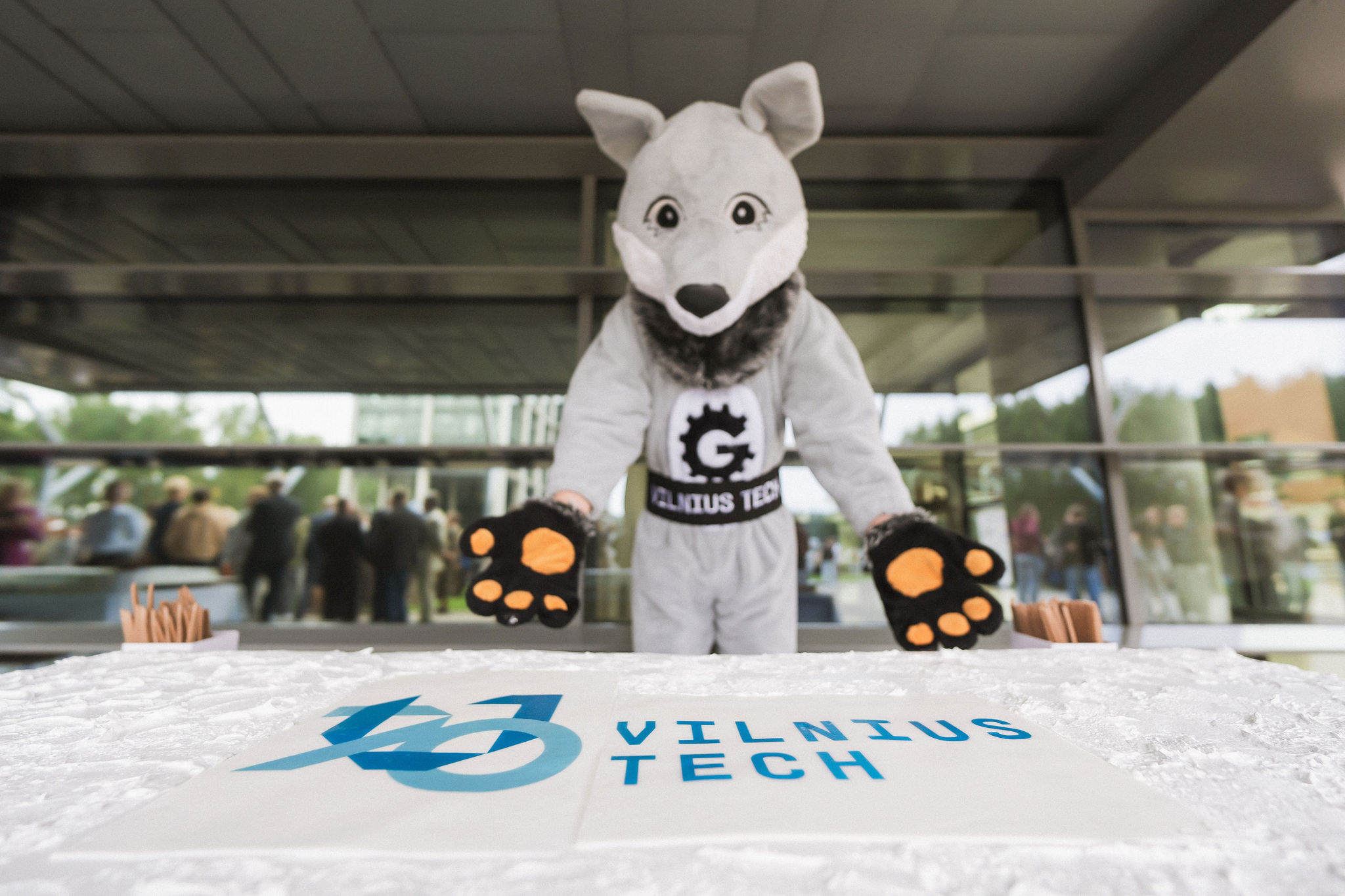
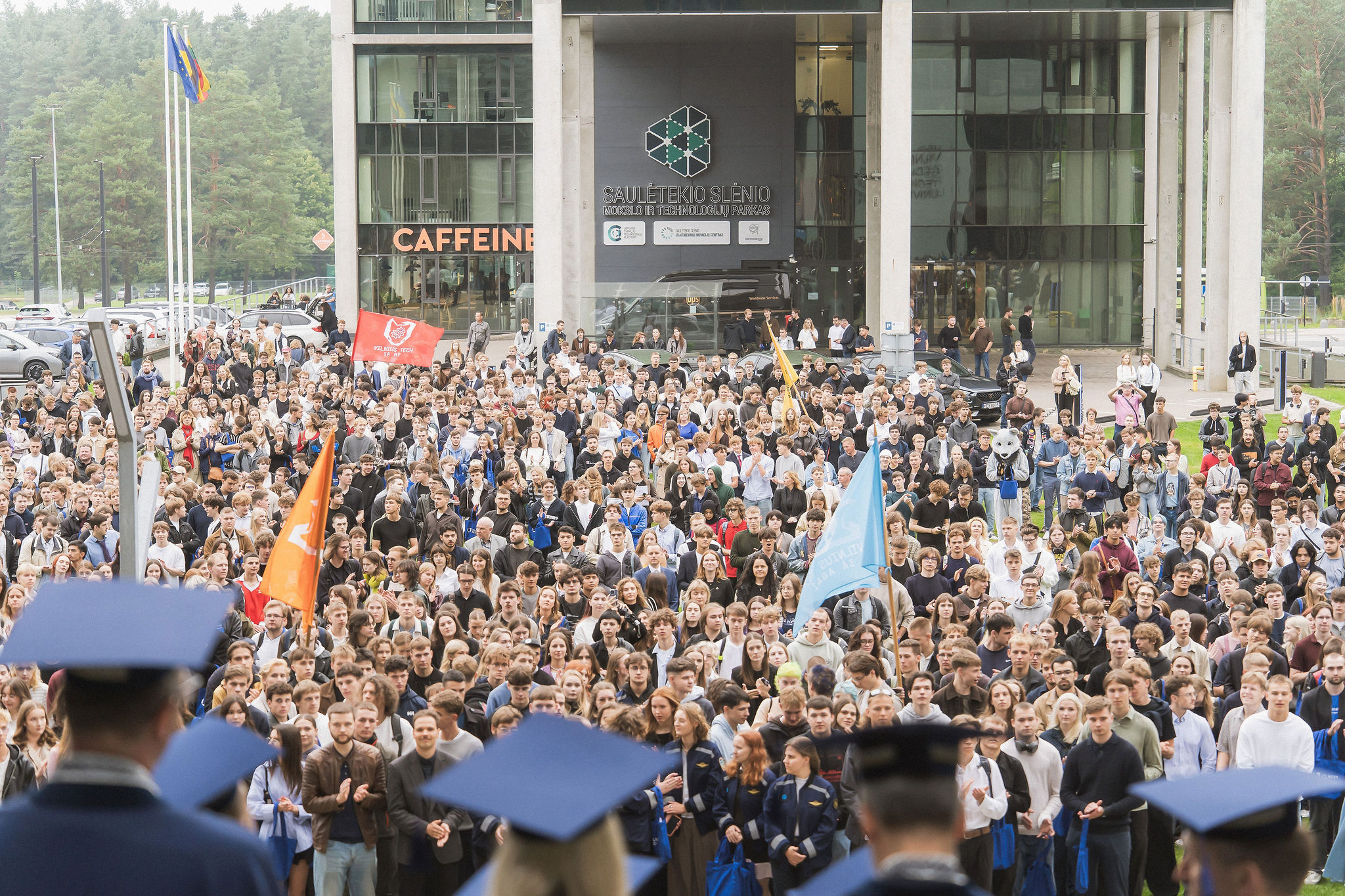
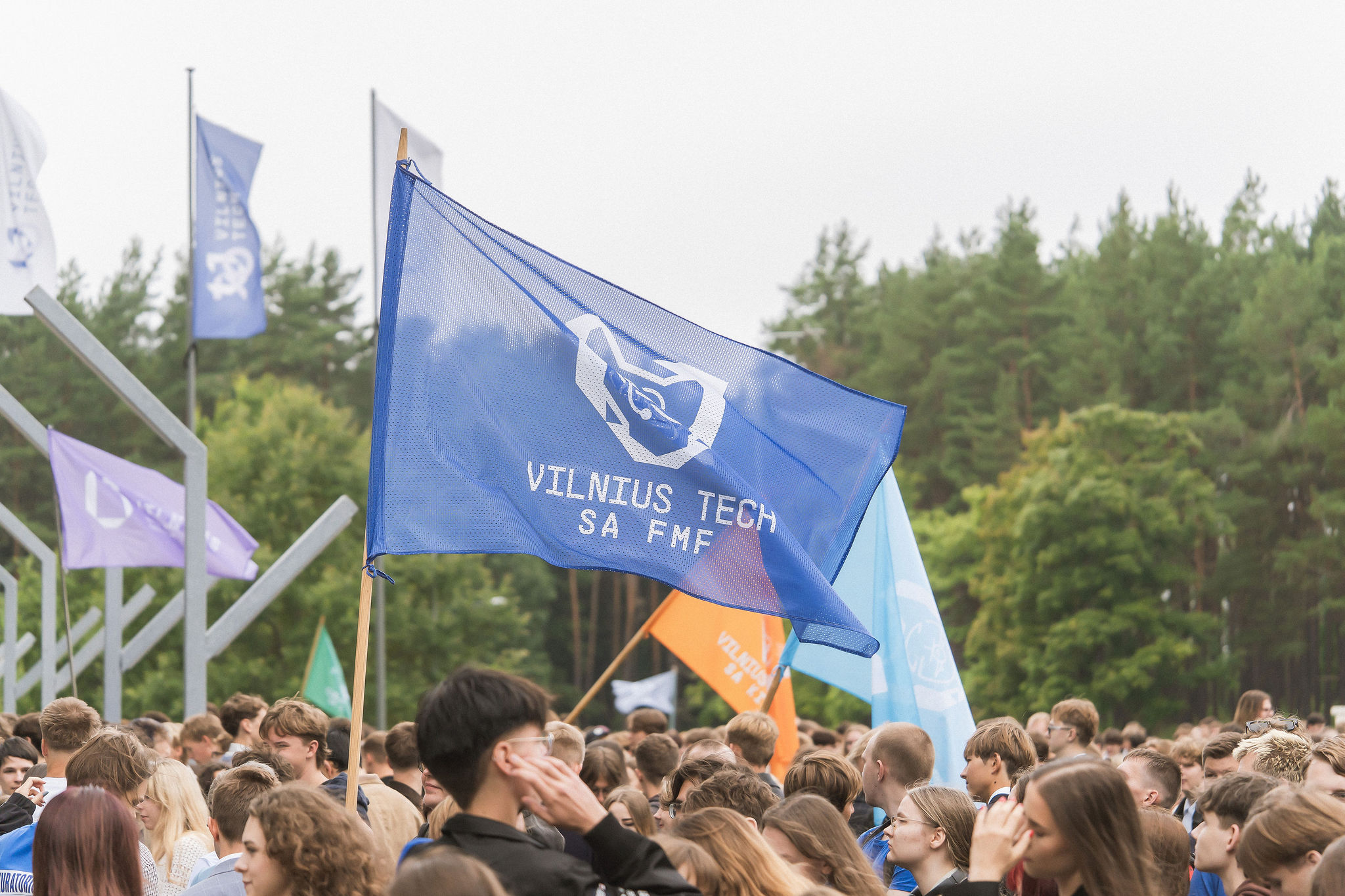
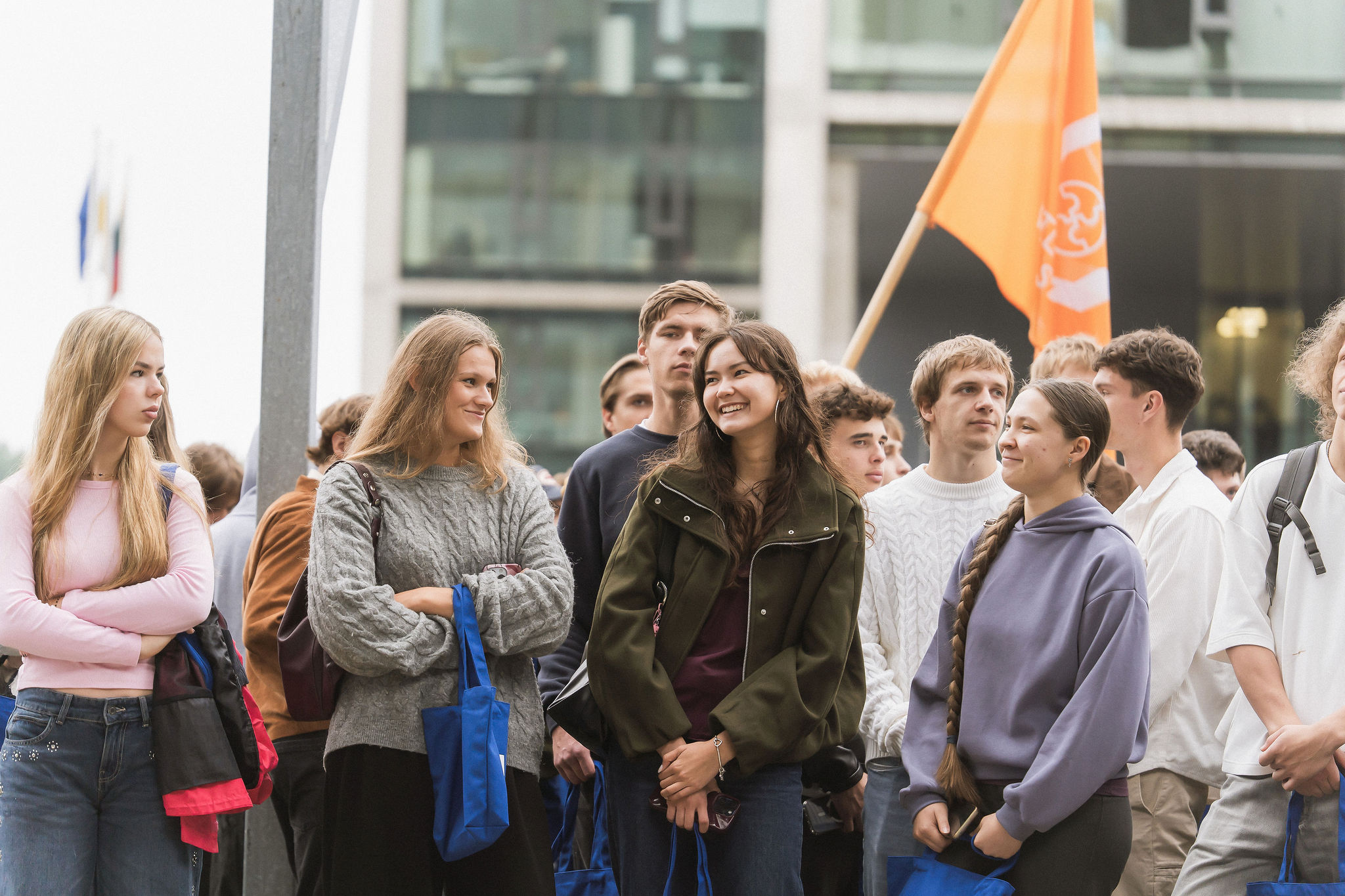
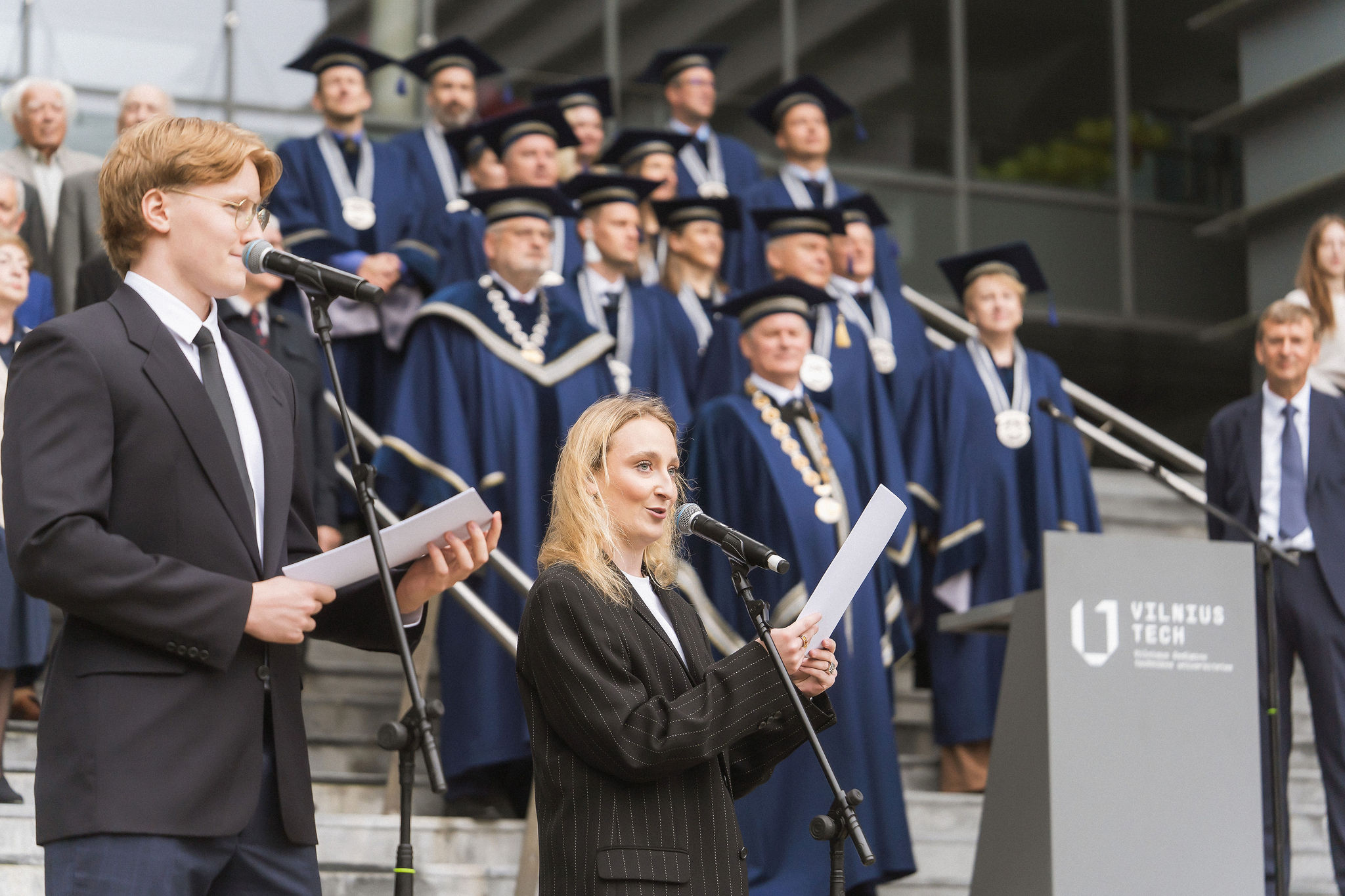
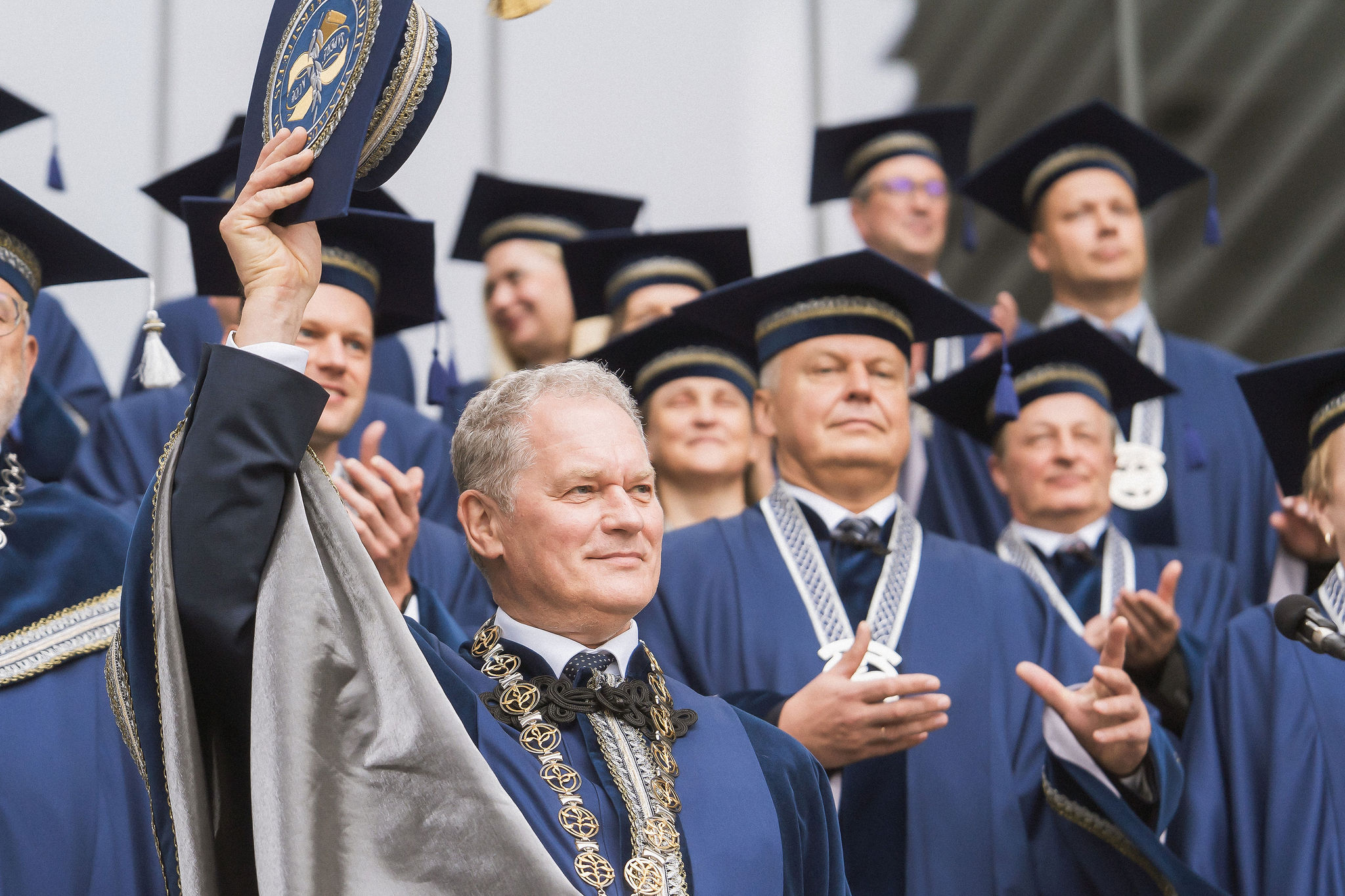
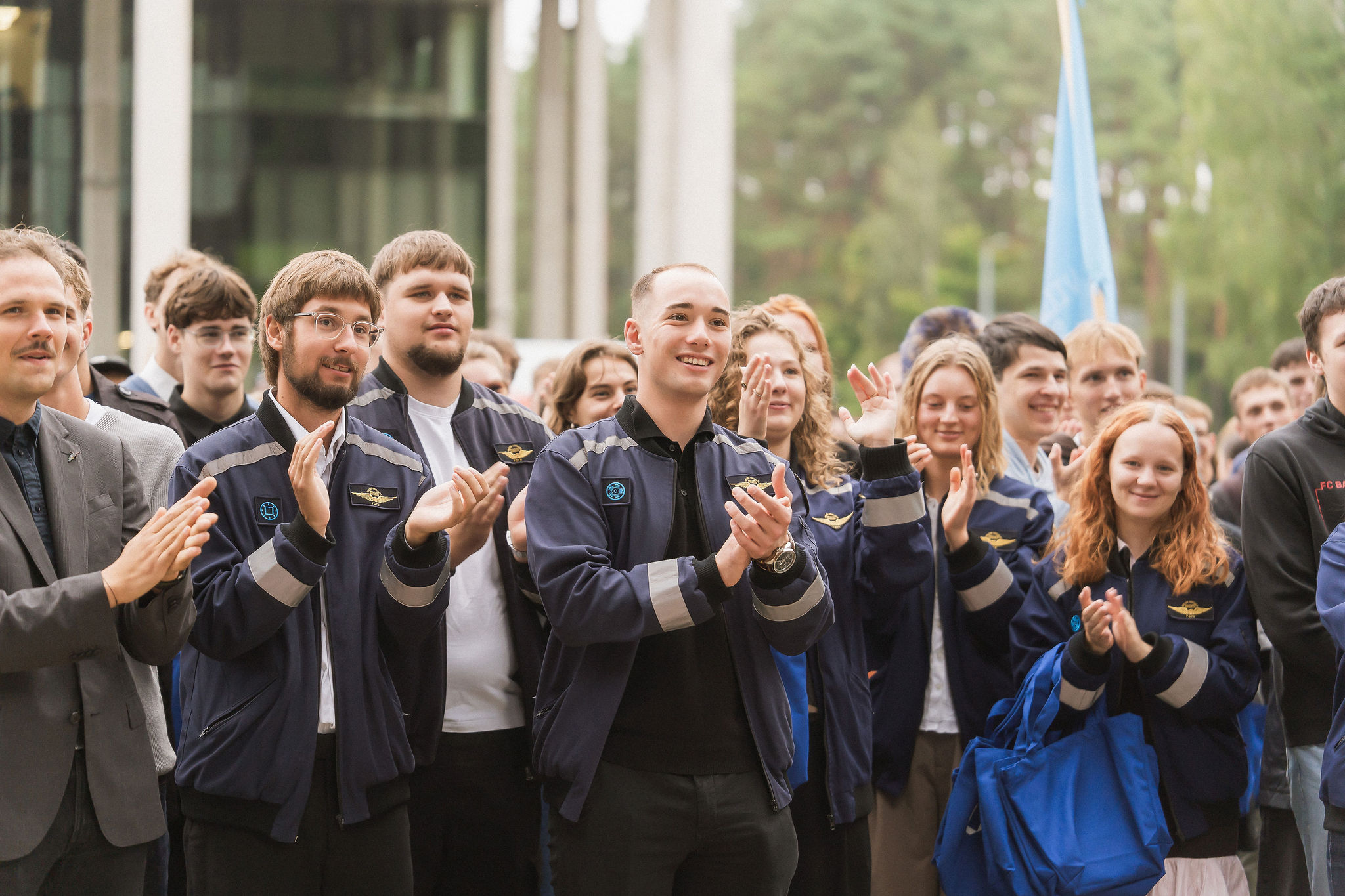
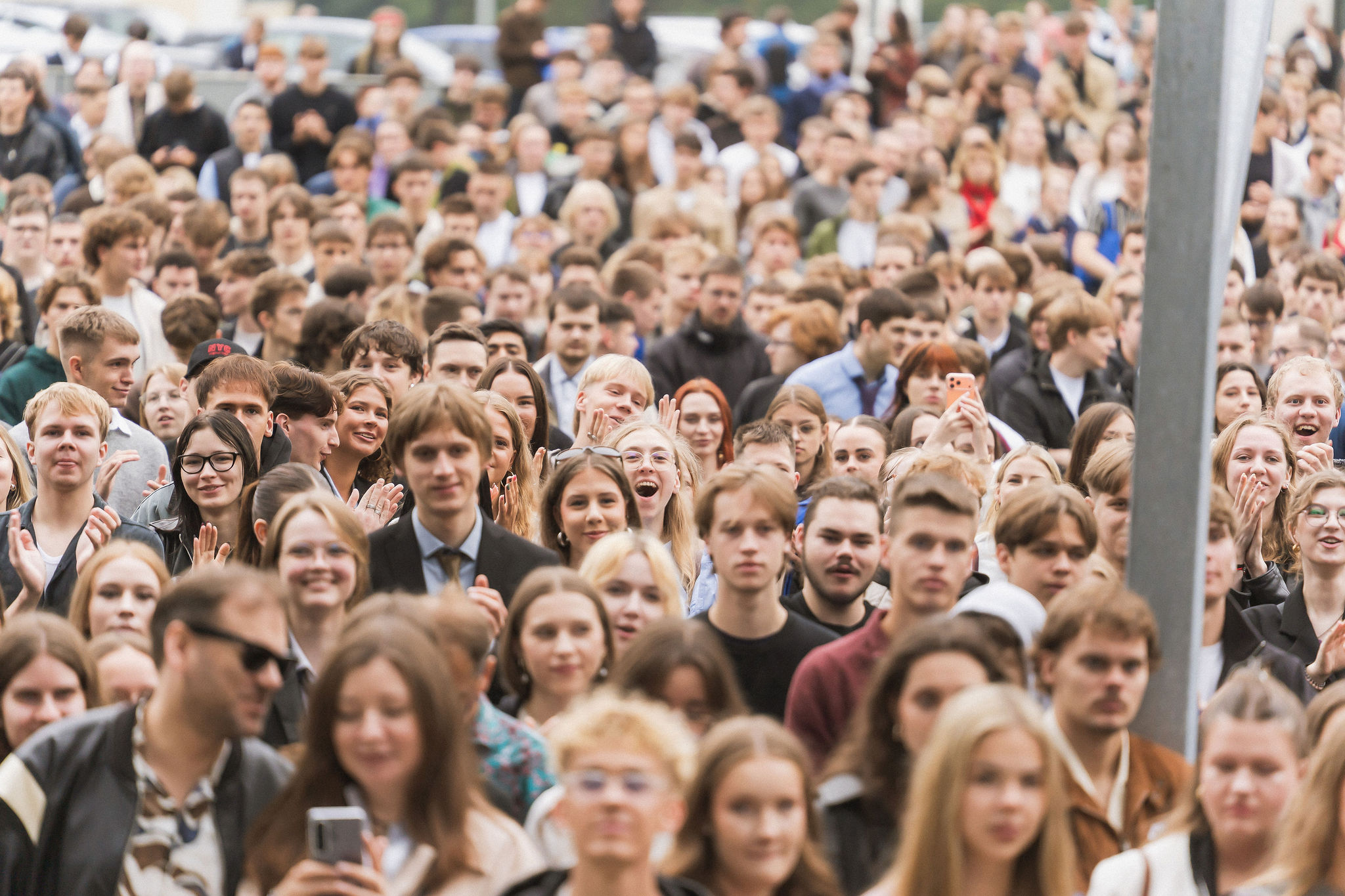
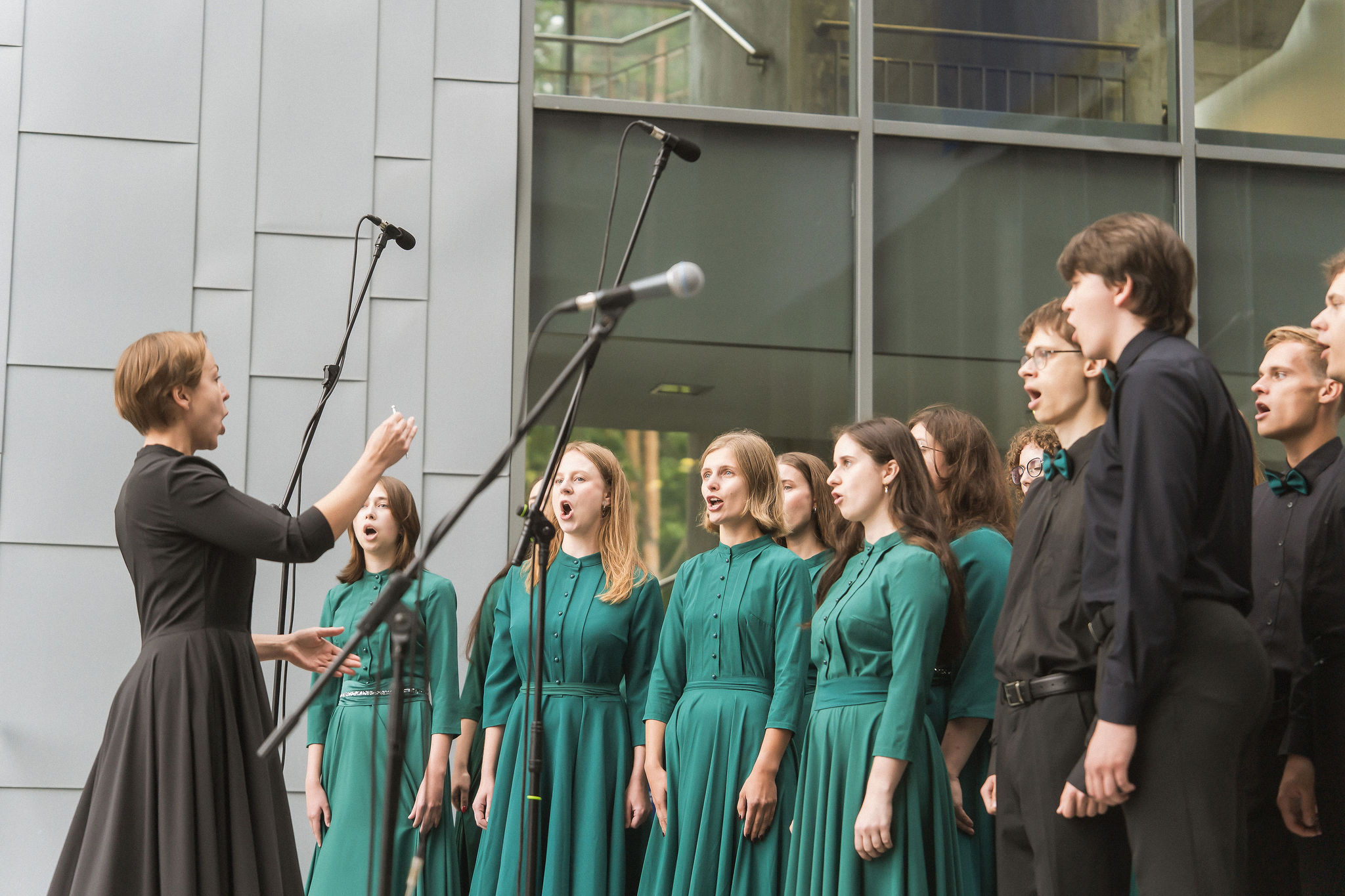
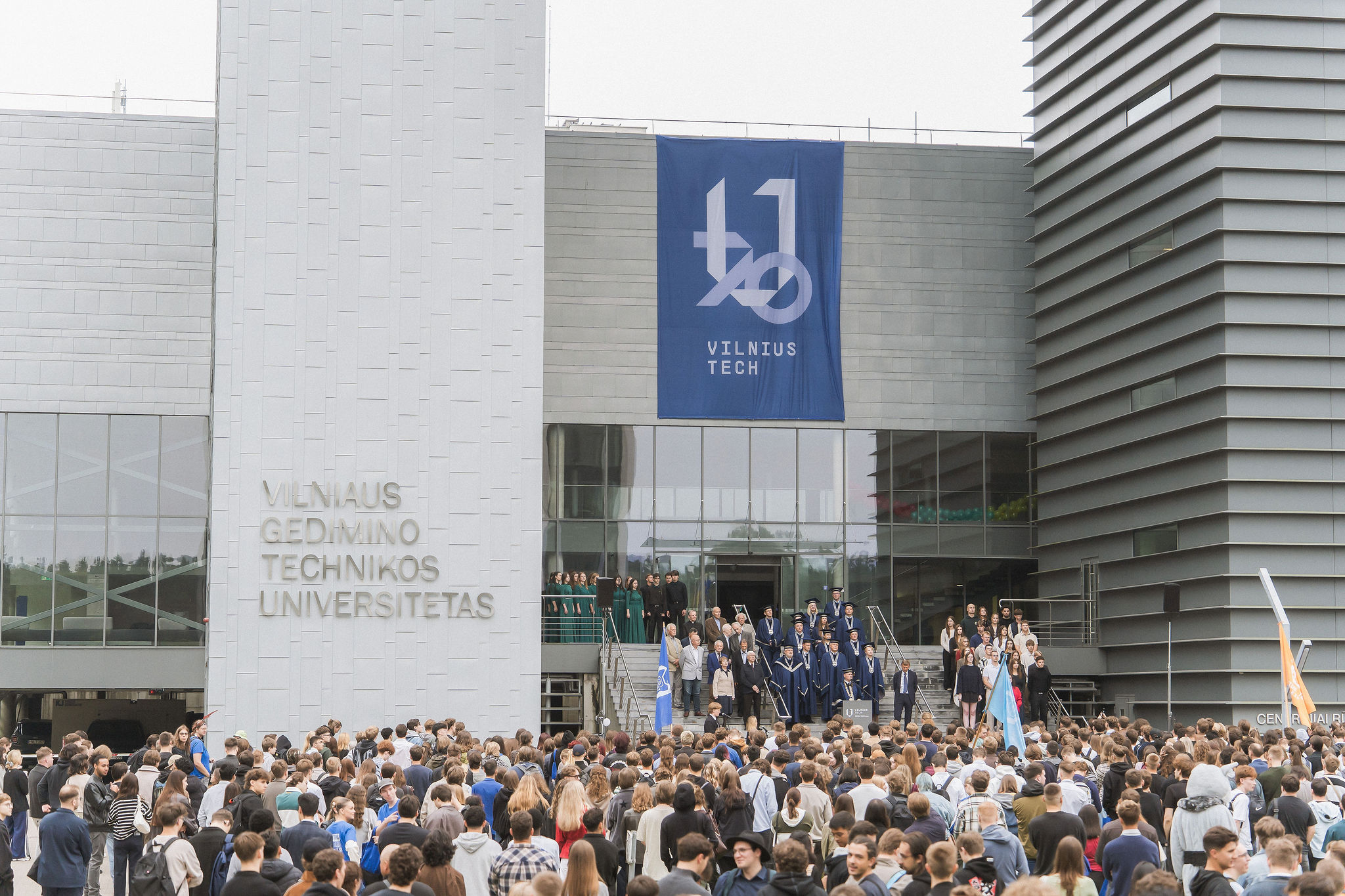
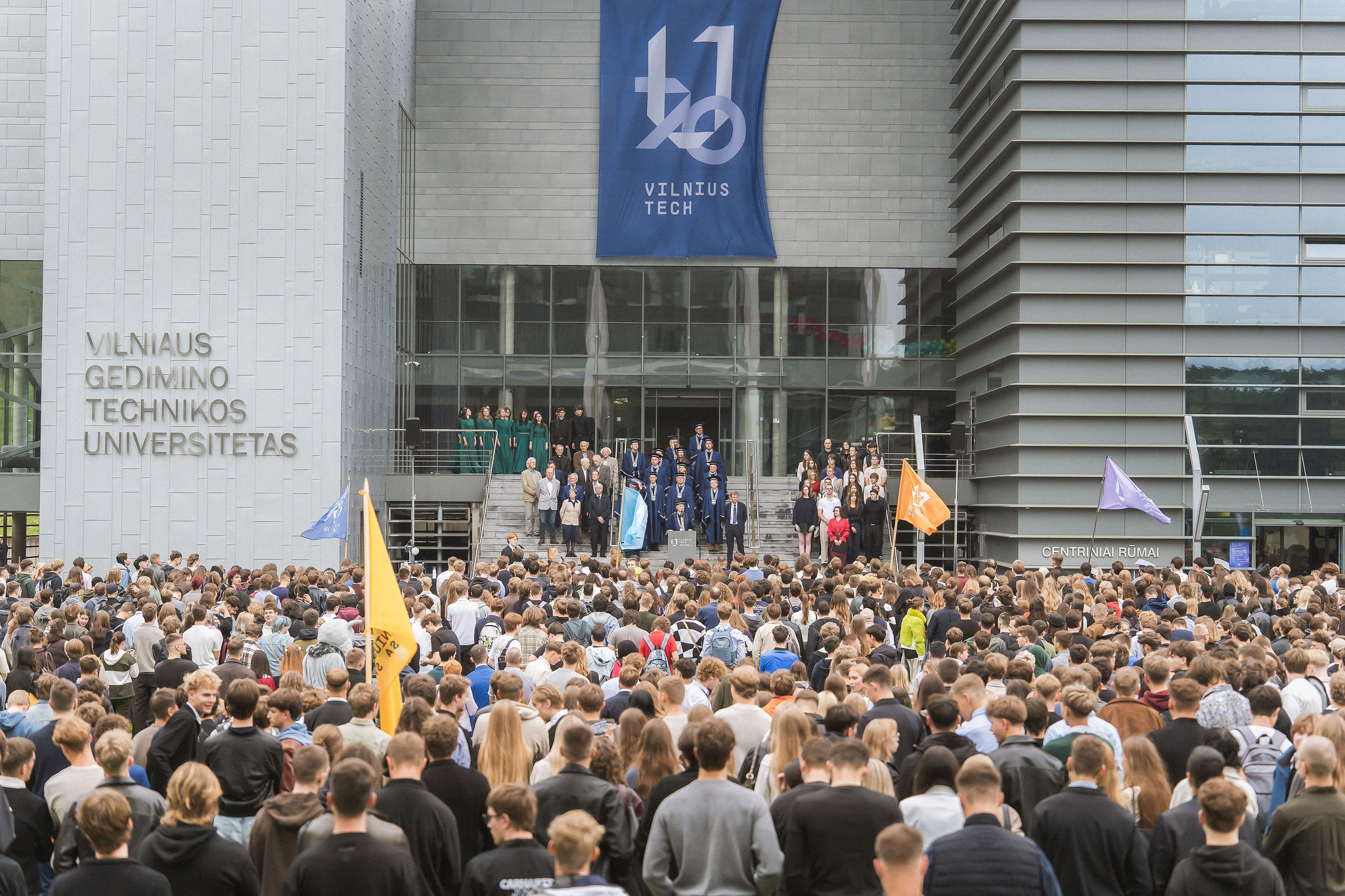
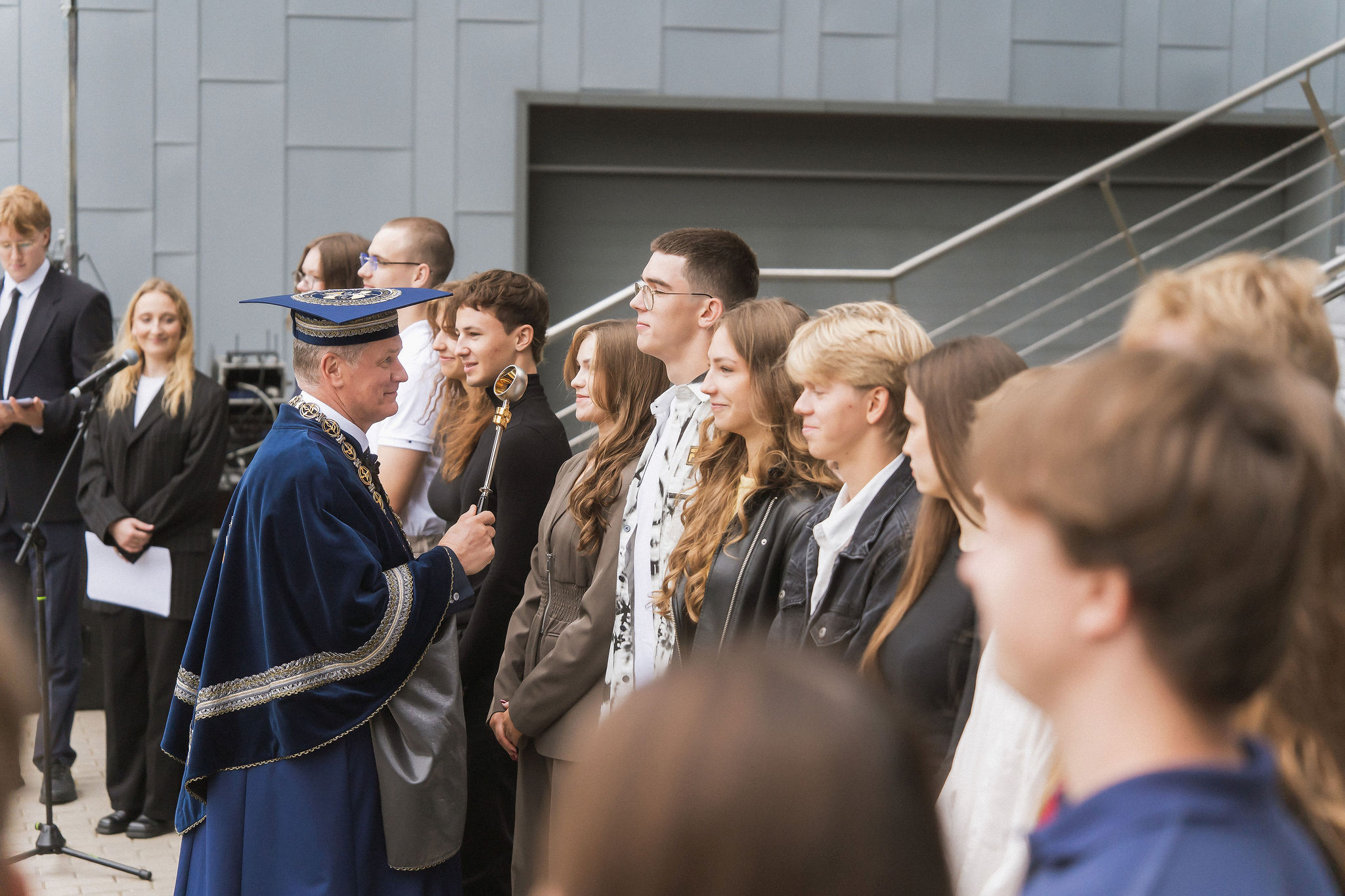
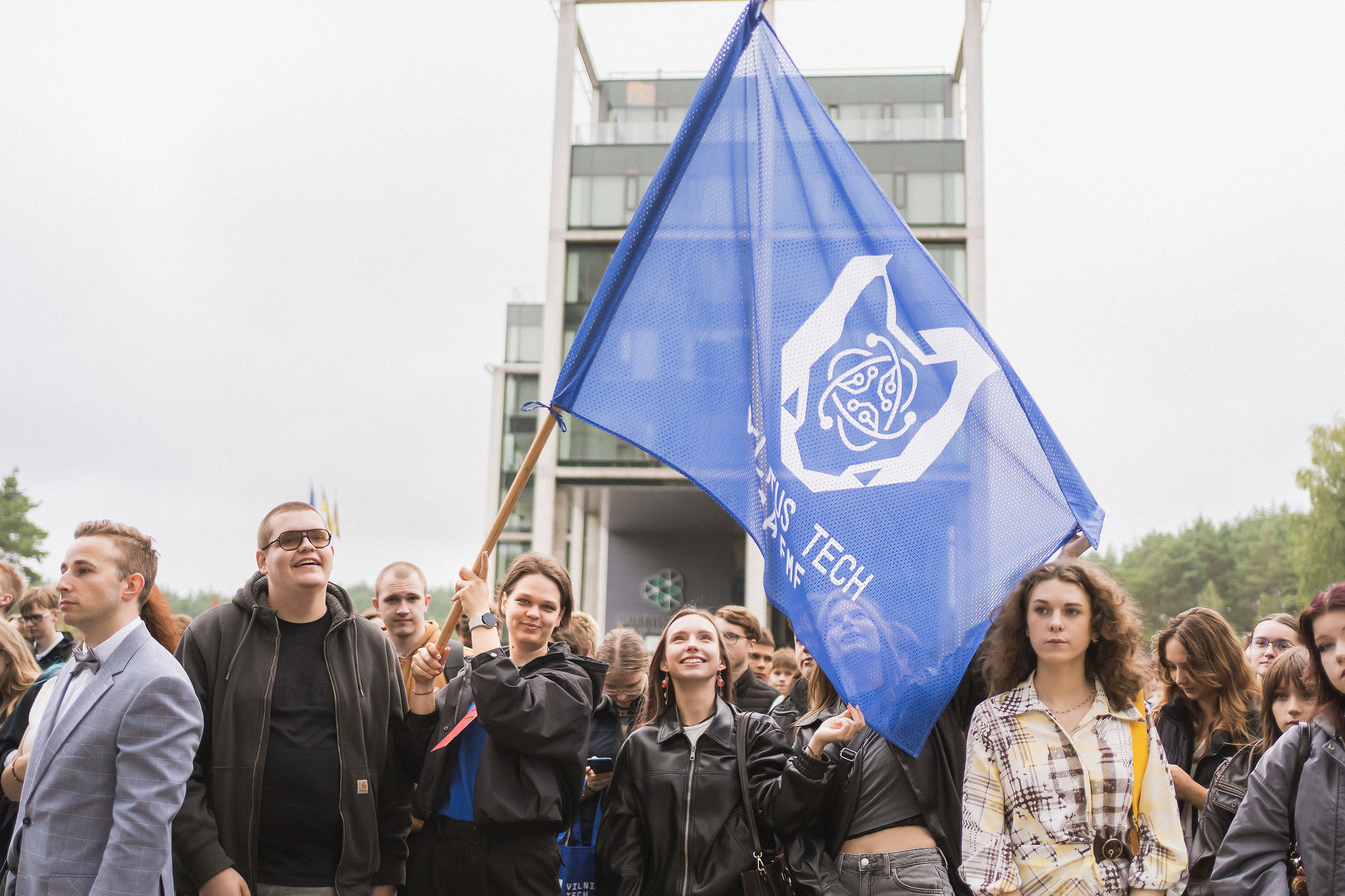
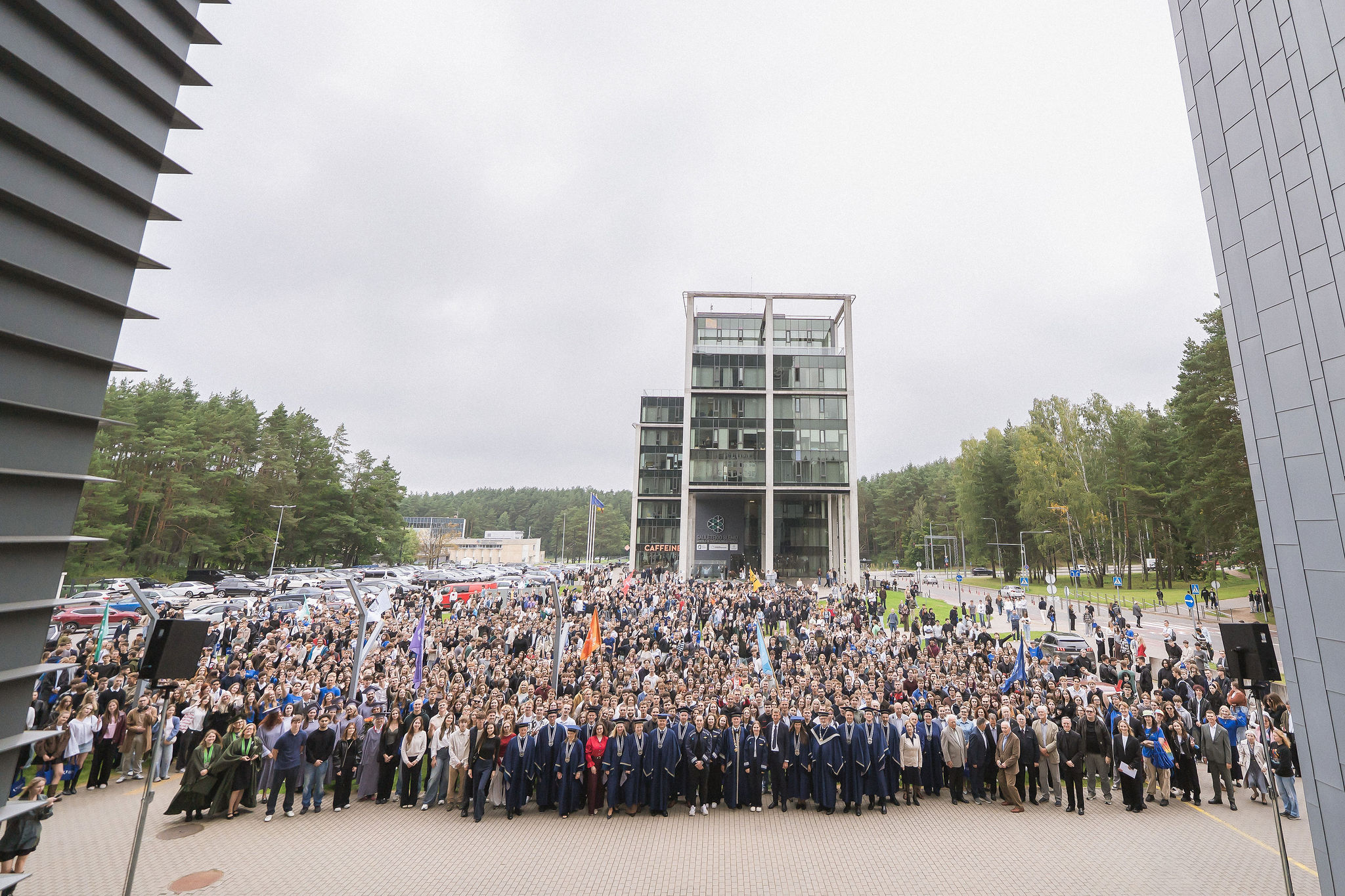
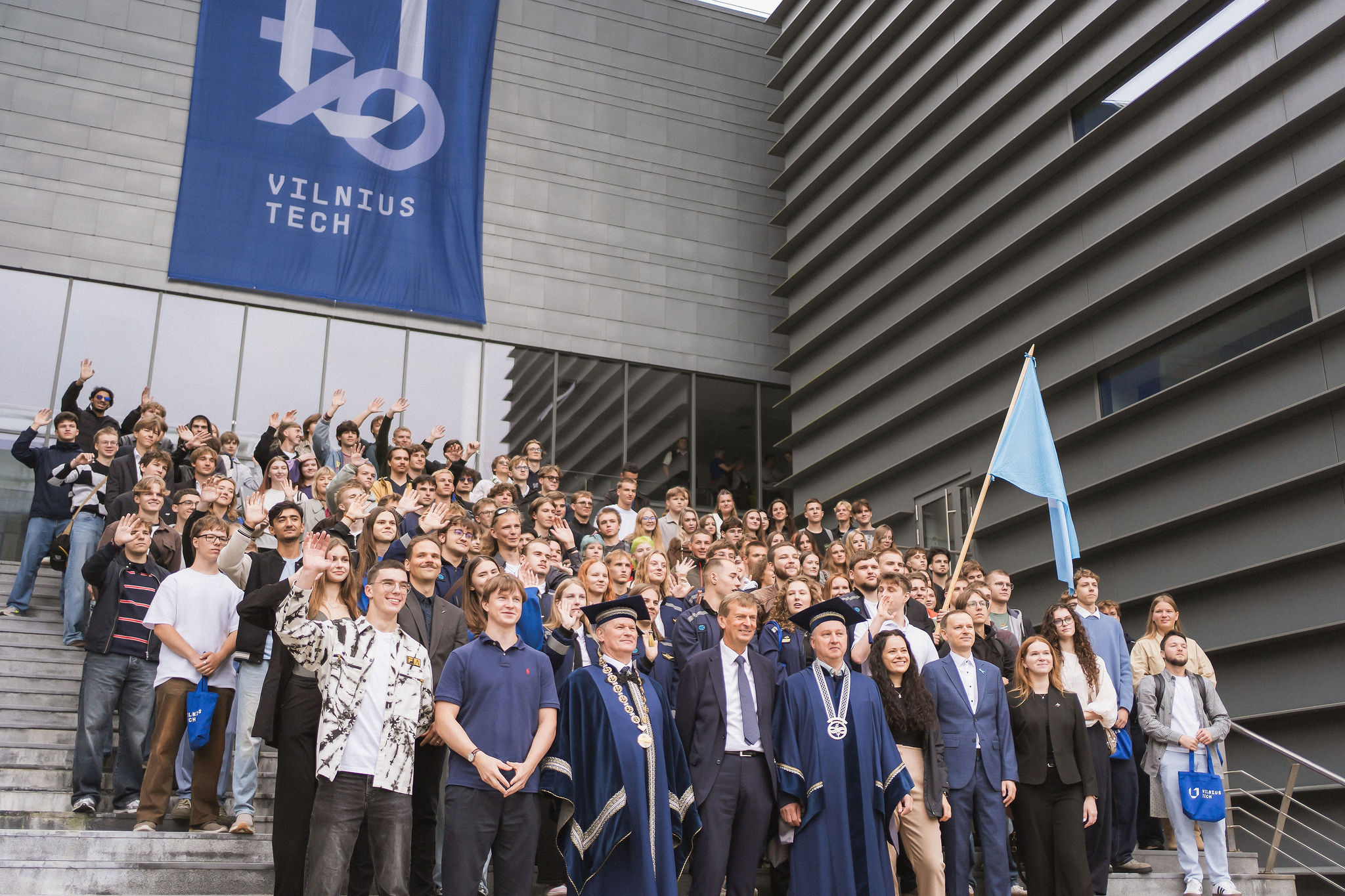
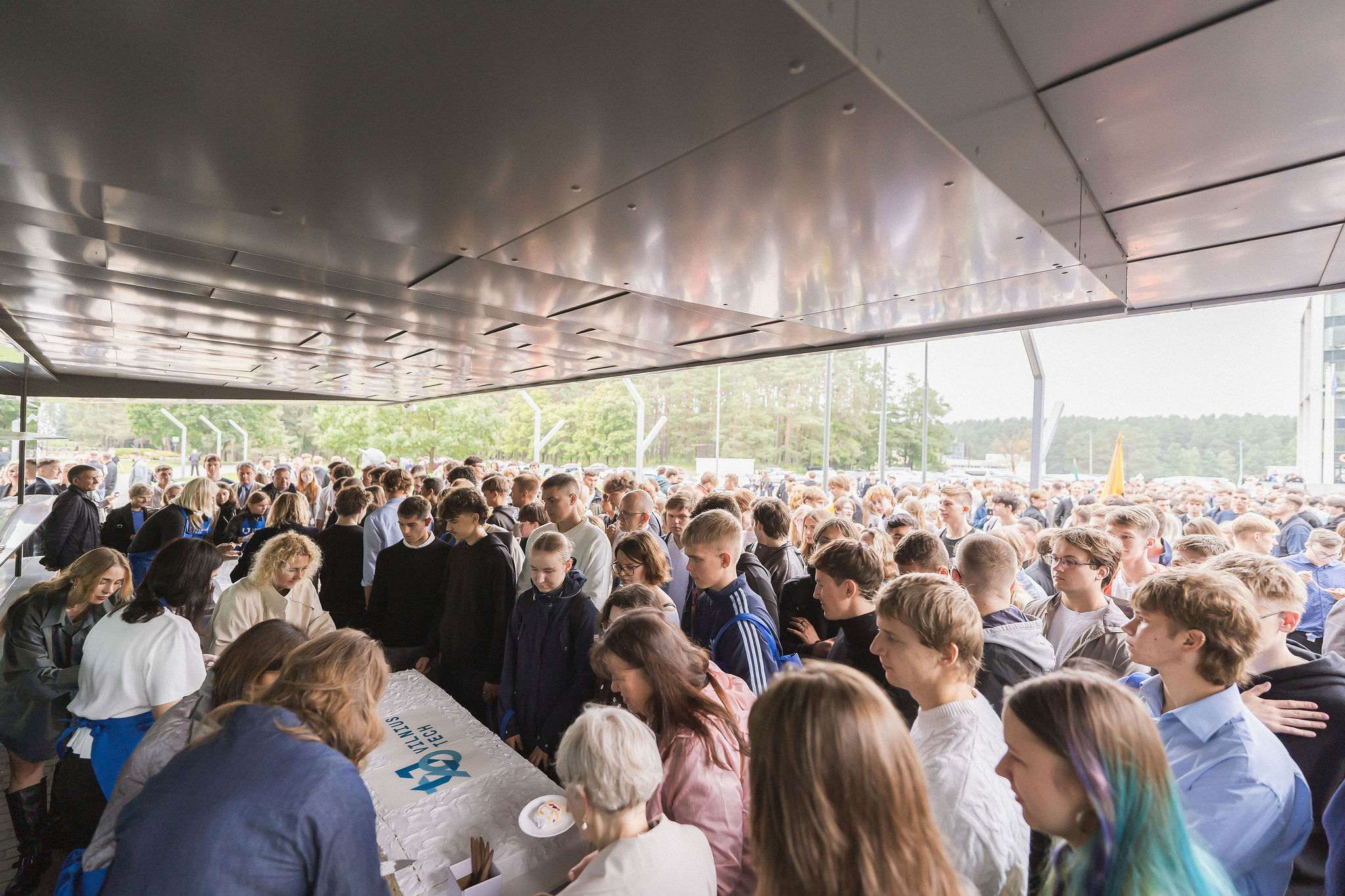
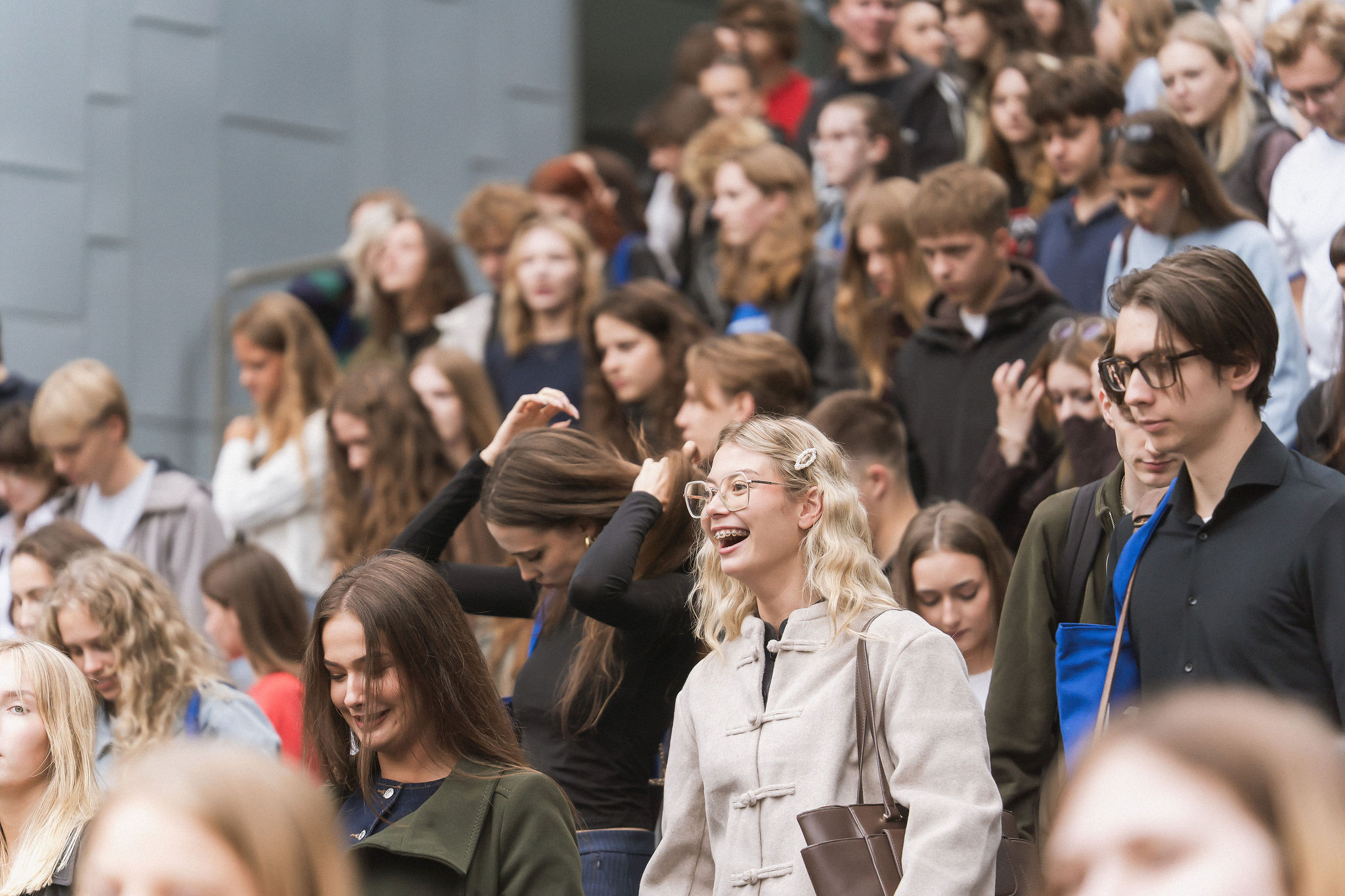
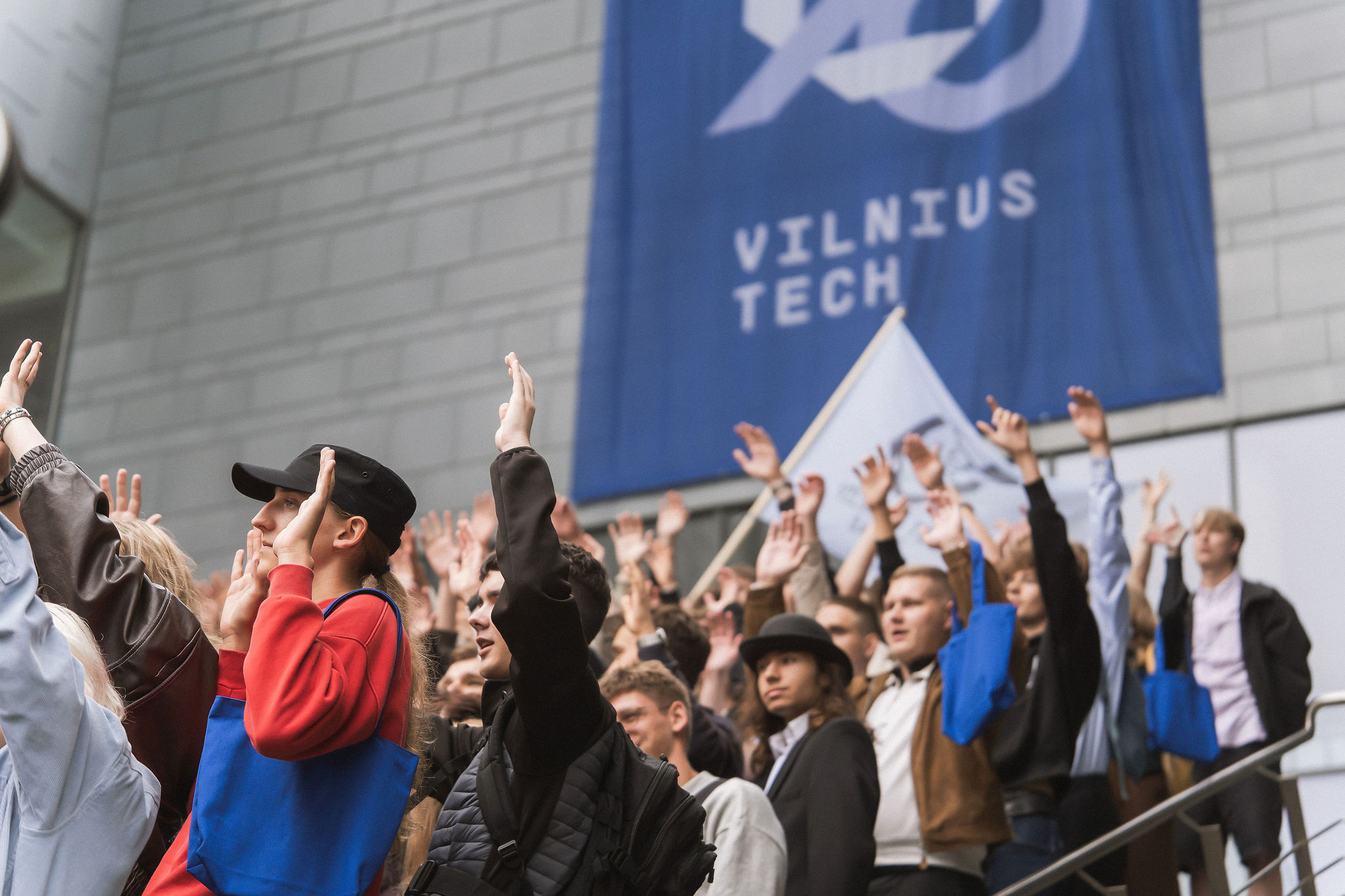
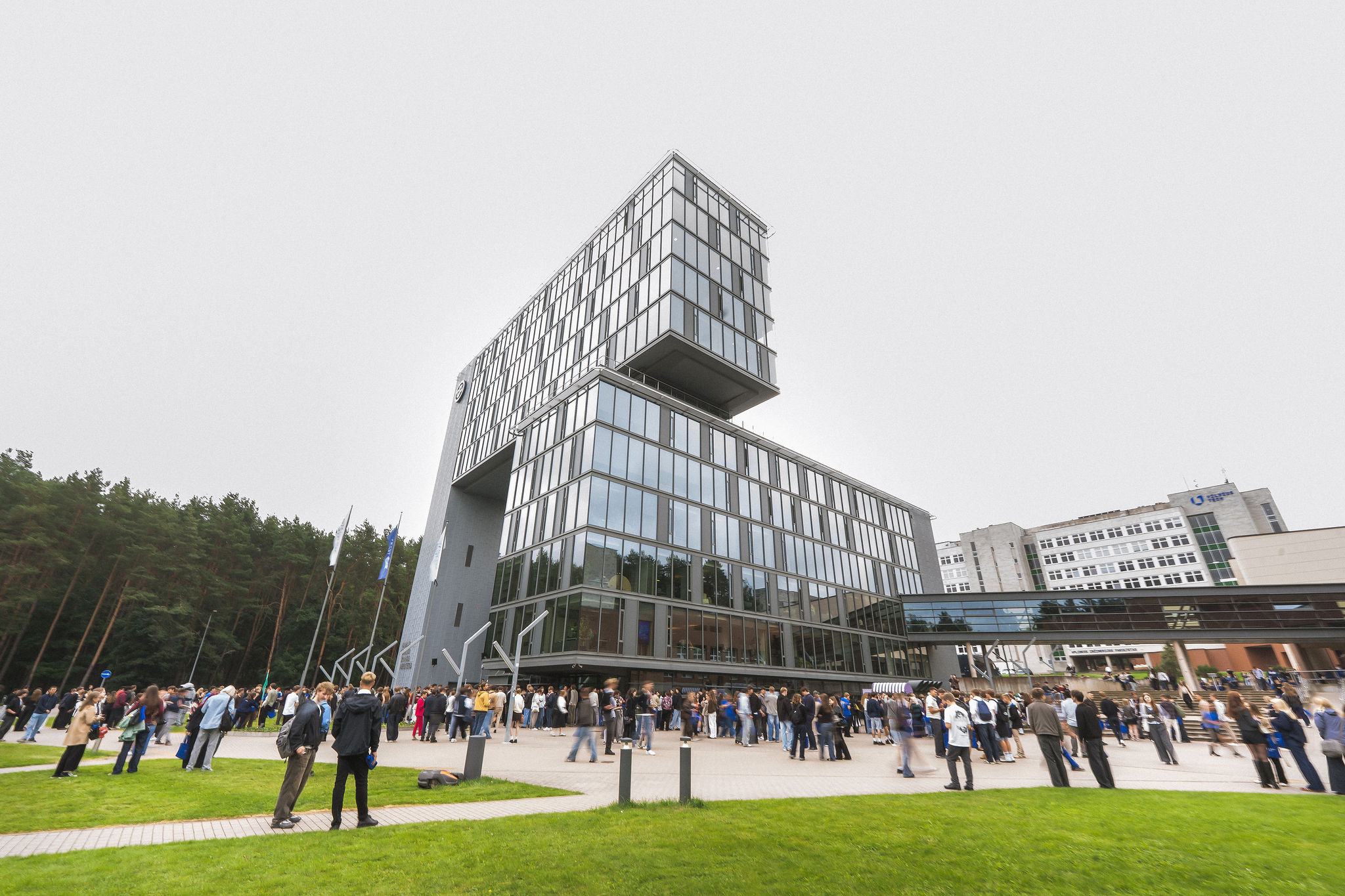
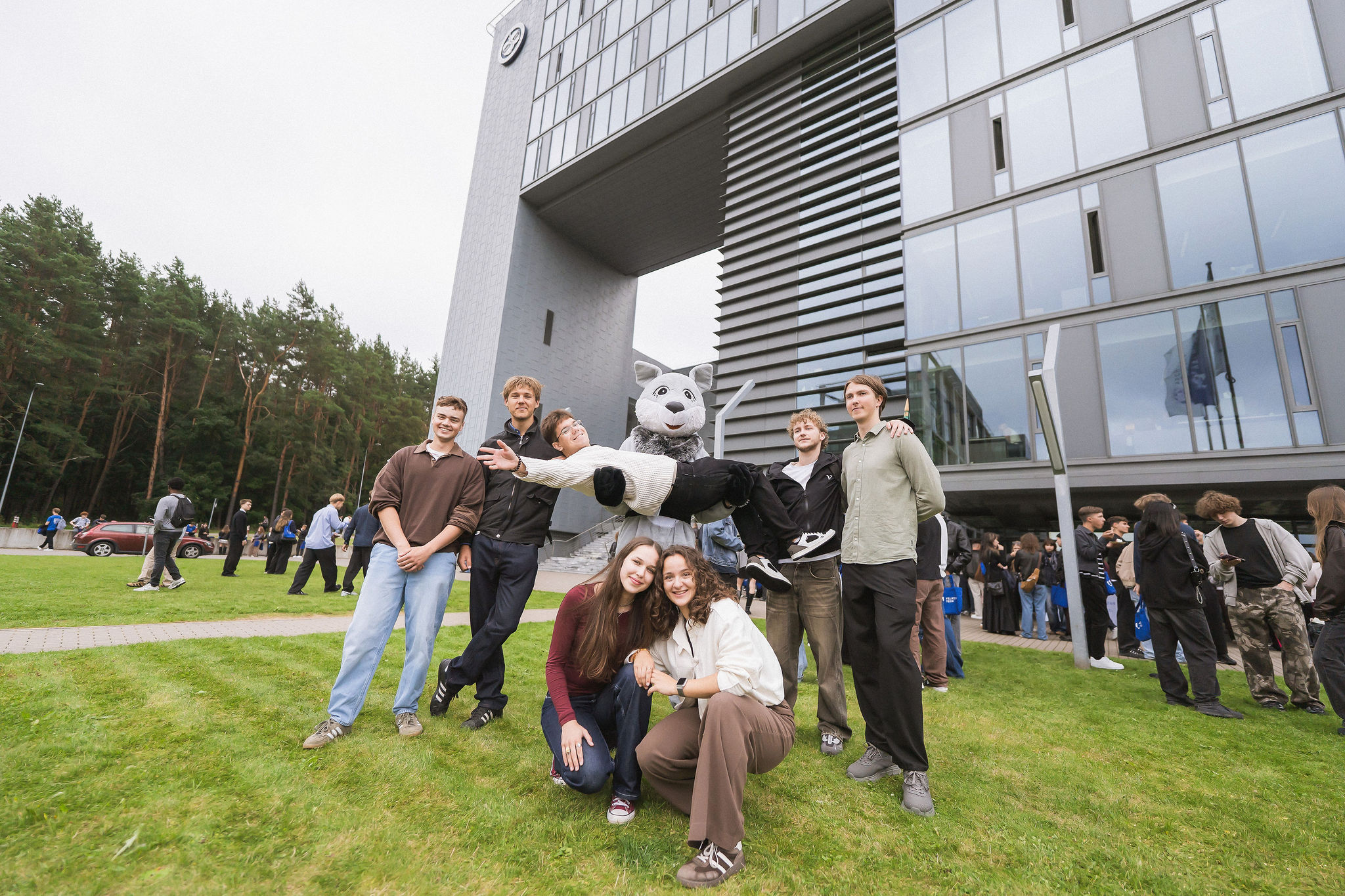
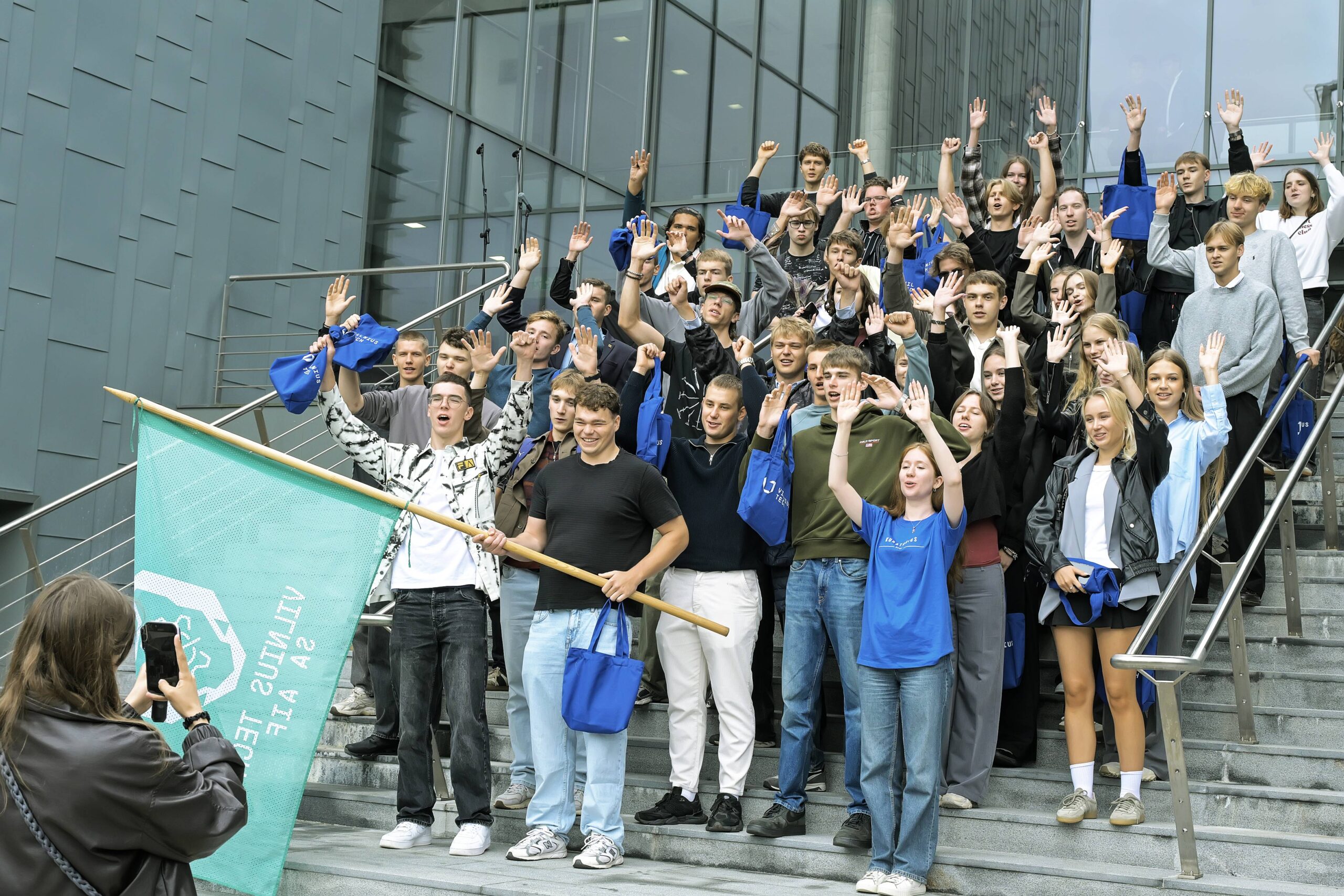
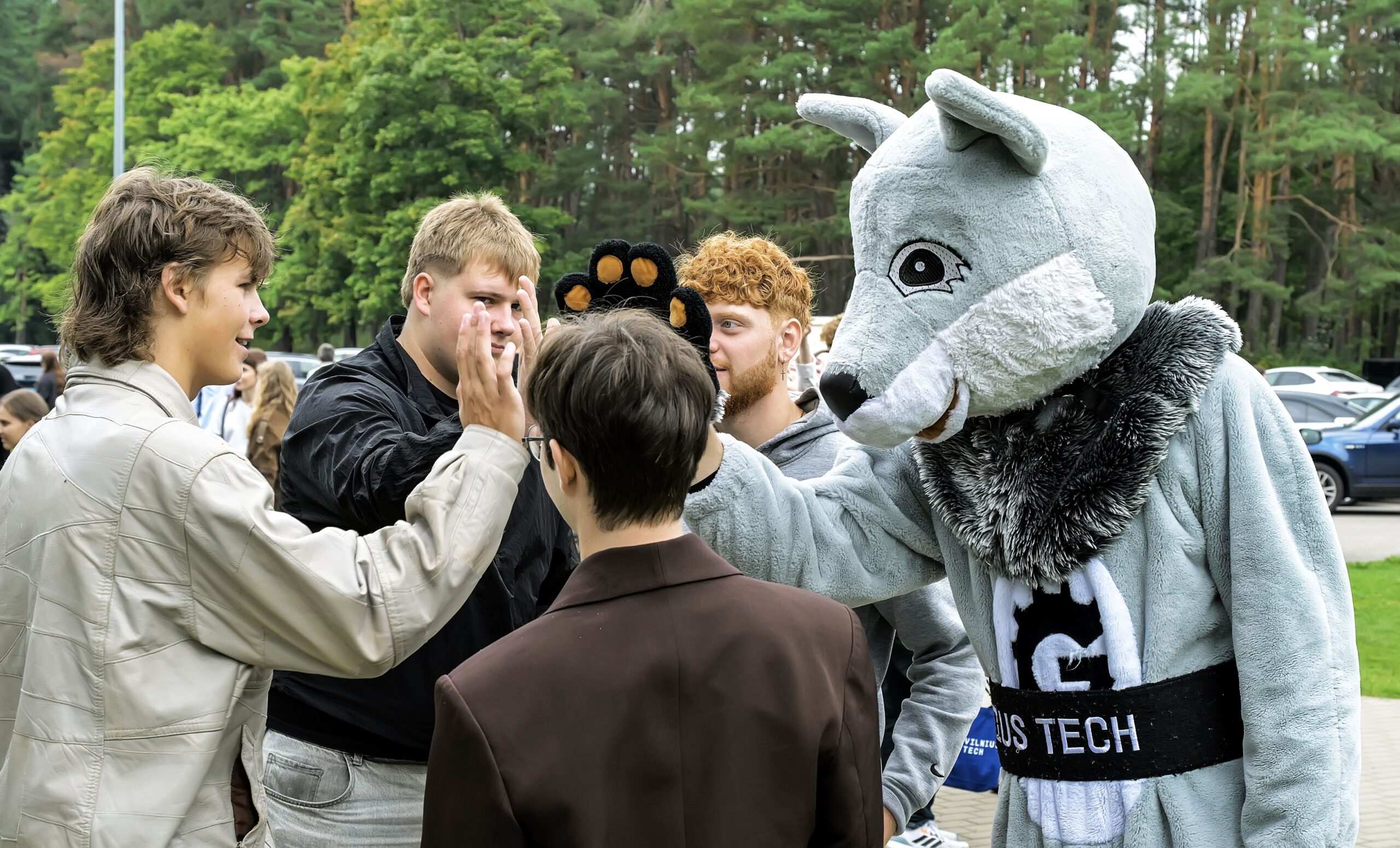
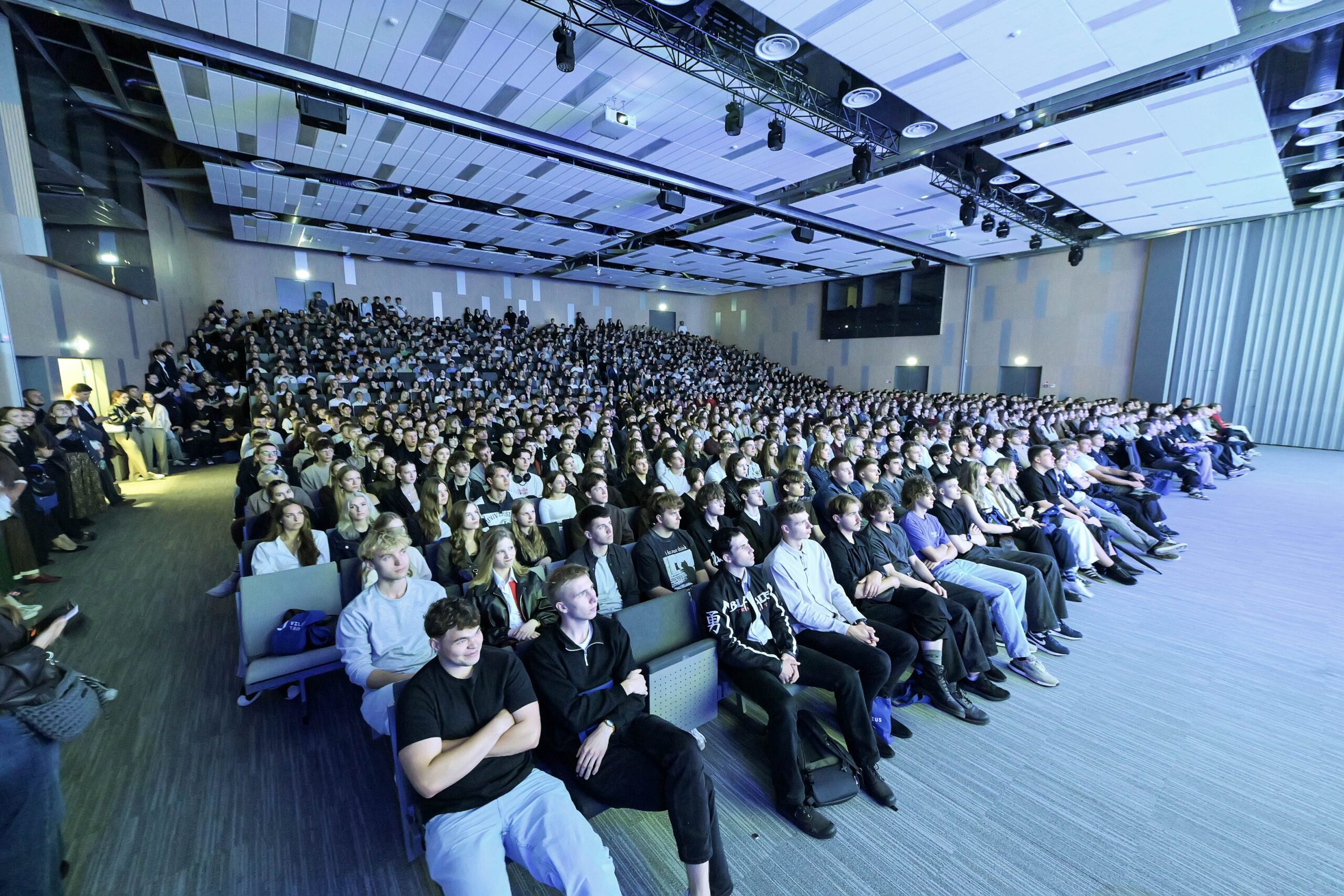
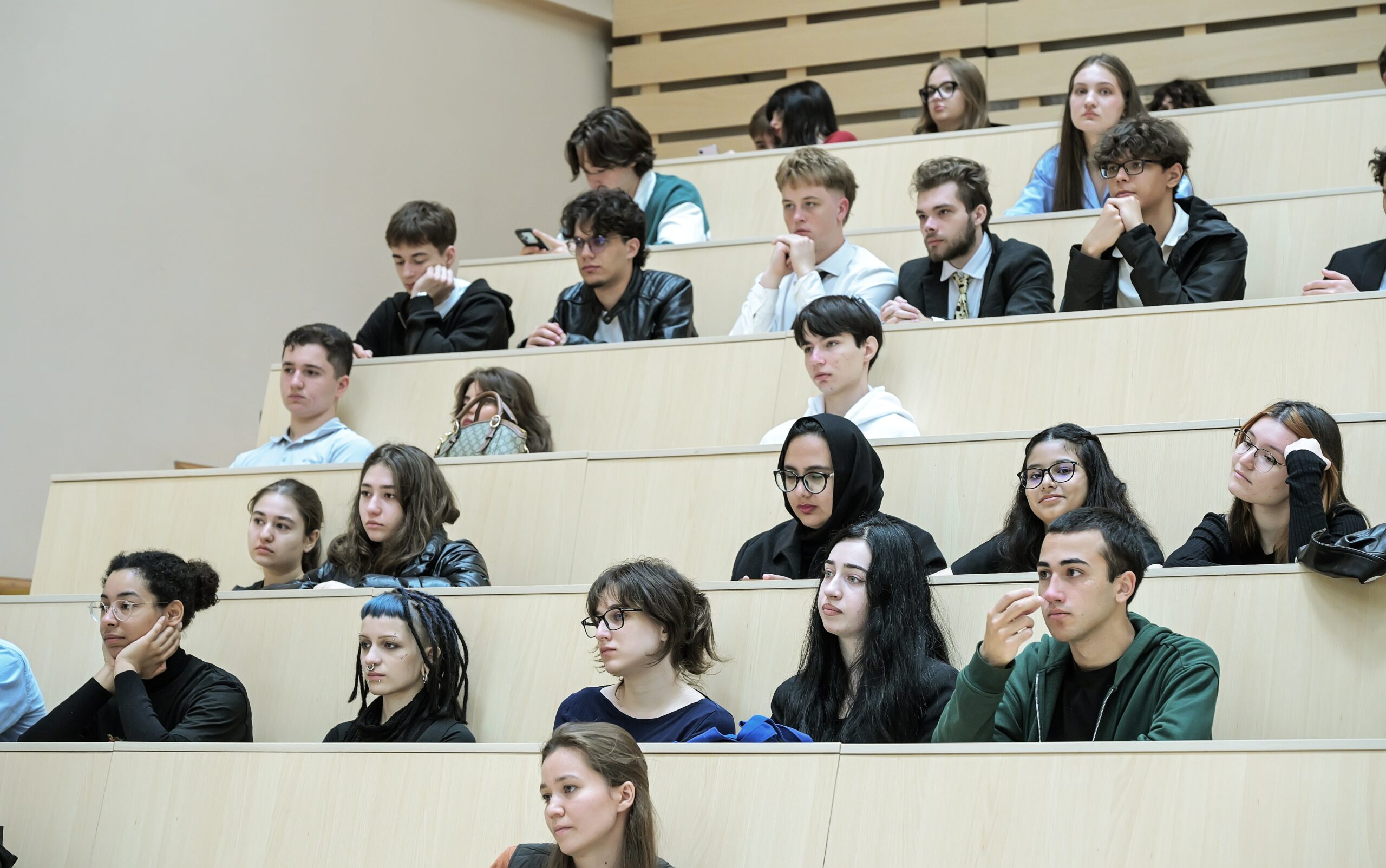
September is a time of new beginnings for the VILNIUS TECH community. Familiar faces have returned to the university, while first-year students have opened the university doors as official students for the very first time. During the September 1st celebration, the academic community was invited to start the new academic year with curiosity, boldness, and no fear of making mistakes.

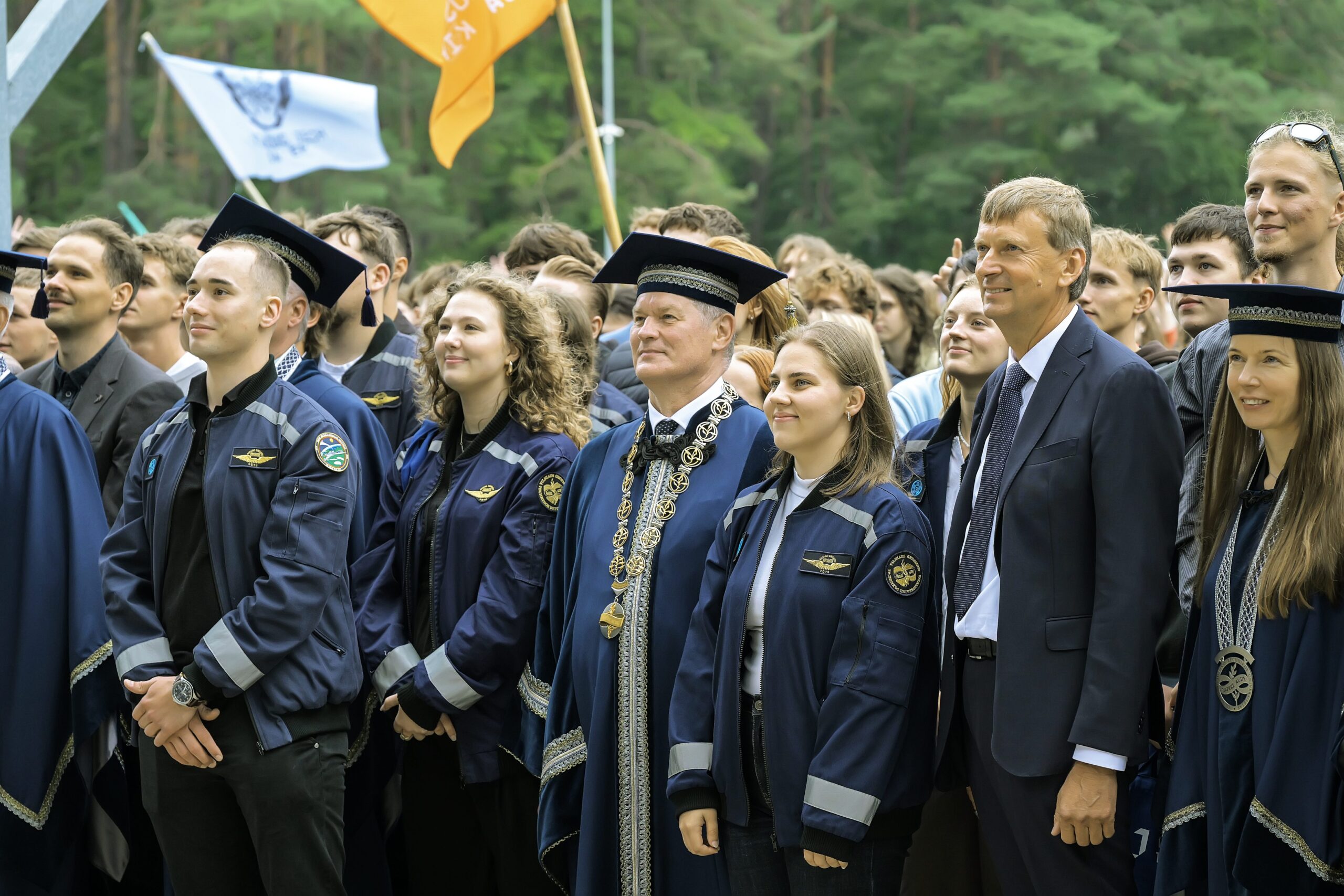
In his welcoming speech, Rector Romualdas Kliukas encouraged the more than two thousand new students to experiment, explore, and discover:

“We are here to help you prepare to live and work in an increasingly smart world. So that in a few years, you will be able to make high-quality, responsible, and ethical decisions in a world where intelligence is no longer exclusively a human trait. We promise that, like everyone at our university, you will eventually acquire the ‘techno-gene’. We will experiment a lot and explore patiently until we find solutions. And we will keep reminding you that every invention starts with play,” the Rector said.

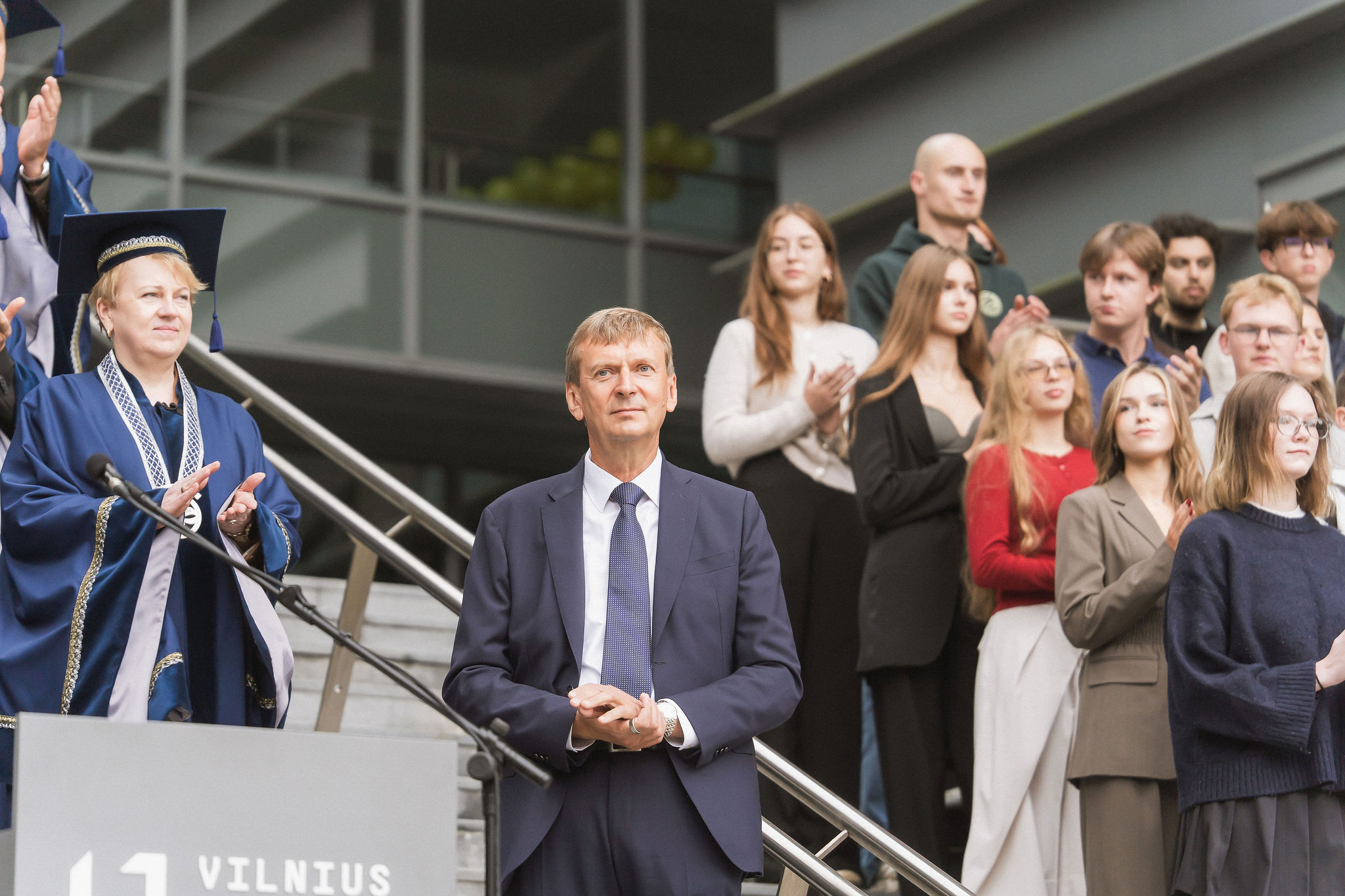
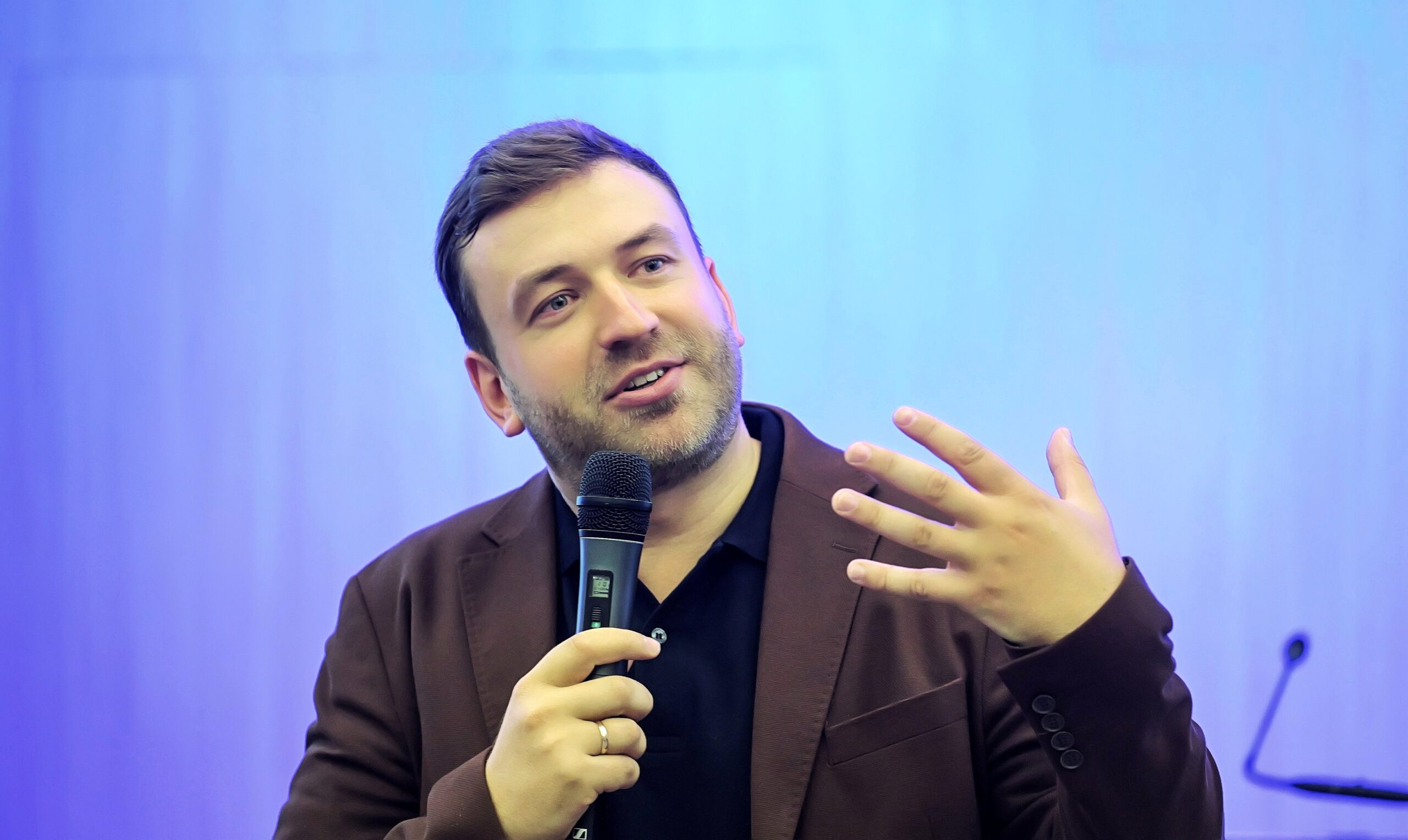
Recalling his own experience as a graduate of the university’s Faculty of Civil Engineering, Dainius Dundulis, Chairman of the VILNIUS TECH Council, highlighted how drastically technology and the work of an engineer have changed over the past few decades. However, according to the alumnus, technological advancement does not eliminate human responsibility. On the contrary, it requires the ability to understand not just individual calculations, but their broader context as well.

“An engineer, a technical person, must not only plug numbers into formulas but also understand the structure and be able to modify the entire process even without technology,” said the Chairman of the VILNIUS TECH Council.

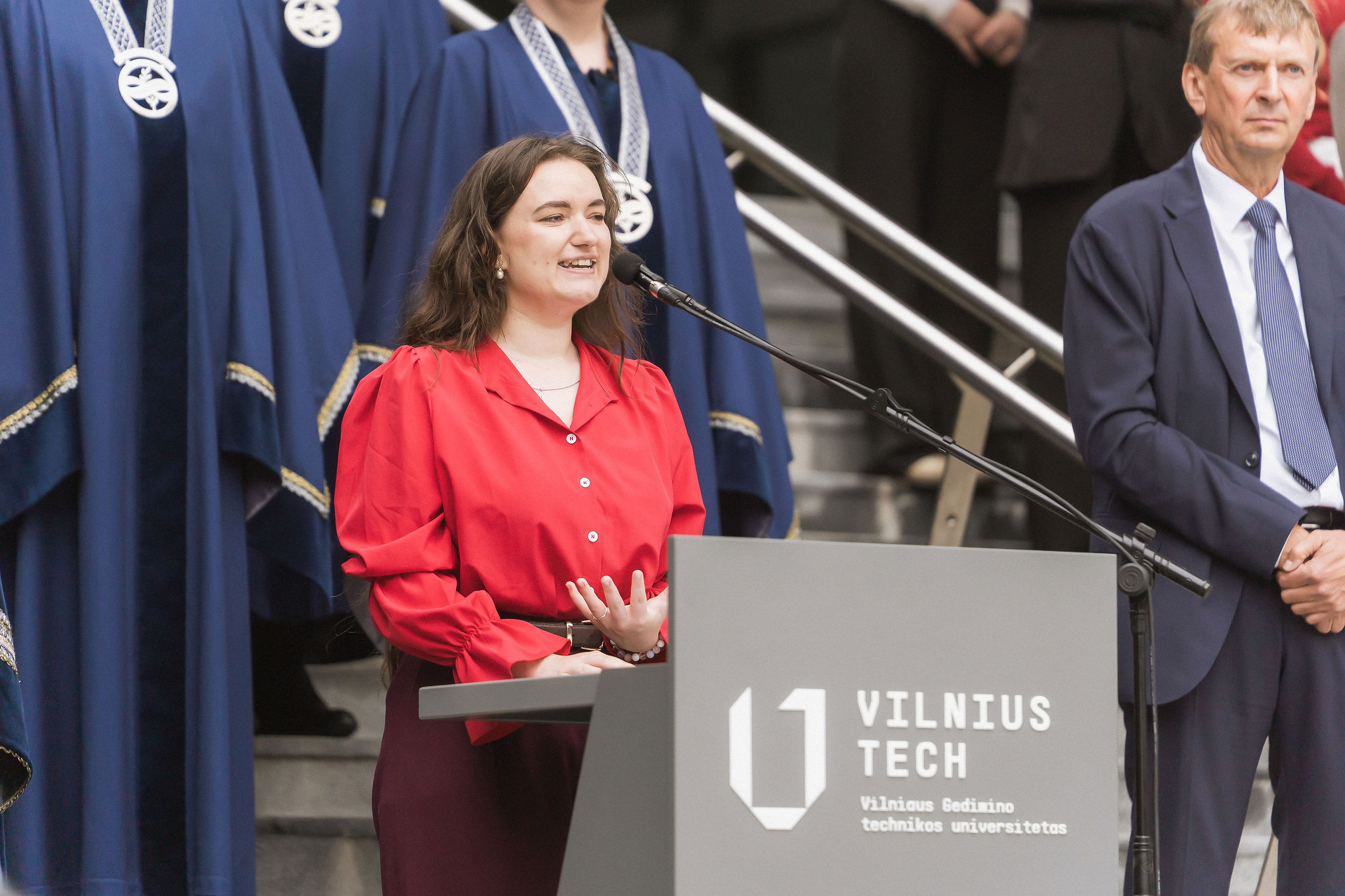
Gabrielė Kovalevskytė, President of the VILNIUS TECH Students’ Representation (SA), also welcomed the new students and the entire academic community. Recalling her own first year at the university, she repeated the words she had once heard: the university will offer a student countless opportunities—the most important thing is not to be afraid to seize them.

“Be bold, creative, and determined. Ask questions, don’t be afraid to make mistakes; fall down, get back up, help your friend up, and move forward with your head held high!” G. Kovalevskytė told the first-year students.

According to her, student life is not just about lectures, exams, and assessments. It is also about new friendships, events, discussions, shared experiences, and even mistakes that later turn into fond memories. Therefore, for the new academic year, she encouraged them not only to strive for academic results but to truly experience student life.

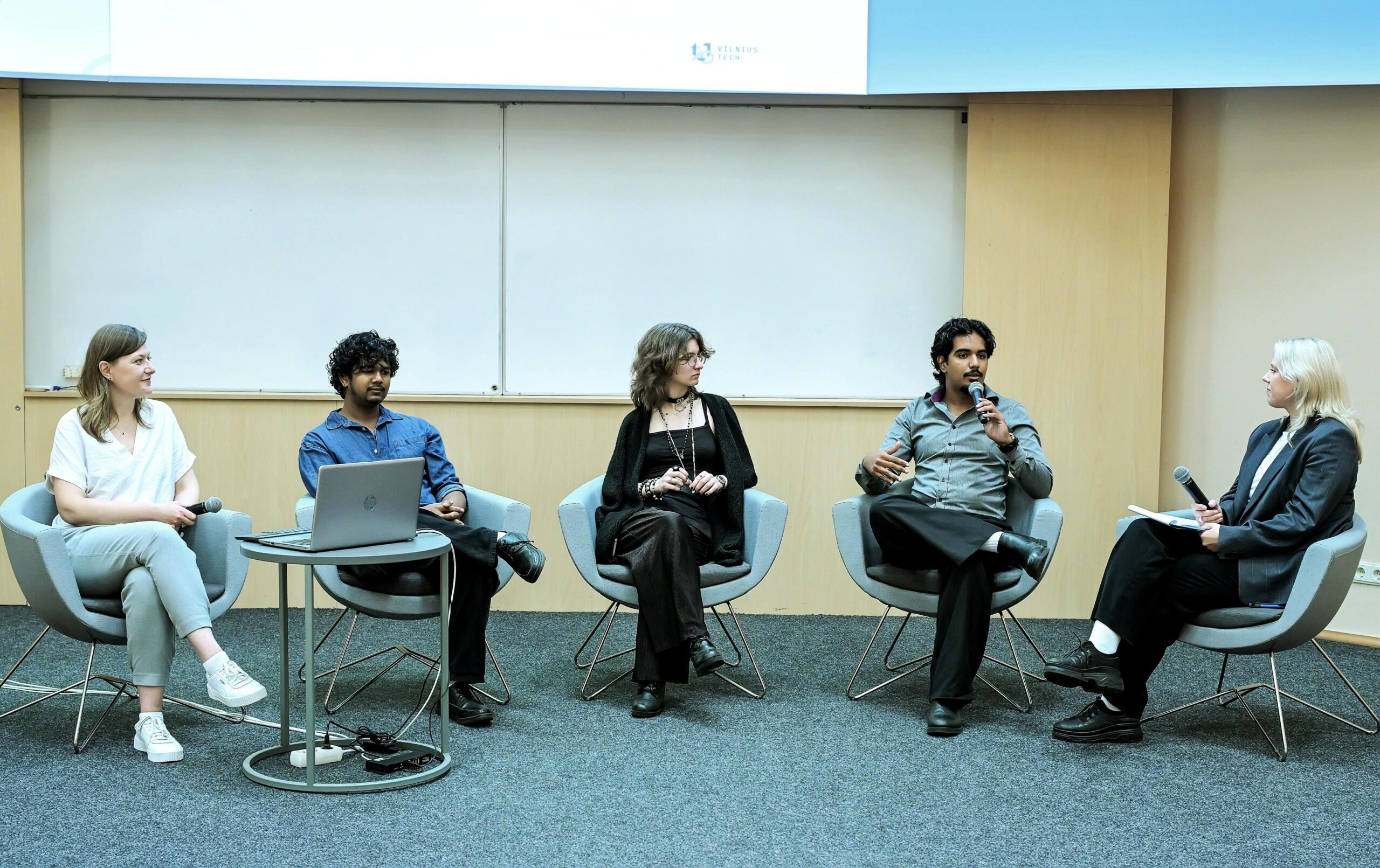
Following the official part, first-year students were invited to a special first lecture titled “Instructions on How to Fall in Love with the University,” hosted by lecturer Žilvinas Beniušis. Meanwhile, international students attended the “Finding Your Way: Real Stories from Senior Students” lecture, organized by the International Studies Centre.

In the evening, VILNIUS TECH invited residents of Vilnius to the fifth annual CREATORS’ FEST, where guests enjoyed musical performances, entertainment, and a spectacular start to the new academic year.

You can find all the moments from the event here:

Galerija
Related news

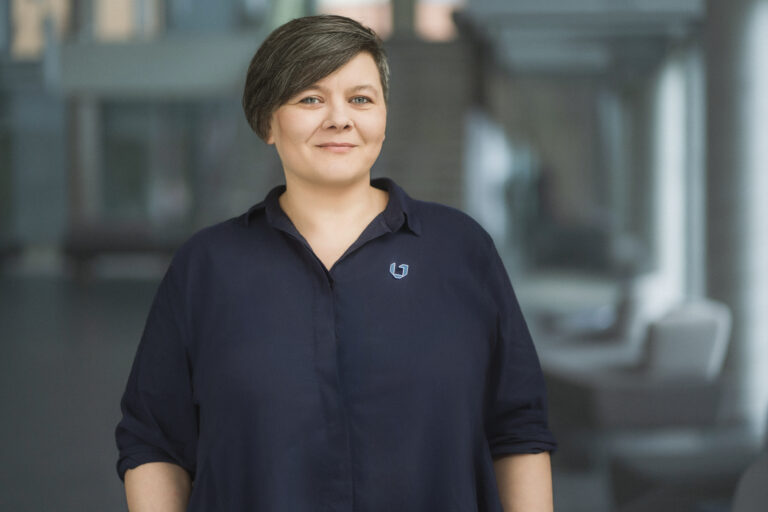
Fundamentals of sciences faculty dean prof. dr. Simona Ramanauskaite: "A smart city is impossible without smart residents"
Artificial intelligence (AI), data analysis and other advanced technologies are transforming cities as well as our everyday lives. However, the origins of these solutions lie in the fundamental sciences. Prof. dr. Simona Ramanauskaite has begun leading the VILNIUS TECH Faculty of Fundamental Sciences (FMF), taking over as dean from prof. dr. Dalius Mažeika. Her vision focuses not only on scientific and technological progress, but also on an open, curious community that is ready to grow. We spoke with the new faculty dean about people, technology and the future direction of FMF. – What encouraged you to take on this challenge and accept your new position? – To be honest, I have never sought leadership positions. However, my desire to look for new opportunities, implement technologies and explore new ways of working, collaborating gradually led me to a such position. I accepted this challenge as an opportunity to implement the ideas I have. Together with members of the FMF community, we can create an environment that encourages personal as well as university development in the areas of science, studies and service to society. I believe that leadership in itself is not the goal. It is a means of bringing people together, motivating them and creating change collectively. – How do you see FMF's place and role within the university in the future? What, in your opinion, could make the faculty stand out? – I am convinced that the Faculty of Fundamental Sciences holds an important place within the university, and its significance will only increase in the future. Our activities and expertise in information technology, mathematics, physics and chemistry can become an important connecting component between different university departmentts. It could also strengthen the university's links with the wider environment. These competencies form the foundation for digital transformation, automation and the development of new technological solutions in various fields. I believe that the faculty's distinctive feature could be its ability to combine fundamental knowledge with an applied approach. This would not only create new knowledge, but also turn it into solutions valuable for science, business and society. However, to fully realize this potential, we must work together and look for opportunities to collaborate among faculties and different institutions. – What kind of FMF would you like to build as dean? – I would like to build an inclusive, open and curious community that shares its experience and actively learns from others. I would like this openness and curiosity not to be limited to the faculty. I believe that a strong, learning-oriented and collaborative FMF community can not only grow itself, but also contribute to the development of VILNIUS TECH as a whole. – Fundamental sciences can sometimes seem quite distant from people's everyday lives. However, their results form the basis of many technologies we use today. How close are fundamental sciences really to our everyday lives? – Fundamental sciences are much closer to our everyday lives than they may sometimes appear. The knowledge they generate forms the basis of many technologies we use today, but their value extends beyond technology and its commercialization. Fundamental sciences also directly contribute to quality of life – they help create a safer, more convenient, more efficient and more sustainable environment as well as address issues that are important to society. Therefore, I believe that the fields developed by our faculty are very closely connected to how we will live in the future. – What role do fundamental sciences play in creating the city of the future? – Knowledge of mathematics, information technology, physics and chemistry makes it possible to develop smarter, more efficient and more sustainable urban solutions. In addition to data-driven management and automation solutions it also includes systems for monitoring and ensuring environmental quality. I believe that the most important thing here is not only the technologies themselves, but also the ability to apply them to improve people's quality of life. Therefore, fundamental sciences can serve as an important link between on one side – university developed knowledge and technologies and on the other – the real needs of cities and society. – A smart city is no longer just a vision – it uses AI, data analysis and smart infrastructure solutions. In your opinion, how will these technologies change cities and their people's lives over the next 10-20 years? – For me, a smart city is impossible without smart residents. Therefore, when I think about the city of the future, I focus less on how many of the latest technologies it will have and more on how the people who use them will grow and change. Over the next 10-20 years, technology, AI and data analysis will undoubtedly become even more integrated into our everyday lives. However, the most important thing will not only be to know how to use them effectively, but also to learn how to apply them creatively, sustainably and flexibly. Therefore, I believe that the true measure of a smart city will not be the amount of technology it has, but its creative, curious and responsible residents, who are capable of using these technologies in meaningful ways. – Technology can help cities become more convenient, safer and more sustainable, but it also raises new questions. What risks or challenges should we not forget when creating a city that increasingly relies on technological solutions? – I believe the greatest risk is to think that technology will solve all of a city's problems on its own. Technology should be a tool that helps address real urban and societal challenges, so it is important to continuously evaluate the benefits and impact it creates. Consequently, when developing a smart city, it is important to maintain a balance: use technology where it creates value for people as well as the environment, while preserving critical thinking, freedom of choice and human connection.
More
Vilnius to honour creators: last chance to vote for VILNIUS TECH representative!
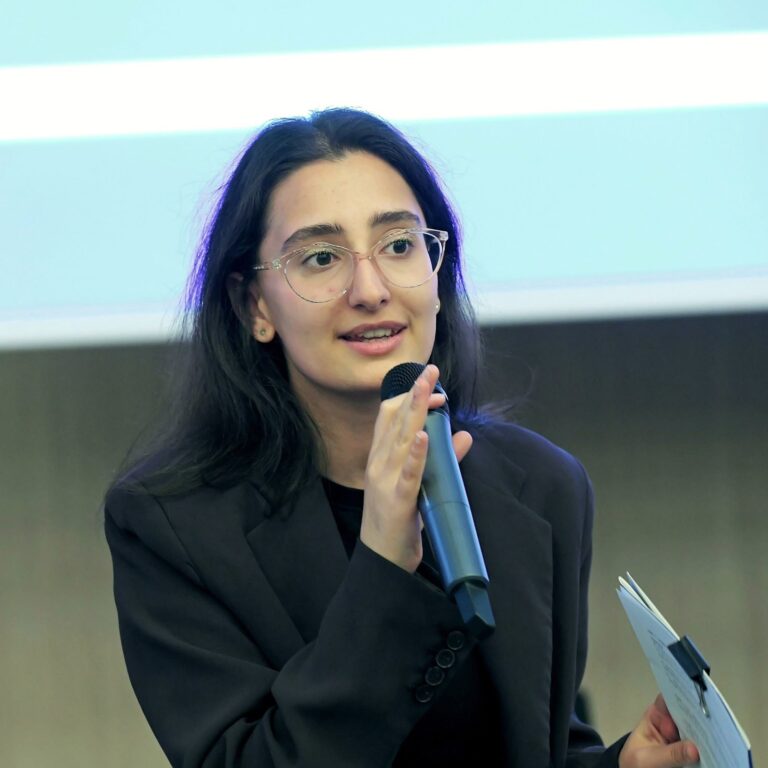
Vilnius is shaped every day not only by people born here, but also by those who have come to the city from countries around the world. Some have built global businesses in the capital, others have brought communities together, opened restaurants, enriched the city’s cultural scene or introduced Vilnius to international audiences. Soon, we will find out who will become the winners of the first-ever “Vilnius Is My City Awards”, and all residents are invited to have their say. Among the nominees in the cultural category is also Hatice Kübra Kaya from ESN VILNIUS TECH. You can vote for her HERE. [caption id="attachment_126651" align="alignnone" width="2048"] Hatice Kübra Kaya[/caption] Public voting is now open, giving everyone the opportunity to vote for the foreign-born Vilnius residents, businesses they have established or initiatives they have launched that they believe have contributed most to the capital. Two weeks ago, the Vilnius city tourism and business development agency “Go Vilnius” invited residents to nominate candidates for the new awards. Nearly 800 nominations were received, from which a jury selected three finalists in each of the four categories. “Each of the nominees who made it to the final three demonstrates that Vilnius is a place where ideas can find a home. International talent and businesses have become an integral part of our city’s identity, while Vilnius itself is shaped by the very different stories of the people who live here. The ‘Vilnius Is My City Awards’ are a way to recognise and thank those who have chosen our capital not only as a place to live, but also as a city they actively contribute to building,” says Indrė Laučienė, Head of the International Talent Department at “Go Vilnius”. Businesses shaping Vilnius The nominees in the “For a Business Creating Vilnius” category represent different sides of the capital’s economic life – from a global business that grew out of Vilnius to a social restaurant and an international game development community. One of the most prominent names in Vilnius’ technology ecosystem is “Vinted”. Founded in the Lithuanian capital, the company has grown from a local start-up into one of Europe’s best-known technology companies, while its headquarters remain in Vilnius. “Vinted” creates highly skilled jobs, attracts international talent and helps establish Vilnius on the global map as a city where global businesses can be born. Another nominee is Dutch-born Tim van Wijk, who founded the social restaurant “Pirmas blynas” in Vilnius. The restaurant provides people with disabilities with real employment and professional development opportunities. The initiative is changing not only the lives of the people directly involved, but also the city itself – encouraging a more open approach to disability and demonstrating that social responsibility can form the foundation of a successful business. The nominees also include international game developer “Wargaming”, for which Vilnius has become one of its key locations. The company has built a large community of game developers in the capital, creates highly skilled jobs, contributes to the development of new industry talent and helps establish Vilnius as an international technology and game development hub. People enriching Vilnius’ cultural life The nominees in the “For a Cultural Vilnius” category remind us that a city’s culture is created not only on stages, in galleries or museums. It also grows through community building, the information space, education and opportunities for people to get to know one another. One of the nominees in this category is “SPEAK Lithuania”, an organisation that helps people arriving from abroad overcome language barriers and integrate more easily into city life. In Vilnius, it brings together people from different cultural backgrounds to learn languages, share experiences and build a community through cultural events and other activities. Operating for five years, the initiative helps reduce social exclusion and contributes to a more open and international capital. Vilnius’ cultural diversity is also brought vividly to life by Belgian-born Matthieu Bruyndonckx, founder and conductor of “The Garfunkels – International Choir of Vilnius”. The choir he founded has grown from an initial 25 members into a community of around 80 singers, bringing together Lithuanians and foreigners living in Vilnius. Its multilingual repertoire and performances at city events make the choir a living example of intercultural dialogue and help different communities create Vilnius’ cultural life together. Among the nominees in the cultural category is also Hatice Kübra Kaya. She came to Vilnius from Türkiye to study and is now actively contributing to the city’s international student community. As the head of ESN VILNIUS TECH, she brings together students from different countries, promotes intercultural dialogue and helps create a community where foreigners living in Vilnius can feel at home. People shaping the taste of Vilnius Meanwhile, the nominees in the “For a Delicious Vilnius” category help Vilnius grow as a city that can be experienced not only through its history, architecture and culture, but also through its flavours. The places and experiences they create strengthen the capital’s reputation as a diverse and internationally appealing gastronomic destination. Danish entrepreneur Niels Peter Pretzmann founded “Senatorių pasažas” in Vilnius Old Town, bringing together the restaurants located there with the regenerative “Farmers Circle” farm. His farm-to-table philosophy promotes local produce, seasonality and sustainability, while the restaurants operating in the complex have received international recognition in the world of gastronomy. Another nominee is Gaspar Fernandes, a chef born in India with Portuguese roots. In Vilnius, he has developed a distinctive culinary identity combining his Indian and Portuguese heritage with the contemporary restaurant culture of the city. His restaurant “Gaspar’s” has become one of the best-known names in Vilnius gastronomy, while the chef himself contributes to the capital’s culinary diversity and international visibility. Vilnius’ gastronomic culture has also been shaped for more than two decades by Francesco di Marco, a sommelier born in Sicily. Through tastings, education, restaurant projects and international connections, he helps Vilnius’ gastronomic community discover European wine culture and creates a living connection between Lithuania and the wider European gastronomic scene. Storytellers of Vilnius The “Vilnius Ambassador” category recognises people who introduce the Lithuanian capital to international audiences through science, culture, language, investor networks and their personal connection with the city. Polish art historian Anna Sylwia Czyż has spent many years researching the artistic and architectural heritage of Vilnius and the Grand Duchy of Lithuania. Her work on Vilnius’ sacred architecture, the cultural heritage of the Grand Duchy of Lithuania and historical figures connected with the city helps rediscover Vilnius’ history and presents its cultural heritage to international audiences. Alessandro Sposato, originally from Calabria, has lived in Vilnius since 2010. He teaches Italian language and culture, creates a living connection between Italy and Lithuania and, by choosing Vilnius as his home and sharing his experiences of life here, contributes to presenting the city to the international community. Born and raised in Canada, Rita Sakus is one of the most active figures in Lithuania’s start-up and business angel ecosystem and an international ambassador for it. Through her involvement with “LitBAN”, by bringing together international investors and helping organise high-level business community events in Vilnius, she presents the capital as an open, global and ambitious city of innovation. The winners will be chosen by the public You can vote for your favourites in the “Vilnius Is My City Awards” HERE. The nominees receiving the most votes in each category will become the winners of the first-ever “Vilnius Is My City Awards”. The winners will be announced on 5 September at the international community celebration “Vilnius Is My City”, taking place in Bernardine Garden. “Vilnius Is My City” is an annual celebration of the capital’s international community, bringing together foreigners living in Vilnius, local communities, organisations, Vilnius residents and city visitors. This year, the event will become part of the “Vilniaus dienos” festival and will invite visitors to discover the capital’s multicultural character through people’s stories, music, flavours, creativity and a sense of community. More information and the event programme can be found HERE.
More