Alumni success stories: from internships in the USA to founding their own startups

July 28, 2026

The success stories of our alumni and researchers, now spread across the globe and speak for us. Their journeys are a continuation of our story. Their achievements were shaped not only by the knowledge gained at the university, but also by the opportunities they took advantage of during their studies, which included scholarships and internships abroad.

Internship and exchange programs in the United States (USA) are strategically important for VILNIUS TECH, as they contribute to increasing the university’s international visibility and improving the quality of studies as well as research. These programs also strengthen the university’s reputation: participation in exchanges with US academic institutions demonstrates the university’s openness and international credibility. This helps attract talented students, lecturers, additional funding for projects and other joint initiatives.

Interships at NASA

VILNIUS TECH is particularly proud that every year students leave for internships at the National Aeronautics and Space Administration (NASA) in the United States. Students work on a wide range of projects at various facilities and divisions. This includes anything from developing satellite systems to creating sensors capable of monitoring astronauts’ health in space. This type of experience opens doors to the world’s leading technology companies and inspires them to create their own innovations. Below are the experiences and achievements of several alumni who completed internships at NASA.

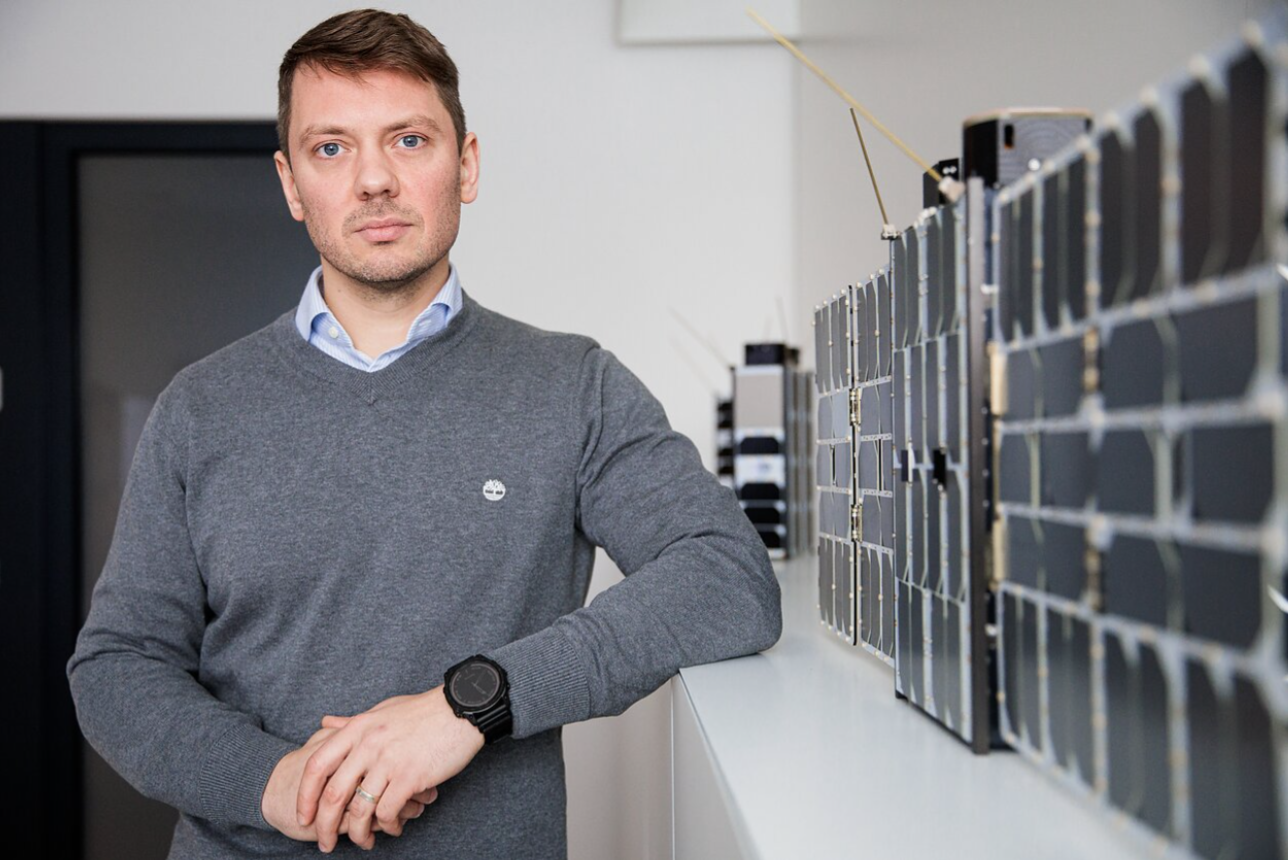
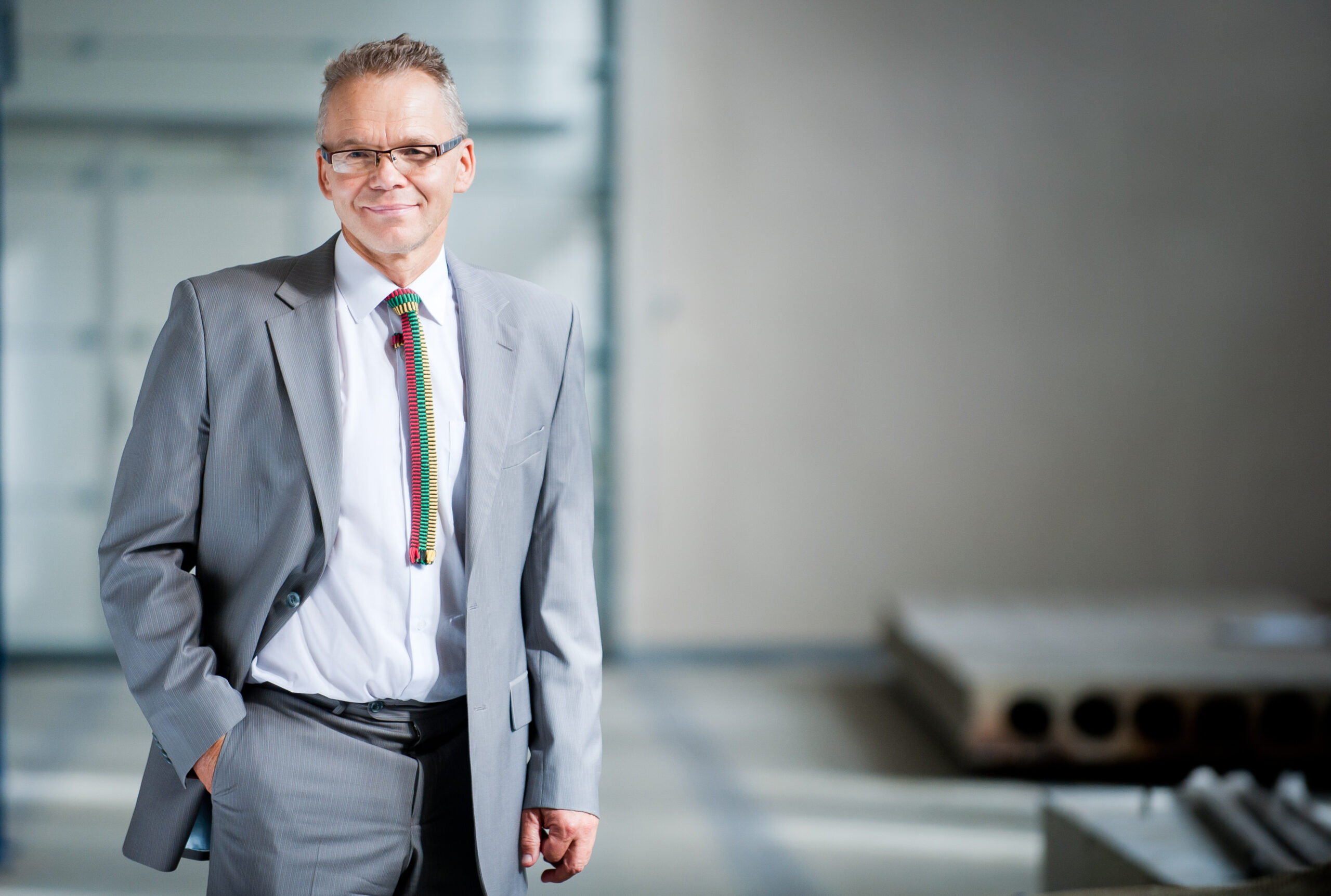
Associate Professor Dr. Laurynas Mačiulis, who studied Aviation Mechanical Engineering at the Antanas Gustaitis Aviation Institute (AGAI) and later earned his doctoral degree there, worked at the Ames Research Center in 2012, analyzing thermodynamics, flight dynamics, and heat transfer processes. Today, he leads the Lithuanian space and defense technology company Astrolight and shares his experience with the younger generation at AGAI.
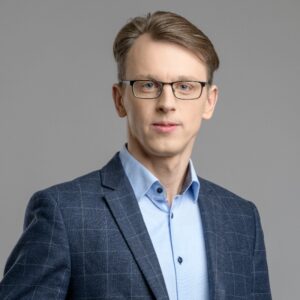
Doc. dr. Laurynas Mačiulis/ Photo from personal archive

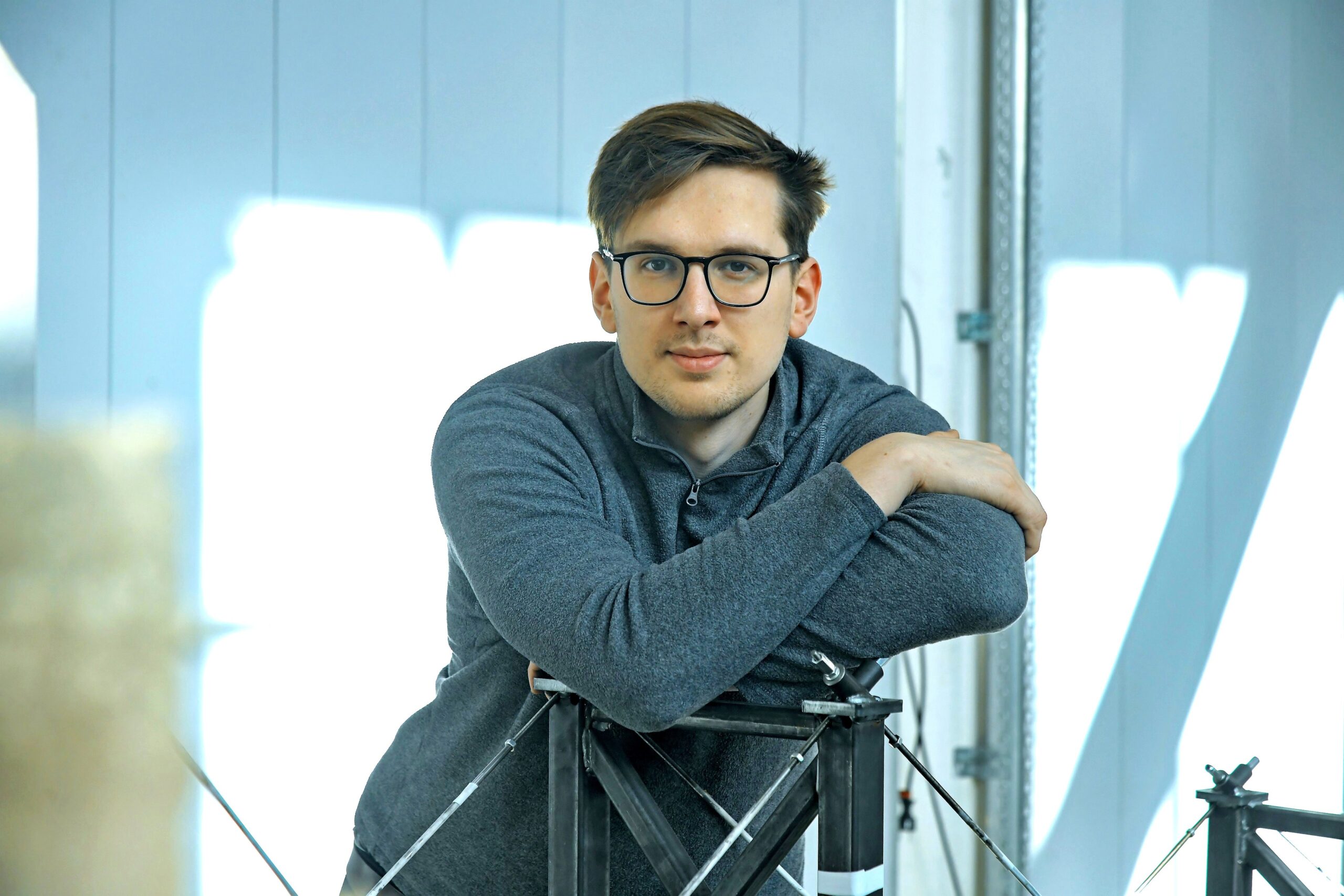
Another Aviation Mechanical Engineering student, Vytenis Buzas, also went to the Ames Research Center in 2012. He analyzed advanced nanosatellite propulsion systems and their applications for orbit maintenance and payload recovery. Today, Vytenis is the co-founder and CEO of the unmanned defense systems manufacturer UDS.
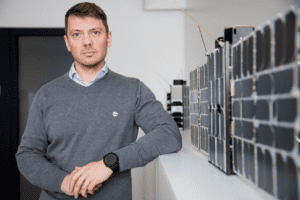
V. Buzas

Vytenis Buzas/ Photographer J. Stacevičius

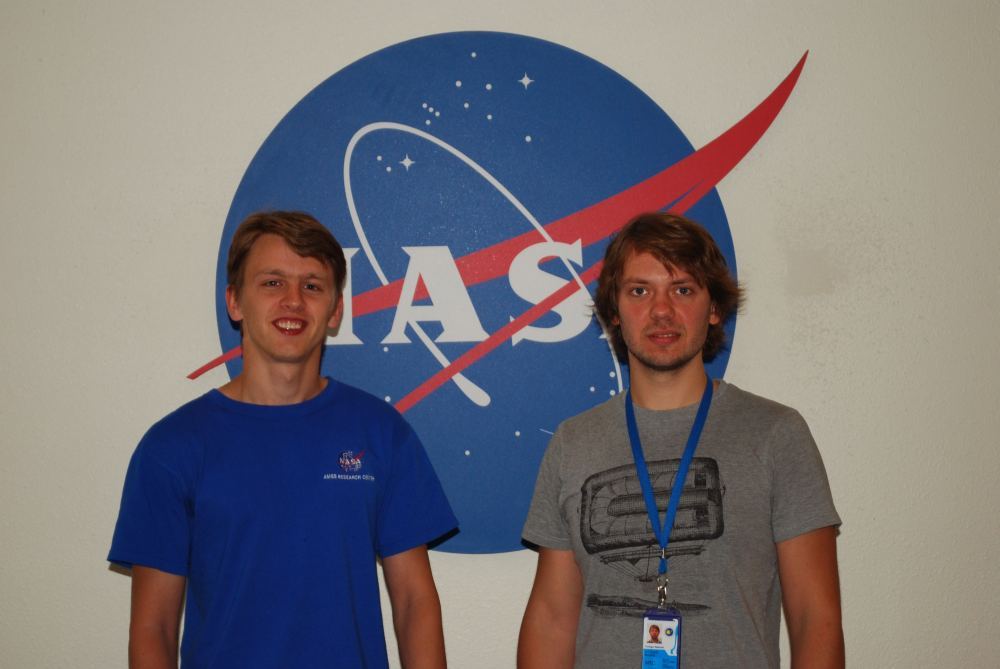
Thanks to Laurynas Mačiulis and Vytenis Buzas, Lithuania became a spacefaring nation. They initiated and led the project of Lithuania’s first satellite, LituanicaSAT-1, in 2014 and also co-founded the space technology company NanoAvionics.
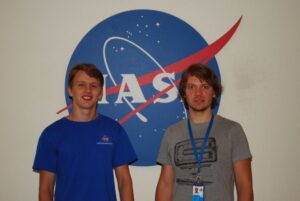
„Online media“ photo / Laurynas Mačiulis and Vytenis Buzas, the creators of the first Lithuanian satellite, Lituanica SAT-1

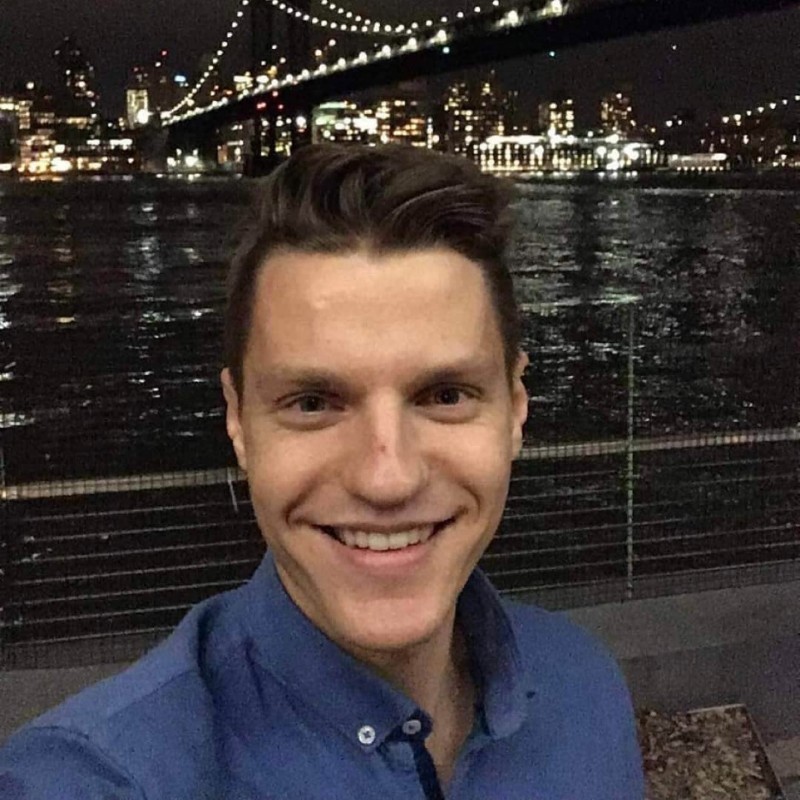
Lukas Jakas, who studied Aviation Mechanical Engineering at AGAI, completed an internship at the Ames Research Center in 2017. Most of his time there was spent conducting phased microphone array tests. He currently works as a freelance engineer, providing 3D modeling, design-for-manufacturing, project development, and related services to companies in the US market.
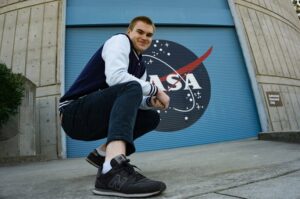
Lukas Jakas/ Photo from personal archive

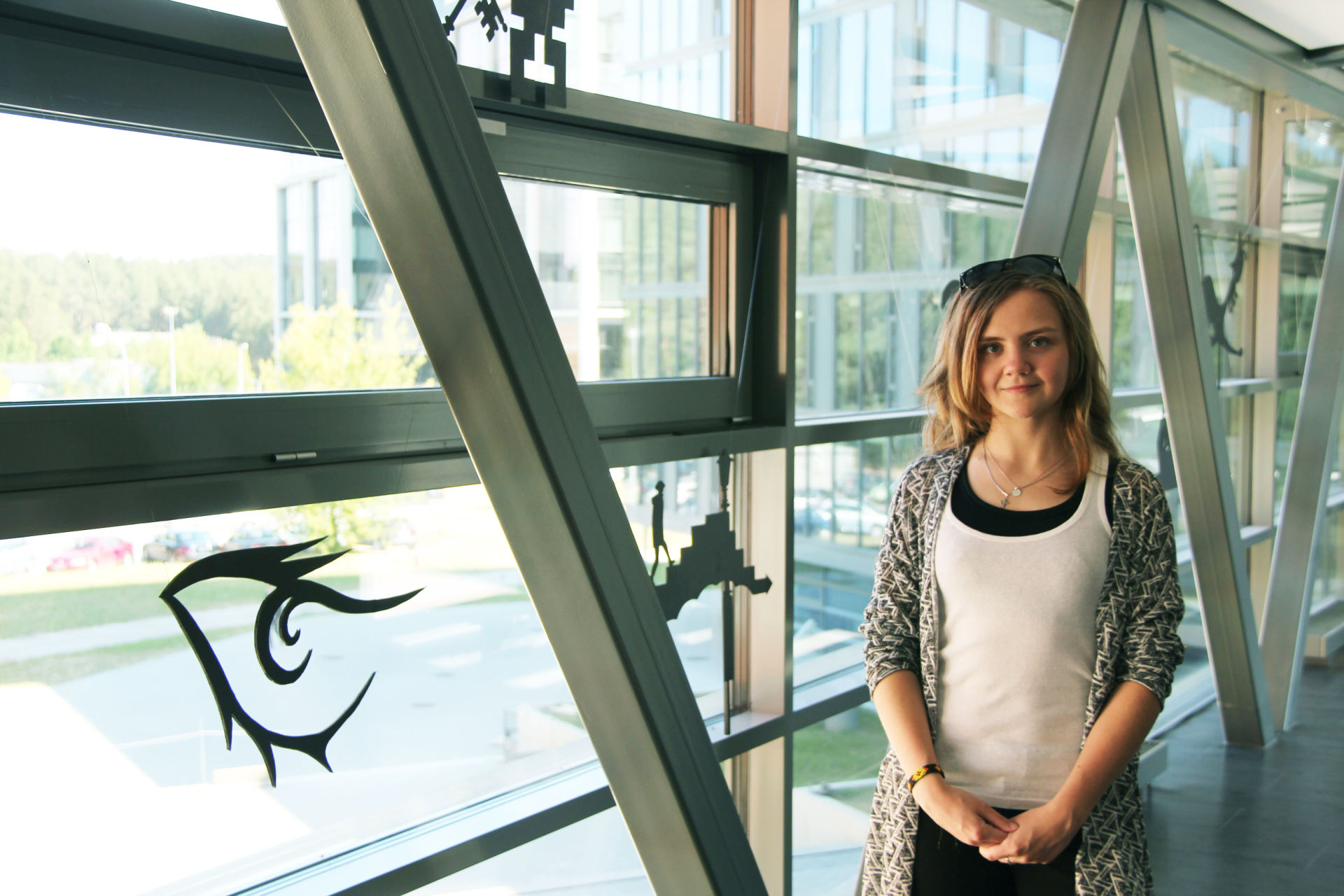
Julija Semenenko,

Julija Semenenko, who studied Engineering Informatics at the Faculty of Fundamental Sciences (FMF), went to NASA for an internship in 2016. Together with her team, she developed a mobile application for satellite monitoring that allows users to view all satellites orbiting Earth in real time.
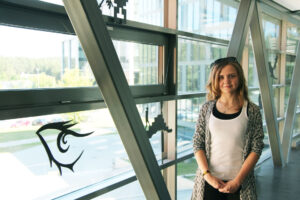
Julija Semenenko/ Photographer VILNIUS TECH

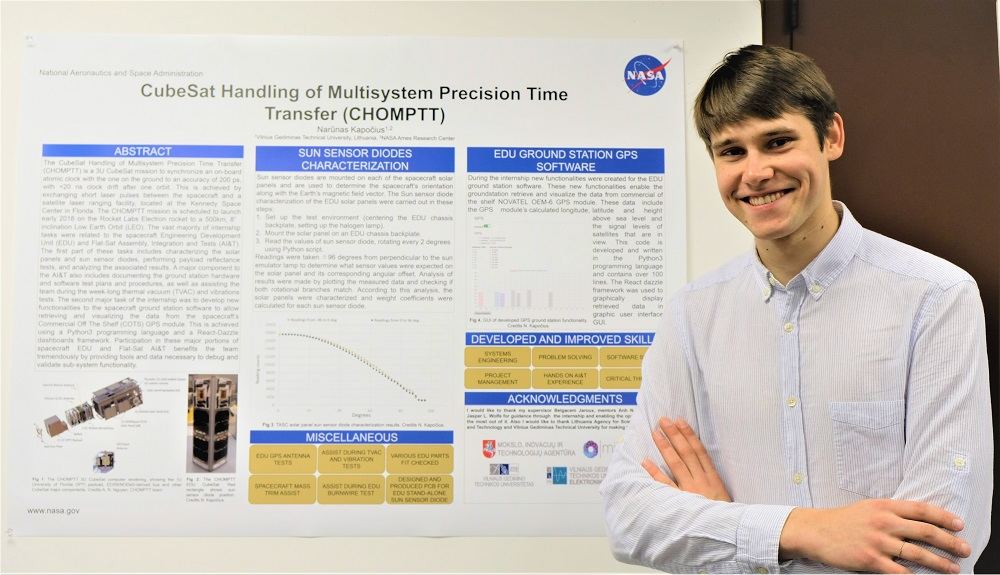
Narūnas Kapočius, a Telecommunications Engineering student at the Faculty of Electronics, went to the Ames Research Center in 2017. There, he contributed to the CHOMPTT 3U CubeSat space technology project and worked on CAD design, electronics development (PCB), data processing software, engineering simulations, and testing. He currently serves as Senior Engineering Project Manager at the cloud optimization platform Cast AI.
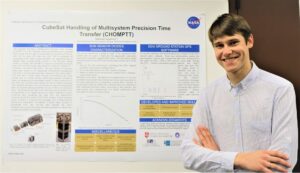
Narūnas Kapočius/ Photo from personal archive

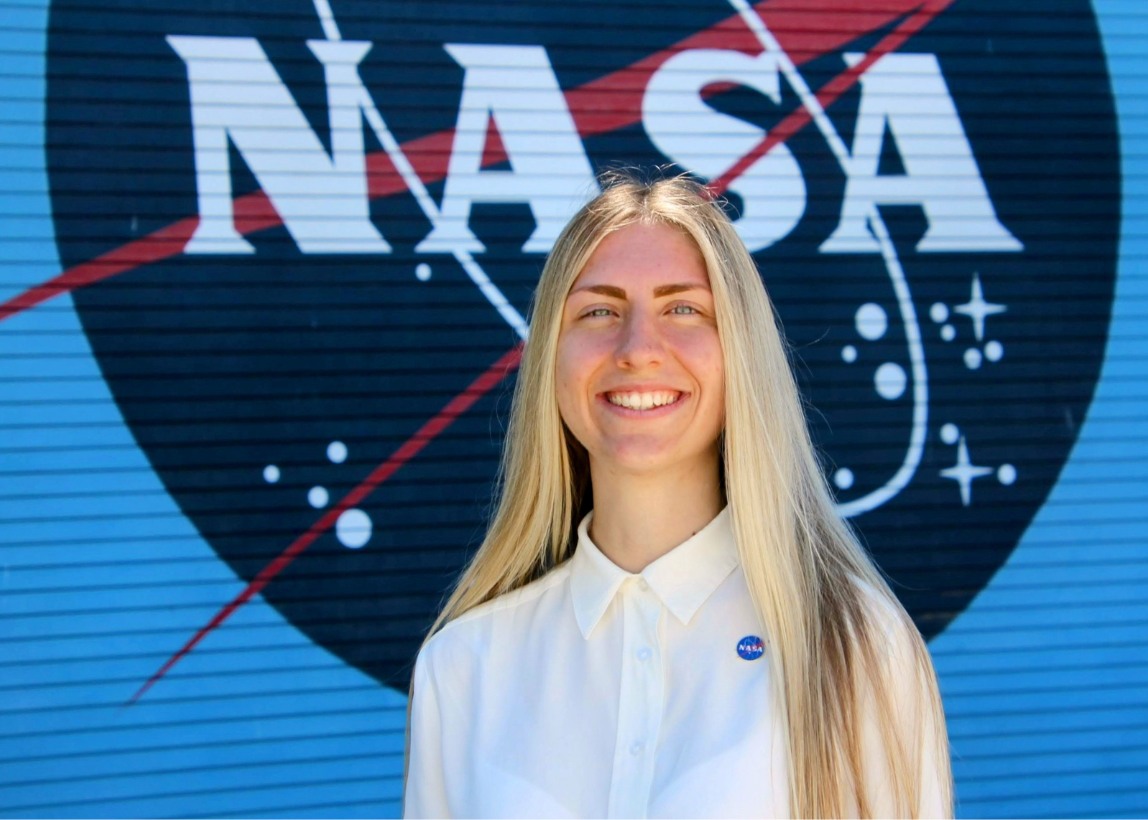
Justina Gineikytė, who studied Bioengineering at FMF, completed her internship in 2019 at the Ames Research Center’s Nanotechnology Center, in the Biosensors Laboratory. Together with her team, she worked on developing a sensor designed to measure human hydration levels. She now works as a microfluidics engineer at the biotechnology startup Atrandi Biosciences, founded by scientists who returned to Lithuania from abroad. The company recently secured a new USD 25 million investment from Lux Capital and other venture capital funds.
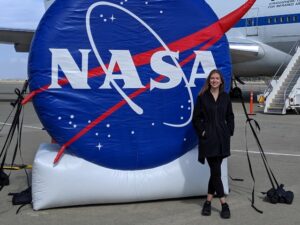
Justina Gineikytė/ Photo from personal archive

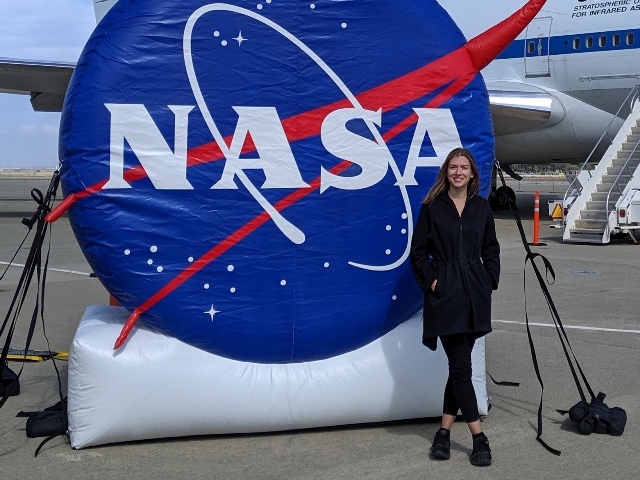
Paulina Draugelytė, a graduate of the Aerospace Engineering Master’s program at AGAI, contributed during her 2024 internship to the transformation of NASA infrastructure into modern unmanned aircraft systems (UAS) research and flight training facilities. Her input also benefited scientific mission planning and other initiatives. These efforts included programs such as Smart Mobility, FireSense, ACERO, UTM, ATM-X, PAAV, and others. She is currently the co-founder and Chief Technology Officer (CTO) of a stealth startup.
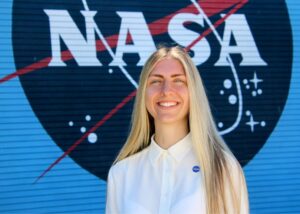
Paulina Draugelytė/ Photo from personal archive

Scholarship from the Baltic-American Freedom Foundation

Another exceptional opportunity to gain professional experience in world-class companies is through a scholarship from the Baltic-American Freedom Foundation (BAFF), which enables participants to undertake internships at various US businesses, corporations, and organizations. Through these opportunities, students expand their professional networks and gain firsthand experience of American culture and lifestyle.

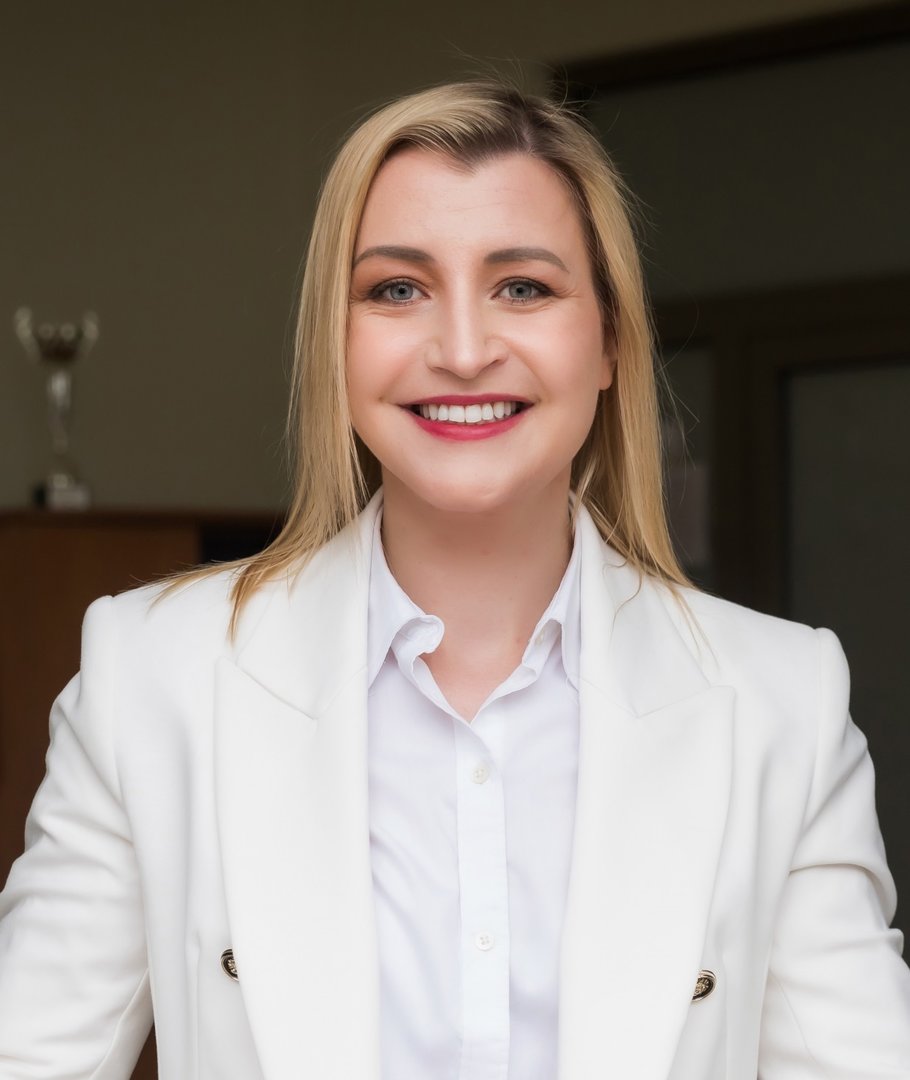
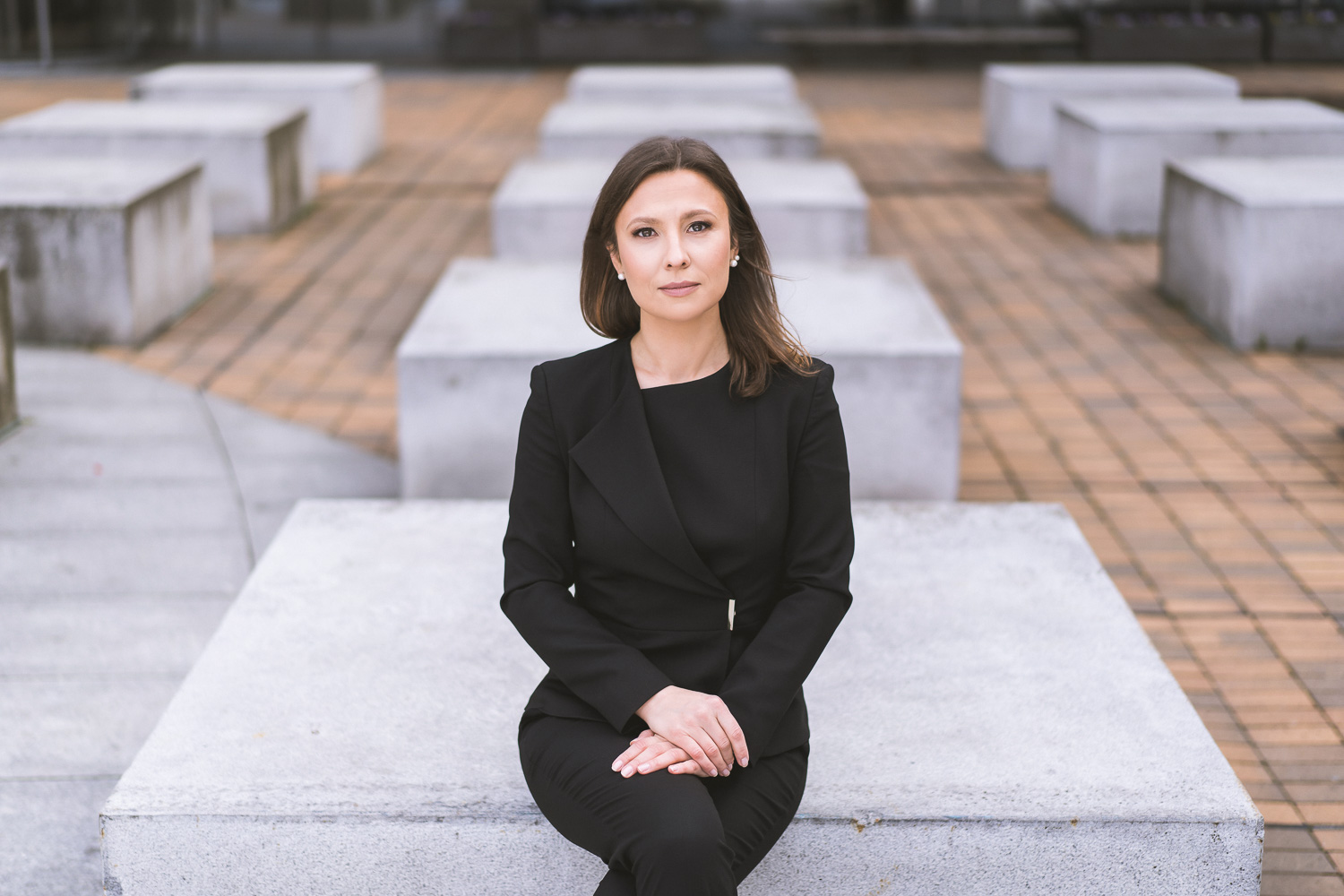
One of the participants was Dr. Agnė Vaiciukevičiūtė, an alumna of the Faculty of Business Management, who took advantage of this opportunity in 2019. At the time, she was pursuing doctoral studies and completed a one-year internship at the Center for European Policy Analysis (CEPA) in Washington, D.C. In addition, Dr. Agnė Vaiciukevičiūtė taught at VILNIUS TECH for nearly ten years, served as a member of the Senate, worked as Vice Minister of Transport and Communications of Lithuania, and currently serves on the Vilnius City Council.
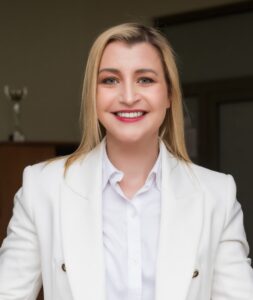
Dr. Agnė Vaiciukevičiūtė/ Photographer  LR Susisiekimo min. nuotr.

In 2016, Civil Engineering alumnus Dr. Vytautas Tumulėnas also completed an internship in the USA, working as a BIM/VDC Engineer at Skanska. He now works at SRP Projektas, a transport infrastructure development company, where he serves as Head of the BIM Department.

dr. Vytautas Tumulėnas/ Photo from personal archive

Another alumnus of the Faculty of Civil Engineering, Dr. Povilas Dabrila, gained VDC professional experience during an internship at Skanska in 2024. He continues his research activities at VILNIUS TECH and serves as an advisor at the Lithuanian Armed Forces Defence Staff. Povilas is also the founder of the construction process analysis company ReframeBIM. In addition, he has been pursuing the rank of lieutenant through the Junior Officer Command Training Program (JKVM) for the past three years.
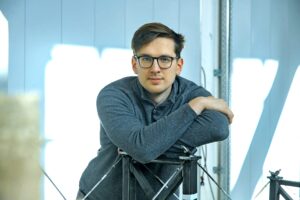
Dr. Povilas Dabrila/ Photographer A. Jaunius

Fulbright Program

Scholarships and international internships are not only created for students but also for experienced researchers. The Fulbright Program is one of the world’s most prestigious academic exchange and scholarship programs, funded annually by the United States to support researchers in conducting studies and carrying out professional projects. Recipients include Nobel Prize winners, heads of state, renowned scientists, artists, and entrepreneurs. VILNIUS TECH can proudly say that two of its researchers have received this unique opportunity.

The first was Professor Emeritus Dr. Habil. Gintaris Kaklauskas from the Faculty of Civil Engineering, who completed an internship at the University of Illinois Urbana-Champaign in 1996. There, he carried out the project “An Inverse Physical Modeling Method for Cracked Reinforced Concrete in Tension Using Experimental Data from Reinforced Concrete Beams.” The university offered him a permanent position, but the professor says he always wanted to live in Lithuania and work at his Alma Mater.
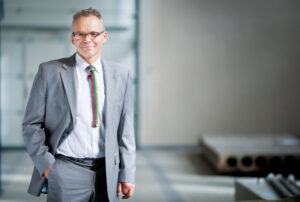
Prof. habil. dr. Gintaris Kaklauskas/ Photographer VILNIUS TECH

In 2025, Associate Professor Dr. Skirmantė Mozūriūnaitė from the Department of Urban Design at the Faculty of Architecture was awarded this prestigious scholarship. She went to the Massachusetts Institute of Technology (MIT) to prepare a scientific monograph manuscript entitled Rebuilding Sustainable and Smart Cities After the War.

Associate Professor Dr. Skirmantė Mozūriūnaitė/ Photographer S. Bernotas

Galerija
Related news

Volleyball player Dominykas on sports and studies: "After learning how to focus during practice, I transferred this skill to my studies"
University is not just about lectures in classrooms. It is also an opportunity for personal growth and developing your talents through extracurricular activities. That is why VILNIUS TECH invites students to join various sports teams and art clubs. Here you can find dates of the sport tryouts. Dominykas Krivonos, a third-year Transport Engineering student at the Faculty of Transport Engineering who plays on the university's volleyball team, shares that this sport has not only helped him become physically stronger but also taught him how to focus and work with others—skills that undoubtedly come in handy in his studies. We invite you to learn more about the VILNIUS TECH volleyball team, its traditions, and the benefits of the sport. – First of all, tell us how you got interested in volleyball? – I got interested around the ninth or tenth grade. My cousin suggested I watch the anime Haikyuu, and it got me hooked on volleyball. That’s how I started playing, and later, this sport brought me to the university. There was no such club at my school, but there was a coach who had played volleyball himself for 25 years. He saw that there were people who wanted to play, and I was trying to practice on my own, so he started training me. Later, he formed a volleyball club. There weren't many of us, so we didn't have a very strong team and didn't participate in many competitions, but the coach dedicated a lot of time to us. I am very grateful to him for that. [caption id="attachment_128083" align="alignnone" width="1024"] Dominykas Krivonos[/caption] – What does volleyball give you in general? Do you notice that sports change you as a person? – First of all, I gained more self-confidence, my concentration improved, and I got stronger physically. It also became easier to communicate within a team. This is very useful in my studies when we have to do group work—it’s no longer as scary to speak up and communicate with others. The biggest advantage, of course, is the opportunity to represent the university, defend its name, and travel around Lithuania and abroad. Representing the university and Lithuania is a great honor. – You mentioned that volleyball helped improve your concentration. Does this help in your studies too? – Absolutely. Before I started playing at the university, I had some concentration issues. After learning how to focus during practice, I transferred this skill to my studies and daily life. Now, when I’m doing an assignment or talking to someone, it’s easier to focus on what I’m doing and I get less distracted by things happening around me. – You are currently a student who both works and trains. How do you manage to balance everything? – I actually manage it quite easily. My schedule allows me to balance sports and studies, and practices usually take place in the evening, from 6 PM. Classes end around 4 PM, which leaves me a couple of hours to rest, get ready, and focus on practice. We train three times a week, and those who want can come for a fourth time. Sometimes a few team members get together to practice in the mornings, too.In addition to my studies, I work part-time in a field related to my degree. My employer offers a flexible schedule, so it's not hard to balance everything. Sports, work, and studies teach you how to plan your time and allocate it properly. – Tell us about the VILNIUS TECH volleyball team. – We have about 16 people on our roster, although some players are graduating now. Around 14 players can participate in competitions. The team includes athletes playing in the top league, as well as in student or city leagues. Some team members represent other teams in the Lithuanian top league, but in the student championship, they represent VILNIUS TECH. – Sports are unimaginable without testing your strength against other teams. Which competitions do you remember the most? – The European Universities Championship in Italy was the most memorable. Actually, all the matches there were memorable because we saw that we could compete with European teams. We wanted to show that Lithuania is not a weak volleyball country and that we can fight them. We finished in 14th place, but we gave almost every team a hard time—our opponents really had to sweat to beat us. – Representing the university and the country probably means you get to travel? Do you often go to competitions abroad? – Every year we have at least one trip abroad—we participate in the SELL Student Games and the Baltic Student Games. This year we also had the opportunity to go to Italy for the European Championship, so we’ve been abroad twice this year. In Lithuania, we mostly travel to Šiauliai, Kaunas, and Marijampolė, although most of our games take place in Vilnius. The Lithuanian championship is mostly held on weekends, so sometimes we have to dedicate our weekends to matches. – A coach undoubtedly plays a role in every team's success. Tell us, what is your coach like, and how does he train you? – The coach is fun, though he can be strict at times. He is like a friend, but if needed, he can scold us and give advice. We get along with him really well. – Out of all your time on the team, what stands out the most? – Probably the trip to Italy. The team-building activities were also very memorable. When we live together under one roof abroad, we naturally spend more time together, which strengthens the team bond. I also remember one specific match in Italy where the team was extremely fired up. It was so much fun watching everyone play. The student finals are also special—we have been champions for four years in a row now. What I like the most is seeing how the team not only fights on the court but also enjoys the game. When you are a part of it, you get to experience those emotions yourself. It’s a very good feeling. – Do you have any team traditions or rituals that you do before every match or practice? – Our team is very friendly; everyone is upbeat and energetic. We have a tradition related to a Jamaican jersey. During the student finals, it goes to the player who had the biggest impact on the team. The jersey is passed on to a different player every year. We also have a tradition of playing the song "Jamaika". It has become a sort of symbol for our team. [caption id="attachment_128056" align="alignnone" width="1024"] VILNIUS TECH Volleyball team[/caption] – Tell us, how do you welcome newcomers to the team? – Newcomers first participate in tryouts. The coach observes the players, evaluates their skills, and decides who fits the team.Once they make the team, newcomers blend in pretty quickly. They immediately feel like part of the family. Our team really is like a family. – And how was your own experience getting onto the team? – It wasn't easy. I didn't make the team at first, so I just put in a lot of hard work—I practiced and eventually got in. Our team is really strong, and what the players can do during practices and matches is impressive.At first, it was hard to get used to this level—the gap between high school and university volleyball was huge. But now I've settled in and I feel really good. – What advice would you give to those who want to make the team but failed on their first try? – The most important thing is not to give up. If you didn't make it, it doesn't mean anything. You have to fight and work hard if you really want it. We have people on our team who worked hard, tried again, and eventually made the main roster. – And what would you advise those who are just starting to play volleyball? – Don't be afraid and be brave. Don't overthink your mistakes—we all make them. The most important thing is to keep moving forward, show what you can do, and not give up. – Finally, how do you evaluate the sports facilities and conditions provided by the university? – The opportunities provided to athletes are impressive. We have a physiotherapist and a physiotherapy room, a large sports hall, and a weight room. The university offers a lot of opportunities to improve—we have everything we need. Students can use the gym when it's not occupied, practice on their own, or lift weights. You can also make an appointment with the physiotherapist for muscle work or post-injury rehabilitation. Here you can find dates of the sport tryouts. More information about Sport and arts centre.
More