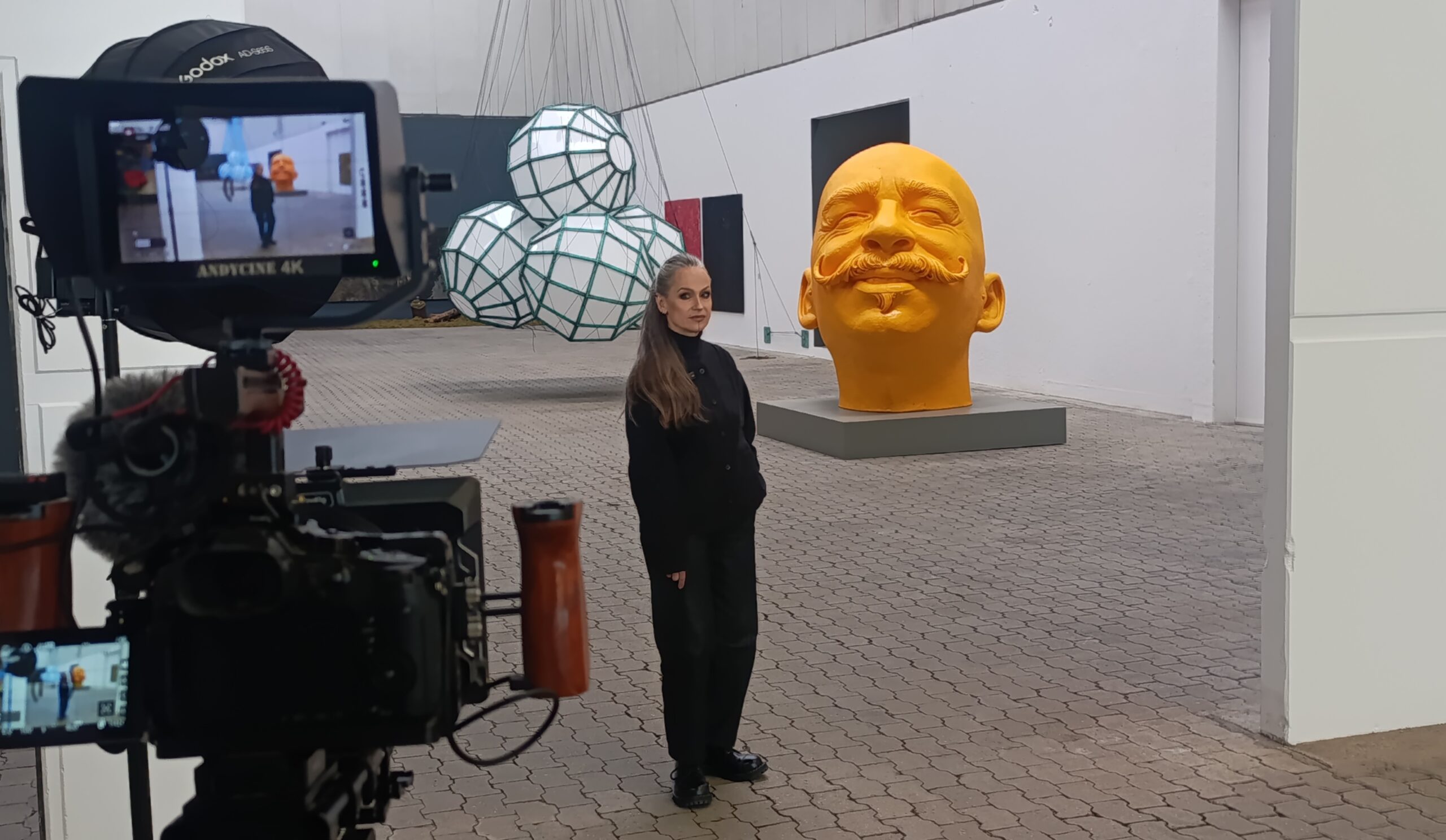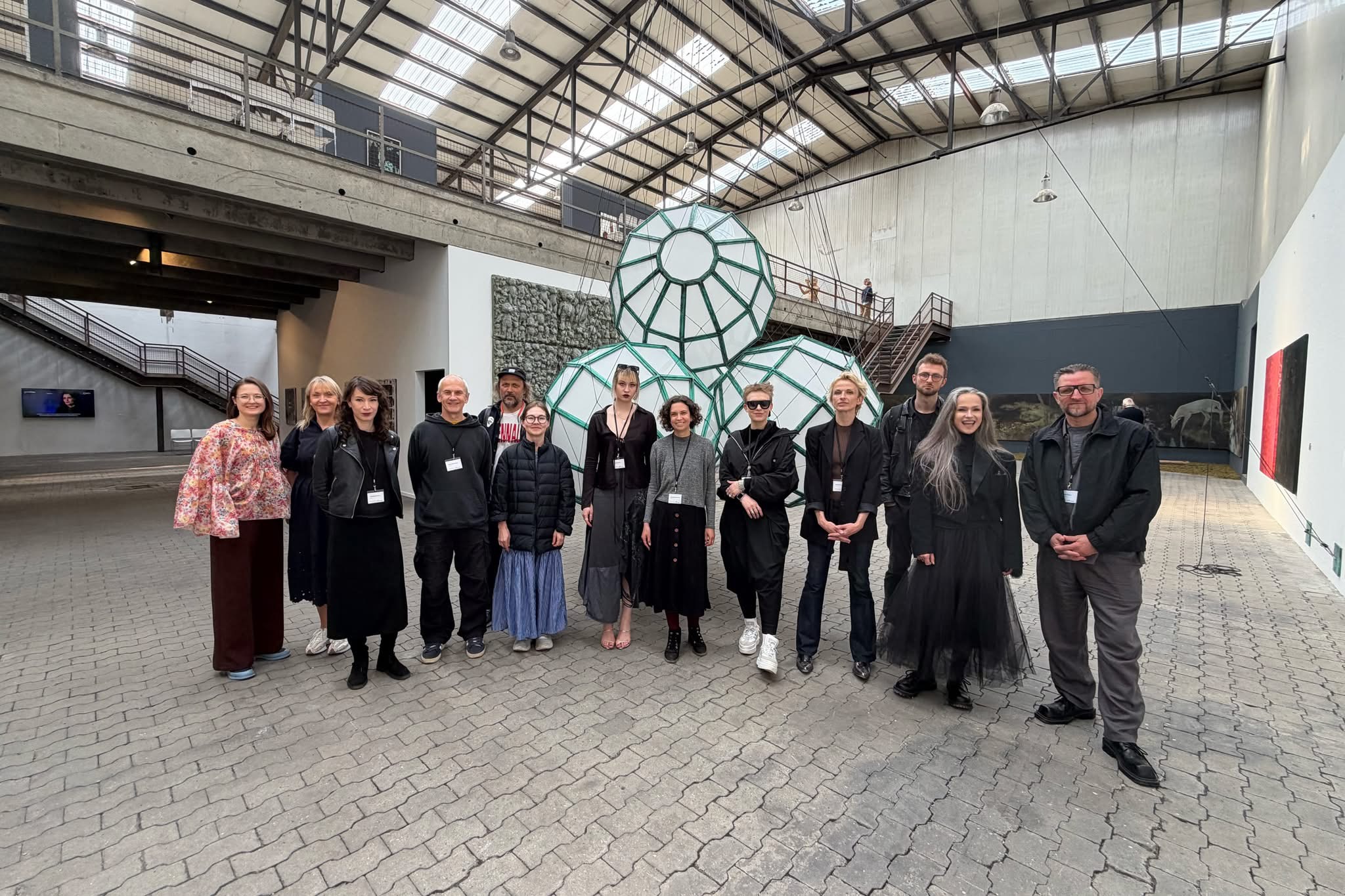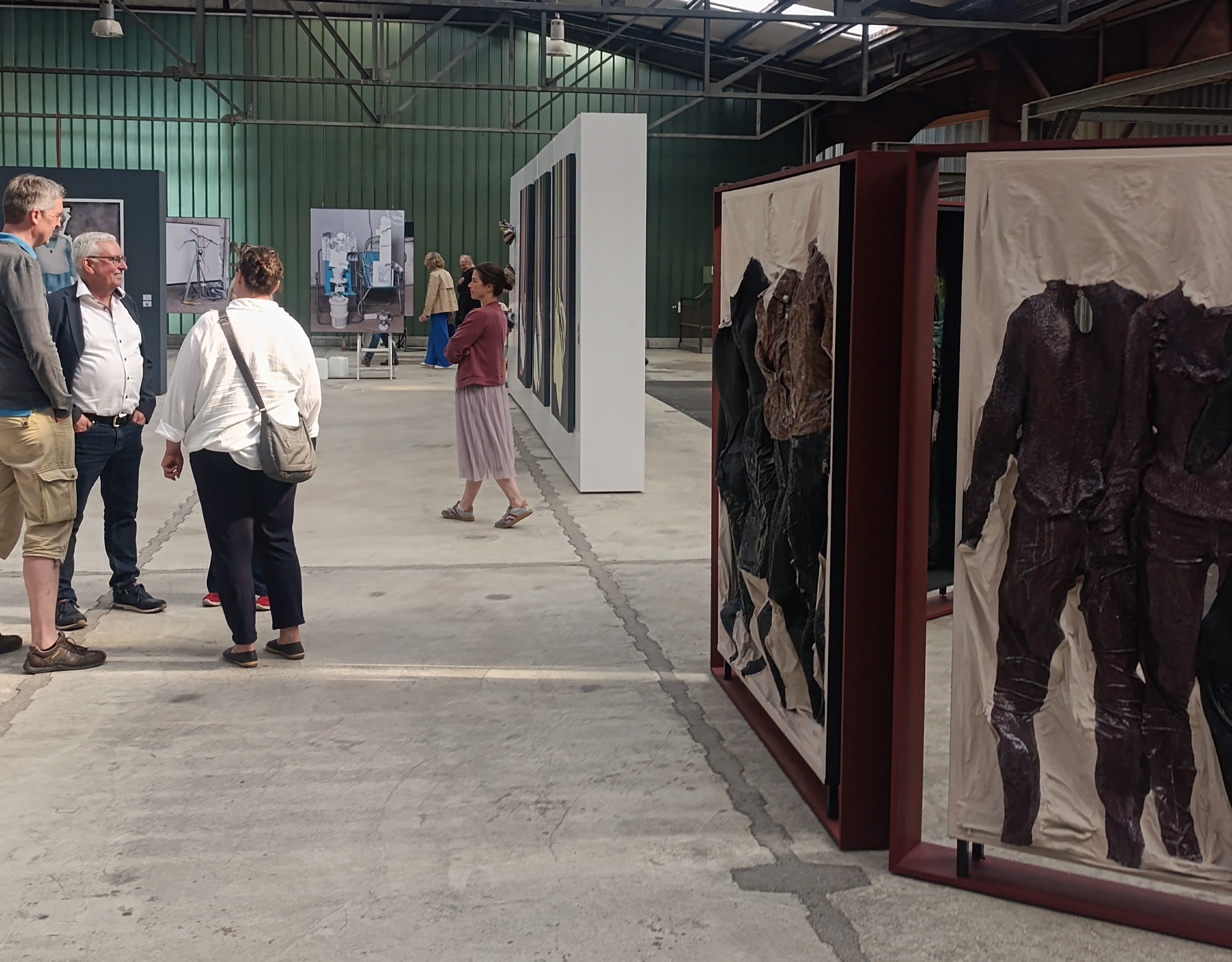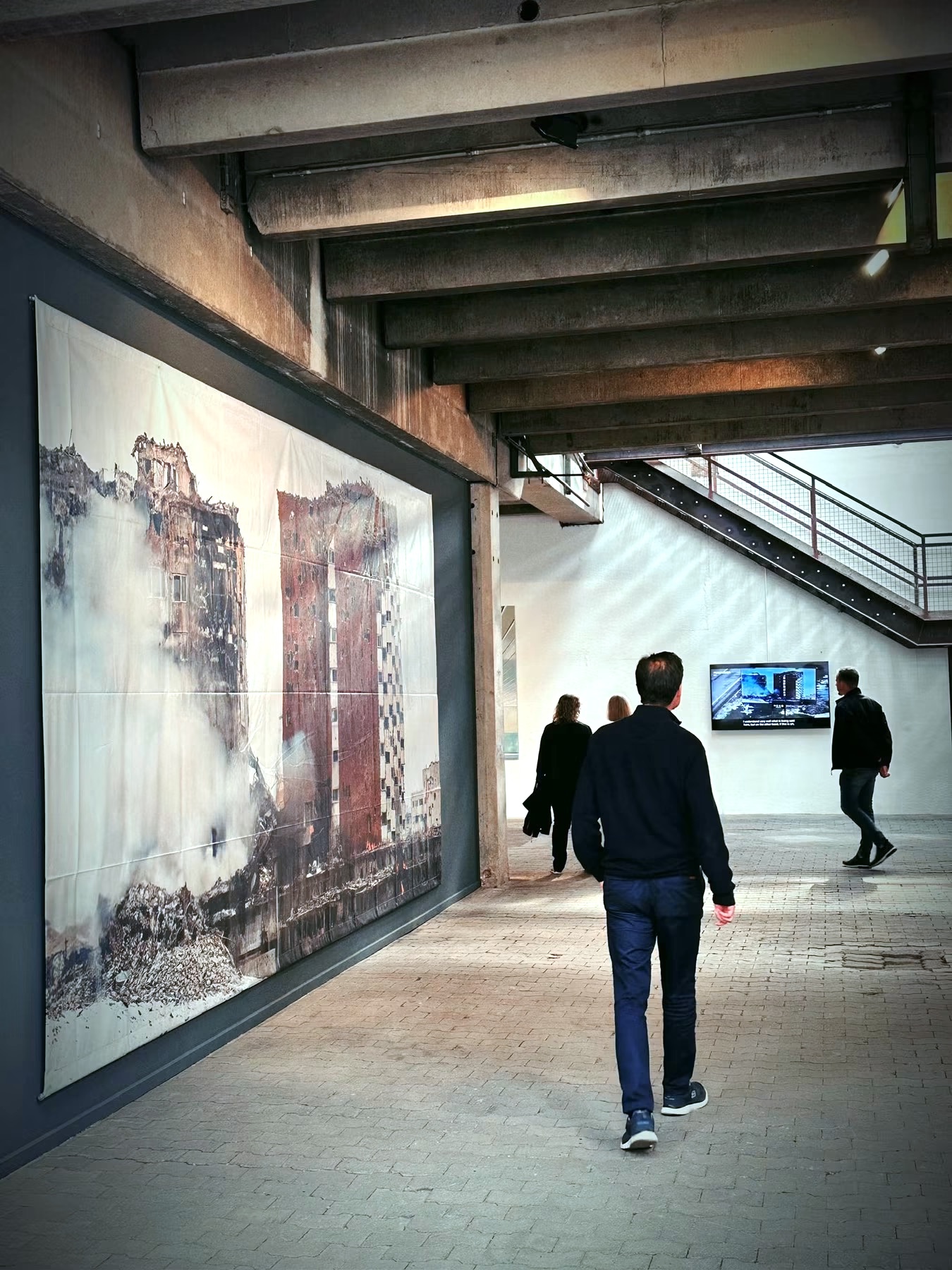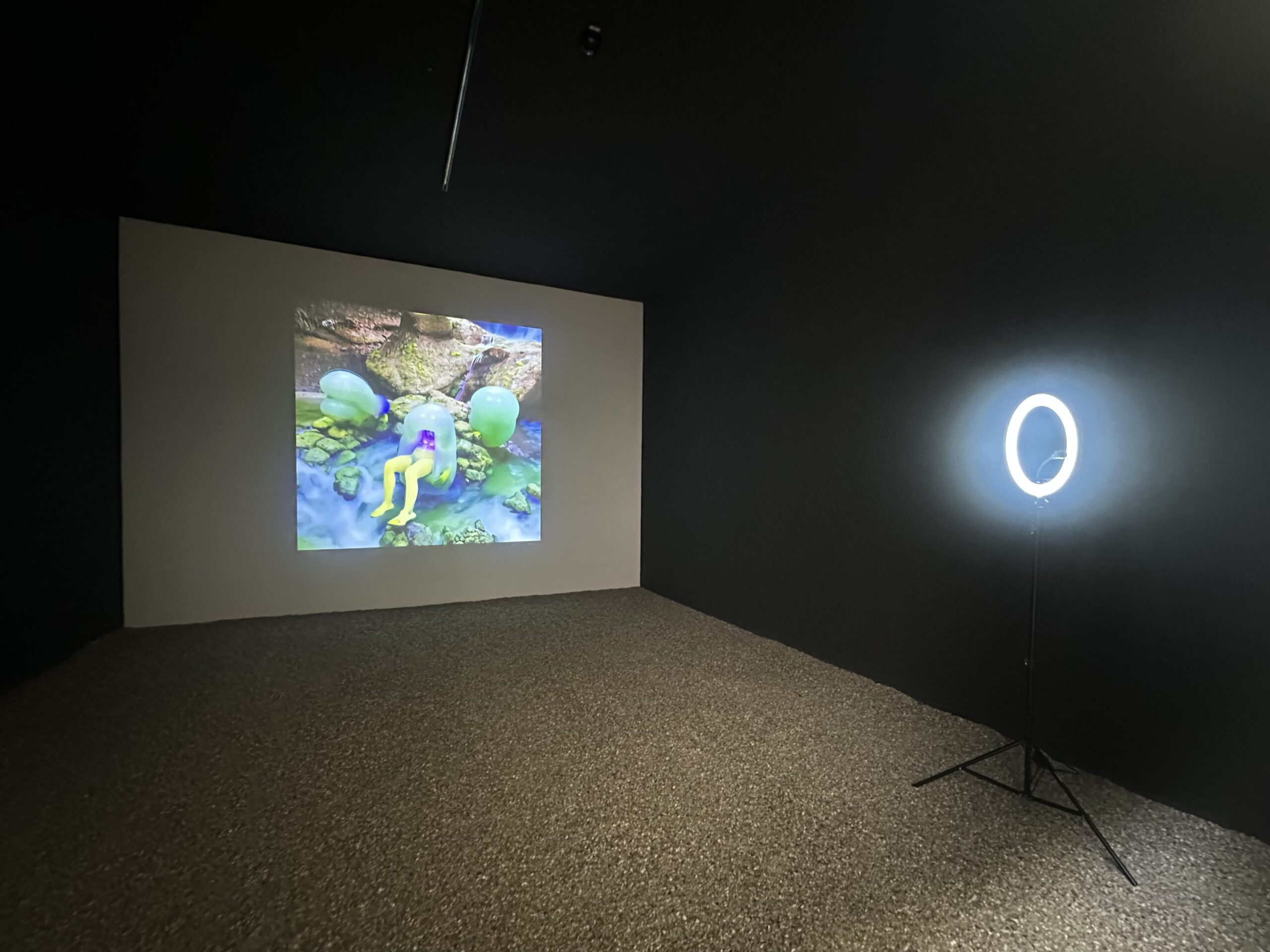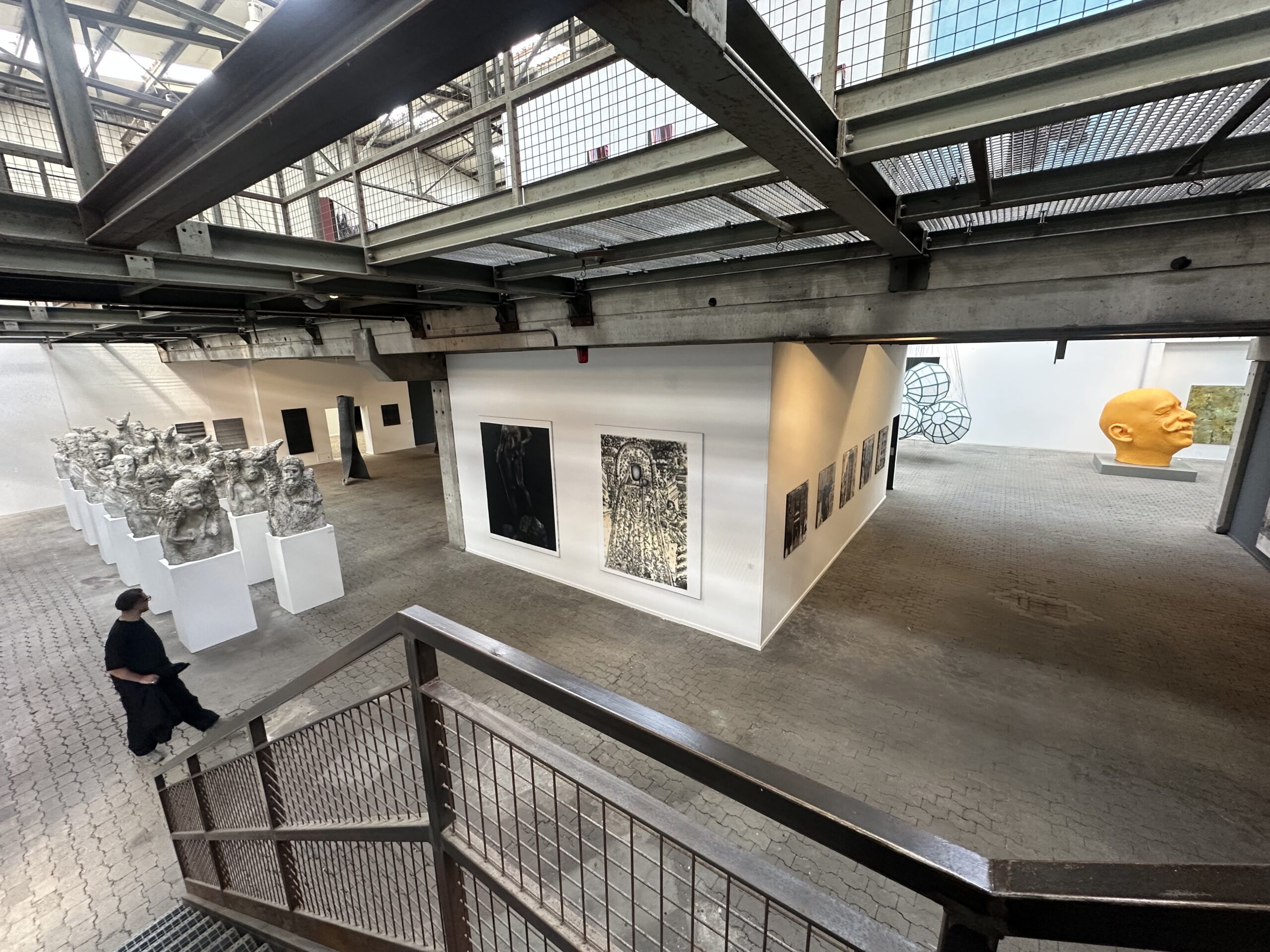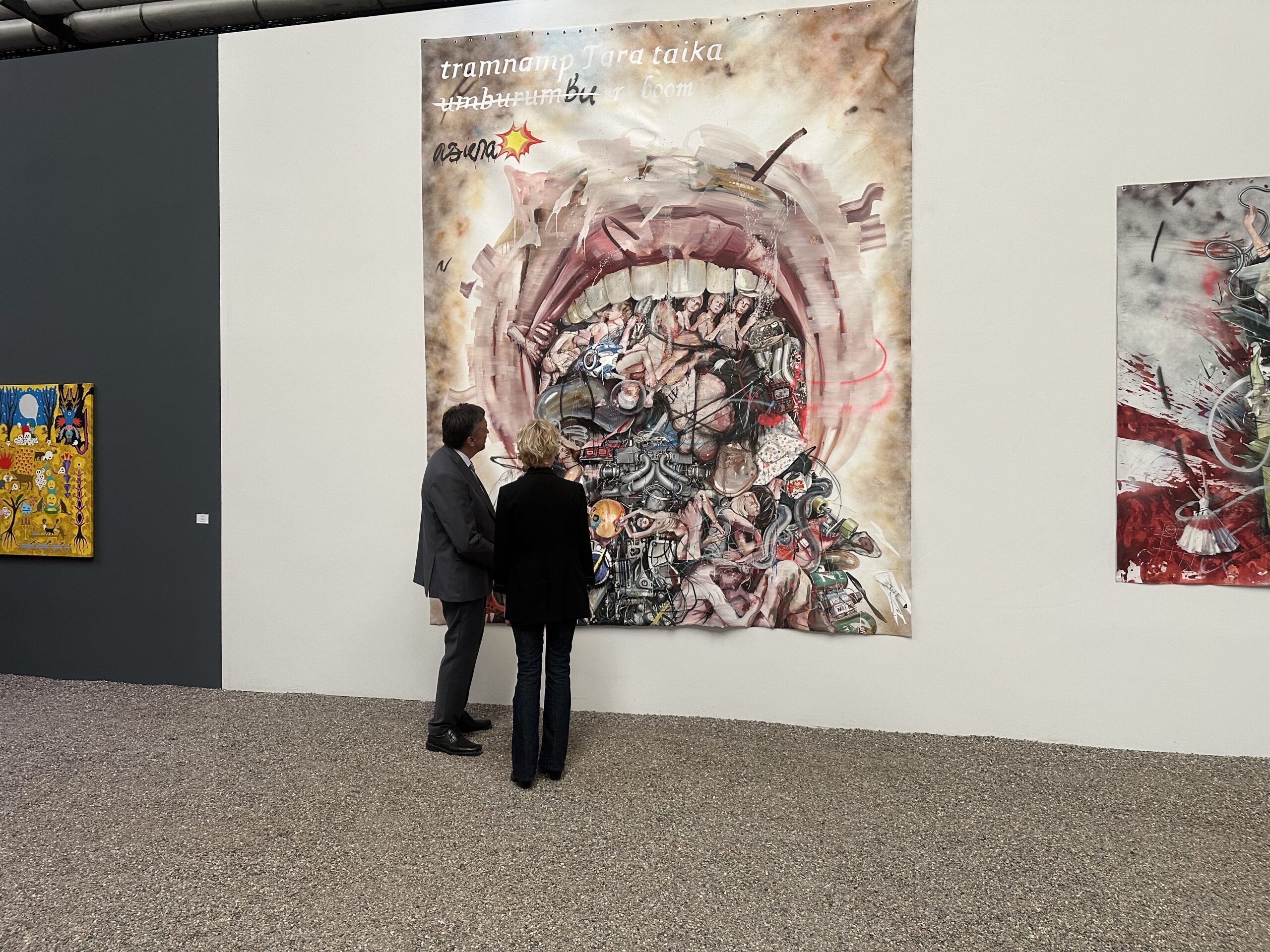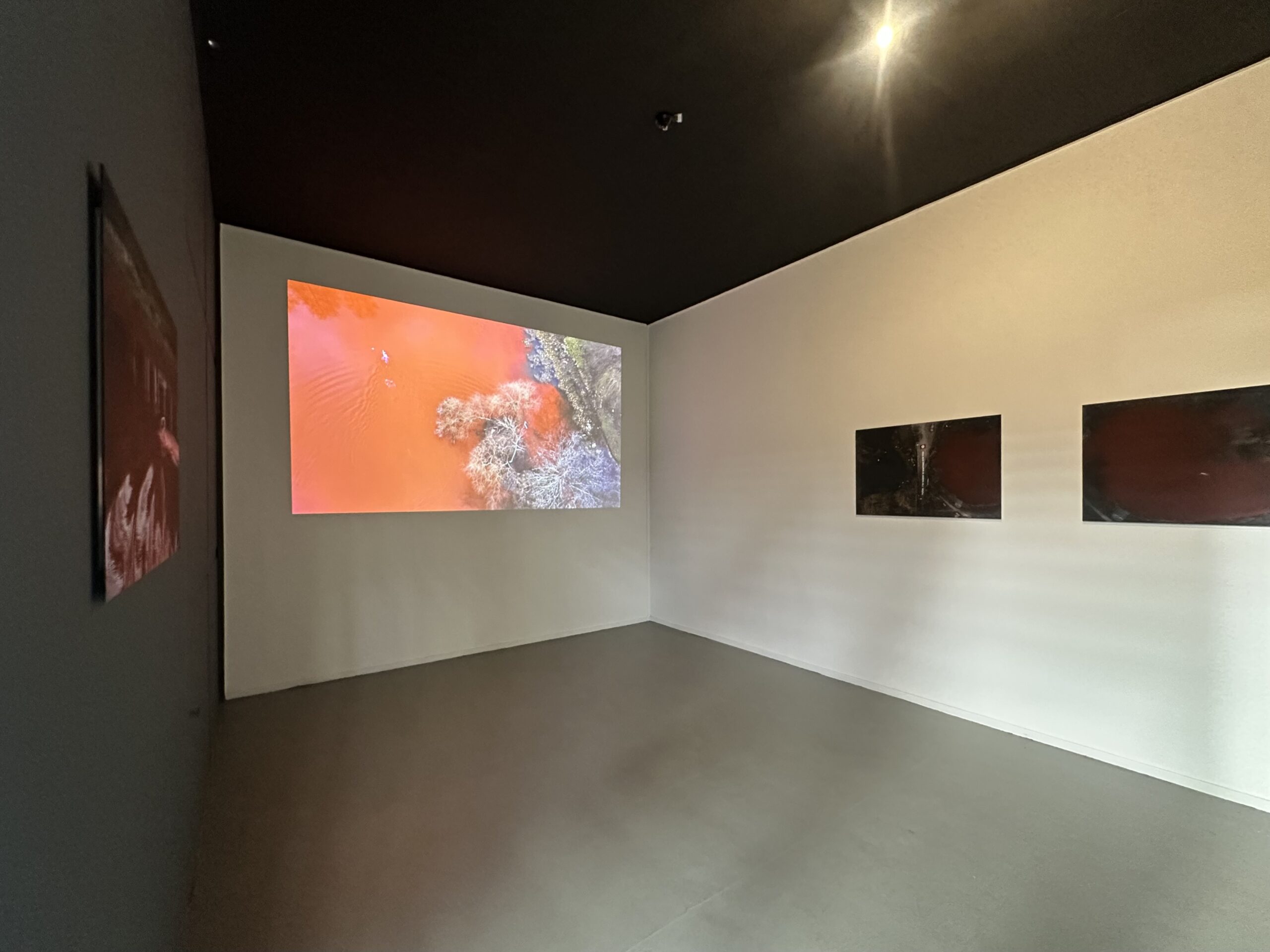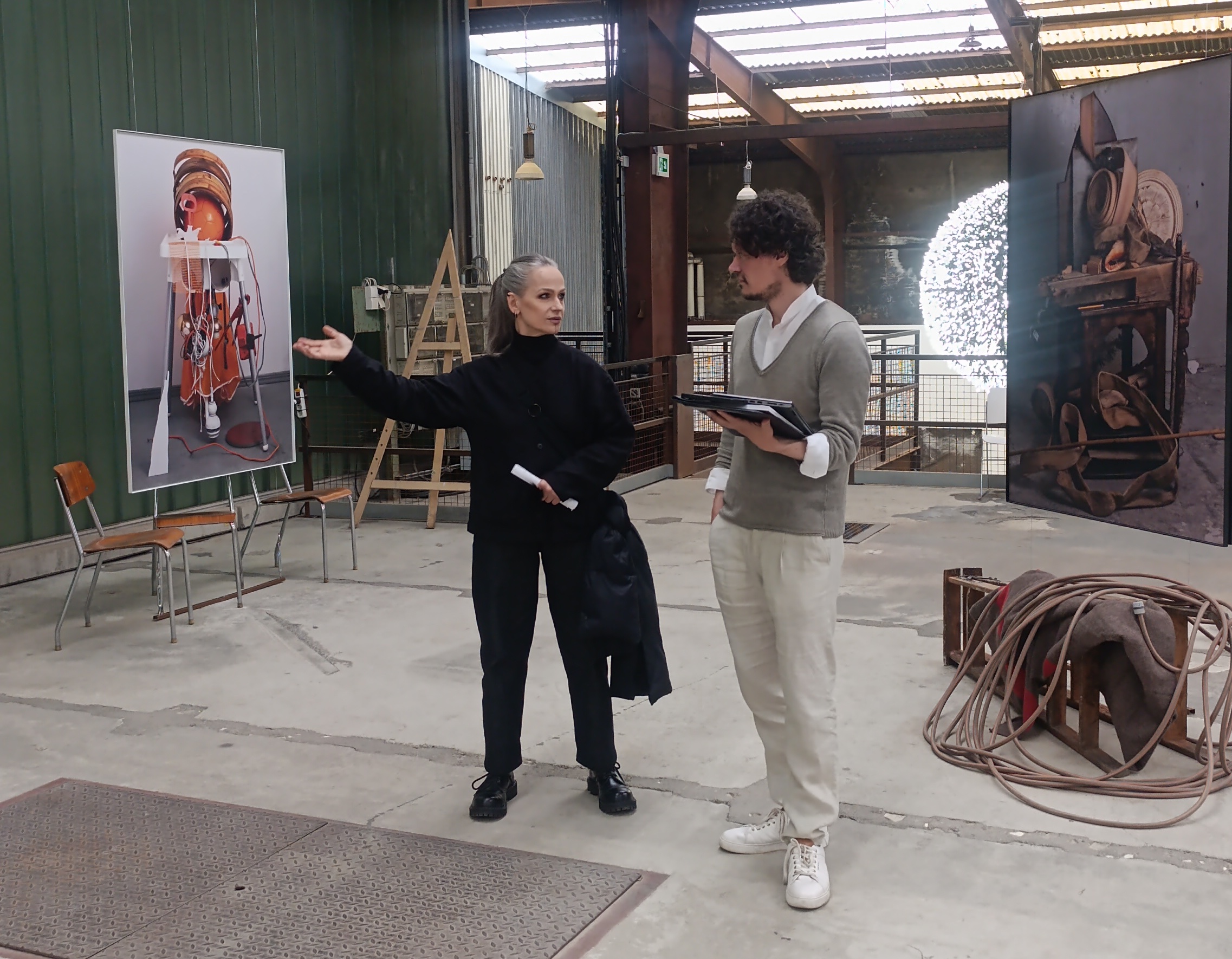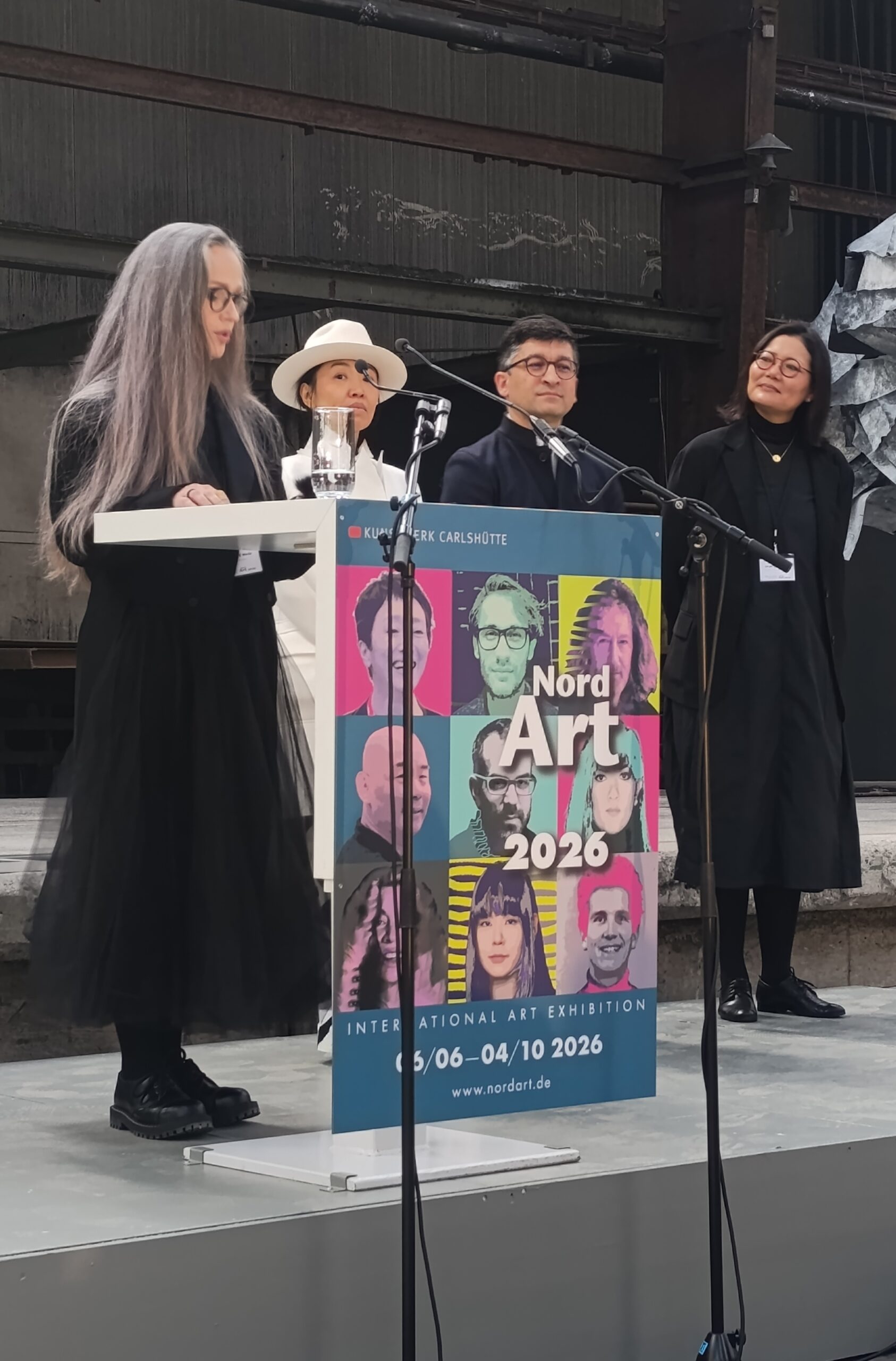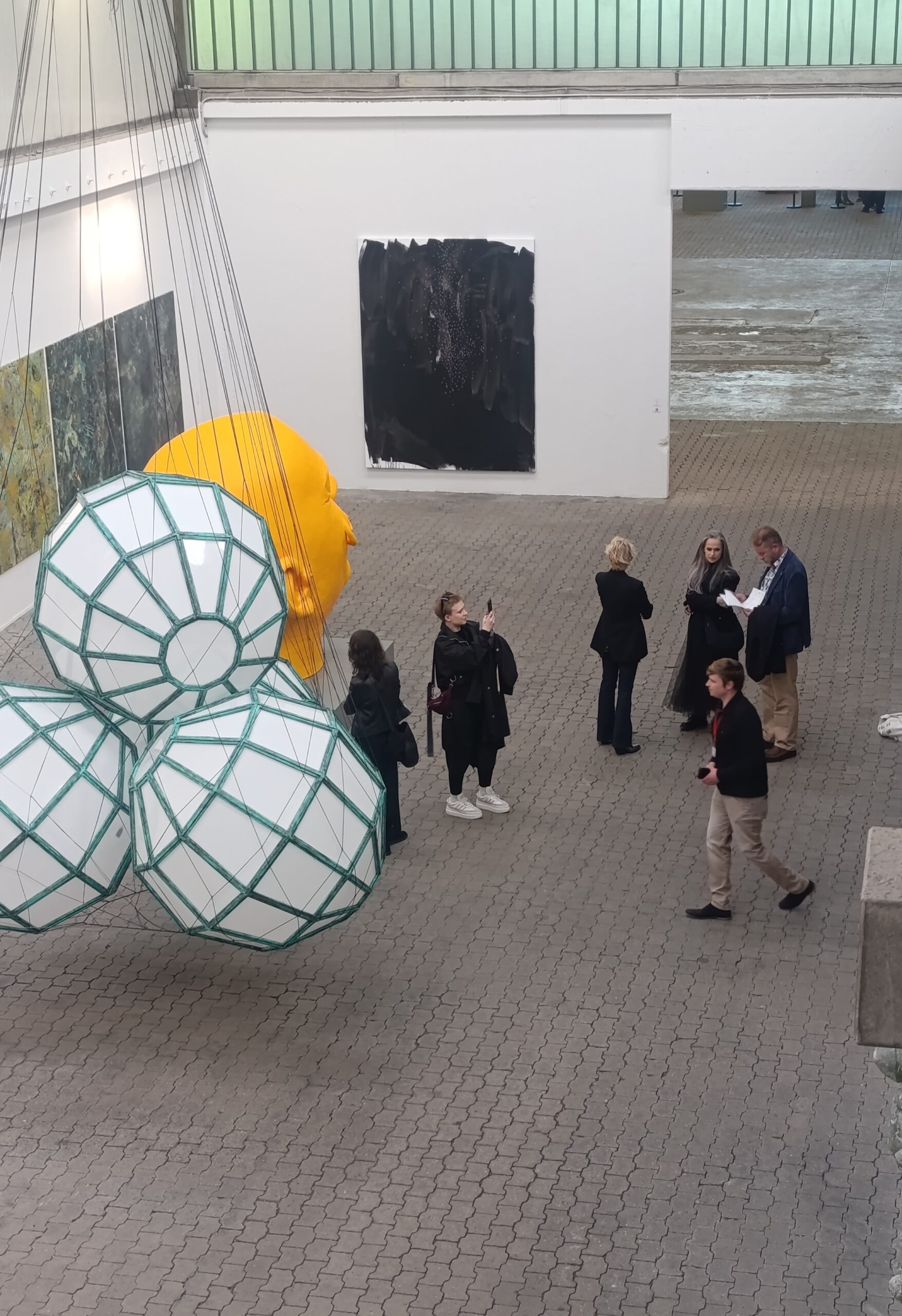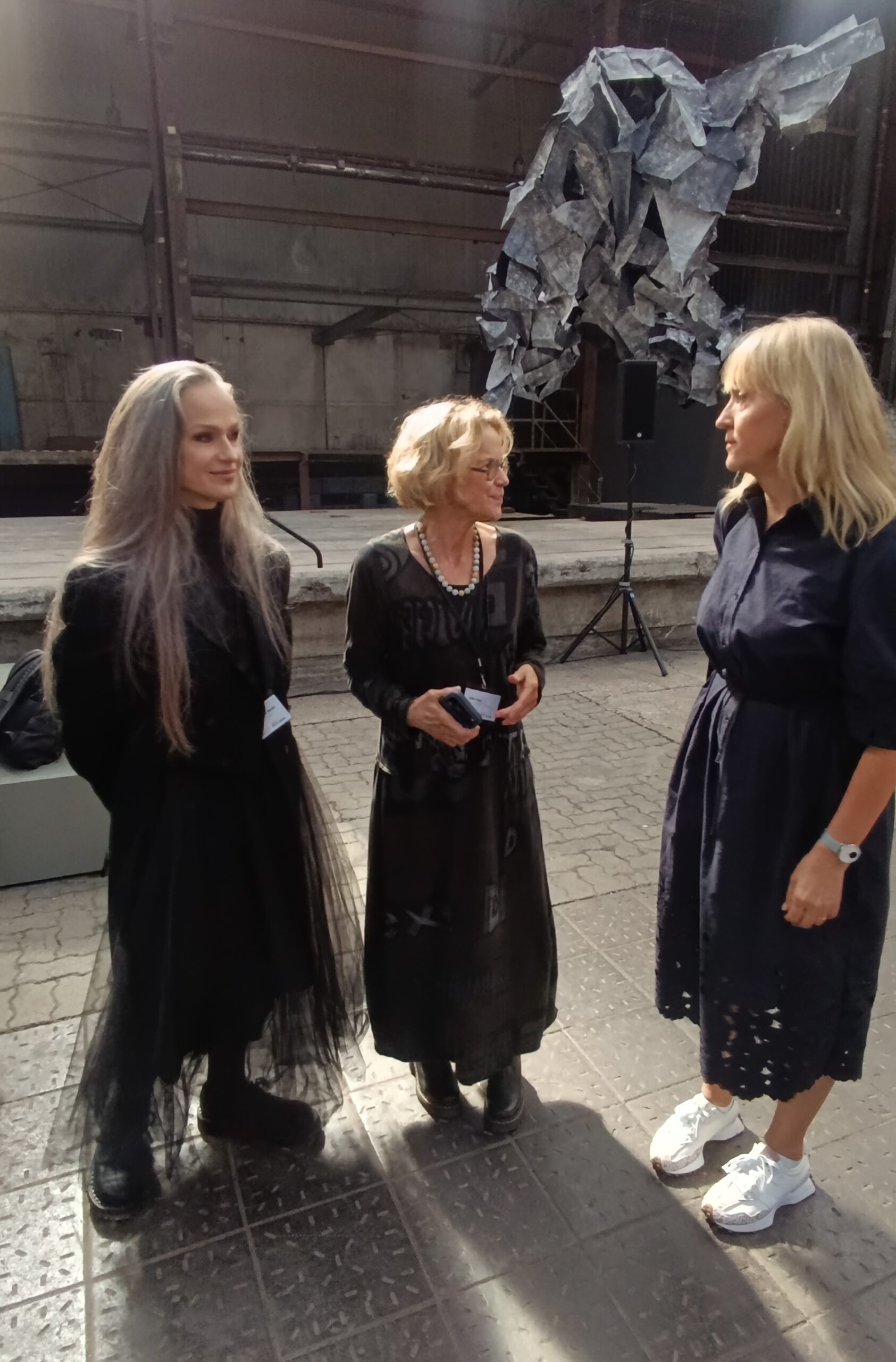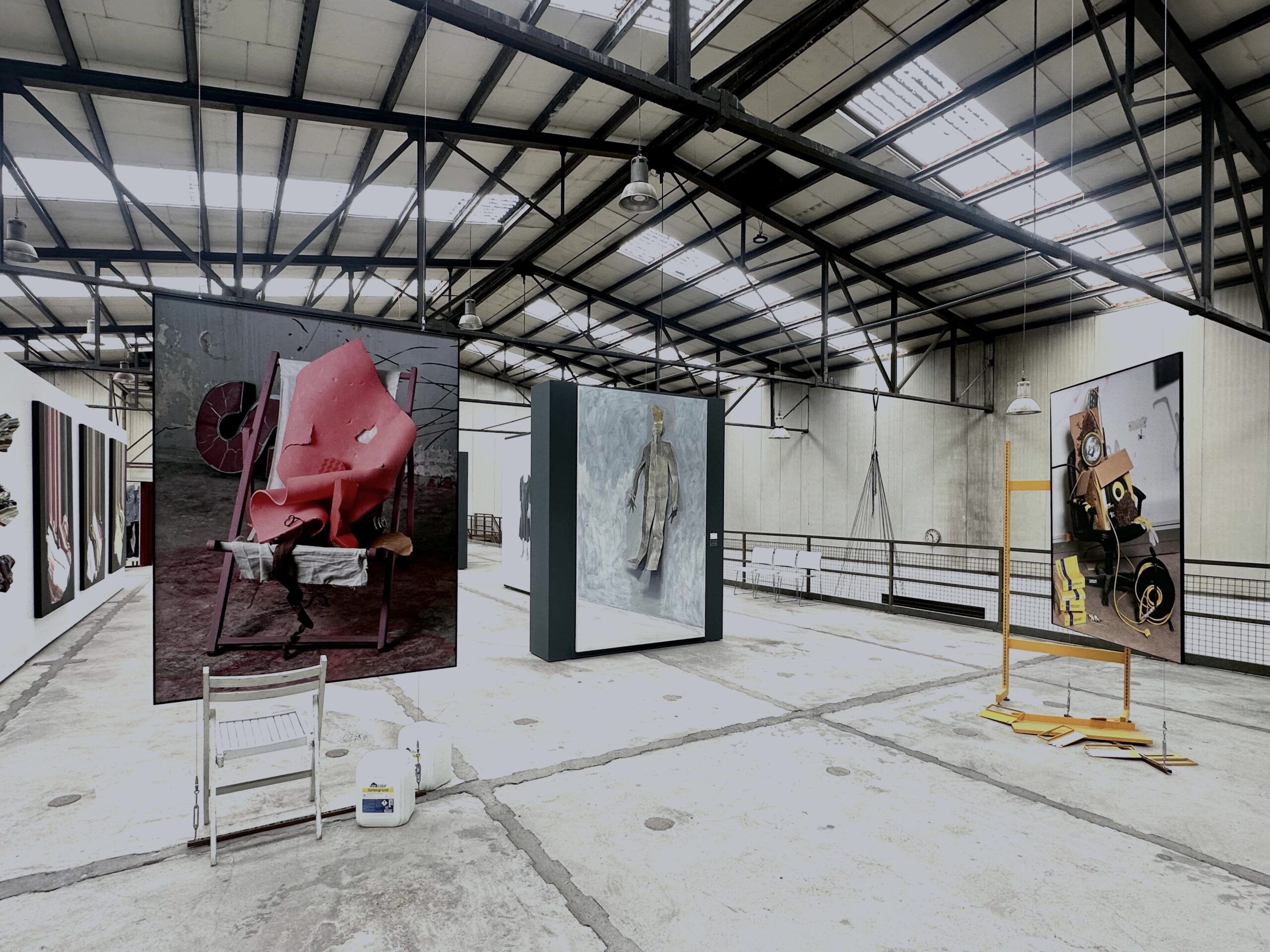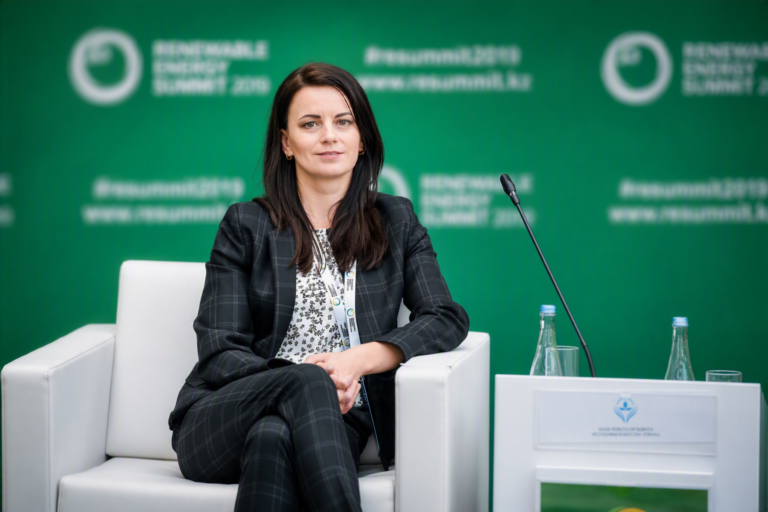
One of the largest and most prestigious contemporary art exhibitions in Europe, NordArt, has opened in Germany. This year, a special focus is placed on the Baltic States—Lithuania, Latvia, and Estonia—which are presented in a special focus program titled “Vilnius – Riga – Tallinn: Notes from the Fringe.” The curator of this program is Meda Norbutaitė, an Associate Professor at the VILNIUS TECH Faculty of Fundamental Sciences.
The curator of the Baltic States exhibition, M. Norbutaitė, states that the idea for the exhibition was born out of a desire to present the region as a cohesive cultural space where shared historical experiences, social processes, and the language of contemporary art converge.
“The Baltic States are often perceived as the fringes of Europe, but today, the issues raised by their artists are becoming highly relevant in an international context. They speak about identity, belonging, vulnerability, the impact of technology, and the human relationship with a constantly changing world,” says the curator.
The exhibition is divided into three interconnected parts:
The first part, “Current Tension”, examines the human condition today in the face of constant uncertainty. Artists reflect on information overload, geopolitical threats, the proximity of war, the connection with nature, and inner human resilience.
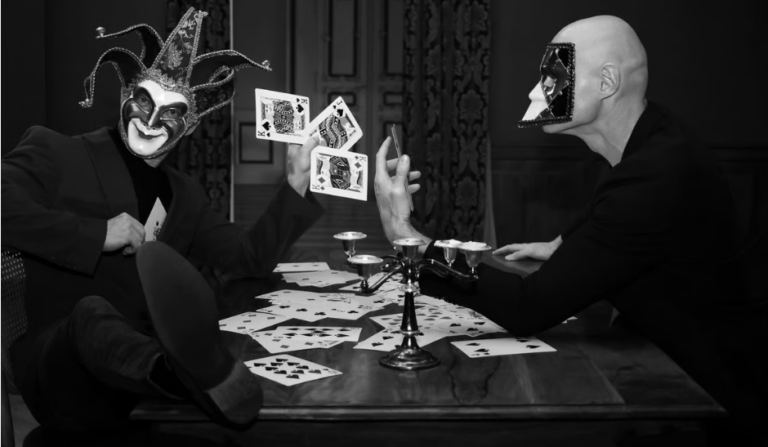
The second part of the exhibition, “Inner Territories”, invites viewers to explore the realms of the subconscious, memory, and imagination. The artworks presented here combine surreal, symbolic, and hybrid imagery, exploring human identity and its new forms in the age of technology.
The third part, “A Laboratory of World-Making”, focuses on materials as a medium for creation and cognition. Artists use wood, metal, textiles, plastic, and found objects to reveal how humans shape their relationship with the environment and how new ways of perceiving the world are forged through materials.
The Baltic States focus at the NordArt exhibition brings together internationally recognized and actively working artists from Lithuania, Latvia, and Estonia. Their works reflect the cultural distinctiveness of the region while addressing universal themes relevant to contemporary society worldwide.
NordArt attracts over 100,000 visitors from various countries annually and is considered one of the most important international contemporary art platforms in Europe. The presentation of the Baltic States at this year’s exhibition serves as a significant opportunity for an international audience to discover the region’s art scene and its creators.
Galerija