Talking about cancer is not easy, but staying silent or ignoring symptoms can have serious consequences. On his 67th birthday, David Reid Anderson, a former lecturer at VILNIUS TECH, decided to speak openly about his experience of receiving a cancer diagnosis. Together with the doctors treating him – urologist Assoc. Prof. Dr Aušvydas Patašius and resident physician and PhD candidate Ugnė Mickevičiūtė – he organised a meeting with the university community to share his experience and offer valuable advice on facing the disease.
“I hope that sharing my story will encourage others to take responsibility for their health, seek medical advice and not put off important health checks. I believe that open and honest conversations about cancer can help people feel less alone,” says Anderson.
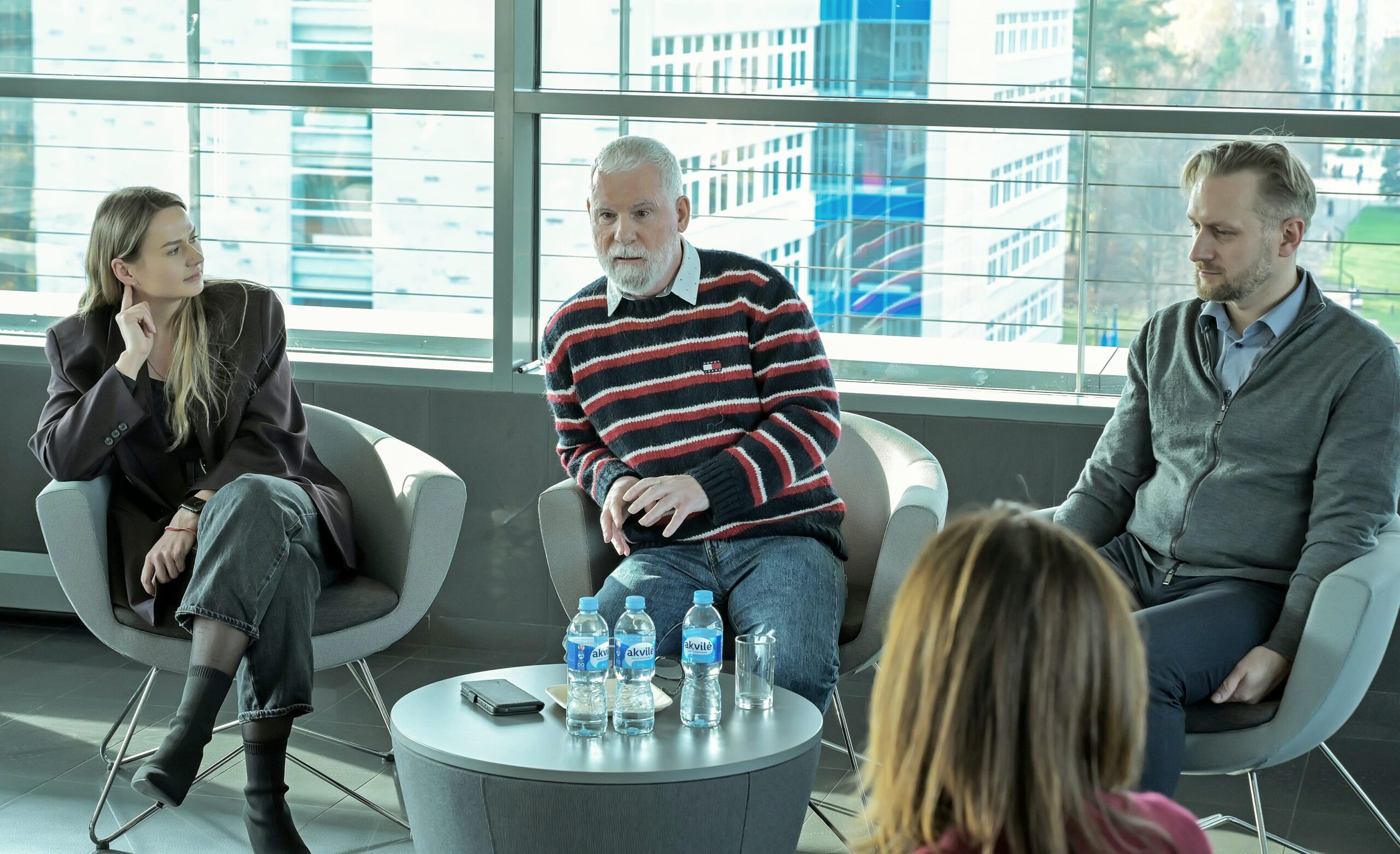
Ugnė Mickevičiūtė, David Reid Anderson and Aušvydas Patašius
1. Do not ignore changes in your body
David first noticed worrying signs in January this year. After going to the toilet, he noticed that his urine had turned pinkish. At first, he wondered whether it might have been related to something he had eaten. However, he decided to see a doctor. Tests and a biopsy revealed bladder cancer, which had not yet spread into the muscle layer of the bladder.
“Even changes that seem insignificant at first should not be dismissed as a coincidence. Blood in the urine, a newly developed lump or swelling, persistent discomfort and other unusual, unexplained symptoms are all reasons to consult a doctor.
“It is important not to wait until symptoms become more severe. Of course, these signs do not necessarily mean cancer, but their cause should be determined by medical professionals,” David advises. He is glad that he sought medical help without delay and avoided a much worse outcome.
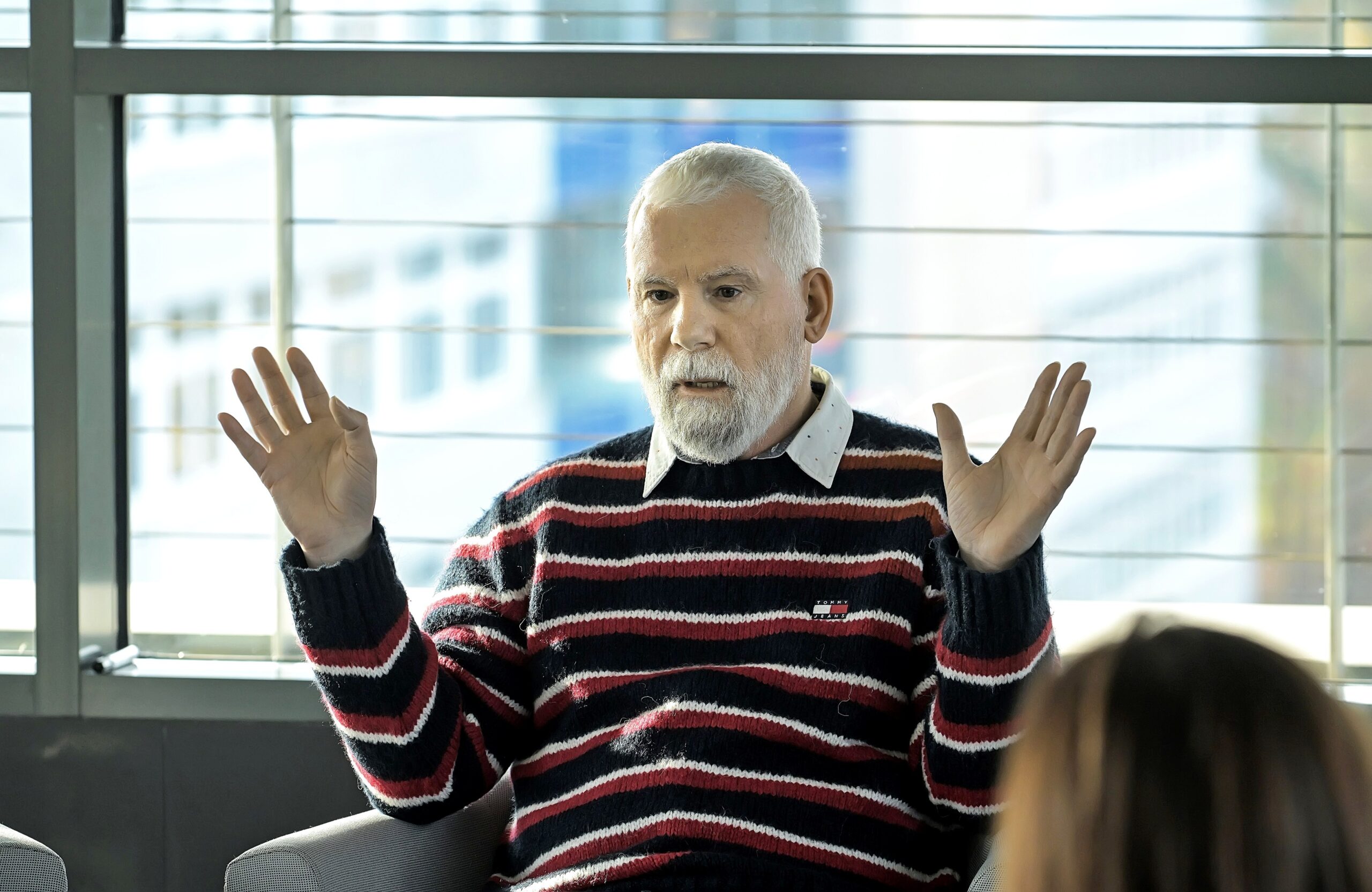
David Reid Anderson
2. Take an active role in your health
Preventive health checks and early detection programmes can help identify diseases at an early stage. However, not everyone takes advantage of them, and some people simply do not realise that screening may be relevant to them.
“If your family doctor does not invite you to participate in a screening programme, ask about it yourself. Find out which programmes you are eligible for based on your age,” advises resident physician Ugnė Mickevičiūtė.
3. Do not assume cancer only affects older people
It is a common misconception that cancer is a disease that affects only older people. Medical professionals know from experience that certain types of cancer can also affect young people. That is why it is important to know which changes in your body to look out for.
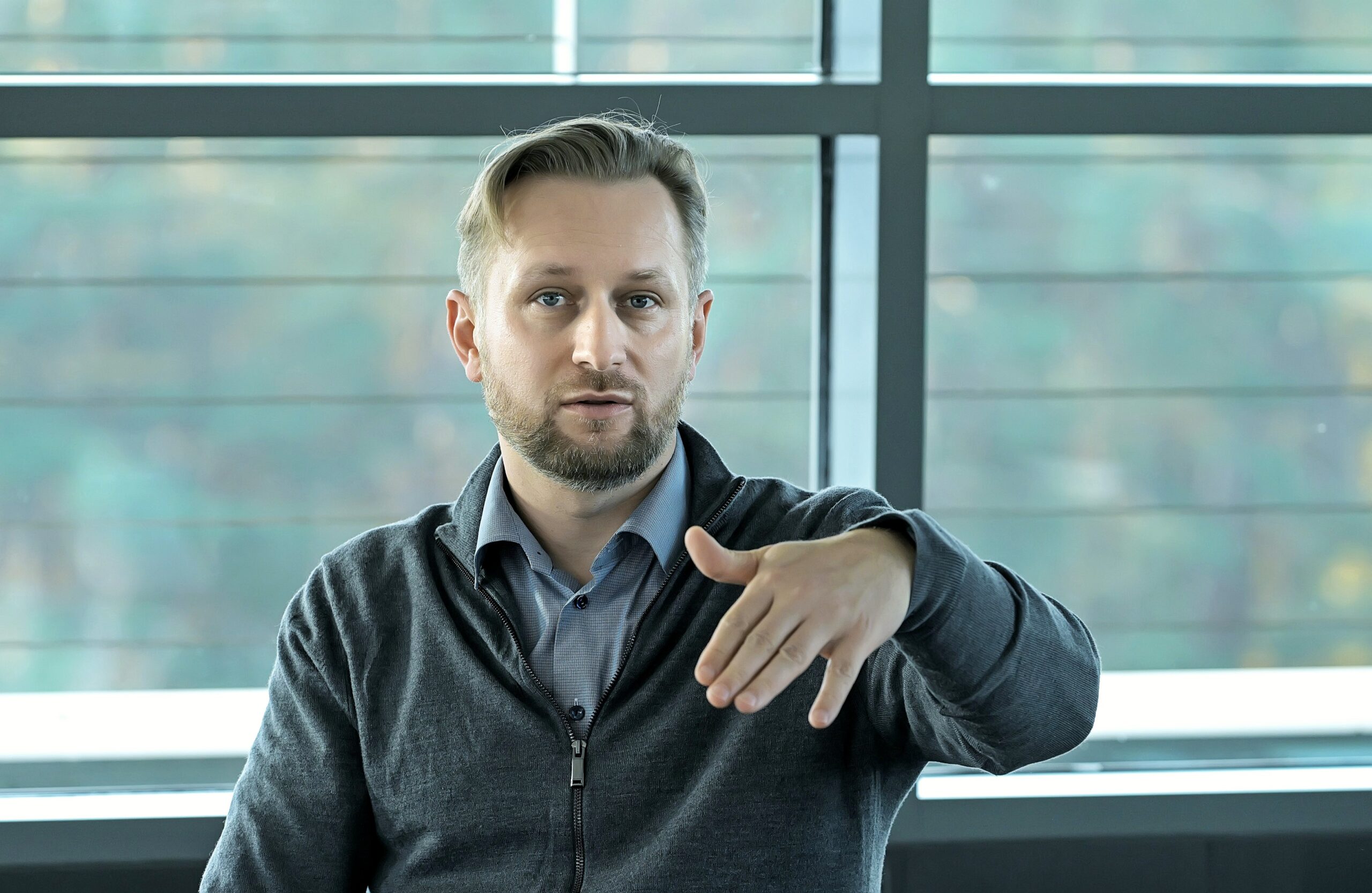
Aušvydas Patašius
“For example, testicular cancer can occur during adolescence or in young adulthood. We have been running the *Check Your Balls* testicular cancer awareness campaign for three years now. We encourage men to look out for a newly developed lump, swelling of a testicle, changes in its size or shape, or persistent discomfort. If you notice any of these signs, you should seek medical attention without delay.
“Knowing the possible symptoms and undergoing examinations in a timely manner can help detect the disease earlier,” says urologist Aušvydas Patašius.
4. Trust your medical team
Working together with your doctor is an important part of the treatment process. David says that trusting his medical team, communicating openly and even sharing jokes with the doctors helped him greatly. The doctors, in turn, emphasise that patients need to understand their condition and actively participate in treatment decisions.
“When speaking to medical professionals, do not be afraid to ask what tests you need, what the results mean, what treatment options are available and what follow-up care is recommended. If something is unclear, ask them to explain it again,” says Patašius.
5. Talk about cancer – do not let fear silence you
A cancer diagnosis can bring fear, anxiety and uncertainty. Everyone copes with these feelings in their own way. David says humour helped him most. He named his tumour after a politician he disliked, and his ability to joke even in difficult situations often helped cheer up other patients, too.
“Humour is not the only way to cope with difficult circumstances, though. Some people find comfort in talking to loved ones, others benefit from connecting with people who have had similar experiences or seeking psychological support. The most important thing is not to face your fears alone,” David shared.
6. Be critical of information you find online
When looking for information about symptoms, tests or treatment, people often turn to the internet and artificial intelligence tools. However, not all the information they provide is reliable.
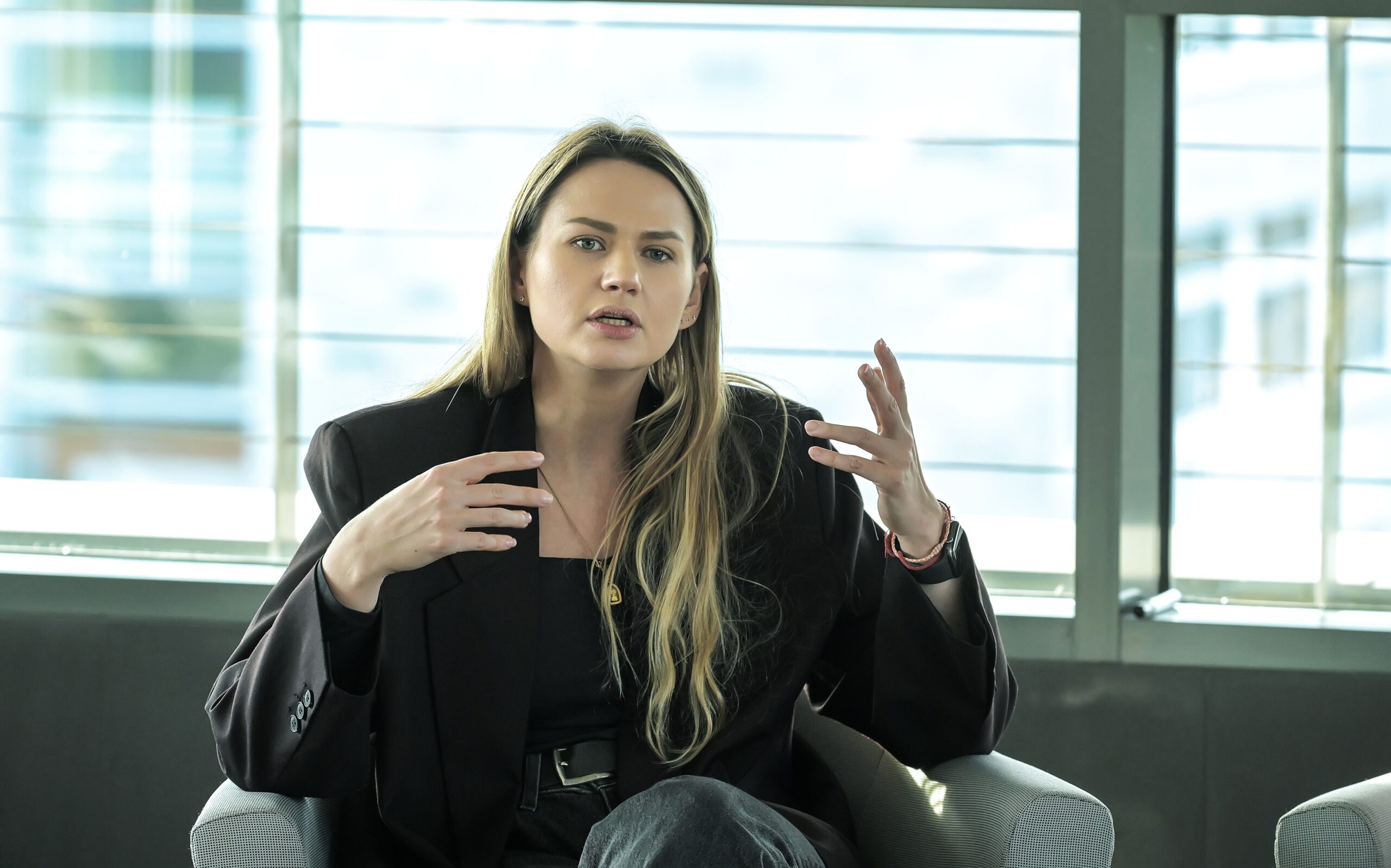
Ugnė Mickevičiūtė
“Artificial intelligence can sometimes produce inaccurate claims or fabricated sources. That is why it is important to verify information and prioritise recommendations from reputable healthcare institutions and medical professionals. Online information can help you prepare for a conversation with a specialist, but it should never replace professional medical advice,” advises Mickevičiūtė.
The cancer is now in remission
Following treatment and immunotherapy, David’s cancer went into remission, and he is currently receiving maintenance therapy.
“I am incredibly happy and feel great. It is difficult to put into words how grateful I am to the medical professionals who treated me, including Aušvydas Patašius, Ugnė Mickevičiūtė and the rest of the team. I encourage everyone to cherish their health, drink plenty of water, exercise and enjoy life,” said Anderson.