Lecturers at Vilnius Gediminas Technical University, who this year received special badges at the “I teach at VILNIUS TECH” Best Lecturer Awards, share their insights on how the fields they teach will change over the coming decades and how study content should evolve to meet the needs of future professions that are only now beginning to emerge.
Students, meanwhile, reflect on their careers 10-15 years from now and identify the qualities and skills they believe will be most important for future professionals.
How will the field you teach change over the coming decades?
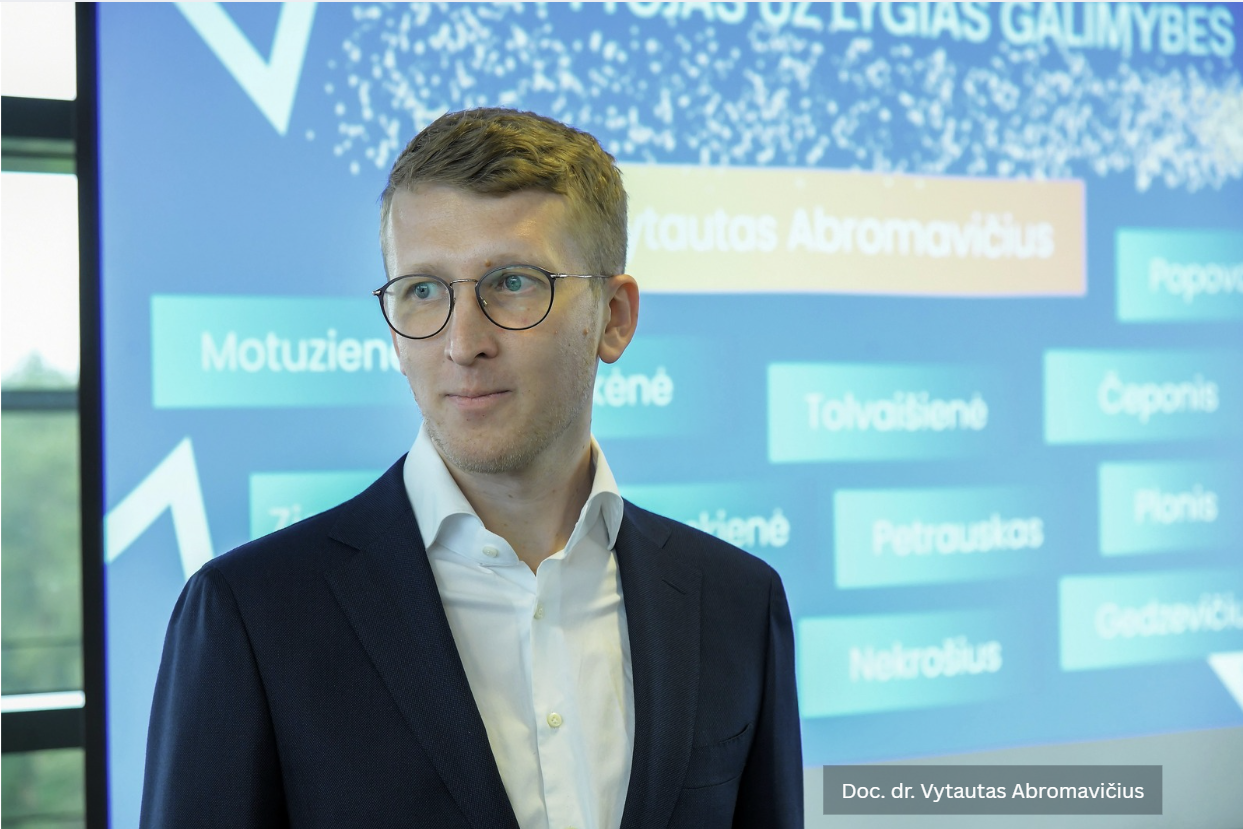
Associate Professor Dr. Vytautas Abromavicius, Faculty of Electronics: First of all, we should talk about the impact of AI on electronics. There is no doubt that AI will become an inseparable part of electronic systems, but integrating it will remain a complex engineering task. Implementing AI in electronics requires not only specific hardware knowledge but also the ability to ensure optimal energy consumption and performance.
I believe that the field I teach (programming and algorithms) will undergo significant changes – we will move not only toward higher-level abstractions and broader problem understanding, but also toward a deeper understanding of subtleties that AI often overlooks. Domain-specific knowledge, which is usually accumulated only by experienced specialists, will remain especially important.
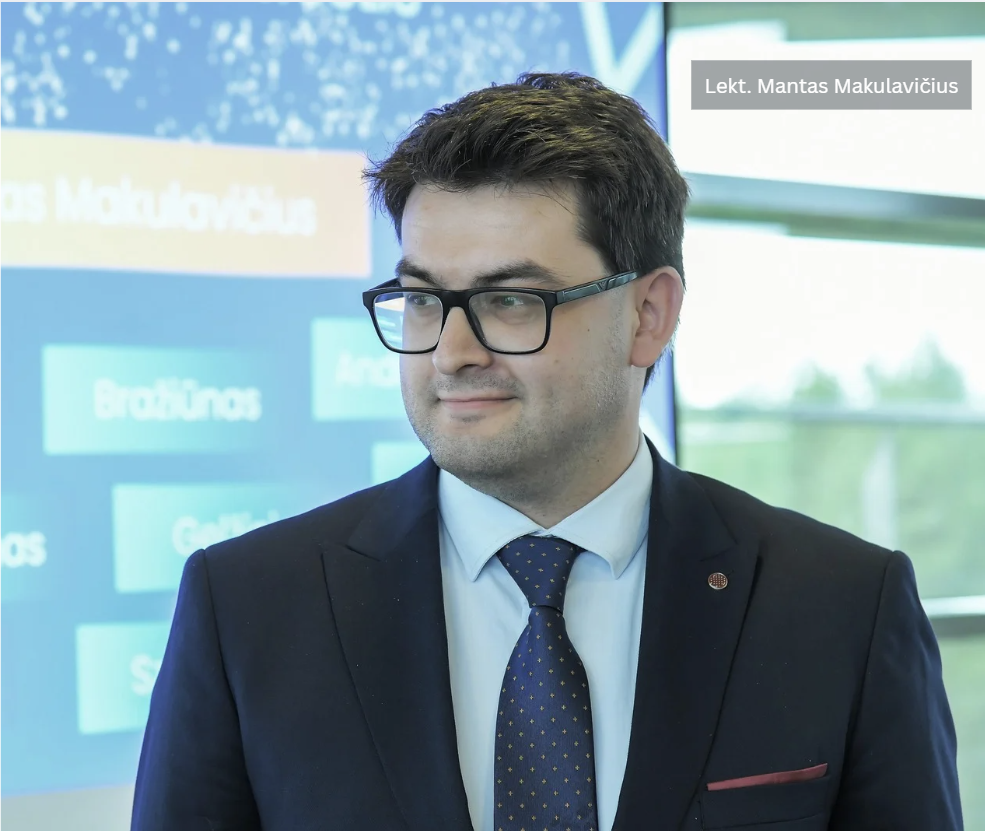
Lecturer Mantas Makulavicius, Faculty of Mechanics: The field I teach, which includes mechatronics, robotics, and applied AI technologies, will become even more interdisciplinary in the future. Already today we see robots and automated systems increasingly combined with AI, computer vision, sensors, and data analysis. Therefore, future specialists will need not only to design or program systems, but also to create advanced, adaptive technological solutions.
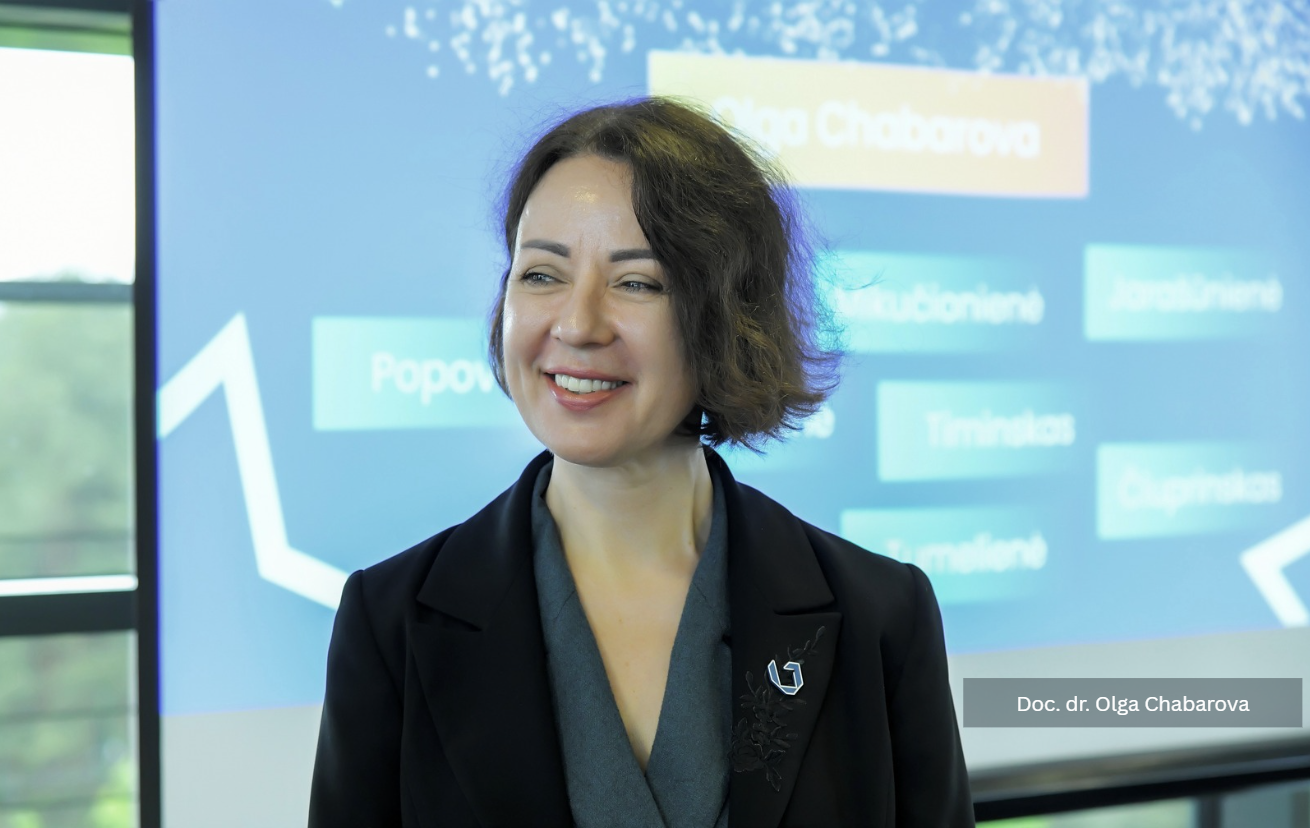
Associate Professor Dr. Olga Chabarova, Faculty of Civil Engineering: I believe that over the coming decades, digitalization, modeling, and AI applications will become stronger in mechanics and engineering. Already today we see a transition from traditional calculations to complex simulations, automated design, and data-driven solutions. Interdisciplinarity is also increasing – engineers are increasingly working with information technologies, biomaterials, and sustainability issues.
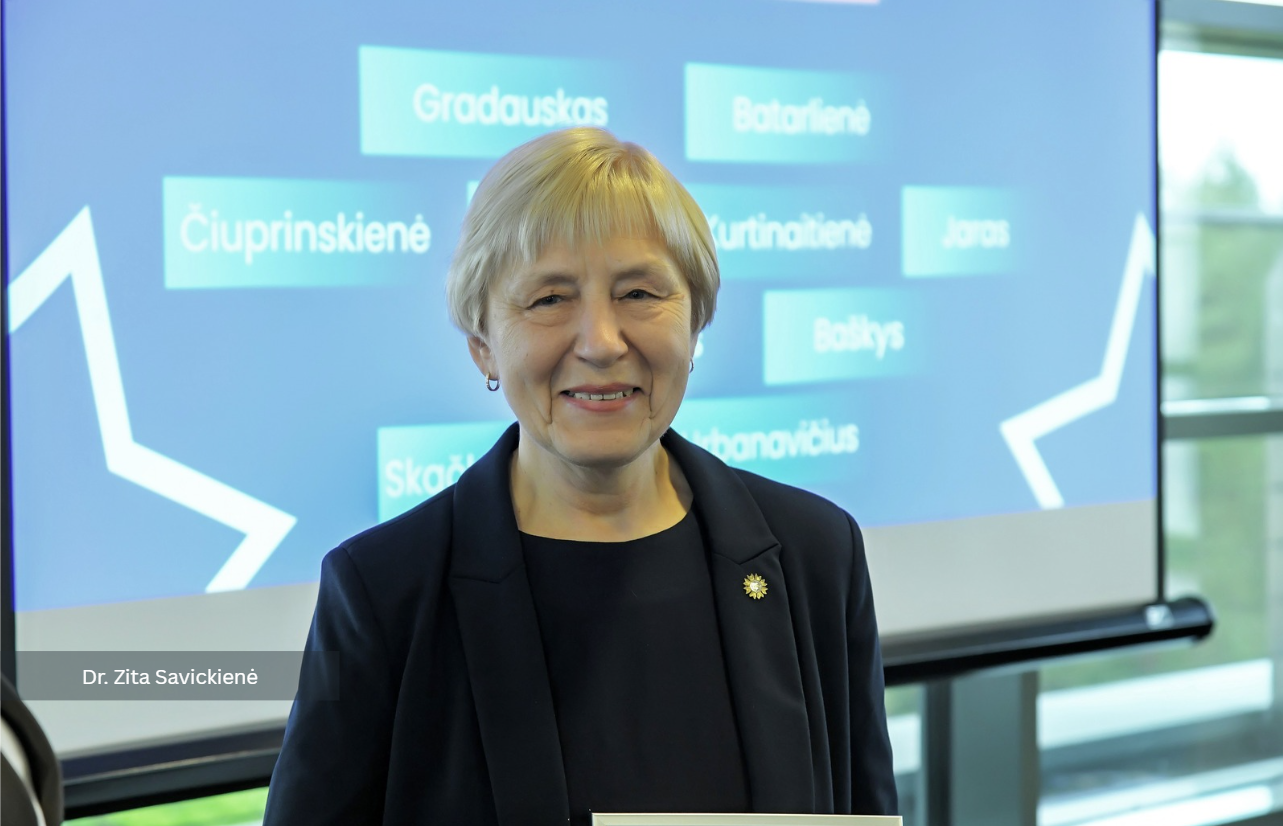
Dr. Zita Savickiene, Faculty of Electronics: I have spent my entire professional career working as a lecturer in the Department of Electrical Engineering, so over the years I have had the opportunity to closely observe how rapidly the field of electrical engineering is changing and improving. It is obvious that in the future the labor market will increasingly need electrical engineers capable of creating, implementing, and managing modern smart electrical and automation systems.
Renewable energy solutions – solar, wind, and other sustainable energy sources – are also becoming increasingly important. This direction has already become an inseparable part of electrical engineering and will undoubtedly remain one of the most important future trends.
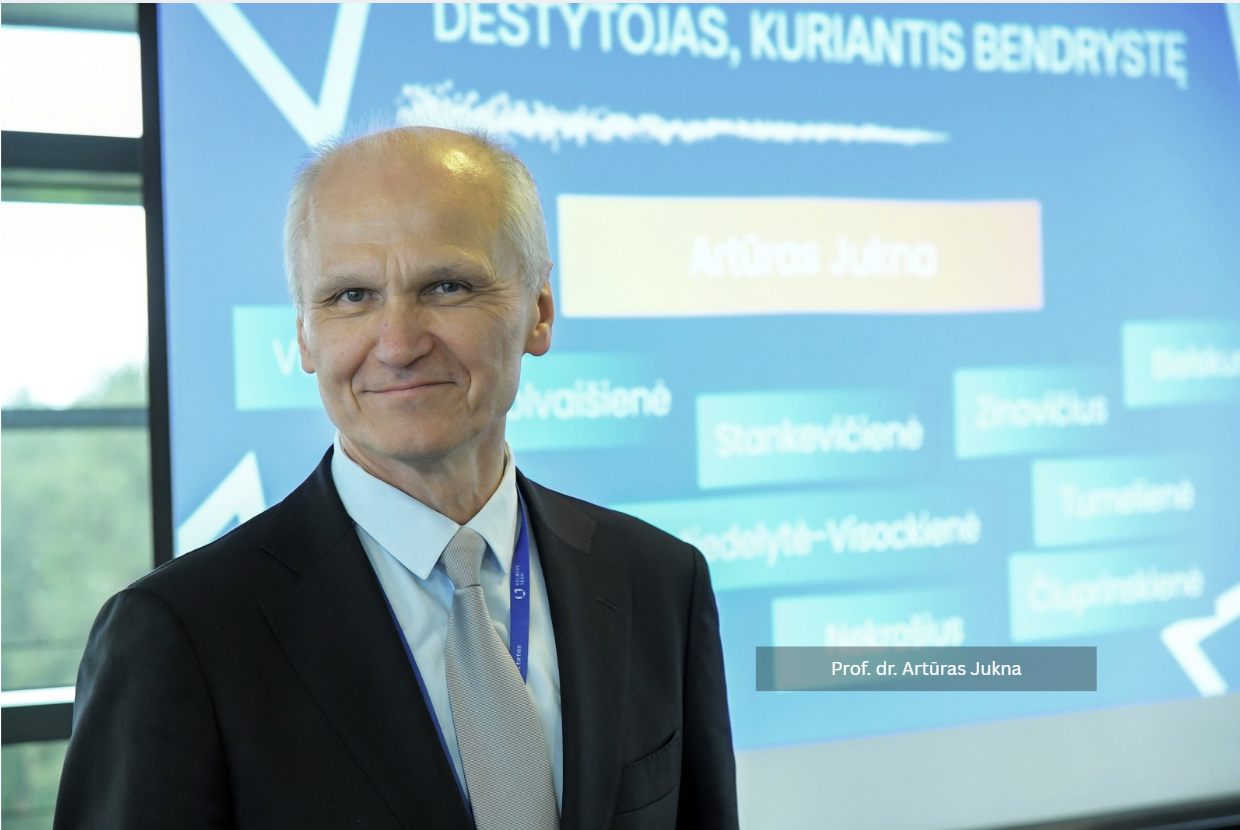
Professor Dr. Arturas Jukna, Faculty of Fundamental Sciences: In the future, physics studies will focus even more on a deeper understanding of natural phenomena – students will analyze more thoroughly why certain processes occur and how their efficiency can be improved. Fields such as thermodynamics, electrodynamics, radioactivity, and quantum phenomena will contribute to the development of advanced medical technologies and space research.
How should study content change so that students are prepared for future professions that are only now emerging?
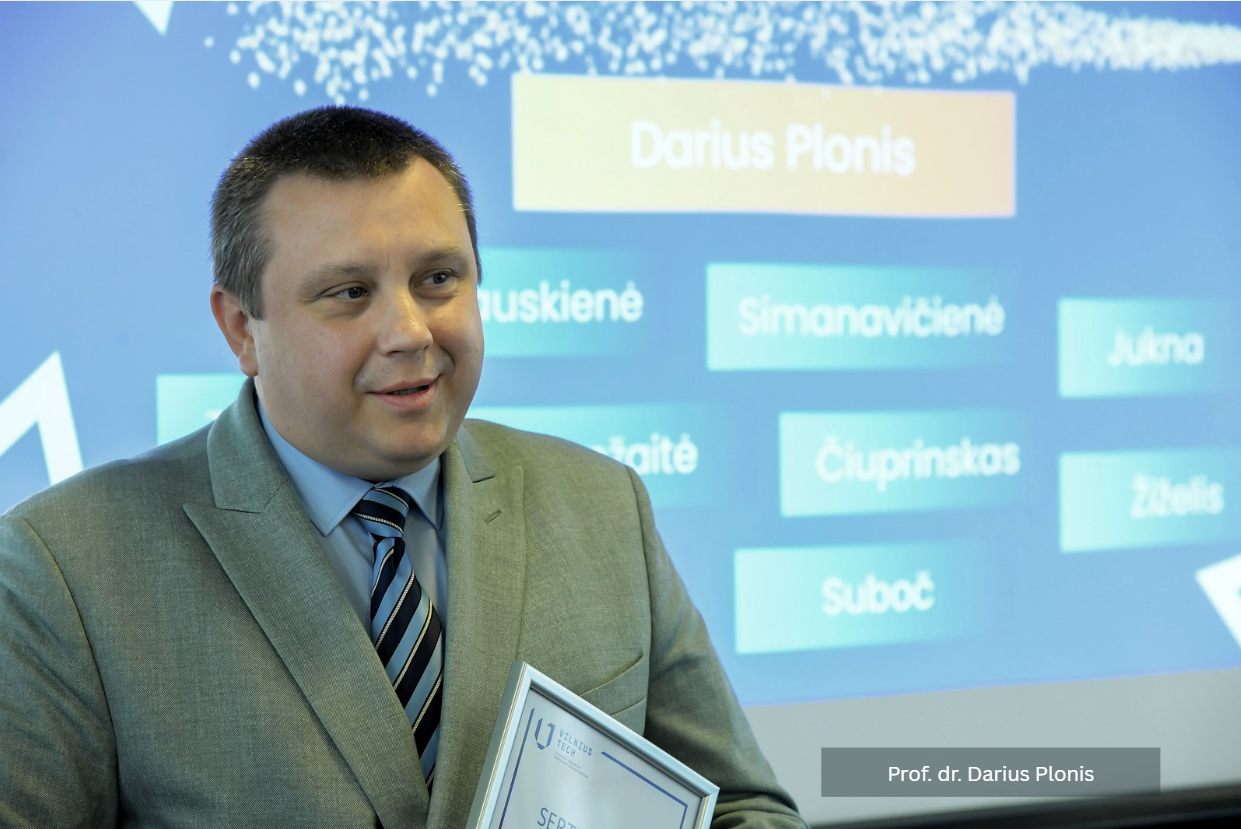
Professor Dr. Darius Plonis, Faculty of Electronics: It should be emphasized that study content should become more flexible, more focused on interdisciplinary skills and lifelong learning abilities, because future professions are still taking shape. It is important to combine a strong theoretical foundation with practical skills, especially programming, data analysis, AI applications, and working with real-world signals.
There should also be more project-based and problem-solving-oriented learning that allows students to work with uncertain tasks. For this reason, I believe that new technologies, embedded systems, and real-time solutions should be integrated into the study process. Finally, it is important to develop students’ critical thinking, creativity, and ability to adapt to a rapidly changing technological environment.
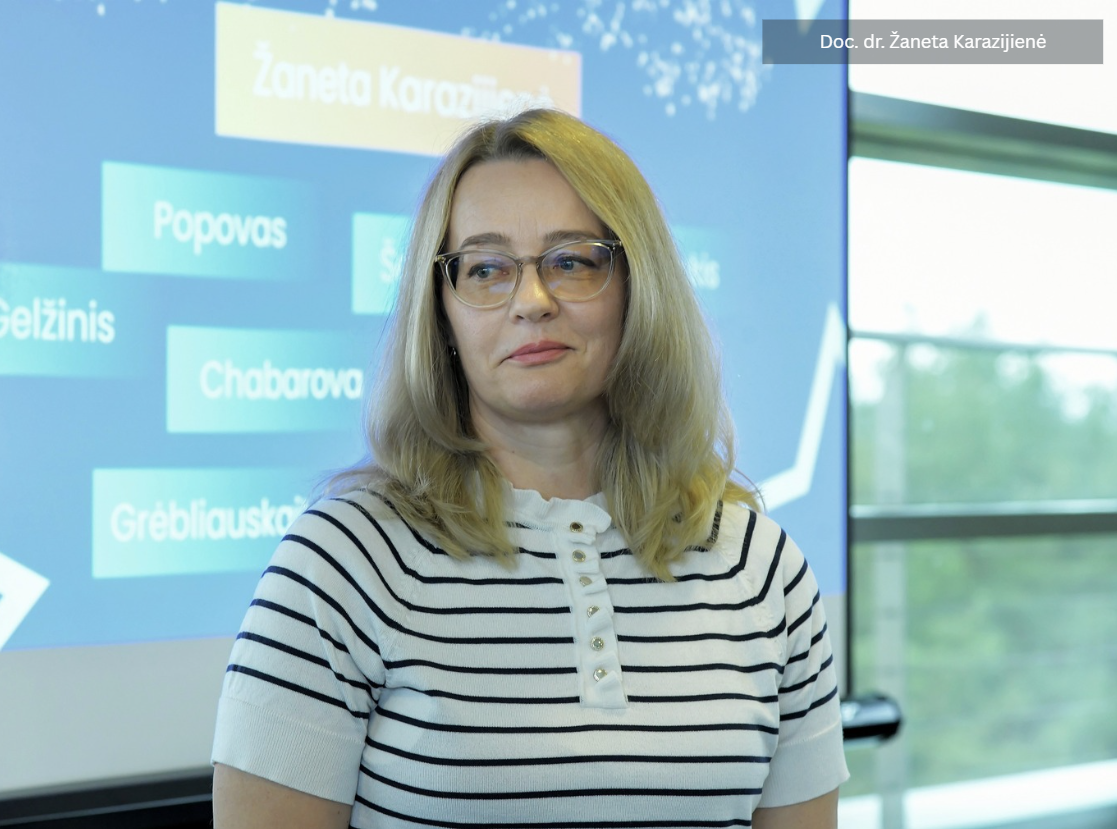
Associate Professor Dr. Zaneta Karazijiene, Faculty of Business Management: Study content should move away from narrowly defined theoretical knowledge transfer and focus more on developing analytical, critical thinking, and problem-solving competencies. Future professions will often be interdisciplinary, so economics studies must strengthen connections with data analytics, information technologies, public policy, and environmental protection. Students should be systematically introduced to big data analysis, software implementation of economic modeling, scenario development, and risk assessment.
In addition, it is important that study content be flexible and continuously updated according to changes in the labor market and society. Practical projects, case studies, and cooperation with business and the public sector would enable students to gain the ability to apply theoretical knowledge in real situations. In this way, studies would not only provide an academic foundation but also develop the ability to adapt to newly emerging professional roles and a constantly changing economic environment.
Lecturer Mantas Makulavicius, Faculty of Mechanics: Study content should focus more on practical projects in which students create, program, test, and improve real prototypes. More attention should be paid to AI, robot programming, sensor systems, data analysis, and digital tools. This would better prepare students for future professions that will be unimaginable without the ability to adapt quickly and solve new technological problems.
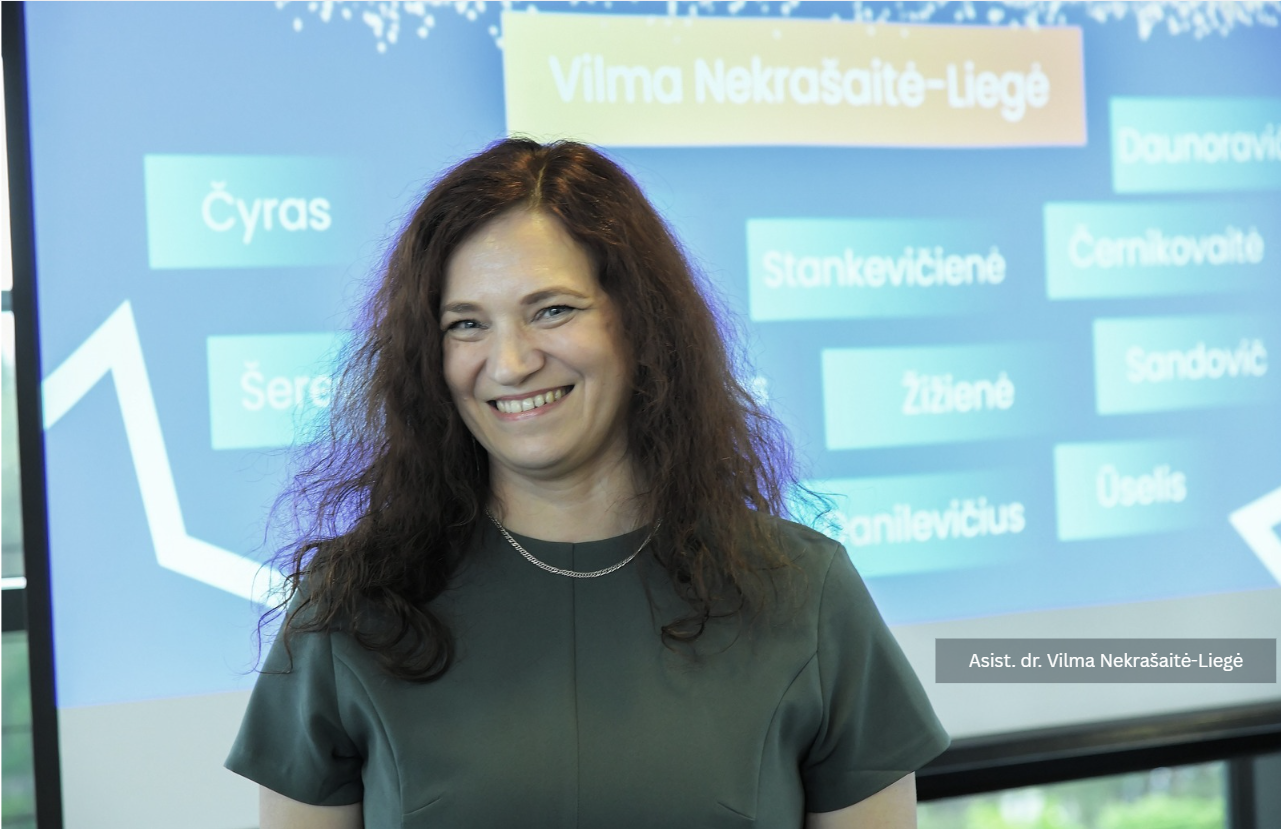
Assistant Dr. Vilma Nekrasaite-Liege, Faculty of Fundamental Sciences: The application of mathematics in study content should increase, especially when working with data, algorithms, and modeling tasks. The integration of mathematics with programming and digital tools is already actively applied in the study process, as these are becoming an inseparable part of modern professional activity. Considering the rapidly growing use of AI during studies, assessment methods should also change – with more emphasis placed on oral examinations, which allow for a more reliable evaluation of a student’s knowledge.
How do you imagine your future profession in 10-15 years?
Gabija Zibutyte, second-year student of Building Energy Systems Engineering, Faculty of Environmental Engineering: Interdisciplinarity will become a necessity for future specialists – it will no longer be enough to understand only heating or ventilation systems; specialists will also need to master programming basics, data analysis, and the integration of renewable energy solutions. Flexibility and continuous learning will be equally important, because technological change is already happening faster than current standards can adapt.
Aurimas Ramanauskas, first-year Software Engineering student, Faculty of Fundamental Sciences: I believe that as technology rapidly advances, the field of information technology will change the most. Although various assumptions are circulating, I do not think specialists in this field will become unnecessary – only the nature and specifics of their work will change due to AI development.
AI will undoubtedly make everyday work easier, especially when performing simple, repetitive, and clearly structured tasks. However, the human ability to evaluate situations from different perspectives, think creatively and critically, and make unconventional decisions will remain irreplaceable. These qualities are precisely what are essential for IT specialists.
Guste Mackonyte, first-year Air Traffic Management student, Antanas Gustaitis Aviation Institute: AI and advanced automation will be integrated into air traffic management. The biggest change will be that systems will perform routine tasks and complex calculations. Air traffic controllers will become more like strategic coordinators responsible for managing the flow of drones and traditional aviation within a single airspace.
Nevertheless, in my opinion, human intuition, the ability to make important decisions in unexpected situations, and taking responsibility will remain the most important qualities – qualities that no algorithm will ever fully replace.
Valdemaras Volodkevicius, third-year Avionics student, Antanas Gustaitis Aviation Institute: In my opinion, the field of avionics will become even more based on automation and AI systems. Aircraft will use increasingly advanced sensors, self-diagnostic systems, and remote maintenance solutions. It is likely that avionics specialists will need to deepen their knowledge in advanced electronics, specialized software, and AI solutions.
Liepa Henrieta Rubikaite, fourth-year Architecture student, Faculty of Architecture: I think there will be challenges in the field of presenting visual information, and architectural trends will also change – current modernism will be replaced by new directions and fashions to which specialists will need to adapt.
Domas Launikonis, second-year Information Systems Engineering student, Faculty of Electronics: I imagine my future profession as one of the most important in the field of technology. Understanding information systems logic, creating architecture, and critical thinking will remain extremely important. Although AI will be able to generate code or create system foundations, it will not always understand how changes in one area may affect another. It will lack the ability to see the overall system picture and ensure that the final product functions consistently and reliably.
The nature of work itself will change the most. Previously, specialists had to create systems, integration solutions, or search for areas requiring modifications themselves, but in the future AI will be able to perform many of these tasks in a very short time. Therefore, the role of information systems specialists will increasingly involve system supervision, verification of AI solutions, evaluation of their behavior, and ensuring overall system performance.
Ugne Talitaite, second-year Sustainability Technologies student, Faculty of Environmental Engineering: In 10-15 years I will work as an environmental engineer in a field where technologies will be far more advanced, but the main goal will remain the same – reducing pollution and solving environmental problems.
Milda Strokova, first-year Logistics and Transport Management student, Faculty of Transport Engineering: I believe my profession will not change dramatically because it is a job where human connection and direct communication are extremely important. However, I believe many processes will become more automated, and new technological tools will help simplify certain tasks.
Vincentas Jarusevicius, first-year Construction and Real Estate Management student, Faculty of Civil Engineering: I imagine that in the future this will be a dynamic and versatile profession mainly involving planning, coordination, and responsibility. It would be connected to the construction sector and work on construction sites, but since the study program also includes real estate subjects, the profession would also be closely related to real estate development, administration, and supervision.
In my opinion, the balance between the engineering component and real estate market and economics knowledge will change in the future. However, engineering will remain the foundation of this program.
Juste Strainyte, first-year Port and Shipping Engineering Management student, Lithuanian Maritime Academy: In my opinion, the work environment will become even more technologically advanced, so one of the main changes will be the simplification of complex processes through new technologies. Nevertheless, continuous professional development and the ability to adapt to a rapidly changing environment will remain extremely important.
Rugile Svagzdyte, second-year Entertainment Production student, Faculty of Creative Industries: I think it will attract even more attention from everyone. Due to greater opportunities and technological development, projects, events, and shows will look incredible, making it difficult for people to take their eyes off them.
Although this may sound somewhat unrealistic, while studying I understand that people already need entertainment and increasingly stronger engagement. Achieving this is not easy, but at the same time it encourages specialists to think more broadly, aim higher, and not limit themselves to conventional solutions.
Today it is becoming increasingly difficult to keep people’s attention, so it is necessary to constantly look for ways to interest and engage them. On the other hand, technology can also simplify this process. Therefore, I believe the goal of captivating audiences and creating solutions that leave a strong impression will remain important.
What skills and qualities will future specialists have?
Gabija Zibutyte, second-year student of Building Energy Systems Engineering, Faculty of Environmental Engineering: Future specialists will need the following skills and qualities: understanding sustainability principles, digitalization, interdisciplinarity, BIM design, data analysis, flexibility, renewable energy, critical thinking, continuous learning, and innovation.
Aurimas Ramanauskas, first-year Software Engineering student, Faculty of Fundamental Sciences: Future specialists will pay more attention to detail because it will be necessary to ensure the smooth functioning of AI and projects down to the smallest detail. More attention will also be given to humanity and empathy because as technologies become more established in the market, people will need to unite more strongly to achieve common goals.
Guste Mackonyte, first-year Air Traffic Management student, Antanas Gustaitis Aviation Institute: Future specialists will need not only high emotional stability but also excellent technological literacy and the ability to work in a hybrid environment shared by humans and AI. The most important qualities will be the ability to maintain focus, quickly adapt to changing technologies, and think analytically.
Valdemaras Volodkevicius, third-year Avionics student, Antanas Gustaitis Aviation Institute: Since the aviation field is rapidly changing, I think the most important skill in the future will be the ability to adapt to a constantly changing environment. Even now, new software and more modern and interesting learning modules are being introduced at the university.
Liepa Henrieta Rubikaite, fourth-year Architecture student, Faculty of Architecture: Persuasive speaking, presentation skills, and good time management abilities can already be purposefully improved by taking interest in them and broadening understanding of different people’s views on old and new architecture. Developing empathy is also important in order to better understand people’s needs and contribute to uniting society.
Domas Launikonis, second-year Information Systems Engineering student, Faculty of Electronics: One of the most important abilities in the future will be the ability to see the overall system picture. It will also be necessary to understand working with data and data analysis because AI functions by processing large amounts of information. It will be equally important to know how to use AI tools, which will become an inseparable part of work, and to understand cybersecurity principles.
Ugne Talitaite, second-year Sustainability Technologies student, Faculty of Environmental Engineering: Future specialists will need analytical thinking, technological knowledge, and problem-solving abilities.
Milda Strokova, first-year Logistics and Transport Management student, Faculty of Transport Engineering: Future specialists will need analytical skills, computer literacy, and quick reaction abilities.
Vincentas Jarusevicius, first-year Construction and Real Estate Management student, Faculty of Civil Engineering: I think future specialists will have very dynamic, comprehensive, and flexible skills covering, but not limited to, communication, management, coordination, planning, drafting, design, real estate market and development processes, other projects, and even creating and expanding their own companies.
Juste Strainyte, first-year Port and Shipping Engineering Management student, Lithuanian Maritime Academy: I think courage and social flexibility will become very important qualities in the future because various situations in the workplace will be unavoidable. The most important thing is not to fear challenges – then everything gradually falls into place.
Rugile Svagzdyte, second-year Entertainment Production student, Faculty of Creative Industries: Communication skills and the ability to engage in processes at the right time and in the right place. Even now it is extremely important to know how to present yourself to the market and attract attention. In my opinion, many people have excellent qualities and abilities, but not everyone knows how to present themselves properly.
Galerija