In the age of content-generating artificial intelligence, who is the true author of the work?

November 9, 2026

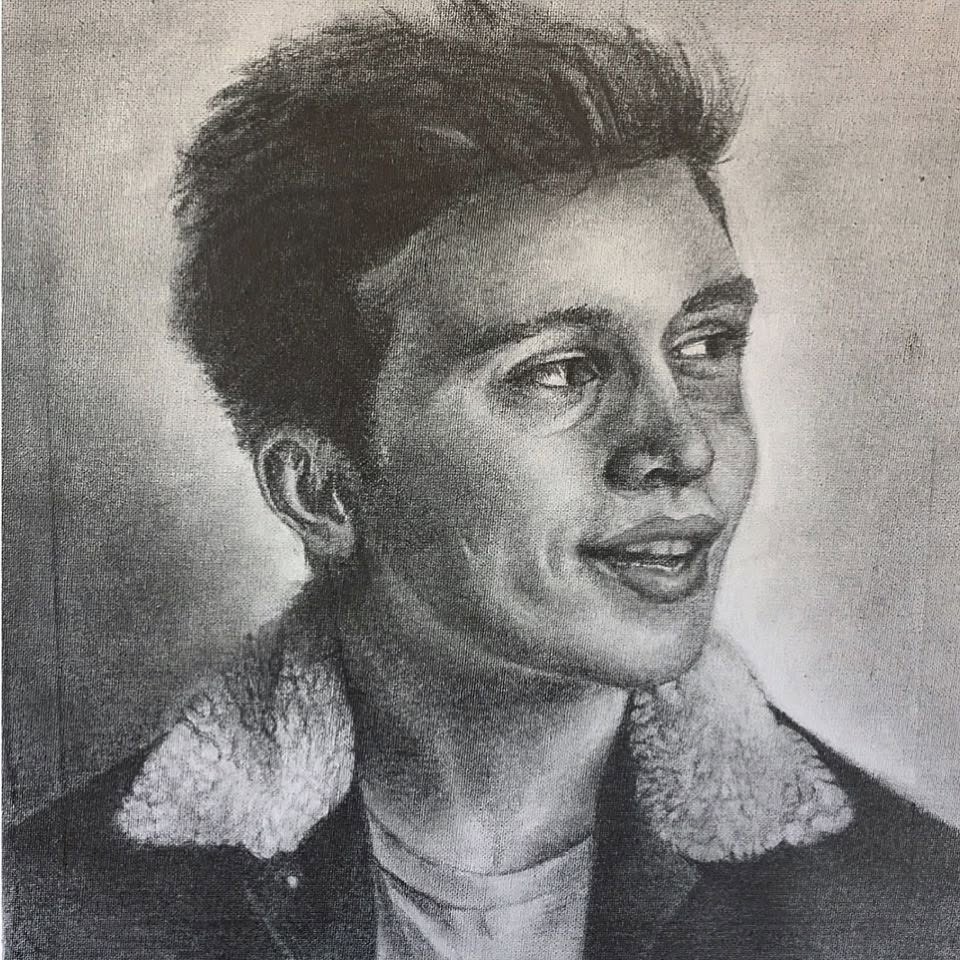
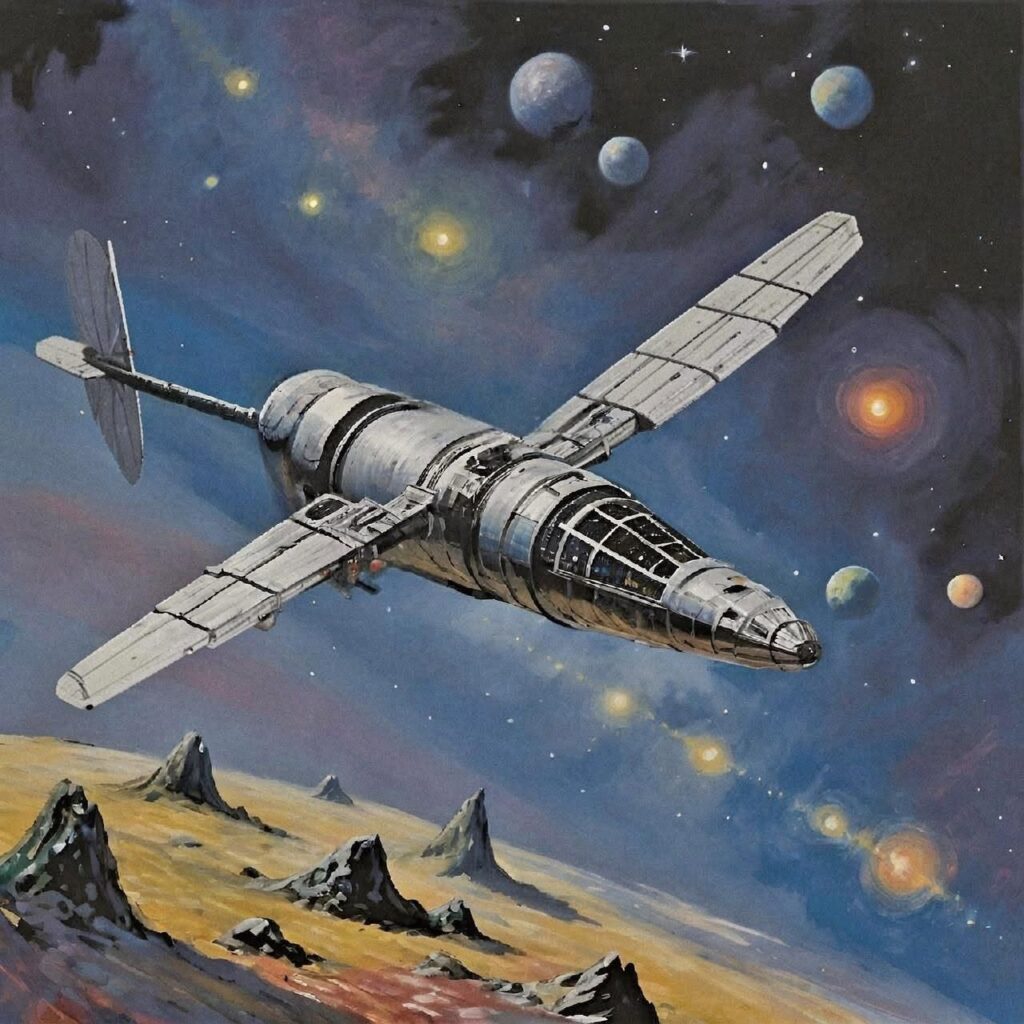
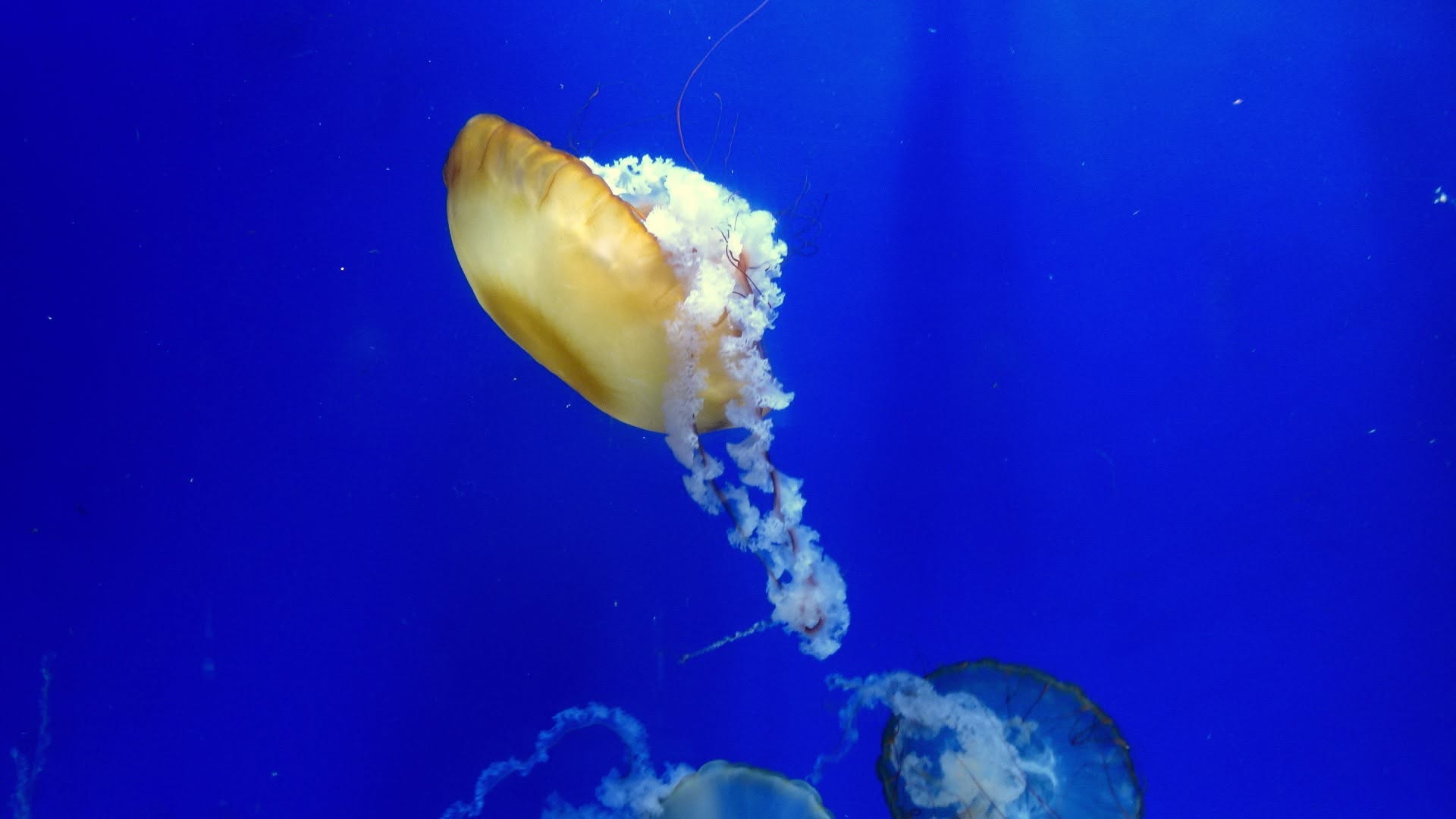
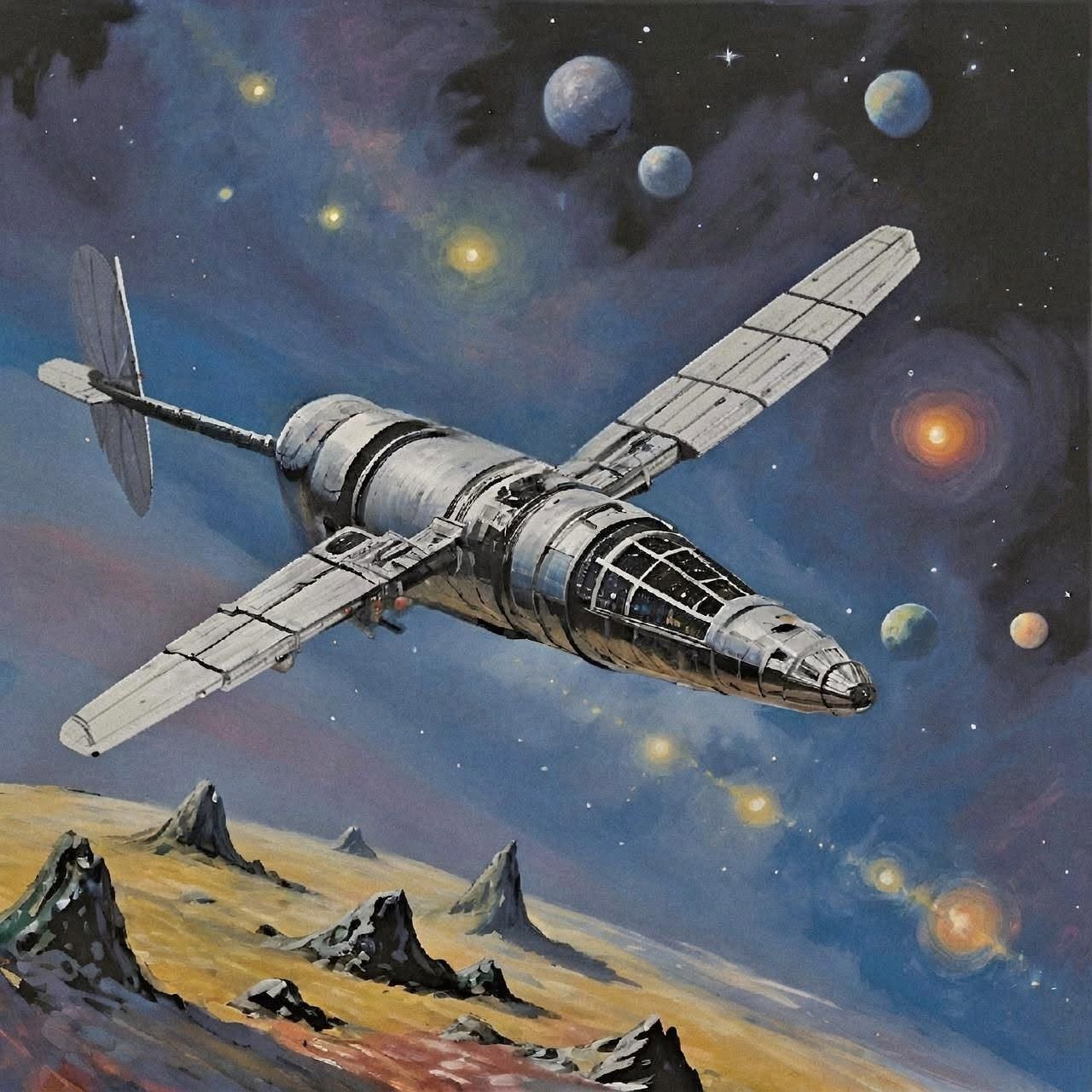
Take a look at these images. Which one do you think is the most beautiful? Which one is technically better executed? Which were created by a human and which by artificial intelligence (AI)?

Click on the image to view it in full size

And how would your assessment change if you found out that they were all created by AI?

We live in a time when AI is increasingly moving into almost all spaces – from social media campaigns to advertisements, posters and informational visuals. It is quite possible that soon a large proportion of the images we see around will be marked with the words “Created using AI.” But does knowing who created an image change the way we perceive it?

(But before you continue reading, we will reveal that: image 1 was created by AI, image 2 by Giedre Gedeikyte, image 3 by Lukrecija Jaseviciute, image 4 and 5 by DI, image 6 by Milda Mockūnaite-Vitkiene).

A bachelor’s thesis research project by Laura Dutkute, a graduate of the VILNIUS TECH Entertainment Production study programme, titled “Consumer Participation in Visual Communication in the Digital Environment: Human and Artificial Intelligence Interaction,” revealed that when evaluating visual content, audiences consider not only its aesthetics or quality, but also how and by whom it was created. Nevertheless, although AI is increasingly becoming part of the creative process, the role of the human is still essential.

Dutkute, who conducted the research, notes that AI is often presented in society as a competitor to creators. However, the research results reveal a somewhat different reality – audiences primarily see AI as a tool that exists alongside humans. Moreover, information about the use of AI can change the way a person evaluates the work itself.

“This means that the label indicating the use of AI is not completely neutral. If for the audience AI has negative connotations, this perception can also be transferred to the work, even if AI’s contribution was minor,” the graduate explains.

One of the most important findings of the research is that AI does not eliminate the role of the human as the creator. It can perform certain parts of the creative process, help generate ideas, create different visual versions or personalise content, but the final decisions still have to be made by a human.

Therefore, according to L. Dutkute, the creative process does not become any less human but, in a sense, becomes a more collaborative process where AI can offer numerous options and the human is still the one making a choice, evaluating, modifying and maintaining the creative direction.

The creator’s own skills become particularly important here. The responses from specialists in the study showed that the outcome is strongly determined by how well a person knows how to use the selected tool.

As AI becomes increasingly integrated into the creative process, the user’s relationship with content is also changing. For users, it is important to know who the content creator is, how it is presented, where it came from and whether it can be trusted.

“With the emergence of AI, users have begun to evaluate content more rather than simply enjoy it. On the other hand, people are not always able to recognise for themselves that visual content was created using AI. Once they learn about its origin, they may change their assessment. Therefore, it is important not only to be able to recognise AI-generated content, but also to improve society’s overall AI literacy,” says L. Dutkute.

The involvement of AI in the creative process inevitably raises the question of what we actually mean by authorship today. If one part of a work is created by a human and another is generated by AI, whose work is it?

“AI is not a replacement for the creator; it simply serves as another creative tool – just like Canva, Google or Photoshop. Its use has expanded the possibilities even further while also it placing even greater responsibility on the person who decides what they create with this tool and how they present that work to the audience. Ultimately, the person remains responsible for the final result,” she says.

Therefore, according to the interviewee, it is important to communicate transparently about AI’s contribution.

All of this is also changing the nature of work for visual communication specialists. In the future, those who simply know how to use one AI tool or another will become less important than those who understand when to use it, what to entrust to it and how to critically evaluate the result.

“Specialists will need to compete with AI less and learn how to integrate it properly into their work more. There will be a greater need for people who can choose the right AI tool, formulate a task, evaluate the result and maintain the creative direction,” says Laura.

According to the graduate, AI is best viewed not as a tool that will take over the entire creative process, but as an assistant capable of expanding human capabilities.

Galerija

Related news

Elsevier Training: Scientific Publishing, Journal Selection and Scopus Insights
We invite VILNIUS TECH students, academic staff, and employees to participate in a series of free online training sessions organized by Elsevier, one of the world's leading providers of scientific publishing and information solutions. During these training sessions, participants will learn how to successfully publish research, choose the most suitable journal for their work, gain insights into Scopus evaluation criteria, and make effective use of advanced scientific information search tools. Elsevier Author Workshop – How to Feel Confident on the Publishing Journey Date and time: November 13 | 13:00 Learn how to navigate the scientific publishing journey, from choosing the right journal to understanding peer review and editorial decisions. The webinar will also explore research ethics, responsible AI use, and Elsevier resources that support researchers at every stage of their work. Registration   Editors Session with Elsevier Date and time: November 18 | 11:30 T In this session, participants will learn how the Scopus database selects and evaluates journals for inclusion, ensuring their quality and reliability. The webinar will cover journal evaluation criteria, the submission process, and key information for journal editors seeking to have their publications indexed in Scopus. Registration   How to Find the Right Journal: Strategies and Tools That Can Help Authors Date and time: November 24 | 11:30 This training session will help researchers identify the most suitable journal for their publication. Participants will learn about key journal selection criteria, how to identify leading journals in their field, and how to use Elsevier tools and solutions to make informed publishing decisions and increase the visibility of their research. Registration   Mastering Scopus Advanced Search Date and time: November 26 | 11:30 This session will introduce advanced Scopus search capabilities, enabling participants to build precise and sophisticated queries using additional search fields and search operators. Attendees will learn how to structure complex searches effectively, make the most of advanced database features, and improve the efficiency and accuracy of scientific information retrieval. Registration
More
VILNIUS TECH contributes to the development of virtual production teaching methodologies in Europe
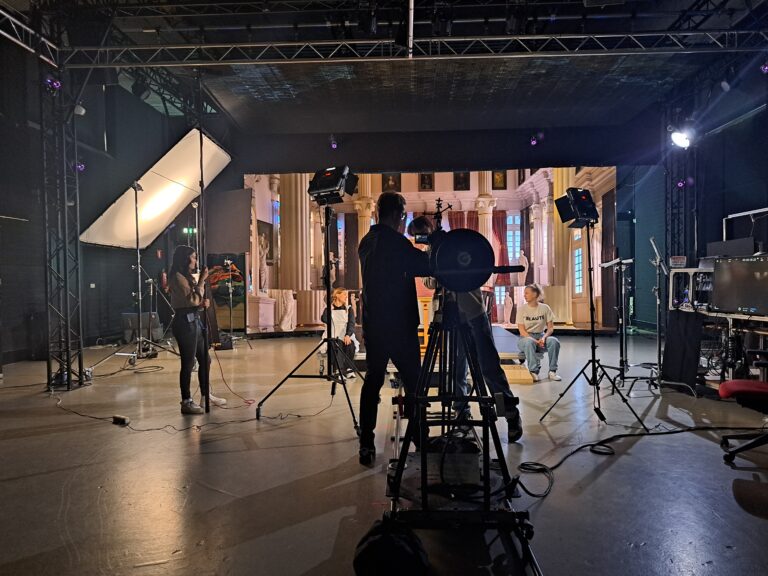
From Hollywood blockbusters to video game development, Virtual Production technologies are rapidly transforming workflows across the creative industries. To ensure that these technologies are effectively integrated into higher education, lecturers and students from the VILNIUS TECH Department of Graphic Systems participated in creative workshops organized within the international VPSN 2.0 (Virtual Production Studio Network 2) project in the Netherlands. VPSN 2.0 is an international educational and research initiative that brings together five European higher education institutions: VILNIUS TECH (Lithuania), Breda University of Applied Sciences (Netherlands), The Animation Workshop (Denmark), Howest University of Applied Sciences (Belgium), and Hamm-Lippstadt University of Applied Sciences (Germany). The main objective of the project is to develop and improve teaching methodologies that enable the effective integration of Virtual Production technologies into higher education curricula. Creative workshops and advanced virtual production technologies In May and October 2026, two international creative workshops were organized at Breda University of Applied Sciences. During these workshops, participants gained hands-on experience with a range of Virtual Production technologies. According to the Head of the Multimedia and Computer Design Laboratory, Ernestas Čepulionis, the workshops focused on creating virtual filming environments using state-of-the-art tools: “Using the Unreal Engine game engine, three-dimensional scenes, assets, and animations were created, while the entire virtual environment was streamed in real time to LED screens. Motion Capture (MoCap) technology enabled dynamic adaptation of the displayed content according to real camera movements. In addition, Gaussian Splatting technology and generative artificial intelligence solutions made it possible to create highly realistic digital filming environments.” Through these activities, participants not only explored the latest technological solutions but also evaluated their potential for educating future specialists in creative technologies, media production, and audiovisual content creation. International collaboration and a joint creative project The first workshop brought together representatives from all partner institutions. VILNIUS TECH was represented by Associate Professor Dr. Tomas Mitkus from the Department of Graphic Systems and Ernestas Čepulionis, Head of the Multimedia and Computer Design Laboratory. Together with lecturers from partner universities, they developed a collaborative creative project that resulted in a short film. Working in international teams, participants explored the practical application of Virtual Production technologies and discussed how these tools and workflows could be integrated into university-level courses and study programmes. One of the key conclusions was that Virtual Production professionals require more than technical expertise. Equally important are communication skills, the ability to work in interdisciplinary teams, and adaptability to rapidly evolving creative and technological processes. Fostering student creativity and competencies The second workshop, held in October 2026, focused on student-led creative projects. Each partner institution delegated one lecturer and two students, who worked in international teams to develop projects using the Virtual Production technologies previously explored by the academic staff. Lecturers observed the creative process and evaluated how effectively students were able to understand technological principles, apply them in practice, and exploit their creative potential. At the same time, the project partners analyzed which teaching approaches and practical assignment formats are most effective in developing competencies required by the industry. How will the project improve study quality? The experience and research data gathered during both workshops will contribute to the ongoing development of Virtual Production teaching methodologies. The project outcomes will support universities in sharing best practices, strengthening international collaboration, and integrating Virtual Production technologies more effectively into higher education programmes across Europe. VPSN 2.0 not only fosters collaboration among European universities but also helps ensure that VILNIUS TECH students gain experience with cutting-edge Virtual Production technologies and develop competencies that are increasingly becoming industry standards within the creative sector. More information about the VPSN 2.0 project and its activities can be found on the project's official website: https://www.vpstudionetwork.com/vpsn-2-0-train-the-trainer/ To learn more about the results of the creative workshops and get a behind-the-scenes look at the production of the short film, watch the video below: https://youtu.be/M3rZpcM5sgs Articale prepared by Dr. Tautvydas Kvietkauskas. Article prepared based on information provided by Associate Professor Dr. Tomas Mitkus of the Department of Graphic Systems and Ernestas Čepulionis, Head of the Multimedia and Computer Design Laboratory.
More