From Hollywood blockbusters to video game development, Virtual Production technologies are rapidly transforming workflows across the creative industries. To ensure that these technologies are effectively integrated into higher education, lecturers and students from the VILNIUS TECH Department of Graphic Systems participated in creative workshops organized within the international VPSN 2.0 (Virtual Production Studio Network 2) project in the Netherlands.
VPSN 2.0 is an international educational and research initiative that brings together five European higher education institutions: VILNIUS TECH (Lithuania), Breda University of Applied Sciences (Netherlands), The Animation Workshop (Denmark), Howest University of Applied Sciences (Belgium), and Hamm-Lippstadt University of Applied Sciences (Germany). The main objective of the project is to develop and improve teaching methodologies that enable the effective integration of Virtual Production technologies into higher education curricula.
Creative workshops and advanced virtual production technologies
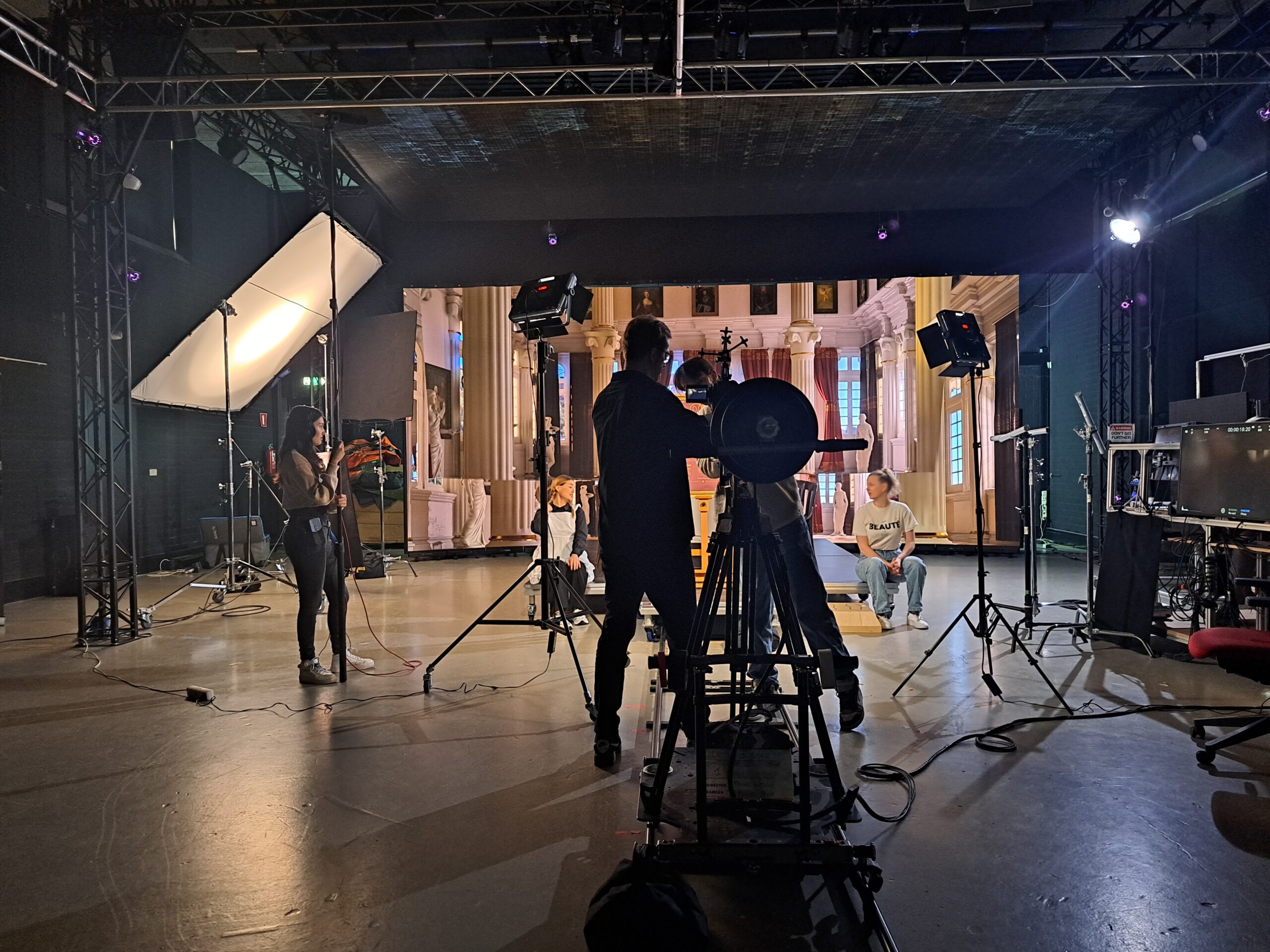
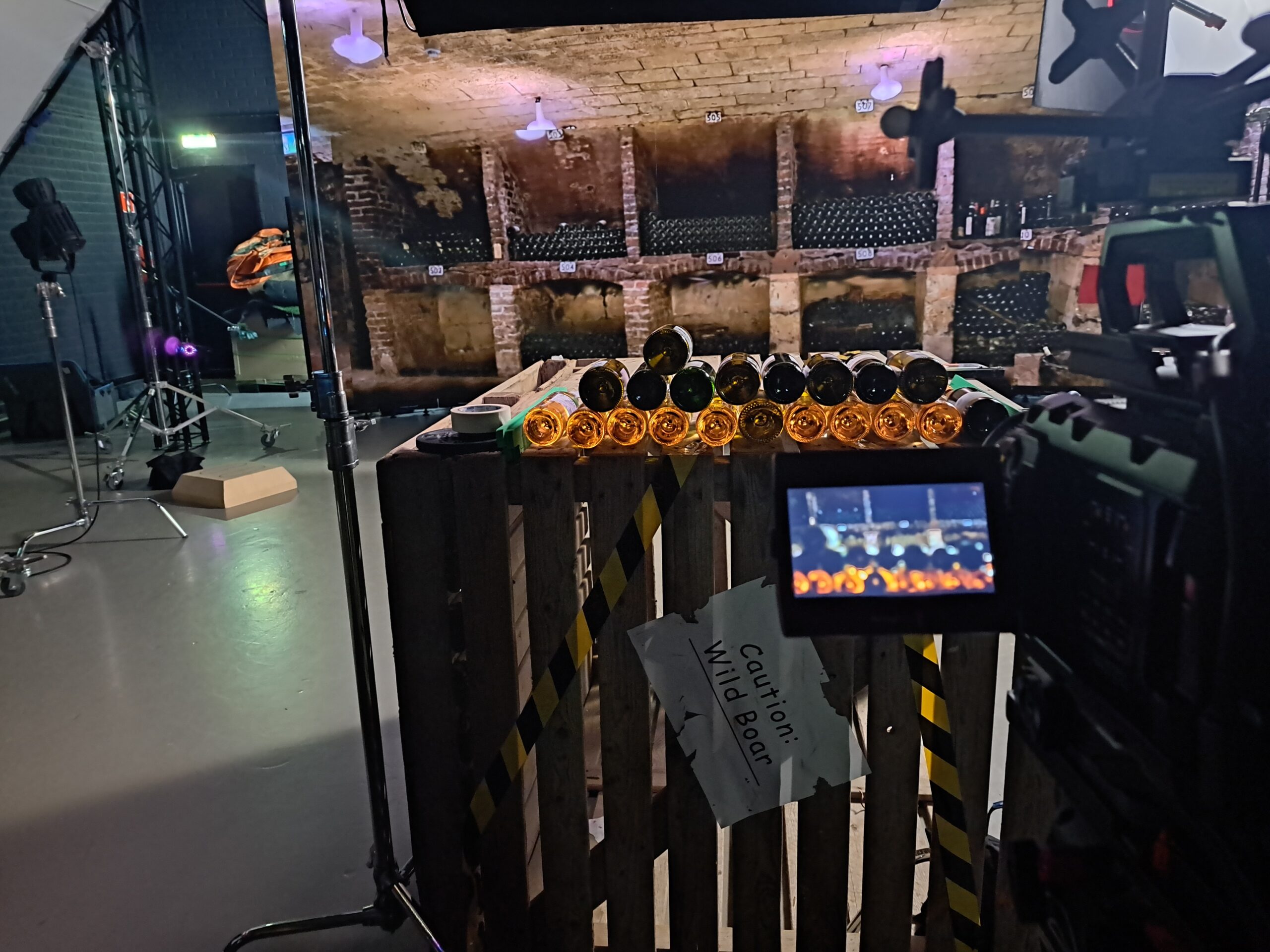
In May and October 2026, two international creative workshops were organized at Breda University of Applied Sciences. During these workshops, participants gained hands-on experience with a range of Virtual Production technologies.
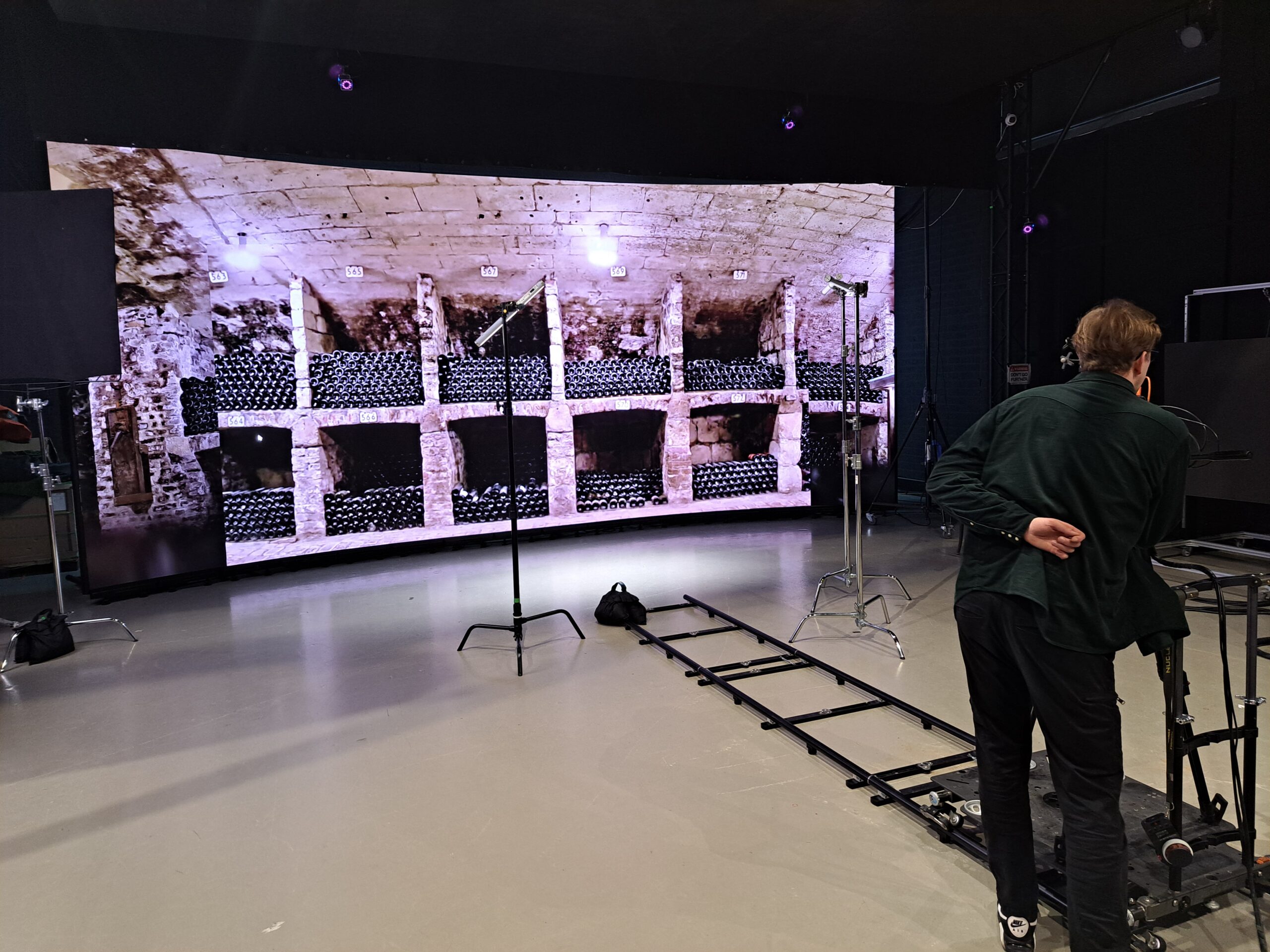
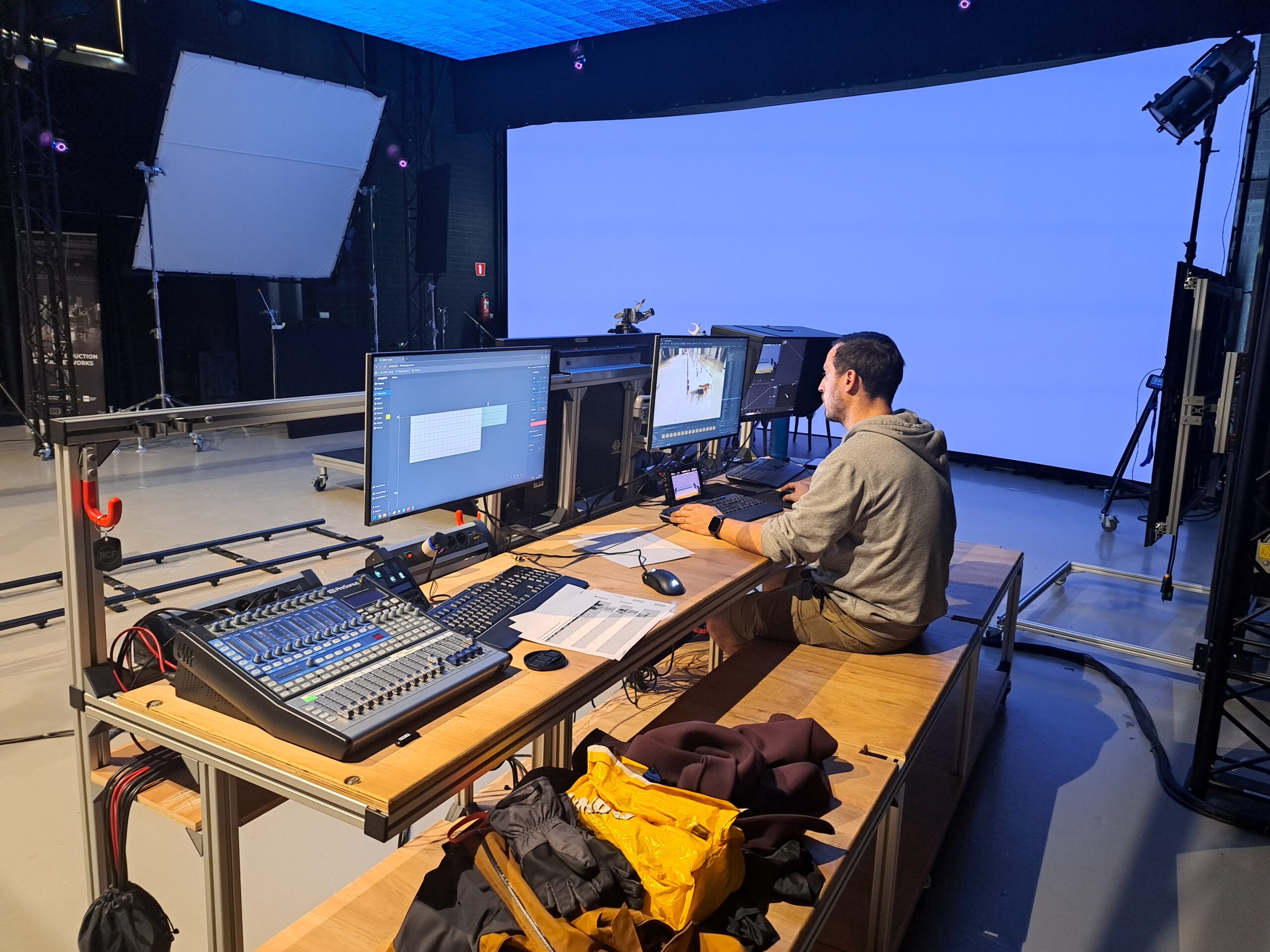
According to the Head of the Multimedia and Computer Design Laboratory, Ernestas Čepulionis, the workshops focused on creating virtual filming environments using state-of-the-art tools:
“Using the Unreal Engine game engine, three-dimensional scenes, assets, and animations were created, while the entire virtual environment was streamed in real time to LED screens. Motion Capture (MoCap) technology enabled dynamic adaptation of the displayed content according to real camera movements. In addition, Gaussian Splatting technology and generative artificial intelligence solutions made it possible to create highly realistic digital filming environments.”
Through these activities, participants not only explored the latest technological solutions but also evaluated their potential for educating future specialists in creative technologies, media production, and audiovisual content creation.
International collaboration and a joint creative project
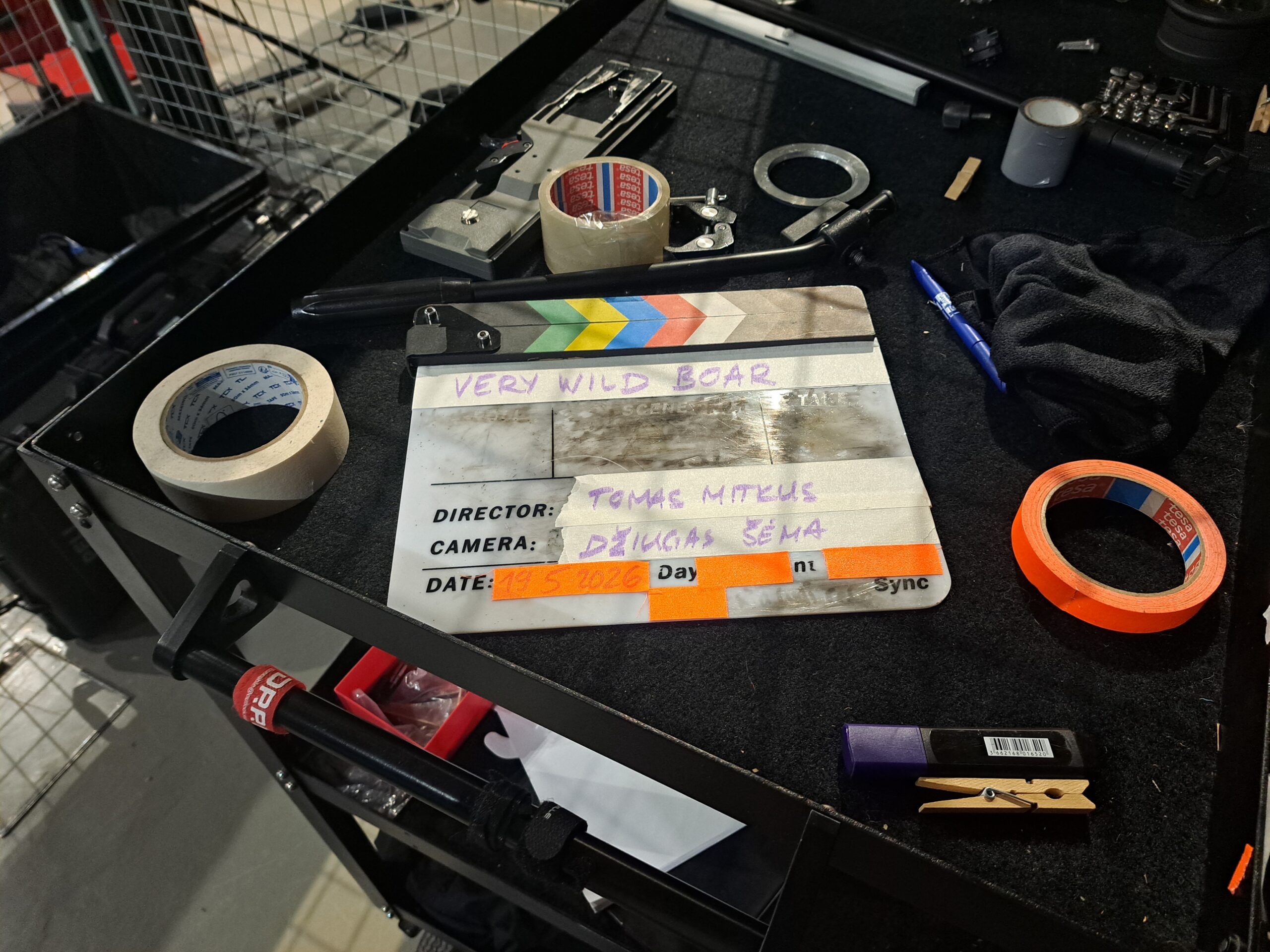
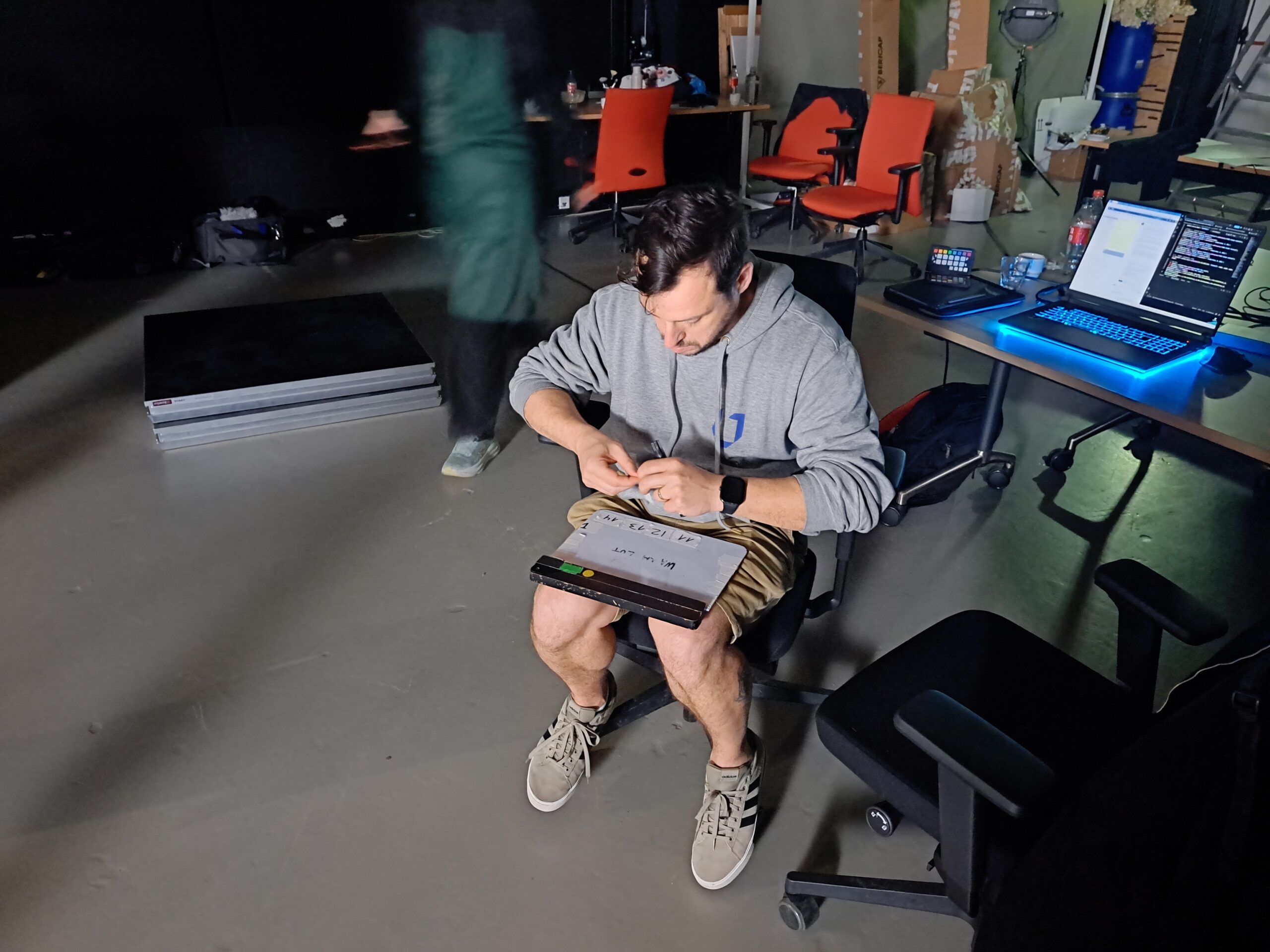
The first workshop brought together representatives from all partner institutions. VILNIUS TECH was represented by Associate Professor Dr. Tomas Mitkus from the Department of Graphic Systems and Ernestas Čepulionis, Head of the Multimedia and Computer Design Laboratory. Together with lecturers from partner universities, they developed a collaborative creative project that resulted in a short film.
Working in international teams, participants explored the practical application of Virtual Production technologies and discussed how these tools and workflows could be integrated into university-level courses and study programmes.
One of the key conclusions was that Virtual Production professionals require more than technical expertise. Equally important are communication skills, the ability to work in interdisciplinary teams, and adaptability to rapidly evolving creative and technological processes.
Fostering student creativity and competencies
The second workshop, held in October 2026, focused on student-led creative projects. Each partner institution delegated one lecturer and two students, who worked in international teams to develop projects using the Virtual Production technologies previously explored by the academic staff.
Lecturers observed the creative process and evaluated how effectively students were able to understand technological principles, apply them in practice, and exploit their creative potential. At the same time, the project partners analyzed which teaching approaches and practical assignment formats are most effective in developing competencies required by the industry.
How will the project improve study quality?
The experience and research data gathered during both workshops will contribute to the ongoing development of Virtual Production teaching methodologies. The project outcomes will support universities in sharing best practices, strengthening international collaboration, and integrating Virtual Production technologies more effectively into higher education programmes across Europe.
VPSN 2.0 not only fosters collaboration among European universities but also helps ensure that VILNIUS TECH students gain experience with cutting-edge Virtual Production technologies and develop competencies that are increasingly becoming industry standards within the creative sector.
More information about the VPSN 2.0 project and its activities can be found on the project’s official website:
To learn more about the results of the creative workshops and get a behind-the-scenes look at the production of the short film, watch the video below:
Articale prepared by Dr. Tautvydas Kvietkauskas.
Article prepared based on information provided by Associate Professor Dr. Tomas Mitkus of the Department of Graphic Systems and Ernestas Čepulionis, Head of the Multimedia and Computer Design Laboratory.
Galerija