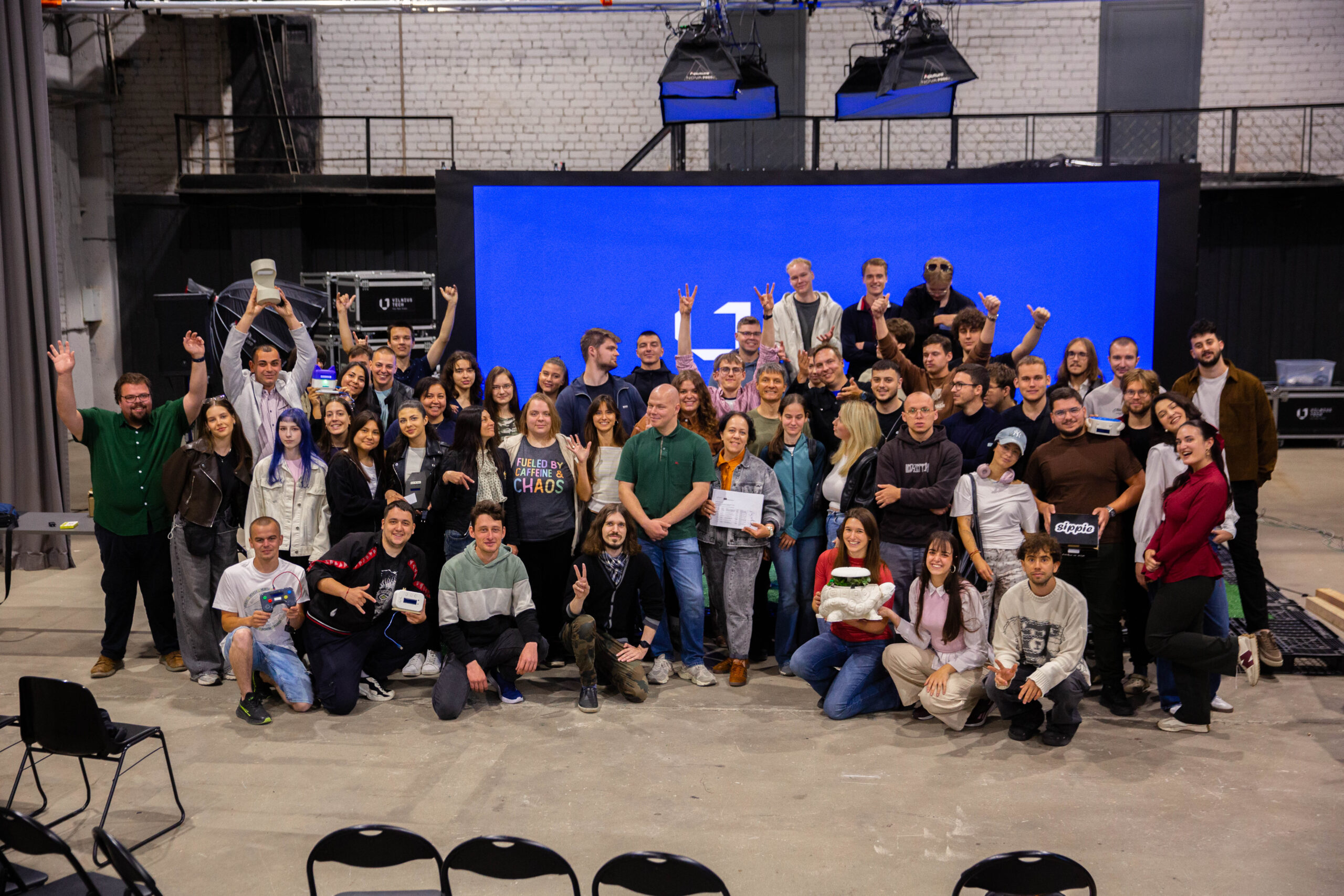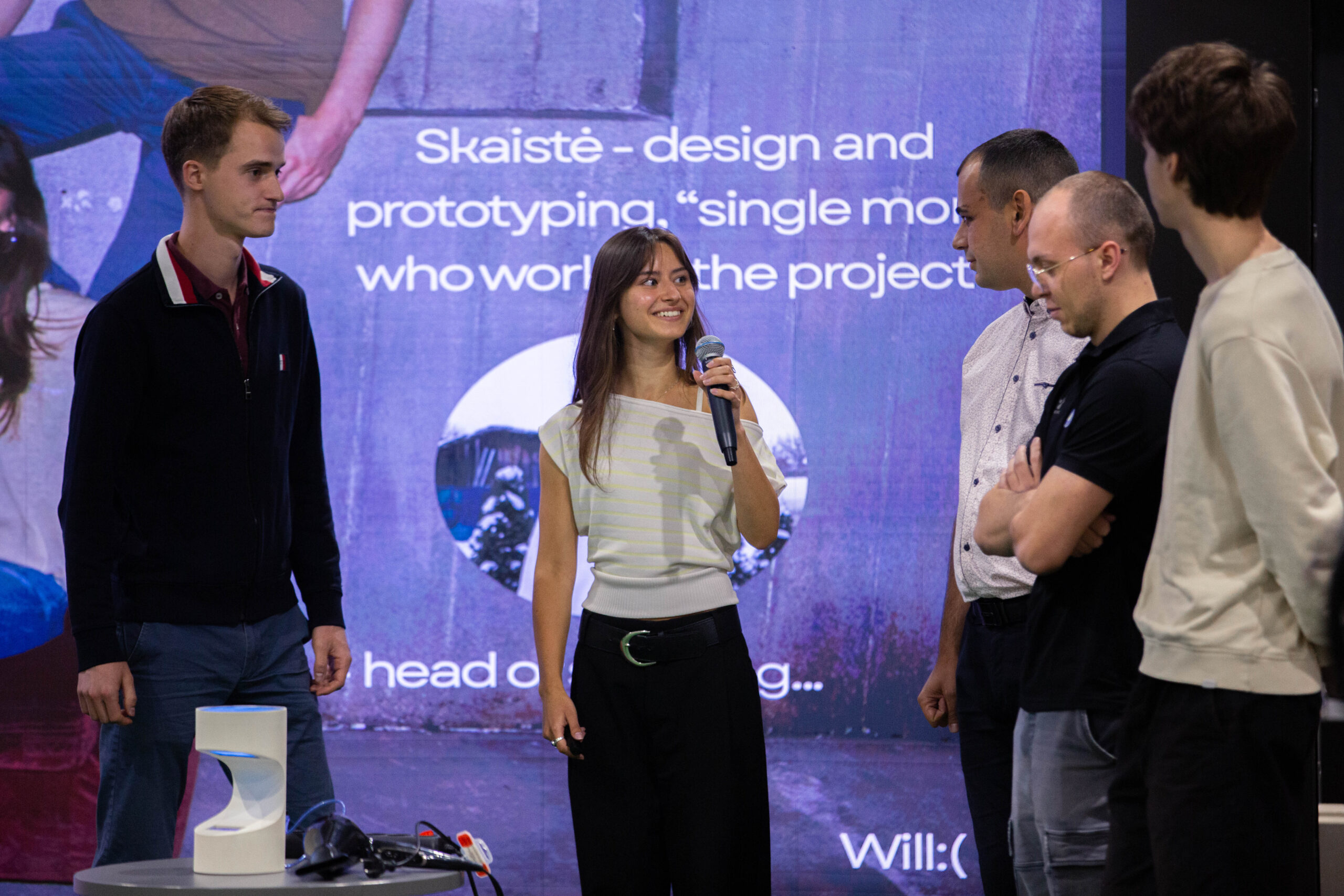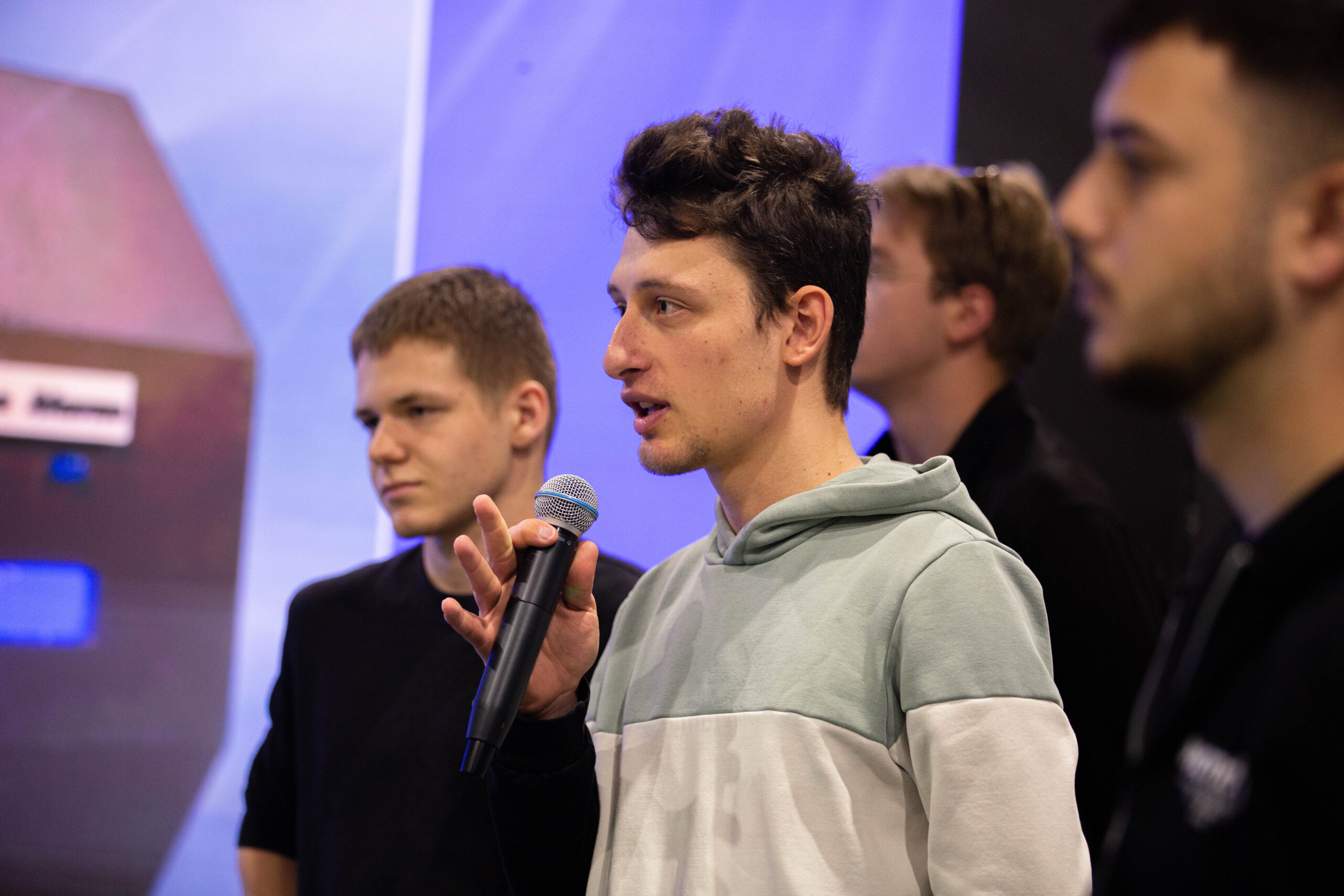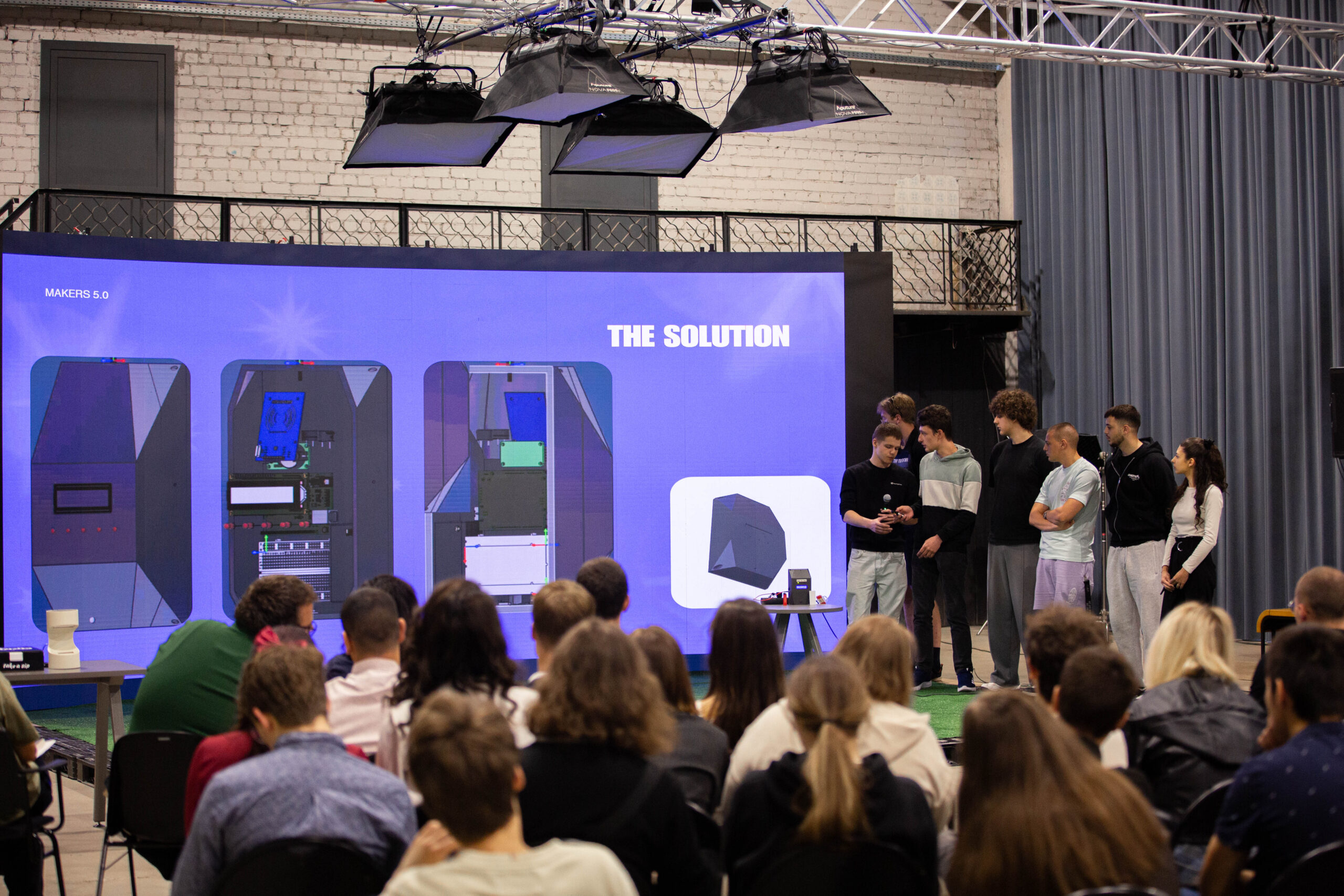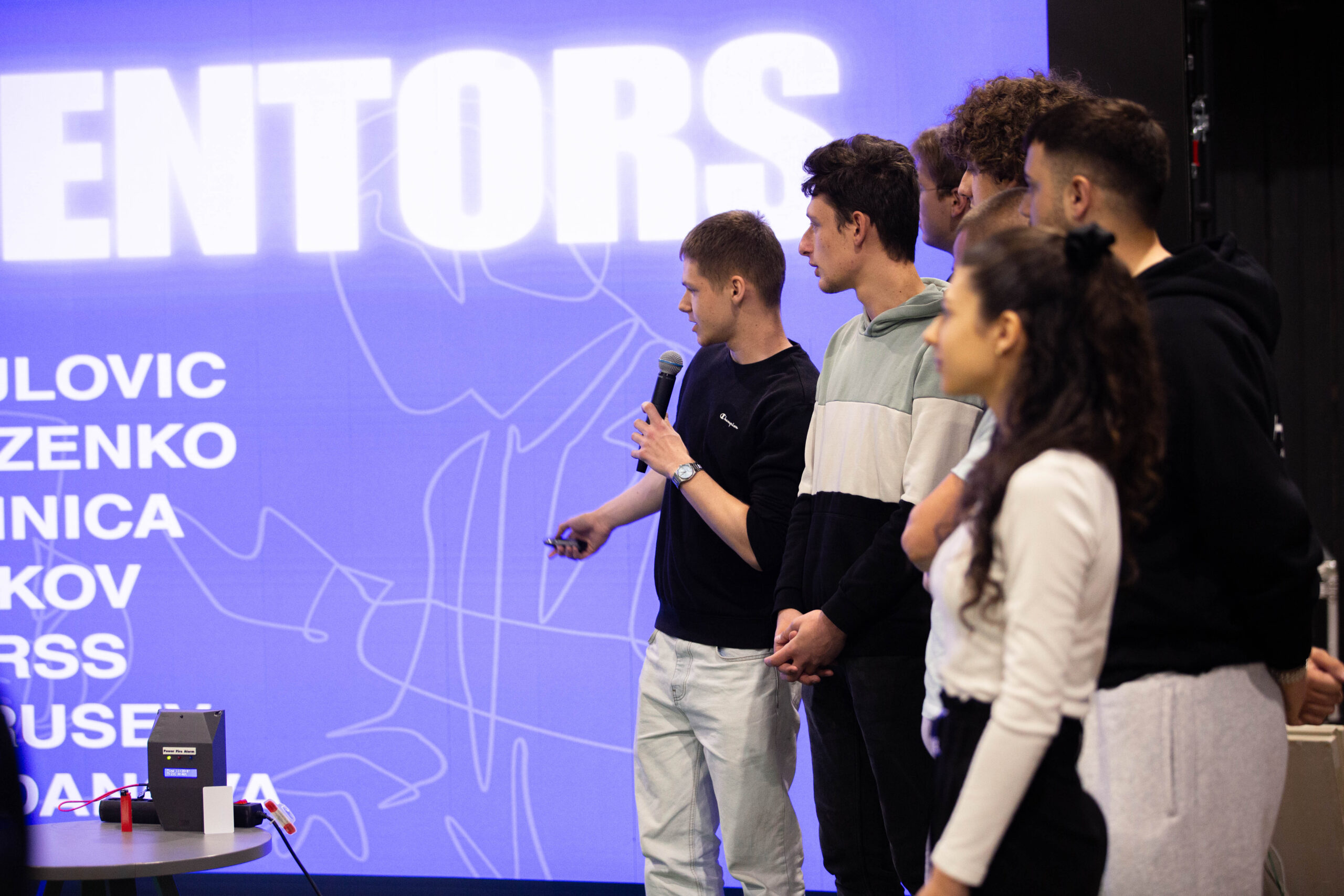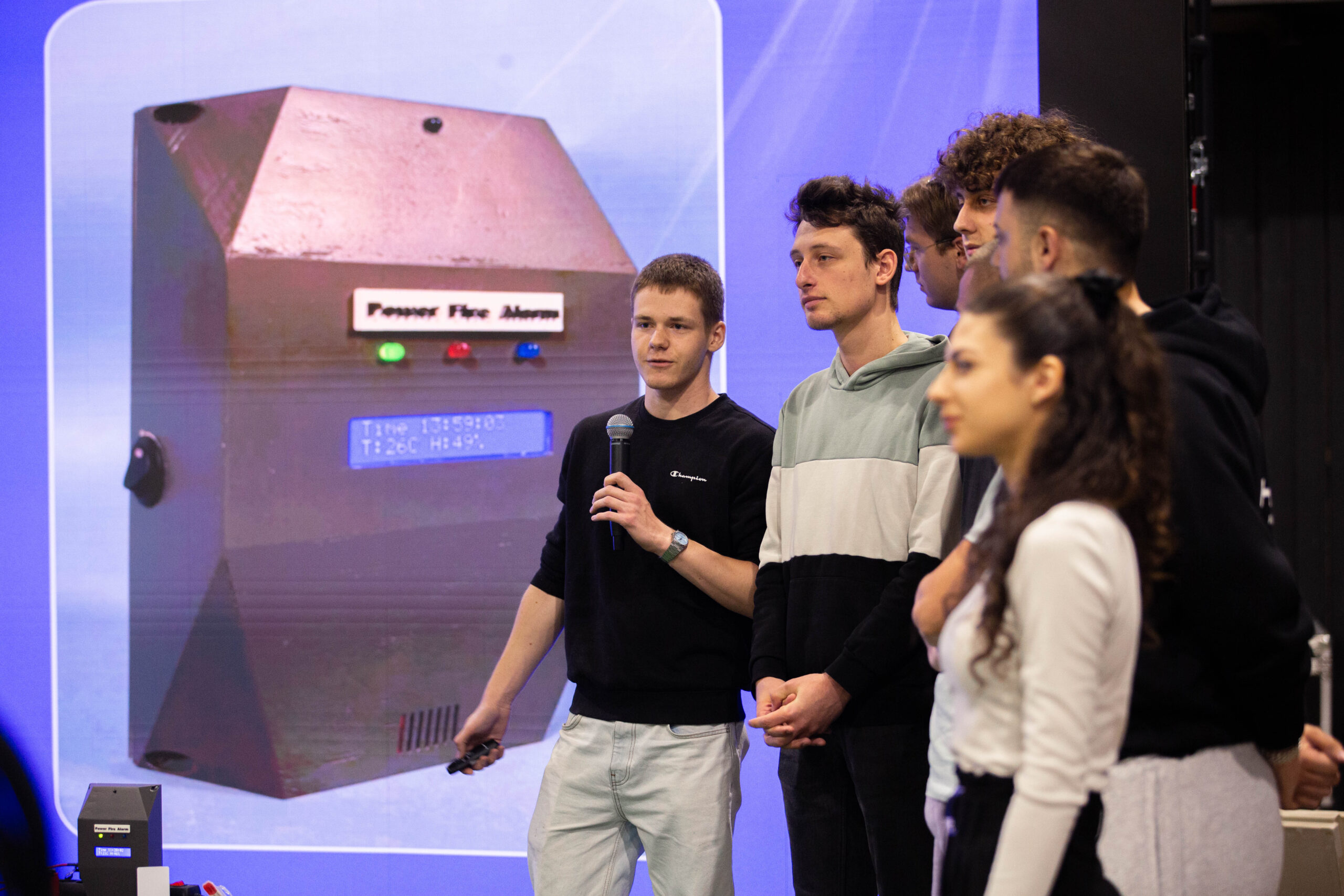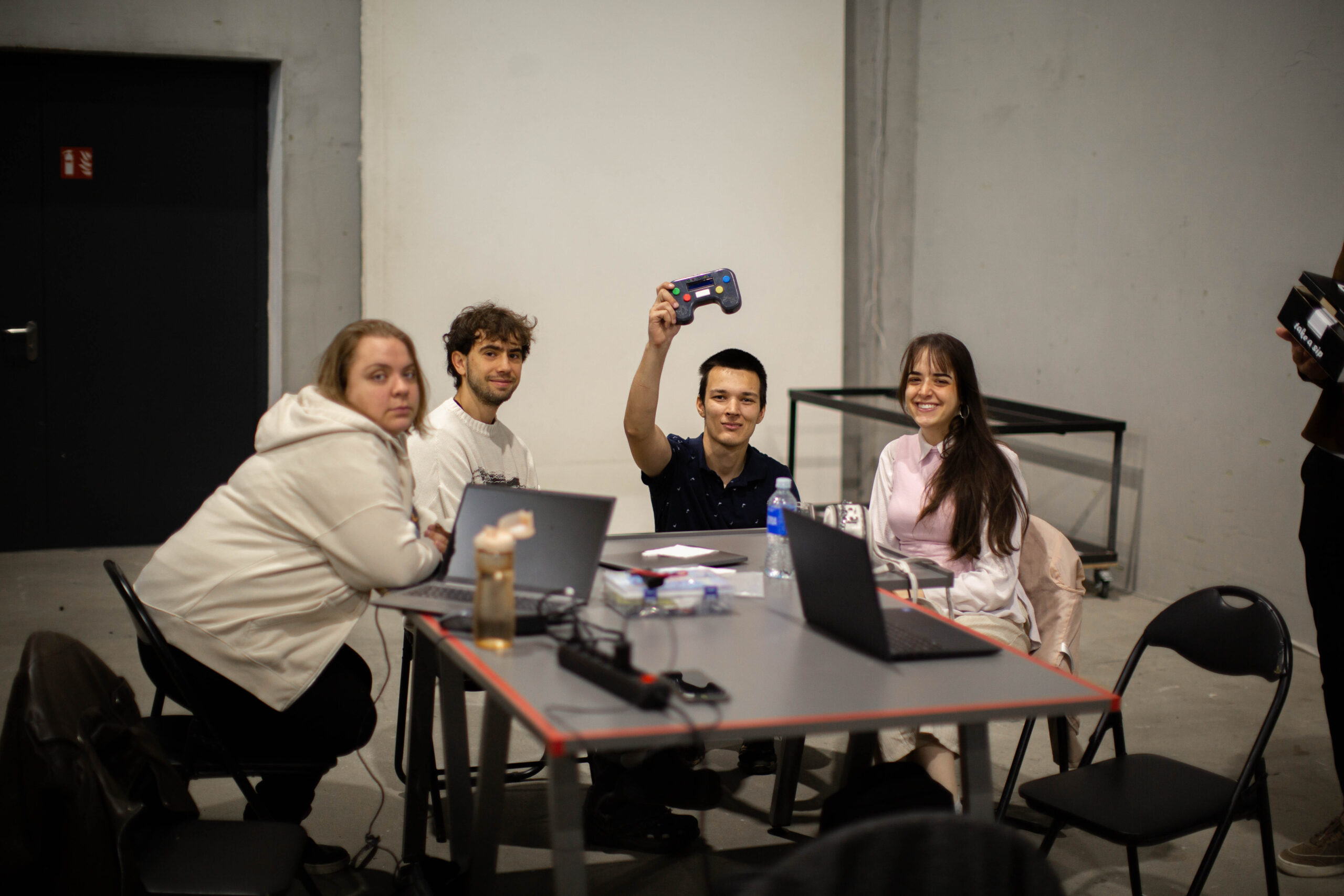
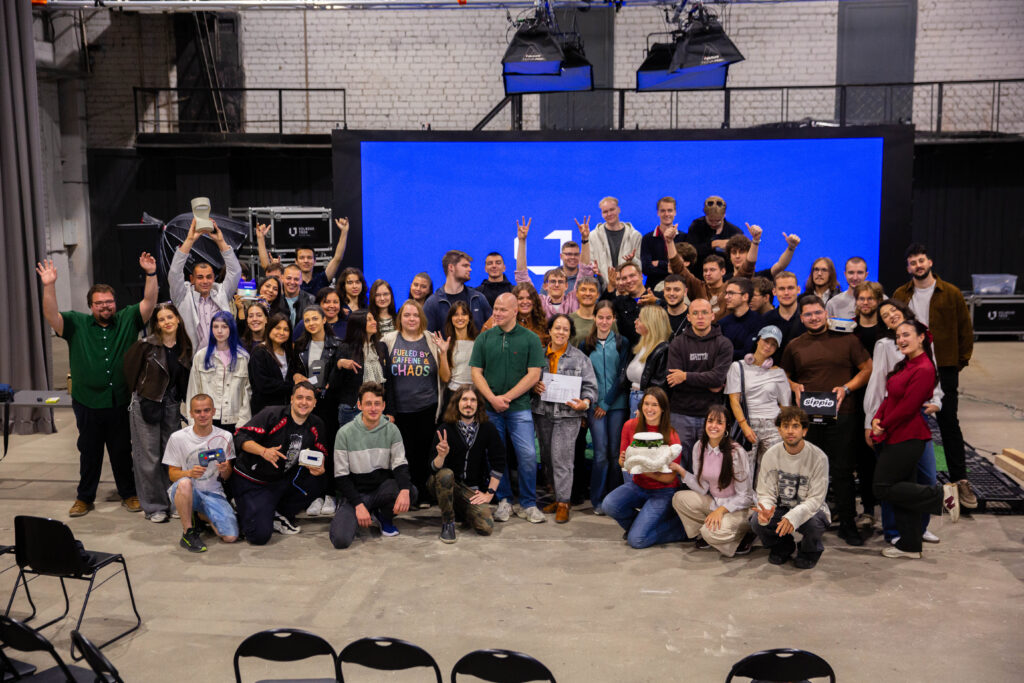
From June 1–12, VILNIUS TECH “LinkMenų fabrikas” together with VILNIUS TECH Civil Engineering faculty hosted the international summer creative program “MAKERS 5.0”, bringing together students from universities across Europe for an intensive prototyping workshop. Over two weeks, participants went through the full creative cycle – from problem analysis and idea development to fully built and tested physical solutions.
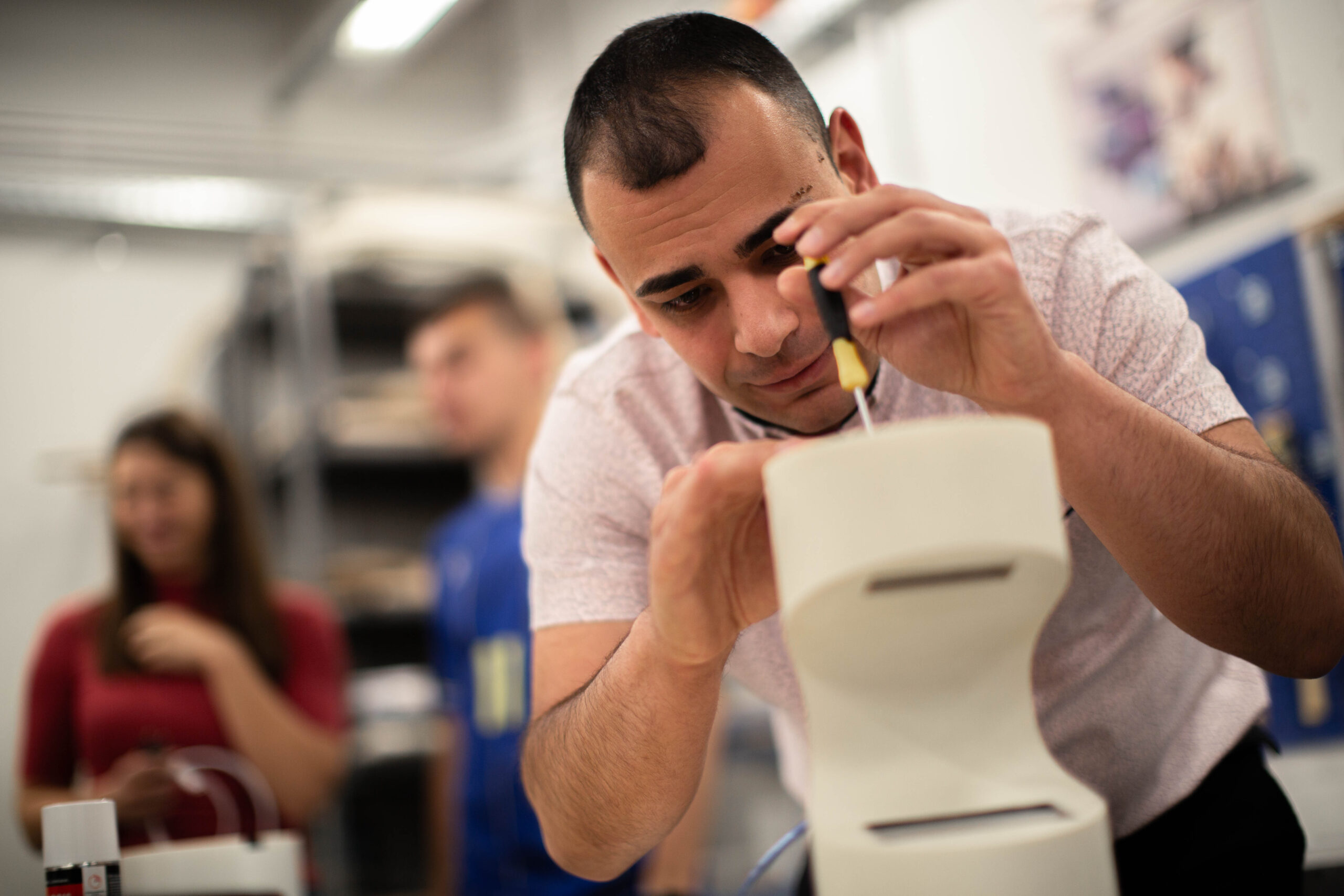
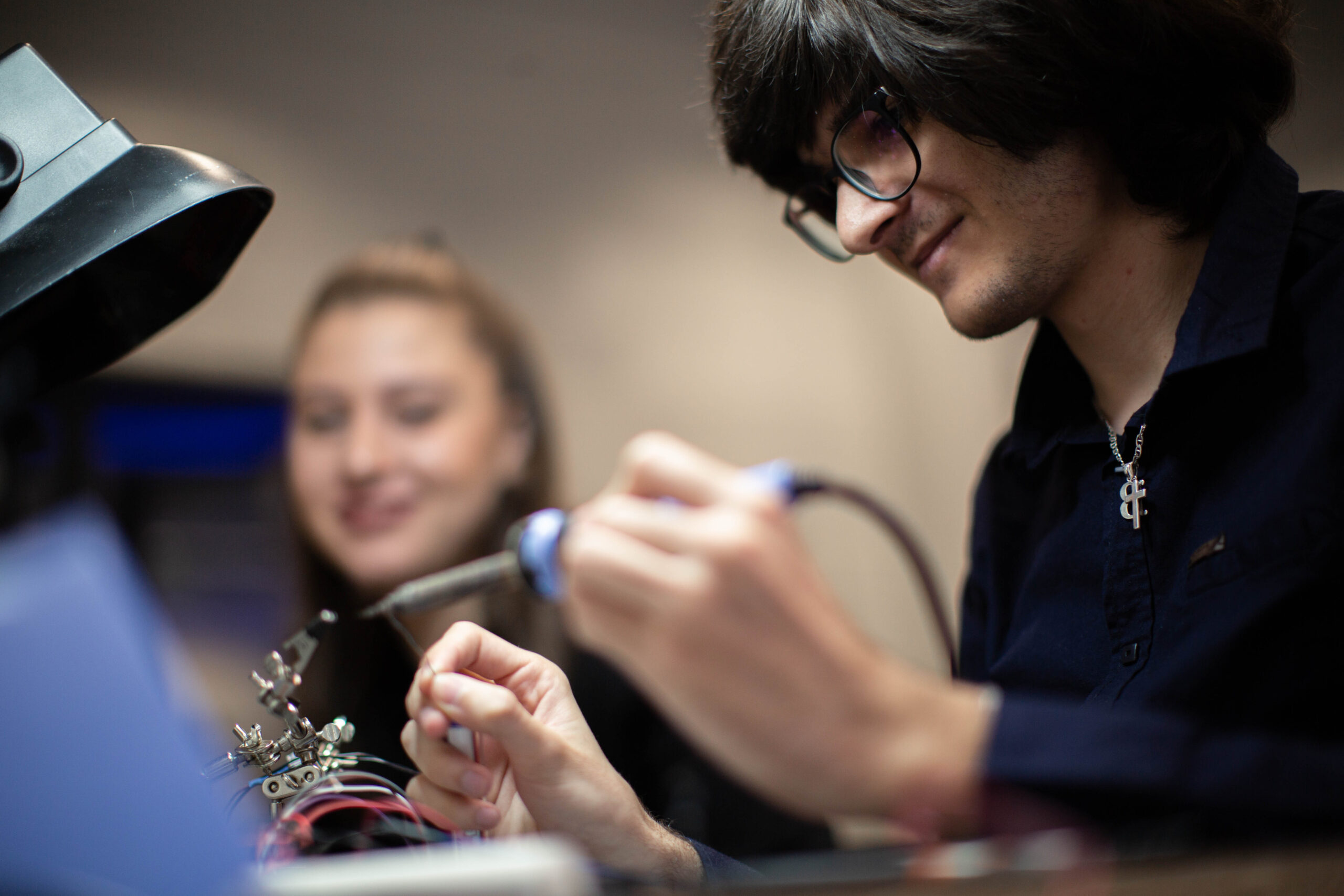
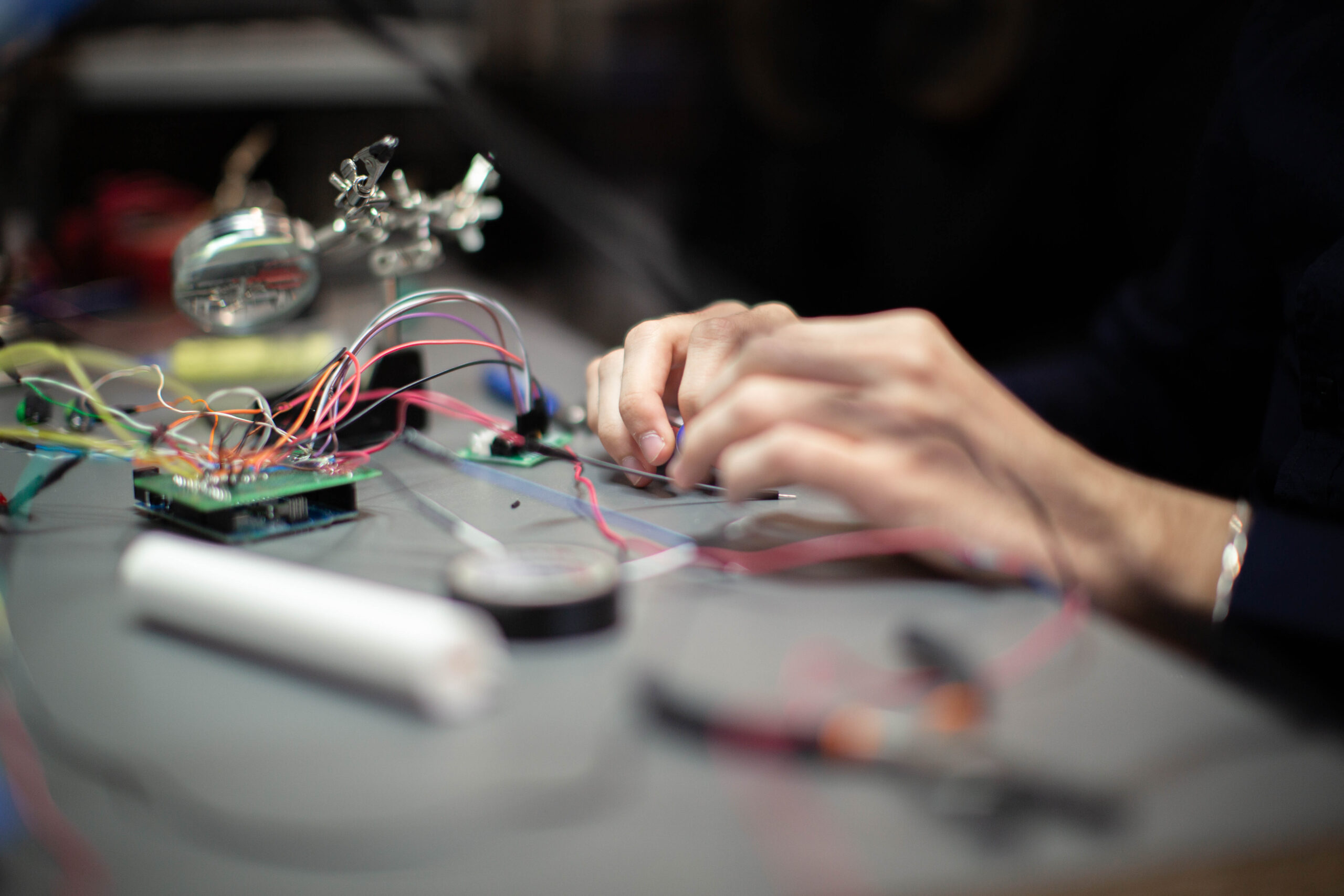
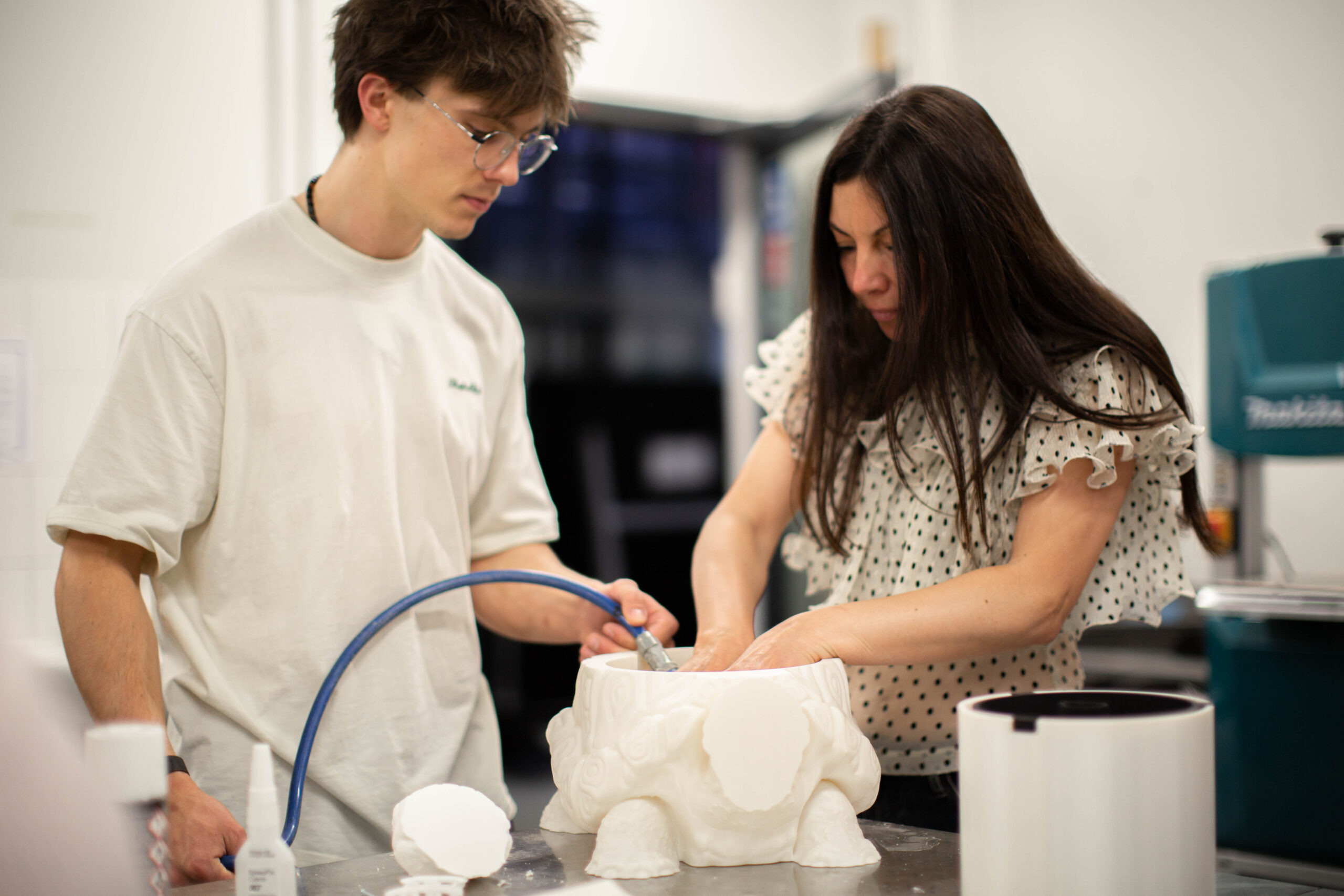
The first part of the program took place online, where teams explored user behavior, technological tools and real-life everyday challenges. In the second phase, students met in Vilnius, where they took part in an intensive hands-on prototyping sprint at “LinkMenų Fabrikas”, working with 3D printing, electronics components, sensors, and rapid manufacturing tools.
Student projects
This year’s projects explored themes ranging from digital overload and attention span issues to safety, health, and environmental monitoring. One team developed the “Memory Game Problem” solution – a physical alternative to screen-based entertainment designed to improve focus, reduce screen dependency, and encourage more active social engagement. Another project, “SMART SECURITY BOX”, is a compact safety system that detects hazards in real time and immediately alerts users.
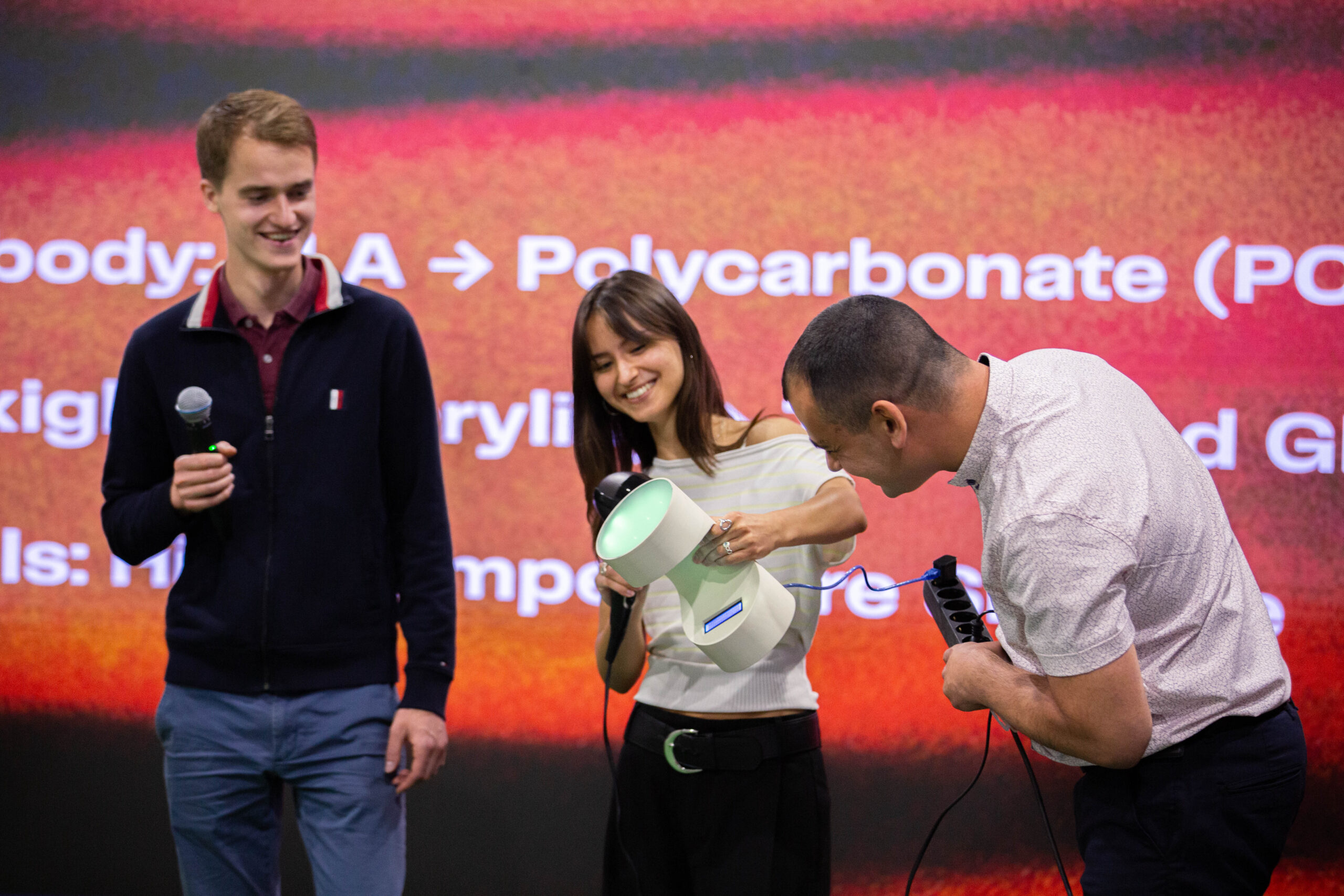
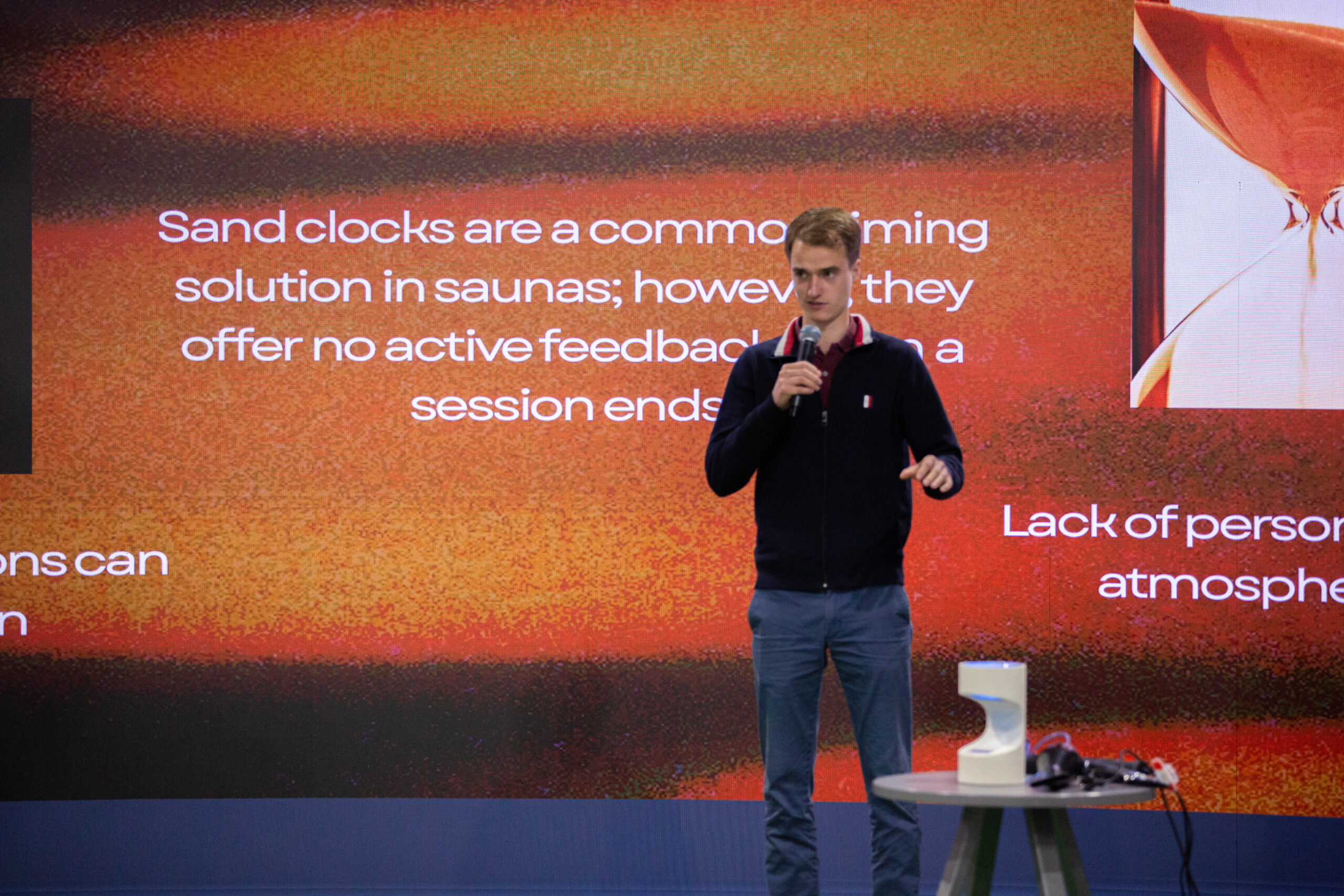
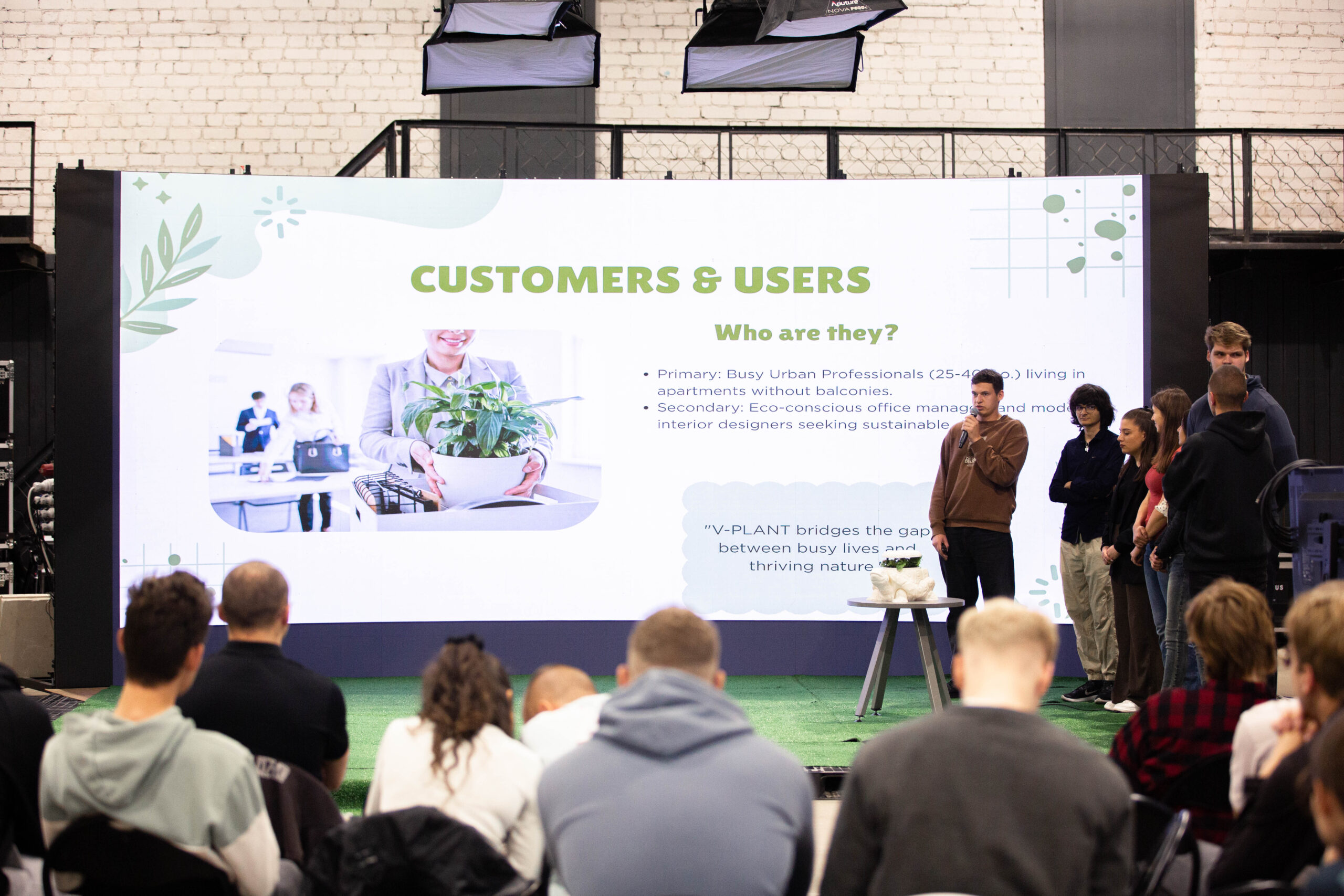
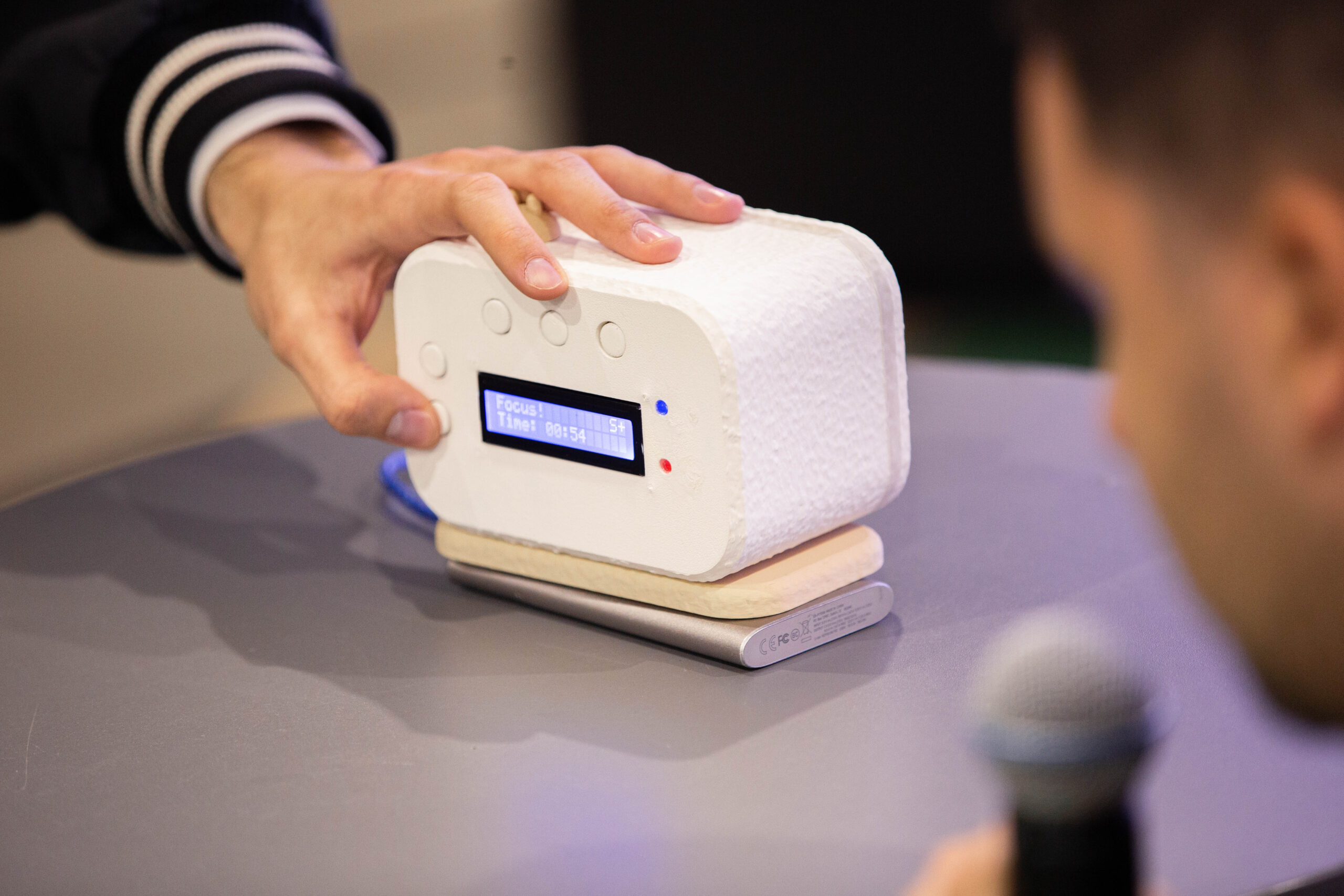
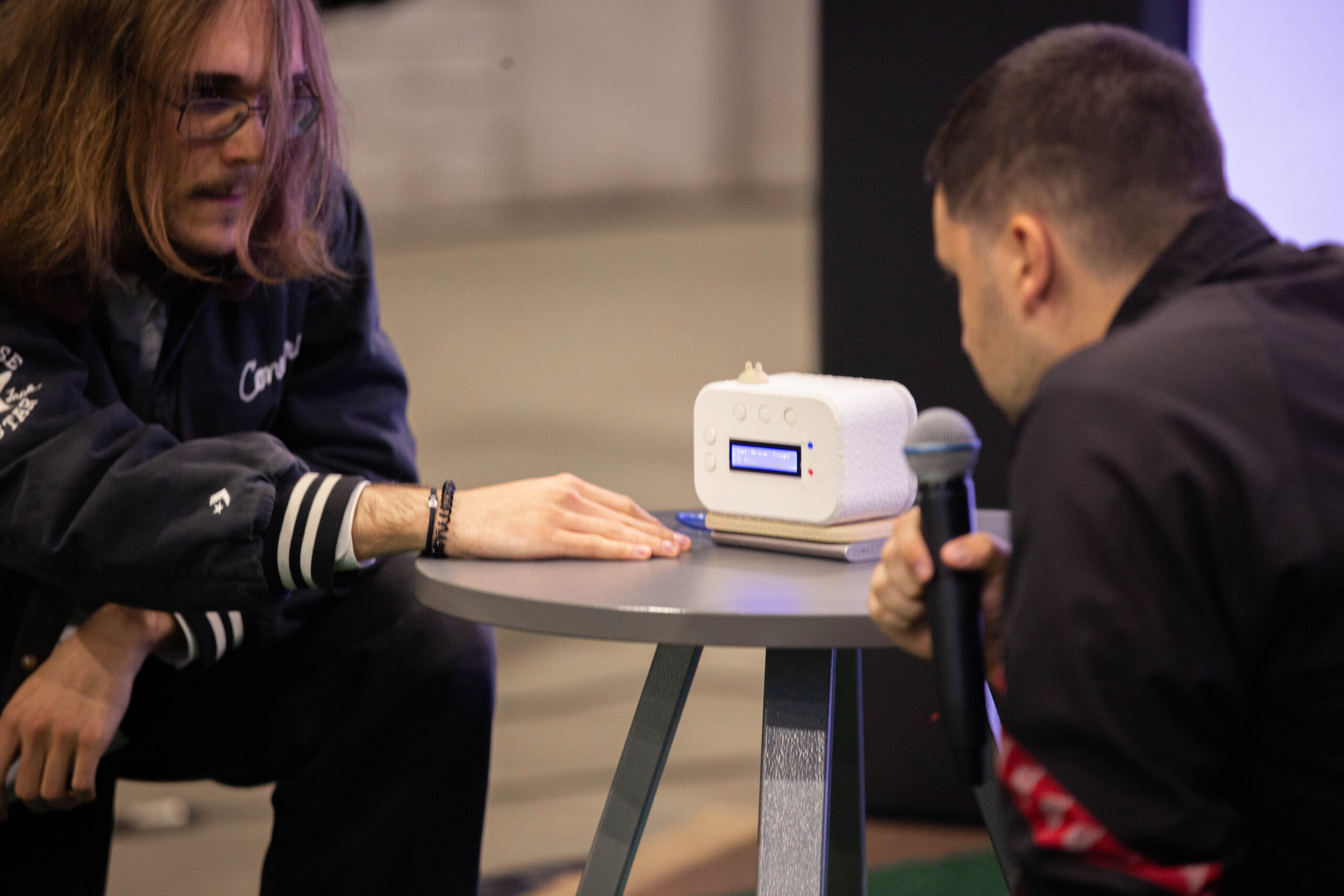
Another team created “piip” – a small device designed to monitor environmental risks and warn users about potential dangers in workshops or classrooms. The “smart bottle” concept addressed hydration habits in a simple but effective way, tracking usage and reminding users to drink water. Other teams explored the relationship between light, temperature, and humidity in the “sauna lamp-melt” concept, developed a gamified “Study Buddy” tool with time tracking and motivation features, and presented “V-Plant” – a modular smart plant care system combining sensors, automation, and design into one product.
“Programs like this one, allows students to create and also work in real conditions – testing solutions, using different equipment, and receiving both technical and creative support. More importantly, they get the ability to work in international teams and solve real product development challenges from idea to a working prototype,” says Rokas Bagdonas, Head of the Prototyping Laboratory at VILNIUS TECH “LinkMenų Fabrikas”.
International school students from: Daugavpils University (Daugavpils, Latvia), University of Ruse “Angel Kanchev” (Ruse, Bulgaria), TTK University of Applied Sciences (Tallinn, Estonia), University of Maribor (Maribor, Slovenia), University of Banja Luka (Banja Luka, Bosnia and Herzegovina), International University of Travnik (Travnik, Bosnia and Herzegovina), and VILNIUS TECH (Vilnius, Lithuania).
This summer school is part of the Erasmus+ Blended Intensive Programme (BIP).
Galerija