A summer internship at VILNIUS TECH has brought an ambitious young researcher, Emily Berkemeyer, from the Massachusetts Institute of Technology (MIT) to Lithuania. Inspired by the university’s motto, Mens et Manus (“Mind and Hand”), she is applying the knowledge gained at one of the world’s leading universities to a real-world environmental challenge: helping Baltic port cities balance economic development with the protection of water resources.
An MIT education is built on theory and practice
Studying at MIT was a long-held dream for Emily. Fascinated by robotics and applied sciences from an early age, she was drawn to the university’s philosophy of combining academic excellence with practical impact.
“At MIT, people often say you are ‘drinking from a fire hose’ because of the sheer amount of knowledge, opportunities and experiences available,” she says.
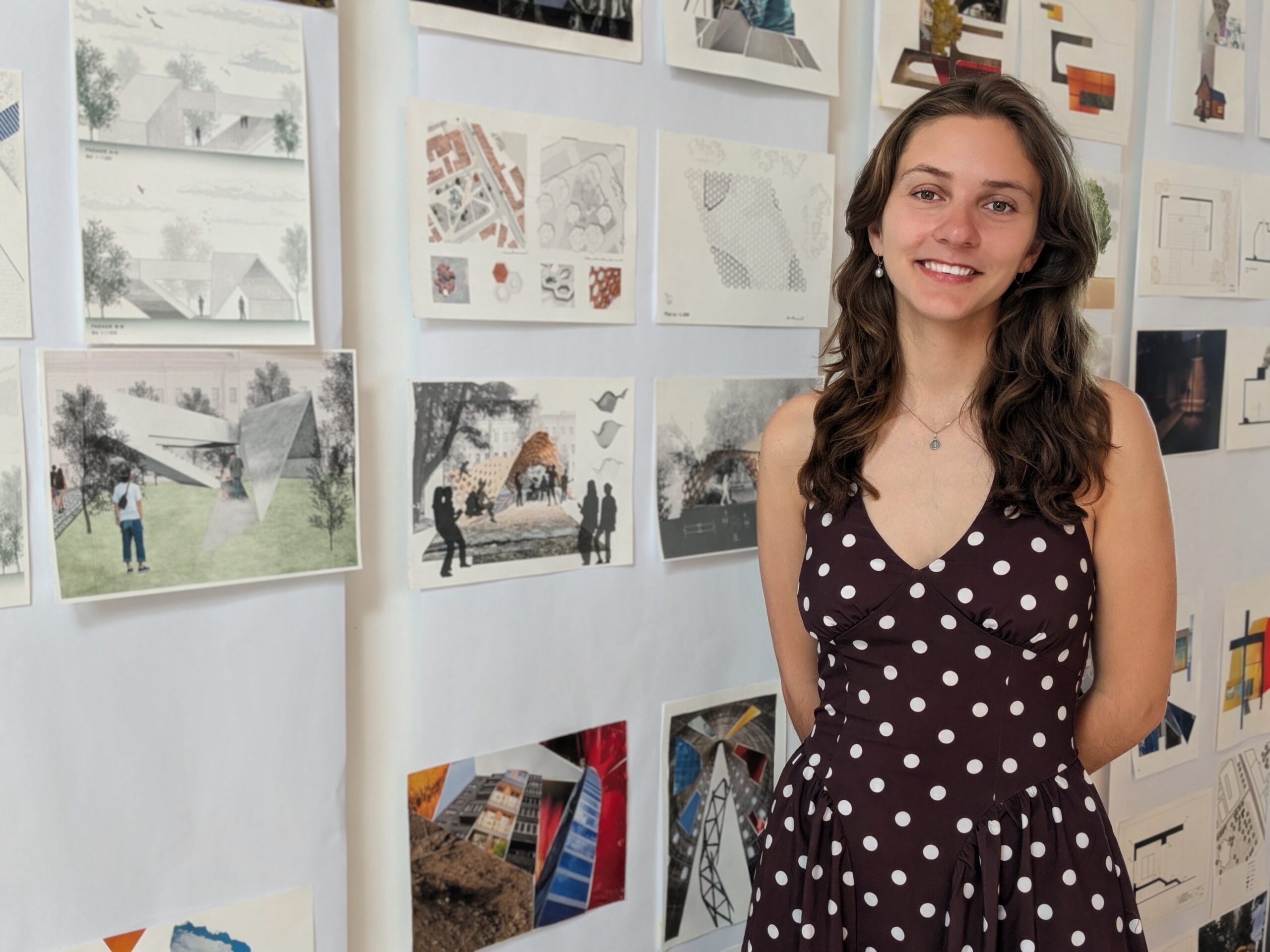
Emily Berkemeyer
During her two-year Master’s programme in the School of Architecture and Planning (SA+P), the Department of Urban Studies and Planning (DUSP), she immersed herself in demanding studies, spending long days on campus while taking advantage of lectures and events at both MIT and neighbouring Harvard University, Graduate School of Design (GSD). The experience helped her discover what city planning truly means.
“A city is a system. It is also a living, breathing organism shaped by the decisions people make about where and how they live,” she explains. “MIT taught me not only theory, but also how to develop my own philosophy of practice and think about how I want to contribute to healthier, more sustainable cities.”
Why Lithuania?
After graduating, she chose Lithuania as the destination for her summer research internship through the MISTI-Lithuania (MIT Science and Technology Initiative) programme. Hosted by the Faculty of Architecture, Department of Urban Design, by assoc. prof. S. Mozūriūnaitė at VILNIUS TECH, she is spending two and a half months examining environmental governance in the Baltic region.
Although she had previously visited Europe, this is her first experience in Northern and Eastern Europe. She was inspired by work of MIT faculty members such as Brent D. Ryan in Eastern Europe.
“Vilnius pleasantly surprised me. I arrived with no expectations, but it is an incredibly walkable city with excellent public transport and a beautiful old town. I especially enjoy working at the Faculty of Architecture and walking through the historic streets every day,” she says.
Researching one of the Baltic Sea’s biggest challenges
Her research focuses on three major Baltic port cities – Klaipėda, Riga and Tallinn – and examines how they can continue to expand economically while protecting water quality.
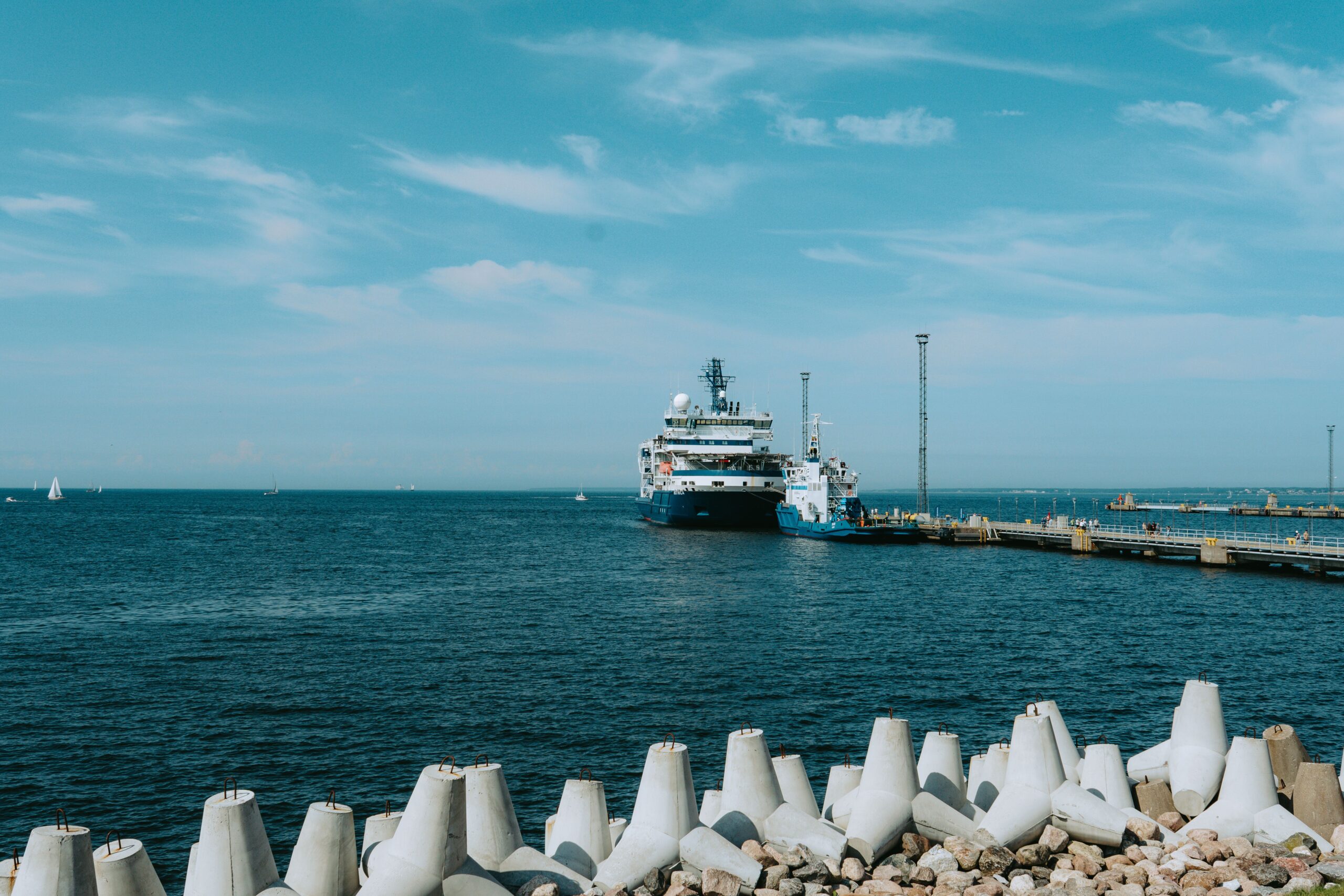
As shipping across the Baltic Sea is expected to increase in the coming decades, environmental risks such as oil spills, groundwater contamination and industrial pollution are becoming increasingly important. The research explores how different governance models and water management systems can help cities adapt to these challenges.
“My goal is to understand where the balance lies between supporting economic growth through ports and safeguarding drinking water and the environment in the city context,” she explains.
Her research combines GIS mapping, environmental data analysis and interviews with experts from municipal water utilities and universities across Lithuania, Latvia and Estonia.
One key research question is how water governance differs across countries. For example, Riga relies primarily on surface water, while Klaipėda uses groundwater as its main drinking water source. These differences influence infrastructure planning and environmental protection strategies.
Understanding the city through walking
Rather than studying cities solely through reports and datasets, Emily believes firsthand experience is essential.
“One of my MIT DUSP professors, Garnette Cadogan, always says ‘To know a city, you have to walk a city.’ You need to experience the places you are studying, understand how people use them and observe daily life,” she says.
Throughout the internship, she travels between Vilnius, Klaipėda, Riga, and Tallinn, meeting researchers and professionals working in water management and environmental planning. These conversations help ensure her research reflects the realities faced by local communities and institutions.
Research that informs better policy
Looking ahead, she hopes the research will result in a peer-reviewed scientific publication co-authored with VILNIUS TECH researcher assoc. prof. S. Mozūriūnaite – an opportunity she says she is proud to be part of. Working alongside the researchers at MIT and VILNIUS TECH has reinforced her belief that the greatest value of science lies in its real-world impact.
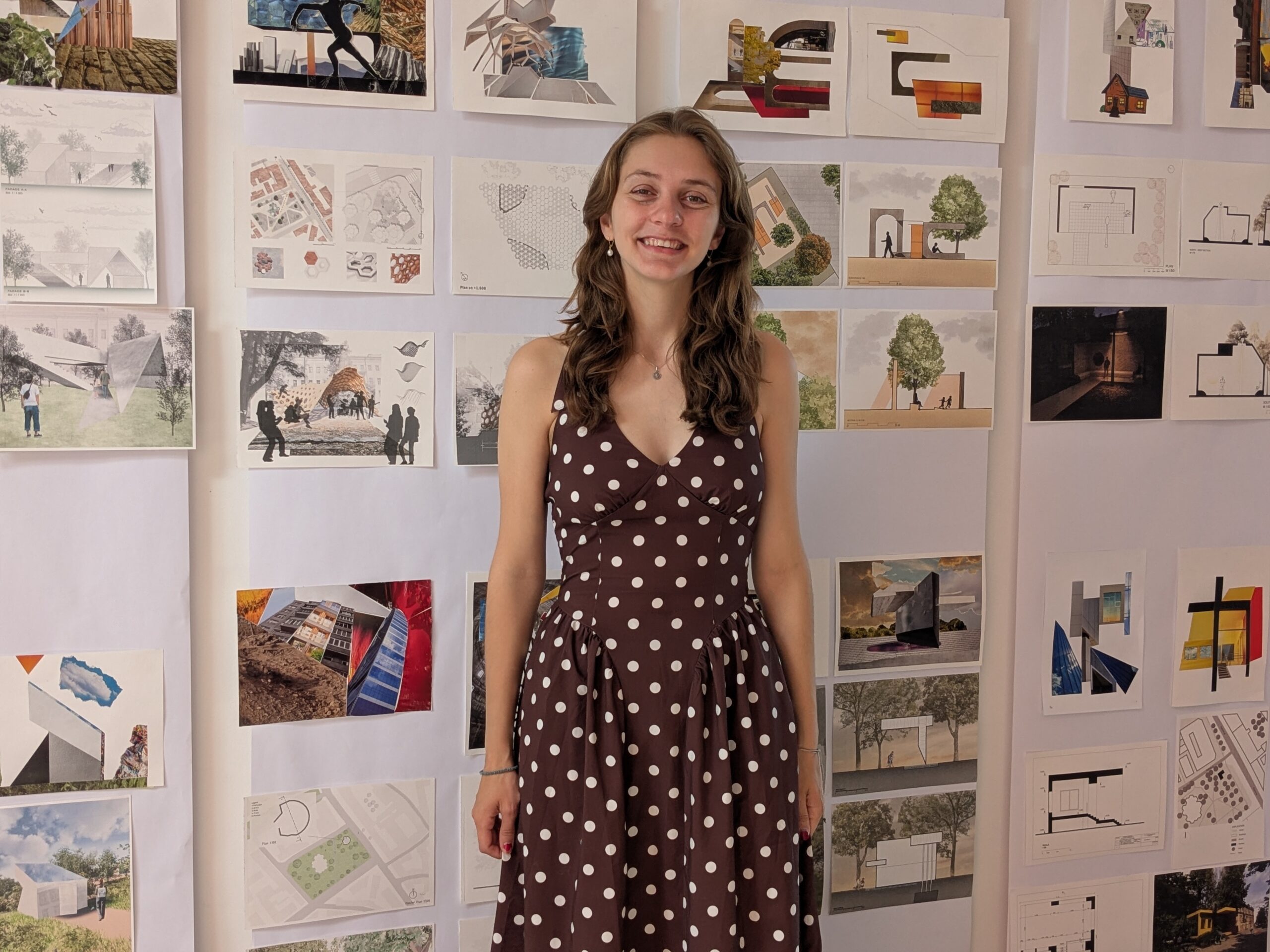
Emily Berkemeyer
In the future, she hopes to build an academic career at the intersection of urban planning, enviornmental science and public policy research.
“For me, the most meaningful research is the kind that improves people’s lives. Scientific discoveries matter most when they help solve real problems and create healthier, more sustainable cities. That is why I am passionate not only about conducting research but also about making sure its findings reach policymakers and the wider public,” she says.
Finding inspiration beyond the laboratory
Outside of research, she enjoys discovering Lithuania through its culture and outdoor activities. She has taken up rock climbing in Vilnius, attends concerts whenever possible and has been impressed by the city’s vibrant arts scene.
A classically trained violist and musical theatre enthusiast, she believes maintaining a balance between research and personal interests is essential.
“I have been making sure not to spend all my time behind a computer. Vilnius has an amazing cultural life, wonderful museums, and so many opportunities to meet people. It has been an inspiring place to live and work this summer.”
***
The Lithuanian Consortium for Engagement with MIT is a strategic relationship established in January 2025 among the Lithuanian science and business sectors, the MIT Centre for International Studies, and MIT Science and Technology Initiatives (MISTI).
Originating as a unique, bottom-up initiative, this relationship aims to bridge Lithuania’s aspirations with MIT’s global expertise in science, technology, innovation, and education, recognising that science contributes to national economies, anchors meaning, and fosters innovation in public life, thus seeking real impact in the region. This transatlantic three-year initiative is designed to foster an impactful, sustainable, and innovation-driven ecosystem for science, studies, and business in Lithuania.
Initiative Group: VILNIUS TECH, Vytautas Magnus University, Kaunas University of Technology, Klaipėda University, Vilnius University, Vilnius Academy of Arts, Mykolas Romeris University, Lithuanian Research Centre for Agriculture and Forestry, Lithuanian Energy Institute, Euromonitor International – Eastern Europe, Ignitis Group, Lithuanian Railways, Novian Group, Northway Biotech.