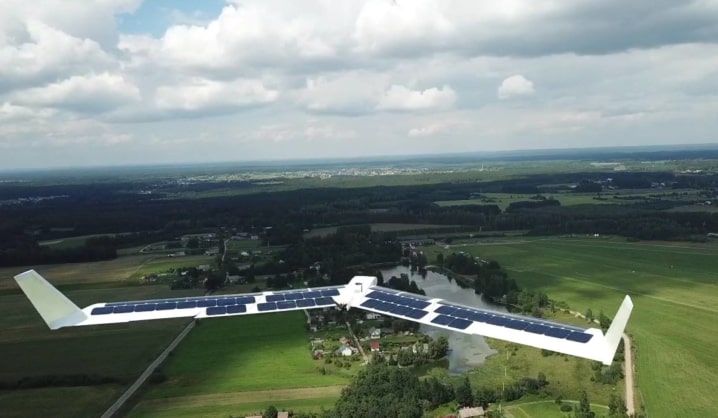
Department of Aeronautical Engineering

The Department prepares specialists who can develop, analyse, and apply engineering solutions in aviation and space engineering.
Address: Linkmenų St. 28-4, Room 206 Phone: +370 5 274 4821 Internal phone: 9821 Email: aik@vilniustech.lt
Dronas

About the Department

Department Research Areas

Research covers three main areas.

  • Aviation
  • Unmanned Aerial Vehicle (UAV) Technologies
  • Small Satellite Systems

Research areas include:

  • Aerodynamics
  • Aircraft Structures
  • Flight Systems
  • Remote Sensing
  • The development of space platforms and related challenges.

Department Activity Areas

The Department implements research, study, and collaboration initiatives that strengthen the academic community and contribute to public well-being.

Improve research quality and international visibility

  • Encourage researchers to publish in top-tier international scientific journals (Q1–Q2 publications).
  • Develop international and interdisciplinary research initiatives and projects.
  • Take part in international scientific conferences and research networks.
  • Maintain active collaboration with international scientific institutions and research centres.
  • Ensure the active involvement of PhD students and early-stage researchers in research projects.

Ensure high-quality studies focused on global standards and student progress.

  • Apply innovative teaching methods to support student learning.
  • Support students in developing critical thinking, creativity, and independence.
  • Strengthen students’ international competences: promotion of ERASMUS+ mobility, teaching in English, and participation in international projects.
  • Support lecturers in improving their teaching skills and competences.

Increase knowledge sharing and impact in society, business, and public governance.

  • Take part in organising public lectures, seminars, and conferences on relevant management topics.
  • Cooperate with business companies, public institutions, and non-governmental organisations.
  • Conduct applied research and offer consultancy services and solutions.
  • Share research results and expert insights through the media and social media.
  • Engage students in solving real-world organisational problems.

Partners

Department of Aeronautical Engineering maintains active cooperation with social and business partners.

  • Asava.aero
  • Astrolight
  • Avionexpress
  • BGS
  • BlackSwan Space
  • DAT
  • Dbox
  • ESA
  • FL Technics
  • Generolo Jono Žemaicio Lietuvos karo akademija
  • Get jet airlines
  • Ryanair
  • Karinės oro pajegos
  • Lietuvos kariuomenės
  • Litcargus
  • Lietuvos oro uostai
  • Magnetic mro
  • Nanoavionics
  • Oro navigacija
  • Transporto kompetencijų agentūra
  • UDS
  • Valstybės sienos apsaugos tarnyba
  • JC aero
Show more

Department Staff

The Department brings together experts in aviation, space engineering, and mechanics who train future specialists capable of developing, analysing, and applying engineering solutions in the aviation and space sector. Department lecturers actively carry out research in aerodynamics, aircraft structures, flight systems, unmanned aerial vehicle technologies, and small satellites. They also involve students in national and international projects, encouraging them to contribute to the development of advanced technologies in this field.

Administration
  • Administration
  • Research Staff
  • Professors
  • Associate Professors
  • Lecturers
  • Assistant Lecturers
Show more

Thesis abstracts

Years
Qualification
Clear selections
Danielius Krušinskis — Assoc Prof Dr Darius Rudinskas
Design of unmanned aircraft test benches
The bachelor thesis presents the design of an unmanned aerial vehicle (UAV) test stand intended for testing drones with a mass up to 5 kg under laboratory conditions....
2026 Bachelor's and Integrated Studies
  • 2026
  • Bachelor's and Integrated Studies
Design of unmanned aircraft test benches
Student: Danielius Krušinskis
Supervisor: Assoc Prof Dr Darius Rudinskas
Department: Department of Aeronautical Engineering
Thesis abstract (LT)
Baigiamajame bakalauro darbe projektuojamas bepiločių orlaivių tyrimų stendas, skirtas iki 5 kg masės dronų bandymams laboratorinėmis sąlygomis. Darbo tikslas – sukurti konstrukciją, leidžiančią saugiai ir patikimai tirti dronų generuojamas apkrovas, užtikrinant konstrukcijos standumą, stabilumą ir eksploatacinį saugumą. Pirmiausia darbe atliekama analogų analizė, apžvelgiant rinkoje esančius dronų testavimo sprendimus ir jų konstrukcinius ypatumus. Remiantis šia analize parenkama tinkamiausia konstrukcija, leidžianti atkartoti realias drono darbo sąlygas. Toliau nustatomos projektinės apkrovos, įvertinant maksimalią iki 50 kg traukos jėgą bei galimus platformos pasvirimo kampus. Atlikti pagrindinių konstrukcinių elementų stiprumo ir standumo skaičiavimai, įskaitant vertikalaus stulpo, suvirintinių siūlių ir tvirtinimo mazgų analizę. Taip pat įvertintas šarnyrinio mazgo ir varžtinių sujungimų patikimumas, nustatyti atsargos koeficientai ir patikrintas konstrukcijos tinkamumas numatytoms apkrovoms. Sukurtas trimatis stendo modelis naudojant „SolidWorks“ programą, parengti pagrindinių konstrukcinių elementų brėžiniai. Papildomai suprojektuotas apsauginis gaubtas, užtikrinantis saugų bandymų vykdymą ir mažinantis išorinių veiksnių įtaką. Darbo rezultatai rodo, kad suprojektuota konstrukcija atitinka stiprumo ir standumo reikalavimus bei yra tinkama praktiniam bepiločių orlaivių bandymui. Darbo apimtis – 62 p. teksto be priedų, 28 iliustracijos, 5 lentelės, 17 bibliografinių šaltinių, 8 brėžiniai.
bepilotis orlaivis tyrimų stendas testavimo stendas stipruminiai skaičiavimai konstrukcijos standumas suvirinimo siūlės varžtiniai sujungimai šarnyrinis mazgas SolidWorks
Thesis abstract (EN)
The bachelor thesis presents the design of an unmanned aerial vehicle (UAV) test stand intended for testing drones with a mass up to 5 kg under laboratory conditions. The aim of the work is to develop a structure that ensures safe and reliable testing of generated thrust forces while maintaining sufficient stiffness, stability, and operational safety. Firstly, an analysis of existing test stand solutions is performed, reviewing commercially available systems and their structural characteristics. Based on this analysis, an appropriate structural concept is selected, capable of replicating real operating conditions of a UAV. The design loads are then determined, considering a maximum thrust force of up to 50 kg and possible inclination angles of the structure. Strength and stiffness calculations of the main structural components are carried out, including the vertical column, welded joints, and fastening elements. The reliability of the spherical joint and bolted connections is also evaluated by determining safety factors and verifying the structural integrity under the applied loads. A 3D model of the test stand is developed using SolidWorks software, and technical drawings of the main components are prepared. Additionally, a protective enclosure is designed to ensure safe operation during testing and to reduce the influence of external factors. The results show that the designed structure meets the required strength and stiffness criteria and is suitable for practical UAV testing applications. The thesis consists of 62 pages of text (excluding appendices), 28 figures, 5 tables, 17 bibliographical references, and 8 drawings.
unmanned aerial vehicle test stand structural analysis strength calculations stiffness welded joints bolted connections spherical joint SolidWorks
Deimantas Černiauskas — Bronius Merkys
Two-seater light twin-engine electric power plant project.
This bachelor's thesis investigates the design and analysis of a twin-engine electric light aircraft propulsion system and its structural components. The work aims to design an electric propulsion...
2026 Bachelor's and Integrated Studies
  • 2026
  • Bachelor's and Integrated Studies
Two-seater light twin-engine electric power plant project.
Student: Deimantas Černiauskas
Supervisor: Bronius Merkys
Department: Department of Aeronautical Engineering
Thesis abstract (LT)
Baigiamajame bakalauro darbe nagrinėjamas dviviečio dvimotorio elektrinio lengvojo orlaivio jėgainės ir konstrukcinių elementų projektavimas bei analizė. Darbo tikslas – suprojektuoti elektrinę jėgainę ir pagrindinius konstrukcinius mazgus, užtikrinant jų stiprumą, patikimumą ir atitikimą taikomiems aviacijos reikalavimams. Darbo metu atlikta analoginių orlaivių analizė, nustatyti pagrindiniai jėgainės parametrai bei parinkti tinkami komponentai – elektriniai varikliai, inverteriai ir baterijų sistema. Atlikti aerodinaminiai skaičiavimai, įvertinta reikalinga ir turima trauka, nustatytas maksimalus skrydžio greitis. Suprojektuoti konstrukciniai elementai, įskaitant variklio laikiklį ir baterijų laikiklį. Atlikti konstrukcijų stiprumo skaičiavimai, įvertinant įvairius apkrovos atvejus, bei taikyta skaitinė analizė naudojant baigtinių elementų metodą. Nustatyta, kad konstrukcijos atlaiko veikiančias apkrovas, o įtempiai neviršija leistinų ribų. Darbo pabaigoje pateiktos išvados ir rekomendacijos tolesniam konstrukcijos tobulinimui.
elektrinis orlaivis dvimotorė jėgainė aerodinaminiai skaičiavimai konstrukcijos stiprumas varžtiniai sujungimai baterijų laikiklis baigtinių elementų metodas
Thesis abstract (EN)
This bachelor's thesis investigates the design and analysis of a twin-engine electric light aircraft propulsion system and its structural components. The work aims to design an electric propulsion system and main structural elements ensuring their strength, reliability, and compliance with aviation requirements. The study includes analysis of analogous aircraft, determination of main propulsion parameters, and selection of appropriate components such as electric motors, inverters, and battery system. Aerodynamic calculations were performed to evaluate required and available thrust and to determine the maximum flight speed. Structural elements, including the engine mount and battery holder were designed. Strength calculations were carried out considering different load cases, and numerical analysis was performed using the finite element method. The results showed that the structures withstand applied loads and stresses that do not exceed allowable limits. Conclusions and recommendations for further improvement of the structure are presented at the end of the thesis.
electric aircraft twin-engine propulsion aerodynamic calculations structural strength bolted joints battery holder finite element method
Deividas Kirkliauskas — Assoc Prof Dr Ieva Misiūnaitė
Design and Manufacturing of the Fixed Wing Target Drone. Design and Manufacturing of Construction.
This bachelor's thesis examines the design and manufacturing of a fixed-wing unmanned aerial vehicle. The work includes an analysis of existing analogues, selection of an aerodynamic configuration, and...
2026 Bachelor's and Integrated Studies
  • 2026
  • Bachelor's and Integrated Studies
Design and Manufacturing of the Fixed Wing Target Drone. Design and Manufacturing of Construction.
Student: Deividas Kirkliauskas
Supervisor: Assoc Prof Dr Ieva Misiūnaitė
Department: Department of Aeronautical Engineering
Thesis abstract (LT)
Baigiamajame bakalauro darbe nagrinėjamas fiksuoto sparno bepiločio orlaivio projektavimas ir gamyba. Darbo metu atlikta analogų analizė, parinkta aerodinaminė schema ir suformuota konstrukcija.Atlikti orlaivio centruotės, apkrovų ir stiprumo skaičiavimai, įvertintas konstrukcijos patikimumas. Taip pat analizuotos medžiagos ir aprašytas prototipo gamybos procesas. Gauti rezultatai parodė, kad suprojektuota konstrukcija atitinka keliamus reikalavimus. Darbą sudaro: Įvadas, prototipų analizė, orlaivio centruotės skaičiavimai, liemens apkrovų skaičiavimai, liemens stipruminiai skaičiavimai, sparno stipruminiai skaičiavimai, medžiagų stiprumo nustatymas, gamybos proceso aprašymas, išvados, literatūros sąrašas. Darbo apimtis - 86 p. teksto be priedų, 65 iliustracijos, 32 lentelės, 21 bibliografinių šaltinių. Atskirai pridedami darbo priedai
bepiločiai orlaiviai fiksuoto sparno orlaivis aerodinaminė schema konstrukcijos projektavimas stiprumo skaičiavimai kompozitinės medžiagos orlaivio gamyba.
Thesis abstract (EN)
This bachelor's thesis examines the design and manufacturing of a fixed-wing unmanned aerial vehicle. The work includes an analysis of existing analogues, selection of an aerodynamic configuration, and development of the structural design. Aircraft center of gravity, load, and strength calculations were performed to evaluate structural reliability. Additionally, materials were analyzed, and the prototype manufacturing process was described. The results showed that the designed structure meets the established requirements. The thesis consists of: introduction, analysis of prototypes, aircraft center of gravity calculations, fuselage load analysis, fuselage strength calculations, wing strength calculations, material strength evaluation, manufacturing process description, conclusions, and references. Thesis volume: 86 pages of text (excluding appendices), 65 figures, 32 tables, 21 references Appendices are provided separately.
unmanned aerial vehicles fixed-wing aircraft aerodynamic configuration structural design strength calculations composite materials aircraft manufacturing.
Ignas Norkūnas — Bronius Merkys
Stabilizer design for a two-seat light twin-engine electric aircraft.
The bachelor’s thesis (hereinafter – the Thesis) analyzes the design of a removable composite horizontal stabilizer for a two-seat light twin-engine electric aircraft. The aim of the Thesis...
2026 Bachelor's and Integrated Studies
  • 2026
  • Bachelor's and Integrated Studies
Stabilizer design for a two-seat light twin-engine electric aircraft.
Student: Ignas Norkūnas
Supervisor: Bronius Merkys
Department: Department of Aeronautical Engineering
Thesis abstract (LT)
Baigiamajame bakalauro darbe (toliau – Darbas) nagrinėjamas dviviečio lengvo elektrinio dvimotorio orlaivio nuimamo kompozitinio stabilizatoriaus – projektas. Darbo tikslas – suprojektuoti lengvos konstrukcijos, tačiau pakankamo standumo ir stiprumo stabilizatorių, atitinkantį CS-VLA sertifikavimo reikalavimus bei užtikrinantį saugią orlaivio eksploataciją. Darbe atlikta prototipų analizė, įvertinant jų konstrukcinius sprendimus, aerodinamines charakteristikas ir naudojamas medžiagas. Parinkta stabilizatoriaus geometrinė schema, nustatyti pagrindiniai aerodinaminiai parametrai ir profiliai. Atlikti aerodinaminiai skaičiavimai, įvertinant skrydžio režimus bei apkrovų atvejus. Remiantis gautais rezultatais apskaičiuotos veikiančios apkrovos, reikalingos konstrukcijos stipruminiam įvertinimui. Stabilizatoriaus konstrukcija modeliuota kaip dėžinio skerspjūvio kompozitinė struktūra. Naudojant skaitinius metodus ir Jupyter Notebook aplinką, atliktas sluoksniavimo optimizavimas, nustatant sluoksnių orientacijos kampus, jų skaičių bei šerdies storį, siekiant sumažinti konstrukcijos masę ir užtikrinti reikiamą standumą. Atlikti stipruminiai skaičiavimai, įvertinant įtempių ir deformacijų pasiskirstymą konstrukcijoje ir mazguose. Darbo pabaigoje pateiktos išvados ir rekomendacijos tolesniam konstrukcijos tobulinimui. Darbą sudaro įvadas, projektinių reikalavimų analizė, orlaivio misijos apibrėžimas, prototipų ir analogų analizė, stabilizatoriaus aerodinaminių charakteristikų ir veikiančių krūvių skaičiavimai, stipruminiai konstrukcijos elementų ir tvirtinimo mazgų skaičiavimai, išvados ir rekomendacijos bei literatūros sąrašas. Darbo apimtis – 137 p. teksto, 49 paveikslai, 37 lentelės ir 4 priedai.
kompozitinis stabilizatorius nuimama konstrukcija dvimotoris lengvasis dvivietis elektrinis orlaivis kompozitinės medžiagos sluoksniavimo optimizavimas
Thesis abstract (EN)
The bachelor’s thesis (hereinafter – the Thesis) analyzes the design of a removable composite horizontal stabilizer for a two-seat light twin-engine electric aircraft. The aim of the Thesis is to design a lightweight structure that ensures sufficient stiffness and strength, complies with CS-VLA certification requirements, and guarantees safe aircraft operation. A prototype analysis was carried out, evaluating their structural solutions, aerodynamic characteristics, and materials used. The geometric configuration of the stabilizer was selected, and the main aerodynamic parameters and airfoil profiles were determined. Aerodynamic calculations were performed, taking into account flight regimes and loading conditions. Based on the obtained results, the acting loads required for structural strength assessment were calculated. The stabilizer structure was modeled as a box-type composite cross-section. Using numerical methods and the Jupyter Notebook environment, laminate optimization was performed by determining the number of layers, their orientation angles, and the core thickness, aiming to reduce structural weight while ensuring sufficient stiffness. Strength calculations were carried out to evaluate stress and deformation distribution within the structure and its joints. At the end of the Thesis, conclusions and recommendations for further structural development are provided. The Thesis consists of an introduction, analysis of design requirements, definition of aircraft mission, analysis of prototypes and analogues, calculations of aerodynamic characteristics and acting loads of the stabilizer, structural strength calculations of components and attachment joints, conclusions and recommendations, and a list of references. The volume of the Thesis is 137 pages, including 49 figures, 37 tables, and 4 appendices.
composite stabilizer detachable structure twin-engine light two-seat electric aircraft composite materials laminate optimization
Matas Dužinskas — Dr Laurynas Šišovas
Conceptual design of a spacecraft for landing on Jupiter’s moon Europa
The Bachelor’s thesis (further “Thesis”) focuses on the conceptual design of a spacecraft intended for landing on Jupiter’s moon Europa. The study examines scientific and technical sources related...
2026 Bachelor's and Integrated Studies
  • 2026
  • Bachelor's and Integrated Studies
Conceptual design of a spacecraft for landing on Jupiter’s moon Europa
Student: Matas Dužinskas
Supervisor: Dr Laurynas Šišovas
Department: Department of Aeronautical Engineering
Thesis abstract (LT)
Baigiamajame bakalauro darbe (toliau – Darbas) nagrinėjamas erdvėlaivio, skirto nusileidimui Jupiterio palydove Europoje, koncepcinis projektas. Išnagrinėti moksliniai ir techniniai šaltiniai, susiję su Europos aplinkos sąlygomis, ankstesnių kosminių misijų prototipais, šiluminės apsaugos sprendimais, konstrukcinių medžiagų parinkimu, avionikos, kuro sistemos ir terminių skaičiavimų principais. Darbe atliekamas kapsulės konstrukcijos projektavimas, medžiagų parinkimas, masės įvertinimas ir paskirstymas, avionikos skyriaus projektavimas, kuro sistemos parinkimas bei terminiai skaičiavimai. Atlikus skaičiavimus nustatyta, kad projektuojamas erdvėlaivis turi būti hermetiškas, autonominis, atsparus radiacijos poveikiui ir pritaikytas veikti ekstremaliomis Europos aplinkos sąlygomis. Darbą sudaro: įvadas, Europos atmosferos ir aplinkos sąlygų analizė, prototipų analizė, konstrukcijos projektavimas ir pagrindimas, medžiagų parinkimas, masės įvertinimas ir paskirstymas, avionikos skyriaus projektavimas, kuro sistemos parinkimas ir skaičiavimas, terminiai skaičiavimai, išvados ir rekomendacijos, literatūros sąrašas. Darbo apimtis – 93 p. teksto be priedų, 40 iliustr., 27 lent., 40 bibliografinių šaltinių.
Jupiterio palydovas Europa erdvėlaivio koncepcinis projektas terminė apsauga avionika kuro sistema.
Thesis abstract (EN)
The Bachelor’s thesis (further “Thesis”) focuses on the conceptual design of a spacecraft intended for landing on Jupiter’s moon Europa. The study examines scientific and technical sources related to Europa’s environmental conditions, prototypes of previous space missions, thermal protection systems, structural material selection, avionics, fuel system solutions, and thermal calculation principles. The Thesis presents technical solutions used as a basis for designing a conceptual spacecraft capable of operating under the extreme environmental conditions of Europa. The Thesis includes the design of the capsule structure, selection of structural materials, mass estimation and distribution, design of the avionics compartment, fuel system selection, and thermal calculations. The spacecraft is designed considering the intense radiation environment, extremely low temperature, near-vacuum atmospheric conditions, weak gravity, and limited possibilities for aerodynamic braking on Europa. After the performed calculations, it is determined that the designed spacecraft must be hermetic, autonomous, resistant to radiation effects, and adapted for operation in harsh space environment conditions. The structure of the Thesis includes: introduction, analysis of Europa’s atmosphere and environmental conditions, prototype analysis, design and justification of the structure, selection of materials, mass estimation and distribution, design of the avionics compartment, fuel system selection and calculation, thermal calculations, conclusions and recommendations, and a list of references. The Thesis consists of 93 pages of text excluding appendices, 40 illustrations, 27 tables, and 40 bibliographic sources.
Jupiter’s moon Europa conceptual spacecraft design thermal protection avionics fuel system.
Aleksej Litvinenko — Dr Ivan Suzdalev
Designing a Radar Transponder for a Drone
In the final bachelor's thesis the design of a radar transponder for a drone. The literature analysis part of the thesis represents the prototypes of existing transponders and...
2025 Bachelor's and Integrated Studies
  • 2025
  • Bachelor's and Integrated Studies
Designing a Radar Transponder for a Drone
Student: Aleksej Litvinenko
Supervisor: Dr Ivan Suzdalev
Department: Department of Aeronautical Engineering
Thesis abstract (LT)
Bakalauro baigiamajame darbe pateiktas bepiločio orlaivio radiolokacinio atsakiklio projektavimas. Literatūros analizės dalyje yra apžvegiami egzistuojančių atsakiklių prototipai bei nagrinėjama su prototipų elektrine sandara susijusi teorija. Projektinėje dalyje yra formuojamos atsakiklio struktūrinės blokinės schemos, jų pagrindu yra parenkami konkretūs komponentai bei sudaromos principinės elektrinės schemos. Darbe yra pateikti grafikai ir skaičiavimai, įrodantys, kad projekto uždavinių sąlygos buvo įvykdytos. Išvadų ir pasiūlymų dalyje nurodomi darbo pasiekti rezultatai bei galimi tolimesnio sistemos tobulinimo galimybės. Darbą sudaro 6 dalys: įvadas, literatūros apžvalga ir prototipų analizė, schemų projektavimas ir parametrų skaičiavimai, išvados ir pasiūlymai, literatūros sąrašas, priedai. Darbo apimtis – 90 p. teksto be priedų, 46 iliustr., 7 lent., 36 bibliografiniai šaltiniai. Atskirai pridedami darbo priedai.
radiolokacija bepilotis orlaivis imtuvo jautrumas siųstuvo stiprinimas elektrinė schema.
Thesis abstract (EN)
In the final bachelor's thesis the design of a radar transponder for a drone. The literature analysis part of the thesis represents the prototypes of existing transponders and the theory related to the electrical structure of the prototypes. In the design part, the structural block diagrams of the transponder are developed, the specific components are selected on the basis of these diagrams, and the principle electrical schematics are drawn up. The work includes graphs and calculations demonstrating that the conditions of the project objectives have been met. The conclusions and suggestion section indicates the results achieved during the project and possible options for further improvement of the system. Structure: introduction, literature review and prototype analysis, circuit design and parameter calculations, conclusions and suggestions, references, annexes. Thesis consist of: 90 p. text without appendixes, 46 pictures, 7 tables, 36 bibliographical entries. Attachments are attached separately.
radiolocation unmanned aircraft receiver sensitivity transmitter amplification electrical schematic diagram.
Andrius Dauknys — Assoc Prof Dr Ieva Misiūnaitė
Computational Approaches to Assess the Fibre Bridging Effect in Composite Laminates
The study investigates fiber metal laminates (FMLs), such as GLARE, which exhibit enhanced damage resistance under cyclic loading conditions. These composites are used in aircraft structures where durability...
2025 Masters
  • 2025
  • Masters
Computational Approaches to Assess the Fibre Bridging Effect in Composite Laminates
Student: Andrius Dauknys
Supervisor: Assoc Prof Dr Ieva Misiūnaitė
Department: Department of Aeronautical Engineering
Thesis abstract (LT)
Darbe nagrinėjami sluoksniuotieji pluoštu armuoti metaliniai (SPAM) kompozitai, tokie kaip GLARE, pasižymintys didesniu atsparumu pažaidai ciklinio apkrovimo sąlygomis. Šie kompozitai taikomi orlaivių konstrukcijose, kur svarbus ilgalaikiškumas ir patikimumas. Tyrimo objektas – GLARE tipo kompozitai, sudaryti iš aliuminio lakštų ir stiklo pluoštu armuotų epoksidinių sluoksnių, veikiami kvazistatinių ir ciklinių apkrovų. Tyrime analizuojama pluošto sąveikos įtaka plyšių plitimui aliuminio sluoksniuose bei tarpsluoksnės sąveikos praradimui. Siekiant įvertinti šių reiškinių įtaką kompozito irčiai, taikoma skaitinio modeliavimo metodika. Sukurtas modelis leidžia prognozuoti SPAM kompozitų varginamąją elgseną, įtraukiant abu pagrindinius pažaidų mechanizmus ir pluošto sąveikos mechanizmą.
Sluoksniuotieji pluoštu armuoti metaliniai kompozitai pluošto sąveikos mechanizmas skaitinis modeliavimas plyšio plitimas atsisluoksniavimas baigtinių elementų metodai.
Thesis abstract (EN)
The study investigates fiber metal laminates (FMLs), such as GLARE, which exhibit enhanced damage resistance under cyclic loading conditions. These composites are used in aircraft structures where durability and reliability are critical. The research focuses on GLARE-type composites, composed of aluminum sheets and glass fiber-reinforced epoxy layers, subjected to quasi-static and cyclic loads. The study analyzes the effect of fiber bridging on crack propagation in the aluminum layers and the loss of interfacial bonding. To assess the impact of these phenomena on the composite's strength, a numerical modeling approach is applied. The developed model enables the prediction of the fatigue behavior of FML composites, incorporating both primary damage mechanisms and the fiber bridging effect.
Fiber metal laminates fiber bridging mechanism numerical modeling crack propagation delamination finite element methods.
Arminas Poliakas — Dr Linas Gelažanskas
Multicriteria flight path optimization of an unmanned aircraft
The objective of the final thesis is to perform the optimization of an unmanned aerial vehicle's flight trajectory using a multi-criteria approach. The thesis presents optimization methods, algorithms...
2025 Bachelor's and Integrated Studies
  • 2025
  • Bachelor's and Integrated Studies
Multicriteria flight path optimization of an unmanned aircraft
Student: Arminas Poliakas
Supervisor: Dr Linas Gelažanskas
Department: Department of Aeronautical Engineering
Thesis abstract (LT)
Baigiamojo darbo užduotis yra atlikti bepiločio orlaivio skrydžio trajektorijos optimizavimą taikant daugiakriterinį požiūrį. Darbe pateikiamos optimizacijos metodai, algoritmai maršrutų skaičiavimui, jų rezultatai, maršrutų žemėlapiai ir kaštų funkcijos grafikai. Darbą sudaro šios dalys: įvadas, literatūros analizė, metodologija, sukurto algoritmo derinimas, žmogaus ir algoritmo rezultatų palyginimas, bandymai, išvados, literatūros sąrašas bei priedai. Taip pat pateikiamas ekonominis darbo įvertinimas bei darbo, aplinkos ir skrydžių saugos reikalavimai.
Multikriterinis optimizavimas bepiločiai orlaiviai žmogaus įtaka planavime programa algoritmas.
Thesis abstract (EN)
The objective of the final thesis is to perform the optimization of an unmanned aerial vehicle's flight trajectory using a multi-criteria approach. The thesis presents optimization methods, algorithms for route calculation, their results, route maps, and cost function graphs. The thesis consists of the following sections: introduction, literature review, methodology, tuning of the developed algorithm, comparison of human and algorithm results, experiments, conclusions, list of references, and appendices. Additionally, an economic evaluation of the work is provided, along with requirements for occupational, environmental, and flight safety.
Multi-criteria optimization unmanned aerial vehicles (UAVs) human influence in planning software algorithm.
Arnas Kaušilas — Bronius Merkys
Combat UAV Design: Design of the Main Landing Gear Support
The bachelor’s thesis focuses on the design of the main landing gear strut for a combat unmanned aerial vehicle (UAV). Existing combat drones are analyzed, including their landing...
2025 Bachelor's and Integrated Studies
  • 2025
  • Bachelor's and Integrated Studies
Combat UAV Design: Design of the Main Landing Gear Support
Student: Arnas Kaušilas
Supervisor: Bronius Merkys
Department: Department of Aeronautical Engineering
Thesis abstract (LT)
Baigiamajame bakalauro darbe projektuojama kovinio bepiločio orlaivio pagrindinės važiuoklės atrama. Analizuojami egzistuojantys koviniai dronai, jų važiuoklės išdėstymas, mechanizmo išskleidimo kinematika. Pagal išanalizuotus panašiausius dronus ir jų paskirtis sukurta pagrindinės bepilotės skraidyklės atramos kinematinė schema. Paskaičiuoti dujinio-hidraulinio amortizatoriaus parametrai. Atlikti važiuoklės atramos ir jungiamųjų mazgų stipruminiai, aerodinaminio pasipriešinimo skaičiavimai. Remiantis skaičiavimo rezultatais, parinkta važiuoklės išskleidimo pavara. Sukurti reikalingi agregatų brėžiniai. Pateiktos agregato medžiagos. Apibendrinti sprendimai ir rezultatai, bei suformuluotos išvados. Darbą sudaro: įvadas, egzistuojančių dronų analizė, kinematinės schemos kūrimas, amortizatoriaus skaičiavimai, pavaros parinkimas, stipruminiai skaičiavimai, gamybos medžiagos, išvados. Darbo apimtis – 53 p. teksto, 35 paveikslų, 15 lentelių, 13 bibliografiniai šaltiniai. Atskirai pridedami darbo priedai.
kovinis dronas važiuoklė atramos išskleidimo kinematinė schema projektavimas dujinis-hidraulinis amortizatorius.
Thesis abstract (EN)
The bachelor’s thesis focuses on the design of the main landing gear strut for a combat unmanned aerial vehicle (UAV). Existing combat drones are analyzed, including their landing gear layouts and the kinematics of deployment mechanisms. Based on the analysis of the most similar drones and their intended functions, a kinematic diagram of the UAV's main landing gear strut is developed. The parameters of a oleo-pneumatic shock absorber are calculated. Structural strength and aerodynamic drag calculations are performed for the landing gear strut and its connecting assemblies. Based on these results, a suitable landing gear deployment actuator is selected. The necessary component assembly drawings are created, and the materials used for the assembly are specified. The design solutions and results are summarized, and conclusions are presented. The thesis consists of the following sections: introduction, analysis of existing drones, development of the kinematic diagram, shock absorber calculations, actuator selection, strength calculations, materials used in production, and conclusions. The work comprises 53 pages of text, 35 figures, 15 tables, and 13 bibliographic sources. Appendices included.
combat drone landing gear kinematic deployment diagram design oleo-pneumatic shock absorber
Arnoldas Miškinis — Tadas Raškevičius
A Modification of Airbus A320 Family Aircrafts Passenger Cabin, Installing Additional Stowage in the Aircraft Ceiling Structure
This scientific thesis investigates the possibility of modifying the passenger cabin of the Airbus A320 family aircraft by integrating additional overhead storage compartments into the ceiling structure. In...
2025 Bachelor's and Integrated Studies
  • 2025
  • Bachelor's and Integrated Studies
A Modification of Airbus A320 Family Aircrafts Passenger Cabin, Installing Additional Stowage in the Aircraft Ceiling Structure
Student: Arnoldas Miškinis
Supervisor: Tadas Raškevičius
Department: Department of Aeronautical Engineering
Thesis abstract (LT)
Šiame moksliniame darbe nagrinėjama orlaivių Airbus A320 šeimos keleivių salonų modifikavimo galimybė, papildomai įrengiant daiktų laikymo vietas lubų konstrukcijoje. Atsižvelgiant į šiuolaikinio oro transporto augančius keleivių ir bagažo srautus, išryškėja poreikis efektyviau išnaudoti salono erdvę, siekiant padidinti keleivių komfortą ir salono funkcionalumą. Darbe atliekama techninė analizė, įvertinant galimus konstrukcinius sprendimus, jų įtaką orlaivio svoriui, saugai, aerodinamikai ir sertifikavimo reikalavimams. Taip pat pateikiami ergonomikos, medžiagų parinkimo bei orlaivio svorio balanso aspektai. Tyrimo rezultatai gali būti naudingi tiek orlaivių gamintojams, tiek oro linijų bendrovėms, ieškančioms inovatyvių sprendimų keleivių salono erdvės optimizavimui.
Airbis a320 modifikavimo galimybė konstrukciniai sprendimai komfortas sertifikavimo reikalavimai salono erdvės optimizavimui.
Thesis abstract (EN)
This scientific thesis investigates the possibility of modifying the passenger cabin of the Airbus A320 family aircraft by integrating additional overhead storage compartments into the ceiling structure. In response to the growing demand for air travel and increased baggage volume, the need to optimize cabin space to enhance passenger comfort and overall cabin functionality has become increasingly relevant. The study provides a technical analysis of potential structural solutions, evaluating their impact on aircraft weight, safety, aerodynamics, and certification requirements. Additionally, aspects of ergonomics, material selection, and aircraft weight balance are examined. The findings of this research may be valuable for both aircraft manufacturers and airlines seeking innovative approaches to optimize cabin space utilization. 
Airbus A320 integrating additional overhead storage baggage volume structural solutions certification requirements cabin space utilization.

Useful links