
- Antanas Gustaitis’ Aviation Institute
- Faculty Departments
- Department of Aviation Technologies
Department of Aviation Technologies
Pilots, air traffic controllers, and aviation process engineers are trained to work in line with international aviation standards.
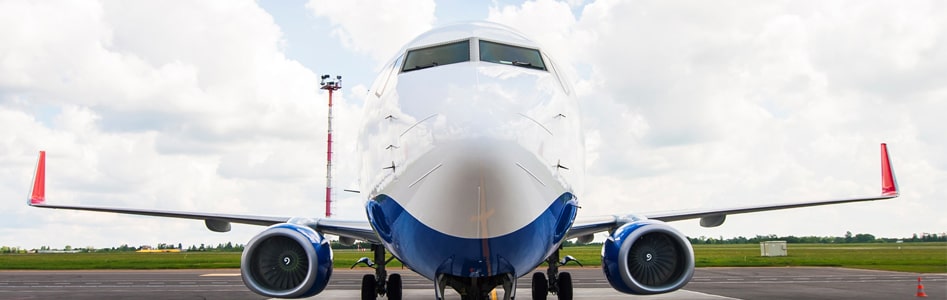
About the Department
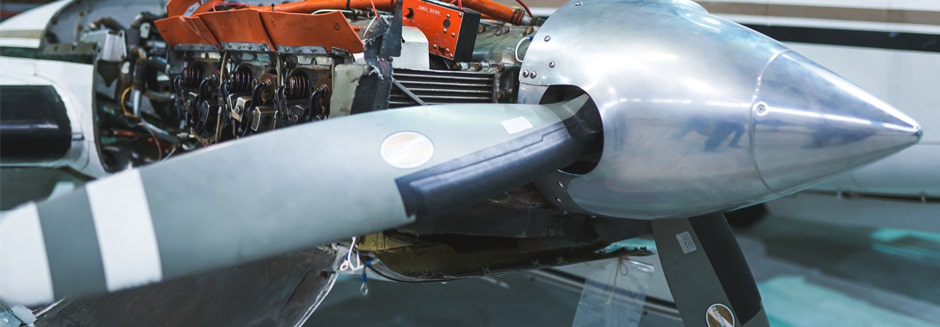
Research Areas of the Department
The Department conducts high-level research in four areas.
Partners
Department of Aviation Technologies maintains active cooperation with social and business partners.




















Show more
Department Staff
These are professionals in their field who train pilots, air traffic controllers, and aviation process engineers to work in line with international aviation standards. Department lecturers actively carry out research in composite materials, aerodynamic processes, unmanned aerial vehicle technologies, and air transport system analysis.
Administration
- Administration
- Professors
- Associate Professors
- Lecturers
- Assistant Lecturers
-
Roberta GaidamavičiūtėLecturer
-
Marius GelžinisLecturer
-
Laura GudelevičiūtėLecturer
-
Aušra KarosaitėLecturer
-
Paulius KazlauskasLecturer
-
Kristina KazlauskienėLecturer
-
Viktorija LieguvienėLecturer
-
Gabrielė MasiulionienėLecturer
-
Audrius ŠantarasLecturer
-
Edgaras SteckisLecturer
Show more
Thesis abstracts
Years
Qualification
Clear selections
Aironas Koliasnikovas
— Dr Aldona Radzevičienė
Effects of Work Shifts of Fatigue of Fight Operations Officers
The final master's thesis examines the impact of the fatigue, felt by flight operation officers due to shift work, on the cognitive functions and subjective well-being. The study...
Effects of Work Shifts of Fatigue of Fight Operations Officers
Student:
Aironas Koliasnikovas
Supervisor:
Dr Aldona Radzevičienė
Department:
Department of Aviation Technologies
Thesis abstract (LT)
Baigiamajame magistro darbe nagrinėjamas skrydžių priežiūros operatorių patiriamas pamaininio darbo nuovargis ir jo poveikis kognityvinėms funkcijoms bei subjektyviai savijautai. Tyrime dalyvavo 42 skrydžių priežiūros operatoriai iš Lietuvos, Vokietijos, Meksikos ir Argentinos oro linijų bendrovių. Duomenys buvo renkami naudojant autoriaus sukurtą internetinę tyrimo platformą, kurioje dalyviai prieš ir po tos pačios pamainos atliko kognityvinius testus ir užpildė įsivertinimo skales. Tyrime naudoti PVT-B, Digit Span, Stroop, N-Back ir autoriaus sukurtas OCC sprendimų priėmimo testas, taip pat Karolinska mieguistumo ir Samn-Perelli nuovargio skalės. Gauti rezultatai parodė, kad pamaininis darbas labiausiai paveikė budrumo ir reakcijos laiko rodiklius. Tyrimo rezultatai parodė, kad 8 ir 12 valandų pamainų poveikis reikšmingai nesiskyrė, tačiau naktinės pamainos buvo labiau susijusios su reakcijos laiko ir subjektyvaus mieguistumo pokyčiais.
Darbą sudaro 6 dalys: įvadas, skrydžių priežiūros operatorių patiriamo nuovargio analizė, tyrimo metodika, tyrimo rezultatų analizė, išvados ir rekomendacijos, literatūros sąrašas.
Darbo apimtis – 78 p. teksto be priedų, 34 iliustracijos, 6 lentelės, 53 bibliografiniai šaltiniai.
Thesis abstract (EN)
The final master's thesis examines the impact of the fatigue, felt by flight operation officers due to shift work, on the cognitive functions and subjective well-being. The study involved 42 flight operation officers from airlines in Lithuania, Germany, Mexico and Argentina. Data were collected via author’s created website, where responders did the cognitive tests and self-assessment scales before and after the shift. The study used the PVT-B, Digit Span, Stroop, N-Back, and the author-developed OCC decision-making test, as well as the Karolinska Sleepiness Scale and the Samn-Perelli Fatigue Scale. Study results showed that shift work had the most impact on vigilance and reaction time indicators. The study also showed that there were no significant differences between 8 hour and 12 hour shift types, although, night shifts had showed bigger impact on reaction time and subjective sleepiness.
The thesis comprises of 6 parts: introduction, literature analysis, research methodology, results, conclusions and recommendations, references.
The volume of the thesis consists of 78 pages of text without appendixes, 34 illustrations, 6 tables, 53 bibliographic references.
Armandas Juška
— Assoc Prof Dr Vytautas Rimša
Damage to Buildings Caused by the Cargo of Neutralized Unmanned Aerial Vehicle
This master’s thesis examines the fall of a neutralized unmanned aerial vehicle cargo onto buildings and its impact on roof structures. The interaction between the falling cargo and...
Damage to Buildings Caused by the Cargo of Neutralized Unmanned Aerial Vehicle
Student:
Armandas Juška
Supervisor:
Assoc Prof Dr Vytautas Rimša
Department:
Department of Aviation Technologies
Thesis abstract (LT)
Baigiamajame magistro darbe nagrinėjamas neutralizuoto bepiločio orlaivio krovinio kritimas ant pastatų ir jo sukeliamas poveikis stogo konstrukcijoms. Analizuojama, kaip krintantis krovinys sąveikauja su pastato stogu, kokių pažeidimų gali atsirasti ir ar galimas konstrukcijos pramušimas. Darbe taip pat keliama problema, ar bepiločių orlaivių neutralizavimas virš urbanizuotų teritorijų gali būti laikomas saugiu pastatų atžvilgiu.
Darbą sudaro 3 dalys: įvadas, literatūros analizė, tyrimų metodika, tyrimų rezultatai ir jų analizė, išvados ir siūlymai, literatūros sąrašas.
Darbo apimtis – 74 p. teksto be priedų, 28 iliustracijos, 6 lentelės, 35 bibliografiniai šaltiniai.
Thesis abstract (EN)
This master’s thesis examines the fall of a neutralized unmanned aerial vehicle cargo onto buildings and its impact on roof structures. The interaction between the falling cargo and the building roof is analyzed, including potential damage and the possibility of structural breach. The thesis also addresses whether the neutralization of unmanned aerial vehicles over urbanized areas can be considered safe to buildings.
Structure: introduction, literature review, research methodology, research results and analysis, conclusions and suggestions, references.
Thesis consist of: 74 p. text without appendixes, 28 pictures, 6 tables, 35 bibliographical entries.
Artiom Karpenkov
— Andrius Dubovas
Analysis of the Effect of the Number of Loops of a Toroidal Propeller on the Aerodynamic Performance of an UAV
This master’s thesis investigates the interaction between a toroidal propeller designed for an electric unmanned aerial vehicle and its electric motor. Particular attention is devoted to the numerical...
Analysis of the Effect of the Number of Loops of a Toroidal Propeller on the Aerodynamic Performance of an UAV
Student:
Artiom Karpenkov
Supervisor:
Andrius Dubovas
Department:
Department of Aviation Technologies
Thesis abstract (LT)
Baigiamajame magistro darbe tiriama elektriniam bepiločiam orlaiviui skirto toroidinio propelerio ir elektros variklio sąveika. Pagrindinis dėmesys skiriamas toroidinio propelerio skaitinei bei eksperimentinei analizei. Didėjant elektrinių UAV taikymui ir griežtėjant aplinkosaugos reikalavimams, tampa būtina sistemiškai įvertinti, kaip propelerio geometrija bei toroidinio propelerio menčių skaičius veikia visos pavaros grandinės darbą.
Darbą sudaro 6 dalys: įvadas, literatūros analizė, toroidinio propelerio tyrimo metodologija, toroidinio propelerio tyrimas, išvados ir rekomendacijos, literatūros sąrašas.
Darbo apimtis – 78 p. teksto be priedų, 50 iliustracijų, 8 lentelės, 31 bibliografinis šaltinis.
Atskirai pridedami darbo priedai.
Thesis abstract (EN)
This master’s thesis investigates the interaction between a toroidal propeller designed for an electric unmanned aerial vehicle and its electric motor. Particular attention is devoted to the numerical and experimental analysis of the toroidal propeller. With the growing use of electric UAVs and stricter environmental requirements it becomes essential to systematically assess how the propeller geometry and the number of blades of the toroidal propeller affect the operation of the entire propulsion system.
Structure: introduction, literature review, toroidal propeller research methodology, investigation of the toroidal propeller, conclusions and recommendations, references.
Thesis consists of: 78 pages of text without appendixes, 50 figures, 8 tables, 31 bibliographical entries.
Appendixes included.
Audrius Taroza
— Assoc Prof Dr Vytautas Rimša
Human Impact Risk Evaluation from Falling Objects after Hostile UAV Neutralization
The final master thesis examines the potential harm that may be caused to a person if a payload carried by a neutralized hostile UAV falls and hits a...
Human Impact Risk Evaluation from Falling Objects after Hostile UAV Neutralization
Student:
Audrius Taroza
Supervisor:
Assoc Prof Dr Vytautas Rimša
Department:
Department of Aviation Technologies
Thesis abstract (LT)
Baigiamajame magistro darbe vertinama potenciali žala, kurią gali patirti žmogus neutralizavus didelio aukščio balioną su prikabintu kontrabandinio kroviniu, jei krintant šis pataikytų į žmogų. Tyrime atliekama mokslinės literatūros apžvalga apima žmogaus kūno anatomiją, kaulinių audinių mechanines savybes, krintančių objektų dinamiką ir anksčiau atliktus panašaus pobūdžio tyrimus. Krintančio krovinio greitis nustatomas taikant skaitinį laisvojo kritimo modeliavimą, įvertinant realias geometrines ir masės charakteristikas. Darbe taip pat lyginama, kokią įtaką rezultatams daro skirtingi medžiagos savybių modeliai: izotropinis tiesinis ir netiesinis bei anizotropinis. Smūgio procesas analizuojamas baigtinių elementų metodu ANSYS Explicit Dynamics aplinkoje, modeliuojant krintančio krovinio sąveiką su žmogaus kūno skaitiniu modeliu. Smūgio metu vertinami trys krovinio struktūros variantai – vientisas ir į 4 bei 12 blokų padalintas krovinys. Potenciali žala prognozuojama vertinant saugos koeficientą, kuris leidžia nustatyti labiausiai pažeidžiamas žmogaus kūno sritis. Iš gautų tyrimo rezultatų sudaromos išvados bei rekomendacijoms ateities tyrimams atlikti.
Thesis abstract (EN)
The final master thesis examines the potential harm that may be caused to a person if a payload carried by a neutralized hostile UAV falls and hits a human. The research begins with a review of scientific literature related to human body anatomy, the mechanical properties of bone tissue, the behaviour of falling objects, and similar studies carried out previously. The falling speed of the payload is determined using numerical free-fall modelling based on its actual geometry and mass. The study also evaluates how different bone material models affect the simulation results. Three types of material models are considered: isotropic linear, isotropic nonlinear, and anisotropic. The impact process is analysed in ANSYS Explicit Dynamics using the finite element method. The interaction between the falling payload and the human body model is simulated under different conditions. Three payload structure cases are investigated: a solid payload, a payload divided into 4 blocks, and a payload divided into 12 blocks. The potential harm is predicted using the minimum safety factor, which helps identify the most affected areas of the human body. The results of the study provide a basis for the final conclusions and for recommendations for future research.
Aurimas Petronis
— Dr Ignas Daugėla
Runway Condition Assessment Methodology Using Unmanned Aircraft
The master’s thesis examines a runway asphalt pavement condition assessment method proposed by the author, using visible and infrared spectral imagery collected by an unmanned aerial vehicle. The...
Runway Condition Assessment Methodology Using Unmanned Aircraft
Student:
Aurimas Petronis
Supervisor:
Dr Ignas Daugėla
Department:
Department of Aviation Technologies
Thesis abstract (LT)
Baigiamajame magistro darbe nagrinėjamas autoriaus pasiūlytas kilimo ir tūpimo tako asfalto dangos būklės įvertinimo metodas, taikant bepiločiu orlaiviu surinktus vizualaus bei infraraudonųjų spindulių spektrinius vaizdus. Apžvelgiami nedestruktyvūs asfalto dangos tikrinimo metodai, bepiločio orlaivio pritaikomumas spektriniams duomenims rinkti, vaizdų apdorojimo ir segmentavimo metodai, remiamasi šių laikų moksline literatūra. Praktinėje tyrimo dalyje surenkami duomenys, panašūs į kilimo ir tūpimo tako aplinką. Atliekamas gautų vaizdų vidinis orientavimas, sudaromas virtualus tiriamojo paviršiaus modelis, atliekamos geoerdvinės korekcijos bei sugeneruojama ortofotografija. Eksperimentui atlikti paruošiamas segmentavimo-klasifikavimo algoritmas vizualaus bei infraraudonųjų spindulių spektrų duomenims apdoroti. Parengtas algoritmas leidžia aptikti asfalto dangos trūkius, ženklinimus bei kitus paviršiaus objektus remiantis slenkstiniu įverčiu. Įvertinti aptiktų defektų parametrai, pažaidų kategorijos, naudojamo metodo tikslumas, jautrumas, F1 balas. Pabaigoje pateikiamos tyrimo išvados bei rekomendacijos ateities tyrimams.
Darbą sudaro 6 dalys: įvadas, literatūros analizė, asfalto ortofotografija, asfalto dangos būklės įvertinimas, išvados ir rekomendacijos, literatūros sąrašas.
Darbo apimtis – 71 p. teksto be priedų, 47 iliustracijos, 16 lentelių, 43 bibliografiniai šaltiniai.
Thesis abstract (EN)
The master’s thesis examines a runway asphalt pavement condition assessment method proposed by the author, using visible and infrared spectral imagery collected by an unmanned aerial vehicle. The thesis reviews non-destructive asphalt pavement inspection methods, the applicability of unmanned aerial vehicles for spectral data collection, image processing and segmentation methods, based on contemporary scientific literature. During the research, data simulating a runway environment are collected. The internal orientation of the obtained images is performed, a virtual model of the investigated surface is created, geospatial corrections are applied, and an orthophotograph is generated. For the experiment, a segmentation and classification algorithm is developed for processing visible and infrared spectral data. The developed algorithm enables the detection of asphalt pavement cracks, markings, and other surface objects based on threshold values. The parameters of the detected defects, damage categories, accuracy, recall, and F1 score of the applied method are evaluated. At the end of the thesis, research conclusions and recommendations for future studies are presented.
The thesis consists of six sections: introduction, literature review, asphalt orthophotography, assessment of asphalt pavement condition, conclusions and recommendations, references.
The thesis comprises 71 pages of text excluding appendices, 47 figures, 16 tables, and 43 bibliographic sources.
Austėja Povilaitytė
— Marius Gelžinis
Modeling the Change in CO2 Emissions Using Different Saf and Conventional Fuel Blend Ratios: the Case of X Airlines
This master’s thesis examines the impact of Sustainable Aviation Fuel (SAF) on the reduction of carbon dioxide emissions in the aviation sector. The relevance of the study is...
Modeling the Change in CO2 Emissions Using Different Saf and Conventional Fuel Blend Ratios: the Case of X Airlines
Student:
Austėja Povilaitytė
Supervisor:
Marius Gelžinis
Department:
Department of Aviation Technologies
Thesis abstract (LT)
Baigiamajame magistro darbe yra nagrinėjamas tvarių aviacinių degalų (SAF) panaudojimo poveikis anglies dioksido emisijų mažinimui aviacijos sektoriuje. Darbo aktualumą lemia augantys tarptautiniai aplinkosaugos reikalavimai ir poreikis mažinti aviacijos daromą poveikį klimato kaitai. Tyrimo tikslas – įvertinti SAF degalų mišinių įtaką anglies dioksido emisijų mažinimui skirtinguose skrydžių maršrutuose.
Tyrimo metu buvo atlikta mokslinės literatūros analizė, emisijų skaičiavimai bei lyginamoji analizė, vertinant skirtingų SAF mišinių poveikį aplinkosaugos rodikliams. Nustatyta, kad didėjant SAF kiekiui degalų mišinyje tiesiogiai mažėja išmetamų anglies dioksido emisijų kiekis.
Tyrimo rezultatai parodė, jog efektyviausias emisijų mažinimas pasiekiamas naudojant didesnės koncentracijos SAF mišinius ilgesniuose maršrutuose.
Darbo rezultatai gali būti pritaikomi aviacijos sektoriaus aplinkosaugos strategijose bei planuojant tvarių degalų naudojimo plėtrą.
Darbą sudaro 6 dalys: įvadas, literatūros analizė, tyrimų metodika, tyrimų rezultatai ir jų analizė, išvados ir rekomendacijos, literatūros sąrašas.
Darbo apimtis – 50 psl. teksto be priedų, 6 iliustracijos, 4 lentelės, 31 bibliografinis šaltinis.
Thesis abstract (EN)
This master’s thesis examines the impact of Sustainable Aviation Fuel (SAF) on the reduction of carbon dioxide emissions in the aviation sector. The relevance of the study is determined by increasing international environmental requirements and the need to reduce the impact of aviation on climate change. The aim of the research is to evaluate the influence of SAF fuel blends on carbon dioxide emissions reduction across different flight routes.
The research included an analysis of scientific literature, emissions calculations, and a comparative analysis assessing the impact of different SAF blends on environmental indicators.
The results showed that increasing the proportion of SAF in the fuel blend directly reduces carbon dioxide emissions. The study also revealed that the most effective emission reduction is achieved by using higher-concentration SAF blends on longer flight routes.
The results of the thesis can be applied in the development of environmental strategies within the aviation sector and in planning the expansion of sustainable fuel usage.
The thesis consists of 6 parts: introduction, literature review, research methodology, research results and analysis, conclusions and recommendations, and references.
The thesis comprises 50 pages of text excluding appendices, 6 figures, 4 tables, and 31 bibliographic sources.
Darija Budreckaitė
— Julius Žvinys
Assessment of Aircraft Surface Movement Guidance and Control System Application at Vilnius Airport
In this paper, usage of advanced surface movement guidance and control system is evaluated. The theoretical part describes the A-SMGCS system, its applicability and benefits. The impact of...
Assessment of Aircraft Surface Movement Guidance and Control System Application at Vilnius Airport
Student:
Darija Budreckaitė
Supervisor:
Julius Žvinys
Department:
Department of Aviation Technologies
Thesis abstract (LT)
Baigiamajame magistro darbe yra vertinamas orlaivių antžeminio judėjimo valdymo ir kontrolės sistemos naudojimas Vilniaus oro uoste. Teorinėje dalyje aprašoma A-SMGCS sistema, jos pritaikomumas bei nauda. Taip pat nagrinėjamas meteorologinių reiškinių poveikis oro uostų veiklai ir judėjimo lauko schemų projektavimo principai. Tiriamojoje dalyje atliekami bandymai skrydžių valdymo treniruoklyje „ROSE”, kurių metu vertinamos skirtingos A-SMGCS įrangos versijos, bei nuo jų priklausomi skrydžių valdymo pralaidumo pokyčiai. Taip pat analizuojami gauti rezultatai pritaikant CAPAN metodą ir pateikiamos išvados bei rekomendacijos.
Darbą sudaro 7 dalys: įvadas, literatūros apžvalga, tiriamoji dalis, eksperimentinis tyrimas ir rezultatai, išvados ir rekomendacijos, šaltiniai ir priedai.
Darbo apimtis – 74 p. teksto be priedų, 37 iliustr., 12 lentelių, 51 bibliografinis šaltinis.
Atskirai pridedami darbo priedai.
Thesis abstract (EN)
In this paper, usage of advanced surface movement guidance and control system is evaluated. The theoretical part describes the A-SMGCS system, its applicability and benefits. The impact of meteorological phenomena on airport operations and the principles of movement field scheme design are also analyzed. The research part performs tests in the air traffic control simulator "ROSE", during which different versions of A-SMGCS equipment are evaluated, and the changes in air traffic control capacity dependent on them are analyzed. The results obtained by applying the CAPAN method are also analyzed and conclusions as well as recommendations are presented.
The paper comprises of 7 parts: introduction, literature review, research part, experimental study and results, conclusions and
recommendations, sources and appendices.
Thesis consists of: 74 p. text without appendixes, 37 pictures, 12 tables, 51 bibliographical references.
Work attachments are included separately.
Dojus Dovainis Jankauskas
— Assoc Prof Dr Vytautas Rimša
The Influence of Aerodynamic Nozzles on Engine Operating Characteristics
The master’s thesis examines the data analysis of airflow in the two-stroke FORA 2.5CC F2D STANDARD engine, flowing through the intake diffuser with and without an aerodynamic nozzle....
The Influence of Aerodynamic Nozzles on Engine Operating Characteristics
Student:
Dojus Dovainis Jankauskas
Supervisor:
Assoc Prof Dr Vytautas Rimša
Department:
Department of Aviation Technologies
Thesis abstract (LT)
Baigiamajame magistro darbe yra nagrinėjama dvitakčio FORA 2.5CC F2D STANDARD variklio oro srauto, tekančio įsiurbimo difuzoriumi su aerodinaminiu antgaliu ir be jo, duomenų analizė. Oro srauto charakteristikos analizuojamos atliekant skaitines simuliacijas programa ANSYS, remiantis skaitiniu metodu, sukuriama difuzoriaus oro srauto skaičiavimo sritis, apibrėžiamos ribinės sąlygos ir atliekama srauto analizė skirtingais Macho skaičiaus režimais. Lyginant pradinį difuzoriaus variantą be aerodinaminio antgalio su modifikuotu variantu, kuriame naudojamas aerodinaminis antgalis, gauti simuliacijų rezultatai yra lyginami tarpusavyje. Šis palyginimas atskleidžia aerodinaminio antgalio įtaką tekančio oro srauto greičiui, slėgio pasiskirstymui, masės debitui, srauto nuostoliams ir bendroms difuzoriaus darbo charakteristikoms. Tyrimo rezultatai leidžia įvertinti, kokiomis sąlygomis aerodinaminio antgalio poveikis oro srautui yra didžiausias ir kaip tokia difuzoriaus modifikacija gali būti siejama su dvitakčio variklio darbo efektyvumu.
Darbą sudaro 6 dalys: įvadas, literatūros analizė, metodologija, difuzoriaus oro srauto tyrimas, išvados, literatūros sąrašas.
Darbo apimtis – 66 p. teksto be priedų, 35 iliustracijos, 7 lentelės, 25 bibliografiniai šaltiniai.
Thesis abstract (EN)
The master’s thesis examines the data analysis of airflow in the two-stroke FORA 2.5CC F2D STANDARD engine, flowing through the intake diffuser with and without an aerodynamic nozzle. The airflow characteristics are analysed by performing numerical simulations using the ANSYS software. Based on the numerical method, the computational domain of the diffuser airflow is created, boundary conditions are defined, and airflow analysis is carried out under different Macho number regimes. By comparing the initial diffuser variant without the aerodynamic nozzle with the modified variant using the aerodynamic nozzle, the obtained simulation results are compared with each other. This comparison reveals the influence of the aerodynamic nozzle on the airflow velocity, pressure distribution, mass flow rate, flow losses, and overall operating characteristics of the diffuser. The research results make it possible to evaluate under which conditions the aerodynamic nozzle has the greatest effect on the airflow and how such a diffuser modification can be related to the operating efficiency of a two-stroke engine.
Structure: introduction, review of literature, diffuser airflow analysis, conclusions, references
Thesis consist of: 66 p. text without appendixes, 35 pictures, 7 tables, 25 bibliographical entries.
Dominyka Leskauskaitė
— Assoc Prof Dr Ieva Misiūnaitė
Debonding Damage Dataset for Data-Based Evaluation of Aerospace Sandwich Composites
This Master’s thesis investigates the assessment of interfacial debonding in aircraft sandwich structures subjected to low-velocity impact. The finite element method is applied by combining continuum damage mechanics...
Debonding Damage Dataset for Data-Based Evaluation of Aerospace Sandwich Composites
Student:
Dominyka Leskauskaitė
Supervisor:
Assoc Prof Dr Ieva Misiūnaitė
Department:
Department of Aviation Technologies
Thesis abstract (LT)
Baigiamajame magistro darbe nagrinėjamas tarpsluoksninio atsiklijavimo vertinimas žemo intensyvumo smūgio veikiamose aviacinėse sluoksniuotose konstrukcijose. Darbe taikomas baigtinių elementų metodas, jungiantis kontinuumo pažaidos mechanikos ir sanglaudos zonos modelius, siekiant modeliuoti smūgio sukeltą pažaidos formavimąsi. Atlikta modelio validacija, parametrinė analizė ir sudarytas mechaniškai pagrįstas duomenų rinkinys, apimantis skirtingas smūgio energijos, smūgio vietos, smogtuvo skersmens ir sanglaudos stiprio kombinacijas. Iš skaitinio modeliiavimo rezultatų išgauti paviršiniai liekamosios įdubos geometriniai rodikliai, kurie panaudoti atsiklijavimui klasifikuoti taikant atsitiktinių miškų metodą. Nustatyta, kad paviršiniai deformacijos požymiai leidžia vertinti vidinę pažaidos būseną, tačiau klasifikavimo tikslumą riboja netiesioginis ryšys tarp paviršinės deformacijos ir vidinio atsiklijavimo.
Darbą sudaro 6 dalys: įvadas, literatūros analizė, skaitinio modeliavimo metodika ir validacija, parametrinė analizė, duomenų rinkinio sudarymas ir mašininio mokymosi taikymas, išvados ir tolesnių tyrimų kryptys.
Darbo apimtis – 103 p. teksto be priedų, 50 iliustracijos, 15 lentelių, 66 bibliografiniai šaltiniai.
Atskirai pridedami darbo priedai.
Thesis abstract (EN)
This Master’s thesis investigates the assessment of interfacial debonding in aircraft sandwich structures subjected to low-velocity impact. The finite element method is applied by combining continuum damage mechanics and cohesive zone modeling in order to simulate the formation of impact-induced damage. Model validation, parametric analysis, and the development of a mechanically structured dataset covering different combinations of impact energy, impact location, impactor diameter, and interface strength were performed. Surface-based geometric descriptors of the residual dent were extracted from the numerical results and used for debonding classification with a Random Forest algorithm. The results showed that surface deformation descriptors can be used to assess internal damage state, although classification accuracy is limited by the indirect relationship between visible surface deformation and subsurface debonding.
The thesis consists of 6 parts: introduction, literature review, numerical modeling methodology and validation, parametric analysis, dataset formation and machine learning application, conclusions and future research directions.
The thesis consists of 103 pages without appendixes, 50 pictures, 15 tables, 66 bibliographical references.
Appendices are attached separately.
Dovydas Alkovikas
— Assoc Prof Dr Vytautas Rimša
Study of Aircraft Structure Resistance to Dynamic Impact
In this master’s thesis, the dynamic impact resistance is investigated of an F2D aircraft model wing structure, focusing on collisions with other objects such as other aircraft and...
Study of Aircraft Structure Resistance to Dynamic Impact
Student:
Dovydas Alkovikas
Supervisor:
Assoc Prof Dr Vytautas Rimša
Department:
Department of Aviation Technologies
Thesis abstract (LT)
Baigiamajame magistro darbe tiriamas F2D aviamodelio sparno konstrukcijos atsparumas dinaminiam smūgiui, kuris gali pasireikšti susidūrimo metu su kitais objektais, tokiais kaip: kiti orlaiviai bei jų struktūros elementai. Tyrimo tikslas – ištirti smūgio sukeliamą deformaciją naujos vidinės konstrukcijos sparnui, pasiekti racionalų konstrukcijos standumo, masės ir atsparumo smūgiams santykį, užtikrinant, kad naujoji struktūra patikimai atliktų savo funkciją skrydžio metu, kartu atlaikant aerodinamines apkrovas bei susidūrimus. Nagrinėjami fiziniai bei skaitiniai tyrimo metodai. Pasitelkiant Tayloro testą baigtinių elementų metodu, ANSYS aplinkoje, atlikta skaitinė analizė su teoriniu garso greičio medžiagoje, kinetinės ir nepageidaujamų skaitmeninių deformacijų energijų validavimu. Modeliuota F2D aviamodelio sparno struktūra ir nagrinėjamas atsparumas apkrovoms. Gauti rezultatai leidžia nustatyti optimalią konstrukcijos geometriją užtikrinančią efektyvų apkrovos perdavimą, pakankamą standumą ir konstrukcijos patvarumą dinaminių apkrovų atveju. Pateikiamos išvados bei rekomendacijos.
Darbą sudaro: įvadas, literatūros analizė, apžvelgianti tyrimo metodus; tiriamoji dalis kurioje atliekami skaitiniai tyrimai, sparno dinaminio poveikio tyrimas, rezultatai ir išvados bei rekomendacijos, literatūros sąrašas.
Darbo apimtis – 78 p. be priedų, 45 paveikslų, 13 lentelių, 31 literatūros šaltinis.
Thesis abstract (EN)
In this master’s thesis, the dynamic impact resistance is investigated of an F2D aircraft model wing structure, focusing on collisions with other objects such as other aircraft and their structural components such as propellers. The aim of the study is to investigate the deformation caused by impact on a newly designed internal wing structure and to achieve a rational balance between structural stiffness, mass, and impact resistance, ensuring that the new structure can reliably perform its function during flight while withstanding aerodynamic loads and collisions. Physical and numerical research methods are analysed. Using the Taylor impact test and the finite element method in the ANSYS environment, a numerical analysis was performed with validation based on the theoretical speed of sound in the material, kinetic and hourglass energies. An F2D model aircraft wing structure was modelled and its resistance to applied loads was investigated. The obtained results allow the determination of an optimal structural geometry ensuring efficient load transfer, sufficient stiffness, and structural durability under dynamic loading conditions. Conclusions and recommendations are presented.
The thesis consists of: an introduction, a literature review covering research methods, a research section containing numerical investigations and dynamic impact analysis of the wing structure, results and conclusions with recommendations, and a list of references.
The thesis consists of 78 pages excluding appendices, 45 figures, 13 tables, 31 references.