
- Faculty of Environmental Engineering
- Faculty Departments
- Department of Geodesy and Cadastre
Department of Geodesy and Cadastre
Geodesy and cartography in Lithuania have deep historical roots dating back to the Grand Duchy of Lithuania. The Department of Geodesy and Cadastre trains geodesists, surveyors, and cadastral specialists and is the only department in Lithuania to offer bachelor’s studies in this area.
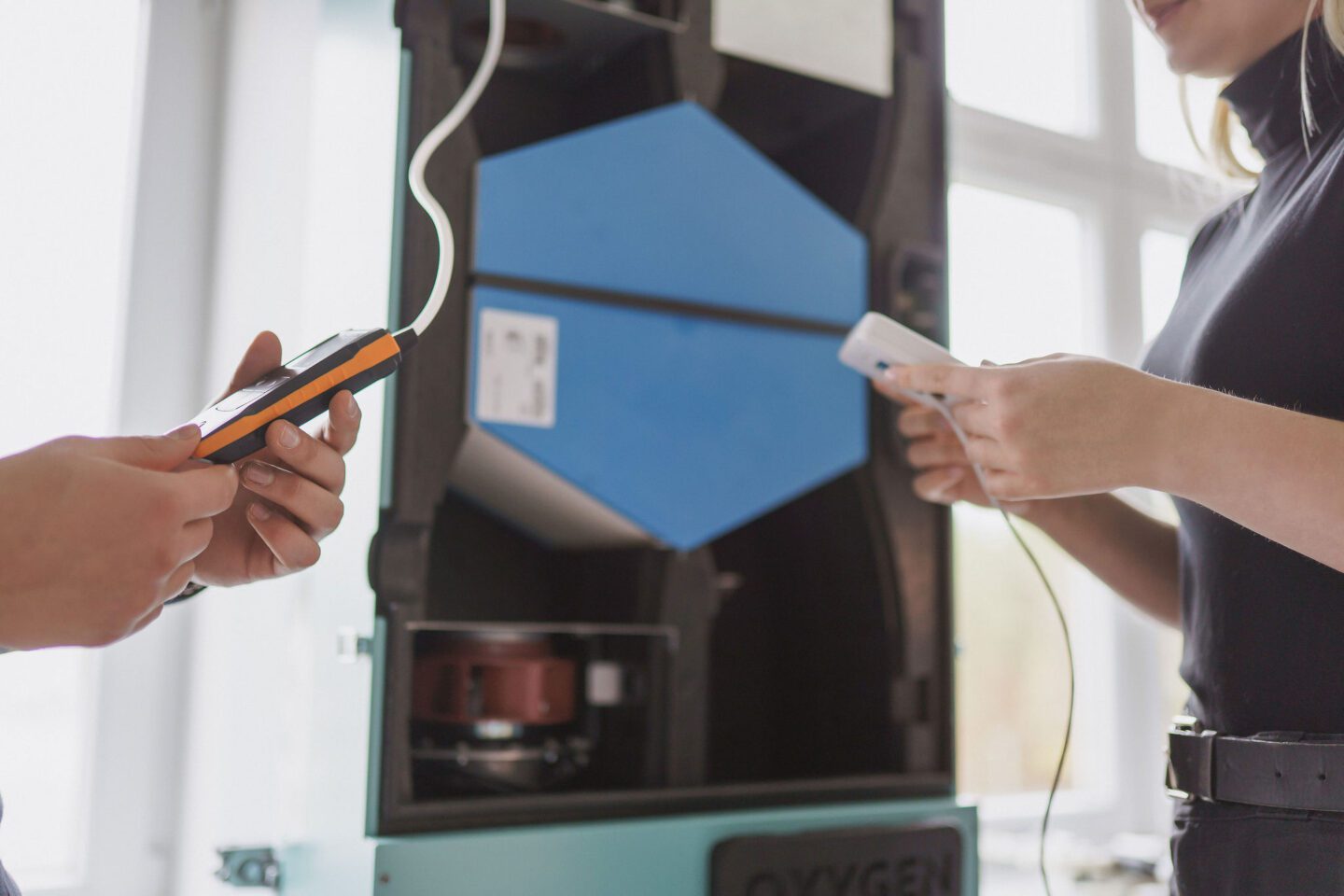
About the Department

Department Activity Areas
Geodesy and land surveying
- Establishment of geodetic networks using GPS
- Vertical geodetic network development
- Research on the Earth’s figure and gravitational field
- Research on geodynamic processes within the territory of Lithuania
- Study of deformations in engineering structures
Information and digital systems
- Mathematical processing of geodetic and photogrammetric data
- Development of geodetic networks, digital maps, and cadastral information systems
- Digital cartography
- Application of Geographic Information Systems (GIS)
Partners
Department of Geodesy and Cadastre maintains active cooperation with social and business partners.












Show more
Department Staff
The academic staff of the Department of Geodesy and Cadastre at the Faculty of Environmental Engineering are recognised geoinformatics specialists who actively contribute to scientific advancement and applied innovation, supporting the development of competencies for future geodesy, surveying, and real estate cadastre professionals.
Department Heads
- Department Heads
-
Prof. Dr. Jūratė Sužiedelytė VisockienėHead
-
Kazys PleskisHead of Laboratory(ies)
Show more
Thesis abstracts
Years
Qualification
Clear selections
Arijus Keras
— Prof Dr Jūratė Sužiedelytė Visockienė
Comparison of Open Source Photogrammetric Systems for Three-Dimensional Object Reconstruction
The aim of the thesis: To perform a comparison of open-source photogrammetric systems for 3D object reconstruction by processing drone images of the Saulėtekis territory. This bachelor thesis...
Comparison of Open Source Photogrammetric Systems for Three-Dimensional Object Reconstruction
Student:
Arijus Keras
Supervisor:
Prof Dr Jūratė Sužiedelytė Visockienė
Department:
Department of Geodesy and Cadastre
Thesis abstract (LT)
Baigiamojo darbo tikslas: Atlikti atvirojo kodo fotogrametrinių sistemų trimačių objektų rekonstrukcijai palyginimą apdorojant Saulėtekio teritorijos nuotraukas iš drono.
Baigiamajame bakalauro darbe analizuojamos atvirojo kodo fotogrametrinės sistemos Meshroom, COLMAP ir WebODM, skirtos 3D modelių kūrimui iš aerofotonuotraukų. Darbe nagrinėjami SfM ir MVS metodai, o praktinėje dalyje naudojant DJI Phantom 4 Pro dronu gautas nuotraukas ir GNSS Leica Viva GS14 imtuvu išmatuotus GCP taškus sugeneruoti teritorijos 3D modeliai ir taškų debesys. Atliktas modelių georeferencijavimas naudojant GCP taškus bei palyginti sistemų rezultatai pagal modelio kokybę, taškų debesų charakteristikas, darbo laiką ir georeferencijavimo tikslumą.
Išnagrinėjus teorinius ir praktinius fotogrametrinių sistemų aspektus, pateikiamos baigiamojo darbo išvados ir rekomendacijos.
Darbą sudaro keturios dalys: įvadas, šeši skyriai, išvados ir rekomendacijos, literatūros sąrašas.
Darbo apimtis – 53 p. teksto be priedų, 28 iliustr., 12 lent., 25 bibliografiniai šaltiniai.
Atskirai pridedami darbo priedai.
Thesis abstract (EN)
The aim of the thesis: To perform a comparison of open-source photogrammetric systems for 3D object reconstruction by processing drone images of the Saulėtekis territory.
This bachelor thesis analyzes the open-source photogrammetric systems Meshroom, COLMAP and WebODM, intended for the creation of 3D models from aerial photographs. The thesis examines SfM and MVS methods, while in the practical part, using photographs obtained with a DJI Phantom 4 Pro drone and GCP points measured with a GNSS Leica Viva GS14 receiver, 3D models and point clouds of the territory were generated. Model georeferencing using GCP points was performed, and the results of the systems were compared according to model quality, point cloud characteristics, processing time and georeferencing accuracy.
After examining the theoretical and practical aspects of photogrammetric systems, the conclusions and recommendations of the thesis are presented.
The bachelor work consists of four parts: introduction, six chapters, conclusions and recommendations, references.
The scope of work – 53 pages without appendices, 28 pictures, 12 tables, 25 bibliographical sources.
Appendices to the thesis are attached separately.
Austėja Aukščionytė
— Dr Eglė Tumelienė
Engineering Infrastructure Planning and Land Acquisition Procedures for Public Needs in the Rail Baltica Railway Project
In the final bachelor’s thesis, the measurements of land plots taken for public needs using the Stonex S599 GPNS receiver. Engineering infrastructure easements required for the implementation of...
Engineering Infrastructure Planning and Land Acquisition Procedures for Public Needs in the Rail Baltica Railway Project
Student:
Austėja Aukščionytė
Supervisor:
Dr Eglė Tumelienė
Department:
Department of Geodesy and Cadastre
Thesis abstract (LT)
Baigiamajame darbe atlikti žemės sklypų paimamų visuomenės poreikiams matavimai naudojant Stonex S599 GPNS imtuvą. Suprojektuoti inžinerinės infrastruktūros servitutai, reikalingi geležinkelio projekto įgyvendinimui, parengtos jų bylos ir paskaičiuotos kompensacijos žemės savininkams už patirtus nuostolius. Išnagrinėta įstatyminė bazė reglamentuojanti žemės paėmimą visuomenės poreikiams ir inžinerinės infrastruktūros planavimo tvarką ir eigą. Aprašomi darbų saugos klausimai bei ekonominiai skaičiavimai, pateiktos baigiamojo darbo išvados.
Darbą sudaro keturios dalys: įvadas, septyni skyriai, išvados, literatūros sąrašas.
Darbo apimtis – 55 p. teksto be priedų, 37 iliustr., 3 lent., 29 bibliografiniai šaltiniai.
Atskirai pridedami darbo priedai.
Thesis abstract (EN)
In the final bachelor’s thesis, the measurements of land plots taken for public needs using the Stonex S599 GPNS receiver. Engineering infrastructure easements required for the implementation of the railway project have been designed, their files have been prepared, and compensation for landowners for the losses incurred has been calculated. The legislative framework regulating land taking for public needs and the procedure and process of engineering infrastructure planning has been analyzed. Occupational safety issues and economic calculations are described, and the conclusions of the final work are presented.
The bachelor work consists of four parts: introduction, seven chapters and conclusions.
Thesis consists of: 55 pages text, 37 illustrations, 3 tables, 29 bibliographical sources.
Work attachments are included at the end of the work.
Eigirdas Skakunovas
— Assoc Prof Dr Darius Popovas
Analysis of Results Obtained Using 3D Lidar with a Drone: Accuracy, Comparisons with Other Geodetic Measurement Tools, Applicability
In this bachelor work, the area was surveyed using unmanned aerial vehicles equipped with a camera and a 3D LiDAR sensor, as well as a GPS device. The...
Analysis of Results Obtained Using 3D Lidar with a Drone: Accuracy, Comparisons with Other Geodetic Measurement Tools, Applicability
Student:
Eigirdas Skakunovas
Supervisor:
Assoc Prof Dr Darius Popovas
Department:
Department of Geodesy and Cadastre
Thesis abstract (LT)
Baigiamajame bakalauro darbe atlikti teritorijos matavimai naudojant bepiločius orlaivius su fotokamera ir 3D LiDAR jutikliu, GPNS prietaisą.
Tyrimo objektas – Gvazdikų sodų 1-oji g. 1 1,40 ha teritorijos plotas.
Skirtingų matavimo metodų duomenų apdorojimas. Nustatyta charakteringų taškų koordinačių skirtumai ir paskaičiuotos vidutinės kvadratinės paklaidos naudojant skirtingus matavimo metodus. Įvertintas skirtingų matavimo metodų taškų debesų tankis, tikslumas. Įvertintas reljefo atkūrimo tikslumas sudarant vertikalius pjūvius ir diagramas. 3D LiDAR matavimų technologijos naudojant bepilotį orlaivį pritaikomumas, privalumai, trukūmai.
Darbą sudaro 8 dalys: įvadas, 5 skyriai, išvados, literatūros sąrašas.
Darbo apimtis – 55 p. teksto be priedų, 34 iliustr., 12 lent., 24 literatūros šaltiniai. Darbo gale 1 priedas.
Thesis abstract (EN)
In this bachelor work, the area was surveyed using unmanned aerial vehicles equipped with a camera and a 3D LiDAR sensor, as well as a GPS device.
The study area is a 1.40-hectare plot located at 1 Gvazdikų sodų 1-oji St.
Data processing for different measurement methods. Differences in the coordinates of characteristic points were determined, and mean square errors were calculated using different measurement methods. The density and accuracy of point clouds from different measurement methods were evaluated. The accuracy of terrain reconstruction was assessed by creating vertical cross-sections and diagrams. The applicability, advantages, and disadvantages of 3D LiDAR measurement technology using an unmanned aerial vehicle.
The thesis consists of 8 parts: introduction, 5 chapters, conclusions, and a bibliography.
The thesis comprises 55 pages of text excluding appendices, 34 figures, 12 tables, and 24 references. There is 1 appendix at the end of the work.
Eitvydas Gulbinas
— Assoc Prof Dr Rūta Puzienė
Analysis of the Preparation of a Cadastral Survey File for a Land Plot with a Building
The aim of the work: to analyze the relevant legal acts and the preparation of a cadastral survey file for a land plot with a building, including the...
Analysis of the Preparation of a Cadastral Survey File for a Land Plot with a Building
Student:
Eitvydas Gulbinas
Supervisor:
Assoc Prof Dr Rūta Puzienė
Department:
Department of Geodesy and Cadastre
Thesis abstract (LT)
Darbo tikslas: išanalizuoti atitinkamus teisės aktus bei žemės sklypo su statiniu kadastrinių matavimų bylos sudarymą, įskaitant ir ekonominę darbo dalį bei darbų saugos reikalavimus.
Baigiamajame darbe atlikti žemės sklypo kadastriniai matavimai naudojant GNSS imtuvą. Matavimų metu nustatytos žemės sklypo ribos, statinių kertės ir žemės sklype esančios žemės naudmenos. Išnagrinėti teisės aktai reglamentuojantys žemės sklypo kadastrinius matavimus ir kadastro duomenų bylos sudarymą. Parengta kadastro duomenų byla žemės sklypui esančiame Mažeikių rajone, Tirkšlių seniūnijoje, ***** k., Sodų g. Sudaroma darbų sąmata atsižvelgiant į laiko sąnaudas, vykdytojų darbo užmokestį ir pridėtines išlaidas. Apžvelgiami darbų saugos reikalavimai ir pateikiamos baigiamojo darbo išvados.
Darbą sudaro: įvadas, keturi skyriai, išvados, literatūros sąrašas.
Darbo apimtis: 54 p teksto be priedų, 36 paveikslai, 5 lentelės, 19 literatūros šaltinių. Darbo gale – priedai.
Thesis abstract (EN)
The aim of the work: to analyze the relevant legal acts and the preparation of a cadastral survey file for a land plot with a building, including the economic part of the work and work safety requirements.
In the final bachelor’s work, cadastral measurements of the land plot were performed by using a GNSS receiver. During the measurements, the boundaries of the land plot, building points, and land use areas were determined. Legal acts regulating cadastral measurements of the land plot and the preparation of cadastral data files were analyzed. A cadastral data file was prepared for the land plot located in Mažeikiai district, Tirkšliai eldership, ***** village, Sodų str. A cost estimate for the works was prepared considering time expenditures, employee wages, and overhead costs. Work safety requirements are reviewed, and the conclusions of the final work are presented.
The work consists of introduction, four chapters, conclusions, and references.
Thesis consists of: 54 pages text, 36 pictures, 5 tables, 19 references. Work attachments are included at the end of the work.
Gabija Obuchovič
— Assoc Prof Dr Arminas Stanionis
Topographic Plan Legal Regulatory Updates and Mapping in Svencionys District Municipality
The final bachelor's thesis examines the updates of legal acts regulating the preparation of topographic plans and the practical creation of a topographic plan in Švenčionys District Municipality,...
Topographic Plan Legal Regulatory Updates and Mapping in Svencionys District Municipality
Student:
Gabija Obuchovič
Supervisor:
Assoc Prof Dr Arminas Stanionis
Department:
Department of Geodesy and Cadastre
Thesis abstract (LT)
Baigiamajame bakalauro darbe nagrinėjamos topografinių planų rengimą reglamentuojančių teisės aktų aktualijos bei praktinis topografinio plano sudarymas Švenčionių rajono savivaldybėje, Pabradės mieste. Atlikta išsami Lietuvos Respublikos geodezinę veiklą reglamentuojančių teisės aktų (įstatymų ir GKTR) analizė, identifikuojant pagrindinius reikalavimus. Praktinėje dalyje, naudojant šiuolaikinę geodezinę įrangą (Trimble TSC5 valdiklį, Spectra SP100 GNSS imtuvą, Trimble C3 tacheometrą) bei programinę įrangą (Trimble Access, GeoMap, TIIIS), atlikti 6,16 ha urbanizuotos teritorijos geodeziniai matavimai ir sudarytas topografinis planas masteliu 1:500. Atliktas ekonominis darbų vertinimas bei darbų saugos analizė. Išnagrinėjus teorinius ir praktinius topografinio plano rengimo aspektus, pateikiamos baigiamojo darbo išvados ir siūlymai.
Darbą sudaro 5 dalys: įvadas, teisės aktų ir technologijų apžvalga, topografinio plano sudarymas, ekonominis darbų vertinimas ir sąnaudų analizė, darbų sauga, išvados ir apibendrinimas, literatūros sąrašas.
Darbo apimtis – 62 p. teksto be priedų, 14 iliustr., 21 lent., 38 bibliografiniai šaltiniai.
Atskirai pridedami darbo priedai.
Thesis abstract (EN)
The final bachelor's thesis examines the updates of legal acts regulating the preparation of topographic plans and the practical creation of a topographic plan in Švenčionys District Municipality, Pabradė town. A comprehensive analysis of the legal acts (laws and GKTR) regulating geodetic activities in the Republic of Lithuania was performed, identifying the main requirements. In the practical part, using modern geodetic equipment (Trimble TSC5 controller, Spectra SP100 GNSS receiver, Trimble C3 tacheometer) and software (Trimble Access, GeoMap, TIIIS), geodetic measurements of a 6.16 ha urbanized territory were carried out and a topographic plan at a scale of 1:500 was prepared. An economic evaluation of the works and a work safety analysis were also performed. Having examined the theoretical and practical aspects of topographic plan preparation, the conclusions and recommendations of the final work are presented.
The work consists of 5 parts: introduction, review of legal acts and technologies, preparation of the topographic plan, economic evaluation and cost analysis, work safety, conclusions and summary, list of references.
The volume of the work – 62 pages of text without appendices, 14 illustrations, 21 tables, 38 bibliographic sources.
Appendices are attached separately.
Jokūbas Uleckas
— Dr Rosita Birvydienė
Evaluation of the Influence of Solar Activity on the Accuracy of GNSS Measurements
The main objective of the bachelor’s thesis is to determine and evaluate the influence of solar activity on the accuracy of GNSS measurements using observation data from the...
Evaluation of the Influence of Solar Activity on the Accuracy of GNSS Measurements
Student:
Jokūbas Uleckas
Supervisor:
Dr Rosita Birvydienė
Department:
Department of Geodesy and Cadastre
Thesis abstract (LT)
Baigiamojo darbo tikslas nustatyti ir įvertinti Saulės aktyvumo įtaką GNSS matavimų tikslumui, naudojant VGTU LitPOS referencinės stoties stebėjimų duomenis.
Baigiamajame bakalauro darbe nagrinėjama Saulės aktyvumo įtaka GNSS matavimų tikslumui. Darbe aptariami pagrindiniai veiksniai, lemiantys palydovinių matavimų tikslumą, bei analizuojama, kaip skirtingos geomagnetinės sąlygos gali paveikti matavimo rezultatus. Tyrimo metu apdorojami ir palyginami pasirinktų laikotarpių GNSS duomenys, vertinami jų nuokrypiai ir stabilumas. Apskaičiuojamos darbo laiko sąnaudos ir aprašoma darbų sauga. Išnagrinėjus teorinę medžiagą ir atlikus praktinį tyrimą, pateikiamos baigiamojo darbo išvados ir pasiūlymai.
Darbą sudaro 10 dalių: įvadas, septynios dalys, išvados ir pasiūlymai, literatūros sąrašas.
Darbo apimtis – 72 p. teksto be priedų, 39 iliustr., 12 lent., 42 bibliografiniai šaltiniai.
Atskirai pridedami darbo priedai.
Thesis abstract (EN)
The main objective of the bachelor’s thesis is to determine and evaluate the influence of solar activity on the accuracy of GNSS measurements using observation data from the VGTU LitPOS reference station.
This bachelor’s thesis examines the influence of solar activity on the accuracy of GNSS measurements. The work discusses the main factors affecting the accuracy of satellite measurements and analyses how different geomagnetic conditions may affect measurement results. During the research, GNSS data from selected periods are processed and compared, while their deviations and stability are evaluated. The work time costs are calculated, and occupational safety is described. After analysing the theoretical material and carrying out the practical research, the conclusions and recommendations of the final thesis are presented.
The thesis consists of 10 parts: introduction, seven main chapters, conclusions and recommendations, and bibliographic sources.
The scope of work – 72 pages, 39 pictures, 12 tables, 42 bibliographic sources.
Appendices to the thesis are attached separately.
Karolina Kažukauskienė
— Assoc Prof Dr Dominykas Šlikas
Practical Aspects of Applying the Law on Geodesy and Cartography in the Preparation and Coordination of Engineering and Topographic Plans within the TIIIS Information System
The aim of the thesis is to analyze the practical aspects of the application of the Law on Geodesy and Cartography and related legal acts in the preparation...
Practical Aspects of Applying the Law on Geodesy and Cartography in the Preparation and Coordination of Engineering and Topographic Plans within the TIIIS Information System
Student:
Karolina Kažukauskienė
Supervisor:
Assoc Prof Dr Dominykas Šlikas
Department:
Department of Geodesy and Cadastre
Thesis abstract (LT)
Baigiamojo darbo tikslas - išanalizuoti Geodezijos ir kartografijos įstatymo bei susijusių teisės aktų taikymo praktinius aspektus rengiant ir derinant inžinerinių tinklų planus bei topografinius planus TIIIS informacinėje sistemoje, nustatyti dažniausiai pasitaikančias problemas ir pasiūlyti galimus jų sprendimo būdus.
Baigiamajame darbe aptariami Geodezijos ir kartografijos įstatymo pagrindai. Analizuojami su planų rengimu susiję techniniai reglamentai bei jų taikymo skirtumai rengiant skirtingų tipų planus. Nagrinėjamos TIIIS sistemos funkcijos ir naudojimo praktika. Aptariamos dažniausiai pasitaikančios klaidos ir problemos derinant planus, konfliktinės situacijos tarp geodezininkų ir erdvinių duomenų tvarkytojų. Parengiama topografinių ir inžinerinių tinklų planų darbų sąmata. Aprašomi darbų saugos reikalavimai. Pateikiamos išvados ir pasiūlymai.
Darbą sudaro keturios dalys: įvadas, šeši skyriai, išvados ir pasiūlymai, literatūros sąrašas.
Darbo apimtis – 74 p. teksto be priedų, 47 paveikslėliai, 4 lentelės, 22 literatūros šaltiniai.
Thesis abstract (EN)
The aim of the thesis is to analyze the practical aspects of the application of the Law on Geodesy and Cartography and related legal acts in the preparation and coordination of engineering plans and topographic plans in the TIIIS information system, to identify the most common problems and to propose possible ways of solving them.
The thesis discusses the basics of the Law of Geodesy and Cartography. The technical regulations related to the preparation of plans and the differences in their application in the preparation of different types of plans are analyzed. The functions and usage practices of the TIIIS system are examined. The most common mistakes and problems when combining plans, conflict situations between surveyors and spatial data managers are discussed. An estimate of topographical and engineering network plan works is being prepared. Work safety requirements are described. Conclusions and suggestions are presented.
The work consists of four parts: introduction, six chapters, conclusions and suggestions, bibliography.
Scope of work – 74 pages, 47 pictures, 4 tables, 22 bibliographical sources.
Liutauras Gorys
— Dr Rosita Birvydienė
Features of Creating a Topographic Plan Using Different Measurement Technologies
In this bachelor’s thesis, topographic measurements of an agricultural land parcel and the structures located within it were carried out using different surveying instruments – a Trimble M3...
Features of Creating a Topographic Plan Using Different Measurement Technologies
Student:
Liutauras Gorys
Supervisor:
Dr Rosita Birvydienė
Department:
Department of Geodesy and Cadastre
Thesis abstract (LT)
Baigiamajame bakalauro darbe atlikti žemės ūkio paskirties žemės sklypo ir jame esančių statinių topografiniai matavimai naudojantis skirtingais matavimo prietaisais – Trimble M3 DR5’’ tacheometru ir a-Geo Matrix II GNSS imtuvu. Darbe aprašomos geodezinių prietaisų techninės charakteristikos ir naudojimosi ypatumai. Apžvelgta įstatyminė bazė, reglamentuojanti geodezinius matavimus, topografinio plano sudarymo reikalavimus. Ekonominių skaičiavimų dalyje įvertintos ir palygintos laiko sąnaudos atliekant darbus skirtingais prietaisais. Taip pat apžvelgti darbų saugos reikalavimai atliekant geodezinius darbus lauko ir vidaus sąlygomis.
Darbą sudaro 8 dalys: įvadas, penki skyriai, išvados, literatūros sąrašas.
Darbo apimtis – 64 p. teksto, 41 iliustr., 7 lent., 42 bibliografiniai šaltiniai.
Thesis abstract (EN)
In this bachelor’s thesis, topographic measurements of an agricultural land parcel and the structures located within it were carried out using different surveying instruments – a Trimble M3 DR5’’ total station and an a-Geo Matrix II GNSS receiver. The study describes the technical characteristics and operational features of the geodetic instruments used. The legal framework regulating geodetic measurements and the requirements for the preparation of topographic plans are also reviewed. In the economic analysis section, the time costs of performing the work using different instruments are evaluated and compared. In addition, occupational safety requirements applicable to geodetic surveying work in both outdoor and indoor conditions are examined.
The thesis consists of eight parts: an introduction, five chapters, conclusions, and a list of references. The volume of the thesis includes 64 pages of main text, 41 figures, 7 tables, and 42 bibliographic sources.
Lukas Kuzma
— Prof Dr Eimuntas Kazimieras Paršeliūnas
The Comparison of the GNSS Positioning Applying LitPOS Differential Corrections and Direct Corrections from Geostationary Satellites
The final bachelor's thesis examines the accuracy of GNSS position determination using LitPOS differential corrections and direct corrections from geostationary satellites (SBAS/EGNOS). The thesis reviews the principles of...
The Comparison of the GNSS Positioning Applying LitPOS Differential Corrections and Direct Corrections from Geostationary Satellites
Student:
Lukas Kuzma
Supervisor:
Prof Dr Eimuntas Kazimieras Paršeliūnas
Department:
Department of Geodesy and Cadastre
Thesis abstract (LT)
Baigiamajame bakalauro darbe nagrinėjamos GNSS pozicijos nustatymo tikslumas, taikant LitPOS diferencines pataisas ir tiesiogines pataisas iš geostacionariųjų palydovų (SBAS/EGNOS). Darbe apžvelgiami GNSS veikimo principai, tikslumo veiksniai, aktyvių geodezinių tinklų ir SBAS technologijos, atliekama LitPOS tinklo galimybių analizė, aprašomi Utenio stadione atlikti praktiniai matavimai ir jų rezultatų palyginimas.
Išnagrinėjus teorinius ir praktinius LitPOS RTK bei SBAS matavimų rezultatus nustatyta, kad LitPOS pataisos užtikrina didesnį planinės padėties tikslumą, o SBAS sprendiniai gali būti taikomi preliminariam pozicionavimui, kai nėra ryšio su antžeminiu pataisų tinklu, pateikiamos baigiamojo darbo išvados ir siūlymai.
Darbą sudaro įvadas, penki skyriai, išvados ir siūlymai, literatūros sąrašas.
Darbo apimtis – 66 p. teksto be priedų, 24 iliustr., 3 lent., 20 bibliografinių šaltinių.
Atskirai pridedami darbo priedai.
Thesis abstract (EN)
The final bachelor's thesis examines the accuracy of GNSS position determination using LitPOS differential corrections and direct corrections from geostationary satellites (SBAS/EGNOS). The thesis reviews the principles of GNSS operation, accuracy factors, active geodetic networks and SBAS technologies, analyzes the possibilities of the LitPOS network, describes practical measurements performed at the Utena stadium and compares their results.
After analyzing the theoretical and practical results of LitPOS RTK and SBAS measurements, it was determined that LitPOS corrections ensure greater accuracy of the planned position, and SBAS solutions can be applied for preliminary positioning when there is no connection to the ground correction network, and the conclusions and suggestions of the final thesis are presented.
The work consists of an introduction, five chapters, conclusions and suggestions, and a list of references.
The scope of the work is 66 pages of text without appendices, 24 illustrations, 3 tables, 20 bibliographical sources.
Work accessories are included separately.
Melisa Alpay
— Assoc Prof Dr Arminas Stanionis
Analysis of Cadastral Measurements and Formation of Real Estate Cadastral Data File of a Single-Family Residential House in Sirvintai District
In the final thesis, cadastral surveys of a single-family house in Širvintos district were performed using a laser distance meter. The main legal acts were analyzed and geodetic...
Analysis of Cadastral Measurements and Formation of Real Estate Cadastral Data File of a Single-Family Residential House in Sirvintai District
Student:
Melisa Alpay
Supervisor:
Assoc Prof Dr Arminas Stanionis
Department:
Department of Geodesy and Cadastre
Thesis abstract (LT)
Baigiamajame darbe atlikti vienbučio namo Širvintų rajone kadastriniai matavimai naudojant lazerinį tolimatį. Išanalizuoti pagrindiniai teisės aktai ir aprašyti geodeziniai prietaisai. Formos užpildytos remiantis surinktais vidaus patalpų bei išorinių sienų duomenimis. Naudojant ZWCAD programinę įrangą išbraižytas pastato planas, „Matininkas“ programine įranga suformuota nekilnojamojo daikto kadastrinių matavimų byla. Aprašyti darbų saugos reikalavimai ir atlikti ekonominiai skaičiavimai.
Darbą sudaro: įvadas, 7 skyriai, išvados, literatūros sąrašas.
Darbo apimtis: 55 p. su priedais,10 iliustracijų, 4 lentelės, 16 literatūros šaltinių.
Thesis abstract (EN)
In the final thesis, cadastral surveys of a single-family house in Širvintos district were performed using a laser distance meter. The main legal acts were analyzed and geodetic instruments were described. The forms were completed based on the collected data of indoor premises and external walls. The building plan was drawn using ZWCAD software, and the real estate cadastral survey file was formed using "Matininkas" software. Occupational safety requirements were described and economic calculations were performed.
The thesis consists of an introduction, 7 chapters, conclusions, and a list of references.
Thesis consists of 55 p. with attachments,10 illustrations, 4 tables, 16 literature sources