
- Faculty of Transport Engineering
- Faculty Departments
- Department of Automobile Engineering
Department of Automobile Engineering
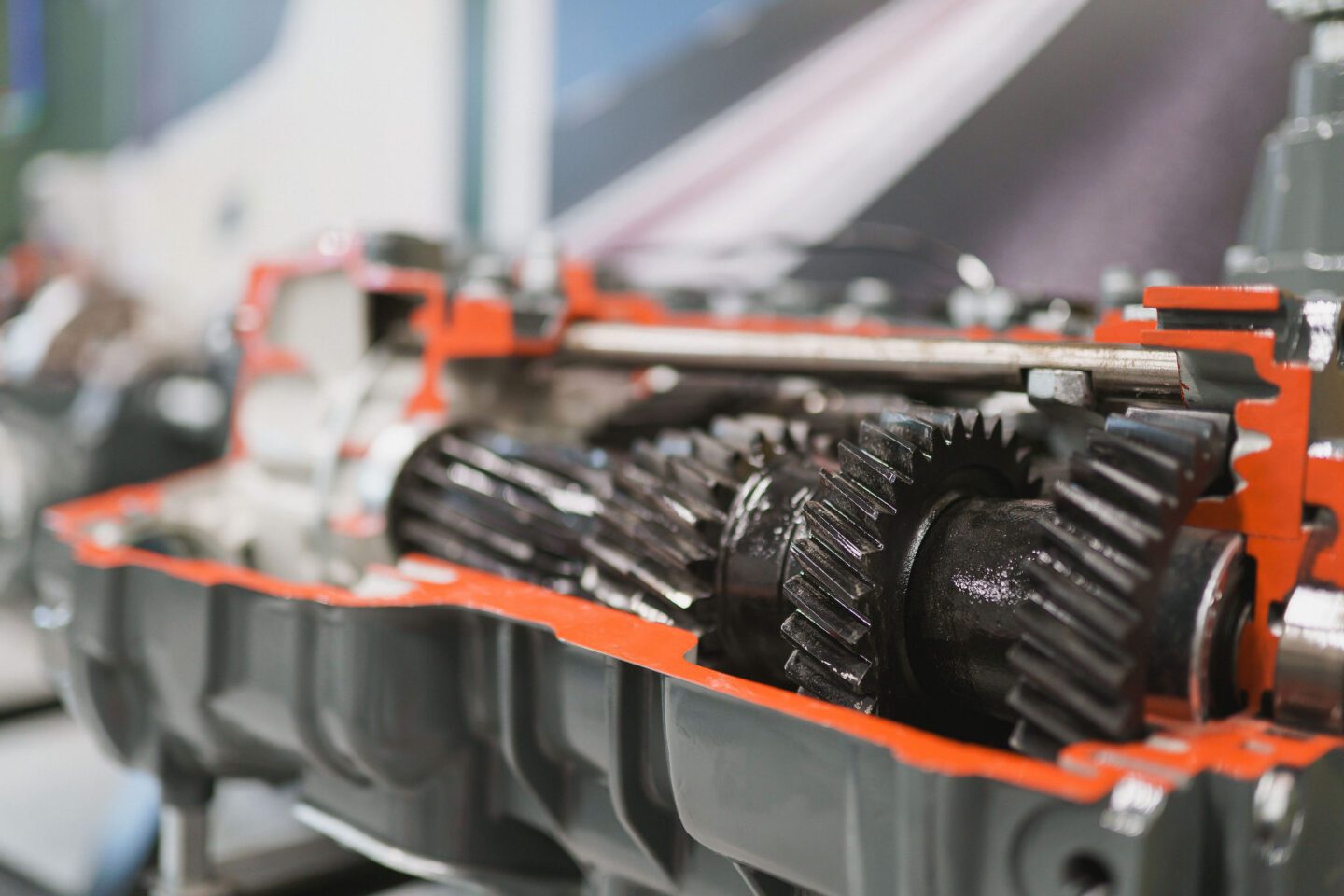
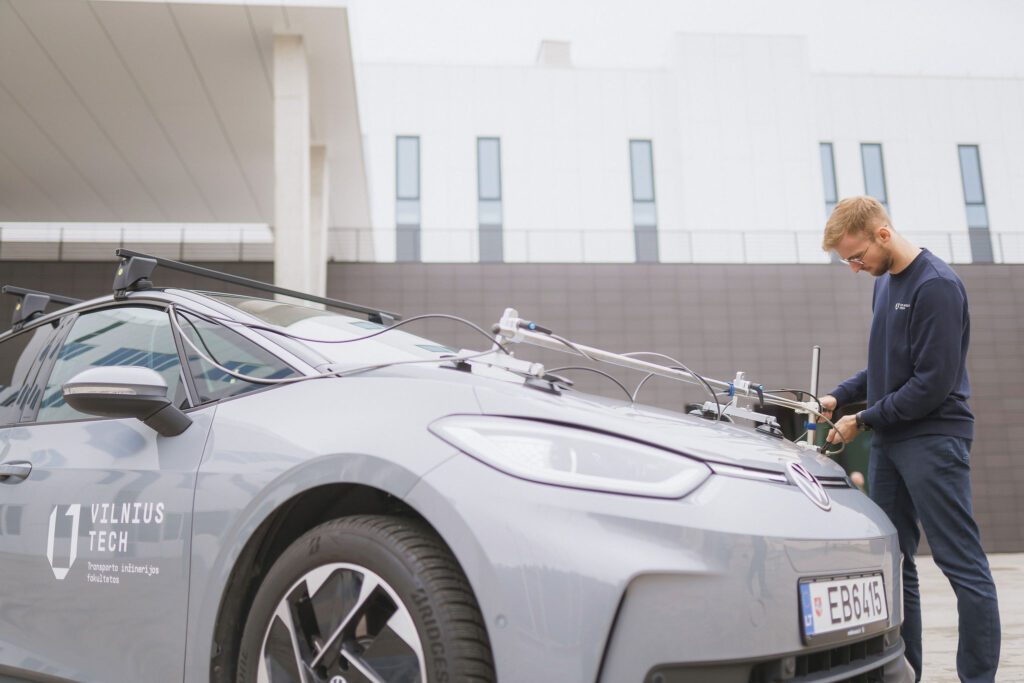
The department prepares automotive engineering specialists and conducts research in the fields of autonomous and conventional vehicles, electric motors, hybrid systems, road safety, and other engineering areas.
About the Department
Areas of Activity
Vehicle Dynamics
- To study the motion characteristics and stability of vehicles.
- To analyse the performance of chassis, drivetrain systems, and suspension.
- To develop more efficient and safer vehicle control solutions.
- To conduct experimental tests and simulation studies.
Alternative Energy in Transport Engineering
- To study alternative energy sources and their applications in transport.
- To evaluate the efficiency of electric, hybrid, and hydrogen-powered systems.
- To develop sustainable energy solutions to improve mobility.
- To participate in innovative energy projects.
Road Safety
- To analyse the causes of traffic accidents and risk factors.
- To develop and implement road safety measures and innovative solutions.
- To assess the safety condition of infrastructure and provide recommendations.
- To promote a road safety culture and public awareness.
Partners
The Department of Automotive Engineering actively collaborates with social and business partners.





















Show more
Department Staff
The staff of the Department of Automotive Engineering are transport engineering experts who help students acquire knowledge about vehicles, energy sources, road safety, and maintenance, and prepare them for careers in the transport and logistics sector.
Administration
- Administration
- Professors
- Associate Professors
- Lecturers
- Teaching Assistants
- Chief Research Fellows
- Senior Research Fellows
- Research Fellows
- Junior Research Fellows
-
Assoc Prof. Dr. Robertas PečeliūnasHead
-
Vilija PečeliūnienėAdministrator
-
Assoc Prof. Dr. Saugirdas PukalskasProfessor
-
Prof. Dr. Alfredas RimkusProfessor
-
Prof. Dr. Edgar SokolovskijProfessor
-
Assoc Prof. Dr. Vidas ŽuraulisProfessor
-
Albinas AleksiejūnasPartner Associate Professor
-
Assoc Prof. Dr. Giedrius GarbinčiusAssociate professor
-
Assoc Prof. Dr. Šarūnas MikaliūnasAssociate professor
-
Assoc Prof. Dr. Saulius NagurnasAssociate professor
-
Assoc Prof. Dr. Robertas PečeliūnasAssociate professor
-
Dr. Saulius StravinskasAssociate professor
-
Assoc Prof. Dr. Vytenis SurblysAssociate professor
-
Greta SerackienėLecturer
-
Dr. Tautvydas PravilonisAssistant
-
Dr. Vaidas VadlugaAssistant
-
Dr. Jurijus ZarankaAssistant
-
Assoc Prof. Dr. Saugirdas PukalskasChief Research Fellow
-
Prof. Dr. Alfredas RimkusChief Research Fellow
-
Prof. Dr. Edgar SokolovskijChief Research Fellow
-
Assoc Prof. Dr. Vidas ŽuraulisChief Research Fellow
-
Dr. Justas ŽaglinskisSenior Research Fellow
-
Assoc Prof. Dr. Romualdas JuknelevičiusResearch Fellow
-
Dr. Gabrielius MejerasResearch Fellow
-
Assoc Prof. Dr. Andrius UšinskasResearch Fellow
Show more
Thesis abstracts
Years
Qualification
Clear selections
Ainė Čusovaitė
— Assoc Prof Dr Robertas Pečeliūnas
Design of a four-wheel drive transmission system for a passenger car
In transport engineering, the transmission system is an essential part of a vehicle’s drivetrain, ensuring efficient transfer of engine torque to the driving wheels. This bachelor’s thesis presents...
Design of a four-wheel drive transmission system for a passenger car
Student:
Ainė Čusovaitė
Supervisor:
Assoc Prof Dr Robertas Pečeliūnas
Department:
Department of Automobile Engineering
Thesis abstract (LT)
Transporto inžinerijoje transmisijos sistema yra svarbi automobilio konstrukcijos dalis, užtikrinanti efektyvų variklio sukimo momento perdavimą varantiesiems ratams. Baigiamajame darbe projektuojama keturių varančiųjų ratų (4WD) transmisija lengvajam automobiliui „VW Golf 7“ su 1,4 TSI varikliu, išvystančiu 250 Nm maksimalų sukimo momentą. Darbe analizuojami 2WD ir 4WD transmisijų konstrukciniai sprendimai, jų privalumai, trūkumai bei tinkamumas skirtingoms eksploatacijos sąlygoms. Remiantis atlikta analize, pasirinkta 4WD transmisijos konstrukcija, leidžianti pagerinti automobilio pravažumą, traukos savybes ir važiavimo stabilumą. Projektinėje darbo dalyje atliktas pavarų dėžės ir pagrindinės pavaros projektavimas, apskaičiuoti pagrindiniai geometriniai parametrai, parinkti krumpliaračių moduliai, velenų skersmenys bei guoliai. Taip pat atlikti krumpliaračių, velenų ir guolių stiprumo bei ilgaamžiškumo skaičiavimai, įvertintos kontaktinio ir lenkimo nuovargio apkrovos bei dinaminių poveikių įtaka transmisijos elementams. Projektuojant transmisiją parinktas 34CrNiMo6 plienas krumpliaračiams, užtikrinantis pakankamą atsparumą nuovargiui. Nustatyta, kad projektuojamos transmisijos elementai atitinka stiprumo ir patikimumo reikalavimus daugumoje darbo režimų. Priimtas pavarų dėžės tarpašinis atstumas – 71 mm, krumpliaračių plotis – 36 mm, o apskaičiuoti pavarų perdavimo skaičiai siekia nuo 3,76 pirmoje pavaroje iki 0,79 penktoje pavaroje. Suprojektuota transmisija atitinka keliamus techninius ir eksploatacinius reikalavimus bei gali būti naudojama kaip pagrindas tolimesniam konstrukcijos tobulinimui.
Thesis abstract (EN)
In transport engineering, the transmission system is an essential part of a vehicle’s drivetrain, ensuring efficient transfer of engine torque to the driving wheels. This bachelor’s thesis presents the design of a four-wheel-drive (4WD) transmission system for a VW Golf 7 passenger car equipped with a 1.4 TSI engine developing a maximum torque of 250 Nm. The thesis analyzes the structural solutions of 2WD and 4WD transmission systems, their advantages, disadvantages, and suitability for different operating conditions. Based on the performed analysis, a 4WD transmission system was selected to improve vehicle traction, off-road capability, and driving stability. The practical part of the thesis includes the design of the gearbox and final drive, calculation of the main geometric parameters, and selection of gear modules, shaft diameters, and bearings. Strength and durability calculations of the gears, shafts, and bearings were also performed, including an evaluation of contact and bending fatigue loads as well as the influence of dynamic effects on the transmission components. During the design process, 34CrNiMo6 steel was selected for the gears to ensure sufficient fatigue resistance. The results showed that the designed transmission components meet the required strength and reliability criteria under most operating conditions. The selected gearbox center distance is 71 mm, the gear width is 36 mm, and the calculated gear ratios range from 3.76 in first gear to 0.79 in fifth gear. The designed transmission system satisfies the technical and operational requirements and can serve as a basis for further design development.
Ainius Šimonis
— Assoc Prof Dr Giedrius Garbinčius
Improving the process and equipment of agricultural machinery maintenance and repair to achieve sustainable and efficient operations
The final bachelor's thesis presents the design of an agricultural machinery maintenance and repair service focused on sustainable and efficient operations. A technological calculation of the service was...
Improving the process and equipment of agricultural machinery maintenance and repair to achieve sustainable and efficient operations
Student:
Ainius Šimonis
Supervisor:
Assoc Prof Dr Giedrius Garbinčius
Department:
Department of Automobile Engineering
Thesis abstract (LT)
Baigiamajame bakalauro darbe projektuojamas žemės ūkio technikos techninės priežiūros ir remonto servisas, orientuotas į tvarią ir efektyvią veiklą. Atliktas serviso technologinis skaičiavimas, kurio pagrindu nustatyti pagrindiniai rodikliai: darbo postų kiekis, darbuotojų skaičius bei reikalingas patalpų plotas. Suprojektuotas nestandartinis įrenginys – tiltinis kranas su standartiniu 4 tonų telferiu, skirtas žemės ūkio technikos agregatų ir mazgų kėlimo bei perkėlimo darbams. Atlikti labiausiai apkrautų krano elementų atsparumo ir standumo skaičiavimai, parinktos tinkamos medžiagos bei pagrindiniai konstrukciniai ir mechaniniai elementai jo gamybai. Apžvelgti darbų saugos reikalavimai bei parinktos darbo saugos priemonės. Išanalizuoti aplinkosaugos reikalavimai ir parinkti sprendimai, užtikrinantys tvarų serviso veikimą. Remiantis skaičiavimų rezultatais sudaryti serviso generalinis ir technologinis planai, tiltinio krano bendro vaizdo bei detalių brėžiniai. Pateiktos išvados. Darbą sudaro šios dalys: įvadas, techninis-ekonominis projekto pagrindimas, technologinis žemės ūkio serviso skaičiavimas, nestandartinio įrenginio projektavimas, darbų sauga, aplinkos apsauga, išvados, grafinė dalis, literatūros sąrašas, priedai. Darbo apimtis – 61 p. teksto be priedų, 3 pav., 12 lent., 24 bibliografiniai šaltiniai, grafinė dalis - 4 A1 formato brėžiniai. Priedai pateikiami atskirai.
Thesis abstract (EN)
The final bachelor's thesis presents the design of an agricultural machinery maintenance and repair service focused on sustainable and efficient operations. A technological calculation of the service was carried out, on the basis of which the main indicators were determined: the number of workstations, the number of employees, and the required floor area. A non-standard device was designed – an overhead crane with a standard 4-ton hoist, intended for lifting and transferring agricultural machinery units and assemblies. Strength and stiffness calculations were performed for the most heavily loaded crane elements, and suitable materials as well as the main structural and mechanical components for its manufacture were selected. Occupational safety requirements were reviewed and appropriate safety measures were selected. Environmental protection requirements were analysed and solutions ensuring sustainable service operation were selected. Based on the calculation results, the general and technological plans of the service, as well as the general arrangement and detail drawings of the overhead crane, were prepared. Conclusions are presented. The thesis consists of the following parts: introduction, technical-economic justification of the project, technological calculation of the agricultural machinery service, design of the non-standard device, occupational safety, environmental protection, conclusions, graphic part, list of references, and appendices. The thesis consists of 61 pages of text excluding appendices, 3 figures, 12 tables, 24 bibliographic sources, and a graphic part containing 4 drawings in A1 format. The appendices are provided separately.
Aivaras Zalieckas
— Assoc Prof Dr Saulius Nagurnas
Modified transmission of a BMW (E92) sports car
The final bachelor's thesis presents the design of a final drive for a BMW (E92) sports car with a quick-change gear ratio system, intended for professional drifting competitions....
Modified transmission of a BMW (E92) sports car
Student:
Aivaras Zalieckas
Supervisor:
Assoc Prof Dr Saulius Nagurnas
Department:
Department of Automobile Engineering
Thesis abstract (LT)
Baigiamajame bakalauro darbe yra projektuojama sportinio automobilio BMW (E92) pagrindinė pavara su greitai keičiamu perdavimo santykiu, skirta profesionalioms šonaslydžio varžyboms, leidžianti operatyviai pritaikyti automobilio dinamines savybes skirtingoms trasų sąlygoms.
Projektuojant atlikti pagrindinės pavaros perdavimo skaičiaus, cilindrinių ir kūginių krumplinių perdavų, velenų bei guolių projektiniai skaičiavimai. Parinktos reduktoriaus elementų medžiagos, įvertintas jų stiprumas ir ilgaamžiškumas. Taip pat apskaičiuotos automobilio traukos charakteristikos, greitis ir įsibėgėjimo pagreitis esant skirtingiems pagrindinės pavaros perdavimo santykiams.
Darbą sudaro: įvadas, bendroji dalis, prototipo apžvalga, projektiniai reduktoriaus skaičiavimai, automobilio dinaminių charakteristikų įvertinimas, išvados, literatūros sąrašas.
Darbo apimtis – 51 p., be priedų, 10 pav., 24 lent., 12 literatūros šaltinių. Grafinė dalis – 4 A1 formato brėžiniai. Atskirai pridedami priedai.
Thesis abstract (EN)
The final bachelor's thesis presents the design of a final drive for a BMW (E92) sports car with a quick-change gear ratio system, intended for professional drifting competitions. The system enables rapid adaptation of the vehicle's dynamic characteristics to different track conditions.
During the design process, calculations were performed for the final drive ratio, cylindrical and bevel gear, shafts, and bearings. Suitable materials for the differential components were selected, and their strength and durability were evaluated. In addition, the vehicle's traction characteristics, speed, and acceleration were calculated for different final drive ratios.
The thesis consists of: an introduction, a general section, a prototype review, differential design calculations, an evaluation of the vehicle's dynamic characteristics, conclusions, and a list of references.
The thesis comprises 51 pages excluding appendices, 10 figures, 24 tables, and 12 references. The graphical part consists of four A1-format technical drawings. Appendices are attached separately.
Albertas Šarinskas
— Assoc Prof Dr Robertas Pečeliūnas
Monitoring study of particulate matter emissions of M3 class vehicles operated in urban conditions
This Master's thesis investigates the monitoring of particulate matter emissions from M3 class vehicles operating under urban conditions and the dependence of these emissions on operational parameters. The...
Monitoring study of particulate matter emissions of M3 class vehicles operated in urban conditions
Student:
Albertas Šarinskas
Supervisor:
Assoc Prof Dr Robertas Pečeliūnas
Department:
Department of Automobile Engineering
Thesis abstract (LT)
Baigiamajame magistro darbe nagrinėjama M3 klasės transporto priemonių, eksploatuojamų miesto sąlygomis, kietųjų dalelių emisijų stebėsena ir jų priklausomybė nuo eksploatacinių parametrų. Darbo aktualumą lemia didėjanti urbanizacija ir transporto srautai, kurie prisideda prie oro kokybės blogėjimo bei kelia grėsmę visuomenės sveikatai ir aplinkai. Kietosios dalelės laikomos vienu pavojingiausių oro taršos komponentų, todėl jų emisijų mažinimas yra svarbus šiuolaikinės transporto ir aplinkosaugos politikos tikslas. Darbo tikslas – eksperimentinių tyrimų ir statistinio modeliavimo pagrindu įvertinti M3 klasės transporto priemonių kietųjų dalelių emisijų dėsningumus realiomis eksploatacijos sąlygomis ir nustatyti jų priklausomybę nuo ridos bei transporto priemonės konfigūracijos. Tyrimo metu atlikti kietųjų dalelių koncentracijos matavimai skirtingais variklio darbo režimais, analizuota transporto priemonių ridos ir eksploatacijos sąlygų įtaka emisijoms, taikyti statistinės analizės metodai (koreliacijos ir regresijos analizė). Gauti rezultatai leidžia identifikuoti pagrindinius veiksnius, lemiančius kietųjų dalelių emisijas miesto transporto sistemoje bei pateikti rekomendacijas viešojo transporto ekologinei situacijai gerinti. Darbas turi praktinę reikšmę transporto inžinerijos ir aplinkosaugos srityse, nes prisideda prie efektyvesnio transporto parko valdymo ir oro taršos mažinimo sprendimų kūrimo.
Darbą sudaro: įvadas, literatūros šaltinių apžvalga, eksperimentinių tyrimų metodika, tiriamoji dalis, išvados ir literatūros sąrašas.
Darbo apimtis – 92 puslapiai, 19 paveikslų, 2 lentelės, 51 literatūros šaltiniai.
Thesis abstract (EN)
This Master's thesis investigates the monitoring of particulate matter emissions from M3 class vehicles operating under urban conditions and the dependence of these emissions on operational parameters. The relevance of the study is determined by increasing urbanization and growing traffic flows, which contribute to the deterioration of air quality and pose significant risks to public health and the environment. Particulate matter is considered one of the most hazardous components of air pollution; therefore, the reduction of its emissions has become an important objective of contemporary transport and environmental policy.
The aim of the thesis is to evaluate the patterns of particulate matter emissions from M3 class vehicles under real operating conditions and to determine their dependence on vehicle mileage and vehicle configuration through experimental research and statistical modeling. During the study, particulate matter concentration measurements were carried out under different engine operating modes, while the influence of vehicle mileage and operating conditions on emissions was analyzed. Statistical analysis methods, including correlation and regression analysis, were applied to assess the obtained data.
The results of the study make it possible to identify the main factors influencing particulate matter emissions within the urban transport system and to provide recommendations for improving the environmental performance of public transportation. The thesis has practical significance in the fields of transport engineering and environmental protection, as it contributes to the development of more efficient fleet management strategies and solutions aimed at reducing air pollution.
The thesis consists of an introduction, a review of the scientific literature, a methodology of experimental research, a research and analysis section, conclusions, and a list of references.
The thesis comprises 92 pages, 19 figures, 2 tables, and 51 references.
Arūnas Reiteris
— Dr Saulius Stravinskas
Prototype of an electric kart
Electric drive systems are becoming increasingly relevant in the development of lightweight, economical and less polluting vehicles. This final thesis presents the design of an electric go-kart prototype...
Prototype of an electric kart
Student:
Arūnas Reiteris
Supervisor:
Dr Saulius Stravinskas
Department:
Department of Automobile Engineering
Thesis abstract (LT)
Elektrinių pavarų sistemos tampa vis aktualesnės kuriant lengvas, ekonomiškas ir mažiau taršias transporto priemones. Baigiamajame darbe projektuojamas elektrinio kartingo prototipas, parenkant pagrindinius elektrinės pavaros ir konstrukcinius komponentus bei įvertinant jų tinkamumą numatytoms apkrovoms. Darbe išanalizuoti kartingų konstrukciniai sprendimai, parinkti elektros variklis, valdiklis ir akumuliatorių baterija.
Taip pat atlikti rėmo, galinės ašies, variklio laikiklio, akumuliatoriaus tvirtinimo lakšto ir pagrindinės pavaros perdavimo skaičiaus skaičiavimai. Nustatyta, kad parinkta elektrinės pavaros sistema neviršija numatytų 60 V įtampos ir 23 kW galios ribų, o pagrindinių konstrukcinių elementų įtempiai neviršija pasirinktų medžiagų leistinų reikšmių. Parinktas pagrindinės pavaros perdavimo skaičius yra 2,73, o teorinis maksimalus kartingo greitis siekia apie 90,38 km/h. Suprojektuotas elektrinio kartingo prototipas atitinka keliamus techninius reikalavimus ir gali būti naudojamas kaip pagrindas tolimesniam konstrukcijos tobulinimui.
Thesis abstract (EN)
Electric drive systems are becoming increasingly relevant in the development of lightweight, economical and less polluting vehicles. This final thesis presents the design of an electric go-kart prototype by selecting the main electric drive and structural components and evaluating their suitability for the intended loads. The structural solutions of go-karts are analysed, and the electric motor, controller and battery pack are selected.
Calculations are also performed for the frame, rear axle, motor bracket, battery mounting plate and the transmission ratio of the main drive. It was determined that the selected electric drive system does not exceed the specified limits of 60 V and 23 kW, while the stresses in the main structural elements do not exceed the allowable values of the selected materials. The selected main drive transmission ratio is 2.73, and the theoretical maximum speed of the go-kart is approximately 90.38 km/h. The designed electric go-kart prototype meets the required technical requirements and can be used as a basis for further improvement of the structure.
Deimantas Žvinklys
— Assoc Prof Dr Saulius Nagurnas
L6e class quad automobile transmission
This bachelor graduation thesis presents the design of the transmission system of the L6e category light quadricycle “Aixam”, with the aim of improving it and making it more...
L6e class quad automobile transmission
Student:
Deimantas Žvinklys
Supervisor:
Assoc Prof Dr Saulius Nagurnas
Department:
Department of Automobile Engineering
Thesis abstract (LT)
Baigiamajame bakalauro darbe atliekamas L6e klasės lengvojo keturračio ,,Aixam“ transmisijos projektavimas, siekiant patobulinti ją ir padaryti tvaresne aplinkai. Aptariami prototipai, egzistuojančios panašios transmisijos.
Atliekami variatoriaus-sankabos bei pavarų dėžės – reduktoriaus teoriniai skaičiavimai, siekiant pagerinti jų stiprumines savybes. Papildomai atliekamos stipruminės variatoriaus sankabos skriemulio ir krumpliaračių simuliacijos – įlinkio, atsargos koeficiento, ,,Solidworks“ paketo aplinkoje. Remiantis gautais rezultatais siekiama pateikti galimas išeitis transmisijos tvarumui padidinti.
Darbą sudaro 6 dalys: įvadas, projektuojamo prototipo apžvalga, modernizuojamos transmisijos skaičiavimai, variatoriaus sankabos tobulinimas, projektuojamų detalių modeliavimas, literatūros sąrašas.
Grafinėje darbo dalyje pateikiamas bendro vaizdo brėžinys, variatoriaus-sankabos surinkimo brėžinys, pavarų dėžės - reduktoriaus surinkimo brėžinys ir atskirtų projektuojamų detalių darbo brėžiniai.
Darbo apimtis – 53 p. teksto be priedų, 23 iliustracijų, 17 lentelių, 18 bibliografinių šaltinių.
Atskirai pridedami darbo priedai.
Thesis abstract (EN)
This bachelor graduation thesis presents the design of the transmission system of the L6e category light quadricycle “Aixam”, with the aim of improving it and making it more environmentally sustainable. Prototypes and existing similar transmission systems are discussed.
Theoretical calculations of the CVT clutch/variator assembly and the gearbox-reducer are carried out in order to improve their strength characteristics. In addition, strength simulations of the CVT clutch/variator pulley and gears are performed in the SolidWorks environment, including deflection and factor of safety analyses. Based on the obtained results, possible solutions for increasing the sustainability of the transmission system are proposed.
The thesis consists of 6 parts: introduction, overview of the designed prototype, calculations of the modernized transmission, improvement of the variator, modelling of the designed components, and list of references.
The graphical part of the thesis includes a general assembly drawing, a CVT clutch/variator assembly drawing, a gearbox-reducer assembly drawing, drawings of the individual designed parts.
Thesis consists of - 53 p. text without appendixes, 23 pictures, 17 tables, and 18 bibliographical sources.
Appendices are attached separately.
Dominykas Juška
— Assoc Prof Dr Robertas Pečeliūnas
Design of an O2SE class trailer caravan
This bachelor’s thesis presents the design of an O2SE class trailer caravan intended for tourist trips. The thesis reviews the structural solutions of O2 class trailer caravans and...
Design of an O2SE class trailer caravan
Student:
Dominykas Juška
Supervisor:
Assoc Prof Dr Robertas Pečeliūnas
Department:
Department of Automobile Engineering
Thesis abstract (LT)
Baigiamajame bakalauro darbe projektuojamas O2SE klasės priekabinis namelis, skirtas turistinėms išvykoms. Darbe apžvelgiami O2 klasės priekabinių namelių konstrukciniai sprendimai ir analizuojami šiai transporto priemonių kategorijai taikomi techniniai bei norminiai reikalavimai, susiję su mase, matmenimis, apšvietimu, stabdžių sistema, sukabinimo įtaisu ir saugia eksploatacija. Projektuojant priekabinį namelį parenkama plieninė rėmo konstrukcija, torsioninė pakaba ir pagrindiniai važiuoklės sprendiniai. Atliekami rėmo stiprumo, pakabos elementų ir statinio stovumo skaičiavimai, įvertinamas masės pasiskirstymas, sukabinimo apkrova, ribinis skersinio virtimo kampas, kritinis virtimo bei slydimo greitis. Pagal atliktus skaičiavimus nustatyta, kad pasirinkti konstrukciniai sprendiniai yra tinkami projektuojamai priekabai, jeigu išlaikomas numatytas masės pasiskirstymas, naudojami tinkamos laikomosios galios važiuoklės elementai ir neviršijama O2 kategorijai leidžiama 3,5 t bendroji masė. Darbo apimtis – 55 p. teksto be priedų. Grafinė dalis – 4 A1 formato brėžiniai.
Thesis abstract (EN)
This bachelor’s thesis presents the design of an O2SE class trailer caravan intended for tourist trips. The thesis reviews the structural solutions of O2 class trailer caravans and analyses the technical and regulatory requirements applied to this vehicle category, including mass, dimensions, lighting equipment, braking system, coupling device, and safe operation. During the design process, a steel frame structure, torsion suspension, and main running gear solutions are selected. Frame strength, suspension element, and static stability calculations are performed. Mass distribution, coupling load, limiting lateral overturning angle, critical overturning speed, and critical sliding speed are evaluated. Based on the calculations, the selected structural solutions are considered suitable for the designed trailer caravan, provided that the intended mass distribution is maintained, running gear components with sufficient load capacity are used, and the maximum permissible laden mass of 3.5 t for the O2 category is not exceeded. The scope of the thesis is 55 pages of text excluding appendices. The graphical part consists of 4 A1-format drawings.
Dominykas Sosnovskis
— Dr Jurijus Zaranka
Development of a roadside assistance vehicle (M3CUSQ) on the basis of an M3CA vehicle
The bachelor's thesis focuses on the development of a roadside assistance vehicle M3CUSQ based on an M3CA vehicle. The objective of the project is to adapt a DAF...
Development of a roadside assistance vehicle (M3CUSQ) on the basis of an M3CA vehicle
Student:
Dominykas Sosnovskis
Supervisor:
Dr Jurijus Zaranka
Department:
Department of Automobile Engineering
Thesis abstract (LT)
Baigiamajame bakalauro darbe projektuojamas techninės pagalbos automobilis M3CUSQ klasės transporto priemonės M3CA bazėje. Darbo tikslas – pritaikyti keleivinį autobusą DAF MB200 techninės pagalbos darbams, skirtiems autobusų ir troleibusų gedimų šalinimui bei vilkimui. Teorinėje dalyje išanalizuoti konstrukciniai analogai, apžvelgti perdirbimą reglamentuojantys teisės aktai ir pagrįstas rėminės konstrukcijos pasirinkimas. Numatytas salono įrangos demontavimas bei vidaus erdvės pritaikymas techninės pagalbos funkcijoms. Projektinėje dalyje atlikti pagrindinių konstrukcinių elementų skaičiavimai. Apskaičiuota elektrinės kėlimo gervės apkrova, suprojektuota S355 plieno tvirtinimo plokštė, parinkti varžtai ir plieninis lynas. Taip pat atlikti stogo skersinės sijos stipruminiai skaičiavimai, įvertintas papildomos įrangos masių pasiskirstymas, ašinės apkrovos bei transporto priemonės stabilumas. Darbe aprašyti taikomi darbų saugos reikalavimai. Pabaigoje pateikiamos išvados ir literatūros sąrašas. Darbo apimtis - 58 psl. be priedų, 15 iliustracijų, 4 lentelės, 30 šaltinių, 4 A1 formato brėžiniai.
Thesis abstract (EN)
The bachelor's thesis focuses on the development of a roadside assistance vehicle M3CUSQ based on an M3CA vehicle. The objective of the project is to adapt a DAF MB200 passenger bus for roadside assistance operations dedicated to troubleshooting and towing of buses and trolleybuses. In the theoretical part, structural analogues are analyzed, legal regulations governing vehicle modification are reviewed, and the choice of a framed structure is substantiated. Passenger cabin equipment decommissioning as well as interior space adaptation for roadside assistance functions are outlined. In the engineering design section, calculations for the main structural elements were performed. The electric winch load was calculated, an S355 steel mounting plate was designed, alongside the selection of bolts and a steel wire rope. Additionally, strength calculations for the roof crossbeam were carried out and the mass distribution of additional equipment was assessed; furthermore, axle loads and vehicle stability were evaluated. The thesis describes the applicable occupational safety requirements. It concludes with conclusions and references. Thesis volume - 58 pages of text without appendices, 15 illustrations, 4 tables, 30 bibliographical sources, 4 A1 format drawings.
Donatas Jarmalavičius
— Assoc Prof Dr Giedrius Garbinčius
Developing a heavy vehicle maintenance and repair process and equipment for sustainable operations
This bachelor’s thesis proposes the design of a heavy-duty vehicle maintenance and repair service center focused on the efficient organization of technological processes and sustainable operations. A technological...
Developing a heavy vehicle maintenance and repair process and equipment for sustainable operations
Student:
Donatas Jarmalavičius
Supervisor:
Assoc Prof Dr Giedrius Garbinčius
Department:
Department of Automobile Engineering
Thesis abstract (LT)
Baigiamajame bakalauro darbe projektuojamas sunkiojo transporto techninės priežiūros ir remonto servisas, orientuotas į efektyvų technologinių procesų organizavimą bei tvarią veiklą. Atliktas serviso technologinis skaičiavimas, apskaičiuota metinė darbų apimtis, nustatytas darbo postų, darbuotojų bei automobilių saugojimo vietų skaičius, apskaičiuoti reikalingi gamybinių ir pagalbinių patalpų plotai. Suprojektuotas nestandartinis duobinis pneumohidraulinis keltuvas sunkiojo transporto remonto darbams atlikti. Atlikti labiausiai apkrautų keltuvo konstrukcinių elementų stiprumo ir atsparumo skaičiavimai, parinktos tinkamos konstrukcinės medžiagos. Apžvelgti darbo saugos reikalavimai bei parinktos darbuotojų apsaugos priemonės. Išanalizuoti aplinkosaugos reikalavimai ir numatyti sprendimai, užtikrinantys tvarų serviso veikimą. Remiantis atliktų skaičiavimų rezultatais sudaryti serviso generalinis ir technologinis planai, duobinio pneumohidraulinio keltuvo surinkimo bei detalių brėžiniai. Pateiktos išvados. Darbą sudaro 9 dalys: įvadas, techninis projekto pagrindimas, serviso technologiniai skaičiavimai, pneumohidraulinio keltuvo projektavimas, aplinkos apsauga, darbo sauga, išvados, literatūros sąrašas ir priedai. Darbo apimtis – 68 p. teksto be priedų, 4 iliustr., 2 lent., 28 bibliografiniai šaltiniai. Atskirai pateikiami darbo priedai.
Thesis abstract (EN)
This bachelor’s thesis proposes the design of a heavy-duty vehicle maintenance and repair service center focused on the efficient organization of technological processes and sustainable operations. A technological assessment of the service was conducted, the annual workload was calculated, the number of workstations, employees, and vehicle storage spaces was determined, and the required areas for production and auxiliary facilities were calculated. A custom-designed pit-type pneumatic-hydraulic lift was engineered for heavy-duty vehicle repair work. Strength and resistance calculations were performed for the lift’s most heavily loaded structural elements, and appropriate construction materials were selected. Occupational safety requirements were reviewed, and employee safety measures were selected. Environmental protection requirements were analyzed, and solutions were proposed to ensure the sustainable operation of the service center. Based on the results of the calculations, the general and technological plans for the service center, as well as assembly and detail drawings of the pit-type pneumohydraulic lift, were prepared. Conclusions are presented. The thesis consists of 9 parts: introduction, technical justification of the project, technological calculations for the service center, design of the pneumatic-hydraulic lift, environmental protection, occupational safety, conclusions, bibliography, and appendices. The thesis comprises 68 pages of text excluding appendices, 4 illustrations, 2 tables, and 28 bibliographic sources. The appendices are provided separately.
Donatas Pakutka
— Assoc Prof Dr Saulius Nagurnas
Research of reliability of marine auxiliary engines
The final master's thesis examines the reliability of ship auxiliary engines using mathematical statistical methods. Scientific sources that analyze the reliability parameters of ship engines and their structural...
Research of reliability of marine auxiliary engines
Student:
Donatas Pakutka
Supervisor:
Assoc Prof Dr Saulius Nagurnas
Department:
Department of Automobile Engineering
Thesis abstract (LT)
Baigiamajame magistro darbe nagrinėjamas laivų pagalbinių variklių patikimumas taikant matematinės statistikos metodus. Analizuojami moksliniai šaltiniai, kuriuose nagrinėjami laivų variklių ir jų konstrukcinių elementų patikimumo parametrai. Pateikiama patikimumo duomenų registravimo ir analizės metodika. Eksperimentiniai duomenys surinkti iš specializuoto kabeliams tiesti skirto laivo – registruotos variklio darbo valandos ir gedimų atsiradimas trijose pagrindinėse sistemose: tepimo, aušinimo ir degalų. Duomenys apdoroti pagal Veibulo pasiskirstymo dėsnį. Nustatyti pagrindiniai pagalbinių variklių patikimumo rodikliai: gedimo tikimybė, negendamumo tikimybė, gedimų intensyvumas bei vidutinis resursas iki gedimo.
Darbą sudaro: įvadas, mokslinių straipsnių apžvalga, laivų pagalbinių variklių patikimumo analizės sudarymo metodika, laivų pagalbinių variklių elementų patikimumo statistiniai modeliai, išvados ir literatūros sąrašas.
Darbo apimtis – 53 p. teksto, be priedų, 21 paveikslas, 10 lentelių, 30 bibliografinių šaltinių. Atskirai pridedami darbo priedai.
Thesis abstract (EN)
The final master's thesis examines the reliability of ship auxiliary engines using mathematical statistical methods. Scientific sources that analyze the reliability parameters of ship engines and their structural elements are analyzed. The methodology for recording and analyzing reliability data is presented. Experimental data were collected from a specialized cable-laying vessel - registered engine operating hours and the occurrence of failures in three main systems: lubrication, cooling and fuel. The data were processed according to the Weibull distribution law. The main reliability indicators of auxiliary engines were determined: probability of failure, probability of failure-free, failure intensity and average resource before failure.
The work consists of: introduction, review of scientific articles, methodology for compiling reliability analysis of ship auxiliary engines, statistical models of reliability of ship auxiliary engine elements, conclusions and references.
The volume of the work - 53 p. of text, without appendices, 21 figures, 10 tables, 30 bibliographical sources. Appendices are included separately.