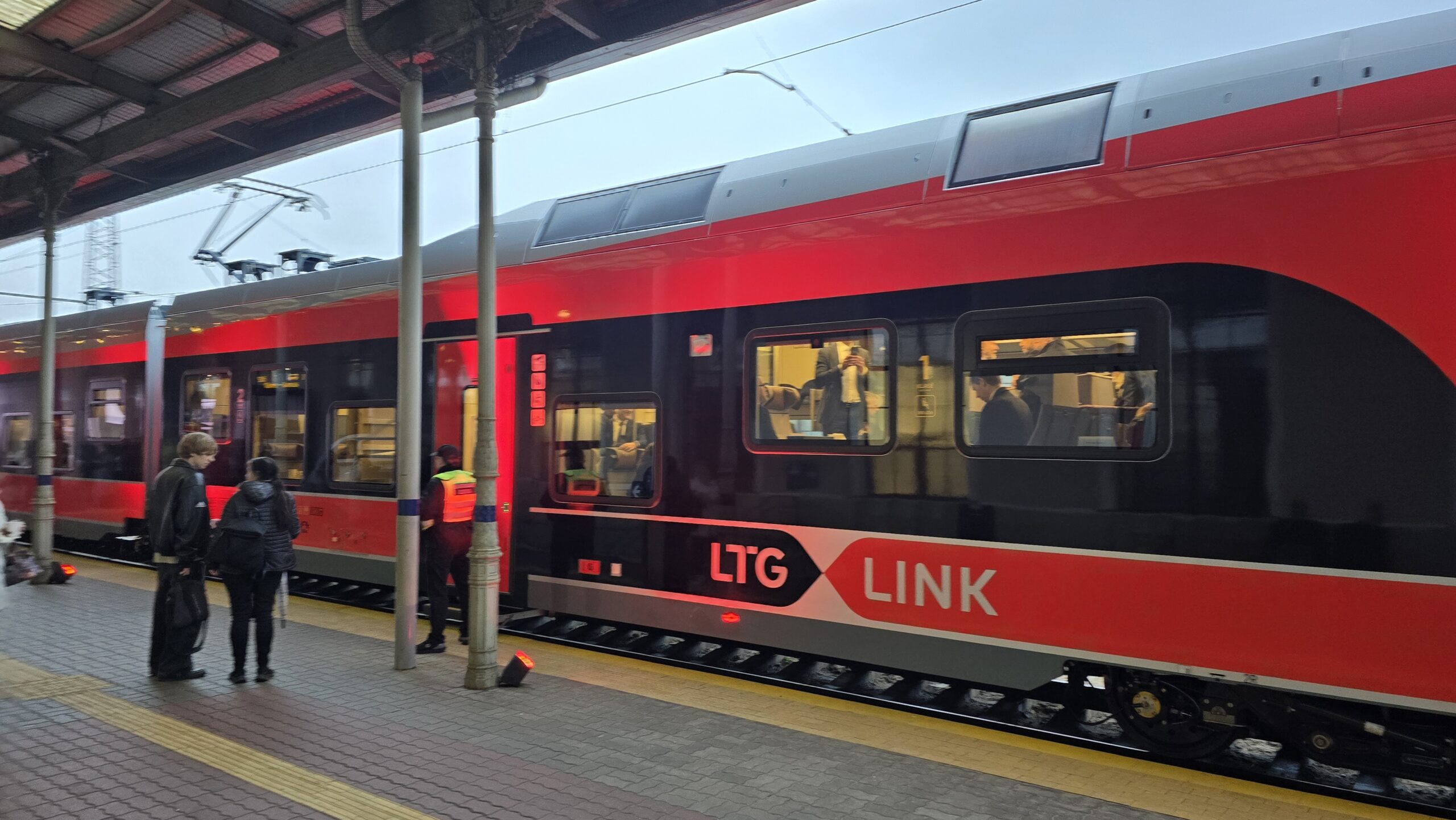
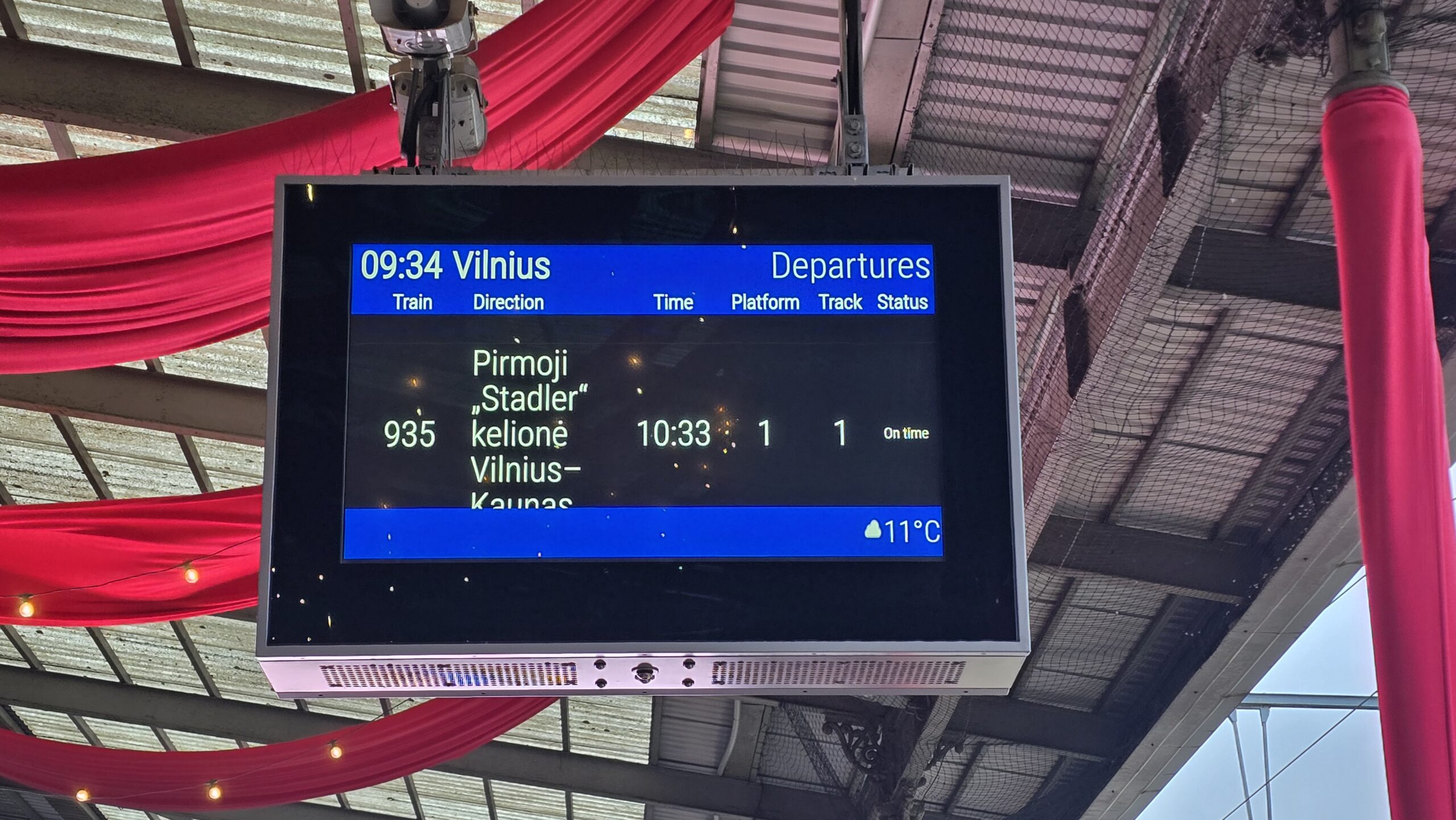
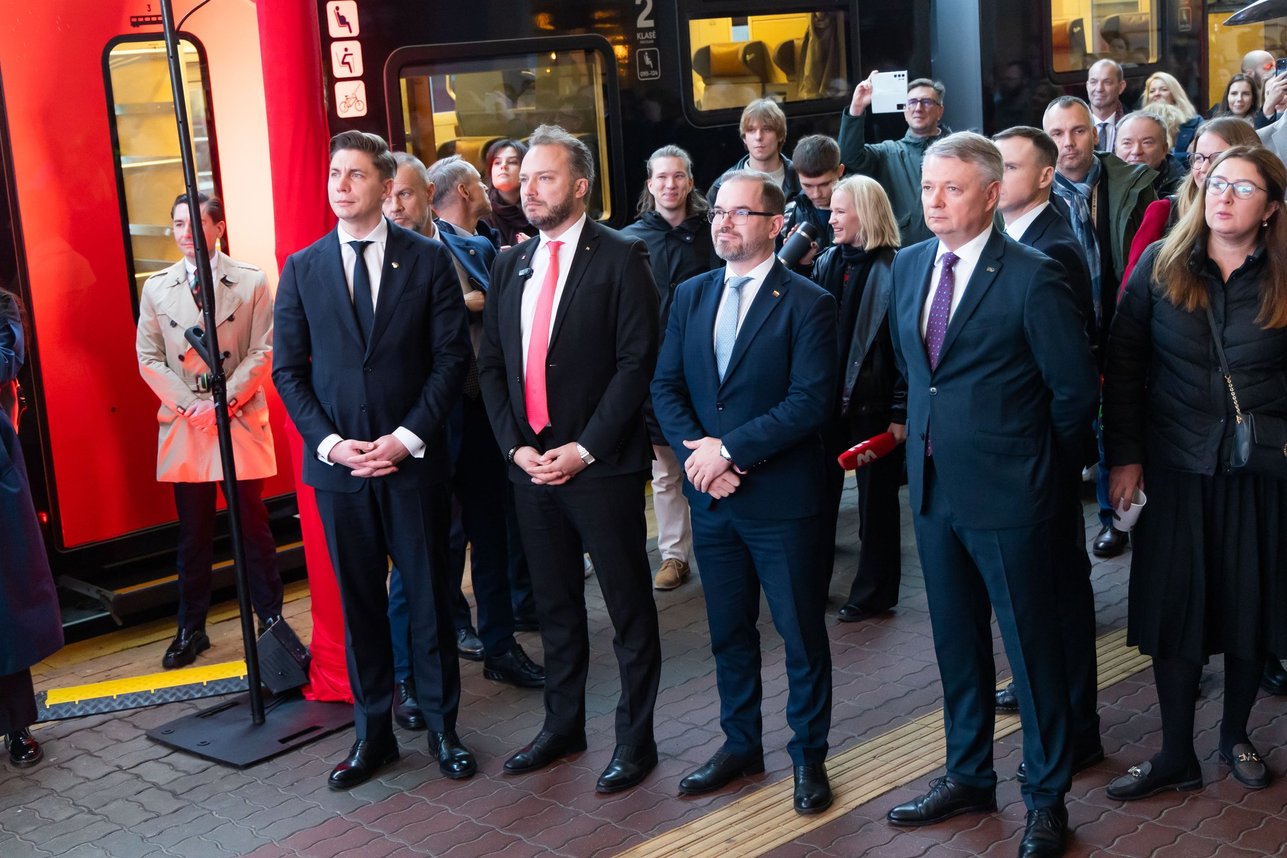
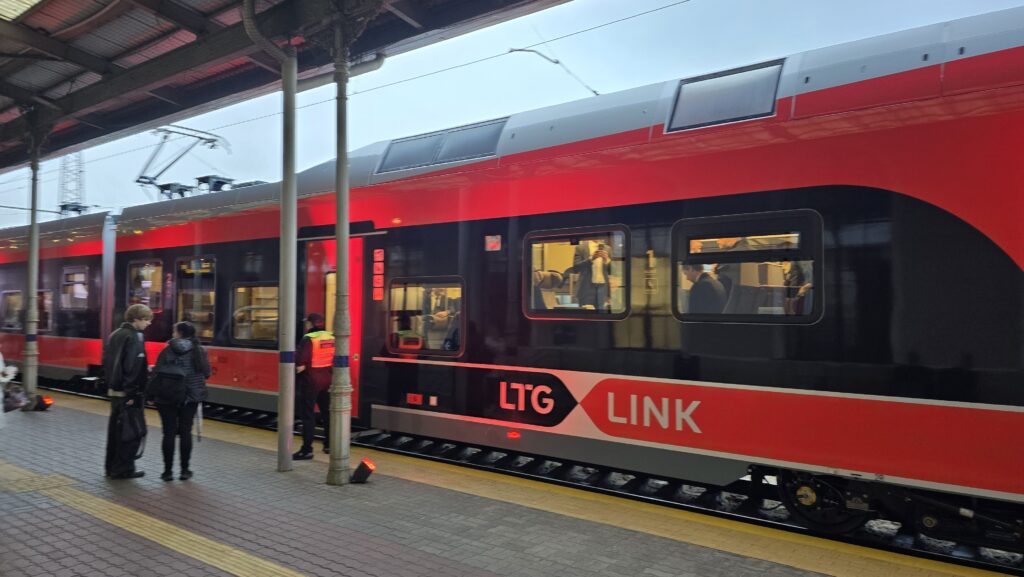
The new electric “Stadler FLIRT” train has already launched regular services on Lithuanian railways. On October 22, the first train made its debut on the Vilnius–Kaunas–Vilnius route. This is not merely the introduction of a new vehicle—it marks the beginning of a significant renewal of the passenger train fleet, the benefits of which will gradually be felt by more and more residents of Lithuania.
However, does a new train necessarily mean we will travel faster? Will ticket prices drop and delays decrease? Will the modernization benefit only the residents of major cities, or the regions as well?
According to researchers from the Department of Mobile Machinery and Railway Transport at VILNIUS TECH, the most significant change is not just higher speed or more modern equipment. It is an opportunity to travel more comfortably, make more efficient use of railway infrastructure, reduce operating costs, and systematically build a modern Lithuanian railway system. Nonetheless, the actual benefit will depend on how well the trains, the infrastructure, and passenger needs are harmonized.
A Faster Train Does Not Yet Mean a Shorter Journey
One of the first questions passengers ask is whether the new trains will get them to other cities faster. Technically, the potential is there. For instance, the PESA 730ML diesel trains previously used on the Vilnius–Klaipėda route have a maximum design speed of 140 km/h, while the new electric “Stadler FLIRT” trains reach 160 km/h.
However, it is crucial to understand that maximum train speed and actual travel duration are not the same thing. Even if capable of traveling at 160 km/h, the train cannot maintain that speed along the entire route. Factors influencing this include railway infrastructure, speed limits on specific sections, the number of stops, traffic density, and scheduling.
“If the infrastructure allowed a speed of 160 km/h along the entire 300-kilometer route, the journey could theoretically be shortened by about 16 minutes purely due to the higher top speed. Taking into account the superior acceleration of electric trains, a simplified model shows the difference could reach approximately 18 minutes. However, this is not a forecast for an actual scheduled run—real-world results depend on many other circumstances,” explains Laurynas Meilus, a PhD student at the VILNIUS TECH Department of Mobile Machinery and Railway Transport.
Electric trains offer another distinct advantage: faster acceleration. This is particularly crucial on routes with multiple intermediate stops. In other words, the superiority of electric traction is demonstrated not only at high speeds, but also during frequent braking and restarting.
Nevertheless, according to Assoc. Prof. Dr. Gediminas Vaičiūnas from the same department, evaluating travel speed requires considering the layout of the railway itself. For example, the Vilnius–Klaipėda railway winds through Radviliškis, Šiauliai, and Plungė, making its length and route different from the more direct highway.
“We often want trains to run faster and faster, but we forget that technical capability is not the only factor. We must decide what role a specific route serves: is it intended to connect major cities as quickly as possible, or must it also provide connectivity for smaller settlements? If a train stops every 40–50 kilometers, 160 km/h is a rational choice. If we want express connectivity, we must also consider fewer stops,” says Assoc. Prof. Dr. G. Vaičiūnas.
Therefore, the benefits of the new trains should not be judged by journey time alone. Reliability is just as essential. Newer technology, modern control systems, and early fault detection capabilities create the prerequisites for minimizing technical malfunctions.
Do New Trains Mean Cheaper Tickets?
While electric traction can help the operator cut costs, this does not automatically translate into immediately lower ticket prices for passengers. Fares are influenced not only by energy and maintenance costs, but also by passenger traffic, train occupancy, trip frequency, discount schemes, and state funding decisions.
Scientific research indicates that maintaining electric trains can be significantly more cost-effective. In a 2025 study titled “Economical Comparison of Passenger Rail Traction Rolling Stock Alternatives” by L. Meilus and co-authors, the maintenance and repair costs per passenger seat per 100 kilometers under analyzed conditions were found to average €0.197 for electric trains, €0.434 for battery trains, and €0.498 for diesel trains.
Thus, maintenance costs for electric trains were approximately 60% lower than those for diesel trains. This is primarily due to the simpler design of electric traction drives, fewer mechanically wearing parts, and the absence of many routine maintenance tasks inherent to internal combustion engines.
“When assessing the economic viability of rolling stock, it is vital to calculate not just the purchase price, but the entire life-cycle cost—energy, maintenance, repairs, and service life. A more expensive vehicle upfront can often be economically advantageous in the long run because it costs less to maintain,” the doctoral researcher highlights.
According to data released by “LTG Link,” the operating costs of the new electric and battery trains can be up to 25% lower than those of diesel units. The carrier has also confirmed that traveling on the new trains will incur no extra charges—regular ticket pricing for the chosen route will apply.
Assoc. Prof. Dr. G. Vaičiūnas also points out that the advantages of electrification extend beyond passenger transport. The electrified Vilnius–Klaipėda section is critical for freight traffic, especially for trains heading to the Port of Klaipėda.

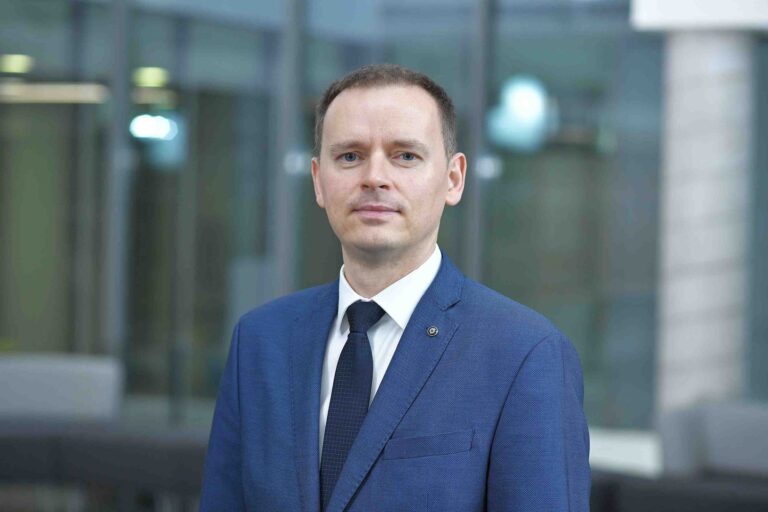
Assoc. Prof. Dr. Gediminas Vaičiūnas
“Electric traction is exceptionally beneficial for hauling heavy freight trains weighing thousands of tons. In these scenarios, energy can be utilized far more efficiently, reducing reliance on diesel. The benefits of electrification should therefore be viewed in the context of the entire transport and logistics network, not merely by the number of passenger services,” he notes.
Regional Areas Should Also Benefit from Modernization
While high-profile intercity routes often capture the headlines, a core mission of railway modernization is enhancing connectivity across regional areas.
Battery-electric multiple units (BEMUs) will play a pivotal role here. They draw power from the overhead contact line on electrified sections and switch to onboard battery reserves where catenary is absent. This enables zero-emission electric travel on non-electrified routes without requiring massive infrastructure investments across the entire line.
Battery trains are scheduled to operate on the Kaunas–Šiauliai, Radviliškis–Klaipėda, and Vilnius–Varėna–Marcinkonys routes. This opens the door to modernized rail travel in corridors previously dominated by diesel power.
Another vital shift involves the redeployment of rolling stock. As the new trains take over services on main lines, the relatively modern PESA trains previously assigned to those routes can replace older rolling stock elsewhere, such as on the Vilnius–Turmantas line.
Still, Assoc. Prof. Dr. G. Vaičiūnas notes an ongoing dilemma: should trains run as fast as possible, or stop more frequently in smaller towns?
“The railway network must serve more than just metropolitan hubs. For someone living in a region, shaving a few minutes off the total trip time is often secondary to having a dependable, convenient schedule to reach work, schools, or medical facilities. One practical approach is combining faster express trains with more frequent regional stopping services. Naturally, this requires adequate passenger demand and well-synchronized timetables,” the researcher remarks.
A More Comfortable Journey – Not Just Speed
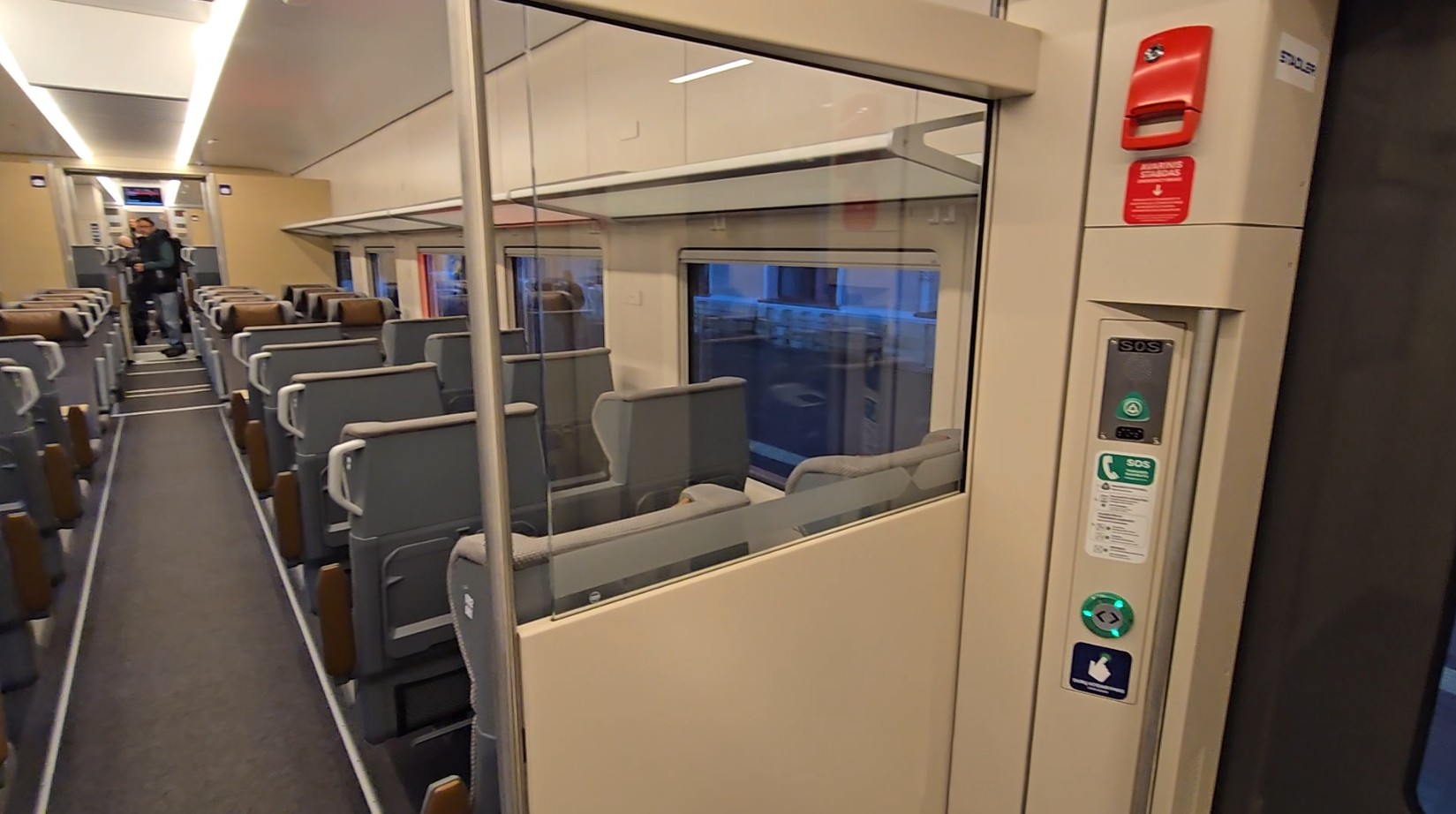
One of the most immediate upgrades passengers will notice is travel comfort. The new “Stadler FLIRT” trains were designed around diverse passenger needs: they offer more spacious layouts, ergonomic seating, onboard device charging points, a bistro area, and dedicated bicycle spaces.
Crucially, the interiors accommodate passengers with reduced mobility, seniors, families with strollers, and travelers with bulky luggage. Low-floor entrances, wider aisles, and integrated spaces for wheelchairs foster greater independence and comfort during transit.
For cycling enthusiasts, bicycle capacity can be flexibly adjusted from four up to 30 spaces depending on seasonality and passenger demand. This caters not only to daily commuters but also to cycle tourists and active travelers.
Quieter electric propulsion is another distinct advantage. Because electric trains lack internal combustion engines, interior noise and vibrations are drastically reduced.
Moreover, electric traction reduces local air pollution, as trains running on electric power emit no diesel exhaust. The overall environmental footprint will depend on how sustainably the supplied electricity is generated.
New Trains: An Opportunity to Transform Maintenance Culture
A train’s operational reliability is shaped by more than just manufacturing quality; how it is maintained and whether faults can be intercepted before causing disruptions is equally important.
Modern rolling stock comes equipped with onboard diagnostic systems that continuously monitor components, log operating metrics, and track deviations. This lays the groundwork for predictive maintenance—servicing or replacing parts based on their actual wear and condition rather than rigid, pre-set time intervals.
“A brand-new fleet gives us the opportunity to apply advanced maintenance methodologies from day one. Condition-based servicing optimizes maintenance planning, maximizes resource utilization, and catches issues early. However, such a system requires not only modern hardware, but also qualified specialists, data analytics, and a properly organized maintenance workflow,” explains PhD student L. Meilus.

Laurynas Meilus
Conversely, the overall resilience of the railway network depends on retaining strategic alternatives. Assoc. Prof. Dr. Gediminas Vaičiūnas suggests considering whether a portion of the existing diesel fleet should be preserved as a strategic reserve against potential power outages or emergency scenarios.
However, mothballing old trains is not enough on its own—they must be regularly operated, maintained, and backed by suitable maintenance facilities and technicians. Otherwise, they may prove unserviceable when an emergency strikes.
The Real Transformation Will Depend on the Entire Railway System
The debut of electric and battery trains represents a major leap forward, but it is not the final chapter in the modernization of Lithuania’s railways.
Higher travel speeds in the future will depend heavily on wider infrastructure upgrades, and the “Rail Baltica” project will introduce entirely new possibilities for European standard-gauge high-speed passenger travel, with design speeds up to 249 km/h. However, operating at those speeds requires purpose-built high-speed rolling stock; the current “Stadler FLIRT” units are not designed to leverage that infrastructure’s full speed limit.
“We should not assume that every train unable to reach 250 or 300 km/h is technologically outdated. A train’s operating speed must match its service purpose, station stop frequency, passenger demand, and track infrastructure capabilities. The priority is to build a harmonized network where every train serves a defined role—some providing swift express links between major hubs, others facilitating accessible regional mobility,” emphasizes Assoc. Prof. Dr. Gediminas Vaičiūnas.
According to the researchers, the new trains are already poised to offer passengers a more modern, comfortable, and inclusive travel experience. Over time, these benefits will be augmented by lower operating expenses, higher technical reliability, and expanded electric rail coverage.
Ultimately, the true success of railway modernization will not be judged by the top speeds shown on paper, but by how many people can reach their destinations comfortably, reliably, and affordably.
Text prepared by Assoc. Prof. Dr. Kamilė Taujanskaitė, Vice-Dean for Communication at the VILNIUS TECH Faculty of Transport Engineering.
Galerija