
- Faculty of Civil Engineering
- Faculty Departments
- Department of Steel and Composite Structures
Department of Steel and Composite Structures
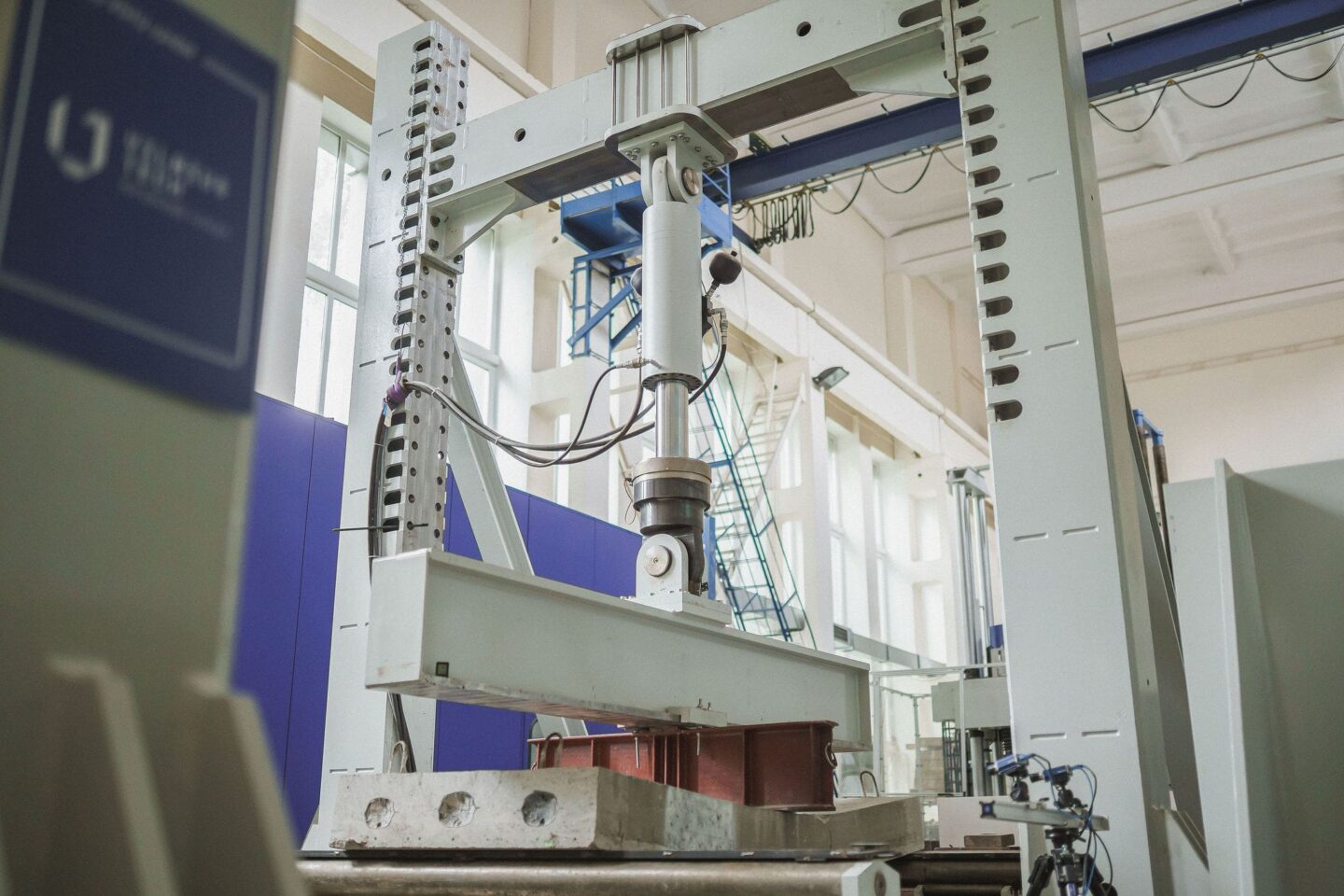
The Department is a leading research centre in Lithuania for steel, timber, and composite structures, carrying out advanced research and training civil engineering specialists.
About the Department
Department History
1922 m.
The Department of Bridges was established at Kaunas University, where courses were taught that laid the foundations of the current Department of Steel and Composite Structures.
1922-1950 m.
Subjects related to steel and other structural systems were taught at Vytautas Magnus University and Kaunas State University.
1950–1969 m.
Teaching of structural engineering continued at the Vilnius Branch of the Kaunas Polytechnic Institute.
1969 m.
Following the establishment of the Vilnius Civil Engineering Institute (VISI), now VILNIUS TECH, the Department of Special Structures was created. Prof Dr Anatolijus Rozenbliumas was invited to serve as its first head.
1973 m.
The Department was renamed the Department of Steel Structures.
The department was headed by:
Assoc Prof Algirdas Valentinavičius,
later Assoc Prof K. Šapalas,
Assoc Prof V. Vaitkevičius,
and Assoc Prof J. Juozaitis.
2001–2010 m.
The University’s study programmes and modules were improved and updated. A specialisation in Light Modern Structures was introduced within the Master’s programme “Structural Engineering” (approved in 2008).
2008 m. ir vėliau
The core study modules were substantially updated for the programmes Building Materials and Products, Civil Engineering, Urban Engineering, Energy and Transport Infrastructure Engineering, Real Estate Management, and Fire Safety Engineering.
The Department also prepared updated modules for the Master’s and doctoral programmes in Civil Engineering.
2008–2021 m.
The Department was headed by Prof A. Šapalas.
2017 m.
A reorganisation of departments was carried out at the University. Part of the Department of Bridges was merged with the Department of Steel and Timber Structures. The department was renamed the Department of Steel and Composite Structures.
2021 m. – dabar
The Department is headed by Prof Dr Alfonsas Daniūnas.
1922 m.
1922-1950 m.
1950–1969 m.
1969 m.
1973 m.
2001–2010 m.
2008 m. ir vėliau
2008–2021 m.
2017 m.
2021 m. – dabar
Study Programmes
The Department offers one Master’s study programme – Structural Engineering, with four specialisations: Lightweight Modern Structures, Building Structures, Structural Systems, and Bridges and Viaducts.
Statinių konstrukcijos
Master’s degree Studies
Specialisations:
- Lightweight Modern Structures
- Building Structures
- Structural Engineering
- Bridges and Viaducts
Degree awarded: Master of Engineering Sciences
Areas of Activity
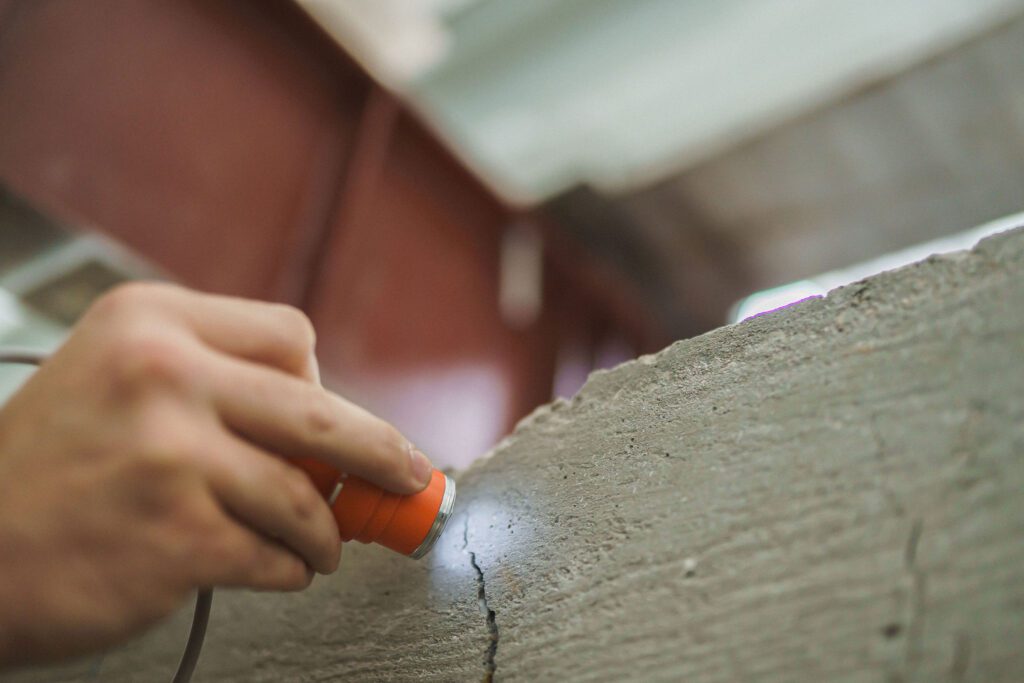
The Department of Steel and Composite Structures conducts research on the behaviour, optimisation, and fire resistance of steel, composite, and timber structures, applying innovative technologies.
Main Research Areas
- Steel and composite structures
- Steel and composite bridges
- Glued laminated timber (glulam) structures
- Application of 3D printing technologies in the production of composite structures and their joints
Departmental Research
- Research on steel bridges
- Research on the behaviour of steel structural connections and development of design methods
- Research on thin-walled steel structures
- Research on steel–concrete composite structures
- Research on the behaviour of timber structural elements and their connections
- Structural optimisation
- Structural condition assessment
- Research on the fire resistance of steel and composite structures
Partners
The Department of Steel and Composite Structures actively collaborates with social and industry partners.


Department Staff
Administration
- Administration
- Research Staff
- Professors
-
Prof. Dr. Alfonsas DaniūnasHead
Show more