Department of Steel and Composite Structures
The Department is a leading research centre in Lithuania for steel, timber, and composite structures, carrying out advanced research and training civil engineering specialists.
Address: Saulėtekio Ave. 11, S2, Room 408 Phone: +370 5 274 5228 Internal phone: 9228 Email: stmk@vilniustech.lt

About the Department

Department History

Study Programmes

The Department offers one Master’s study programme – Structural Engineering, with four specialisations: Lightweight Modern Structures, Building Structures, Structural Systems, and Bridges and Viaducts.

Statinių konstrukcijos

Master’s degree Studies

Specialisations:

  • Lightweight Modern Structures
  • Building Structures
  • Structural Engineering
  • Bridges and Viaducts

Degree awarded: Master of Engineering Sciences

Areas of Activity

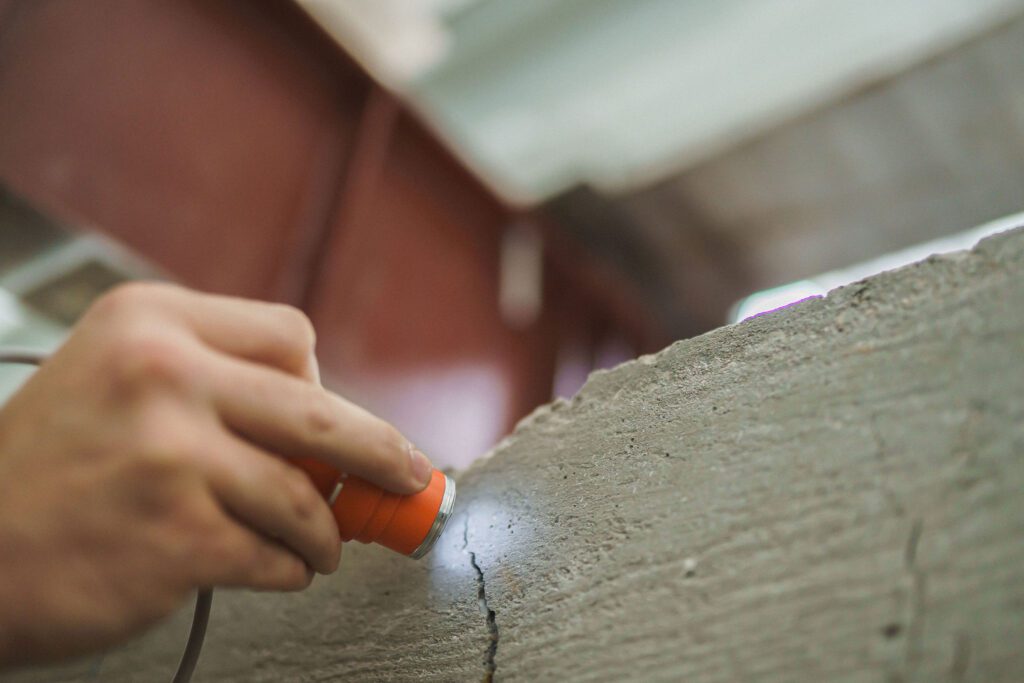
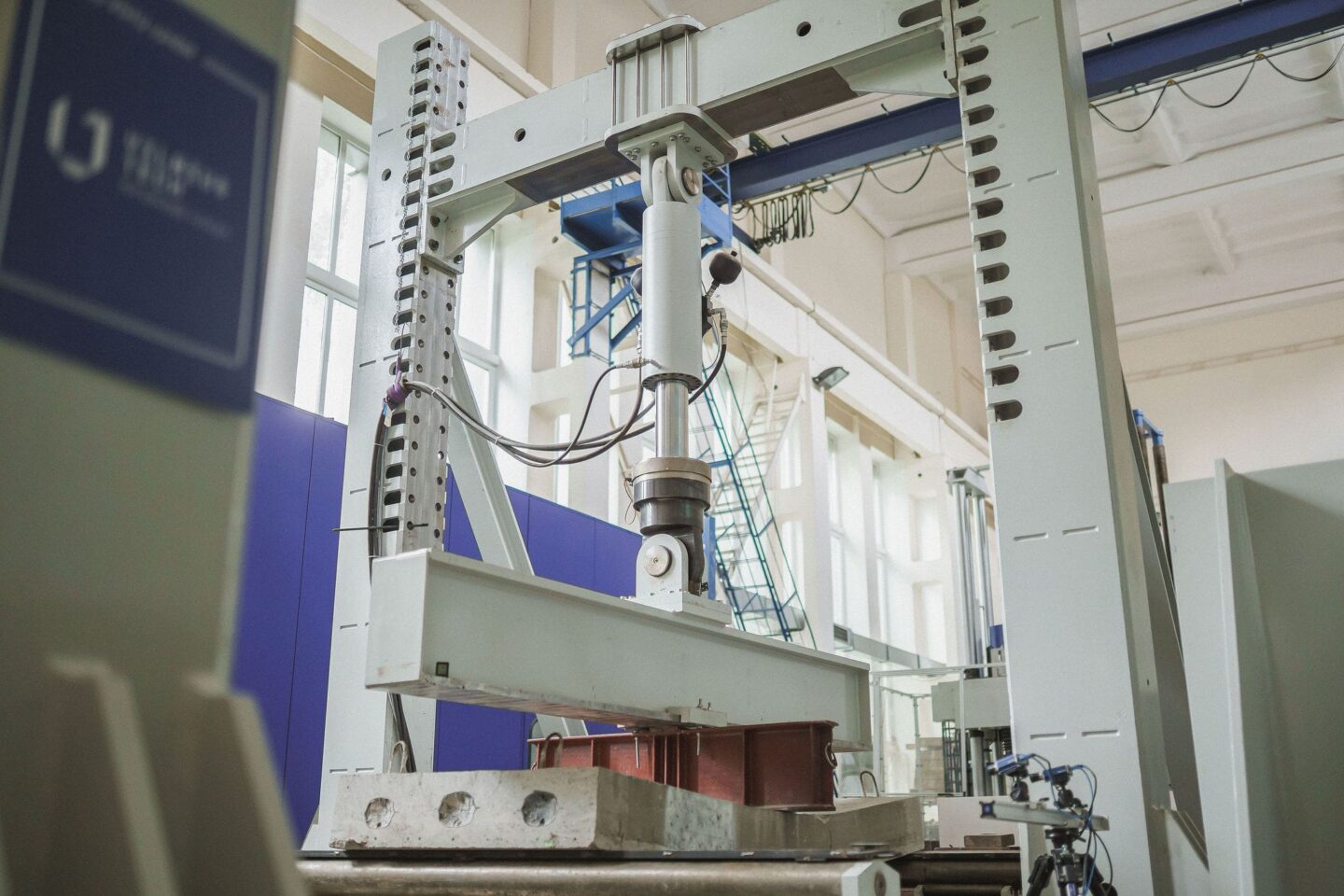
The Department of Steel and Composite Structures conducts research on the behaviour, optimisation, and fire resistance of steel, composite, and timber structures, applying innovative technologies.

Main Research Areas

  • Steel and composite structures
  • Steel and composite bridges
  • Glued laminated timber (glulam) structures
  • Application of 3D printing technologies in the production of composite structures and their joints

Departmental Research

  • Research on steel bridges
  • Research on the behaviour of steel structural connections and development of design methods
  • Research on thin-walled steel structures
  • Research on steel–concrete composite structures
  • Research on the behaviour of timber structural elements and their connections
  • Structural optimisation
  • Structural condition assessment
  • Research on the fire resistance of steel and composite structures

Partners

The Department of Steel and Composite Structures actively collaborates with social and industry partners.


  • Pegasus logotipas
  • Pegasus logotipas
  • Pegasus logotipas
  • Pegasus logotipas
  • Pegasus logotipas
  • Statybos fakulteto logotipas

Department Staff

Administration
  • Administration
  • Research Staff
  • Professors
Show more

Thesis abstracts

Years
Qualification
Clear selections
Aydin Levent Ucar — Dr Andrej Mudrov
Kaunas Sports Hall
This thesis focuses on the structural design of a sports arena featuring a 61-meter-long arch, developed in accordance with a given architectural concept. The primary objective is to...
2025 Bachelor's and Integrated Studies
  • 2025
  • Bachelor's and Integrated Studies
Kaunas Sports Hall
Student: Aydin Levent Ucar
Supervisor: Dr Andrej Mudrov
Department: Department of Steel and Composite Structures
Thesis abstract (LT)
This thesis focuses on the structural design of a sports arena featuring a 61-meter-long arch, developed in accordance with a given architectural concept. The primary objective is to ensure that the structural and thermal elements of the building are designed to meet safety, durability, and usability standards. The work includes the determination of actions acting on the structure, the calculation of internal forces using finite element method (FEM) software, and the design of load-bearing elements and connections in compliance with Eurocode standards. Additionally, foundation design and fire resistance assessment of structural members are performed. Manual calculations were used to determine design loads and verify structural elements, while FEM-based software aided in the analysis of internal forces and displacements. The results confirm that the designed structure satisfies both ultimate and serviceability limit state requirements and will perform safely throughout its intended lifespan.
Sports arena Arch structure Structural design Finite element method (FEM) Eurocode Load-bearing capacity Fire resistance Foundation design Thermal performance Limit states
Thesis abstract (EN)
This thesis focuses on the structural design of a sports arena featuring a 61-meter-long arch, developed in accordance with a given architectural concept. The primary objective is to ensure that the structural and thermal elements of the building are designed to meet safety, durability, and usability standards. The work includes the determination of actions acting on the structure, the calculation of internal forces using finite element method (FEM) software, and the design of load-bearing elements and connections in compliance with Eurocode standards. Additionally, foundation design and fire resistance assessment of structural members are performed. Manual calculations were used to determine design loads and verify structural elements, while FEM-based software aided in the analysis of internal forces and displacements. The results confirm that the designed structure satisfies both ultimate and serviceability limit state requirements and will perform safely throughout its intended lifespan.
Sports arena Arch structure Structural design Finite element method (FEM) Eurocode Load-bearing capacity Fire resistance Foundation design Thermal performance Limit states
Ayibakedi Hezron Bebekena — Assoc Prof Dr Vaidotas Šapalas
25 m Storage Purpose Building
This final thesis presents the structural design of a 25-meter-span storage building utilizing steel construction methods. The objective is to ensure an efficient, durable, and cost-effective structural system...
2025 Bachelor's and Integrated Studies
  • 2025
  • Bachelor's and Integrated Studies
25 m Storage Purpose Building
Student: Ayibakedi Hezron Bebekena
Supervisor: Assoc Prof Dr Vaidotas Šapalas
Department: Department of Steel and Composite Structures
Thesis abstract (LT)
This final thesis presents the structural design of a 25-meter-span storage building utilizing steel construction methods. The objective is to ensure an efficient, durable, and cost-effective structural system that meets both optimal, functional, and regulatory requirements (Eurocode). The building is intended for storage purposes and features a steel frame with a truss system. The work includes the structural analysis and design of members, connections, and joints according to Eurocode 3 standards. Load combinations including dead loads, wind, and snow were evaluated. Robot structural analysis software was used for modeling and analyzing the structure. The thesis also covers technological card that provides the required assemby process and rquired crane for constructon
Steel structures Storage building truss assembly Structural design Load combinations dead load wind load snow load eurocode 3 Robot Structural Analysis Steel connections Structural modeling Technological card
Thesis abstract (EN)
This final thesis presents the structural design of a 25-meter-span storage building utilizing steel construction methods. The objective is to ensure an efficient, durable, and cost-effective structural system that meets both optimal, functional, and regulatory requirements (Eurocode). The building is intended for storage purposes and features a steel frame with a truss system. The work includes the structural analysis and design of members, connections, and joints according to Eurocode 3 standards. Load combinations including dead loads, wind, and snow were evaluated. Robot structural analysis software was used for modeling and analyzing the structure. The thesis also covers technological card that provides the required assemby process and rquired crane for constructon
Steel structures Storage building truss assembly Structural design Load combinations dead load wind load snow load eurocode 3 Robot Structural Analysis Steel connections Structural modeling Technological card
Albert Jankun — Prof Dr Antanas Šapalas
Commercial Building in Kaunas
The final thesis designed a commercial building in Kaunas. The work uses drawings of the architectural part of a similar building. The final thesis created a calculation diagram...
2025 Bachelor's and Integrated Studies
  • 2025
  • Bachelor's and Integrated Studies
Commercial Building in Kaunas
Student: Albert Jankun
Supervisor: Prof Dr Antanas Šapalas
Department: Department of Steel and Composite Structures
Thesis abstract (LT)
Baigiamajame darbe suprojektuotas prekybinės paskirties pastatas Kaune. Darbe naudojamos panašaus pastato architektūrinės dalies brėžiniai. Baigiamajame darbe sudaryta skaičiuojamoji pastato schema, apskaičiuotos apkrovos, nustatytos įrąžos ir poslinkiai. Taip pat suprojektuoti pagrindiniai laikantieji elementai, sukonstruotos pagrindinės jungtys ir patikrinta jų laikančioji galia. Nagrinėjamam pastatui suprojektuotas pamatas ir parengta technologinė kortelė.
Prekybinės skaičiuojamoji schema apkrovos laikantieji elementai pagrindinės jungtys pamatas technologinė kortelė.
Thesis abstract (EN)
The final thesis designed a commercial building in Kaunas. The work uses drawings of the architectural part of a similar building. The final thesis created a calculation diagram of the building, calculated loads, determined stresses and displacements. The main load-bearing elements were also designed, the main connections were constructed ant their load-bearing capacity was checked. The foundation for the building under consideration was designed and a technological card was prepared.
Commercial calculation diagram loads load-bearing main connections foundation technological card.
Andrius Saukalas — Prof Dr Antanas Šapalas
Car Trade Showroom
.
2025 Bachelor's and Integrated Studies
  • 2025
  • Bachelor's and Integrated Studies
Car Trade Showroom
Student: Andrius Saukalas
Supervisor: Prof Dr Antanas Šapalas
Department: Department of Steel and Composite Structures
Thesis abstract (LT)
Baigiamajame bakalauro darbe projektuojamas metalinių konstrukcijų autoserviso paskirties pastatas Vilniaus rajono savivaldybės teritorijoje. Darbą sudaro penki skyiriai. Pirmajame skyriuje aprašoma architektūrinė dalis. Pateikiamos stogo ir grindų detalės, apskaičiuojamos šiluminės varžos. Antrasis skyrius skirtas projektavimo procesui aprašyti: pateikiamos pastatą veikiančios apkrovos, deriniai. Toliau projektuojami pagrindiniai pastato elementai – santvaros, posantvarė, kolonos, sijos, mazgai ir pamatas. Santvaros, posantvarės elementai suprojektuoti iš SHS skerpjūvio profiliuočio, kolonoms parinkti skerspjūviai yra HEA tipo, sijos HEA tipo. Pamatai suprojektuoti CFA tipo. Aplinkos poveikio klasė XC2. Tuomet rankiniai skaičiavimai sulyginami su programiniu paketu „Robot“. Trečiajame skyriuje pateikiamas kolonos gaisrinio atsparumo ugniai skaičiavimas. Ketvirtame skyriuje pateikiami priedai. Penktame skyriuje pateikiamas literatūros sąrašas.
metalinės konstrukcijos šiluminė varža SHS HEA CFA ROBOT
Thesis abstract (EN)
.
.
Aurimas Čepliauskas — Assoc Prof Dr Tomas Gečys
Shopping Facility Center in Vilnius City
In this bachelor's thesis, a commercial building located in Vilnius is being designed. The thesis consists of three parts: architectural, structural, and fire safety. The architectural part describes...
2025 Bachelor's and Integrated Studies
  • 2025
  • Bachelor's and Integrated Studies
Shopping Facility Center in Vilnius City
Student: Aurimas Čepliauskas
Supervisor: Assoc Prof Dr Tomas Gečys
Department: Department of Steel and Composite Structures
Thesis abstract (LT)
Baigiamajame bakalauro darbe projektuojamas prekybos paskirties pastatas Vilniaus mieste. Darbą sudaro trys dalys: architektūrinė, konstrukcinė ir gaisrinės saugos. Architektūrinėje dalyje aprašomi pastato architektūriniai sprendimai, pagrindinės konstrukcijos, pateikiamos pastato charakteristikos bei sienų ir stogo konstrukcijų šiluminės varžos su išsamiais skaičiavimais. Konstrukcinėje dalyje apskaičiuojamos nuolatinės ir kintamosios apkrovos. Naudojant programą „DLUBAL RFEM 5.36.01“ nustatomi pavojingiausi apkrovų deriniai. Pagal juos projektuojami elementai ir jungtys. Pagrindines pastato konstrukcijas sudaro klijuota spygliuočių mediena (Glulam), iš kurios gaminamos dalis sijų ir kolonos. C24 klasės vientisa mediena naudojama antresolės sijoms ir horizontaliems ryšiams gaminti. Taip pat naudojamos metalinės templės. Pagal gautas įrąžas projektuojamas seklusis pamatas, kuris armuojamas išilgine ir skersine armatūra. Gaisrinės saugos dalyje tikrinamas konstrukcinių elementų atsparumas ugniai gaisro metu. Darbo apimtis – X psl. teksto be priedų, X iliustracijų, X lentelių, X brėžinių. Atskirai pridedami darbo priedai.
seklusis pamatas; šiluminė varža; gaisrinė sauga; Vilnius; klijuotoji mediena vientisa mediena.
Thesis abstract (EN)
In this bachelor's thesis, a commercial building located in Vilnius is being designed. The thesis consists of three parts: architectural, structural, and fire safety. The architectural part describes the architectural solutions of the building, the main structural elements, presents the building's characteristics, and provides detailed calculations of the thermal resistance of the wall and roof structures. In the structural part, permanent and variable loads are calculated. Using the program „DLUBAL RFEM 5.36.01“, the most critical load combinations are determined. Based on these, the structural elements and connections are designed. The main structural components of the building are made of glued laminated timber (Glulam), used for some of the beams and columns. Solid timber of strength class C24 is used for mezzanine beams and horizontal bracing. Steel tension rods are also used. According to the resulting internal forces, a shallow foundation is designed, which is reinforced with longitudinal and transverse reinforcement. The fire safety part examines the fire resistance of structural elements during a fire. The thesis comprises X pages of text excluding appendices, X illustrations, X tables, and X drawings. Separate appendices are included.
shallow foundation; thermal resistance; fire safety; Vilnius; glued laminated timber (Glulam); solid timber.
Dainius Plaipa — Giedrė Sandovič
Design of a Self-Equilibrated Arch Bridge
The final bachelor thesis designs a steel arch car bridge near the town of Pasvalys, on the A10 motorway over the river Pyvesa. The work consists of three...
2025 Bachelor's and Integrated Studies
  • 2025
  • Bachelor's and Integrated Studies
Design of a Self-Equilibrated Arch Bridge
Student: Dainius Plaipa
Supervisor: Giedrė Sandovič
Department: Department of Steel and Composite Structures
Thesis abstract (LT)
Baigiamajame bakalauro darbe projektuojamas plieninis arkinis automobilių tiltas šalia Pasvalio miesto, magistraliniame kelyje A10 per Pyvesos upę. Darbas susideda iš trijų dalių - architektūrinės, konstrukcinės ir technologinės. Architektūrinėje dalyje analizuojamos dvi skirtingos skaičiuojamosios schemos, aprašoma objekto vieta ir architektūrinės detalės. Konstrukcinėje dalyje apskaičiuojamos tiltus veikiančios apkrovos, kiti poveikiai, sudaromos įvairios apkrovimo situacijos. Su „Robot Structural Analysis professional 2025“ programiniu paketu parenkami pradiniai skerspjūviai ir įrąžos. Pagal gautus rezultatus skaičiuojamos tiltų elementų stiprumo ir klumpumo sąlygos, tikrinamas tinkamumo ribinis būvis. Abu suprojektuoti tiltai palyginami - nustatyta, kad radialinė pakabų sistema užtikrina geresnį apkrovų paskirstymą ir didesnį atsparumą dinaminiams poveikiams. Antrajam tilto variantui suprojektuoti pagrindiniai konstrukciniai mazgai, įvertintos jų laikomosios galios pagal LST EN 1993 ribinio būvio sąlygas, suprojektuotas pamatas su CFA tipo poliais. Technologinėje dalyje pateikiamas arkos montavimo etapų aprašymas. Darbo apimtis - 127 p., 38 lent., 62 pav.
plieninis arkinis automobilių tiltas plieninis tiltas arka neskėtri arka automobilių tiltas gręžtiniai poliai
Thesis abstract (EN)
The final bachelor thesis designs a steel arch car bridge near the town of Pasvalys, on the A10 motorway over the river Pyvesa. The work consists of three parts - architectural, structural and technological. The architectural part analyses two different calculation schemes, describes the site location and architectural details. The structural part calculates the loads and other influences acting on the bridges, and different loading situations. Initial cross-sections and dips are selected using the "Robot Structural Analysis professional 2025" software package. The results are used to calculate the strength and buckling conditions of the bridge elements and to check the serviceability limit state. The two bridge designs are compared, showing that the radial suspension system provides better load distribution and greater resistance to dynamic actions. For the second bridge variant, the main structural units were designed, their load-bearing capacities assessed according to the limit state conditions of LST EN 1993, and a foundation with CFA-type piles was designed. The technological part includes a description of the stages of the arch installation.
steel arch car bridge steel bridge arch non-trussed arch car bridge drilled piles
Darijus Jankauskas — Prof Dr Alfonsas Daniūnas
Trusses from Thin-Walled Cross-Sections: Behaviour, Calculation and Design
The final master's thesis examines the theoretical foundations of the design of trusses from thin-walled cold-formed sections. Numerical simulations and numerical calculations are performed. In the research work,...
2025 Masters
  • 2025
  • Masters
Trusses from Thin-Walled Cross-Sections: Behaviour, Calculation and Design
Student: Darijus Jankauskas
Supervisor: Prof Dr Alfonsas Daniūnas
Department: Department of Steel and Composite Structures
Thesis abstract (LT)
Baigiamajame magistro darbe nagrinėjami santvarų iš plonasienių šaltai lankstytų profiliuočių projektavimo teoriniai pagrindai. Atliekami skaitiniai modeliavimai ir skaitiniai skaičiavimai. Tiriamąjame darbe konstrukcija (santvara) projektuojama baigtinių elementų metodu (BEM), laikantis projektavimo normų ir taisyklių (Eurokodas, STR). Palyginami santvarų iš plonasienių elementų efektyvumą pagal konstrukcijos masę su tuščiaviduriais elementais. Remiantis skaičiavimo rezultatų lyginamąja analize suformuluojamos išvados. Darbą sudaro 6 dalys: įvadas, dėstymo 1-oji dalis apie plonasienių plieninių profiliuočių panaudojimą, dėstymo 2-oji dalis apie santvarų irčių sąlygas, dėstymo 3-oji dalis apie santvarų projektavimą, išvados ir literatūros sąrašas. Darbo apimtis – 99 p. teksto be priedų, 128 pav., 10 lent., 16 literatūros šaltinių (3 biografiniai, 6 projektavimo normos, 7 internetiniai straipsniai).
Santvara plonasieniai šaltai lankstyti profiliuočiai baigtinių elementų metodas (BEM) projektavimo normos ir taisyklės efektyvumas konstrukcijos masė tuščiaviduriai elementai.
Thesis abstract (EN)
The final master's thesis examines the theoretical foundations of the design of trusses from thin-walled cold-formed sections. Numerical simulations and numerical calculations are performed. In the research work, the structure (truss) is designed using the finite element method (FEM), in accordance with the design norms and rules (Eurocode, STR). The efficiency of trusses from thin-walled elements in terms of the mass of the structure is compared with hollow elements. Based on the comparative analysis of the calculation results, conclusions are made. The work consists of 6 parts: introduction, part 1 of the lecture on the use of thin-walled steel profiles, part 2 of the lecture on the conditions of trusses and their joints, part 3 of the lecture on the design of trusses, conclusions and references. The scope of the work – 97 p. of text without appendices, 119 figures, 10 tables, 16 literature sources (3 biographical, 6 design standards, 7 online articles).
Truss thin-walled cold-formed sections finite element method (FEM) design norms and rules efficiency structural mass hollow elements.
Deividas Jonušas — Assoc Prof Dr Tomas Gečys
Shopping Facility center in Kretinga City
The main subject of this bachelor‘s thesis is a project of shopping facility center in Kretinga city. This thesis consists of three main parts: architectural, constructional and fire...
2025 Bachelor's and Integrated Studies
  • 2025
  • Bachelor's and Integrated Studies
Shopping Facility center in Kretinga City
Student: Deividas Jonušas
Supervisor: Assoc Prof Dr Tomas Gečys
Department: Department of Steel and Composite Structures
Thesis abstract (LT)
Baigiamajame bakalauro darbe projektuojamas prekybos paskirties pastatas Kretingoje. Baigiamąjį darbą sudaro trys dalys: architektūrinė, konstrukcinė ir gaisrinės saugos dalys. Architektūrinėje dalyje pateikti pastato architektūriniai sprendiniai, pagrindinės konstrukcijos bei išsamūs sienų ir stogo šiluminės varžos skaičiavimai. Konstrukcinėje baigiamojo darbo dalyje nustatomi pastatą veikiantys aplinkos poveikiai, apskaičiuojamos nuolatinės ir kintamosios pastatą veikiančios apkrovos. Programa „Autodesk Robot“ nustatomi pavojingiausi apkrovų deriniai. Pagal gautus rezultatus suprojektuojami elementai ir elementų jungtys. Pastato pagrindines konstrukcijas sudaro klijuotosios spygliuočių medienos elementų karkasas ir medinių elementų ryšiai. Pagal gautas įražas yra suprojektuojamas seklusis pamatas ir jo armavimas. Gaisrinėje dalyje skaičiuojama elementų elgsena, esant gaisro sąlygoms. Darbą sudaro 5 dalys: įvadas, architektūrinė dalis, konstrukcinė dalis, gaisrinė sauga, literatūros sąrašas. Darbo apimtis – 119 p. teksto be priedų, 27 iliustr., 13 lent., 11 bibliografiniai šaltiniai. Atskirai pridedami darbo priedai.
šiluminė varža klijuotoji mediena seklusis pamatas gaisrinė sauga.
Thesis abstract (EN)
The main subject of this bachelor‘s thesis is a project of shopping facility center in Kretinga city. This thesis consists of three main parts: architectural, constructional and fire safety. Architectural chapter describes architectural solutions, main constructions, also detailed calculations of roof and walls thermal resistance. In structural part, environmental impacts affecting the building are determined, and the permanent and variable loads acting on the building are calculated. The “Autodesk Robot” software is used to identify the most dangerous load combinations. Based on the results obtained, the elements and their connections are designed. The main structure of the building consists of a frame made of glued laminated timber elements and the connections of wooden elements. Based on the obtained data, shallow foundation and its reinforcement are designed. In the fire section, the behavior of the elements is calculated under fire conditions. The work consists of 5 parts: introduction, architectural part, structural part, fire safety, list of references. The scope of the work – 119 p. of text excluding appendices, 27 illustr., 13 tables, 11 bibliographic sources. The appendices of the work are attached separately.
thermal resistance glued laminated timber shallow foundation fire safety.
Deividas Puodžiūnas — Assoc Prof Dr Kęstutis Urbonas
Production Purpose Building in Klaipeda
The final bachelor's thesis examines the design of a single-story glass processing facility located in the city of Klaipėda. The project includes architectural and structural solutions, with a...
2025 Bachelor's and Integrated Studies
  • 2025
  • Bachelor's and Integrated Studies
Production Purpose Building in Klaipeda
Student: Deividas Puodžiūnas
Supervisor: Assoc Prof Dr Kęstutis Urbonas
Department: Department of Steel and Composite Structures
Thesis abstract (LT)
Baigiamajame bakalauro darbe nagrinėjamas vieno aukšto stiklo apdirbimo įmonės pastato projektavimas Klaipėdos mieste. Projektas apima architektūrinius ir konstrukcinius sprendinius, kuriuose pagrindinis dėmesys skiriamas pastato metalinėms laikančiosioms konstrukcijoms. Konstrukcijos suprojektuotos iš S275 klasės plieno, o pastatą sudaro dvi dalys su skirtingais tarpatramiais -24 m ir 32 m. Pastate numatytos metalinės santvaros, kolonos, ryšiai ir skersiniai rėmai išdėstyti 6 metrų žingsniu. Atlikti išsamūs apkrovų – sniego, vėjo ir nuolatinių apkrovų skaičiavimai bei jų analizė naudojant „Robot Structural Analysis Professional 2025“ programinę įrangą. Taip pat pateiktas pamato, santvarų, ryšių bei jungčių projektavimas. Darbas orientuotas į racionalių sprendimų paiešką pramoninio pastato efektyvumui ir statybos patikimumui užtikrinti.
pramoninis pastatas metalinės konstrukcijos stiklo apdirbimas S275 plienas santvara kolona konstrukcijų projektavimas apkrovos statinio modeliavimas Klaipėda.
Thesis abstract (EN)
The final bachelor's thesis examines the design of a single-story glass processing facility located in the city of Klaipėda. The project includes architectural and structural solutions, with a primary focus on the building’s steel load-bearing structures. The structural elements are designed using S275 grade steel, and the building consists of two sections with different spans—24 meters and 32 meters. The facility features steel trusses, columns, bracings, and transverse frames arranged at 6-meter intervals. Detailed calculations and analyses of loads—snow, wind, and permanent—were performed using the "Robot Structural Analysis Professional 2025" software. The thesis also includes the design of the foundation, trusses, bracings, and joints. The work is focused on finding rational solutions to ensure the efficiency and structural reliability of the industrial building.
production purpose building steel structures S275 steel truss column structural design loads structural modeling Klaipėda
Dominykas Apuokas — Assoc Prof Dr Tomas Gečys
Shopping Facility Center in Vilnius City
The main subject of this bachelor’s thesis is a design of shopping facility center in Vilnius. Thesis consists of three main parts: architectural, structural and fire safety. Architectural...
2025 Bachelor's and Integrated Studies
  • 2025
  • Bachelor's and Integrated Studies
Shopping Facility Center in Vilnius City
Student: Dominykas Apuokas
Supervisor: Assoc Prof Dr Tomas Gečys
Department: Department of Steel and Composite Structures
Thesis abstract (LT)
Baigiamajae bakalauro darbe projektuojamas prekybos paskirties pastatas Vilniaus mieste. Darbą sudaro trys dalys: architektūrinė, konstrukcinė ir gaisrinės saugos dalis. Architektūrinėje dalyje aprašomi pastato architektūriniai sprendiniai, pagrindinės konstrukcijos, pateikiamos pastato stogo konstrukcijų bei sienų konstrukcijų šiluminės varžos skaičiavimai. Konstrukcinėje dalyje apskaičiuojamos veikiančios nuolatinės ir kintamosios apkrovos. Programa “Dlubal RFEM 5.30” nustatomi pavojingiausių apkrovų deriniai. Pagal juos suprojektuojami elementai bei mazgai. Pastato pagrindines (laikančiasias) konstrukcijas sudaro klijuotosios spygliuočių medienos (Glulam) element karkasas ir medinių element ryšiai. Pagal gautas įrąžas yra projektuojamas gilusis pamatas. Gaisrinėje dalyje tikrinamas element atsparumas ugniai gaisro metu. Darbo apimtis – X p. teksto be priedų, X iliustr., X lent., X brėžiniai. Atskirai pridedami darbo priedai.
klijuotoji mediena gilusis pamatas šiluminė varža glulam gaisrinė sauga Vilnius.
Thesis abstract (EN)
The main subject of this bachelor’s thesis is a design of shopping facility center in Vilnius. Thesis consists of three main parts: architectural, structural and fire safety. Architectural chapter describes architectural solutions and main constructions. This part includes characteristics of the building and thermal resistance calculations of roof and wall constructions. Structural part consists of load, and member calculations. Load cases were calculated and evaluated using “Dlubal RFEM 5.30” software. ULS and SLS for elements and connections were verified doing manual calculations. Main load bearing structure consists of glulam framework and timber bracings. Deep foundations were designed using loads from “Dlubal RFEM 5.30” software. Final part shows fire resistance of elements during fire. Page count – Text only – X p. Illustrations – X p. Tables – X drawings – X p.
Wood deep foundation thermal resistance glulam fire safety Vilnius.

Useful links