Department of Building Materials and Fire Safety
It is a modern, interdisciplinary platform for research and innovation that brings together expertise in building materials, fire safety, and civil protection.
Address: Saulėtekio Ave. 11, S3 (SRK-I), Room 413 Phone: +370 5 274 5238 Email: stsm@vilniustech.lt

About the Department

Department History

Study Programmes

The Department of Building Materials and Fire Safety oversees study programmes focused on interdisciplinarity, innovation, and the preparation of highly competent engineers capable of addressing modern safety challenges.

Fire and Civil Safety Engineering

Bachelor’s degree studies

Degree awarded: Bachelor of Engineering Sciences

Safety Engineering

Master’s degree Studies

Degree awarded: Master of Engineering Sciences

Construction Products Engineering

Master’s degree Studies

Degree awarded: Master of Engineering Sciences

Areas of Activity

The Department’s research activities focus on the development of new sustainable building materials, the investigation of their properties, and the implementation of advanced fire and civil safety engineering solutions.

Main Research Areas

  • Development of new building materials and products using local and technogenic raw materials
  • Research on sustainable materials and products using household and industrial waste as secondary raw materials
  • Development of innovative production technologies and investigation of the properties of the resulting products
  • Assessment of the durability and performance properties of materials and products
  • Research on the flammability and fire resistance of materials and analysis of the effects of additives and modifiers on these properties
  • Safety engineering research covering risk management, hazard identification, and the development of engineering safety solutions

Services Offered

  • Development of new building materials and products and the application of technological solutions for industry
  • Testing of construction product properties, quality assessment, and expert evaluation
  • Development of sustainable materials from waste and secondary raw materials
  • Assessment of waste utilisation opportunities in construction product manufacturing
  • Preparation of regulatory documents, rules, and instructions for occupational safety and health and fire safety
  • Training and professional development for employers and employees in the field of occupational safety and health
  • Development and implementation of measures to improve working conditions in organisations
  • Research and consultancy in occupational safety and health, fire safety, and civil safety
  • Noise measurements and development of recommendations for noise reduction

Training Courses Organised by the Department

  • STDG 003 Construction Safety and Health Coordinator
  • STDG 004 Safety and Health Coordinator for Construction Design
  • STDG 006 Ergonomic Risk Assessment
  • STDG 007 Psychosocial Risk Assessment

Department Laboratories

The Department includes two laboratories.

  • Laboratory of Building Materials

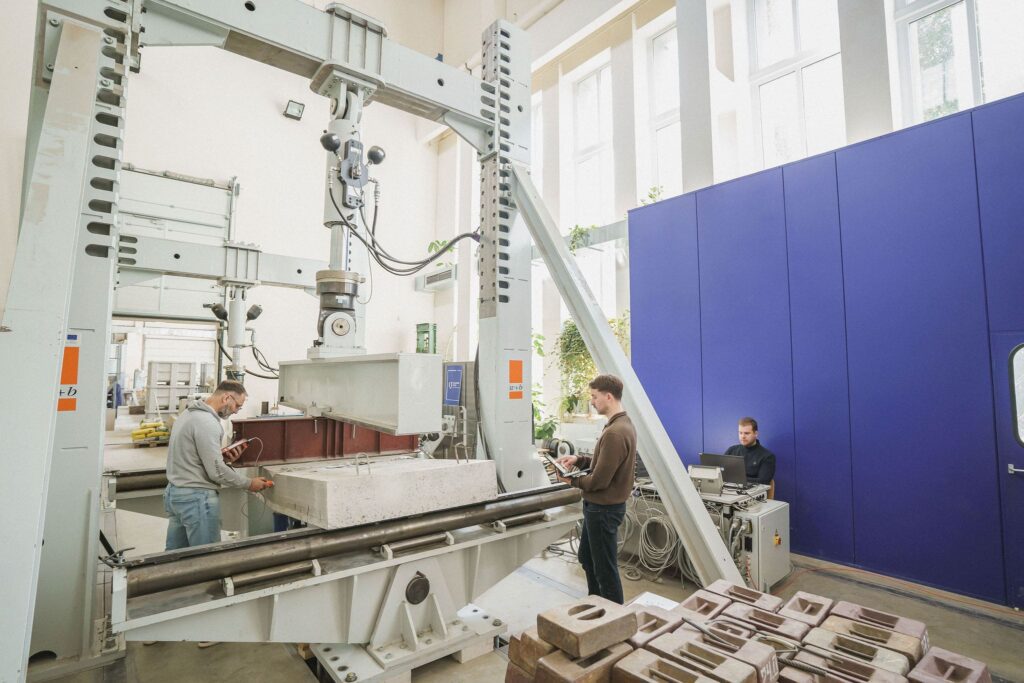
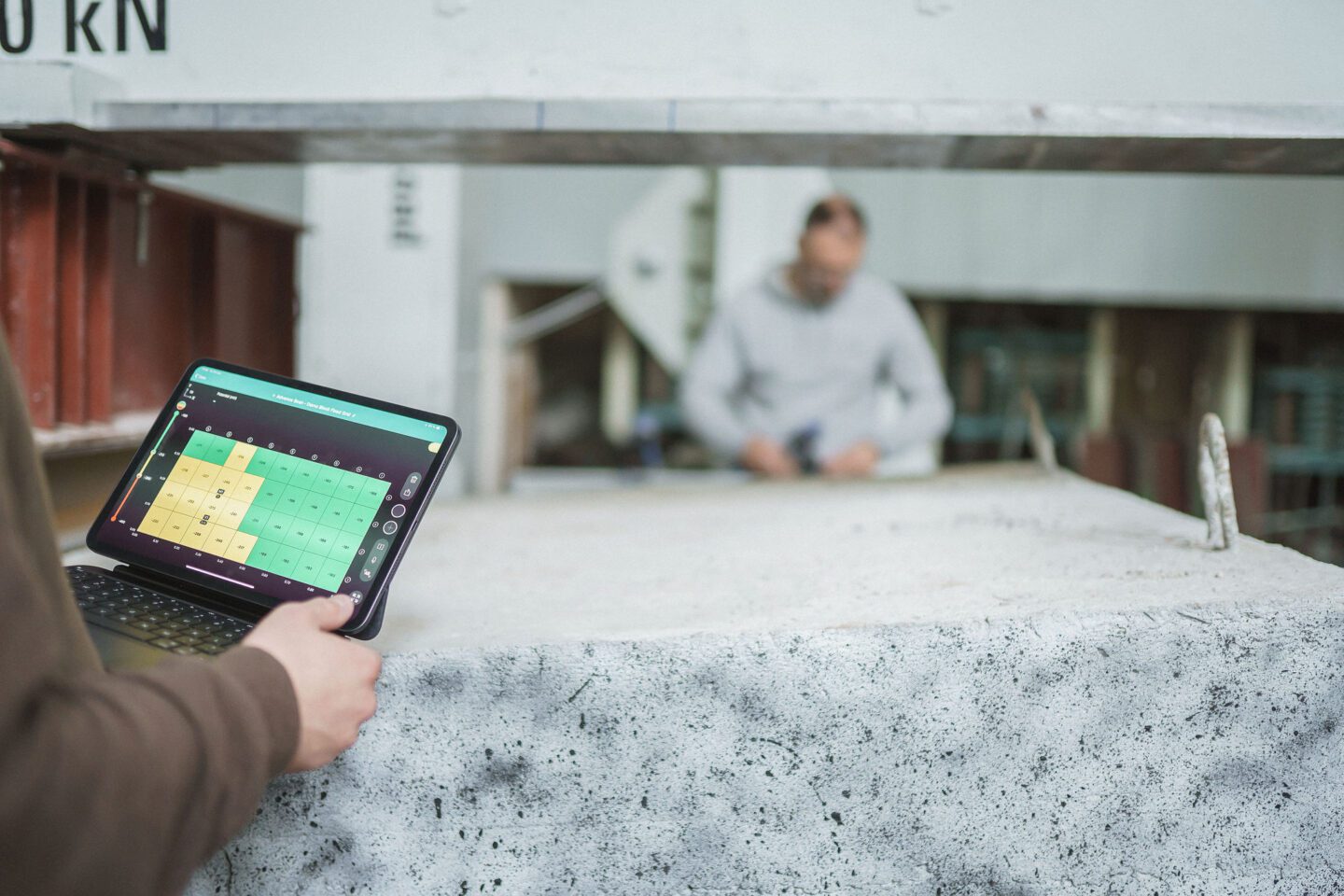
    The laboratory specialises in the evaluation of construction product properties, the development of models, and experimental testing. It also conducts tests under high temperatures, dynamic loads, and long-term exposure conditions.

    The laboratory offers testing of the physical and mechanical properties of concrete, mortar, cement-based composites, masonry products, various additives, and ceramic materials, as well as analysis of material structure and durability. It also performs sustainability and environmental assessments, including the evaluation of waste utilisation in the development of new construction products.

  • Laboratory of Occupational and Fire Safety

    The laboratory conducts fire safety, flammability, and fire resistance tests, investigates the impact of hazardous factors in the working environment, and performs noise and microclimate measurements, as well as other occupational safety studies.

    The laboratory offers professional services including analysis of regulatory requirements, flammability testing, fire risk assessments, and the development of safety solutions for technological processes. These services help clients ensure safety, comply with legal requirements, and improve preventive measures.

Partners

The Department of Building Materials and Fire Safety actively collaborates with social, industry, and academic partners both in Lithuania and internationally.

  • Aksa
  • Apsaugos verslo grupė
  • Balstoges universitetas
  • Betono centras
  • Brno universitetas
  • Bukaresto universitetas
  • Ekobaze
  • Gaisriniai tyrimai
  • Gaisro saugos projektai
  • Heidelberg materials
  • Fogo
  • Madrido politechnikos universitetas
  • Merko
  • PAGD
  • Paroc
  • Poliprojektas
  • Rygos technikos universitetas
  • Rockwool
  • Splito universiteto logotipas
  • Statybos industrijos asociacija
  • Techninis modulis
  • University of Warmia
Show more

Department Staff

The Department’s staff demonstrate high competence and long-standing academic traditions in the fields of materials, construction, and safety engineering. Department researchers conduct studies on material durability and flammability, develop new sustainable products, and implement engineering safety solutions in the construction sector.

Administration
  • Administration
  • Research Staff
  • Professors
Show more

Thesis abstracts

Years
Qualification
Clear selections
Andrius Kunca — Prof Dr Egidijus Rytas Vaidogas
Problem of Designing Personnel Shelters in Hazardous Industrial Objects
A concept for the installation of a modular personnel shelter system has been proposed, the components of which are the shelters themselves and the rational arrangement and selection...
2026 Masters
  • 2026
  • Masters
Problem of Designing Personnel Shelters in Hazardous Industrial Objects
Student: Andrius Kunca
Supervisor: Prof Dr Egidijus Rytas Vaidogas
Department: Department of Building Materials and Fire Safety
Thesis abstract (LT)
Pasiūlyta modulinių personalo slėptuvių sistemos įrengimo koncepcija, kurios sudėtinės dalys yra pačios slėptuvės bei tų slėptuvių racionalus išdėstymas ir charakteristikų parinkimas. Slėptuvės darbe vadinamos personalo slėptuvėmis, o tarp saugos specialistų jos dar žinomos kaip lokalios slėptuvės (angl. shelters-in-place). Nustatyta, kad personalo slėptuvių konstrukcijos yra gana gerai pažįstamos pramoninės saugos profesionalams bei jas projektuojančių ir statančių įmonių inžinieriams. Rasta, kad slėptuvių sistemos formavimas, kuriuo siekiama užtikrinti kuo didesnę pavojingo pramonės objekto personalo saugą, iki šiol yra atviras klausimas. Išnagrinėta bendriausia slėptuvių klasifikacija. Aptartos plieninės ir gelžbetoninės modulinės slėptuvės. Trumpai aprašyti matematiniai (optimizavimo) metodai, kuriuos galima būtų taikyti ieškant geriausio slėptuvių išdėstymo. Išnagrinėta, kaip modulinių antžeminių slėptuvių išdėstymo problema galėtų būti sprendžiama naftos rafinerijos atveju.
Slėptuvė pavojus evakuacija rizika gaisras sprogimas nuodingasis nuotėkis nafta rafinerija rektifikavimas.
Thesis abstract (EN)
A concept for the installation of a modular personnel shelter system has been proposed, the components of which are the shelters themselves and the rational arrangement and selection of their characteristics. Shelters are called personnel shelters in the workplace, and among safety specialists they are also known as shelters-in-place. It has been established that the structures of personnel shelters are quite well known to industrial safety professionals and engineers of the companies designing and constructing them. It has been found that the formation of a shelter system, which aims to ensure the greatest possible safety of personnel at a hazardous industrial facility, is still an open question. The most general classification of shelters has been examined. Steel and reinforced concrete modular shelters have been discussed. Mathematical (optimization) methods that could be applied in finding the best arrangement of shelters have been briefly described. It has been examined how the problem of arranging modular ground shelters could be solved in the case of an oil refinery.
Shelter danger evacuation risk fire explosion toxic leak oil refinery rectification.
Darius Ramaneckas — Prof Dr Egidijus Rytas Vaidogas
Procedure for Collecting and Processing Information on Fire-Induced Fragmentation of Pressure Vessels
The problem of assessing dimensions of fragments generated by fire-induced explosions of cylindrical pressure vessels is considered. The attention is focussed on boiling liquid expanding vapour explosions (BLEVEs)....
2026 Masters
  • 2026
  • Masters
Procedure for Collecting and Processing Information on Fire-Induced Fragmentation of Pressure Vessels
Student: Darius Ramaneckas
Supervisor: Prof Dr Egidijus Rytas Vaidogas
Department: Department of Building Materials and Fire Safety
Thesis abstract (LT)
Nagrinėjama cilindrinių slėginių indų gaisro sukeltų sprogimų metu susidariusių skeveldrų matmenų vertinimo problema. Dėmesys sutelkiamas į verdančio skysčio ir besiplečiančių garų sprogimus (BLEVE sprogimus). Skeveldrų matmenų vertinimas apima pirminių duomenų gavimą, šių duomenų pateikimą ir (arba) apdorojimą iki Bajeso analizei tinkamos formos ir apdorotos informacijos taikymą prognozuojant indų defragmentaciją BLEVE avarijų metu. Siūloma skeveldrų matmenų vertinimo procedūra pagrįsta ankstesniais darbais, kuriuose buvo sukurtas Bajeso metodas, skirtas cilindrinių indų irimo schemoms prognozuoti. Šiame tyrime siūlomi algoritmai, skirti duomenims apie skeveldrų matmenis rinkti ir apdoroti. Algoritmai remiasi trijų indų skilimo schemų, kurios vyrauja indų sprogimų statistikoje, egzistavimu. Tokio irimo metu susidaro raketos pavidalo fragmentai, vadinami pailgaisiais antgaliais. Šios skeveldros laikomos pavojingiausiais indų irimo produktais. Skeveldrų matmenų vertinimas apsiriboja pailgųjų antgalių ilgio nustatymu Šio tyrimo rezultatai parengti siekiant geriau įvertinti ir sumažinti riziką, kurią kelia galimas skeveldrų, susidariusių gaisro sukeltų indų sprogimų, poveikis.
Slėginis indas suskystintosios dujos gaisras sprogimas skeveldra Bajeso atnaujinimas rizikos analizė.
Thesis abstract (EN)
The problem of assessing dimensions of fragments generated by fire-induced explosions of cylindrical pressure vessels is considered. The attention is focussed on boiling liquid expanding vapour explosions (BLEVEs). Assessing fragment dimensions comprises acquisition of raw data, bringing/processing this data to the form suitable for a Bayesian analysis and application of processed information to predicting fragmentation of vessels in future BLEVE accidents. The proposed procedure of assessing fragment dimensions is based on our previous work, in which a Bayesian approach to predicting fragmentation/failure patterns of cylindrical vessels has been developed. Algorithms suggested in the present study for collecting and processing data on fragment dimensions are conditioned by an existence of three fragmentation patterns that prevail in the statistics of vessel ruptures and produce rocket-like fragments known as oblong end-caps. These fragments are viewed as the most dangerous products of vessel ruptures. Assessing fragment dimensions is reduced to dealing with the length of the oblong end-caps. The results of this study were developed to better assess and reduce the risks posed by potential exposure to fragments generated by fire-induced container explosions.
Pressure vessel liquefied gas fire explosion BLEVE fragment Bayesian updading risk assessment.
Robertas Skobas — Prof Dr Egidijus Rytas Vaidogas
The Problem of Assessing Effects of Forest Fires on Objects of Industrial Infrastructure
The final thesis assesses the risk of forest edge fires to industrial infrastructure facilities, especially large-capacity atmospheric tanks of oil and its products. The impact of past natural...
2026 Masters
  • 2026
  • Masters
The Problem of Assessing Effects of Forest Fires on Objects of Industrial Infrastructure
Student: Robertas Skobas
Supervisor: Prof Dr Egidijus Rytas Vaidogas
Department: Department of Building Materials and Fire Safety
Thesis abstract (LT)
Baigiamajame darbe vertinama, kokį pavojų miško pakraščio gaisrai kelia pramonės infrastruktūros objektams, ypač didelės talpos atmosferinėms naftos ir jos produktų talpykloms. Aprašomas praeityje vykusių gamtos gaisrų poveikis naftos pramonės objektams. Apibūdinami SEVESO III direktyvos reguliuojami Lietuvos naftos pramonės objektai ir du stambūs transporto mazgai, esantys arti miškų masyvų. Aprašomos atmosferinių naftos produktų talpyklų valdymo ir saugos užtikrinimo sistemos bei tų talpyklų komponentai, kuriuos gali pažeisti miškų pakraščio gaisrai. Pateikiama matematinė procedūra miško pakraščio gaisro poveikiui naftos produktų talpyklai vertinti. Pasiūlytoji procedūra pritaikoma nagrinėjant stambios Lietuvos naftos produktų įmonės terminalo talpyklas, esančias ties pušų miško pakraščiu.
gaisras miškas miško frontas šiluminė spinduliuotė atmosferinė talpykla talpyklų parkas rafinerija nafta naftos produktai pavojus rizika domino poveikis grandininė avarija.
Thesis abstract (EN)
The final thesis assesses the risk of forest edge fires to industrial infrastructure facilities, especially large-capacity atmospheric tanks of oil and its products. The impact of past natural fires on oil industry facilities is described. Lithuanian oil industry facilities regulated by the SEVESO III Directive and two large transport hubs located close to forests are described. The systems for control and safety ensuring of atmospheric oil product tanks and the components of those tanks that may be damaged by forest edge fires are described. A mathematical procedure is presented for assessing the impact of forest edge fires on oil product tanks. The proposed procedure is applied to analyzing tanks in the terminal of a large Lithuanian oil products company located at the edge of a pine forest.
fire forest forest front thermal radiation atmospheric tank tank farm refinery oil oil products danger risk domino effect chain accident.
Virginijus Banevičius — Dr Mindaugas Grigonis
Influence of the Technological Process to Fire Protection Coatings of Steel Structures
The problem of the impact of high temperatures, technological processes, and environmental conditions on steel building structures protected by fireproof coatings is examined. The focus is on passive...
2026 Masters
  • 2026
  • Masters
Influence of the Technological Process to Fire Protection Coatings of Steel Structures
Student: Virginijus Banevičius
Supervisor: Dr Mindaugas Grigonis
Department: Department of Building Materials and Fire Safety
Thesis abstract (LT)
Nagrinėjama aukštos temperatūros, technologinio proceso ir aplinkos sąlygų poveikio plieninėms pastato konstrukcijoms, apsaugotoms priešgaisrinėmis dangomis, problema. Dėmesys sutelkiamas į pasyviąsias priešgaisrines dangas, eksploatuojamas skirtingose, dažnai agresyviose aplinkos sąlygose, ir jų atsparumo ugniai savybių kitimą. Priešgaisrinių dangų veiksmingumo vertinimas apima teorinę plieninių konstrukcijų elgsenos gaisro metu analizę, taikomų apsaugos priemonių klasifikavimą bei bandymų rezultatų įvertinimą. Tyrime nagrinėjamos skirtingos išsipučiančiomis dangos, su papildoma apsauga nuo aplinkos poveikių ir be. Atsparumo ugniai vertinimas atliekamas standartiniais bandymais temperatūra keliama pagal standarte LST ISO 834:1997 nurodytą kreivę. Analizuojami bandinių būklės pokyčiai po ilgalaikio poveikio gamybinėje aplinkoje, t.y. jų dangos pažeidimai. Tyrimo rezultatai skirti pagrįsti racionalų priešgaisrinių dangų parinkimą ir jų eksploatavimo sąlygų vertinimą projektuojant plienines konstrukcijas.
atsparumas ugniai priešgaisrinės dangos plieninės konstrukcijos ilgaamžiškumas agresyvi aplinka.
Thesis abstract (EN)
The problem of the impact of high temperatures, technological processes, and environmental conditions on steel building structures protected by fireproof coatings is examined. The focus is on passive fire protection coatings used in different, often aggressive environmental conditions, and changes in their fire resistance properties. The assessment of the effectiveness of fire protection coatings includes a theoretical analysis of the behavior of steel structures during a fire, a classification of the protective measures used, and an evaluation of the test results. The study examines different intumescent coatings, with and without additional protection against environmental influences. Fire resistance is assessed by standard tests, with the temperature raised according to the curve specified in standard LST ISO 834:1997. Changes in the condition of the samples after long-term exposure in a production environment, i.e., damage to their coatings, are analyzed. The results of the study are intended to justify the rational selection of fire-resistant coatings and the assessment of their operating conditions when designing steel structures.
fire resistance anti-fire coatings steel structures durability aggressive environment.
Aleksandras Silajevas — Dr Mečislavas Griškevičius
Use of Drones for Firefighting in High-Rise Buildings and Open Areas
Aim of the thesis is to evaluate the capabilities of unmanned aerial vehicles (UAVs) in incident management operations for extinguishing fires in high-rise buildings and open areas and...
2025 Masters
  • 2025
  • Masters
Use of Drones for Firefighting in High-Rise Buildings and Open Areas
Student: Aleksandras Silajevas
Supervisor: Dr Mečislavas Griškevičius
Department: Department of Building Materials and Fire Safety
Thesis abstract (LT)
Baigiamojo darbo tikslas yra įvertinti bepiločio orlaivio (BPO) galimybes incidento likvidavimo operacijose gesinant gaisrus daugiaaukščiuose pastatuose ir atvirose teritorijose bei pateikti rekomendacijas jų efektyviam naudojimui. Darbo uždaviniai yra išanalizuoti esamą literatūrą apie bepiločius orlaivius, jų galimybes bei veikimo aspektus, taip pat apžvelgti esamas BPO technologijas ir pritaikyti jas Valstybinei priešgaisrinei gelbėjimo tarnybai atsižvelgiant į reikalavimus ugniagesiams gelbėtojams. Norint įvertinti BPO efektyvumą priešgaisrinėje veikloje, darbe atliekamas lyginamasis skaičiavimas, analizuojant gaisro gesinimo scenarijus su arba be BPO panaudojimo. Tikimasi, kad baigiamojo darbo rezultatai bus naudingi plečiant žinias apie bepiločių orlaivių panaudojimą priešgaisrinėse operacijose. Darbą sudaro šios dalys: įvadas, apžvalginė dalis, analitinė dalis, projektinė dalis, literatūra ir interneto puslapiai. Baigiamąjį darbą sudaro 73 puslapiai, 41 paveikslėlis ir 58 lit. šaltiniai.
Prasminiai žodžiai: bepilotis orlaivis ugnies likvidavimas daugiaaukščiai pastatai metodologinės rekomendacijos lyginamoji analizė gaisrų gesinimas.
Thesis abstract (EN)
Aim of the thesis is to evaluate the capabilities of unmanned aerial vehicles (UAVs) in incident management operations for extinguishing fires in high-rise buildings and open areas and to provide recommendations for their effective use. The objective of the work is to analyze existing literature on UAVs, their capabilities and operational aspects. Additionally, it aims to review existing UAV technologies and adapt them for the State Fire and Rescue Service, considering the requirements of firefighters. To assess the effectiveness of UAVs in firefighting operations, a comparative analysis will be conducted, examining firefighting scenarios with and without the use of UAVs. The expected outcome of the thesis is to enhance knowledge about the application of UAVs in firefighting operations. The thesis consists of the following sections: introduction, review section, analytical section, project section, literature and internet sources. The thesis comprises 73 pages, 41 figures and 58 literature sources.
Keywords: unmanned aerial vehicles firefighting high-rise buildings methodological recommendations comparative analysis fire suppression.
Andrius Eidimtas — Assoc Prof Dr Ritoldas Šukys
Analysis of Fire Rescue Forces` Readiness to Liquidate Incidents
Firefighting and emergency management are critically important aspects of ensuring public safety. The problem under investigation aims to analyze not complex but local incidents and responses to them....
2025 Masters
  • 2025
  • Masters
Analysis of Fire Rescue Forces` Readiness to Liquidate Incidents
Student: Andrius Eidimtas
Supervisor: Assoc Prof Dr Ritoldas Šukys
Department: Department of Building Materials and Fire Safety
Thesis abstract (LT)
Gaisrų gesinimas ir ekstremaliųjų situacijų valdymas yra kritiškai svarbūs visuomenės saugumo užtikrinimo aspektai. Nagrinėjama problema siekiama išanalizuoti ne sudėtingus, bet lokalius incidentus ir reagavimą į juos. Tyrimo aktualumą pagrindžia ne tik poreikis integruoti tradicines gaisrų gesinimo praktikas į pasirengimą, bet ir būtinybė ieškoti optimalių sprendimų dėl žūstančių žmonių gaisruose mažinimo. Magistro darbas sudarytas iš trijų pagrindinių dalių: pirmoje dalyje trumpai apžvelgiamas Europos Sąjungos ir Lietuvos teisinis reguliavimas pasirengimo likviduoti įvykius srityje; antroje dalyje pateikiama geroji užsienio šalių gaisrų gesinimo praktika, reikalaujanti kompleksinio, daugialypio požiūrio, apimančio ne tik techninius aspektus, bet ir gilinantis į psichologinius bei socialinius pasirengimo veiksnius; trečioje dalyje ypatingas dėmesys skiriamas gaisrų, kuriuose žuvo žmonės, išsamiai analizei. Atskleidžiama, kad ne vien tik priešgaisrinių gelbėjimo pajėgų reagavimo laikas lemia gaisrų baigtį. Socialiniai ir demografiniai veiksniai, ypač ryškūs kaimo vietovėse, taip pat vaidina esminį vaidmenį formuojant gaisrų prevencijos ir gelbėjimo operacijų efektyvumą. Analizuojant I-II pajėgų išsiuntimo numerio įvykius atskleista, kad dauguma gaisrų apima individualius namus ir juose dėl neatsargumo sukeltas nelaimes. Šis tyrimas parodė, kad tokio tipo įvykiai sudaro didžiausią dalį išvykimų, kuriuose įgyta patirtis, priimti sprendimai gali būti tikslingai panaudoti tolesniam mokymuisi ir pasirengimui likviduoti didesnius įvykius. Darbą sudaro – 71 p. teksto, 24 pav., 3 lent., 85 literatūros šaltiniai.
Gaisrų gesinimas pasirengimas likviduoti įvykius priešgaisrinės gelbėjimo pajėgos žūtys gaisruose socialiniai ir demografiniai veiksniai
Thesis abstract (EN)
Firefighting and emergency management are critically important aspects of ensuring public safety. The problem under investigation aims to analyze not complex but local incidents and responses to them. The relevance of the study is justified not only by the need to integrate traditional firefighting practices into preparedness but also by the necessity to seek optimal solutions for reducing fatalities in fires. The master's thesis consists of three main parts: the first part briefly reviews the legal regulations of the European Union and Lithuania in the field of preparedness for emergency response; the second part presents good practices of firefighting from foreign countries, requiring a comprehensive, multi-faceted approach that encompasses not only technical aspects but also delves into psychological and social preparedness factors; the third part focuses on a detailed analysis of fires resulting in fatalities. It reveals that not only the response time of firefighting rescue forces determines the outcome of fires. Social and demographic factors, particularly pronounced in rural areas, also play a crucial role in shaping the effectiveness of fire prevention and rescue operations. Analyzing incidents involving the dispatch of first and second response units revealed that most fires involve individual homes and are caused by negligence. This study demonstrated that such incidents constitute the majority of call-outs, and the experiences gained and decisions made can be purposefully utilized for further training and preparedness for larger events. The work consists of 71 pages of text, 24 figures, 3 tables, and 85 references.
Firefighting preparedness for emergency response firefighting rescue forces fatalities in fires social and demographic factors.
Andrius Satkūnas — Prof Dr Džigita Nagrockienė
Reduction of CO2 Emissions in the Production of Concrete Mixtures Using Biofuel Combustion Ash
This Master's final thesis examines the possibilities of reducing CO2 emissions in concrete mix production by using biofuel combustion fly ash. Studies conducted by Lithuanian and foreign scientists...
2025 Masters
  • 2025
  • Masters
Reduction of CO2 Emissions in the Production of Concrete Mixtures Using Biofuel Combustion Ash
Student: Andrius Satkūnas
Supervisor: Prof Dr Džigita Nagrockienė
Department: Department of Building Materials and Fire Safety
Thesis abstract (LT)
Baigiamajame magistro darbe nagrinėjamos CO2 emisijos mažinimo galimybės betono mišinių gamybai naudojant biokuro deginimo pelenus. Analizuojami Lietuvos bei užsienio šalių mokslininkų atlikti tyrimai, susiję su šia tema. Pateikiamos aliktų mokslinių tyrimų metodikos bei naudotos medžiagos. Darbe tiriamos betono mišinių, kuriuose dalis cemento buvo pakeista pelenais, fizikinės ir mechaninės savybės ir atliekami CO2 emisijos skaičiavimai. Pateikiamos slankumo, tankio, gniuždymo stiprio, įgėrio priklausomybės nuo pelenų, kurie pakeitė dalį cemento kiekio. Atlikta išsami gautų tyrimų rezultatų analizė ir suformuotos išvados. Darbą sudaro šios dalys: įvadas, literatūros analizė, tyrimų metodika, eksperimentinė dalis, išvados, literatūros sąrašas. Darbo apimtis – 48 p. teksto be priedų, 27 paveikslai, 20 lentelių, 53 bibliografiniai šaltiniai.
lakieji pelenai betonas cementas tankis gniuždymo stipris CO2 emisija gniuždymo stipris
Thesis abstract (EN)
This Master's final thesis examines the possibilities of reducing CO2 emissions in concrete mix production by using biofuel combustion fly ash. Studies conducted by Lithuanian and foreign scientists related to this topic are analyzed. The methodologies and materials used in the conducted scientific research are presented. The thesis investigates the physical and mechanical properties of concrete mixes where a portion of cement was replaced with fly ash, and CO2 emission calculations are performed. Dependencies of slump, density, compressive strength, and water absorption on the amount of fly ash replacing a portion of cement are presented. A detailed analysis of the obtained research results is carried out, and conclusions are formed. The thesis consists of the following parts: introduction, literature review, research methodology, experimental part, conclusions, list of references. The scope of the work is 48 pages of text without appendices, 27 figures, 20 tables, 53 bibliographic sources.
fly ash concrete cement density compressive strength CO2 emission compressive strength
Anwar Nayef Delbani — Prof Dr Džigita Nagrockienė
Alkaline Corrosion Tests of Concrete with Glass Sludge Waste
The final master's thesis examines the effect of glass sludge on concrete properties. Cement, sand, aggregate, superplasticizer, water, and glass sludge were used to produce the concrete mixtures....
2025 Masters
  • 2025
  • Masters
Alkaline Corrosion Tests of Concrete with Glass Sludge Waste
Student: Anwar Nayef Delbani
Supervisor: Prof Dr Džigita Nagrockienė
Department: Department of Building Materials and Fire Safety
Thesis abstract (LT)
Baigiamajame magistro darbe nagrinėjamas stiklo dumblo poveikis betono savybėms. Betono mišiniams gaminti buvo naudojami cementas, smėlis, skalda, superplastiklis, vanduo, stiklo dumblas. Darbo metu buvo formuojami betono mišiniai su skirtingais stiklo dumblo kiekiais. Stiklo dumblu buvo keičiamas cementas – 0 %, 5 %, 10 %, 15%, 20 %, 25 % bei 30 % betono mišinyje. Darbe tirtas stiklo dumblo poveikis šioms modifikuoto betono savybėms: tankiui, gniuždymo ir lenkimo stipriui, ultragarso impulso sklidimo greičiui, taip pat nustatytas atsparumas šarminei korozija pagal ilgio ir svorio pokyčius. Iš atliktų tyrimų rezultatų galime teigti, kad stiklo dumblas gali būti naudojamas, – kaip cemento pakaitalas betono mišiniuose, taip bus sumažinamas cemento kiekis betonuose ir utilizuojamas stiklo dumblas. Betone iki 10 % cemento keičiant stiklo dumblu, galima gaminti modifikuotus betonus, kurie bus atsparesni šarminei korozijai. Darbą sudaro 6 dalys: įvadas, literatūros apžvalga, metodinė dalis, eksperimentinė dalis, išvados, literatūros sąrašas. Darbo apimtis – 55 puslapiai teksto be priedų, 25 paveikslai, 8 lentelių, 61 bibliografiniai šaltiniai.
betonas tankis gniuždymo stipris stiklo dumblas šarminė korozija
Thesis abstract (EN)
The final master's thesis examines the effect of glass sludge on concrete properties. Cement, sand, aggregate, superplasticizer, water, and glass sludge were used to produce the concrete mixtures. During the work, concrete mixtures with different amounts of glass sludge were formed. The cement was replaced with glass sludge in the following proportions: 0%, 5%, 10%, 15%, 20%, 25%, and 30% in the concrete mixture. The thesis investigated the effect of glass sludge on the following properties of the modified concrete: density, compressive and flexural strength, ultrasonic pulse velocity, as well as the resistance to alkali-silica reaction based on changes in length and weight. From the results of the conducted research, we can state that glass sludge can be used as a cement replacement in concrete mixtures, which will reduce the amount of cement in concrete and allow for the utilization of glass sludge. In concrete where up to 10% of the cement is replaced with glass sludge, it is possible to produce modified concretes that will be more resistant to alkali-silica reaction. The thesis consists of 6 parts: introduction, literature review, methodology, experimental part, conclusions, and list of references. The scope of the thesis is 54 pages of text excluding appendices, 25 figures, 8 tables, and 61
concrete density compressive strength glass sludge alkali-silica reaction.
Aušra Juškevičienė — Prof Dr Džigita Nagrockienė
Effect of Pozzolanic Cement and Ground Glass Content on Alkali Corrosion Resistance of Cement Mortar
The final master's thesis examines the effect of the amount of pozzolanic cement and ground glass on the physical and mechanical properties of the mortar, as well as...
2025 Masters
  • 2025
  • Masters
Effect of Pozzolanic Cement and Ground Glass Content on Alkali Corrosion Resistance of Cement Mortar
Student: Aušra Juškevičienė
Supervisor: Prof Dr Džigita Nagrockienė
Department: Department of Building Materials and Fire Safety
Thesis abstract (LT)
Baigiamajame magistro darbe nagrinėjamas pucolaninio cemento ir malto stiklo kiekio poveikis skiedinio fizikinėms, mechaninėms savybėms bei atsparumas šarminei korozijai. Teorinėje dalyje atlikta lietuvių ir užsienio mokslinės literatūros analizė, pateiktos bendrosios žinios apie cementinius skiedinius, gamyboje naudojamas žaliavas, jų klasifikaciją bei savybes. Metodinėje dalyje pateiktos metodikos, pagal kurias nustatomos cementinio skiedinio fizikinės ir mechaninės savybės bei atsparumas šarminei korozijai pagal plėtras. Eksperimentinėje dalyje ištirtos cementinio skiedinio fizikinės ir mechaninės savybės nuo malto stiklo priedo kiekio. Taip pat atlikti tankio, ultragarso impulso sklidimo greičio, lenkimo stiprio, gniuždymo stiprio tyrimai, bei šarminės korozijos tyrimas. Darbą sudaro 6 dalys: įvadas, literatūros analizė, tyrimų metodika, eksperimentinė dalis, išvados, literatūros sąrašas. Darbo apimtis – 67 p. teksto, 29 iliustracijos, 14 lentelių, 70 bibliografinių šaltinių.
pucolaninis cementas maltas stiklas cementinis skiedinys šarminė korozija tankis lenkimo stipris gniuždymo stipris.
Thesis abstract (EN)
The final master's thesis examines the effect of the amount of pozzolanic cement and ground glass on the physical and mechanical properties of the mortar, as well as its resistance to alkaline corrosion. The theoretical part analyzes Lithuanian and foreign scientific literature, provides general knowledge about cement mortars, raw materials used in their production, their classification and properties. The methodological part presents methodologies for determining the physical and mechanical properties as well as resistance to alkaline corrosion of cement mortar according to developments. The experimental part investigated the physical and mechanical properties of cement mortar depending on the amount of ground glass additive. Also, density, ultrasonic pulse propagation velocity, bending strength, compressive strength, and alkaline corrosion were tested. The thesis consists of 6 parts: introduction, literature analysis, research methodology, experimental part, conclusions, literature list The thesis consists of 67 p. of text without appendices, 29 figures, 14 tables, 70 bibliographic sources.
pozzolanic cement ground glass cement mortar alkali corrosion density bending strength compressive strength.
Daniela Vilčinskaja — Dr Mindaugas Grigonis
Fire Safety Aspects of Wood Waste Recycling
The bachelor's thesis examines fire safety aspects related to the storage and recycling of wood waste. Based on scientific literature, statistical data, and fire dynamics simulations using the...
2025 Bachelor's and Integrated Studies
  • 2025
  • Bachelor's and Integrated Studies
Fire Safety Aspects of Wood Waste Recycling
Student: Daniela Vilčinskaja
Supervisor: Dr Mindaugas Grigonis
Department: Department of Building Materials and Fire Safety
Thesis abstract (LT)
Baigiamajame bakalauro darbe nagrinėjami gaisrinės saugos aspektai, susiję su medienos atliekų laikymu ir perdirbimu. Remiantis moksline literatūra, statistiniais duomenimis ir gaisro dinamikos modeliavimo programa FDS, įvertinamos pagrindinės rizikos priežastys bei galimos pasekmės. Trečioje darbo dalyje atlikti aštuoni skirtingi modeliavimo scenarijai, kurių metu tirta, kaip medienos atliekų krūvų dydis, forma ir atstumas iki pastato veikia temperatūros pasiskirstymą ir šilumos išsiskyrimo intensyvumą. Gauti rezultatai leido suformuluoti praktines rekomendacijas, skirtas pavojų mažinimui bei saugesniam medienos atliekų tvarkymui. Darbą sudaro 5 dalys: įvadas, 3 pagrindiniai skyriai, išvados, literatūros sąrašas ir priedai. Darbo apimtis - 50 p. teksto be priedų, 22 iliustr., 7 lent., 41 šaltinis, 1 priedas
medienos atliekos gaisrinė sauga FDS modeliavimas temperatūros pasiskirstymas šilumos išsiskyrimas atliekų laikymas
Thesis abstract (EN)
The bachelor's thesis examines fire safety aspects related to the storage and recycling of wood waste. Based on scientific literature, statistical data, and fire dynamics simulations using the FDS software, the main causes of fire risks and potential consequences are assessed. The third part of the thesis presents eight different simulation scenarios that analyze how the size, shape, and distance of wood waste piles from the building affect the temperature distribution and heat release rate. The obtained results enabled the formulation of practical recommendations aimed at reducing hazards and ensuring safer wood waste management. The thesis consists of 5 parts: introduction, 3 main chapters, conclusions, list of references and appendices. Thesis consists of: 50 p. text without appendixes, 22 pictures, 7 tables, 41 references and 1 appendix.
wood waste fire safety FDS simulation temperature distribution heat release rate waste storage

Useful links