

2025-12-04
In a City That Should Be Open, Many Doors Remain Closed
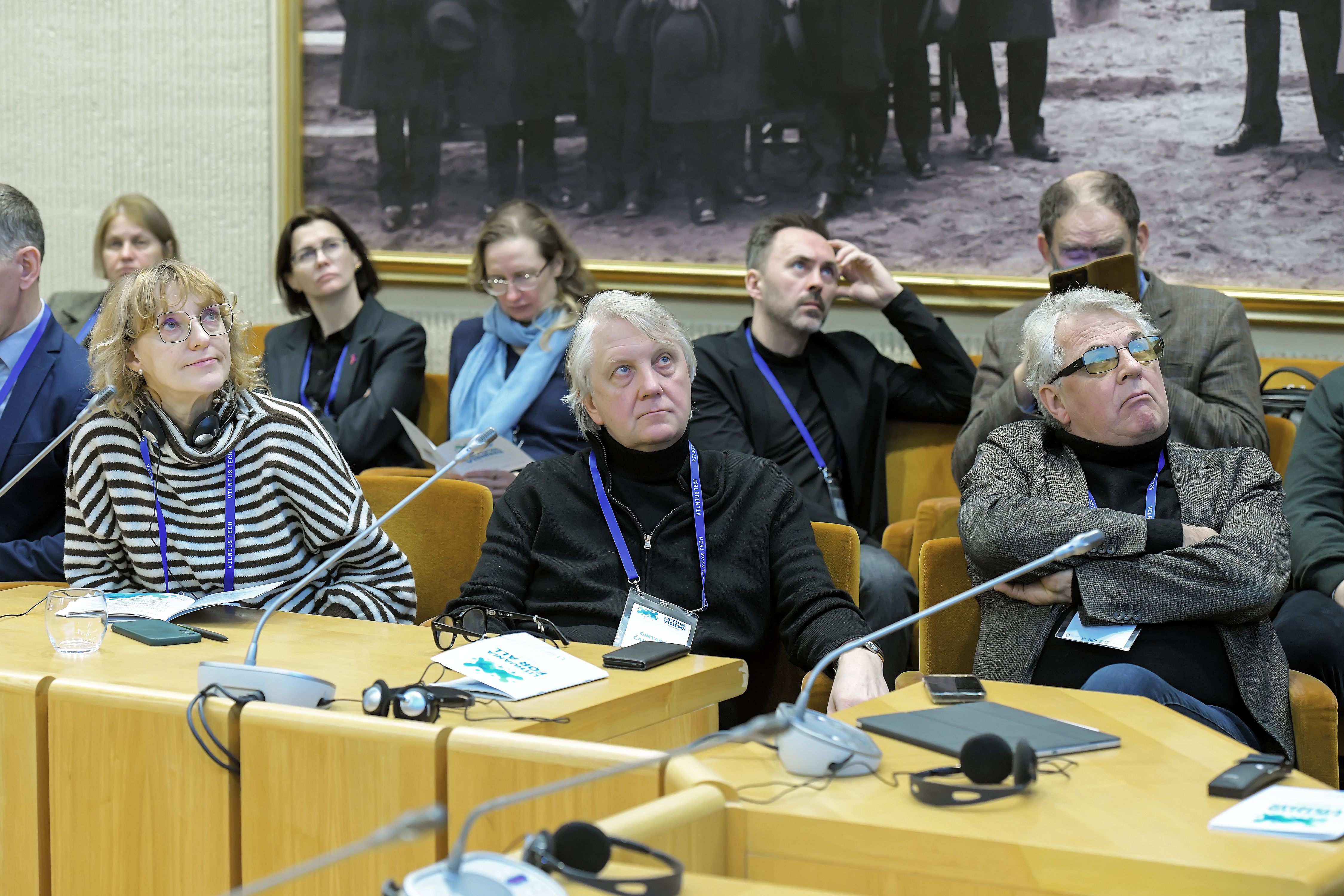
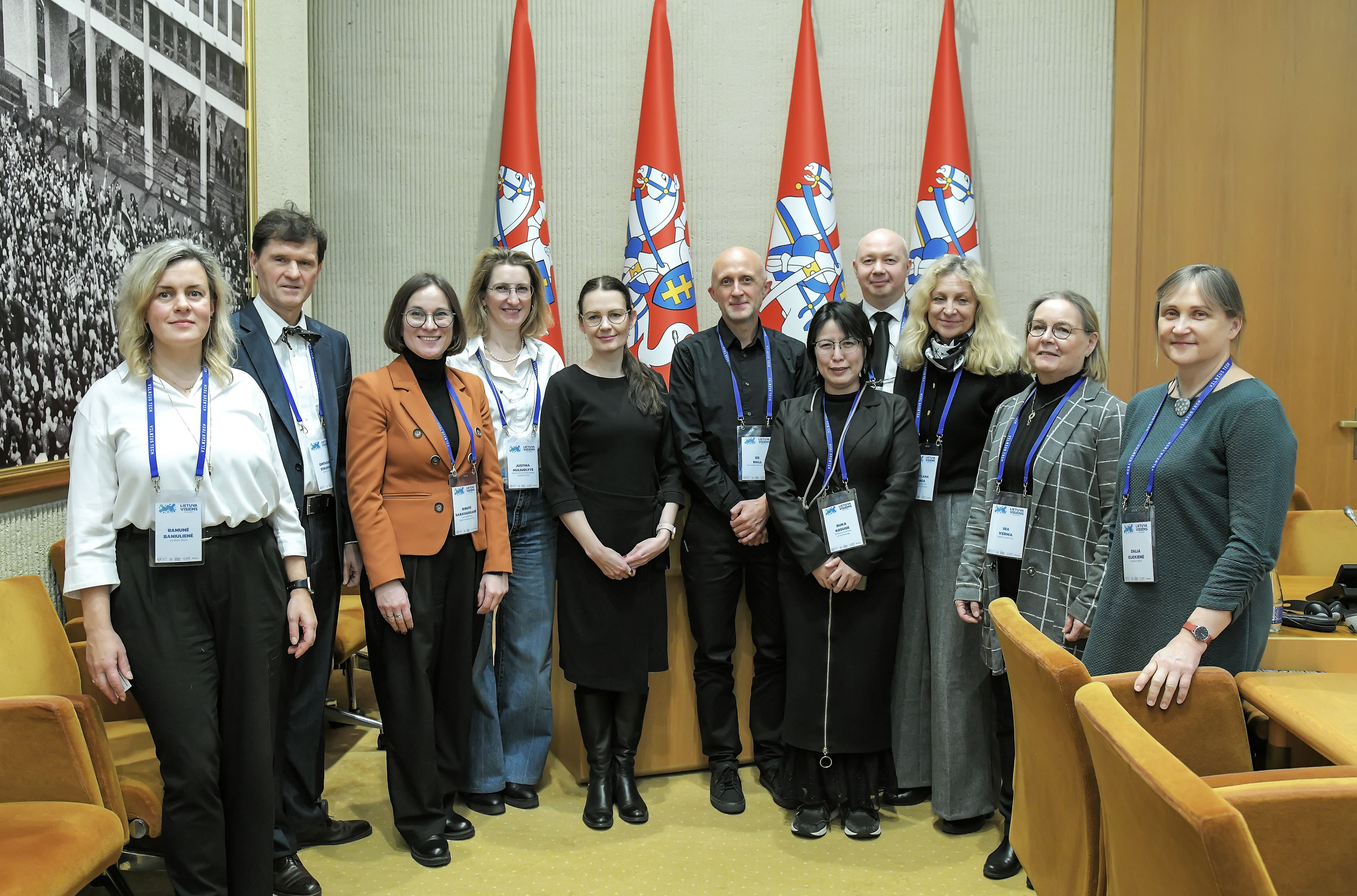
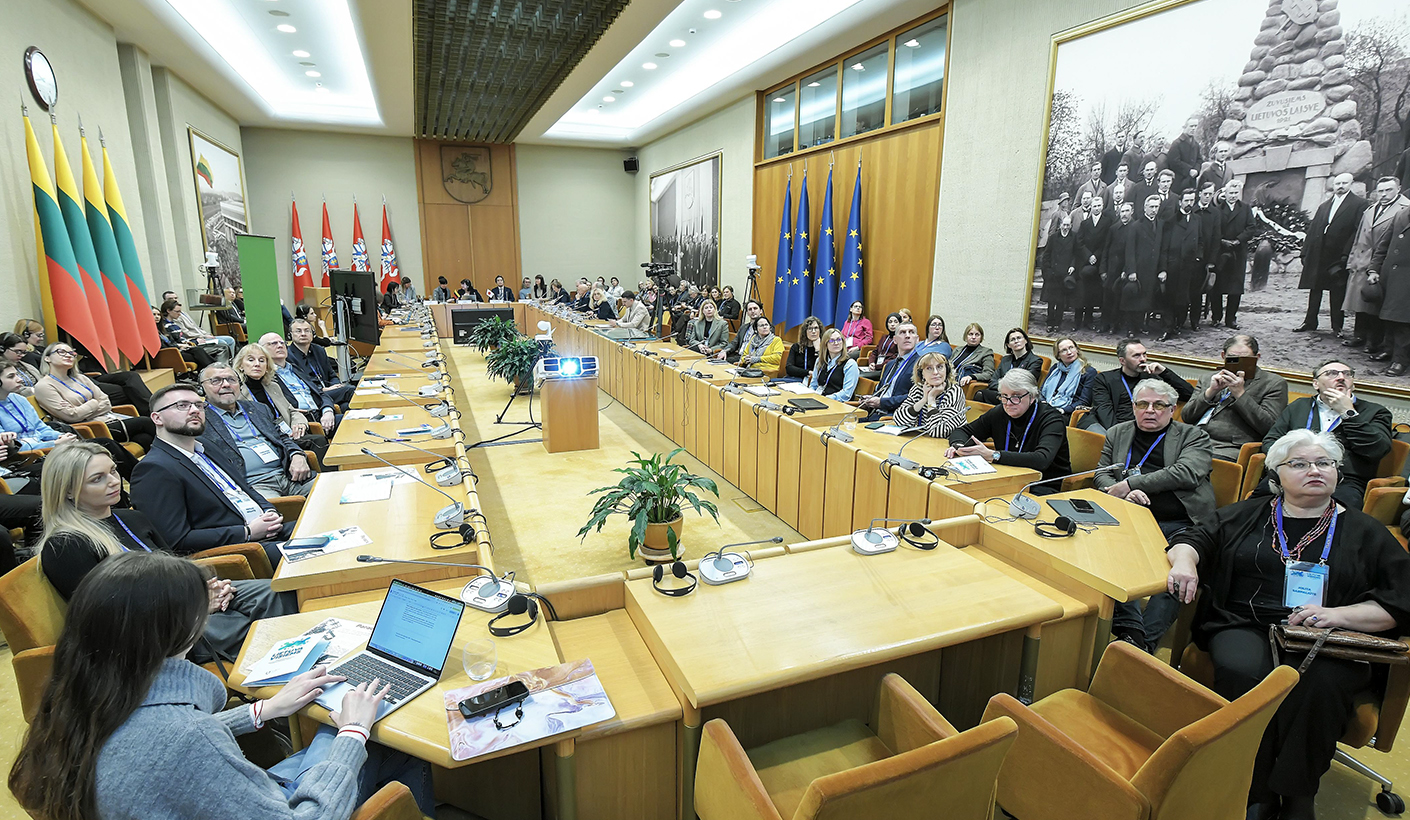
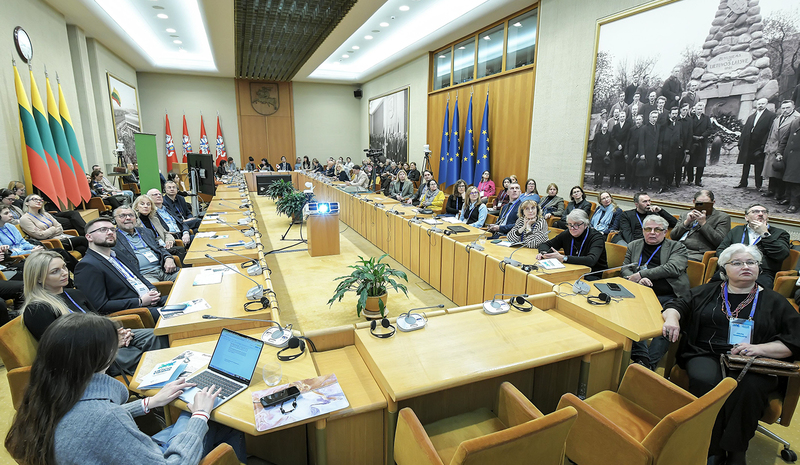
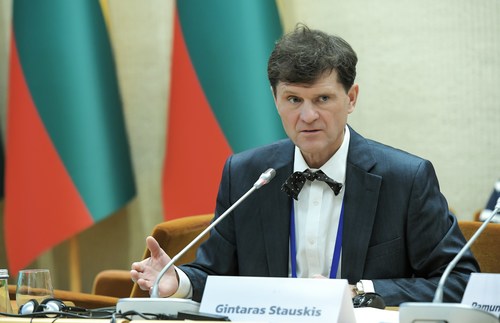
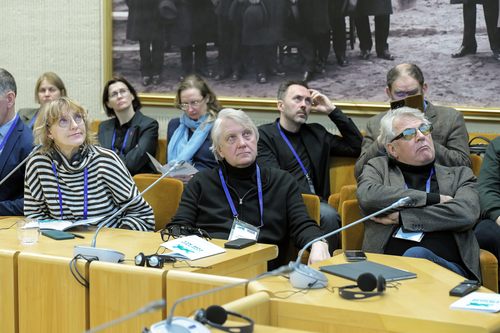
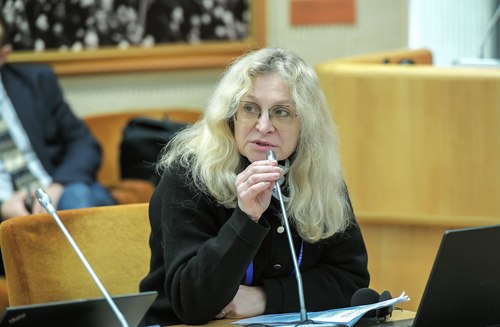
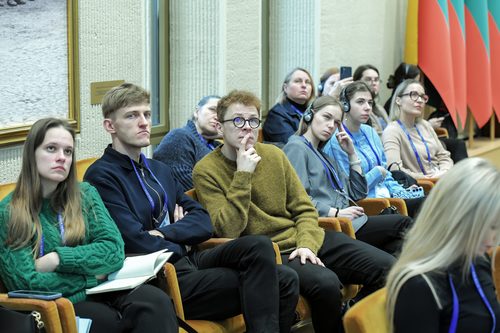
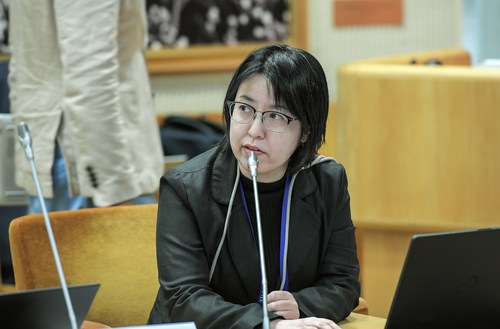
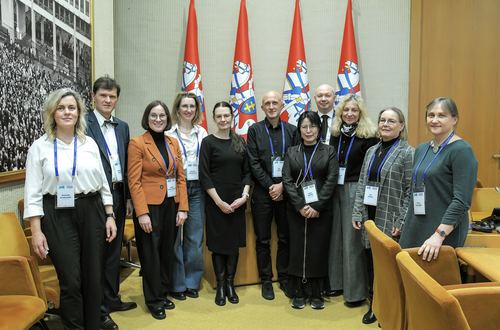
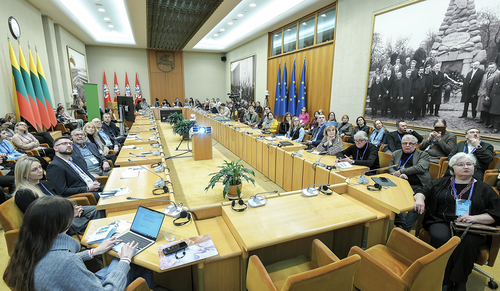
Can our cities be friendly to everyone at all times, especially when we need it most? This question resonated at the international conference "Lithuania for All 2025" held at the Seimas of the Republic of Lithuania. The conference was organized by the Faculty of Architecture at Vilnius Gediminas Technical University (VILNIUS TECH) and initiated by Prof. Dr. Gintaras Stauskis.
Architects, landscape architects, scientists, politicians, international experts from various fields, and representatives of non-governmental organizations for people with disabilities gathered to discuss how accessibility evolves from a technical brief within a project into a moral test for society. "Some people are left on the sidelines not due to a lack of ability, but due to unadapted infrastructure," reminded Orinta Leiputė, Deputy Speaker of the Seimas, emphasizing that a city must be a safe and dignified place for everyone—regardless of visual, hearing, psychosocial, or other challenges.
This is not just about people with disabilities, but also parents with strollers, children, and elderly residents—everyone. The creation of inclusive urban open spaces establishes the prerequisites for the consolidation and maturity of our society.
Accessibility Is More Than Just a Ramp
More than 231,000 people with disabilities live in Lithuania, yet a large portion of them still cannot use the same services as everyone else. Rita Grigalienė, Vice-Minister of Social Security and Labour, reminded attendees that accessibility is not merely the ability to enter a building: "It is the opportunity to use culture, education, health services, and all city spaces on an equal footing with others."
This requires universal design—not special solutions for separate groups, but an environment properly designed for everyone from the start. As Indrė Kižienė, Chair of the Commission for the Rights of People with Disabilities of the Seimas, emphasized, such an environment "should not be exclusively marked, but simply naturally friendly to everyone." According to experts, good universal design is invisible.
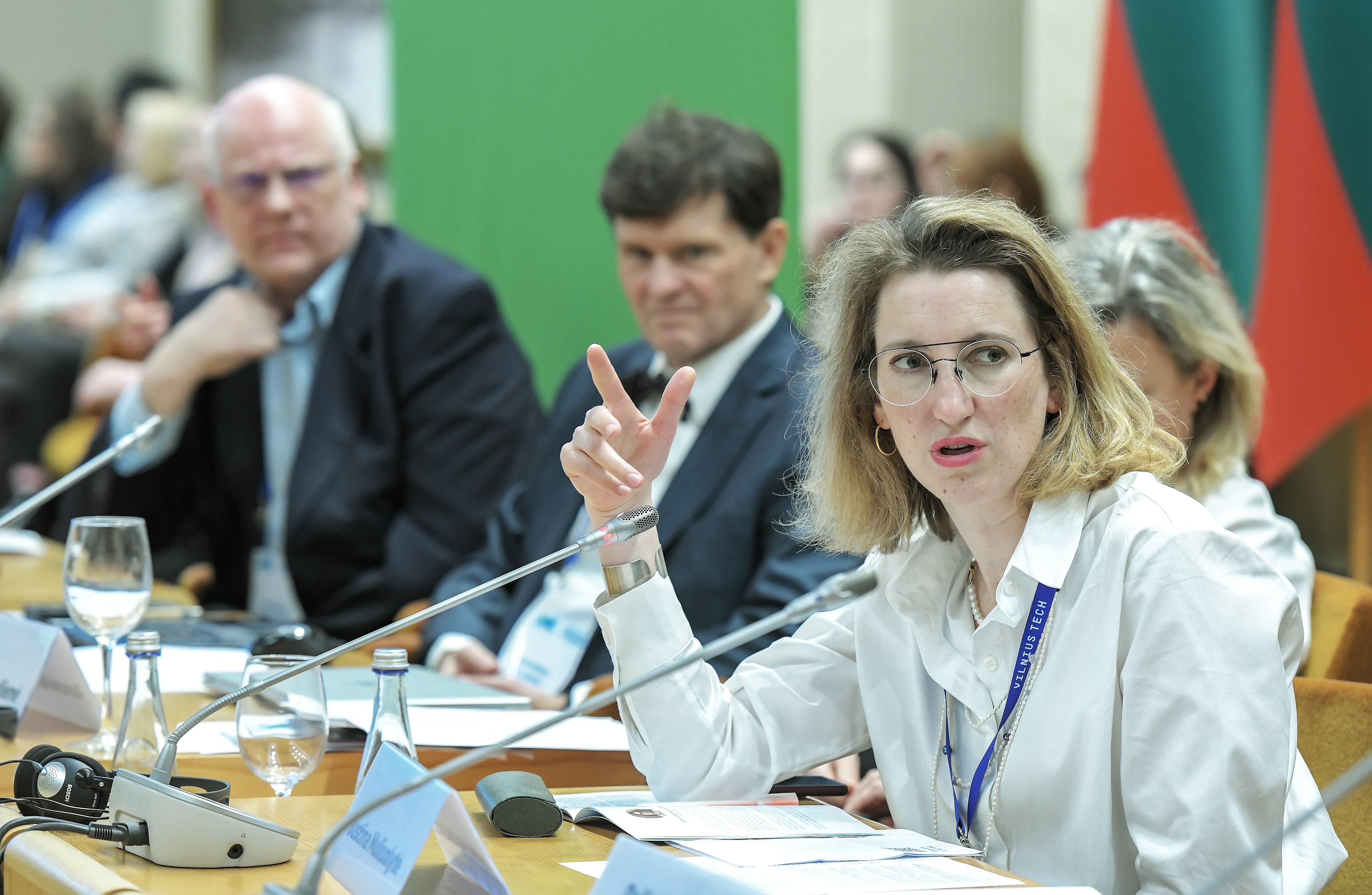
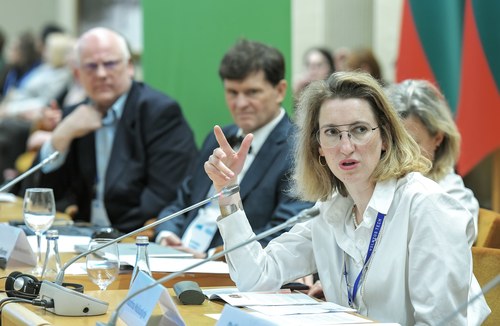
Justina Muliuolytė, a lecturer at VILNIUS TECH and urbanist at PUPA/Life Over the Space, agrees: "We all want aesthetic buildings and spaces, but that is not enough. True quality lies in vibrant spaces that everyone can use and enjoy."
However, reality in Lithuania often shows otherwise. Birutė Sabatauskaitė, the Equal Opportunities Controller, cited several facts that drew sighs in the Constitution Hall: 72% of Lithuanian schools are not accessible to everyone; even Michelin-starred restaurants do not necessarily have toilets adapted for all people; and lifts installed in various locations are often left non-functional.
Invisible Challenges in Cities
The conference also focused significantly on invisible challenges—psychosocial, sensory, and cognitive needs—which rarely become part of project designs.
Prof. Dr. Arūnas Germanavičius, Director of the Republican Vilnius Psychiatric Hospital, emphasized:
"The urban environment can be a risk factor for mental health, but it can also be a healing factor. For people with psychosocial disabilities, a calm, less stimulating environment and green spaces every 300-500 meters are important. Cities need clear landmarks and minimal aesthetics."
"The urban environment can be a risk factor for mental health, but it can also be a healing factor. For people with psychosocial disabilities, a calm, less stimulating environment and green spaces every 300-500 meters are important. Cities need clear landmarks and minimal aesthetics."
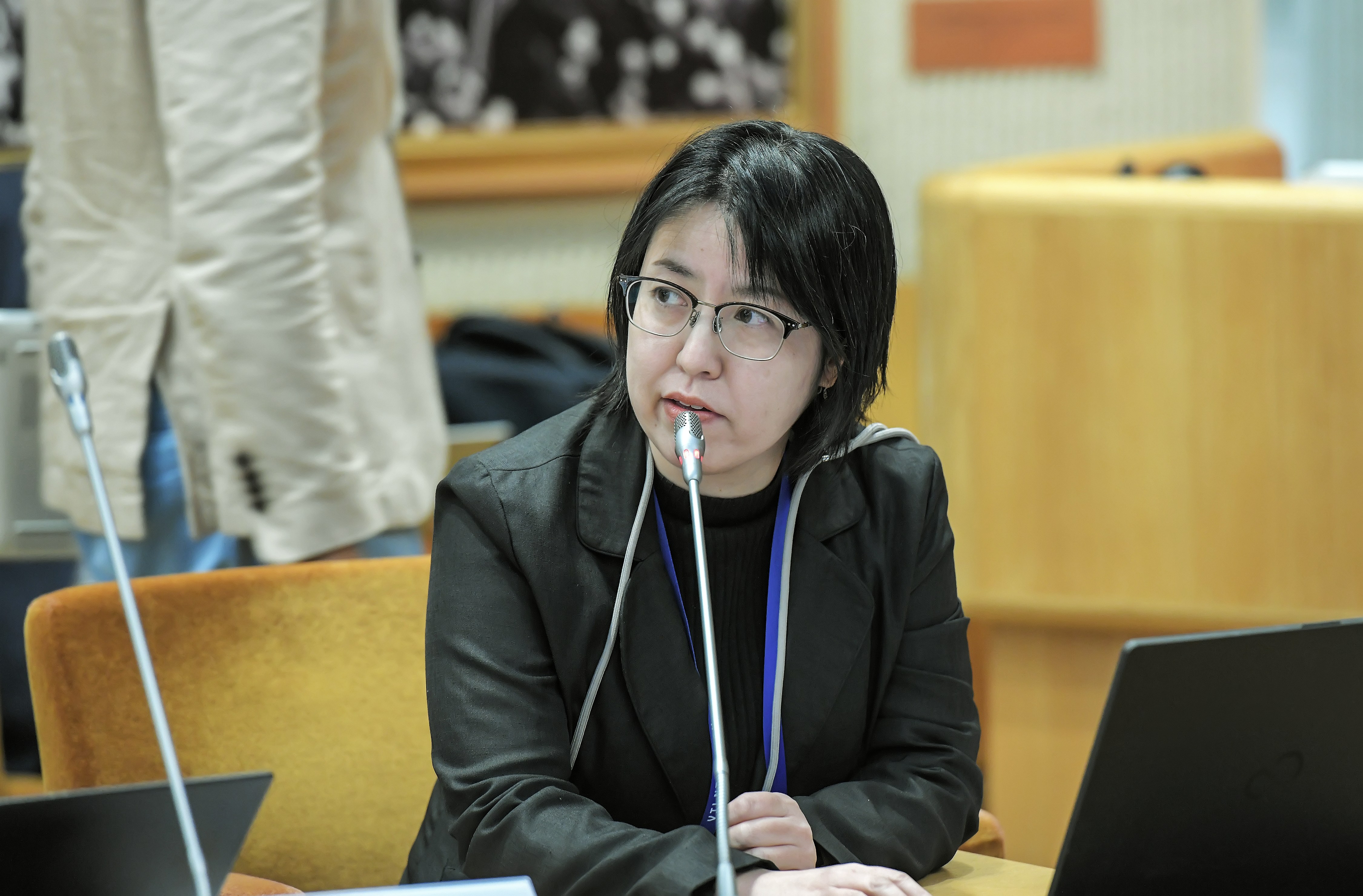
He was seconded by Finnish researcher Dr. Ira Verma (Aalto University) and Professor Dr. Ruka Kosuge from Japan (Shibaura Institute of Technology), who drew particular attention to the aging society and the varying needs for social connection in cities. "One moment a person might want to be among people, the next they might need a comfortable distance from others—there should be an option to choose," shared Prof. Dr. Ruka Kosuge.
Issues of social connection and inclusion are particularly significant in cities. According to Dr. I. Verma, the opportunity to build social ties and engage more actively in planning and design processes is especially important for an aging society. However, due to unadapted environments, they often experience exclusion and lack the opportunity to engage in shaping their environment, even though they could make a weighty contribution to creating more accessible spaces for all.
What is the Price of Accessibility?
How much does a city accessible to everyone actually cost? VILNIUS TECH Professor Dr. Gintaras Stauskis answers bluntly: "The price of accessibility? If accessibility issues are addressed from the very beginning of the project's creation—accessibility costs nothing extra."
The biggest problems are the inconsistent interpretation of various norms, a lack of communication between institutions, and the fact that solutions and methods are not always implemented in the earliest stages. "Different municipalities evaluate the same solution differently, and sometimes universal design becomes an empty word left to interpretation," emphasized VILNIUS TECH doctoral student Ramunė Baniulienė.
Experts also pointed out that a low price in public procurement does not equate to quality solutions, and unthought-out details can cost significantly more later, affecting the daily lives of many. This requires the engagement of specialists from various fields and the residents themselves.
Nemunas Abukauskas, a representative of the Ministry of Transport and Communications, drew attention to another "invisible" problem—the dominance of cars in urban infrastructure. In the absence of precise rules, pedestrian and bicycle paths are still designed as secondary, and too little attention is paid to the movement of different road users in the same space, which can sometimes cost human lives.
Society Should Create an Environment Without Barriers
Various global practices show that it is possible to create a city where everyone feels welcome. This requires not expensive technologies, but political decisions, professional responsibility, and, most importantly, an inclusive societal attitude.
Prof. Dr. Svitlana Linda of Lviv Polytechnic National University (Ukraine) described how Lviv, despite the war, is implementing accessibility strategies—from ramps to public transport upgrades. Meanwhile, Prof. Dr. Ed Wall of the University of Greenwich (UK) reminded everyone: "Urban public spaces are never fully finished. They are constantly being improved. This requires the constant engagement of specialists and diverse groups of residents."
"In recent decades, Lithuania has made significant progress in ensuring environmental accessibility. An accessible environment has become not only a legal requirement but also a natural expectation of a mature society," shared Česlava Lisovska, Vice-Minister of Environment.
The Ambassador of Japan to Lithuania, H.E. Shinsuke Shimizu, invited everyone to reflect: "This is a question of the social model, where society adapts to people with disabilities and other needs, rather than the other way around. Changing attitudes is the most important thing—society should not create obstacles."
A recording of the conference can be viewed on the Atviras Seimas (Open Seimas) YouTube channel. The draft resolution of the conference is available at this link.
Conference Organizer: VILNIUS TECH (Vilnius Gediminas Technical University) Faculty of Architecture
Conference Patrons: Minister of Environment Simonas Gentvilas*, Chair of the Seimas Commission for the Rights of People with Disabilities Indrė Kižienė
Conference Sponsors: UAB "Paradis"
The conference is partially funded by: The Research Council of Lithuania
Conference Patrons: Minister of Environment Simonas Gentvilas*, Chair of the Seimas Commission for the Rights of People with Disabilities Indrė Kižienė
Conference Sponsors: UAB "Paradis"
The conference is partially funded by: The Research Council of Lithuania
Photos: Aleksas Jaunius


-
- Page administrators:
- Monika Daukintytė
- Monika Daukintytė
- Ugnė Daraškevičiūtė