
- Faculty of Fundamental Sciences
- Faculty Departments
- Department of Graphical Systems
Department of Graphical Systems
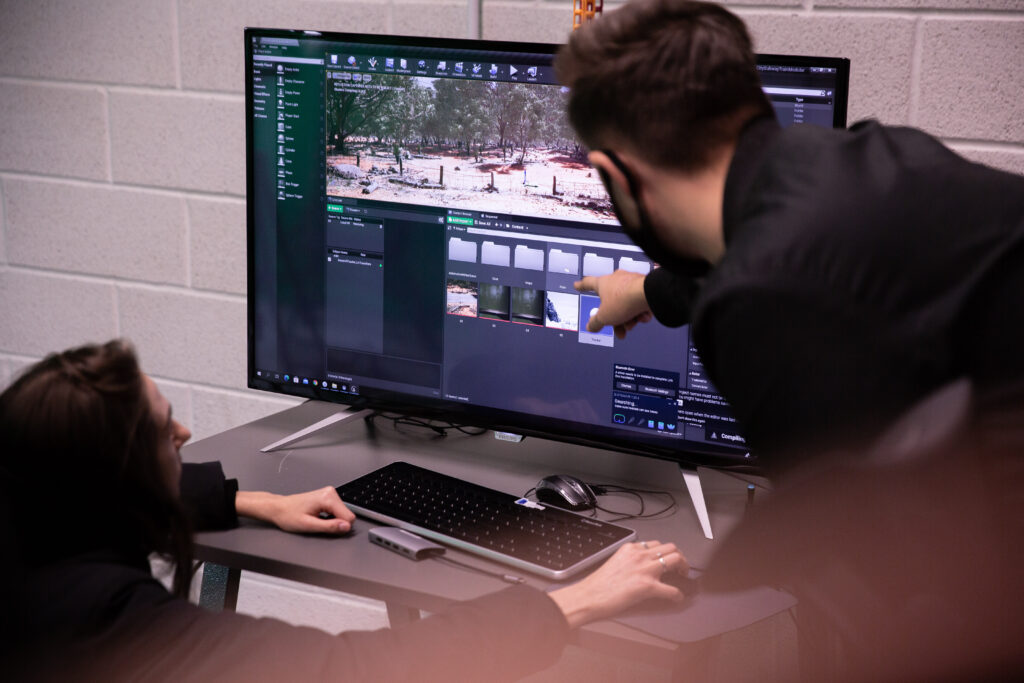
The Department prepares Bachelor’s and Master’s specialists in multimedia, computer design, and digital animation. It conducts research using CAD, GIS, artificial intelligence, virtual and augmented reality, and modern animation technologies.

About the Department
Study programmes at the department
Department of Graphical Systems offers the following study programs:
Partners
Department of Graphical Systems maintains active cooperation with social and industry partners.




Show more
Department Staff
The staff of the Department of Graphic Systems are highly qualified specialists in information technologies, computer graphics, multimedia, and visual systems. They conduct research, deliver study courses to students, and develop advanced solutions in the field of visual and interactive systems.
Administration
- Administration
- Research Staff
-
Prof. Dr Habil. Romualdas BaušysHead
-
Ernestas ČepulionisHead of Laboratory(ies)
-
Kristina BraškuvienėAdministrator
-
Dr. Hasan DincerChief Research Fellow
-
Dr. Samarjit KarChief Research Fellow
-
Assoc Prof. Dr. Girūta Kazakevičiūtė-JanuškevičienėSenior Research Fellow
-
Assoc Prof. Dr. Ruslan PacevičSenior Research Fellow
-
Dr. Rokas SemėnasResearch Fellow
-
Dr. Birutė JuodagalvienėResearch Fellow
-
Dr. Juozas KamarauskasJunior Research Fellow
-
Assoc Prof. Dr. Ana UsovaitėJunior Research Fellow
-
Dr. Rytė ŽiūrienėJunior Research Fellow
Show more
Thesis Abstracts
Years
Qualification
Clear selections
Aistė Kazlauskaitė
— Assoc Prof Meda Norbutaitė
Green Events Visual Identity Guide Based on Sustainable Design Measures Analysis
The purpose of the project is to investigate sustainable design practices and create a visual identity guide for an event using sustainable design solutions. The first part of...
Green Events Visual Identity Guide Based on Sustainable Design Measures Analysis
Student:
Aistė Kazlauskaitė
Supervisor:
Assoc Prof Meda Norbutaitė
Department:
Department of Graphical Systems
Thesis abstract (LT)
Baigiamojo darbo tikslas - ištirti tvarias dizaino priemones ir sukurti vizualinio identiteto gidą renginiui, kuriame būtų naudojamos tvarios dizaino priemonės. Pirmoje darbo dalyje nagrinėjama tvarumo samprata, tvarumo principai naudojami renginių ir marketingo sektoriuose, žaliųjų renginių pavyzdžiai. Taip pat atsižvelgiama ir į interneto stiliaus gido sampratą ir jo elementus. Antrojoje dalyje nagrinėjamos programos ir įrankiai, skirti vizualiniam identitetui ir internetiniam puslapiui kurti. Trečiojoje dalyje sukurtas interneto stiliaus gidas, remiantis atlikta literatūros analize, naudojant "Adobe Illustrator", HTML, CSS, JavaScript. Šis identiteto gidas sukurtas žaliąjam renginiui ir paremtas tvarumo principais. Ketvirtoje dalyje aptariami darbo rezultatai, pateiktos rekomendacijos ir suformuluotos išvados.
Darbo apimtis - 54 p. be priedų, 39 pav., 2 lentelės, 24 biografiniai šaltiniai
Thesis abstract (EN)
The purpose of the project is to investigate sustainable design practices and create a visual identity guide for an event using sustainable design solutions. The first part of the thesis examines the concept of sustainability, sustainability principles applied in the event and marketing sectors, and examples of green events. It also discusses the concept of a web style guide and its key elements. The second part analyzes software and tools used for creating visual identities and websites. The third part presents the developed web style guide, which was created based on the conducted literature review using Adobe Illustrator, HTML, CSS, and JavaScript. This identity guide was designed for a green event and is based on sustainability principles. The fourth part discusses the results of the project, provides recommendations, and presents the conclusions.
Thesis scope: 54 pages excluding appendices, 39 figures, 2 tables, and 24 bibliographic sources.
Aistė Seniutaitė
— Dr Juozas Kamarauskas
Development of an Online Photo Editing System using Deep Learning Methods
The thesis examines the possibilities of applying deep learning methods in online photo editing systems. The aim of the work is to create an online system that allows...
Development of an Online Photo Editing System using Deep Learning Methods
Student:
Aistė Seniutaitė
Supervisor:
Dr Juozas Kamarauskas
Department:
Department of Graphical Systems
Thesis abstract (LT)
Baigiamajame darbe nagrinėjamos gilaus mokymo metodų taikymo galimybės internetinėse nuotraukų redagavimo sistemose. Darbo tikslas - sukurti internetinę sistemą, leidžiančią automatiškai gerinti nuotraukų kokybę naudojant dirbtinio intelekto modelius. Darbe atlikta mašininio mokymosi, konvoliucinių neuroninių tinklų bei vaizdų apdorojimo metodų teorinė analizė. Sistemos realizacijai buvo naudojamos „Python“, „TensorFlow“, „Keras“ ir „Flask“ technologijos. Sukurtoje sistemoje integruoti triukšmo šalinimo, nuotraukų pašviesinimo bei rezoliucijos didinimo modeliai. Atliktas sistemos testavimas ir rezultatų vertinimas naudojant vidutinės kvadratinės paklaidos (MSE) metriką.
Thesis abstract (EN)
The thesis examines the possibilities of applying deep learning methods in online photo editing systems. The aim of the work is to create an online system that allows automatically improving the quality of photos using artificial intelligence models. The work includes a theoretical analysis of machine learning, convolutional neural networks and image processing methods. The system was implemented using Python, TensorFlow, Keras and Flask technologies. The developed system integrates noise removal, photo brightening and resolution enhancement models. The system was tested and the results were evaluated using the mean square error (MSE) metric.
Alina Pokosenko
— Prof Dr Habil Romualdas Baušys
Animating Hand Gestures using AI Technologies
This bachelor thesis analyzes the use of artificial intelligence for gesture-based video-to-video animation. The aim of the research is to apply Stable Diffusion and ComfyUI for generating hand...
Animating Hand Gestures using AI Technologies
Student:
Alina Pokosenko
Supervisor:
Prof Dr Habil Romualdas Baušys
Department:
Department of Graphical Systems
Thesis abstract (LT)
Šiame bakalauro darbe analizuojamas dirbtinio intelekto taikymas gestais pagrįstai video-to-video animacijai kurti. Tyrimo tikslas - pritaikyti „Stable Diffusion“ ir „ComfyUI“ sistemas rankų gestų animacijai generuoti bei įvertinti, kaip tiksliai sugeneruoti vaizdo įrašai išsaugo originalų judesį. Praktinėje dalyje buvo įrašyti penki rankų gestų vaizdo įrašai ir apdoroti naudojant „Stable Diffusion“, „AnimateDiff“, „ControlNet“ ir „ComfyUI“ darbo eigą. Buvo testuojami įvairūs parametrai, tokie kaip sampleriai, CFG scale, „ControlNet“ stiprumas ir kiti, siekiant pagerinti gestų kokybę bei judesio nuoseklumą. Rezultatai parodė, kad DI įrankiai gali sėkmingai išsaugoti pagrindinį gesto judesį ir sukurti vizualiai nuoseklią animaciją. Paprastesni gestai buvo stabilesni, o dinamiškesni kartais sukeldavo rankų iškraipymus ar mirgėjimą. Tyrimas parodė, kad DI pagrįsta animacija gali atkurti atpažįstamus rankų gestus, tačiau realistinių rankų judesių generavimas vis dar išlieka sudėtinga užduotimi.
Thesis abstract (EN)
This bachelor thesis analyzes the use of artificial intelligence for gesture-based video-to-video animation. The aim of the research is to apply Stable Diffusion and ComfyUI for generating hand gesture animations and evaluate how accurately the generated videos preserve the original movement. The practical part includes recording five hand gesture videos and processing them using Stable Diffusion, AnimateDiff, ControlNet and ComfyUI workflows. Different parameters, such as samplers, CFG scale, ControlNet strength and others, were tested to improve gesture quality and motion consistency. The results showed that AI tools can successfully preserve general gesture movement and create visually consistent animations. Simpler gestures produced more stable results, while dynamic gestures sometimes caused hand distortions and flickering. Overall, the research demonstrates that AI-based animation can reproduce recognizable hand gestures, although realistic hand motion generation still remains a challenging task.
Alina Švaikovskytė
— Gitana Čechamirienė
Development of an Online Wedding Planning System using Web Technologies
This bachelor’s thesis aims to develop an online wedding invitation management system using a PHP framework. The theoretical part of the thesis examines the purpose of digitizing wedding...
Development of an Online Wedding Planning System using Web Technologies
Student:
Alina Švaikovskytė
Supervisor:
Gitana Čechamirienė
Department:
Department of Graphical Systems
Thesis abstract (LT)
Šio baigiamojo bakalauro darbo tikslas – sukurti internetinę vestuvių kvietimų valdymo sistemą, taikant PHP karkasą. Teorinėje darbo dalyje nagrinėjama vestuvių kvietimų skaitmeninimo paskirtis, panašių internetinių vestuvių kvietimų sprendimų funkcionalumas, vartotojo sąsajos ypatumai ir PHP karkasų taikymo galimybės. Išanalizavus panašius produktus ir technologinius sprendimus, pasirinktos sistemai įgyvendinti reikalingos technologijos: Laravel PHP karkasas, React biblioteka vartotojo sąsajai kurti, MySQL duomenų bazė, AWS S3 failų saugykla. Praktinėje darbo dalyje aprašomas sistemos projektavimas, duomenų bazės modelis, vartotojo sąsajos kūrimas, pagrindinių funkcijų realizavimas ir sistemos testavimas. Sukurtoje sistemoje realizuotos svečio ir administratoriaus sąsajos: svečio sąsaja skirta kvietimo informacijai peržiūrėti ir atsakymams pateikti, o administratoriaus sąsaja – svečių ir sistemos duomenims valdyti. Darbo apimtis – 75 puslapiai be priedų, 54 paveikslėliai, 28 lentelės, 15 šaltinių.
Thesis abstract (EN)
This bachelor’s thesis aims to develop an online wedding invitation management system using a PHP framework. The theoretical part of the thesis examines the purpose of digitizing wedding invitations, the functionality of similar online wedding invitation solutions, the characteristics of user interfaces, and the possibilities for applying PHP frameworks. After analyzing similar products and technological solutions, the technologies required to implement the system were selected: the Laravel PHP framework, the React library for building the user interface, a MySQL database, and AWS S3 file storage. The practical part of the thesis describes the system design, the database model, the development of the user interface, the implementation of key features, and system testing. The developed system includes guest and administrator interfaces: the guest interface is designed for viewing invitation information and submitting responses, while the administrator interface is used to manage guest and system data. The thesis comprises 75 pages excluding appendices, 54 figures, 28 tables, and 15 references.
Anastasia Stepanova
— Assoc Prof Dr Ruslan Pacevič
3D Visualization of Chemical Reactions using Three.js
The aim of this bachelor's thesis is to analyze learning styles, chemical visualization methods, and existing platforms to practically implement an educational, interactive 3D system that demonstrates the...
3D Visualization of Chemical Reactions using Three.js
Student:
Anastasia Stepanova
Supervisor:
Assoc Prof Dr Ruslan Pacevič
Department:
Department of Graphical Systems
Thesis abstract (LT)
Šio bakalauro baigiamojo darbo tikslas – išanalizuoti mokymosi stilius, chemijos vizualizacijos metodus ir esamas platformas mokomosios interaktyvios 3D sistemos, demonstruojančios pagrindinių cheminių reakcijų eigą, paremtą formulėmis ir paaiškinimais, įgyvendinimui. Literatūros analizėje apžvelgiami pagrindinis chemijos mokymosi modelis, dvigubo kodavimo (angl. Dual Coding Theory) ir kognityvinio krūvio (angl. Cognitive Load Theory) teorijų principai bei skirtingi cheminių reprezentacijų modeliai. Darbe išanalizuojamos technologijos, suteikiančios galimybę patikimai ir naudojant mažą kompiuterinių išteklių kiekį vizualizuoti chemines reakcijas 3D erdvėje, ir pasirinktas “Three.js” įrankis. Remiantis suprojektuota monolitine sistemos architektūra, tinklalapio aplikacijos sąsaja įgyvendinta naudojant HTML, „Angular“ ir CSS, o serverinė dalis – ASP.NET „Web API“, „EF Core“ ir „PostgreSQL“. Sukurta tinklalapio aplikacija yra pritaikoma (angl. responsive) ir veikia tiek stacionariuose, tiek mobiliuosiuose įrenginiuose. Baigiamąjį darbą sudaro įvadas, literatūros analizė, technologijų palyginimas ir parinkimas, serverinės ir kliento pusės realizacija, rezultatų pristatymas bei rekomendacijos tolesniam tobulinimui, išvados ir literatūros sąrašas. Darbo apimtis – 75 puslapiai teksto be priedų, 58 paveikslai, 5 lentelės ir 51 bibliografinis šaltinis.
Thesis abstract (EN)
The aim of this bachelor's thesis is to analyze learning styles, chemical visualization methods, and existing platforms to practically implement an educational, interactive 3D system that demonstrates the course of basic chemical reactions, supported by formulas and explanations. The literature analysis reviewed the fundamental model of learning chemistry, the principles of Dual Coding Theory and Cognitive Load Theory, and the different models of chemical representation. Technologies for low-cost and reliable 3D visualization were analyzed, and Three.js was selected. Based on the designed application’s monolithic architecture, the web application’s front-end was implemented in HTML, Angular, and CSS; the back-end was implemented in ASP.NET Web API, EF Core, and PostgreSQL. The resulting web application is responsive, functioning on both desktop and mobile. The final thesis consists of an introduction, literature analysis, technology comparison and selection, server-side and client-side realization, provision of results and post-development improvement recommendations, conclusions, and a list of references. The scope of the thesis is 75 pages of text without appendices, 58 figures, 5 tables, and 51 bibliographical sources.
Anastasija Chmelevska
— Ana Ušpurienė
Application of Howard Gardner’s Learning Model in the Development of an Educational Game Designed for Children Aged 8–10
The aim of the bachelor's thesis is to apply Howard Gardner’s theory of multiple intelligences in the development of an educational digital game for children aged 8–10, ensuring...
Application of Howard Gardner’s Learning Model in the Development of an Educational Game Designed for Children Aged 8–10
Student:
Anastasija Chmelevska
Supervisor:
Ana Ušpurienė
Department:
Department of Graphical Systems
Thesis abstract (LT)
Bakalauro baigiamojo darbo tikslas – pritaikyti Howardo Gardnerio daugialypio intelekto teoriją kuriant lavinamąjį skaitmeninį žaidimą 8–10 metų vaikams, užtikrinant tikslingą skirtingų intelektų lavinimą per žaidimo struktūrą ir užduotis. Baigiamajame darbe nagrinėjama H. Gardnerio daugialypio intelekto teorija ir jos taikymo galimybės kuriant skaitmeninį žaidimą. Atlikta literatūros analizė, kurios metu išnagrinėti tikslinės auditorijos poreikiai ir nustatyti pagrindiniai žaidimo vertinimo kriterijai. Parinktos žaidimo kūrimo technologijos, pagrįstas jų pasirinkimas, suplanuota žaidimo kūrimo eiga ir struktūra. Remiantis teoriniu pagrindu, žaidimas realizuotas naudojant „Unity“ žaidimų variklį, o grafiniai ir vartotojo sąsajos elementai sukurti naudojant „Figma“. Sukurtas lavinamasis 2D žaidimas „Varliuko misija: gamtos pusiausvyra“, kurį sudaro septyni nuoseklūs lygiai. Kiekvienas lygis realizuotas taikant skirtingus techninius sprendimus ir įgyvendinant mechanikas, skirtas skirtingų intelektų tipų lavinimui pagal H. Gardnerio daugialypio intelekto teoriją.
Darbą sudaro 7 dalys: įvadas, literatūros analizė, technologijų parinkimas, lavinamojo žaidimo kūrimas, žaidimo analizė ir vertinimas, išvados ir rezultatai, literatūros sąrašas.
Darbo apimtis – 68 puslapiai teksto be priedų, 31 paveikslėlis, 7 lentelės, 34 bibliografiniai šaltiniai.
Thesis abstract (EN)
The aim of the bachelor's thesis is to apply Howard Gardner’s theory of multiple intelligences in the development of an educational digital game for children aged 8–10, ensuring purposeful development of different types of intelligence through the game structure and tasks. The thesis examines H. Gardner’s theory of multiple intelligences and its application possibilities in the development of a digital game. A literature review was conducted to analyze the needs of the target audience and identify the main criteria for game evaluation. Appropriate game development technologies were selected, their choice was justified, and the game development process and structure were planned. Based on the theoretical foundation, the game was developed using the Unity game engine, while the graphical and user interface elements were created using Figma. An educational 2D game entitled “Frog’s Mission: Nature Balance” was developed, consisting of seven sequential levels. Each level was implemented using different technical solutions and gameplay mechanics designed to foster different types of intelligence according to Gardner’s theory of multiple intelligences.
The thesis consists of 7 parts: introduction, literature review, technology selection, educational game development, game analysis and evaluation, conclusions and results, and references.
Thesis volume – 68 pages of text excluding appendices, 31 figures, 7 tables, and 34 bibliographic sources.
Andrėja Borisovaitė
— Assoc Prof Dr Ingrida Leščauskienė
Narrative Game Design with Implicit Guidance for AI-Powered Scam Awareness
The topic of this bachelor's thesis is "Narrative game design with implicit guidance for AI-powered scam awareness". The thesis aims to create a narrative-driven computer game that promotes...
Narrative Game Design with Implicit Guidance for AI-Powered Scam Awareness
Student:
Andrėja Borisovaitė
Supervisor:
Assoc Prof Dr Ingrida Leščauskienė
Department:
Department of Graphical Systems
Thesis abstract (LT)
Bakalauro darbo tema - "Naratyvinių žaidimų dizainas su implicitiniu orientavimu į di pagrįstų sukčiavimo schemų atpažinimą ". Darbo tikslas - taikant instruktažo sistemas, paremtas mentoriaus principu ir netiesioginėmis užuominomis, sukurti naratyvinį kompiuterinį žaidimą, skatinantį supratimą apie dirbtinio intelekto pagrindu veikiančias sukčiavimo schemas. Darbe analizuojami dirbtinio intelekto pagrindu veikiančios sukčiavimo schemos bei netiesioginių užuominų taikymai. "Unity" platformoje sukurtas naratyvinis kompiuterinis žaidimas, integruojantis mentoriaus sistemą ir netiesiogines užuominas DI sukčiavimo schemų atpažinimui.
Thesis abstract (EN)
The topic of this bachelor's thesis is "Narrative game design with implicit guidance for AI-powered scam awareness". The thesis aims to create a narrative-driven computer game that promotes understanding of AI-based fraud schemes by employing instructional systems based on the mentor principle and implicit cues. This paper analyzes AI-based fraud schemes and the use of implicit cues. A narrative video game was developed on the Unity platform, integrating a mentoring system and implicit cues to detect AI-based fraud schemes.
Arnas Zagorskis
— Dr Artūras Kriukovas
Analysis of Solutions for Inside Nagivation in Buildings
This paper examines indoor navigation solutions in a university setting and their practical application in a mobile app. The relevance of this work is heightened by the growing...
Analysis of Solutions for Inside Nagivation in Buildings
Student:
Arnas Zagorskis
Supervisor:
Dr Artūras Kriukovas
Department:
Department of Graphical Systems
Thesis abstract (LT)
Šiame darbe nagrinėjami vidaus patalpų navigacijos sprendimai universiteto aplinkoje bei jų praktinis pritaikymas mobiliojoje programėlėje. Darbo aktualumą didina augantis poreikis greitai orientuotis sudėtingose vidaus erdvėse, kuriose tradicinės sistemos, kaip GPS, negali užtikrinti pakankamai tikslaus vietos nustatymo. Darbe analizuojamos vidaus navigacijos technologijos, jų sąveika tarpusavyje hibridinėse sistemose, bei jų pritaikomumas universiteto infrastruktūrai. Darbo metu atlikta mokslinės literatūros ir egzistuojančių navigacijos sprendimų analizė, įvertinti skirtingų lokalizacijos metodų ir technologijų privalumai bei trūkumai. Nustatyta, kad efektyviausias sprendimas universiteto aplinkoje yra hibridinė navigacijos sistema mobilioje programėlėje, apjungianti QR kodų vizualinę lokalizaciją, Wi-Fi RSSI atspaudavimo metodą bei INS pagrindu veikiantį vartotojo judėjimo sekimą. Programėlės realizacijai pasirinkta Android platforma dėl plačios prieigos prie įrenginio jutiklių ir tinklo duomenų. Darbo praktinėje dalyje sukurta mobili programėlė, gebanti nustatyti vartotojo poziciją vidaus patalpose naudojant K artimiausių kaimynų algoritmą bei apskaičiuoti optimalų maršrutą tarp auditorijų naudojant A* kelio paieškos algoritmą. Galiausiai, sudarytas programėlės testavimo planas ir atlikta funkcionalumo analizė realiomis universiteto aplinkos sąlygomis. Atlikus testavimą nustatyta, kad hibridinės lokalizacijos sprendimas mobilioje programėlėje didina sistemos stabilumą ir pritaikomumą vidaus navigacijos scenarijuose. Darbo pabaigoje pateiktos galimos programėlės tobulinimo kryptys, susijusios su papildomų lokalizacijos metodų integravimu, maršruto paieškos optimizavimu bei hibridinės sistemos atsparumo aplinkos pokyčiams didinimu.
Thesis abstract (EN)
This paper examines indoor navigation solutions in a university setting and their practical application in a mobile app. The relevance of this work is heightened by the growing need to quickly orient oneself in complex indoor spaces where traditional systems, such as GPS, cannot provide sufficiently accurate positioning. The paper analyzes indoor navigation technologies, their interaction within hybrid systems, and their applicability to university infrastructure. The study involved an analysis of scientific literature and existing navigation solutions, evaluating the advantages and disadvantages of different localization methods and technologies. It was determined that the most effective solution in a university environment is a hybrid navigation system in a mobile app, combining visual localization via QR codes, Wi-Fi RSSI fingerprinting method, and an INS-based user motion tracking. The Android platform was chosen for the app’s implementation due to its broad access to device sensors and network data. In the practical part of the work, a mobile app was developed capable of determining the user’s position indoors using the K-nearest neighbors algorithm and calculating the optimal route between lecture halls using the A* pathfinding algorithm. Finally, a testing plan for the app was developed, and a functional analysis was conducted under real-world conditions at the university. The testing revealed that the hybrid localization solution in the mobile app enhances the system’s stability and adaptability in indoor navigation scenarios. At the end of the thesis, potential directions for improving the app are presented, related to the integration of additional localization methods, route search optimization, and increasing the hybrid system’s resilience to environmental changes.
Danielius Vėbra
— Assoc Prof Dr Živilė Elena Mičiulytė
Creation of an Interactive Educational Film on Editing Technologies
The aim of the bachelor’s thesis is to create an interactive educational film that helps beginner video editors learn and apply fundamental film editing principles in practice. The...
Creation of an Interactive Educational Film on Editing Technologies
Student:
Danielius Vėbra
Supervisor:
Assoc Prof Dr Živilė Elena Mičiulytė
Department:
Department of Graphical Systems
Thesis abstract (LT)
Bakalauro baigiamojo darbo tikslas - sukurti interaktyvų edukacinį filmą, kuris padėtų pradedantiesiems vaizdo montažo kūrėjams praktiškai susipažinti su pagrindiniais filmų montažo principais ir juos taikyti. Teorinėje darbo dalyje analizuojami interaktyvūs ir edukaciniai filmai, jų kūrimui naudojamos technologijos bei multimedijos mokymosi principai. Literatūros apžvalgos dalyje taip pat nagrinėjamos pagrindinės filmų montažo taisyklės, tokios kaip Kulešovo efektas, 180 laipsnių taisyklė, 30 laipsnių taisyklė, žvilgsnio krypties atitikimas, perėjimai. Remiantis teorinėje dalyje atlikta analize, sukuriamas interaktyvus edukacinis filmas, naudojant vaizdo kūrimo, postprodukcijos ir interneto technologijas, tokias kaip HTML, CSS ir JavaScript. Baigiamojoje darbo dalyje apžvelgiamas sukurtas produktas, įvertinama jo edukacinė vertė ir aptariamos galimos tolesnio tobulinimo perspektyvos. Darbą sudaro šešios pagrindinės dalys: įvadas, edukacinių ir interaktyvių filmų analizė, teorinis filmų montažo pagrindimas, interaktyvaus edukacinio filmo kūrimo procesas, sukurto produkto vertinimas ir ateities perspektyvos bei išvados.
Darbo apimtis - 57 psl. be priedų, 16 iliustracijų, 2 lentelės, 2 priedai, 26 literatūros šaltiniai.
Thesis abstract (EN)
The aim of the bachelor’s thesis is to create an interactive educational film that helps beginner video editors learn and apply fundamental film editing principles in practice. The theoretical part analyzes interactive and educational films, technologies used for their development, and multimedia learning principles. The literature review also examines the main film editing rules, including the Kuleshov effect, the 180-degree rule, the 30-degree rule, eyeline matching, transitions. Based on the theoretical analysis, an interactive educational film is developed using video production, post-production, and web technologies such as HTML, CSS, and JavaScript. The final part reviews the created product, evaluates its educational value, and discusses possible future improvements. The work consists of six main parts: introduction, analysis of educational and interactive films, theoretical background of film editing, development process of the interactive educational film, evaluation of the created product and future perspectives, and conclusions.
The thesis has a scope of 57 pages without appendices, 16 illustrations, 2 tables, 2 appendices, and 26 references.
Darya Krautsova
— Prof Dr Arnas Kačeniauskas
AI-Enhanced Visualization and Analysis of Consumer Behaviour in Asset Markets
To address the high cognitive load of interpreting unstructured behavioral data in finance, this thesis develops an interactive visualisation system translating AI‐derived behavioural sentiment into perceptually accessible representations...
AI-Enhanced Visualization and Analysis of Consumer Behaviour in Asset Markets
Student:
Darya Krautsova
Supervisor:
Prof Dr Arnas Kačeniauskas
Department:
Department of Graphical Systems
Thesis abstract (LT)
Siekiant sumažinti didelę kognityvinę apkrovą, kylančią interpretuojant nestruktūruotus elgsenos duomenis finansuose, šiame bakalauro baigiamajame darbe sukurta interaktyvi vizualizavimo sistema. Ji paverčia dirbtinio intelekto (DI) generuojamus elgsenos nuotaikų (angl. sentiment) duomenis suvokimui lengvai prieinamomis reprezentacijomis, skirtomis turto rinkos analizei. Darbe naudoti „Reddit“ pranešimai, FRED makroekonominiai rodikliai ir „Yahoo Finance“ rinkos duomenys. Taip pat įvertinti Gauso „Naive Bayes“, sprendimų medžių (angl. Decision Tree), SVM ir „Random Forest“ klasifikatoriai (pastarojo F1 įvertis = 0,83). Papildomai taikyti šie DI metodai: VADER, TF-IDF, „K-Means“, „FP-Growth“ ir LDA. Sukurta „MarketMind“ platforma, naudojant „Python“, „Streamlit“ ir „Plotly“ technologijas, sujungia glasmorfinį (angl. glassmorphic) dizainą su anomalijų laiko juosta (Z įvertis ≥ 2). Naudojamumo testavimas (n=7) parodė, kad spalvomis koduojamos anomalijos sutrumpino aptikimo laiką iki 4,2 s, navigacija tarp esminių elementų – iki 11,2 s, o vizualinio aiškumo balas siekė 4,8/5. Techninis vertinimas patvirtino 279 MB atminties sunaudojimą ir mažesnį nei 200 ms delsos laiką. Ekonometrinė analizė atskleidė, kad vartotojų nuotaikos yra vėluojantis rodiklis. Dizainu grįstas vizualinis kodavimas daro įvairius DI rezultatus skaidrius ir sumažina kognityvinę apkrovą tiriamojoje finansų analizėje.
Darbo struktūra: įvadas, literatūros apžvalga apie dirbtiniu intelektu patobulintą vartotojų elgsenos vizualizavimą ir analizę turto rinkose, duomenų apdorojimo ir grafinių sistemų analizė, integruotos analitinės platformos diegimas, sukurtos integruotos analitinės sistemos analizė, išvados, literatūros sąrašas.
Darbo apimtis: 75 p. teksto be priedų, 28 paveikslai, 10 lentelių, 30 bibliografinių šaltinių.
Thesis abstract (EN)
To address the high cognitive load of interpreting unstructured behavioral data in finance, this thesis develops an interactive visualisation system translating AI‐derived behavioural sentiment into perceptually accessible representations for asset market analysis. Working with Reddit posts, FRED macroeconomic indicators, and Yahoo Finance market data, Gaussian Naive Bayes, Decision Tree, SVM, and Random Forest classifiers were evaluated (Random Forest F1=0.83). Additional AI methods included VADER, TF-IDF, K‐Means, FP‐Growth, and LDA. The MarketMind platform, built with Python, Streamlit, and Plotly, combines glassmorphic design with an anomaly timeline (Z‐score ≥2). Usability testing (n=7) showed colour‐coded anomalies reduced detection time to 4.2 s, cross‐pillar navigation to 11.2 s, and visual clarity scored 4.8/5. Technical evaluation confirmed 279 MB memory and sub‐200 ms latency. Econometric analysis indicated consumer sentiment as a lagging indicator. Design‐led visual encoding makes diverse AI outputs transparent and reduces cognitive load for exploratory financial analysis.
Structure: introduction, literature review on AI-enhanced visualisation and analysis of consumer behaviour in asset markets, analysis of data processing and graphical systems, implementation of the integrated analytical platform, analysis of the developed integrated analytical system, conclusions, references.
Thesis consists of: 75 p. text without appendixes, 28 pictures, 10 tables, 30 bibliographical entries.