- Lithuanian Maritime Academy
- Faculty Departments
- Department of Marine Engineering
Department of Marine Engineering
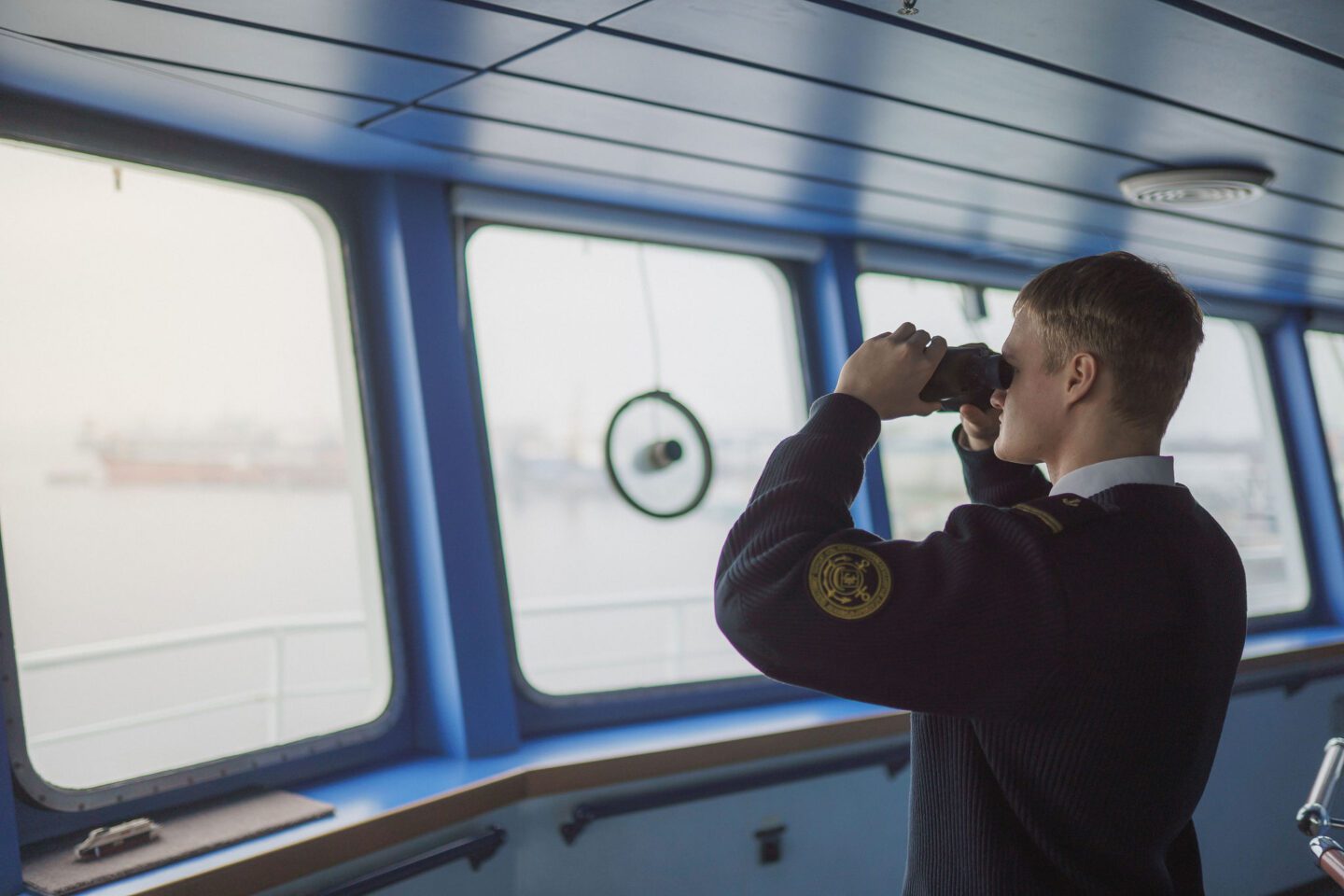
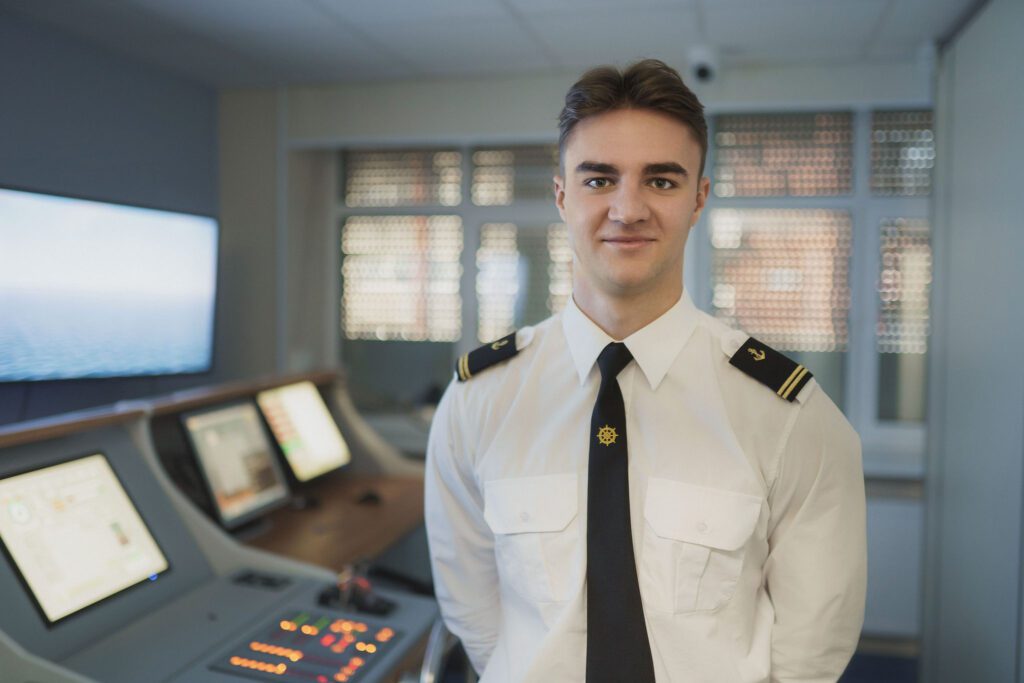
The Department provides training for marine engineers and electro-technical officers in line with international qualification requirements.
About the Department
Study Programmes
The Department is responsible for the development and delivery of the following study programmes:
Partners
Show more
Department Staff
The staff consist of highly experienced researchers and practitioners with long-standing academic, engineering, and maritime expertise. They are actively involved in national and international research and innovation initiatives.
Administration
- Administration
- Professors
- Associate Professors
- Lecturers
- Assistant Lecturers
-
Dr. Valdas LukauskasHead
-
Asta GliožienėAdministrator
Show more
Thesis abstracts
Years
Qualification
Clear selections
Andrei Kaledin
— Artur Kaulitzky
Maintenance and replacement of the control and protection systems of the compressor units of the ship "Dirk Dirk" refrigeration unit
This professional bachelor thesis focuses on the modernization of the electrical drive system for the main cascade refrigeration complex of the fishing vessel ‘Dirk Dirk’ (IMO: 8209171). The...
Maintenance and replacement of the control and protection systems of the compressor units of the ship "Dirk Dirk" refrigeration unit
Student:
Andrei Kaledin
Supervisor:
Artur Kaulitzky
Department:
Department of Marine Engineering
Thesis abstract (LT)
Šiame baigiamajame darbe analizuojama žvejybos tralerio „Dirk Dirk“ (IMO: 8209171) pagrindinio kaskadinio šaldymo komplekso elektros pavarų sistema ir pagrindžiamas jos modernizavimas diegiant švelnaus paleidimo įrenginius (UPP). Pagrindinė tyrimo problema – didelės 160 kW galios kompresorių paleidimo srovės, kurios sukelia spartų elektros variklių apvijų užkaitimą, mažina izoliacijos resursą ir destabilizuoja laivo elektros tinklą.
Darbe atlikta išsami energetinio balanso analizė bei apskaičiuoti trifazio trumpojo jungimo parametrai (15,84 kA), siekiant suderinti naująją paleidimo įrangą su esama „Mitsubishi Electric“ apsaugine aparatūra. Modernizacijos sprendimas apima UPP diegimą kiekvienam iš aštuonių kaskados kompresorių, kas leidžia sumažinti paleidimo srovių šuolius iki saugaus lygio ir užtikrinti integruotą variklių šiluminę apsaugą.
Skaičiavimais įrodyta, kad įdiegus švelnaus paleidimo sistemą, srovės apkrova apvijoms paleidimo metu sumažėja kelis kartus, o parinkti apsaugos nustatymai užtikrina visišką selektyvumą: avarinis atjungimas įvyksta per 20 ms, neleidžiant pagrindiniams generatoriams išsijungti. Darbo pabaigoje pateiktas techninis ir ekonominis modernizacijos pagrindimas, įrodantis ilgalaikį variklių eksploatavimo patikimumo padidėjimą ir laivo energetinio saugumo stiprinimą.
Thesis abstract (EN)
This professional bachelor thesis focuses on the modernization of the electrical drive system for the main cascade refrigeration complex of the fishing vessel ‘Dirk Dirk’ (IMO: 8209171). The study centers on optimizing the starting processes of 160 kW compressors to protect motor windings from thermal overheating and minimize negative impacts on the vessel's power grid.
The objective is to justify the implementation of Soft Starters by comparing them with current starting methods, evaluating starting currents, voltage drops, and their effect on generator loading.
The results indicate that conventional starting methods cause significant current spikes that accelerate insulation aging and risk triggering a total blackout. Based on calculations (short-circuit current of 15.84 kA), it is proven that Soft Starters limit the inrush current to safe levels, ensure uniform thermal distribution in the windings, and maintain full system selectivity (response time 20 ms).
The conclusions provide technical arguments confirming that Soft Starter integration is the most effective measure for extending motor service life and enhancing the energy security of the ‘Dirk Dirk’.
Aurimas Leilionas
— Damian Sergiusz Michalowski
Analysis of energy efficiency improvement of the passenger ferry "LUNA SEAWAYS"
The higher education college studies final thesis consists of 73 pages, 27 figures, 11 tables, 14 references, and 17 appendixes. The aim of this final thesis is to...
Analysis of energy efficiency improvement of the passenger ferry "LUNA SEAWAYS"
Student:
Aurimas Leilionas
Supervisor:
Damian Sergiusz Michalowski
Department:
Department of Marine Engineering
Thesis abstract (LT)
Aukštųjų koleginių studijų baigiamąjį darbą sudaro: 73 puslapiai, 27 paveikslai, 11 lentelių, 14 literatūros pozicijų, 17 priedų.
Baigiamojo darbo tikslas – išanalizuoti keleivinio įvažiuojamojo kelto „Luna Seaways“ energetinio efektyvumo didinimo galimybes, įvertinant laive įdiegtos energetinio efektyvumo didinimo sistemos veikimą, eksploatacinius rodiklius bei jos įtaką degalų sąnaudoms ir išmetamųjų teršalų kiekiui. Tyrimo objektas – RO-PAX tipo laivas „Luna Seaways“ ir jame įdiegta „Frese FuelSave“ sistema. Pirmoje darbo dalyje nagrinėjama laivų sukeliama aplinkos tarša deginant degalus, aptariami tarptautiniai išmetamųjų dujų reikalavimai bei pateikiamas skirtingų energetinio efektyvumo didinimo sistemų palyginimas. Taip pat analizuojami šių sistemų eksploatacijos ypatumai, jų privalumai ir galimi techniniai ribojimai. Antroje darbo dalyje aprašomas kelto „Luna Seaways“ tipas, reiso maršrutas, pagrindiniai energetiniai įrenginiai, pagalbiniai varikliai, inžinerinės sistemos, įgulos sudėtis ir saugaus darbo reikalavimai. Toliau atliekami degalų sąnaudų, elektros energijos poreikio ir emisijų skaičiavimai, vertinamas „Frese FuelSave“ sistemos poveikis FWD ir AFT aušinimo kontūrų siurblių darbui.
Darbo rezultatai parodo, kad energetinio efektyvumo didinimo sistemos taikymas leidžia sumažinti elektros energijos poreikį, degalų suvartojimą ir su tuo susijusias emisijas, todėl sistema yra naudinga tiek ekonominiu, tiek aplinkosauginiu požiūriu.
Thesis abstract (EN)
The higher education college studies final thesis consists of 73 pages, 27 figures, 11 tables, 14 references, and 17 appendixes.
The aim of this final thesis is to analyse the possibilities for improving the energy efficiency of the RO-PAX ferry „Luna Seaways” by evaluating the operation of the installed fuel saving system, its operational performance, and its influence on fuel consumption and exhaust emissions. The object of the research is the RO-PAX type vessel „Luna Seaways” and the installed „Frese FuelSave“ system. The first part of the thesis analyses environmental pollution caused by ships during fuel combustion, discusses international requirements for exhaust emissions, and presents a comparison of different fuel saving systems. The operational features of these systems, their advantages, and possible technical limitations are also examined. The second part of the thesis describes the type of the ferry „Luna Seaways”, its route, main power plant equipment, auxiliary engines, engineering systems, crew composition, and occupational safety requirements. Further calculations of fuel consumption, electrical energy demand, and emissions are carried out, and the influence of the „Frese FuelSave“ system on the operation of the FWD and AFT cooling circuit pumps is evaluated.
The results of the thesis show that the application of a fuel saving system makes it possible to reduce electrical energy demand, fuel consumption, and related emissions. Therefore, the system is beneficial from both economic and environmental perspectives.
Daniil Škulepa
— Damian Sergiusz Michalowski
Analysis of the fuel preparation system failure of the ship "MADICKEN"
The final thesis of higher professional studies consists of: 63 pages, 20 figures, 5 tables, 19 references, and 11 appendices. The objective of this thesis is, based on...
Analysis of the fuel preparation system failure of the ship "MADICKEN"
Student:
Daniil Škulepa
Supervisor:
Damian Sergiusz Michalowski
Department:
Department of Marine Engineering
Thesis abstract (LT)
Aukštųjų koleginių studijų baigiamąjį darbą sudaro: 63 puslapiai, 20 paveikslų, 5 lentelių, 19 literatūros pozicijų, 11 priedų.
Baigiamojo darbo tikslas – remiantis moksliniais straipsniais, technine dokumentacija ir eksploataciniais duomenimis, išanalizuoti kuro ruošimo sistemos veikimą bei galimus gedimus laive „MADICKEN“, įvertinant jų atsiradimo priežastis, eksploatacinius ypatumus ir poveikį pagrindinių variklių darbui, įvertinant eksploatacinius ir techninius sistemos veikimo aspektus. Pirmoje darbo dalyje analizuojama kuro ruošimo sistemos paskirtis, sudėtis ir veikimo principai, aptariami pagrindiniai elementai – separatoriai, filtrai, šildytuvai, siurbliai bei jų tarpusavio sąveika. Taip pat nagrinėjami tarptautiniai reikalavimai, susiję su kuro kokybe, emisijų mažinimu ir saugia eksploatacija. Antroje darbo dalyje atliekama laivo „MADICKEN“ kuro ruošimo sistemos gedimų analizė: nustatomos dažniausiai pasitaikančios problemos (pvz., filtrų užsikimšimas, separatorių efektyvumo sumažėjimas, kuro klampos svyravimai, šildymo sistemų sutrikimai), vertinamos jų priežastys bei pasekmės variklių darbui ir kuro sąnaudoms. Taip pat nagrinėjami eksploataciniai duomenys, atliekami skaičiavimai bei pateikiamos praktinės įžvalgos.
Darbo pabaigoje pateikiamos rekomendacijos kuro ruošimo sistemos darbo optimizavimui, gedimų prevencijai ir efektyvesniam eksploatavimui. Gauti rezultatai prisideda prie laivo energetinės sistemos patikimumo didinimo, kuro sąnaudų mažinimo bei aplinkosauginių reikalavimų įgyvendinimo.
Thesis abstract (EN)
The final thesis of higher professional studies consists of: 63 pages, 20 figures, 5 tables, 19 references, and 11 appendices.
The objective of this thesis is, based on scientific articles, technical documentation, and operational data, to analyze the operation of the fuel preparation system and potential malfunctions on the vessel “MADICKEN,” assessing their causes, operational characteristics, and impact on the operation of the main engines, while evaluating the operational and technical aspects of the system’s performance. The first part of the thesis analyzes the purpose, composition, and operating principles of the fuel preparation system, discussing the main components—separators, filters, heaters, pumps—and their interaction. International requirements related to fuel quality, emission reduction, and safe operation are also examined. The second part of the thesis analyzes failures in the fuel preparation system of the vessel “MADICKEN”: the most common problems are identified (e.g., filter clogging, reduced separator efficiency, fluctuations in fuel viscosity, heating system malfunctions), and their causes and consequences for engine performance and fuel consumption are evaluated. Operational data is also analyzed, calculations are performed, and practical insights are provided.
At the end of the study, recommendations are provided for optimizing the operation of the fuel preparation system, preventing failures, and ensuring more efficient operation. The results contribute to increasing the reliability of the ship’s energy system, reducing fuel consumption, and meeting environmental requirements.
Dijaras Kuliš
— Renata Jackuvienė
Analysis of the fuel system failure of the passenger-cargo ship "Regina Seaways"
Kuliš, D. (2026). Analysis of the fuel system failure of the Ro-Pax ship “Regina Seaways”, professional bachelor thesis. Thesis supervisor lect. R. Jackuvienė. Vilnius Gediminas Technical University Lithuanian...
Analysis of the fuel system failure of the passenger-cargo ship "Regina Seaways"
Student:
Dijaras Kuliš
Supervisor:
Renata Jackuvienė
Department:
Department of Marine Engineering
Thesis abstract (LT)
Kuliš, D. (2026). Keleivinio laivo „Regina Seaways“ kuro sistemos gedimo analizė, profesinio bakalauro baigiamasis darbas. Darbo vadovas lekt. R. Jackuvienė. Vilniaus Gedimino technikos universiteto Lietuvos jūreivystės akademija.
ANOTACIJA
Aukštųjų koleginių studijų baigiamąjį darbą sudaro: 50 puslapis, 18 paveikslų, 4 lentelės, 18 literatūros pozicijų, 11 priedų.
Praktikoje pastebima, kad kuro sistemų gedimai yra vieni dažniausių laivų jėgainių veikimo sutrikimų. Atsižvelgiant į tai, šio darbo tikslas – išanalizavus keleivinio–krovininio laivo „Regina Seaways“ kuro purkštuko gedimą reiso Klaipėda–Karlshamnas metu, nustatyti jo atsiradimo priežastis bei pateikti prevencines rekomendacijas. Pirmiausiai, siekiant išanalizuoti kuro purkštuko gedimą buvo atlikta literatūros analizė. Pirmoje darbo dalyje, remiantis moksline literatūra, konvencijomis ir tarptautinės jūrų teisės dokumentais, analizuojamos laivuose naudojamos kuro rūšys, jų charakteristikos, nagrinėjamos skirtingų kurų sistemų konstrukcijos, veikimo principai bei dažniausiai pasitaikantys gedimai ir jų atsiradimo priežastys. Antroje darbo dalyje analizuojama laivo „Regina Seaways“ jėgainė, jos eksploatavimas, įgulos sudėtis ir darbo organizavimas, vertinama kuro sistemos gedimų įtaka variklio darbiniams parametrams bei eksploatacijai. Taip pat detaliai nagrinėjamas kuro purkštuko gedimas, nustatomos galimos jo atsiradimo priežastys bei aptariami remonto ypatumai.
Darbo rezultatai parodė, kad pagrindinės gedimo priežastys susijusios su kuro kokybe, sistemos komponentų nusidėvėjimu ir nepakankama priežiūra. Pateikiamos rekomendacijos prisideda prie kuro sistemos patikimumo didinimo, efektyvesnės laivo eksploatacijos ir neigiamo poveikio aplinkai mažinimo.
Thesis abstract (EN)
Kuliš, D. (2026). Analysis of the fuel system failure of the Ro-Pax ship “Regina Seaways”, professional bachelor thesis. Thesis supervisor lect. R. Jackuvienė. Vilnius Gediminas Technical University Lithuanian Maritime Academy.
ABSTRACT
The final thesis of higher professional studies consists of 50 pages, 18 figures, 4 tables, 18 references and 11 appendices.
Fuel system failures are among the most frequently occurring malfunctions in marine propulsion systems. Accordingly, the aim of this study is to analyze the fuel injector failure of the Ro–Pax vessel „Regina Seaways” during the Klaipeda–Karlshamn voyage, to identify its causes, and to propose preventive recommendations. A literature review was conducted to provide the theoretical background. The first part of the study, based on scientific literature, international conventions, and maritime law documents, examines marine fuel types and their characteristics, as well as different fuel system designs, operating principles, and common failures with their underlying causes. The second part focuses on the propulsion system of the vessel „Regina Seaways”, including its operation, crew structure, and organizational aspects. The influence of fuel system failures on engine operating parameters and vessel performance is assessed. The fuel injector failure is analyzed in detail, potential causes are identified, and repair procedures are discussed.
The results indicate that the primary causes of the failure are related to fuel quality, component wear, and insufficient maintenance practices. The findings suggest that implementing the proposed recommendations can improve fuel system reliability, enhance operational efficiency, and reduce environmental impact.
Gustė Mačernytė
— Alvydas Nikolajus
Analysis of energy efficiency improvement measures for the container ship "Maersk Lins" and the possibilities of their implementation
The thesis consists of 2 main parts, tables, figures, appendices and a list of references. The first part of the thesis presents a review of scientific literature: it...
Analysis of energy efficiency improvement measures for the container ship "Maersk Lins" and the possibilities of their implementation
Student:
Gustė Mačernytė
Supervisor:
Alvydas Nikolajus
Department:
Department of Marine Engineering
Thesis abstract (LT)
Baigiamąjį darbą sudaro 2 pagrindinės dalys, lentelės, paveikslai, priedai ir literatūros sąrašas.
Pirmojoje darbo dalyje atliekama mokslinės literatūros analizė: nagrinėjami konteinerinių laivų elektros energijos gamybos sistemų struktūros ir projektavimo principai, dyzelinių generatorių, veleno generatoriaus ir kombinuoto garo bei galios turbinos generatoriaus veikimo principai, konstrukciniai ypatumai ir jų vieta laivo energetinėje hierarchijoje. Analizuojamas tradicinio veleno generatoriaus taikymo ribotumas lėtaeigiams dviejų taktų varikliams ir modernių nuolatinių magnetų veleno generatorių (PMG) technologijos raida, leidžianti efektyviai veikti nuo ~15 % MCR apkrovos.
Antrojoje darbo dalyje atliekama laivo „Maersk Lins" jėgainės eksploatavimo analizė: aprašomas propulsinis kompleksas, pagrindinės inžinerinės sistemos, įgulos sudėtis ir saugaus darbo reikalavimai. Atliekami kiekybiniai kuro sąnaudų skaičiavimai trims elektros gamybos scenarijams (dyzeliniai generatoriai, turbinos generatorius ir modernaus nuolatinių magnetų veleno generatorius) realiomis eksploatacinėmis sąlygomis maršrutui Yantian–Santos, esant
~34,2 % MCR lėtaeigiu plaukimo režimu. Skaičiavimai parodė, kad TG/WHR sistema išlieka efektyvesnė kuro sąnaudų požiūriu, tačiau esant lėtaeigiam plaukimo režimui galios turbina neveikia, o sistemos infrastruktūros priežiūros našta išlieka. Teorinis PMG SG scenarijus parodo, kad PMG SG yra perspektyvus kaip papildantis sprendimas dėl mažesnių diegimo kaštų, paprastesnės techninės priežiūros ir efektyvaus veikimo žemų apkrovų diapazone.
Thesis abstract (EN)
The thesis consists of 2 main parts, tables, figures, appendices and a list of references.
The first part of the thesis presents a review of scientific literature: it examines the structural and design principles of electrical power generation systems on container vessels, the operating principles and constructional features of diesel generators, shaft generators, and combined steam and power turbine generators, as well as their role in the ship's energy hierarchy. The limitations of traditional shaft generator application on slow-speed two-stroke engines are analyzed, along with the development of modern permanent magnet generator (PMG) technology, which enables efficient operation from as low as ~15 % MCR load.
The second part of the thesis covers the analysis of the machinery plant operation of the vessel "Maersk Lins": the propulsion complex, main engineering systems, crew composition and occupational safety requirements are described. Quantitative fuel consumption calculations are performed for three electrical power generation scenarios (diesel generators, turbine generator, and modern permanent magnet shaft generator) under real operating conditions for the Yantian–Santos voyage at ~34.2 % MCR slow steaming mode. The calculations show that the TG/WHR system remains more efficient in terms of fuel consumption, however, at slow steaming conditions the power turbine is inactive while the system's infrastructure maintenance burden remains. The theoretical PMG SG scenario demonstrates that the PMG SG is a promising complementary solution due to lower installation costs, simpler maintenance and effective operation in the low load range.
Mark Pustovalov
— Alvydas Nikolajus
Analysis of power system loads and diesel generator operation optimization on the supply vessel "IWS SKYWALKER"
This final thesis analyzes the power system loads and diesel generator operating modes of the DP2 class offshore service vessel “IWS Skywalker”. The aim of the thesis is...
Analysis of power system loads and diesel generator operation optimization on the supply vessel "IWS SKYWALKER"
Student:
Mark Pustovalov
Supervisor:
Alvydas Nikolajus
Department:
Department of Marine Engineering
Thesis abstract (LT)
Šiame baigiamajame darbe analizuojamos DP2 klasės ofšorinio aptarnavimo laivo „IWS Skywalker“ energetinės sistemos apkrovos ir dyzelinių generatorių darbo režimai. Darbo tikslas – įvertinti laivo energetinės sistemos apkrovas skirtingais eksploatacijos režimais ir nustatyti optimalų dyzelinių generatorių darbo režimą. Teorinėje dalyje nagrinėjami ofšorinių aptarnavimo laivų energetinių sistemų veikimo principai, dyzelinės–elektrinės jėgainės struktūra, dinaminio pozicionavimo sistemų klasės bei generatorių darbo ypatumai esant kintamam galios poreikiui. Praktinėje dalyje analizuojama laivo „IWS Skywalker“ energetinė sistema, pagrindinės techninės charakteristikos, skirtingų darbo režimų apkrovos, generatorių apkrovimas ir kuro sąnaudos. Atlikta analizė parodė, kad racionalus veikiančių generatorių skaičiaus parinkimas leidžia sumažinti kuro sąnaudas, išvengti darbo mažo efektyvumo zonoje ir užtikrinti pakankamą galios rezervą. Darbe pateikiamos rekomendacijos, kaip optimizuoti dyzelinių generatorių darbą, siekiant didinti energetinį efektyvumą, mažinti eksploatacines sąnaudas ir užtikrinti patikimą laivo energetinės sistemos veikimą.
Thesis abstract (EN)
This final thesis analyzes the power system loads and diesel generator operating modes of the DP2 class offshore service vessel “IWS Skywalker”. The aim of the thesis is to evaluate the vessel’s power system loads under different operating conditions and to determine the optimal operating mode of diesel generators. The theoretical part examines the operating principles of offshore service vessel power systems, the structure of diesel-electric power plants, dynamic positioning system classes, and the characteristics of generator operation under variable power demand. The practical part focuses on the power system of the vessel “IWS Skywalker”, including its main technical characteristics, load distribution in different operating modes, diesel generator loading, and fuel consumption. The analysis showed that the rational selection of the number of operating generators helps reduce fuel consumption, avoid operation in a low-efficiency range, and maintain sufficient power reserve. The thesis provides recommendations for optimizing diesel generator operation in order to improve energy efficiency, reduce operating costs, and ensure reliable operation of the vessel’s power system.
Renatas Balčiūnas
— Renata Jackuvienė
Comparative analysis of the operational performance of the main engine fuel injection system of the Ro-Pax ferry "Sirena Seaways"
This final thesis presents a comparative operational analysis of the main engine fuel injection system of the Ro-Pax ferry (Sirena Seaways), comparing a mechanical fuel injection system with...
Comparative analysis of the operational performance of the main engine fuel injection system of the Ro-Pax ferry "Sirena Seaways"
Student:
Renatas Balčiūnas
Supervisor:
Renata Jackuvienė
Department:
Department of Marine Engineering
Thesis abstract (LT)
Baigiamajame darbe atlikta krovininio–keleivinio kelto „Sirena Seaways“ pagrindinio variklio degalų įpurškimo sistemos eksploatavimo lyginamoji analizė, mechaninę kuro įpurškimo sistemą lyginant su elektroniniu būdu valdoma „Common Rail“ sistema. Tyrimo objektas – laivo pagrindinio variklio mechaninė degalų įpurškimo sistema ir jos lyginamasis vertinimas „Common Rail“ sistemos atžvilgiu. Darbo tikslas – išanalizuoti mechaninės degalų įpurškimo sistemos pranašumus ir trūkumus diagnozuojant gedimus, lyginant ją su „Common Rail“ sistema.
Teorinėje darbo dalyje išnagrinėta mechaninių, mechaninių elektroniniu būdu valdomų ir „Common Rail“ kuro įpurškimo sistemų konstrukcija, veikimo principai, pagrindiniai skirtumai bei dažniausiai pasitaikantys gedimai. Tiriamojoje dalyje pateikta laivo „Sirena Seaways“ reiso, jėgainės ir pagrindinių inžinerinių sistemų analizė, įvertinti pagrindinio variklio eksploataciniai rodikliai ir atlikta mechaninės sistemos lyginamoji analizė su „Wärtsilä 46CR“ tipo „Common Rail“ sistema.
Darbe taikyta mokslinės ir techninės literatūros analizė, laivo techninės dokumentacijos analizė, inžineriniai skaičiavimai, scenarijų analizė ir treniruoklio modeliavimo rezultatai. Nustatyta, kad mechaninėje degalų įpurškimo sistemoje gedimai dažniausiai identifikuojami pagal netiesioginius požymius, todėl jų diagnostika yra lėtesnė ir gali didinti eksploatacinius nuostolius. Tuo tarpu „Common Rail“ sistema pasižymi tikslesniu degalų dozavimu, lankstesniu įpurškimo valdymu ir platesnėmis diagnostikos galimybėmis.
Tyrimo rezultatai parodė, kad mechaninė degalų įpurškimo sistema yra tinkama tradicinei laivo eksploatacijai, tačiau „Common Rail“ sistema yra pranašesnė diagnostikos, degimo proceso valdymo, eksploatacinio efektyvumo ir prevencinės priežiūros požiūriu.
Šį darbą galima pritaikyti: laivų mechanikų ir jūrų inžinierių praktinėje veikloje – vertinant degalų įpurškimo sistemos būklę; laivybos įmonėse ir laivų techninės priežiūros organizavime; mokymo procese – kaip metodinę medžiagą jūrų inžinerijos, variklių diagnostikos studijose.
Thesis abstract (EN)
This final thesis presents a comparative operational analysis of the main engine fuel injection system of the Ro-Pax ferry (Sirena Seaways), comparing a mechanical fuel injection system with an electronically controlled Common Rail system. The object of the study is the mechanical fuel injection system of the ship’s main engine and its comparative evaluation in relation to the Common Rail system. The aim of the thesis is to analyse the advantages and disadvantages of the mechanical fuel injection system in fault diagnostics in comparison with the Common Rail system.
The theoretical part of the thesis examines the design, operating principles, main differences, and the most common faults of mechanical, mechanically electronically controlled, and Common Rail fuel injection systems. The research part presents an analysis of the voyage, power plant, and main engineering systems of the ferry (Sirena Seaways), evaluates the operational parameters of the main engine, and provides a comparative analysis of the mechanical system against the Wärtsilä 46CR type Common Rail system.
The thesis applies scientific and technical literature analysis, analysis of the ship’s technical documentation, engineering calculations, scenario analysis, and simulator modelling results. The results showed that faults in the mechanical fuel injection system are usually identified through indirect symptoms; therefore, fault diagnostics are slower and may increase operational losses. In contrast, the Common Rail system is characterised by more precise fuel metering, more flexible injection control, and broader diagnostic capabilities.
The research results showed that the mechanical fuel injection system is suitable for traditional ship operation; however, the Common Rail system is superior in terms of diagnostics, combustion process control, operational efficiency, and preventive maintenance.
This work can be applied in the following areas: in the practical activities of ship engineers and marine engineers, when assessing the condition of the fuel injection system; in shipping companies.
Sergej Kolesnik
— Artur Kaulitzky
Analysis of the modernization of the refrigeration compressor starting system of the fishing vessel "MARGIRIS": comparison of the "STAR–DELTA" and frequency converter methods and their impact on the ship's electrical loads
This professional bachelor thesis analyzes the starting systems of refrigeration compressors installed on the fishing vessel “Margiris” and evaluates their influence on the vessel’s electrical power system. Two...
Analysis of the modernization of the refrigeration compressor starting system of the fishing vessel "MARGIRIS": comparison of the "STAR–DELTA" and frequency converter methods and their impact on the ship's electrical loads
Student:
Sergej Kolesnik
Supervisor:
Artur Kaulitzky
Department:
Department of Marine Engineering
Thesis abstract (LT)
Baigiamasis profesinio bakalauro darbas skirtas išanalizuoti žvejybos laivo „Margiris“ šaldymo kompresorių elektros variklių paleidimo metodus ir jų įtaką laivo elektros energijos sistemai. Tyrime detaliai lyginami du plačiai naudojami asinchroninių variklių paleidimo būdai – žvaigždė–trikampis (Star–Delta) ir švelnus paleidimas dažnio keitiklio metodu (VFD), įvertinant jų poveikį paleidimo srovėms, įtampos kritimui, generatorių apkrovoms ir elektros sistemos stabilumui.
Šio darbo tikslas – atlikti „Margiris“ šaldymo kompresoriaus paleidimo sistemos analizę, palyginti žvaigždė–trikampis ir VFD metodus bei nustatyti jų įtaką laivo elektros apkrovoms.
Darbo pabaigoje pateikiamos modernizacijos rekomendacijos ir techniniai argumentai, pagrindžiantys VFD pranašumą eksploatuojant didelės galios šaldymo kompresorius jūriniuose laivuose.
Thesis abstract (EN)
This professional bachelor thesis analyzes the starting systems of refrigeration compressors installed on the fishing vessel “Margiris” and evaluates their influence on the vessel’s electrical power system. Two widely used starting methods for three-phase induction motors – Star–Delta and Variable Frequency Drive (VFD) – are compared in detail, focusing on their impact on starting currents, voltage drop, generator loading, and overall electrical network stability.
This study aims to evaluate the starting system of the “Margiris” refrigeration compressor, compare the Star–Delta and VFD approaches, and assess their effects on the vessel’s electrical load.
The conclusions provide recommendations for modernizing the compressor starting system and highlight the technical advantages of VFD technology for high-power refrigeration compressors in marine applications.
Sergej Sereda
— Dr Gediminas Uskovas
Modernisation of the internal radio communication system and analysis of UHF interference on the vessel TSHD Willem van Oranje
he final thesis analyses the modernization of the internal radio communication system on the TSHD “Willem van Oranje” and the electromagnetic interference caused by the newly installed UHF...
Modernisation of the internal radio communication system and analysis of UHF interference on the vessel TSHD Willem van Oranje
Student:
Sergej Sereda
Supervisor:
Dr Gediminas Uskovas
Department:
Department of Marine Engineering
Thesis abstract (LT)
igiamajame darbe analizuojamas laivo TSHD „Willem van Oranje“ vidinio radijo ryšio sistemos modernizavimas ir naujai įrengtos UHF radijo ryšio sistemos sukelti elektromagnetiniai trikdžiai. Darbe nagrinėjama problema aktuali dėl to, kad metalinės laivo konstrukcijos, pertvaros ir uždaros techninės erdvės slopina radijo bangų sklidimą ir sudaro ryšio akląsias zonas, todėl senoji VHF vidinio ryšio sistema neužtikrino pakankamo ryšio stabilumo visose laivo vietose. Siekiant pagerinti ryšio kokybę, buvo įdiegta UHF sistema su kartotuvu ir spinduliuojančiu koaksialiniu kabeliu, tačiau jos eksploatavimo metu išryškėjo elektromagnetinių trikdžių poveikis laivo valdymo ir stebėsenos sistemoms.
Darbo tikslas – nustatyti naujai įrengtos UHF vidinio radijo ryšio sistemos sukeliamų elektromagnetinių trikdžių priežastis ir pritaikyti elektromagnetinį suderinamumą gerinančias priemones jų poveikiui sumažinti. Darbe aptariami radijo ryšio laivuose veikimo principai, VHF ir UHF dažnių ruožų skirtumai, elektromagnetinio suderinamumo samprata, trikdžių sklidimo mechanizmai bei analoginių jutiklių jautrumas radijo dažnių trikdžiams. Taip pat analizuojama įrengtos UHF sistemos techninė struktūra, trikdžių nustatymo eiga ir EMC priemonių taikymas.
Atlikus tyrimą nustatyta, kad modernizuota UHF sistema pagerino ryšio kokybę probleminėse laivo vietose, tačiau radijo siuntimo metu buvo paveikiami grimzlės jutiklių signalai. Pagrindinės trikdžių priežastys buvo radijo dažnių poveikis jautrioms analoginėms grandinėms ir netinkamas jutiklių kabelių ekranų prijungimas. Pritaikius EMC priemones, sumažintas RFI poveikis ir pagerintas UHF sistemos suderinamumas su kitomis laivo sistemomis.
Thesis abstract (EN)
he final thesis analyses the modernization of the internal radio communication system on the TSHD “Willem van Oranje” and the electromagnetic interference caused by the newly installed UHF radio communication system. The topic is relevant because the vessel’s metal structures, bulkheads and enclosed technical spaces attenuate radio wave propagation and create communication blind zones. As a result, the old VHF internal communication system did not ensure sufficient communication stability in all areas of the vessel. To improve communication quality, a UHF system with a repeater and radiating coaxial cable was installed; however, during operation, electromagnetic interference affecting the vessel’s control and monitoring systems was observed.
The aim of the thesis is to identify the causes of electromagnetic interference caused by the newly installed UHF internal radio communication system and to apply electromagnetic compatibility improvement measures to reduce its effect. The thesis discusses the operating principles of radio communication on vessels, the differences between VHF and UHF frequency ranges, the concept of electromagnetic compatibility, interference propagation mechanisms and the sensitivity of analogue sensors to radio frequency interference. The technical structure of the installed UHF system, the interference identification process and the application of EMC measures are also analysed.
The study showed that the modernized UHF system improved communication quality in problematic areas of the vessel; however, during radio transmission, draught sensor signals were affected. The main causes of interference were the influence of radio frequencies on sensitive analogue circuits and incorrect connection of sensor cable shields. After applying EMC measures, the RFI effect was reduced and the compatibility of the UHF system with other vessel systems was improved.
Vitalij Michno
— Artur Kaulitzky
Analysis of the modernization of the shore power supply system of the fishing vessel TAURUS
The aim of this thesis is to demonstrate the student’s knowledge acquired during his studies at the Lithuanian Maritime Academy under the study programme “Operation of Ship Power...
Analysis of the modernization of the shore power supply system of the fishing vessel TAURUS
Student:
Vitalij Michno
Supervisor:
Artur Kaulitzky
Department:
Department of Marine Engineering
Thesis abstract (LT)
Šiuo baigiamuoju darbu siekiama pademonstruoti studento įgytas žinias, studijuojant Lietuvos aukštojoje jūreivystės mokykloje pagal studijų programą „Laivų energetinių įrenginių eksploatavimas“. Darbe nagrinėjama laivo elektros tiekimo nuo kranto sistema, jos esama būklė bei modernizavimo galimybės, siekiant užtikrinti saugų, patikimą ir ekonomiškai efektyvų laivo eksploatavimą uosto režimu. Darbe išskirtos pagrindinės dalys, leidžiančios kompleksiškai įvertinti nagrinėjamą problematiką.
Pirmojoje darbo dalyje analizuojami teoriniai elektros tiekimo nuo kranto sistemų pagrindai, aptariami skirtingų elektros tinklų tipai (IT ir TN), jų veikimo principai bei suderinamumo problemos. Taip pat nagrinėjami pagrindiniai elektros saugos reikalavimai ir apsaugos priemonės, taikomos laivų elektros sistemose.
Antrojoje darbo dalyje pateikiama laivo „Taurus“ elektros sistemos analizė. Nagrinėjama esama kranto elektros prijungimo schema, jos veikimo principas bei pagrindiniai trūkumai. Įvertinama fazių sekos kontrolės, izoliacijos stebėjimo bei apsaugos sistemų veikla, nustatomi galimi eksploatacijos rizikos veiksniai.
Trečiojoje darbo dalyje atliekamas kranto elektros tiekimo sistemos modernizavimo sprendimų parinkimas. Parenkamas atskiriamasis transformatorius, apsaugos aparatai, kabelių skerspjūviai bei automatinės kontrolės įrenginiai. Taip pat suprojektuojama modernizuota sistema su papildomomis apsaugos funkcijomis, įskaitant fazių sekos kontrolę, įtampos stebėseną, nuotėkio srovės kontrolę ir blokavimo sistemą.
Darbe pateikti rezultatai rodo, kad siūloma modernizacija leidžia pašalinti esamos sistemos trūkumus, padidinti elektros tiekimo patikimumą, sumažinti žmogiškosios klaidos tikimybę bei užtikrinti aukštesnį elektros saugos lygį. Taip pat nustatyta, kad modernizuota sistema leidžia sumažinti eksploatacines sąnaudas ir prisideda prie efektyvesnio energijos naudojimo laive.
Thesis abstract (EN)
The aim of this thesis is to demonstrate the student’s knowledge acquired during his studies at the Lithuanian Maritime Academy under the study programme “Operation of Ship Power Generating Units”. The thesis analyses the ship shore power supply system, its current condition and modernization possibilities in order to ensure safe, reliable and economically efficient ship operation in port conditions. The work consists of three main parts, which allow a comprehensive assessment of the problem.
The first part of the work analyses the theoretical principles of shore power supply systems, including different types of electrical networks (IT and TN), their operating principles and compatibility issues. It also discusses the main electrical safety requirements and protection measures applied in ship electrical systems.
The second part provides a detailed analysis of the electrical system of the ship “Taurus”. The existing shore connection scheme is examined, including its operating principles and main drawbacks. The performance of phase sequence control, insulation monitoring and protection systems is evaluated, and potential operational risks are identified.
The third part presents the selection of modernization solutions for the shore power supply system. An isolation transformer, protection devices, cable cross-sections and automatic control equipment are selected. A modernized system is designed with additional protection functions, including phase sequence control, voltage monitoring, residual current monitoring and interlocking systems.
The results show that the proposed modernization eliminates the main drawbacks of the existing system, increases the reliability of power supply, reduces the influence of human error and ensures a higher level of electrical safety. It is also determined that the modernized system allows reducing operational costs and contributes to more efficient energy usage on board the ship.